What are HEPA Filters & Housing?
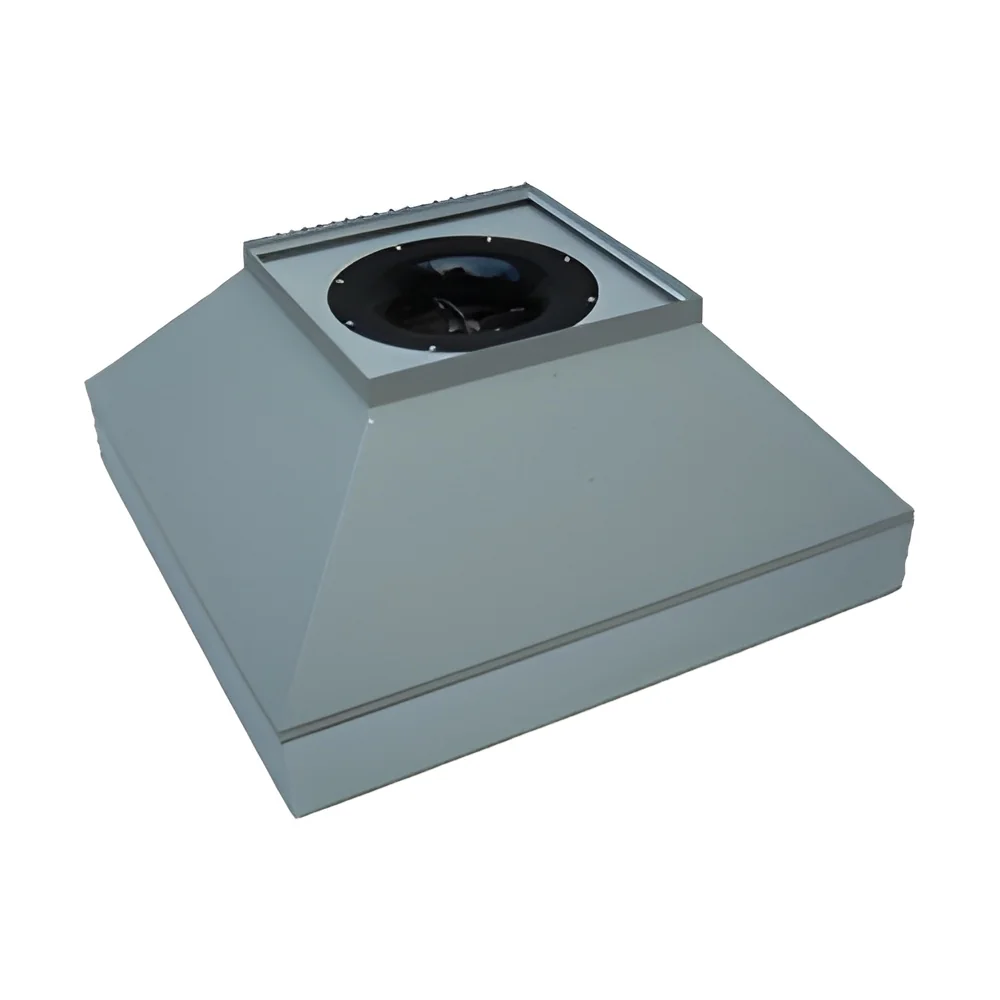
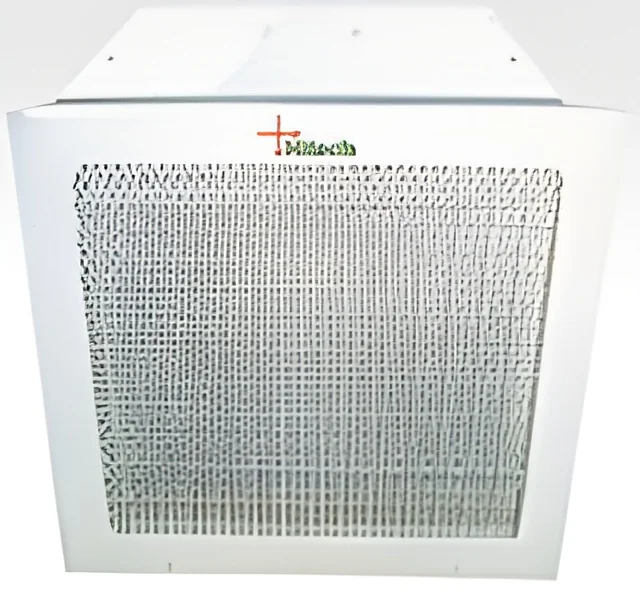
HEPA filters, or High-Efficiency Particulate Air filters, are specialized air filters designed to trap a significant amount of particles, including dust, pollen, and other allergens. These filters are made from a mat of randomly arranged fibers that create a dense network, allowing them to capture particles as small as 0.3 microns with an efficiency rate of 99.97%. The housing for these filters is the framework that supports and protects the filter, ensuring a proper fit in various ventilation systems and applications.
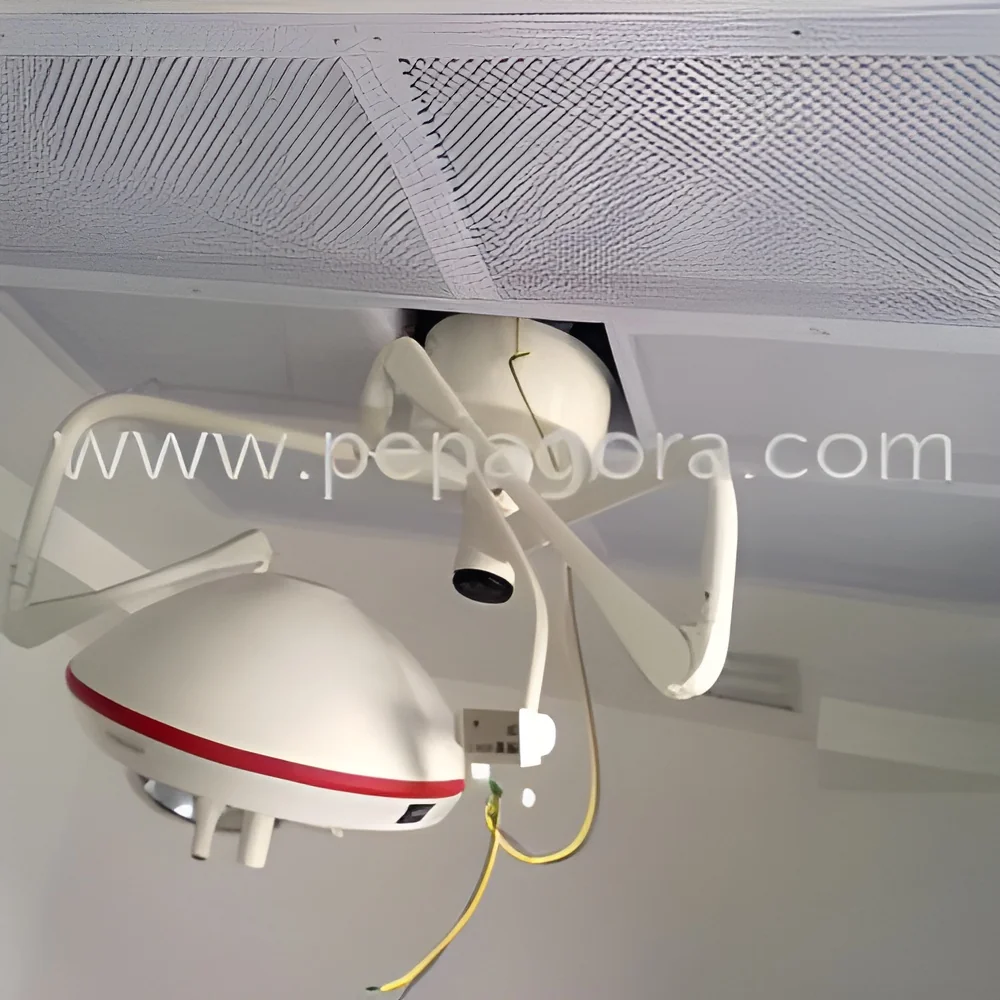
HEPA filters and their housing are primarily used in industries where maintaining air quality is critical. Common applications include hospitals, laboratories, clean rooms, and manufacturing facilities. In these environments, HEPA filters help to reduce contamination and provide cleaner air, thereby protecting both equipment and personnel. Their relevance in the market has grown due to increasing awareness of air quality and health standards across various sectors.
The demand for HEPA filters and housing continues to expand as industries strive to comply with stringent regulations and improve workplace safety. The market is witnessing innovations and advancements to enhance filter efficiency and durability, making it essential for businesses to choose the right products that meet their specific needs.
Key Features and Specifications
HEPA filters and their housing come with a variety of features that ensure optimal performance and reliability. Understanding these specifications is crucial for buyers looking to make informed decisions.
Key specifications include:
1. Filtration Efficiency
- HEPA filters must capture at least 99.97% of airborne particles that are 0.3 microns in size.
- This efficiency ensures high air quality in sensitive environments.
2. Airflow Rate
- This measures the volume of air that can pass through the filter and housing.
- Airflow rates vary depending on the application, typically ranging from 100 to 500 CFM (Cubic Feet per Minute).
3. Dimensions
- HEPA filters and housing come in various sizes to fit different systems.
- Common dimensions include 12x24 inches, 16x25 inches, and custom sizes based on specific requirements.
4. Filter Media Type
- Filters can be made from fiberglass or synthetic materials, each offering different levels of durability and efficiency.
- Choosing the right media type is essential for performance.
5. Frame Construction
- The housing frame can be made from metal or plastic, impacting durability and weight.
- Metal frames are often preferred in industrial applications for their strength.
6. Resistance to Airflow
- The pressure drop across the filter affects energy consumption and system efficiency.
- Lower resistance is desirable to minimize energy costs.
7. Operating Temperature Range
- While specific ranges are not provided, HEPA filters are designed to operate effectively within standard environmental conditions.
- This ensures safety and longevity.
8. Compliance Standards
- Filters should comply with relevant industry standards, such as EN 1822, which governs HEPA filter performance.
- Compliance ensures reliability and effectiveness in application.
In summary, understanding these key features and specifications helps businesses select HEPA filters and housing that meet their operational needs while ensuring high air quality.
Common Applications and Use Cases
HEPA filters and housing are used across various industries due to their effectiveness in maintaining air quality.
1. Healthcare: Hospitals and clinics utilize HEPA filters to ensure sterile environments, preventing the spread of airborne pathogens and protecting patients with compromised immune systems.
2. Pharmaceuticals: Clean rooms in pharmaceutical manufacturing rely on HEPA filters to remove contaminants that could affect drug quality, ensuring compliance with regulatory standards.
3. Food Processing: In food production areas, HEPA filters help maintain a contamination-free environment, crucial for food safety and quality assurance.
4. Electronics: Manufacturing facilities for semiconductors and electronics use HEPA filters to prevent dust and particles from damaging sensitive components during production.
5. Automotive: HEPA filters are employed in automotive manufacturing to maintain clean air in production lines, reducing defects caused by airborne particles.
6. Aerospace: In aircraft manufacturing, HEPA filters are essential for maintaining clean environments, which is critical for safety and performance.
7. Research Laboratories: Laboratories use HEPA filtration to protect sensitive experiments from airborne contaminants, ensuring accurate results.
Product Variants and Subcategories
HEPA filters and housing come in a variety of designs to suit different applications and environments. While specific subcategories are not available, there are several noteworthy variants.
Standard HEPA Filters
These filters feature a traditional design and are widely used in various applications. They provide excellent filtration efficiency and are suitable for most industrial settings.
Compact HEPA Filters
These filters are designed for space-constrained applications. Their compact size does not compromise performance, making them ideal for mobile or smaller equipment.
Custom HEPA Filters
For specialized applications, custom HEPA filters can be designed to meet specific requirements. This flexibility allows businesses to optimize their filtration systems according to unique operational needs.
Benefits and Advantages
Investing in HEPA filters and housing offers numerous advantages for businesses looking to enhance air quality and operational efficiency.
Key benefits include:
1. Improved Air Quality: HEPA filters significantly reduce airborne contaminants, providing cleaner air for employees and equipment.
2. Enhanced Compliance: Using HEPA filters helps businesses meet regulatory requirements for air quality in sensitive industries, avoiding potential penalties.
3. Increased Efficiency: Properly installed HEPA filters optimize airflow in HVAC systems, leading to energy savings and improved system performance.
4. Reduced Allergens: HEPA filters capture allergens such as pollen and dust mites, promoting a healthier work environment for all personnel.
5. Longevity of Equipment: By maintaining clean air, HEPA filters help protect sensitive equipment from damage caused by particulate contamination.
6. Customization Options: Businesses can choose from various filter and housing configurations to match their specific needs and application requirements.
Buying Guide for B2B Buyers
When sourcing HEPA filters and housing, businesses must consider several critical factors to ensure they select the right products for their needs.
1. Quality Assessment: Evaluate the quality of HEPA filters by reviewing filtration efficiency, material durability, and compliance with industry standards. High-quality products will offer better performance and longer lifespan.
2. Supplier Verification: It is essential to vet suppliers to ensure they are reputable and offer reliable products. Look for certifications, customer reviews, and industry affiliations.
3. Pricing and MOQ: Consider the cost of HEPA filters and housing, along with the minimum order quantity (MOQ). Compare prices across suppliers to find the best value without compromising quality.
4. Delivery and Lead Times: Assess the logistics of delivery, including lead times for production and shipping. Timely delivery is crucial for maintaining operations.
5. Compliance Requirements: Ensure that the selected filters comply with relevant regulations and standards specific to your industry. This will help avoid legal issues and ensure safety.
Compliance and Certifications
Compliance with industry standards and certifications is crucial for HEPA filters and housing. Relevant quality standards include ISO 9001, which ensures consistent quality management systems. Other important regulations may include HACCP (Hazard Analysis Critical Control Points) for food safety and GDP (Good Distribution Practice) in pharmaceuticals.
Certification marks such as CE indicate compliance with European health and safety standards, ensuring that products are safe for use in various applications. Additionally, manufacturers should meet safety and testing requirements to ensure that their filters perform as expected under real-world conditions.
Regional compliance considerations may vary, so businesses should familiarize themselves with local regulations to ensure adherence to safety and quality standards.
Why Source HEPA Filters & Housing from Pepagora?
Pepagora offers a trusted platform for sourcing HEPA filters and housing, providing several key advantages for B2B buyers.
Verified Supplier Network: Pepagora connects businesses with a network of verified suppliers, ensuring reliability and quality in product offerings. This reduces the risk associated with sourcing from unknown vendors.
Streamlined RFQ Process: The platform features a user-friendly Request for Quotation (RFQ) system, allowing businesses to easily compare quotes from multiple suppliers. This simplifies the procurement process.
Trade Assurance and Support: Pepagora offers trade assurance, providing buyer protection and support throughout the purchasing journey. This feature enhances confidence in transactions.
Regional Coverage: With a broad geographic reach, Pepagora services markets in India, the Gulf Cooperation Council (GCC), and Southeast Asia. This extensive coverage ensures that businesses can access high-quality HEPA filters and housing regardless of location.

 IN
IN