
 IN
INAutomation Equipment & Robotics
682 products available
𝗪𝗵𝗮𝘁 𝗮𝗿𝗲 𝗔𝘂𝘁𝗼𝗺𝗮𝘁𝗶𝗼𝗻 𝗘𝗾𝘂𝗶𝗽𝗺𝗲𝗻𝘁 & 𝗥𝗼𝗯𝗼𝘁𝗶𝗰𝘀?
𝗞𝗲𝘆 𝗙𝗲𝗮𝘁𝘂𝗿𝗲𝘀 𝗮𝗻𝗱 𝗦𝗽𝗲𝗰𝗶𝗳𝗶𝗰𝗮𝘁𝗶𝗼𝗻𝘀
𝗖𝗼𝗺𝗺𝗼𝗻 𝗔𝗽𝗽𝗹𝗶𝗰𝗮𝘁𝗶𝗼𝗻𝘀 𝗮𝗻𝗱 𝗨𝘀𝗲 𝗖𝗮𝘀𝗲𝘀
𝗣𝗿𝗼𝗱𝘂𝗰𝘁 𝗩𝗮𝗿𝗶𝗮𝗻𝘁𝘀 𝗮𝗻𝗱 𝗦𝘂𝗯𝗰𝗮𝘁𝗲𝗴𝗼𝗿𝗶𝗲𝘀
𝗕𝗲𝗻𝗲𝗳𝗶𝘁𝘀 𝗮𝗻𝗱 𝗔𝗱𝘃𝗮𝗻𝘁𝗮𝗴𝗲𝘀
𝗕𝘂𝘆𝗶𝗻𝗴 𝗚𝘂𝗶𝗱𝗲 𝗳𝗼𝗿 𝗕𝟮𝗕 𝗕𝘂𝘆𝗲𝗿𝘀
𝗖𝗼𝗺𝗽𝗹𝗶𝗮𝗻𝗰𝗲 𝗮𝗻𝗱 𝗖𝗲𝗿𝘁𝗶𝗳𝗶𝗰𝗮𝘁𝗶𝗼𝗻𝘀
𝗪𝗵𝘆 𝗦𝗼𝘂𝗿𝗰𝗲 𝗔𝘂𝘁𝗼𝗺𝗮𝘁𝗶𝗼𝗻 𝗘𝗾𝘂𝗶𝗽𝗺𝗲𝗻𝘁 & 𝗥𝗼𝗯𝗼𝘁𝗶𝗰𝘀 𝗳𝗿𝗼𝗺 𝗣𝗲𝗽𝗮𝗴𝗼𝗿𝗮?




Frequently Asked Questions
What are Automation Equipment & Robotics?
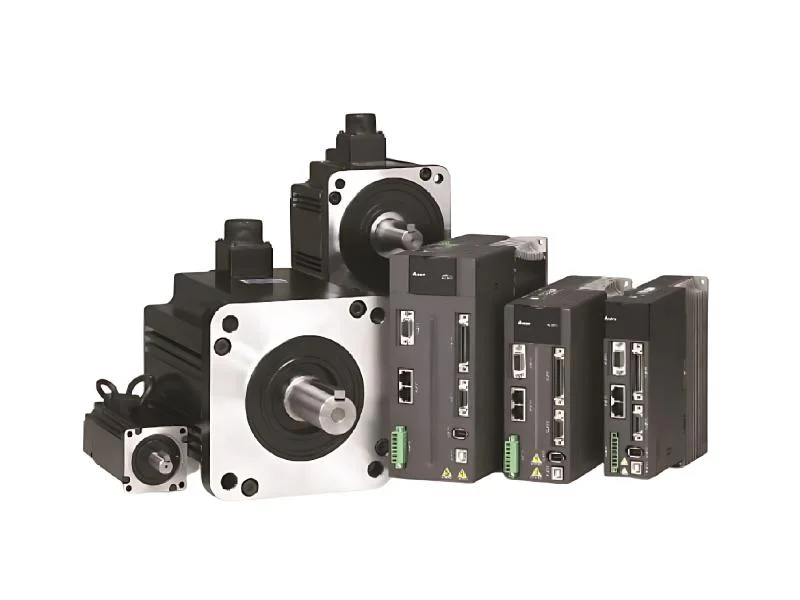
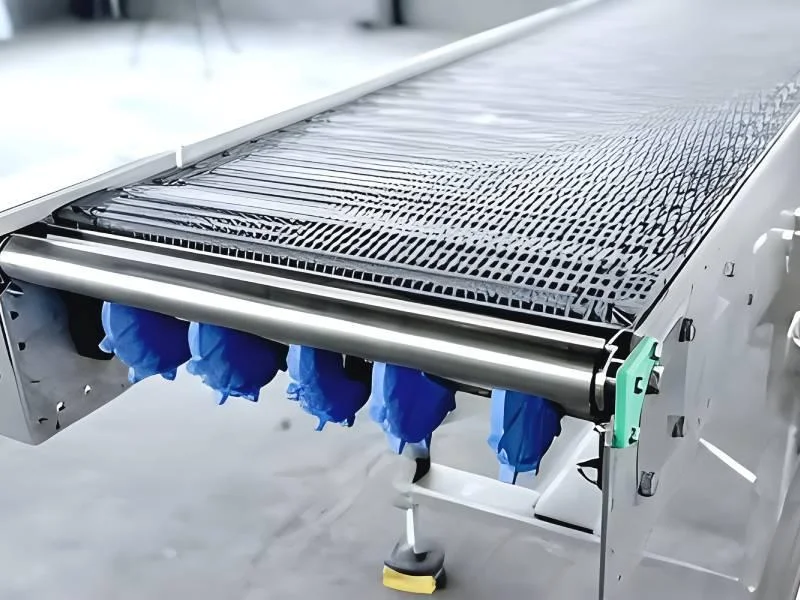
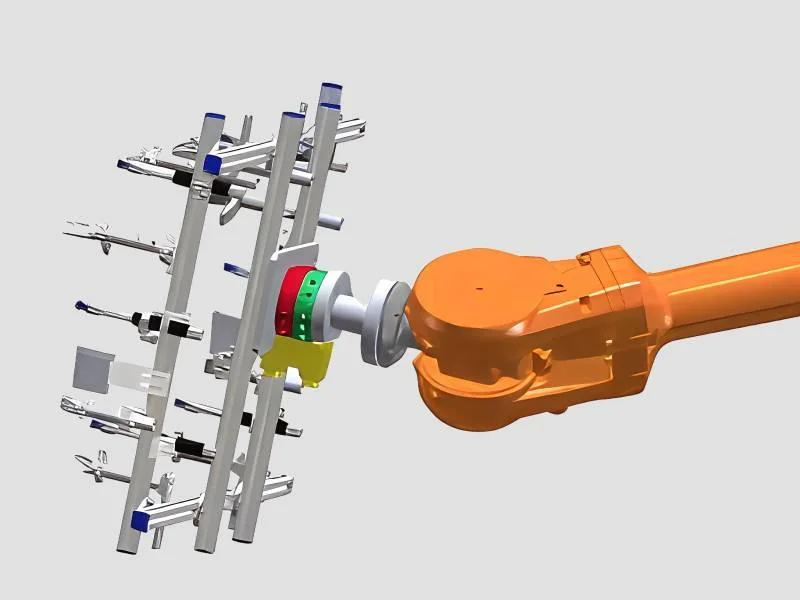
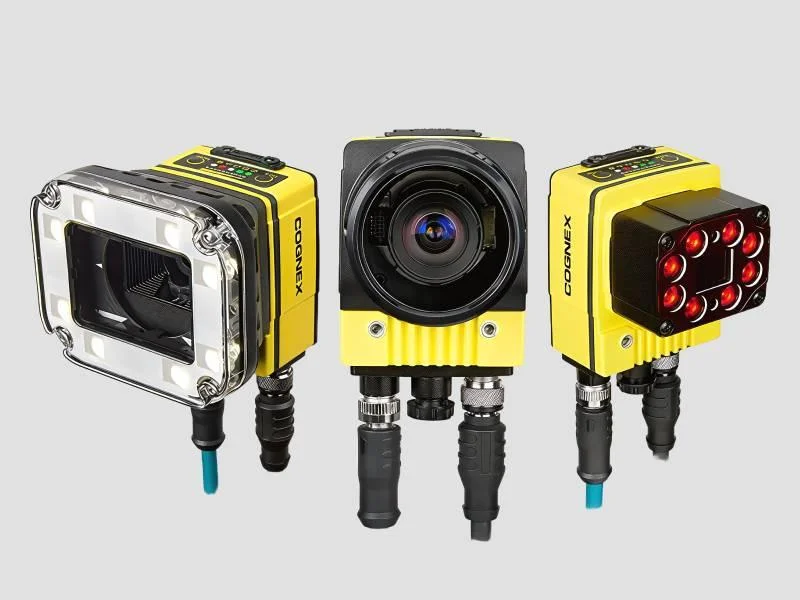
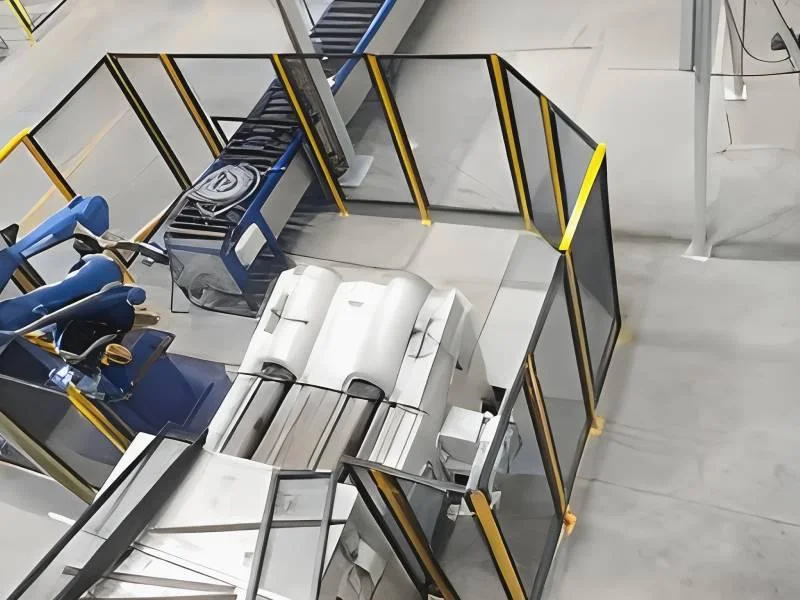
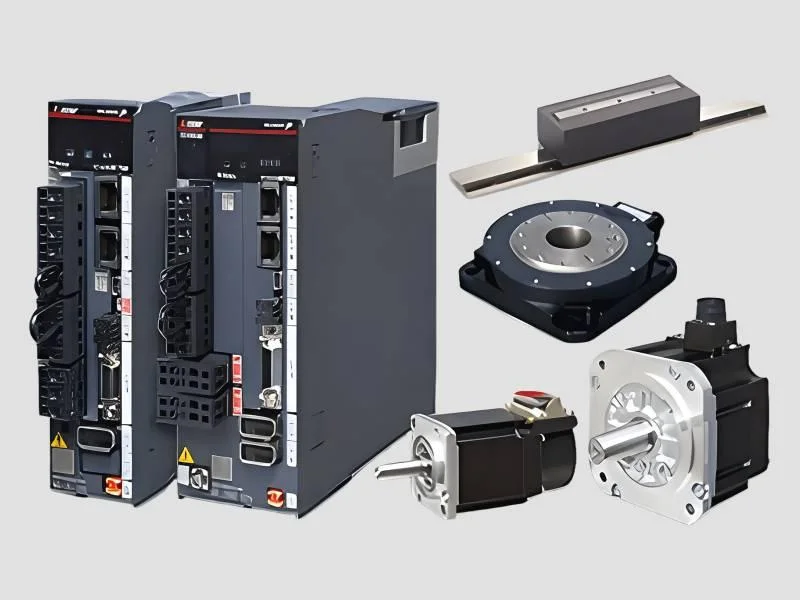
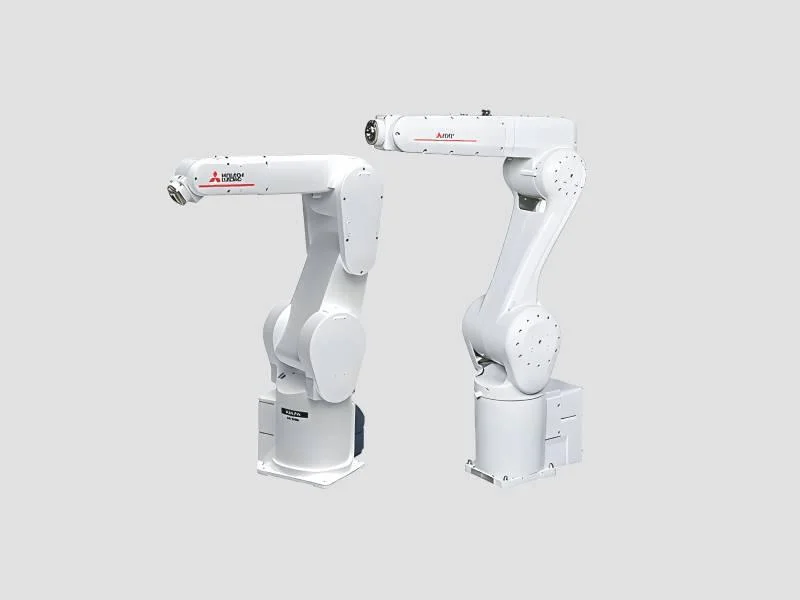
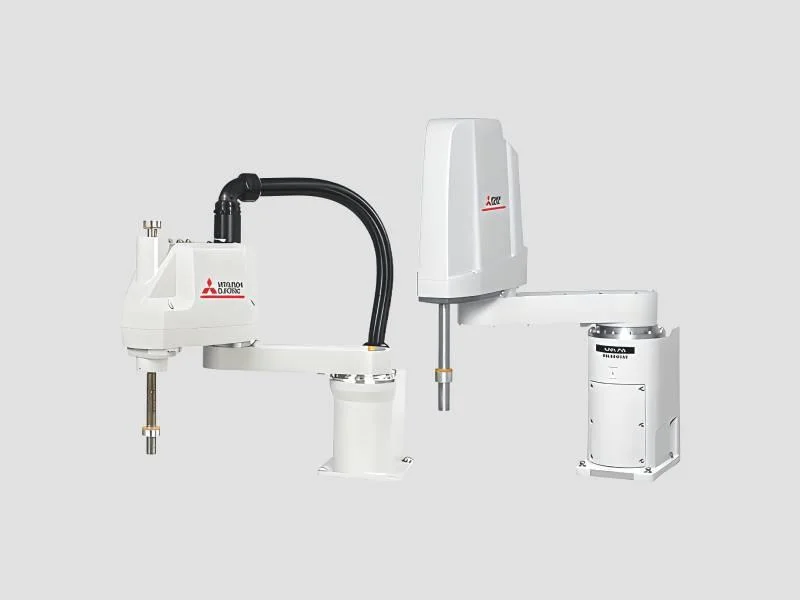
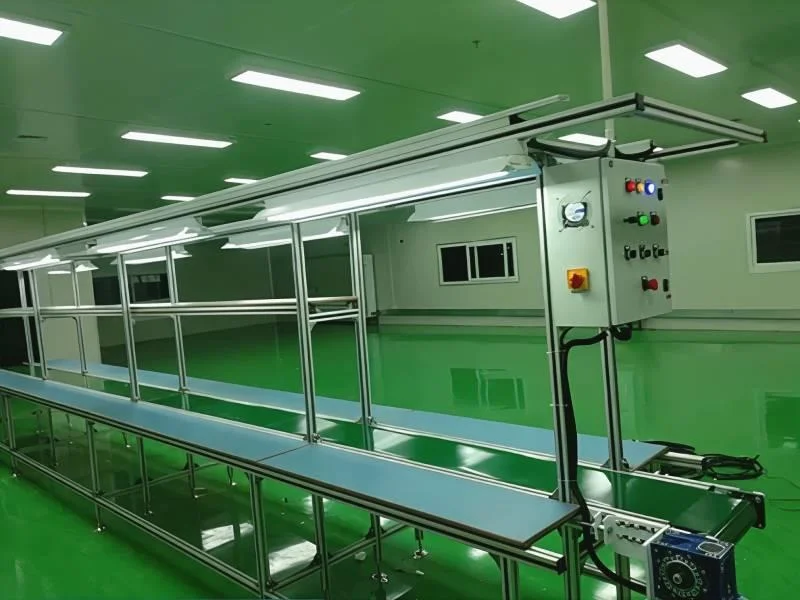
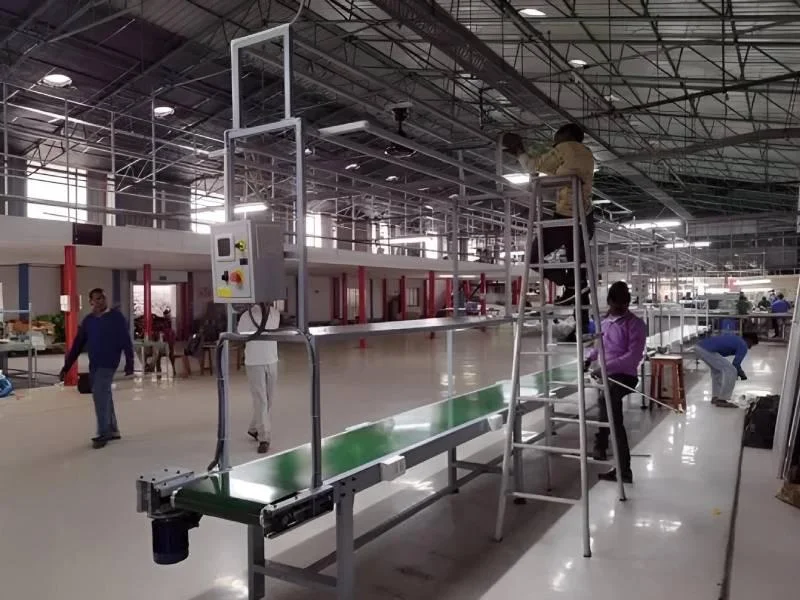
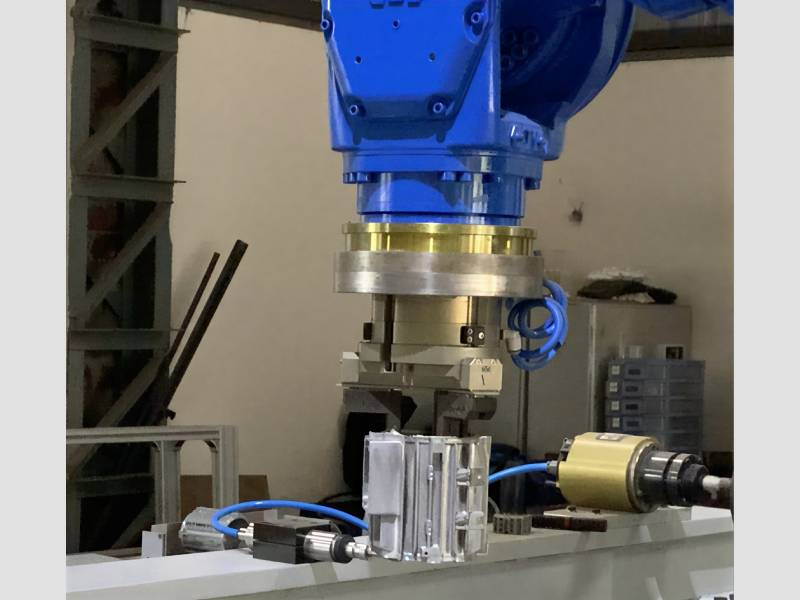
Automation Equipment & Robotics refer to the tools and machines designed to perform tasks with minimal human intervention. This category includes various devices such as robotic arms, automated conveyors, and control systems that enhance productivity and efficiency in manufacturing and other industries.
What are the different types of Automation Equipment & Robotics?
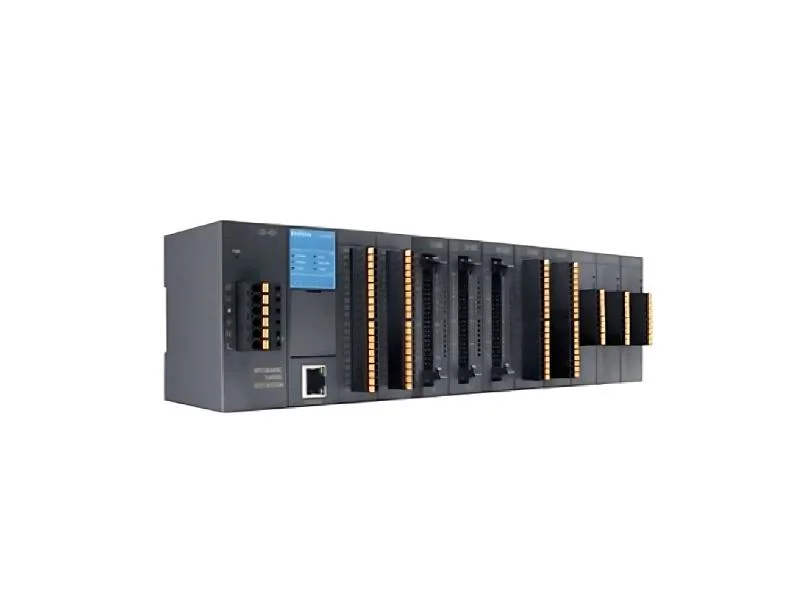
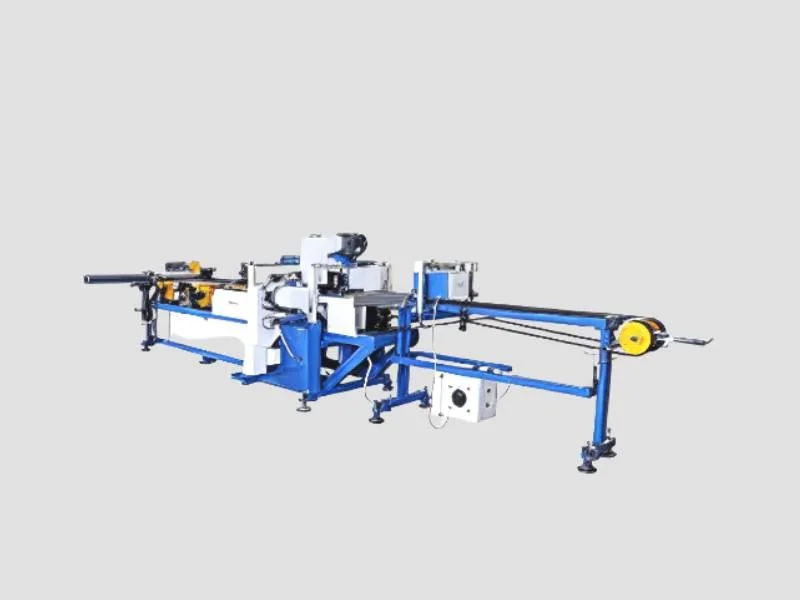
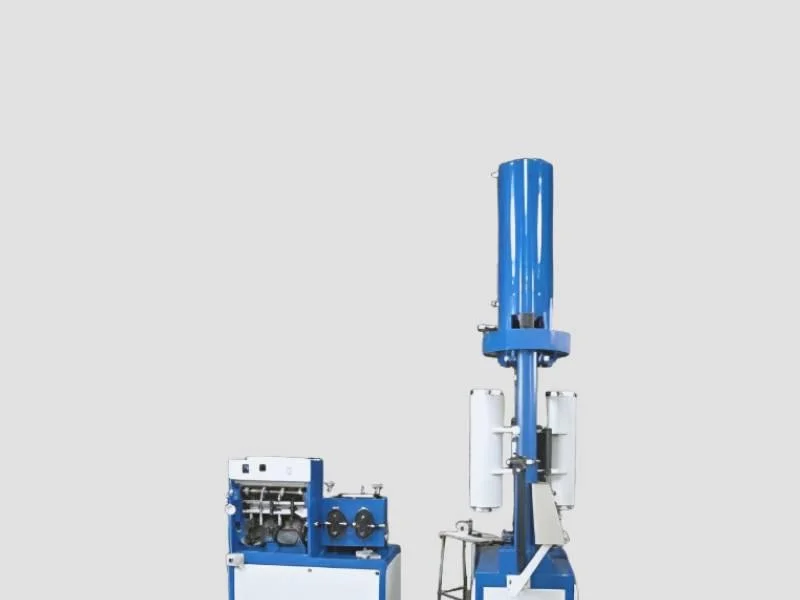
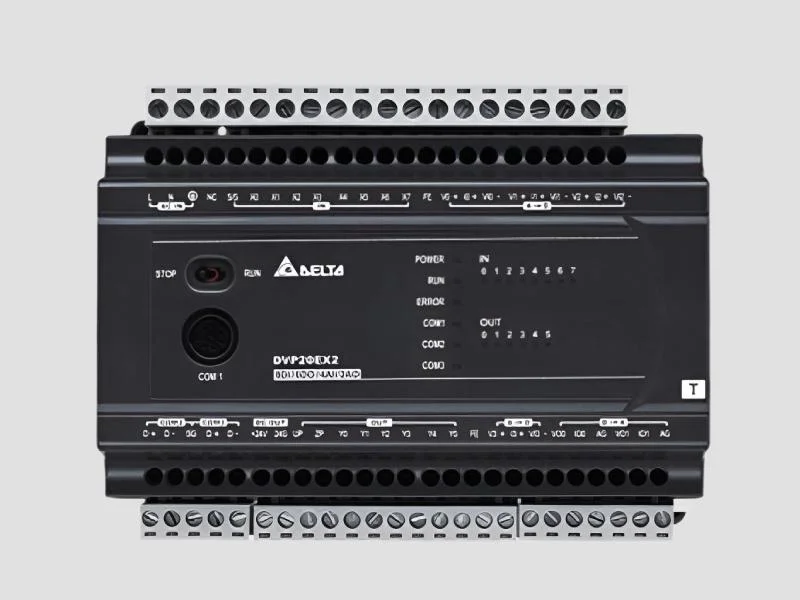
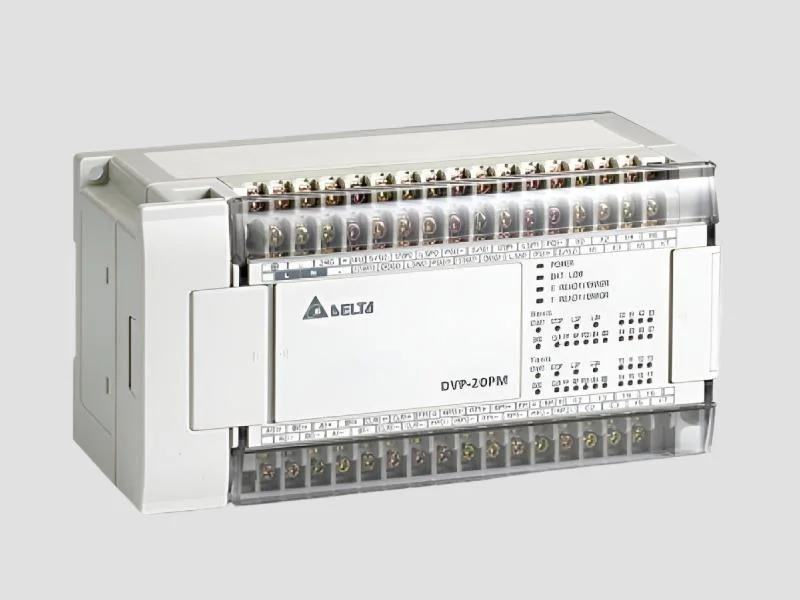
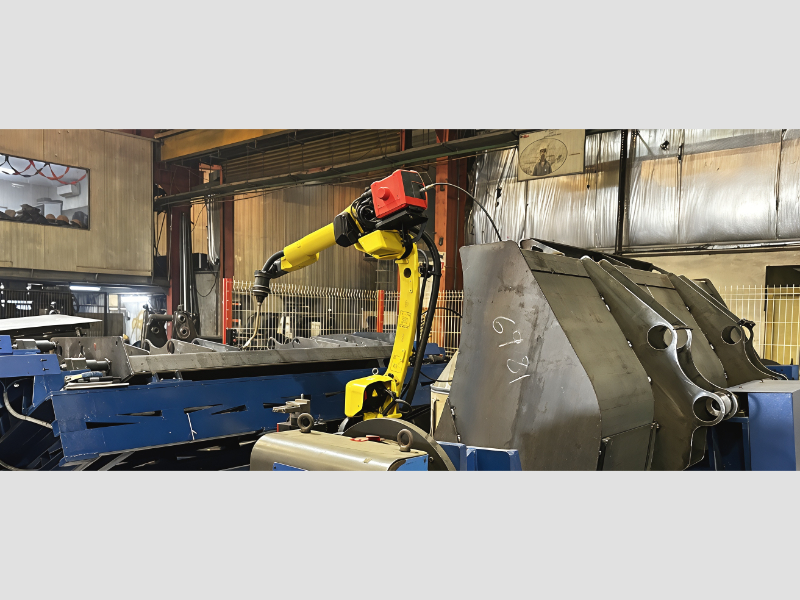
The different types of Automation Equipment & Robotics include industrial robots, collaborative robots (cobots), automated guided vehicles (AGVs), and programmable logic controllers (PLCs). Additionally, there are specialized machines for tasks like welding, painting, and assembly, each tailored for specific applications.
How do I choose the right Automation Equipment & Robotics?
When choosing Automation Equipment & Robotics, consider factors such as the specific tasks you need to automate, the required precision and speed, and the integration with existing systems. It's also essential to evaluate the manufacturer's reputation, warranty, and support services to ensure you make an informed decision.
What are the standard specifications for Automation Equipment & Robotics?
Standard specifications for Automation Equipment & Robotics vary widely but typically include parameters like load capacity, repeatability, speed, and power consumption. Additionally, safety features, connectivity options, and compliance with industry standards such as ISO and IEC are crucial for reliable operation.
What is the price range for Automation Equipment & Robotics?
The price range for Automation Equipment & Robotics can vary significantly based on the type and complexity of the equipment. Basic automation tools may start from a few thousand rupees, while advanced robotic systems can cost several lakhs or more, depending on their capabilities and features.
What quality standards apply to Automation Equipment & Robotics?
Quality standards for Automation Equipment & Robotics often include ISO 9001 for quality management systems and ISO 10218 for industrial robots. Compliance with these standards ensures that the equipment is manufactured with consistent quality and meets safety and performance requirements.
Where can I find Automation Equipment & Robotics suppliers in India?
You can find Automation Equipment & Robotics suppliers in India through various platforms, including B2B marketplaces such as Pepagora.com. Additionally, industry trade shows, exhibitions, and online directories can provide valuable resources for locating reputable manufacturers and suppliers.
Can Automation Equipment & Robotics be customized?
Yes, many manufacturers offer customization options for Automation Equipment & Robotics to meet specific operational needs. Customization can include modifications to size, functionality, and software integration to ensure that the equipment aligns with the unique requirements of a business.
What is the typical minimum order quantity for Automation Equipment & Robotics?
The typical minimum order quantity (MOQ) for Automation Equipment & Robotics can vary by supplier and product type. Generally, MOQs can range from one unit for specialized items to larger quantities for standard products, depending on the manufacturer's policies.
What is the typical lead time for Automation Equipment & Robotics?
The typical lead time for Automation Equipment & Robotics can vary based on factors such as the complexity of the equipment and the supplier's production schedule. Generally, lead times can range from a few weeks to several months, especially for customized solutions.
Why Businesses Trust Pepagora
Thousands of companies trust Pepagora to source smarter and sell faster
Expand Your Sales Globally

Source Smarter,Grow Faster
