What are Pharma Packaging Robots?
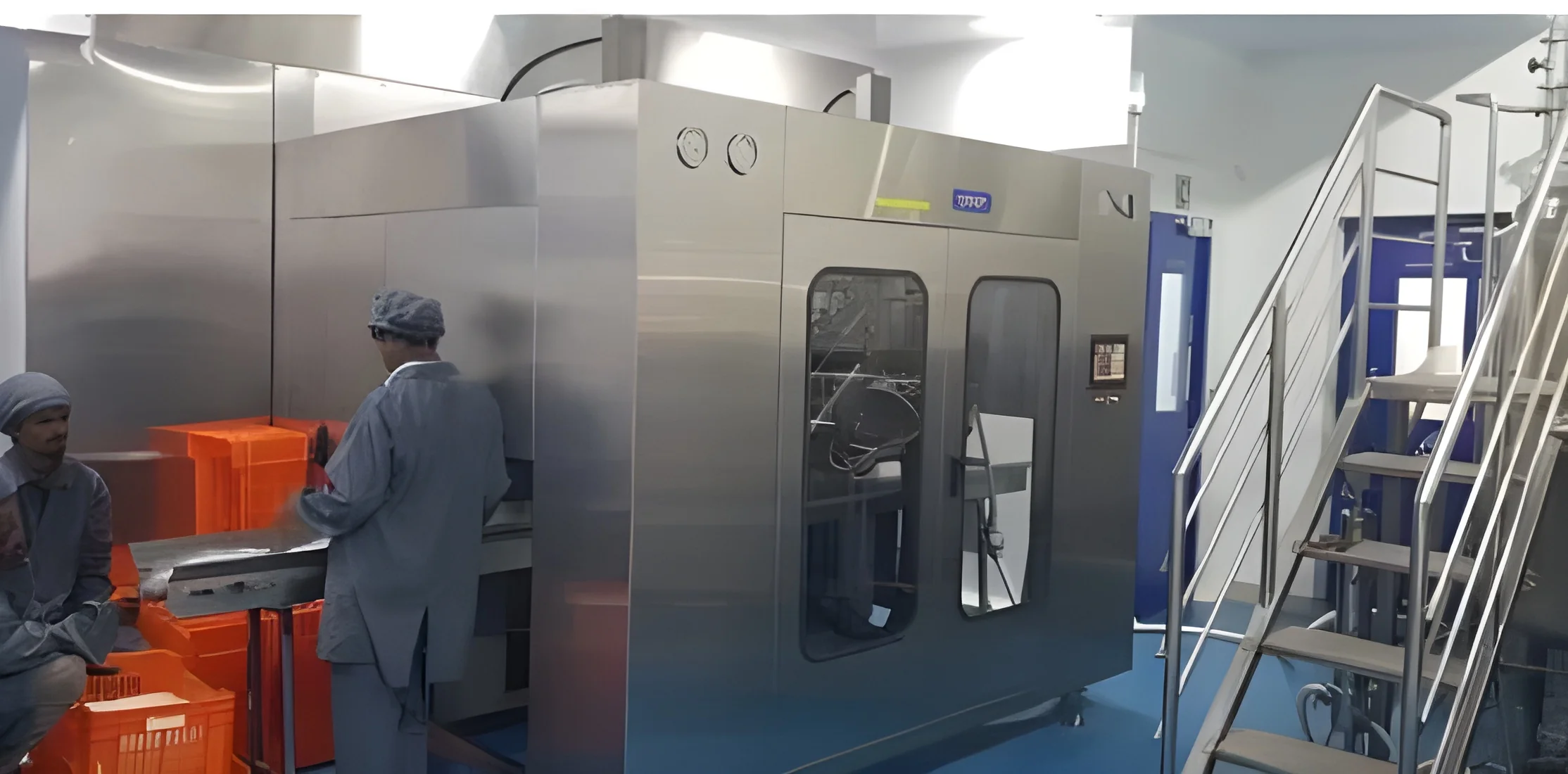
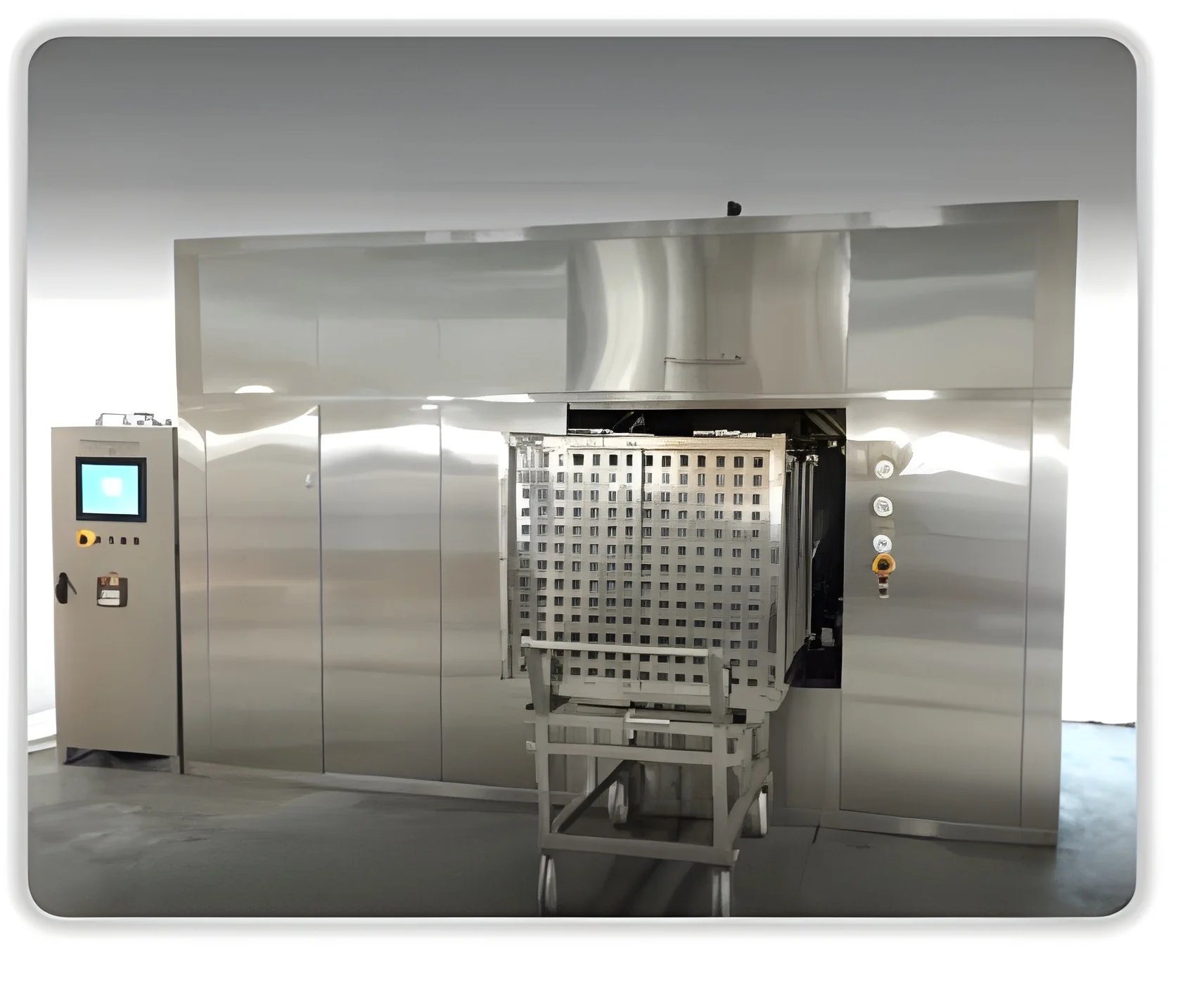
Pharma packaging robots are specialized automated systems designed to handle the complex packaging processes in the pharmaceutical industry. These robots ensure that products are packaged efficiently, accurately, and in compliance with stringent regulatory standards. By integrating advanced technology, they can perform various tasks such as filling, sealing, labeling, and palletizing with minimal human intervention.
The primary uses of pharma packaging robots include streamlining production lines, reducing labor costs, and improving overall packaging quality. They are essential in environments where precision is critical, such as in the packaging of medicines, vaccines, and other health-related products. The pharmaceutical industry is increasingly adopting these robots to remain competitive, enhance productivity, and meet the growing demand for high-quality packaging solutions.
In the context of the market, the demand for pharma packaging robots is on the rise due to the increasing need for automation in manufacturing processes. As pharmaceutical companies strive to improve efficiency while adhering to regulatory requirements, these robots play a crucial role in optimizing operations and ensuring the integrity of pharmaceutical products.
Key Features and Specifications
Pharma packaging robots come equipped with a range of features designed to enhance their functionality and efficiency. Understanding these specifications is vital for businesses looking to invest in such technology.
Key specifications include:
1. Payload Capacity
- Defines the maximum weight the robot can handle
- Typically ranges from 5 kg to 150 kg depending on the model
2. Speed
- Indicates how quickly the robot can perform packaging tasks
- Speeds can range from 15 to 300 packages per minute
3. Precision
- Measures the accuracy of the robot in packaging processes
- High precision is crucial for maintaining product integrity
4. Automation Level
- Refers to the degree of automation in the packaging process
- Options can include fully automated or semi-automated systems
5. User Interface
- Describes the control system used for operation
- Modern robots may feature touch screens and user-friendly software
6. Compatibility
- Indicates the types of packaging materials and products the robot can handle
- Versatile robots can work with various containers and sizes
7. Safety Features
- Includes built-in safety systems to protect operators
- Features may include emergency stop buttons and safety shields
8. Energy Efficiency
- Refers to the energy consumption of the robot during operation
- Energy-efficient models help reduce operational costs
In summary, understanding the key specifications of pharma packaging robots is essential for businesses to select the right equipment that meets their operational needs.
Common Applications and Use Cases
Pharma packaging robots serve a wide range of industries, providing solutions tailored to specific packaging needs.
1. Pharmaceuticals: These robots are primarily used for packaging medicines in various forms, such as tablets, syrups, and injectables, ensuring accuracy and compliance with health regulations.
2. Biotechnology: In the biotech sector, robots package sensitive biological materials, such as vaccines and monoclonal antibodies, requiring precise handling and environmental controls.
3. Nutraceuticals: Companies producing dietary supplements use packaging robots to efficiently package powders, capsules, and liquids while maintaining product quality.
4. Medical Devices: Robots are employed to package medical devices and instruments, ensuring they are sealed correctly to prevent contamination.
5. Cosmetics: The cosmetic industry utilizes these robots for packaging lotions, creams, and other products, allowing for high-speed production and consistency.
6. Food and Beverages: While not exclusive to pharmaceuticals, some robots are adapted for packaging health-oriented food products, ensuring compliance with food safety standards.
7. Veterinary Products: Robots assist in packaging veterinary pharmaceuticals, ensuring they meet the same rigorous standards as human medications.
Product Variants and Subcategories
Pharma packaging robots come in various models, each designed to address specific packaging challenges.
Robotic Arm Systems: These systems are highly versatile, capable of performing multiple packaging tasks such as filling, sealing, and labeling. They are suitable for a range of pharmaceutical products and can be customized for different production lines.
Carton Packaging Robots: Specialized for packaging products into cartons, these robots efficiently handle the loading and sealing processes, making them ideal for bulk packaging operations in the pharmaceutical sector.
Case Packing Robots: Designed for packing products into shipping cases, these robots enhance the efficiency of logistics operations by automating the packing process, ensuring quick and reliable packaging.
Benefits and Advantages
Investing in pharma packaging robots offers numerous advantages to businesses operating in the pharmaceutical sector.
Key benefits include:
1. Increased Efficiency: Robots can operate continuously, significantly boosting production rates and reducing time spent on packaging.
2. Cost Savings: Automation reduces labor costs and minimizes errors, leading to lower operational expenses over time.
3. Enhanced Quality Control: Robots ensure consistent packaging quality, reducing the risk of contamination and ensuring compliance with industry standards.
4. Flexibility: Many robots can be easily reprogrammed or adapted for various packaging tasks, making them suitable for changing production needs.
5. Improved Safety: By minimizing human involvement in repetitive tasks, robots help reduce workplace injuries and improve overall safety standards.
6. Scalability: As production demands grow, companies can scale their robotic systems to meet increased output without significant additional investment.
Buying Guide for B2B Buyers
When sourcing pharma packaging robots, buyers must consider several critical factors to ensure they select the right equipment for their needs.
1. Quality Assessment: Evaluate the quality of the robots by considering their build materials, reliability, and manufacturer reputation. Conduct thorough research on suppliers and their product offerings.
2. Supplier Verification: Vet potential suppliers by checking their certifications, customer reviews, and history in the pharmaceutical packaging industry. Ensure they have experience with the specific requirements of your applications.
3. Pricing and MOQ: Understand the price range for different models and inquire about minimum order quantities (MOQ). Compare quotes from multiple suppliers to ensure competitive pricing.
4. Delivery and Lead Times: Discuss logistics with suppliers to establish realistic delivery timelines. Consider lead times that align with your production schedules to avoid disruptions.
5. Compliance Requirements: Ensure that the robots meet all necessary regulatory standards such as CE certification and industry-specific compliance needs. This is critical for maintaining product quality and safety.
Compliance and Certifications
Pharma packaging robots must adhere to various compliance and certification standards to ensure safety and quality in the pharmaceutical industry.
Relevant quality standards include ISO 9001, which focuses on quality management systems, and HACCP, which emphasizes food safety. Compliance with these standards is essential for maintaining high-quality packaging processes.
Industry certifications such as CE indicate that the equipment meets European safety and health requirements. This certification is crucial for manufacturers looking to market their products in Europe.
Additionally, safety and testing requirements are vital for ensuring that robots operate safely and effectively. Regular testing and adherence to safety standards help mitigate risks associated with automated packaging.
Regional compliance considerations may vary, so businesses should be aware of specific regulations in their operating regions, ensuring full compliance with local laws and standards.
Why Source Pharma Packaging Robots from Pepagora?
Pepagora offers a trusted platform for sourcing pharma packaging robots, providing several key advantages for businesses.
Verified Supplier Network: Pepagora thoroughly vets its suppliers, ensuring that buyers have access to reliable, high-quality products. This verification process gives buyers confidence in their purchasing decisions.
Streamlined RFQ Process: The platform simplifies the request for quotation (RFQ) process, allowing buyers to easily compare prices and specifications from various suppliers. This efficiency helps businesses make informed choices quickly.
Trade Assurance and Support: Pepagora provides trade assurance to protect buyers, ensuring that they receive the products as described. This support enhances buyer confidence in their transactions.
Regional Coverage: With a focus on markets in India, the Gulf Cooperation Council (GCC) region, and Southeast Asia, Pepagora offers extensive geographic reach. This coverage helps businesses find the right solutions tailored to their specific regional needs.

 IN
IN