What are Automated Conveyor Lines?
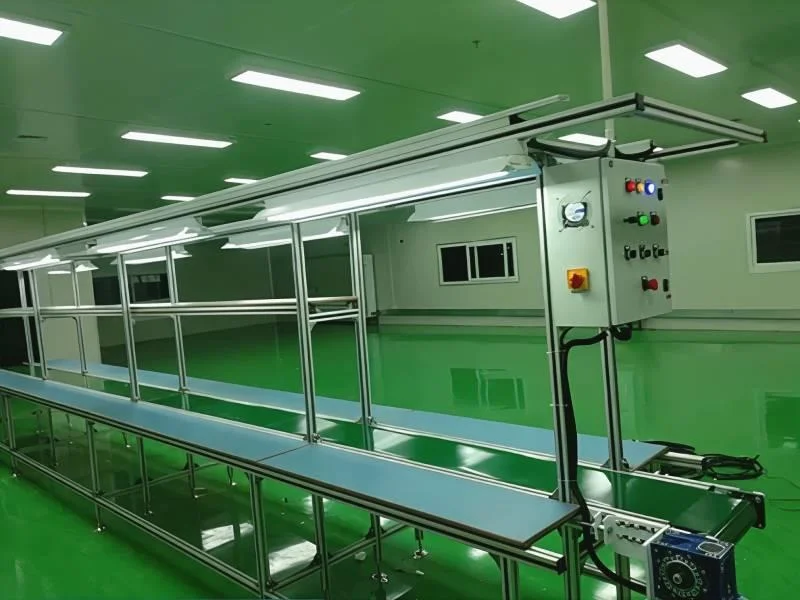
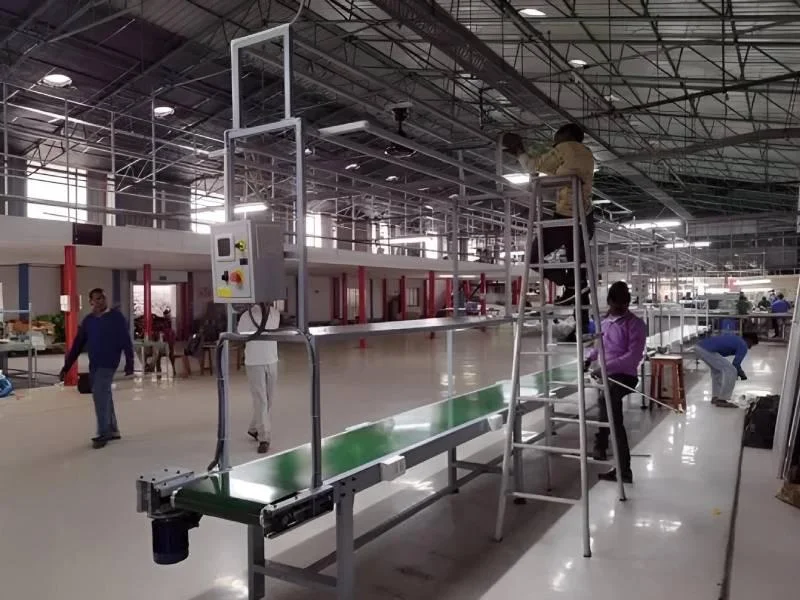
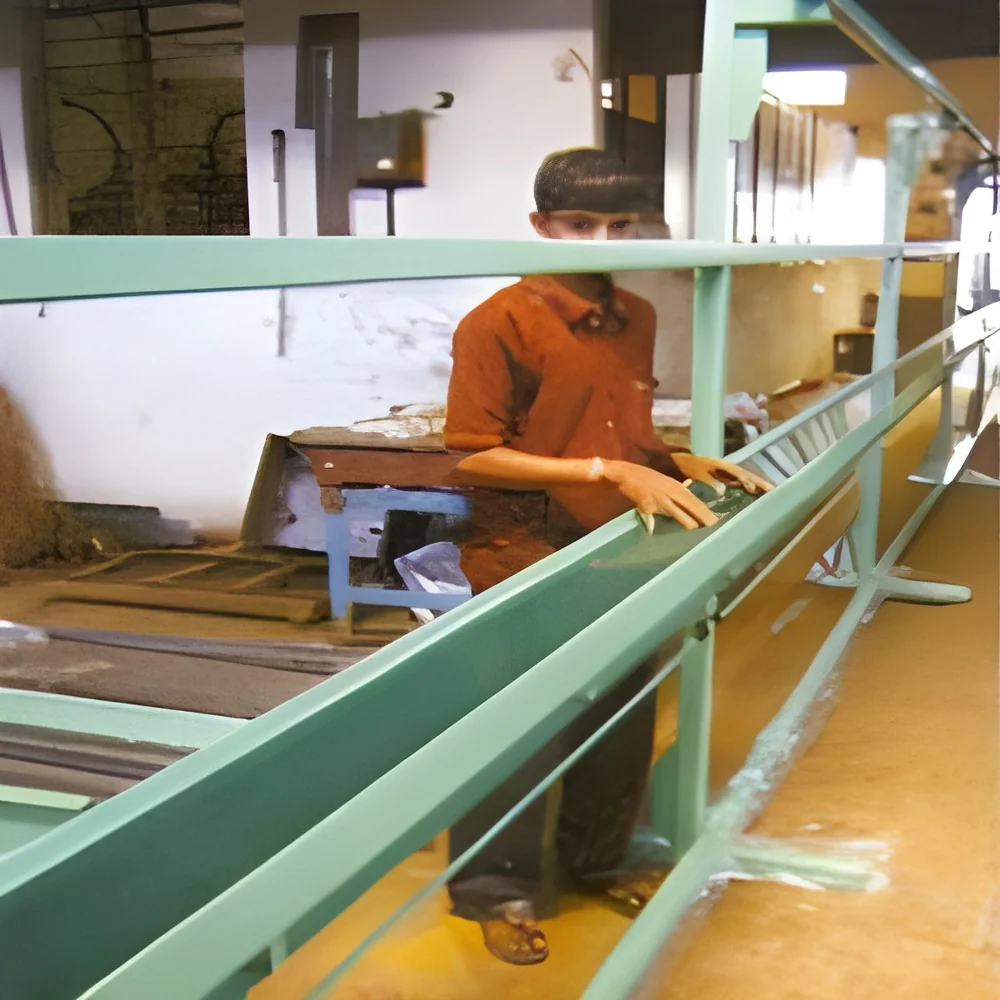
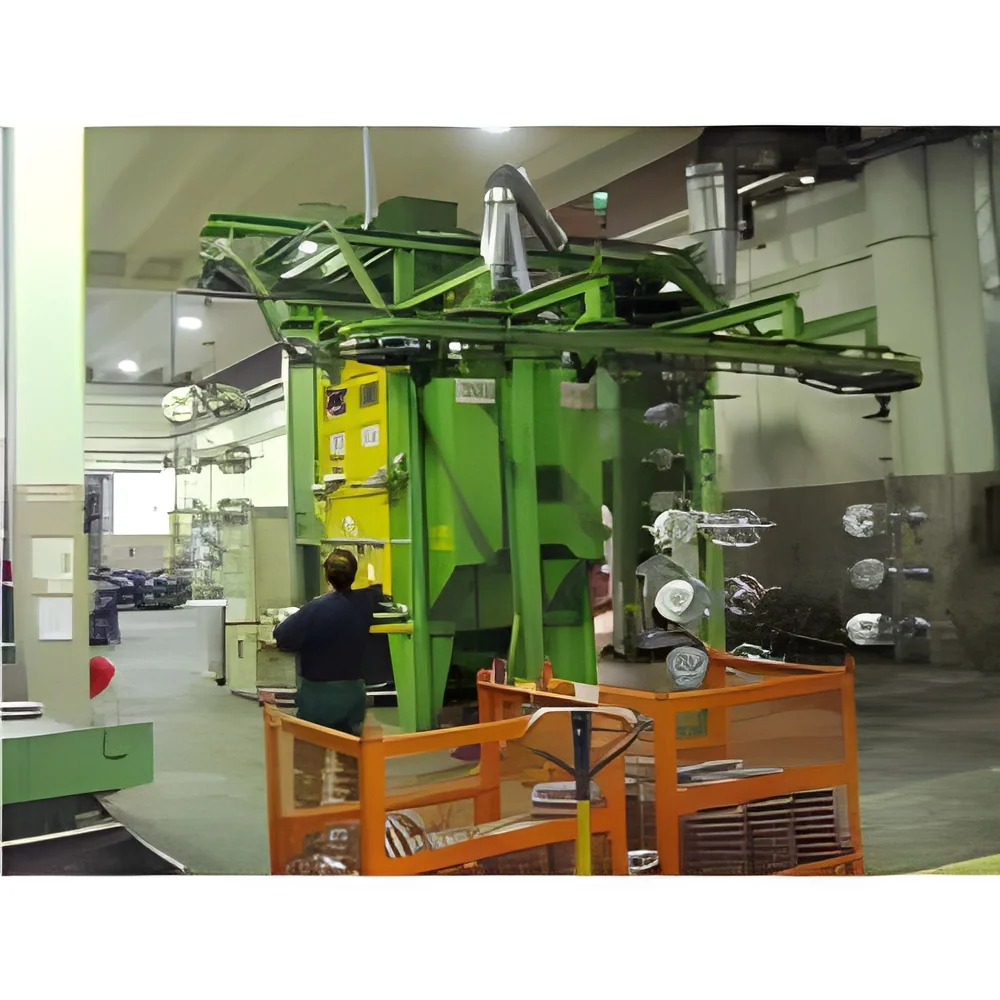
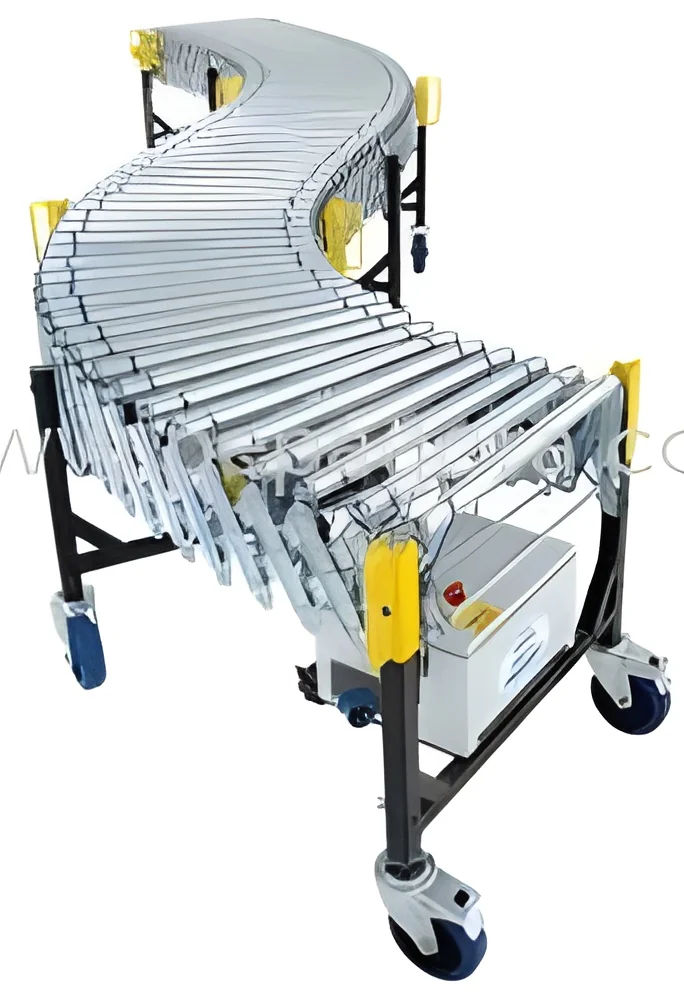
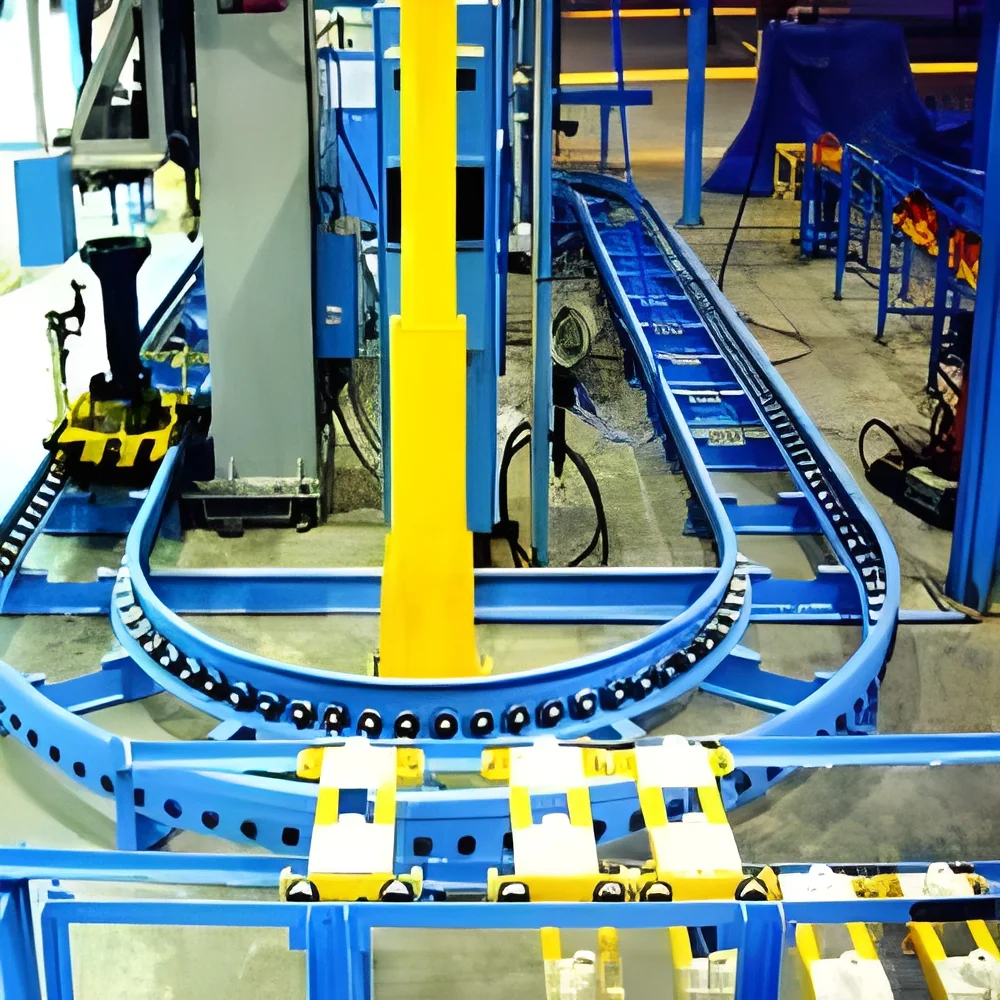
Automated conveyor lines are systems designed to transport materials, products, or components through various stages of production and assembly processes. These lines utilize advanced technology to facilitate the movement of items, thereby increasing efficiency and reducing manual labor. Automated conveyor lines can be configured in various layouts to accommodate different workflows, making them a flexible solution for many industries.
These systems are primarily used in manufacturing, packaging, and distribution environments. They streamline operations by enabling seamless product flow, minimizing downtime, and enhancing product handling. Businesses implement automated conveyor lines to enhance productivity, reduce operational costs, and improve safety in the workplace. The relevance of these systems in the industry is underscored by the growing demand for automation in production processes, as companies seek to optimize their supply chains and meet increasing consumer expectations.
Key Features and Specifications
Automated conveyor lines offer a range of features and specifications that cater to diverse industrial needs. Understanding these specifications is crucial for businesses looking to implement or upgrade their conveyor systems.
Key specifications include:
1. Load Capacity
- The maximum weight the conveyor can handle per segment or unit length.
- Typical parameters range from a few hundred kilograms to several tons, depending on the design.
2. Speed
- The rate at which products move along the conveyor.
- Speed can vary from 0.5 meters per second to over 3 meters per second.
3. Length and Width
- The dimensions of the conveyor system to fit specific layouts.
- Lengths can range from a few meters to hundreds of meters, while widths typically vary from 300 mm to 1,200 mm.
4. Drive Type
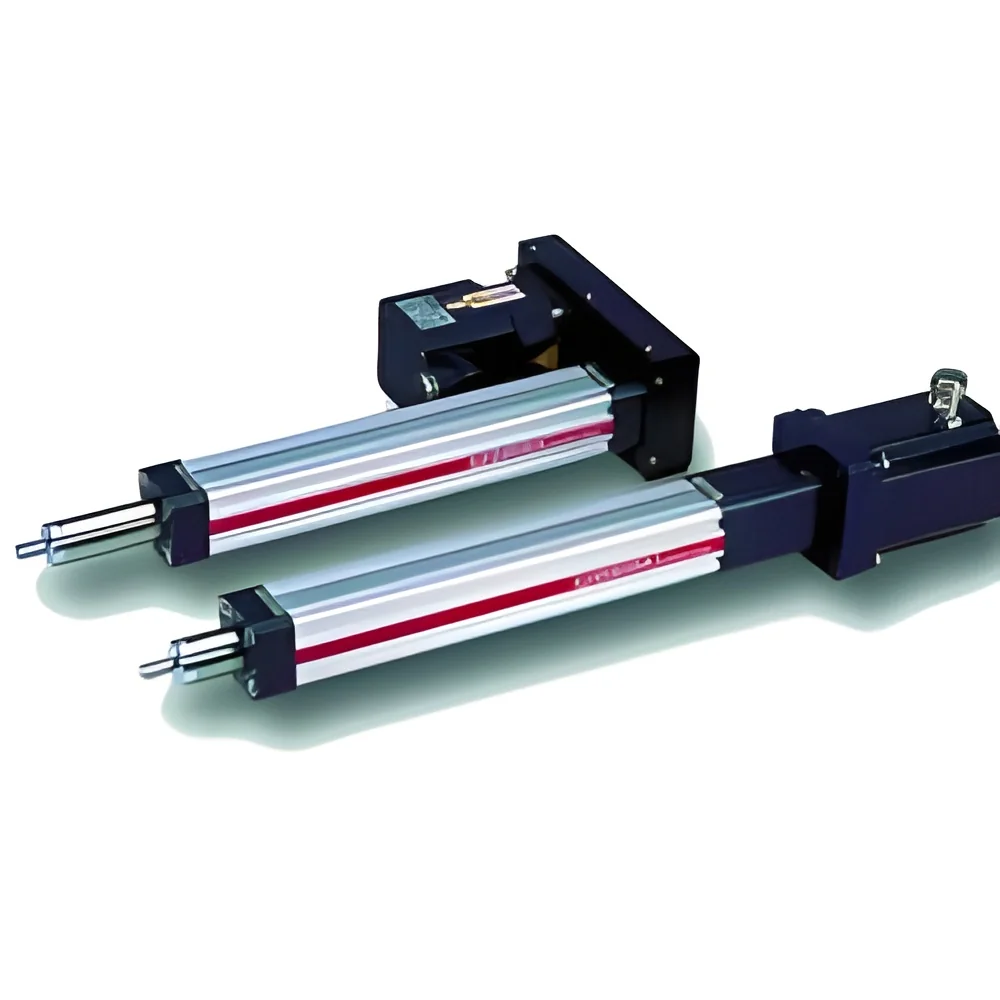
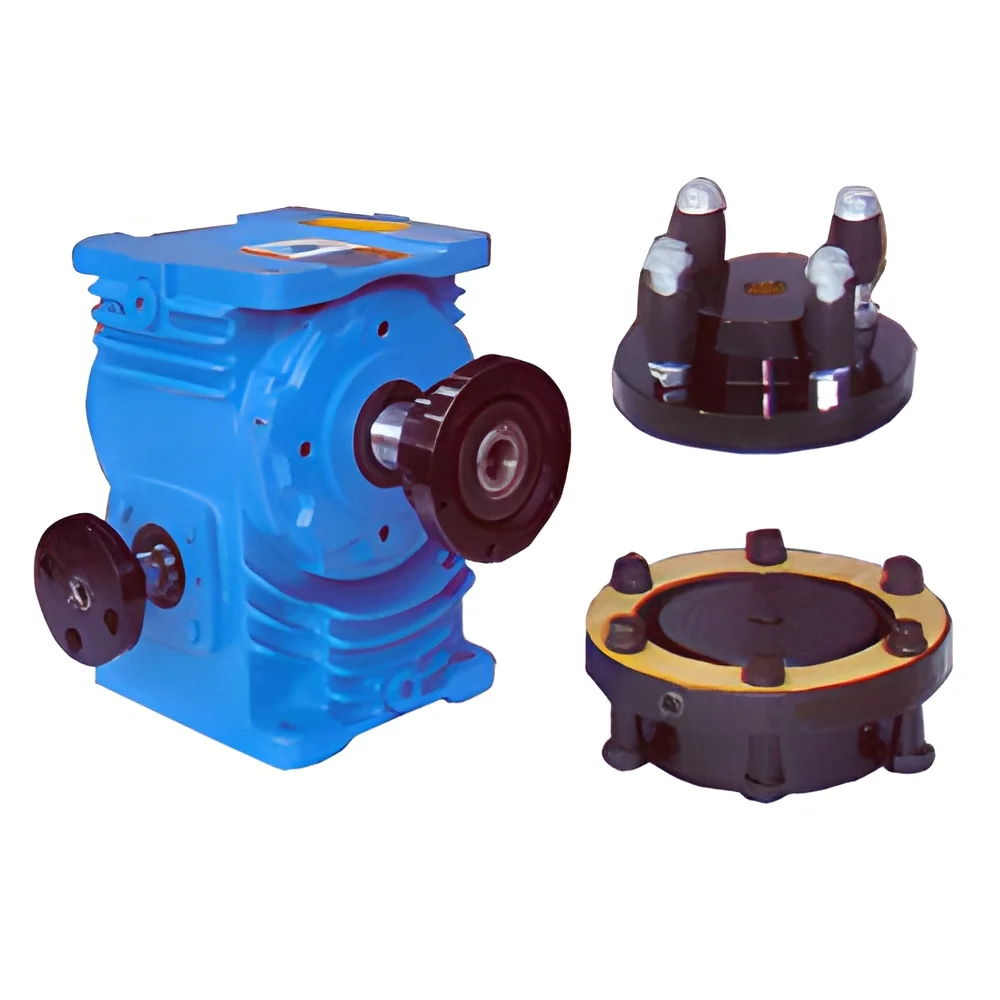
- The mechanism powering the conveyor, such as electric or pneumatic systems.
- Electric drives are common for their reliability and efficiency.
5. Control Options
- The level of automation in controlling the conveyor system.
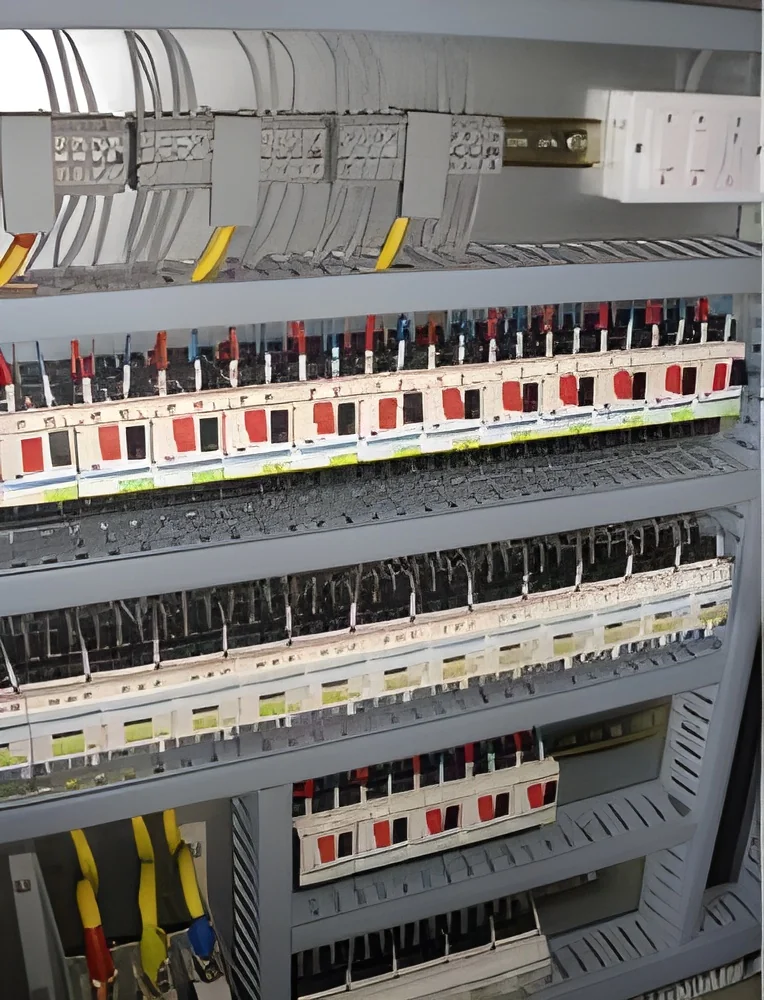
- Options may include manual control, programmable logic controllers (PLC), and integration with advanced manufacturing systems.
6. Material Construction
- The materials used to build the conveyor, affecting durability and application.
- Common materials include stainless steel, aluminum, and plastic.
7. Integration Capabilities
- The ability to connect with other machinery and systems.
- This ensures seamless operation across different stages of production.
8. Safety Features
- Mechanisms designed to protect operators and equipment.
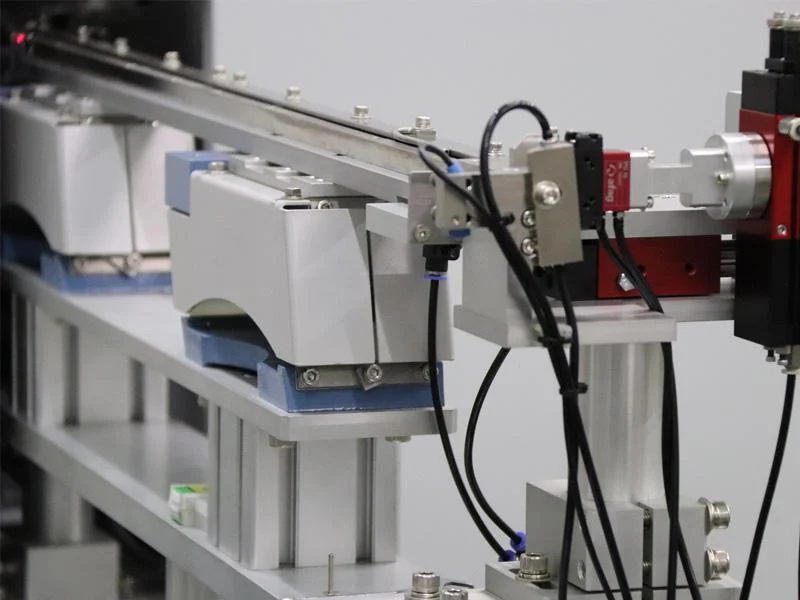
- May include emergency stop buttons, guards, and sensors.
In summary, knowing these specifications helps businesses choose the right automated conveyor lines for their specific operational needs.
Common Applications and Use Cases
Automated conveyor lines are utilized across various industries, each benefiting from their unique capabilities.
1. Manufacturing: In manufacturing, automated conveyor lines transport parts and assemblies through different production stages, enhancing workflow and reducing labor costs.
2. Food and Beverage: These systems are used to move products through processing, packaging, and distribution, ensuring high levels of hygiene and efficiency.
3. Pharmaceuticals: Automated conveyor lines facilitate the handling of sensitive products, ensuring compliance with strict regulations and maintaining product integrity.
4. Automotive: In the automotive sector, these lines support the assembly of vehicles, improving speed and precision in manufacturing processes.
5. E-commerce and Retail: Automated conveyor lines are essential in warehouses for sorting and packing orders, significantly speeding up the fulfillment process.
6. Electronics: They assist in the production and assembly of electronic components, where precision and speed are crucial.
7. Logistics: Automated conveyor systems streamline the movement of goods in distribution centers, enhancing operational efficiency and inventory management.
Product Variants and Subcategories
Automated conveyor lines come in various types designed to meet specific operational needs.
Belt Conveyors
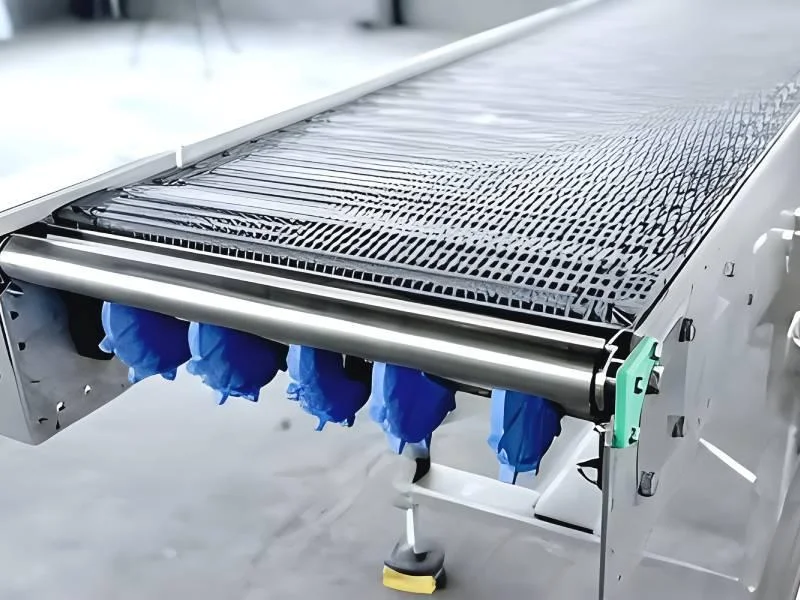
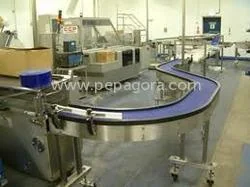
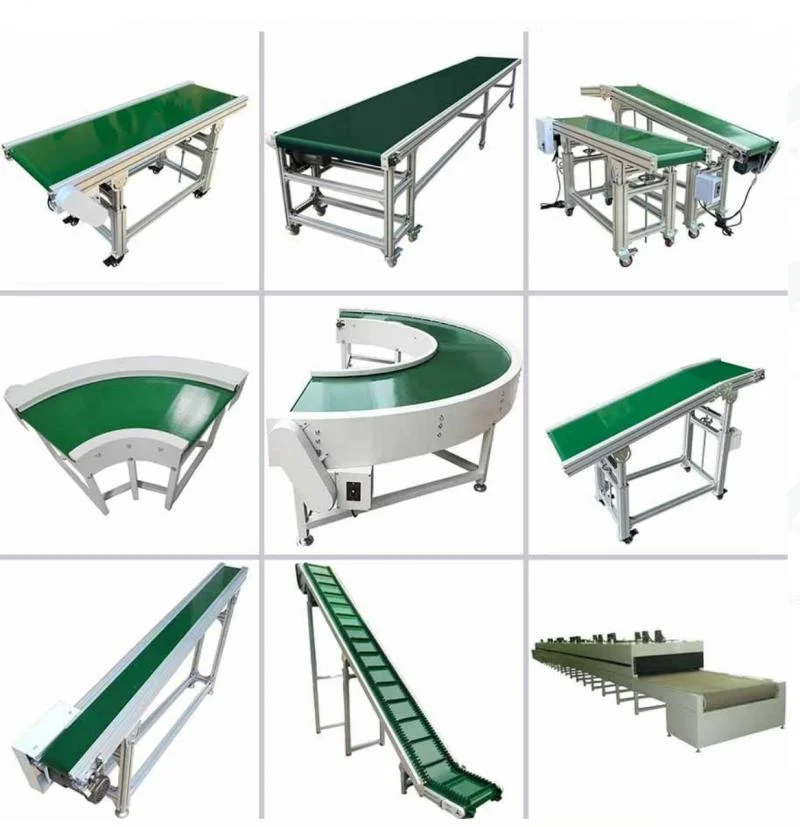
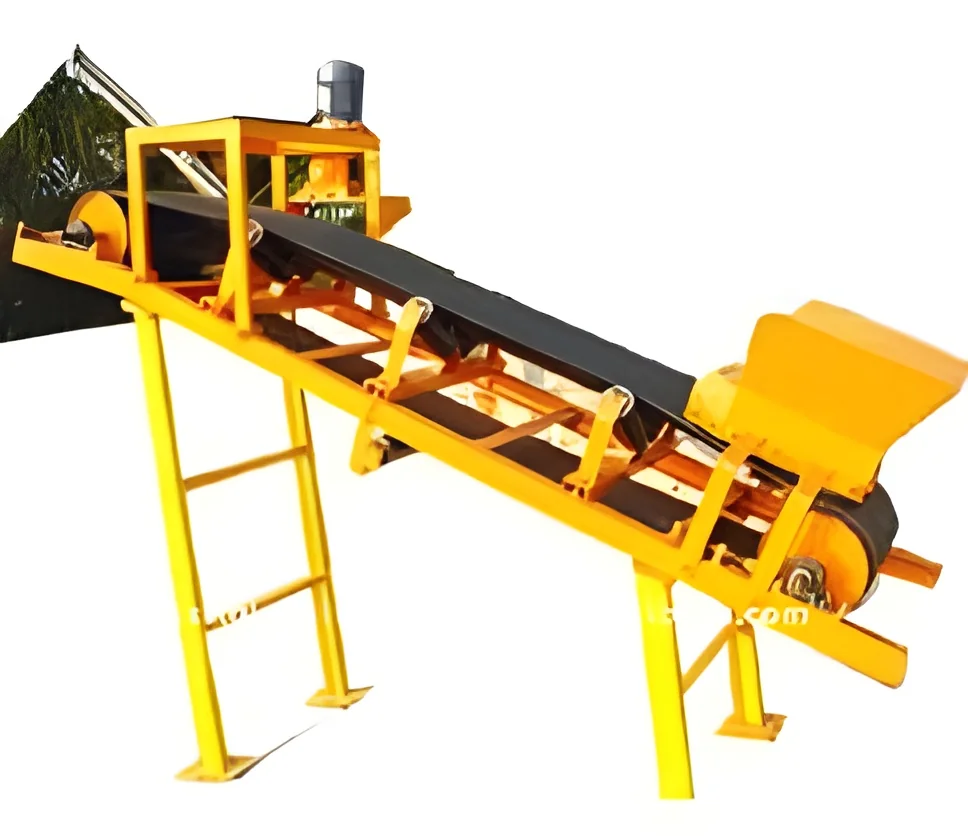
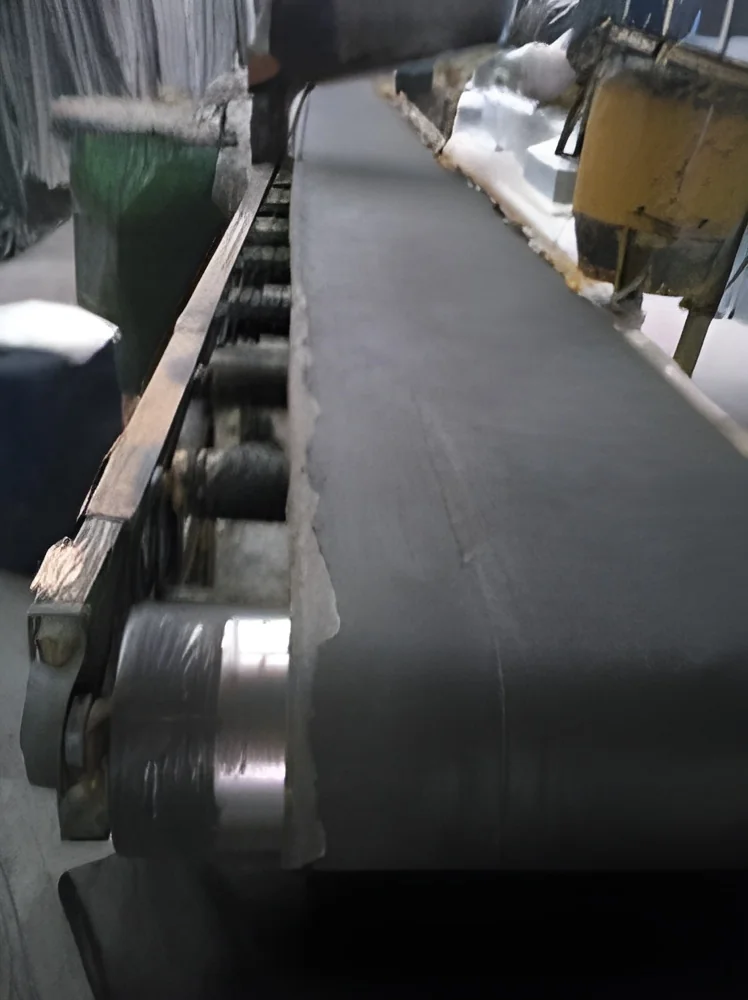
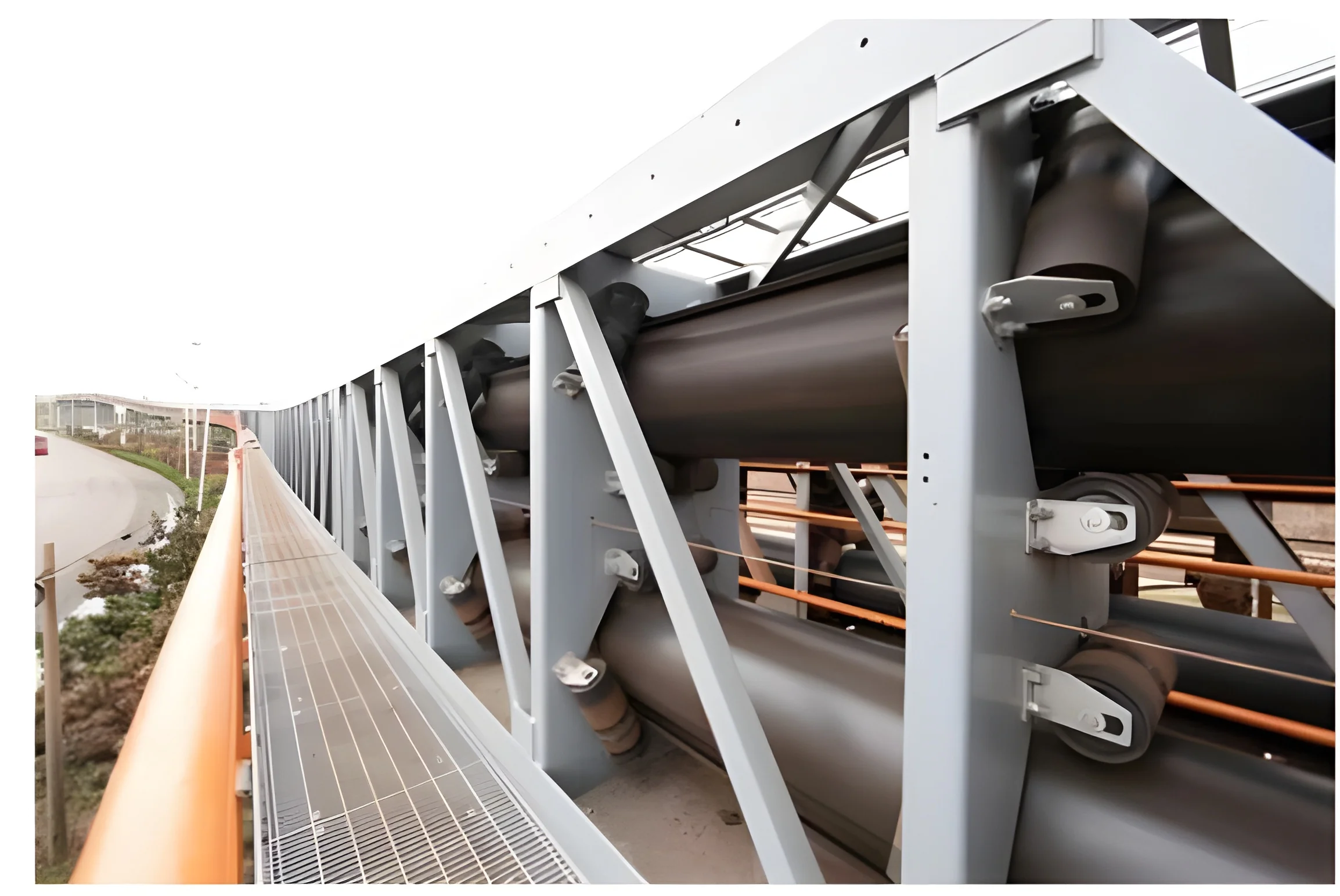
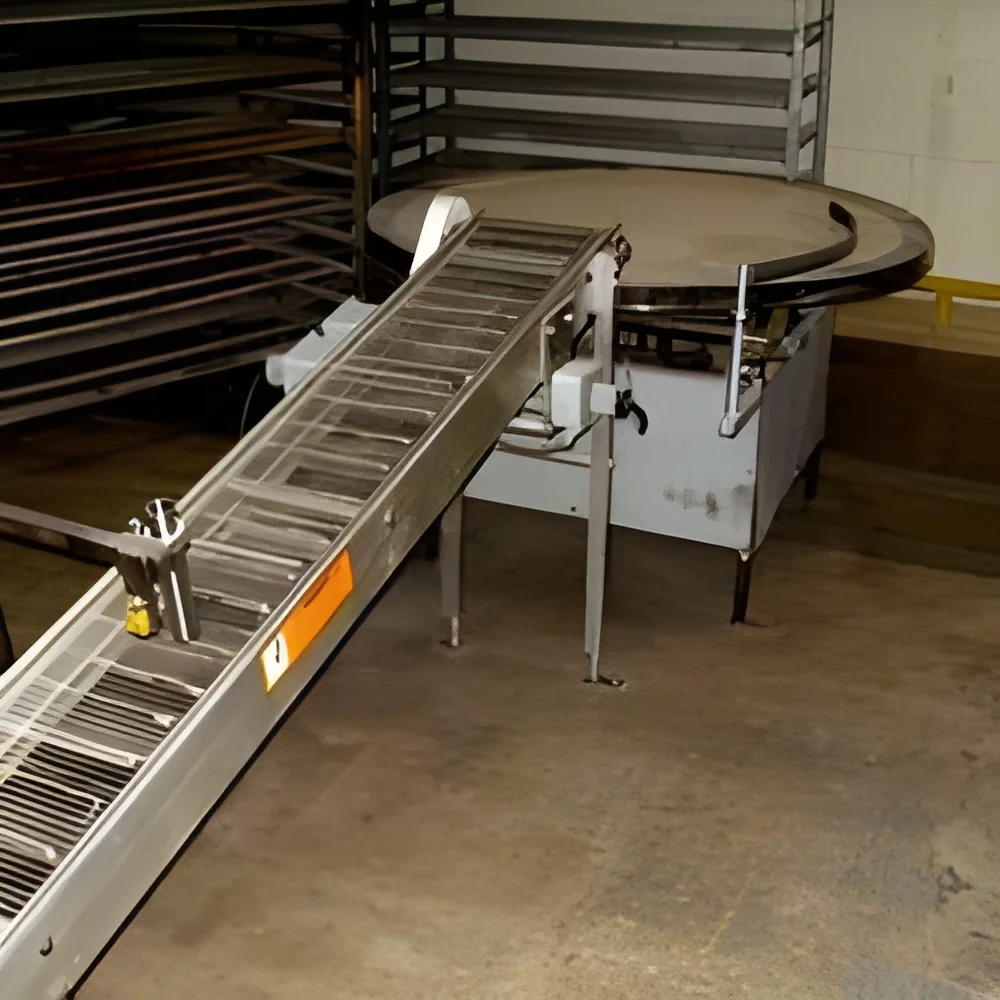
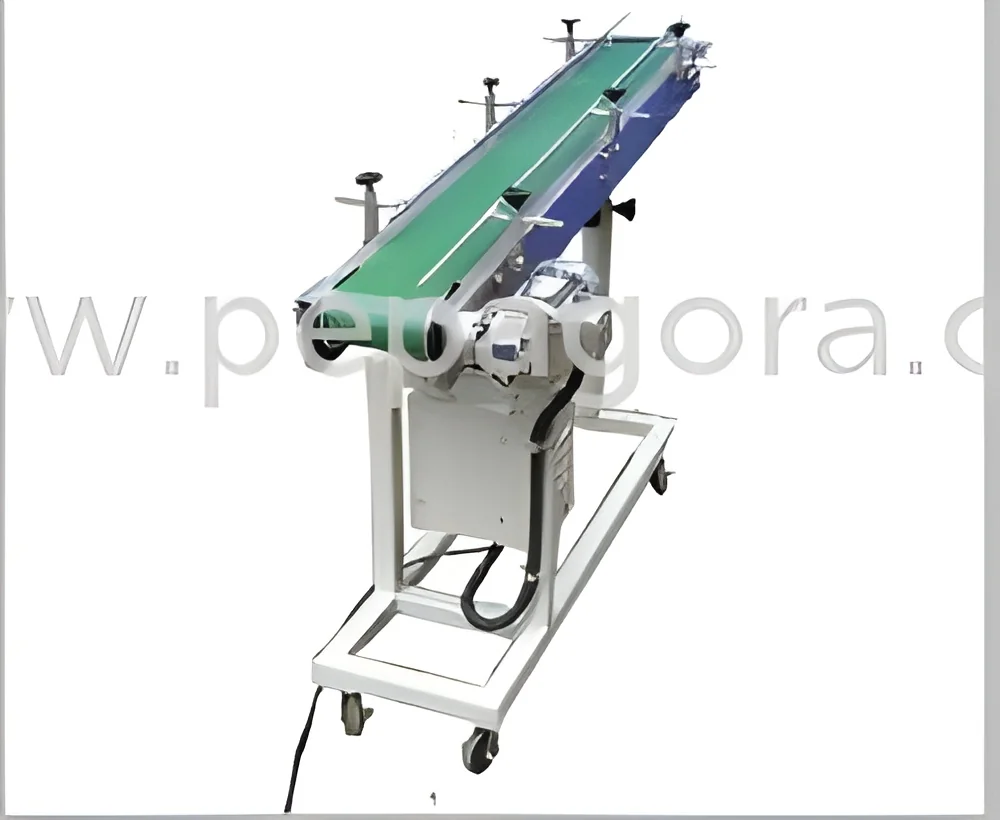
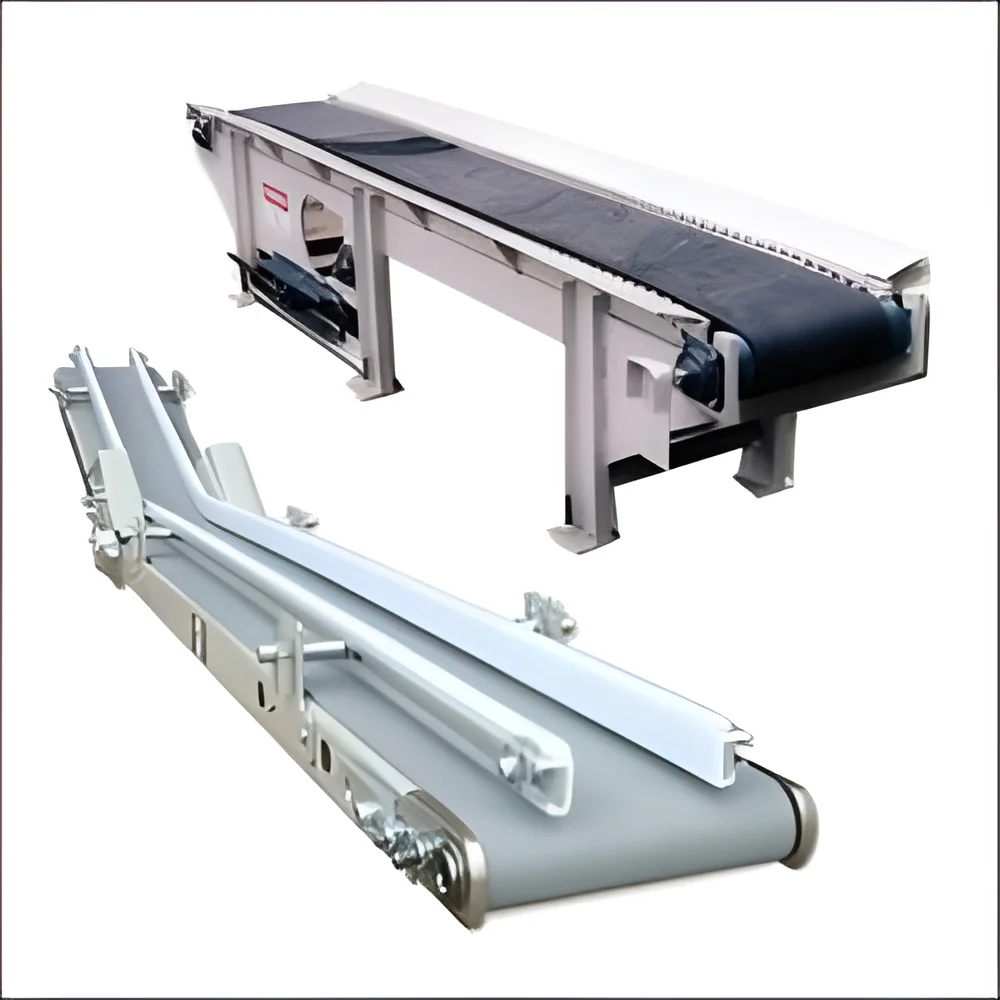
Belt conveyors are one of the most common types, featuring a continuous loop of material that moves products from one point to another. They are versatile and can handle a wide range of product sizes and weights.
Roller Conveyors
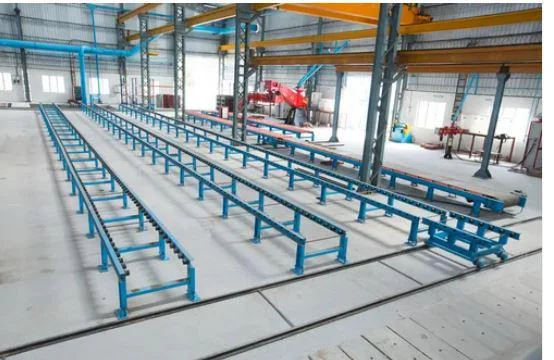
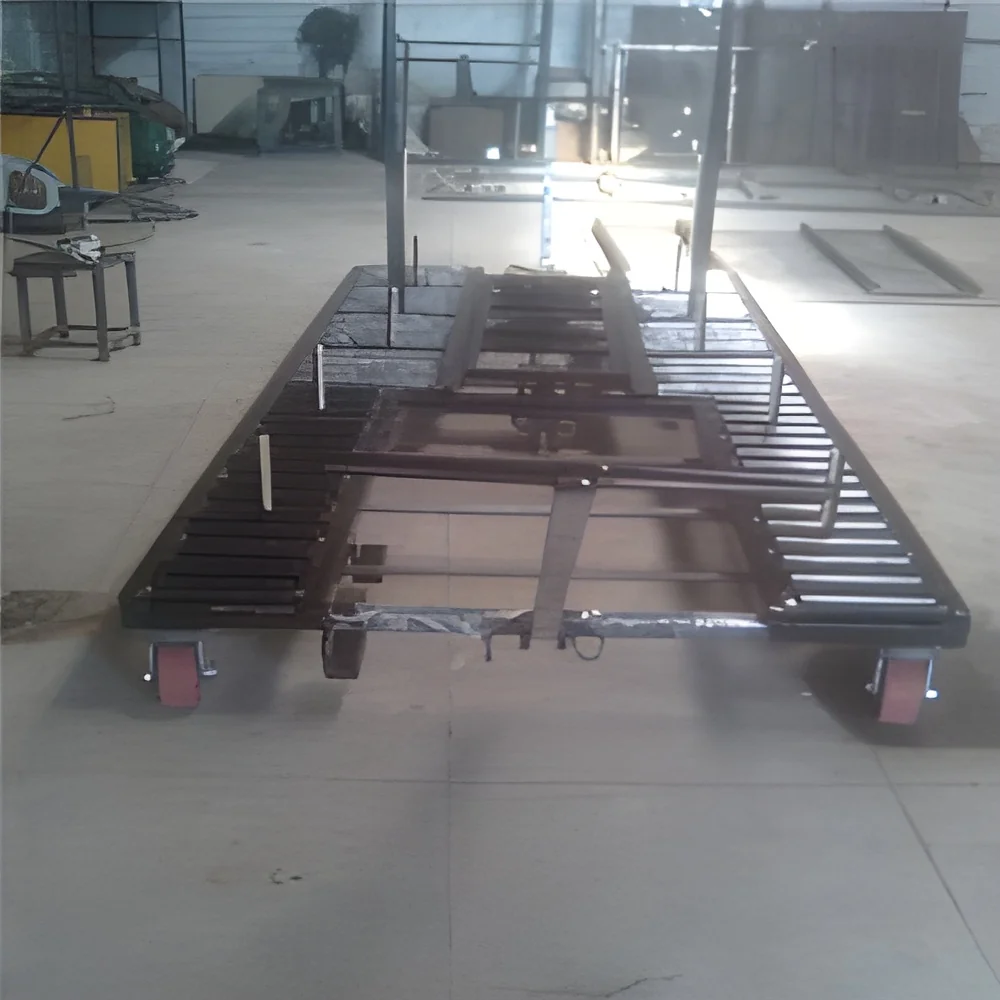
Roller conveyors use cylindrical rollers to move products. This type is particularly useful for transporting heavy items and can be configured for gravity or powered operation, making them suitable for various applications.
Chain Conveyors
These systems utilize chains to move products, making them ideal for heavy loads and harsh environments. Chain conveyors are often employed in manufacturing and assembly lines.
Pneumatic Conveyors
Pneumatic conveyors transport materials using air pressure. This variant is well-suited for moving bulk materials in industries such as food processing and pharmaceuticals.
Benefits and Advantages
Automated conveyor lines offer numerous advantages that can significantly impact operational efficiency.
1. Increased Efficiency: These systems streamline processes, reducing the time taken to move products between workstations.
2. Labor Savings: Automation reduces the need for manual labor, allowing employees to focus on higher-value tasks.
3. Improved Safety: With reduced manual handling, the risk of workplace injuries decreases, enhancing overall safety.
4. Enhanced Product Handling: Automated conveyors minimize product damage through controlled movement, ensuring quality is maintained.
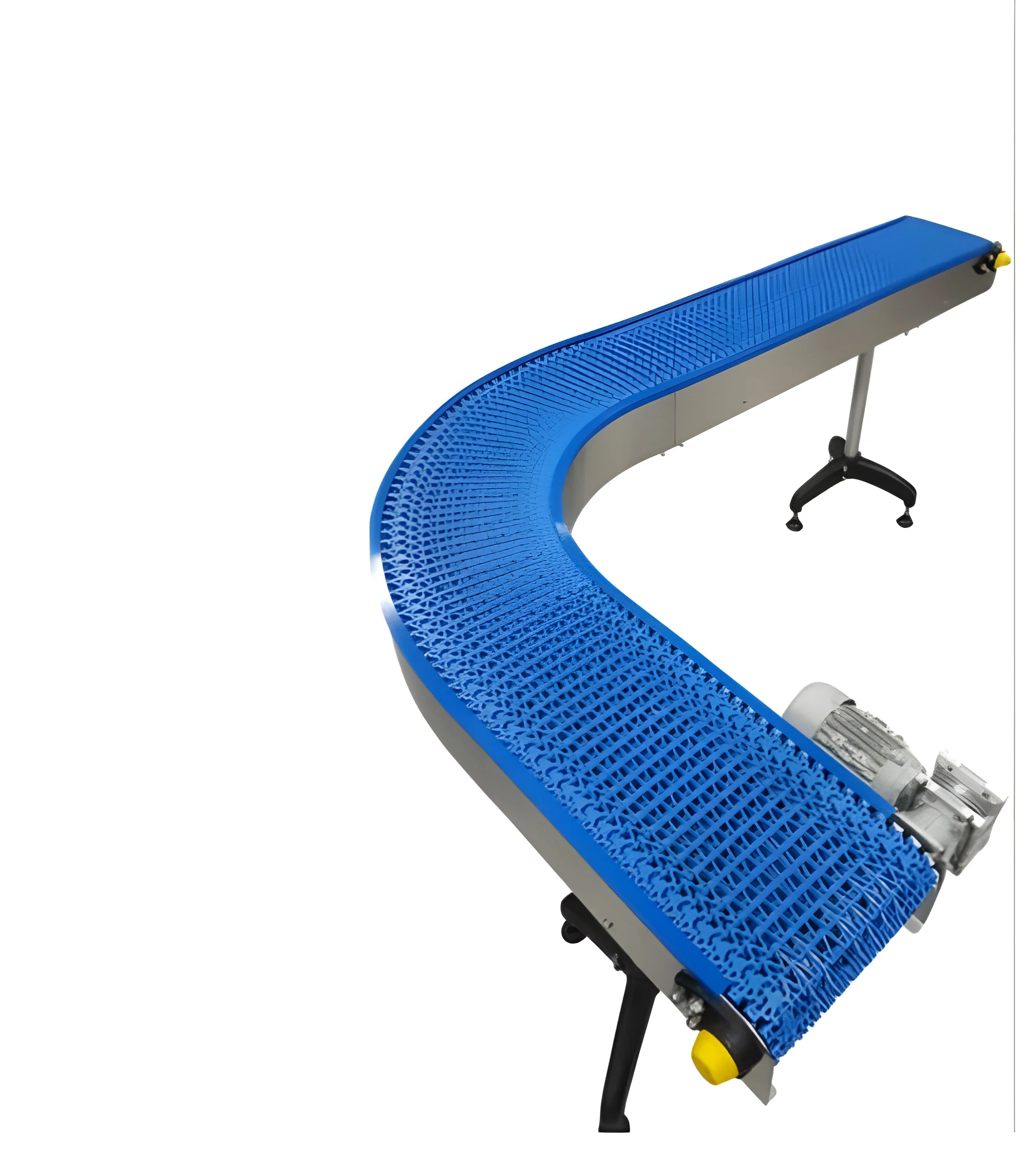
5. Flexibility: These systems can be customized to fit different layouts and workflows, accommodating evolving business needs.
6. Data Collection: Many automated conveyor systems come with monitoring features that enable data collection for performance analysis and continuous improvement.
Buying Guide for B2B Buyers
When sourcing automated conveyor lines, several important factors should be considered to ensure the right choice for your business needs.
1. Quality Assessment: Evaluate the quality of materials and construction of the conveyor lines. Look for systems that meet industry standards to ensure durability and long-term performance.
2. Supplier Verification: Vet suppliers thoroughly to ensure they have a proven track record in providing reliable and efficient conveyor solutions. Checking references and past projects can provide valuable insights.
3. Pricing and MOQ: Understand the pricing structure and minimum order quantities associated with the conveyor systems. This helps in budgeting and planning for future needs.
4. Delivery and Lead Times: Inquire about the expected delivery timelines and lead times for production. This is crucial for planning and ensuring that production schedules are not disrupted.
5. Compliance Requirements: Ensure that the conveyor systems meet relevant compliance and regulatory standards specific to your industry. This may include safety certifications and environmental considerations.
Compliance and Certifications
Compliance with industry standards and certifications is critical for automated conveyor lines.
Relevant quality standards such as ISO 9001 ensure that manufacturers adhere to quality management principles. This certification indicates that the products meet consistent quality requirements.
Industry certifications like CE mark signify that the conveyor systems conform to European health, safety, and environmental protection standards. This is important for businesses operating in or exporting to European markets.
Safety and testing requirements also play a significant role in the design and manufacture of conveyor systems. These requirements ensure that the equipment is safe for operators and meets operational standards.
Regional compliance considerations may vary, so businesses must be aware of local regulations that impact the implementation of automated conveyor lines.
Why Source Automated Conveyor Lines from Pepagora?
Pepagora offers a reliable platform for sourcing automated conveyor lines, providing numerous advantages for B2B buyers.
Verified Supplier Network: Pepagora connects buyers with a network of verified suppliers, ensuring that businesses have access to quality products and reputable manufacturers. This network helps mitigate risks associated with sourcing.
Streamlined RFQ Process: The platform simplifies the request for quotation process, allowing buyers to compare offers from multiple suppliers efficiently. This saves time and ensures competitive pricing.
Trade Assurance and Support: Pepagora provides trade assurance to protect buyers throughout the purchasing process. This includes support for quality checks and dispute resolution, enhancing buyer confidence.
Regional Coverage: With a strong presence in India, the GCC, and Southeast Asia, Pepagora is well-positioned to cater to businesses across various regions. This geographic reach allows for better sourcing options and logistics support.

 IN
IN