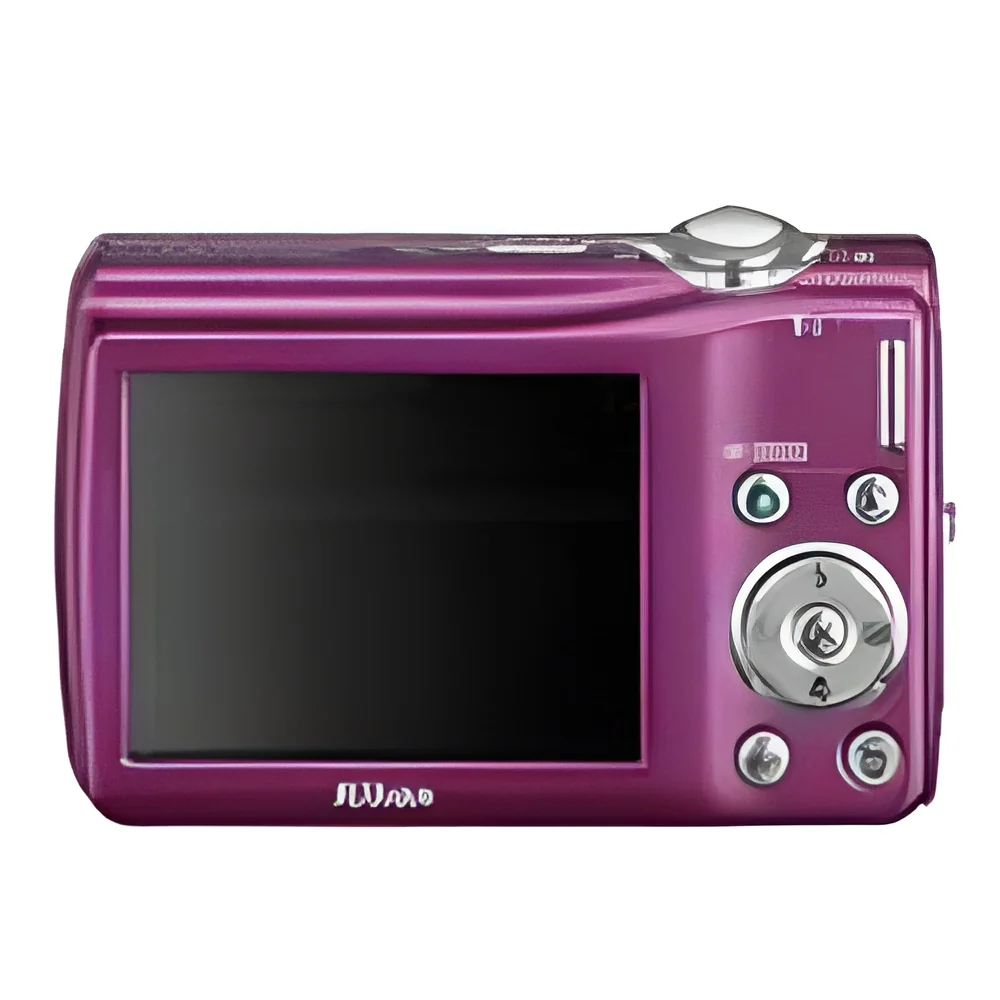
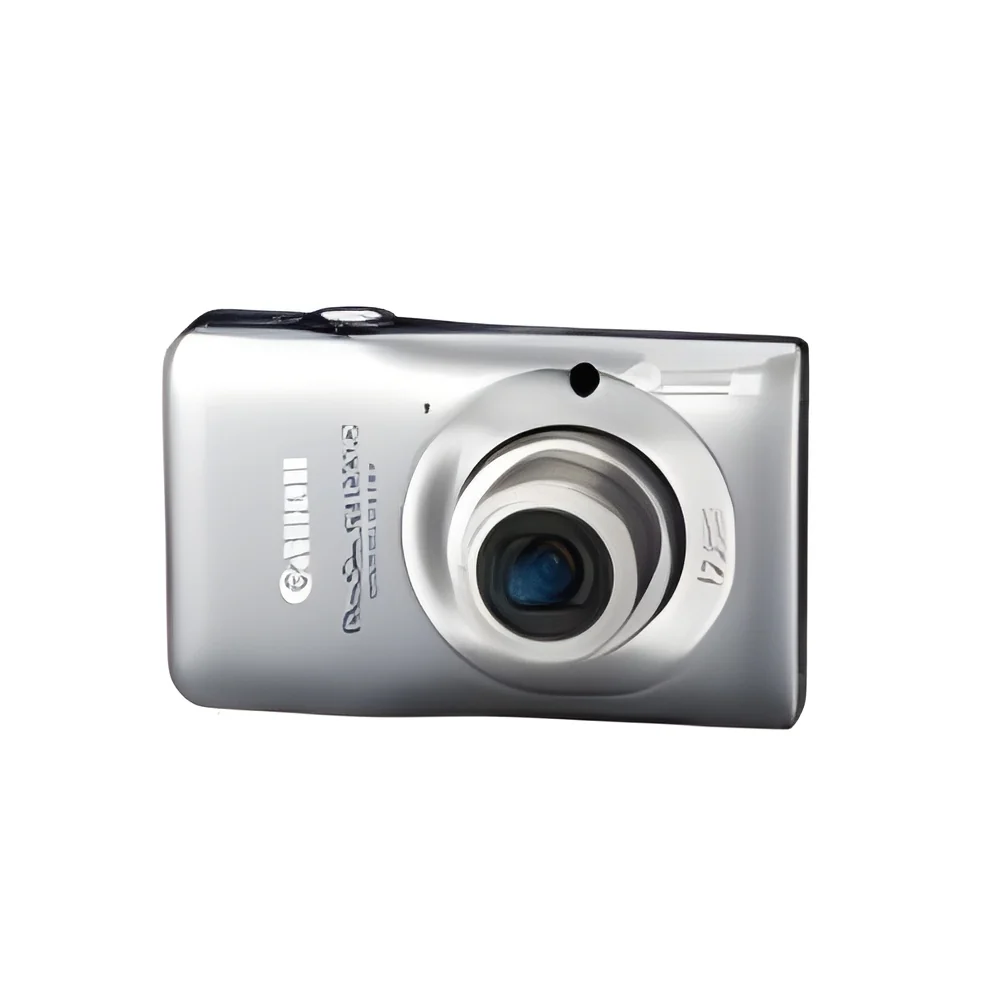
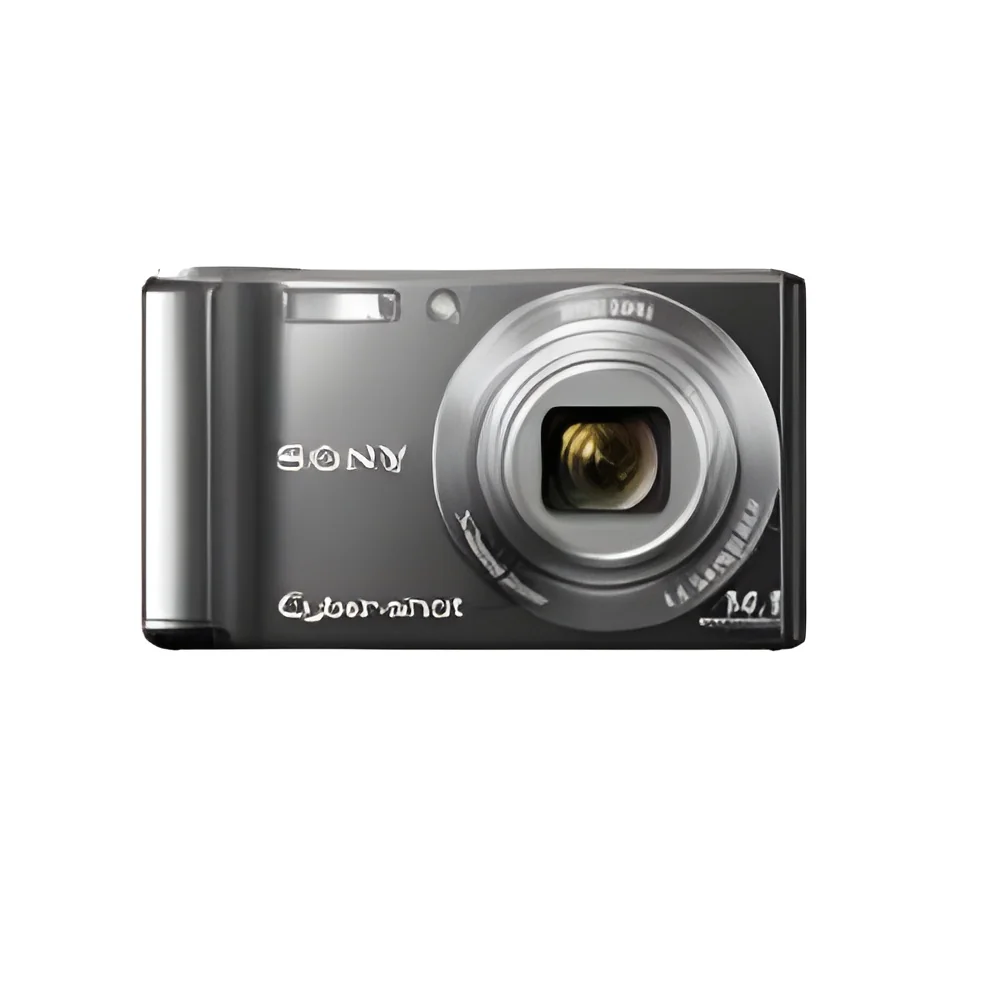
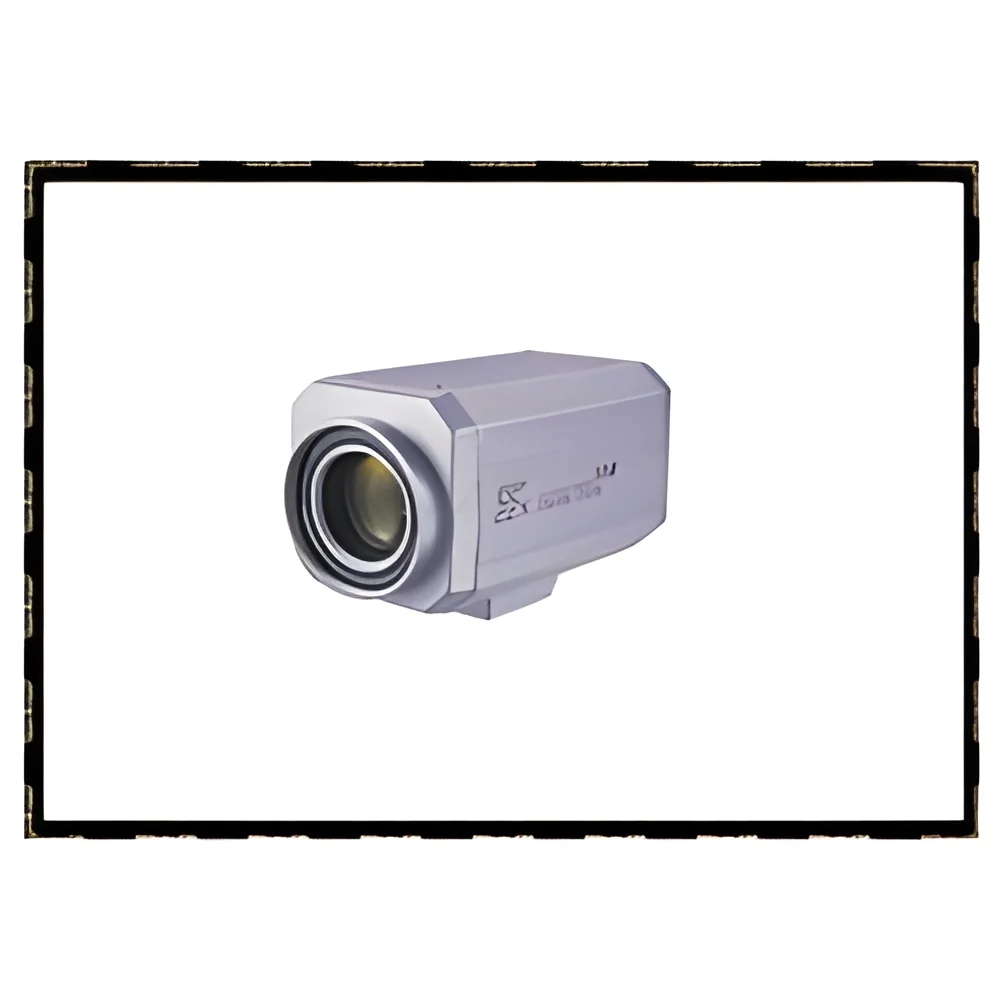
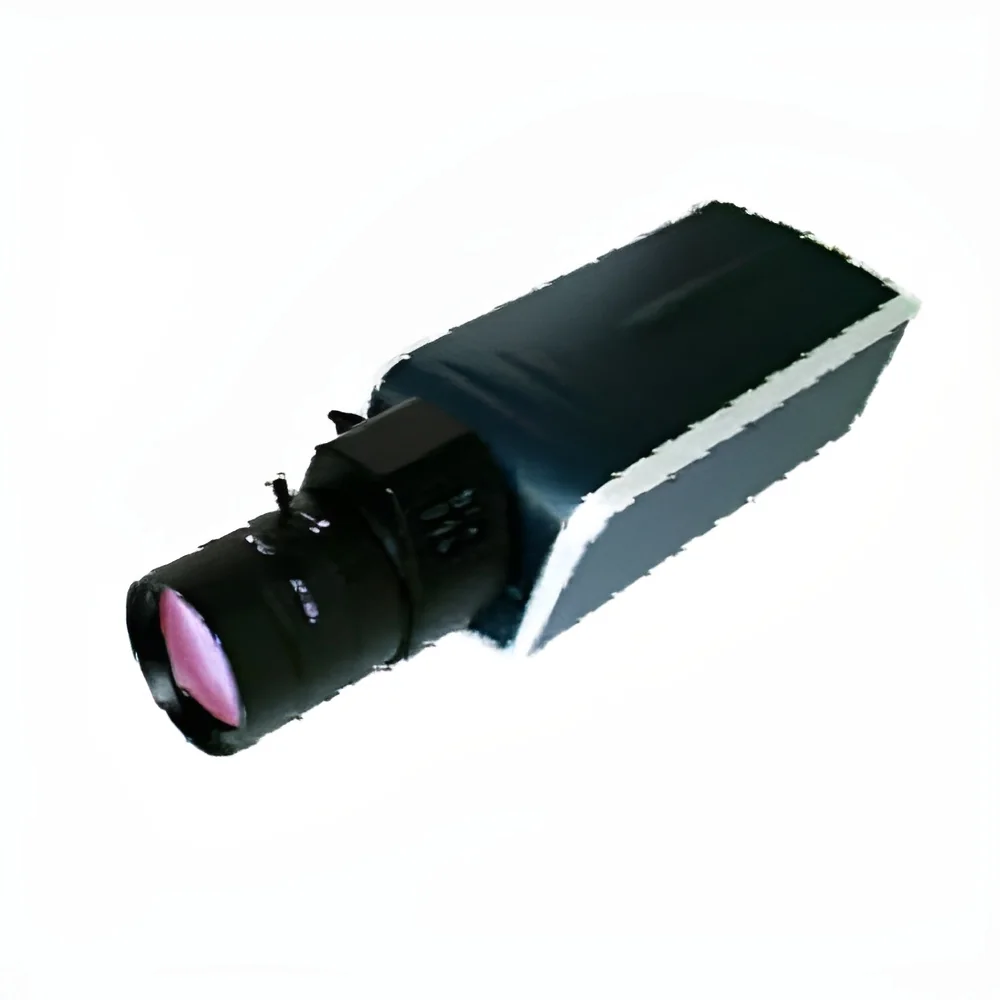
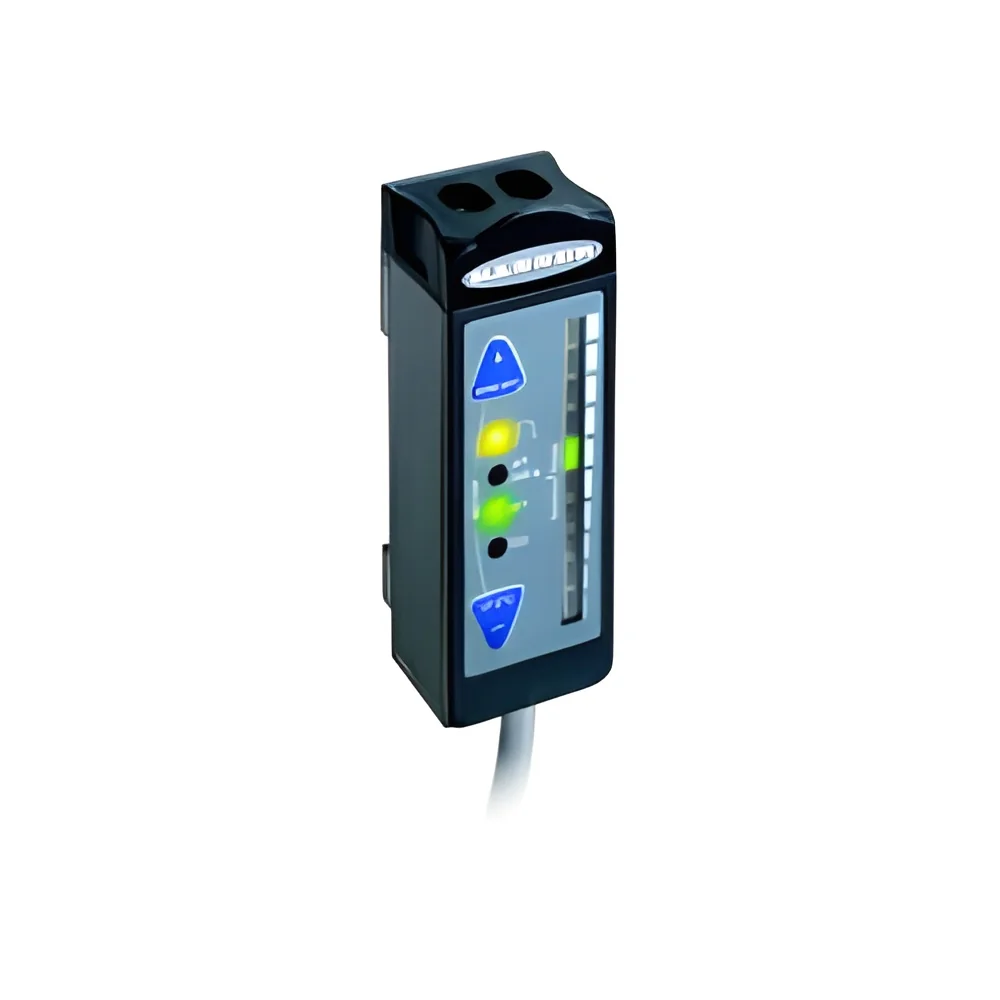
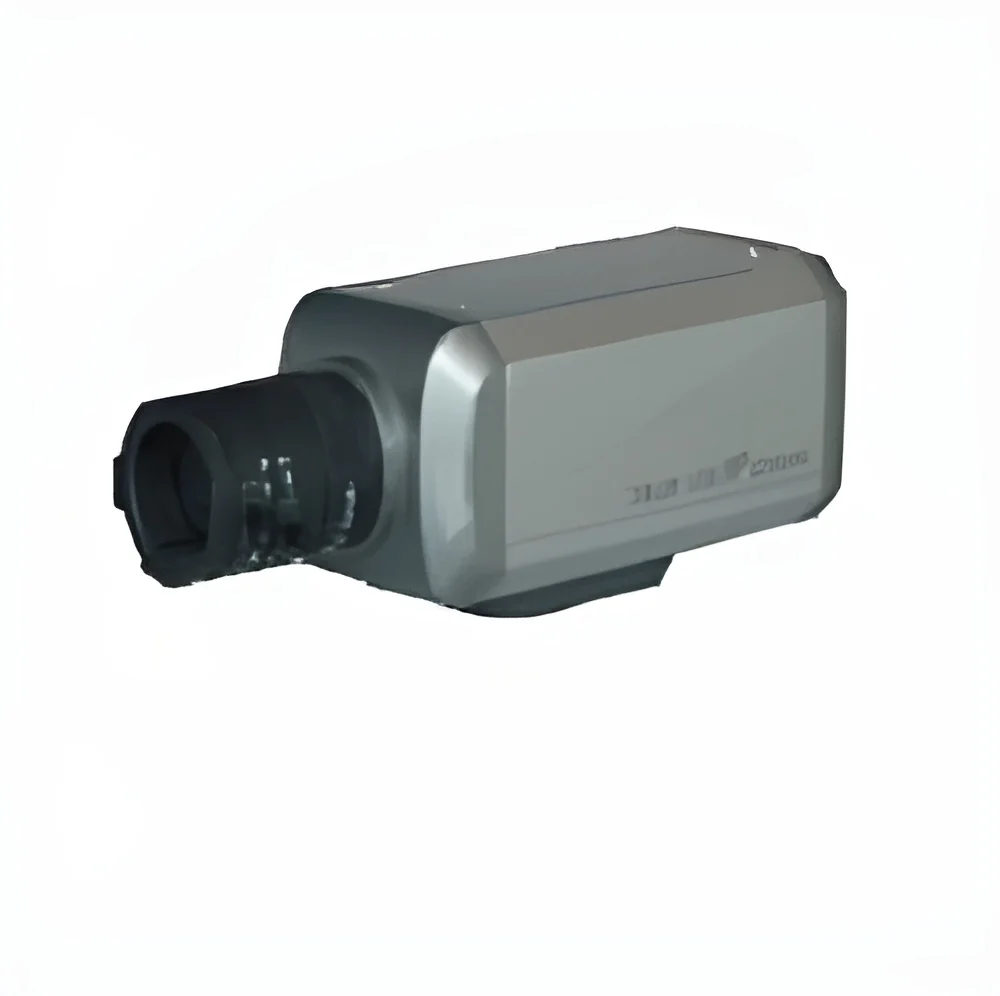
What are Vision Sensors & Cameras?
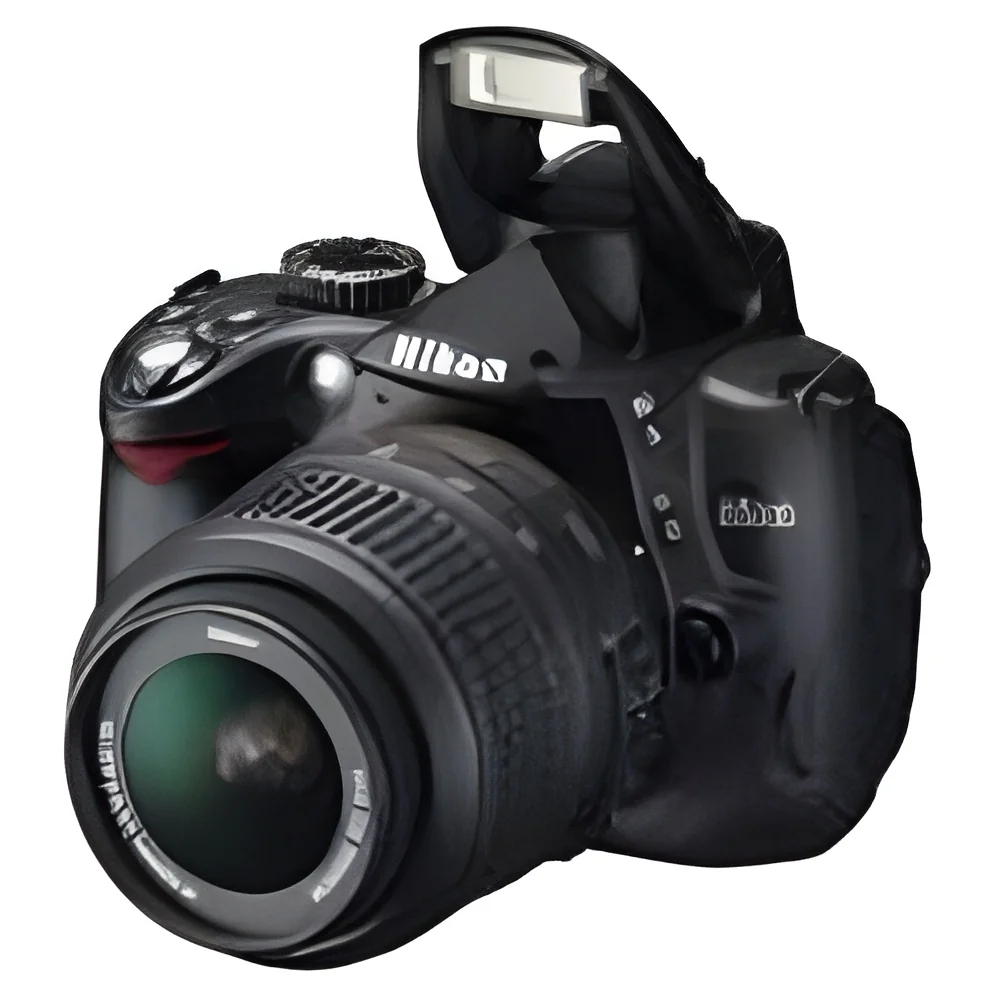
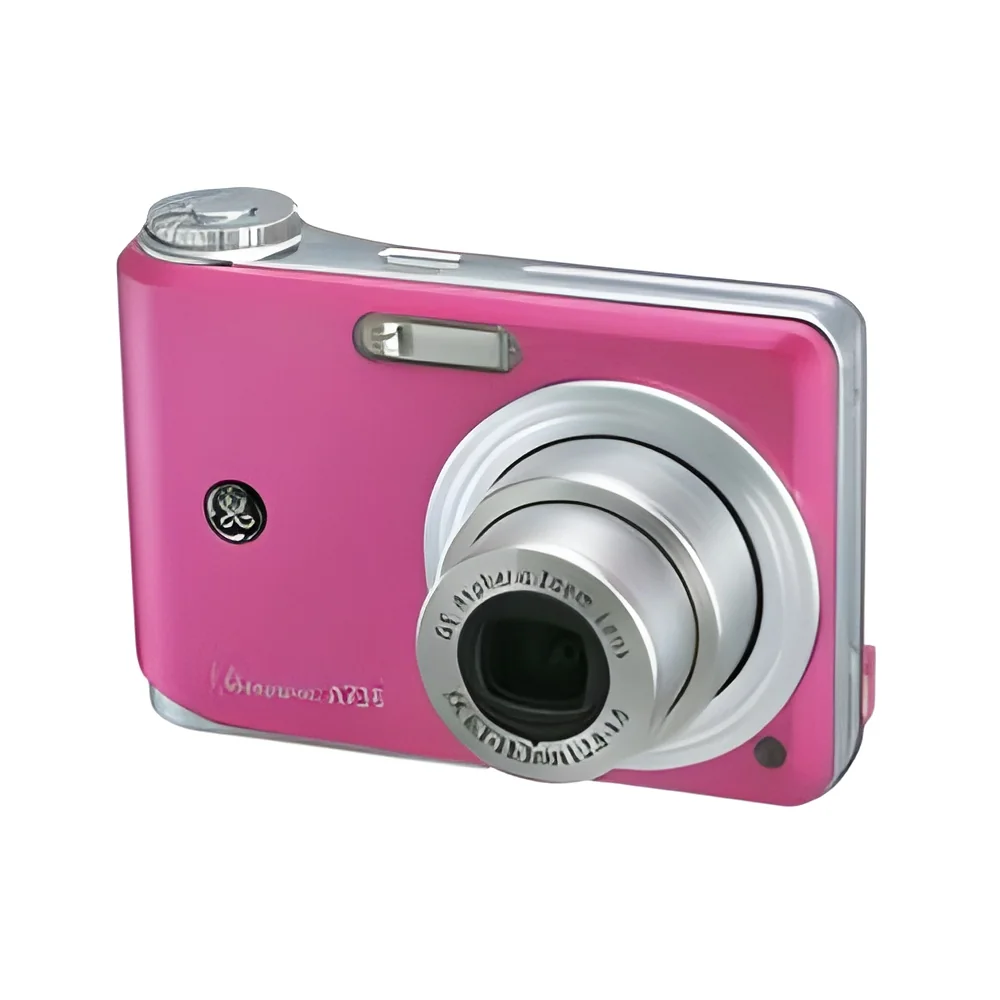
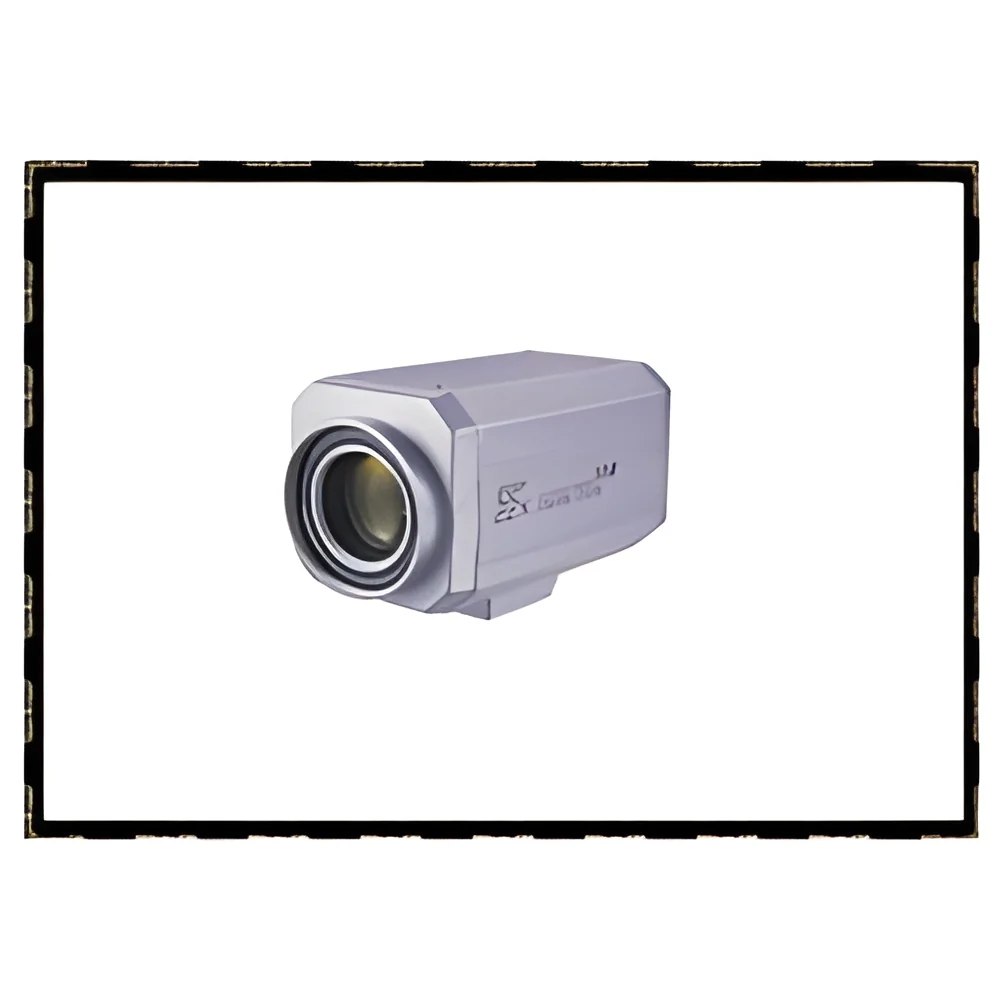
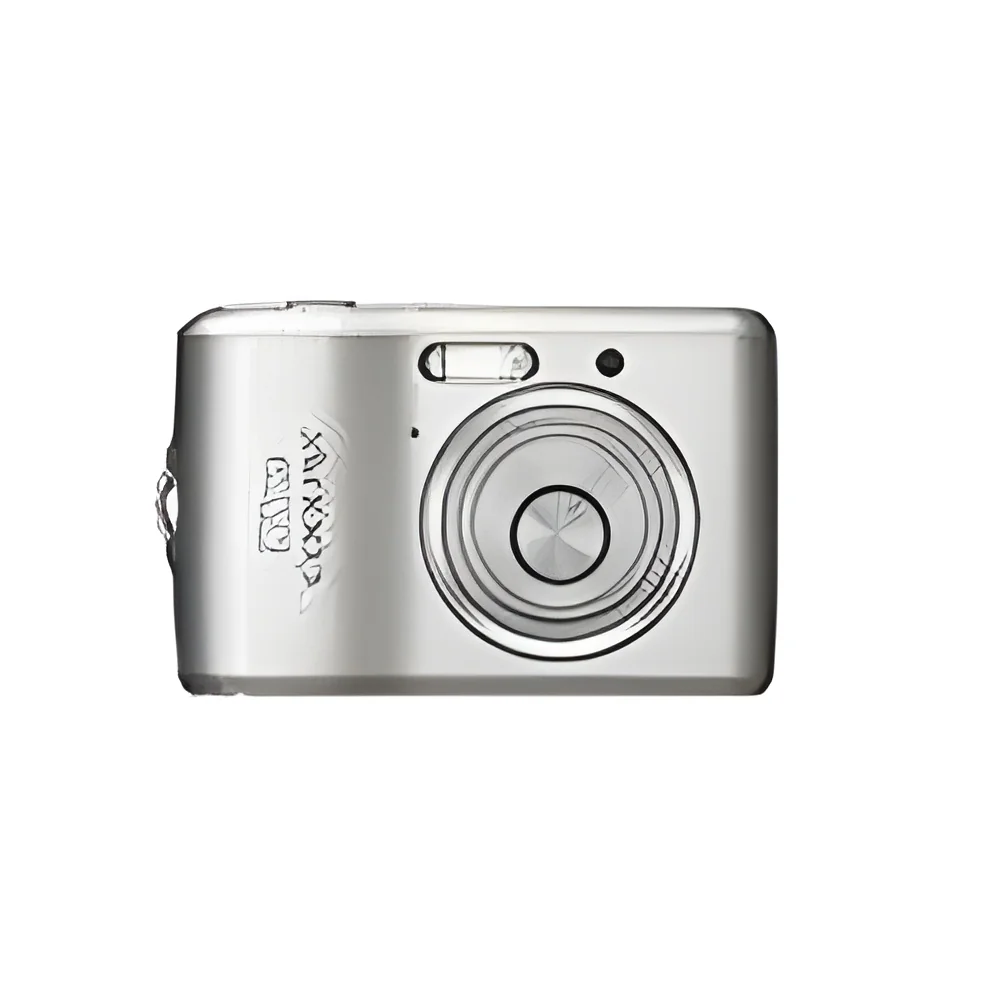
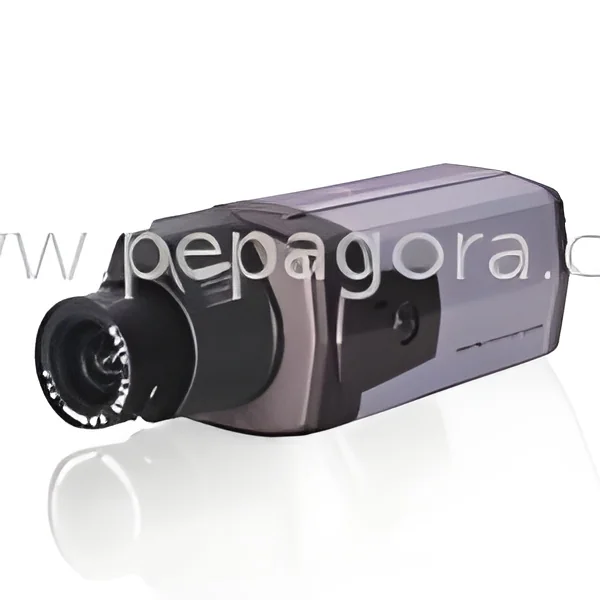
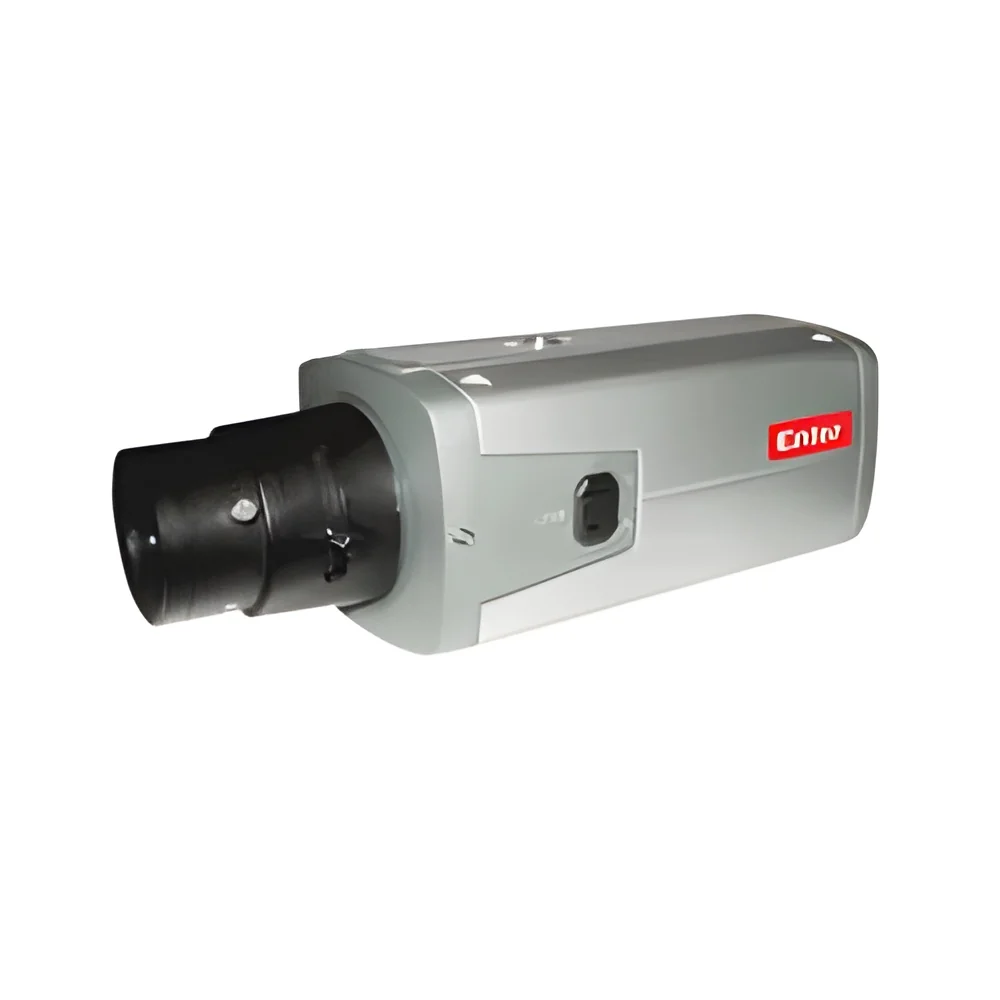
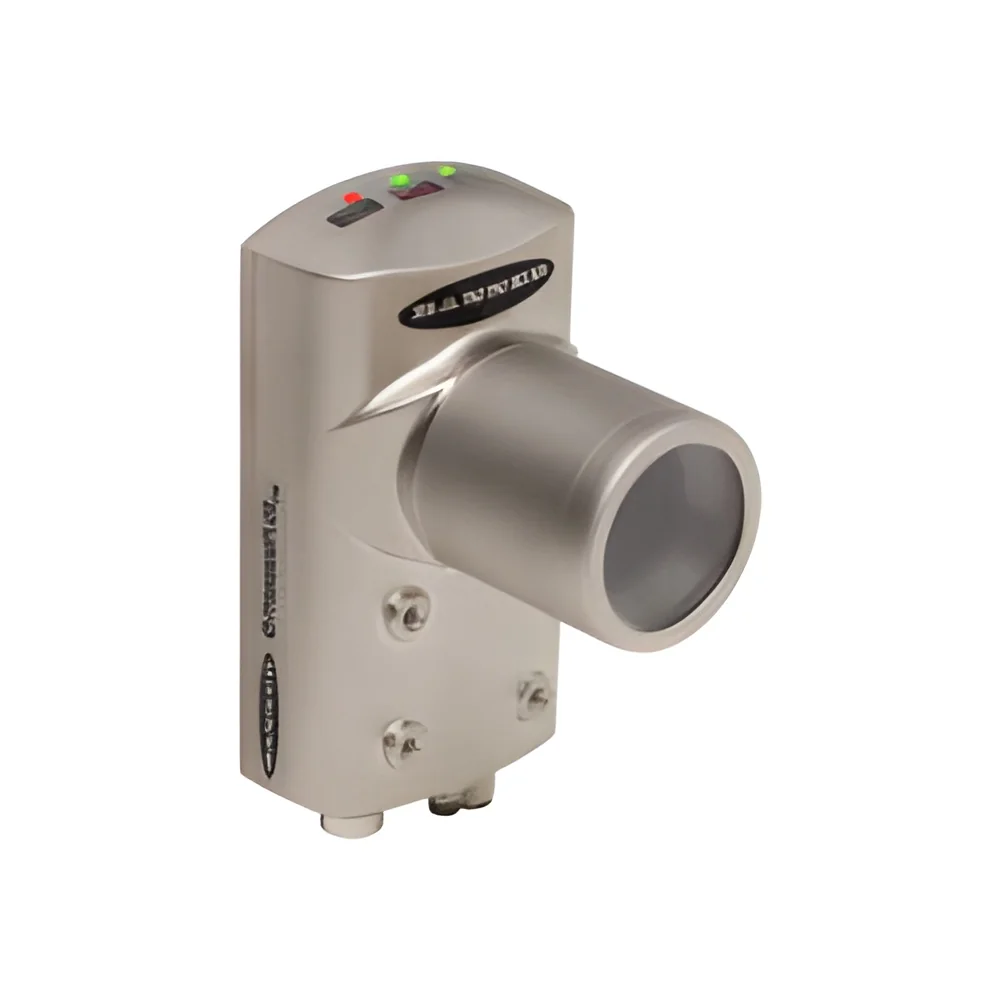
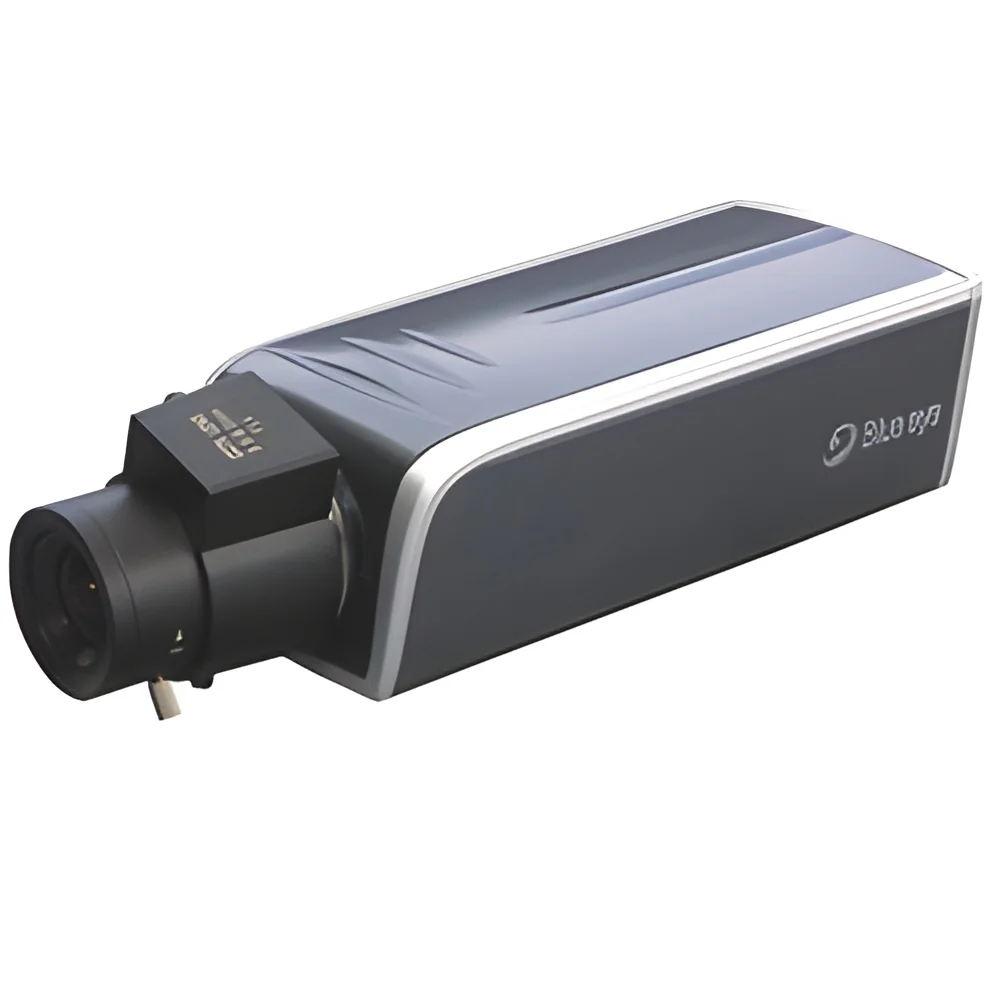
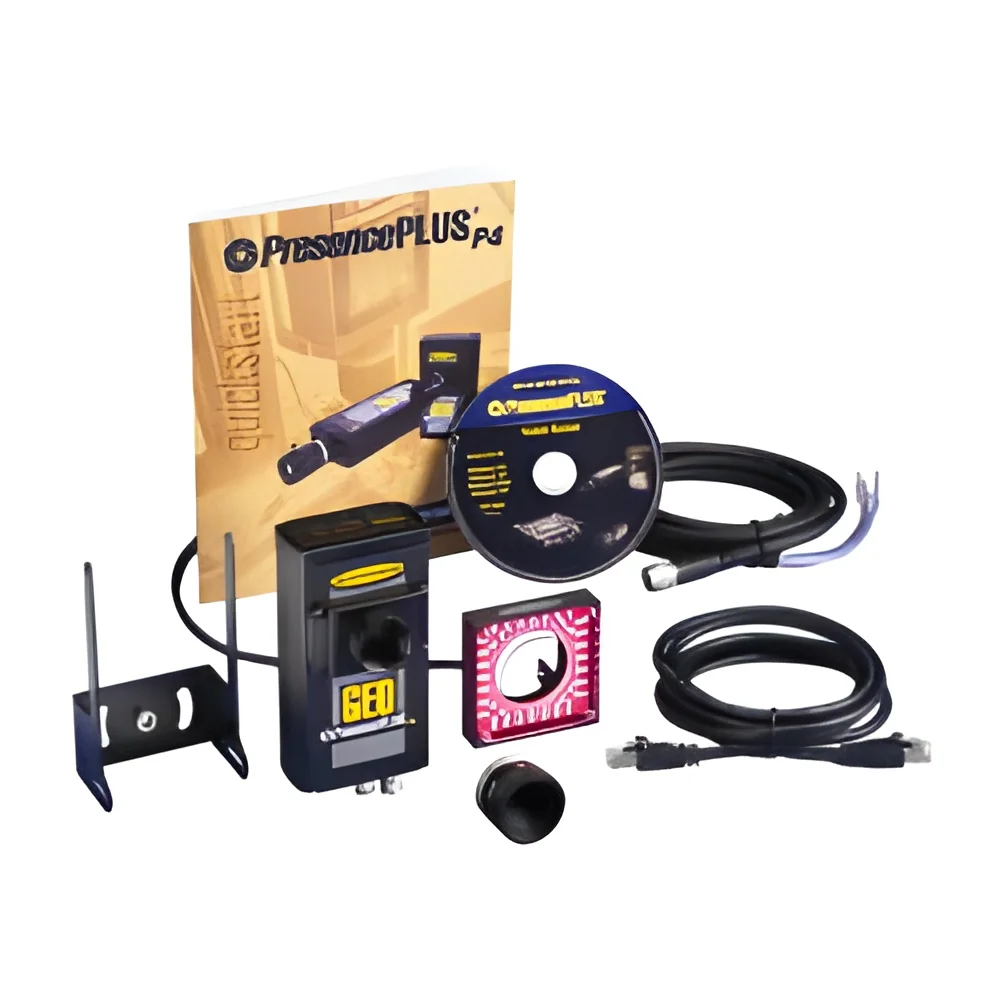
Vision sensors and cameras are advanced devices designed to detect and analyze visual information. They utilize sophisticated imaging technology to capture images or video, which are then processed to extract meaningful data. These devices can identify, measure, and inspect objects in various conditions, making them essential tools in automation, quality control, and monitoring applications across different industries.
The primary uses of vision sensors and cameras include automated inspection, object recognition, and real-time monitoring. Businesses leverage these technologies for quality assurance, sorting products, and enhancing operational efficiency. Industries such as manufacturing, logistics, pharmaceuticals, and food processing benefit significantly from the implementation of these systems, as they improve accuracy and reduce manual labor.
In today's market, the demand for vision sensors and cameras is growing rapidly. Companies are recognizing the value of integrating these technologies into their operations for improved productivity and competitiveness. With advancements in artificial intelligence and machine learning, the capabilities of vision systems are expanding, allowing for more complex tasks and enhanced performance in industrial settings.
Key Features and Specifications
Vision sensors and cameras come equipped with a variety of features that enhance their functionality. These features make them suitable for a wide range of applications in the industrial sector.
Key specifications include:
1. Image Resolution
- High-resolution images allow for detailed inspection and analysis.
- Common resolutions range from 640x480 to 1920x1080 pixels.
2. Frame Rate
- Determines how many images can be captured per second.
- Typical frame rates can reach up to 60 frames per second or higher.
3. Connectivity Options
- Includes interfaces like USB, Ethernet, and wireless connections.
- Ensures seamless integration with existing systems.
4. Lighting Conditions
- Adaptability to various lighting environments.
- Options for integrated lighting solutions for consistent performance.
5. Operating Temperature Range
- Designed to function effectively in diverse environmental conditions.
- Many models operate between -10°C to 50°C.
6. Software Compatibility
- Compatibility with various vision software for enhanced analysis.
- Supports programming interfaces for custom applications.
7. Detection Range
- The distance from which the camera can effectively detect objects.
- Varies based on lens type and application requirements.
8. Size and Form Factor
- Compact designs for easy installation in tight spaces.
- Various form factors available to meet specific needs.
In summary, understanding these key features and specifications is crucial for selecting the right vision sensors and cameras for specific industrial applications.
Common Applications and Use Cases
Vision sensors and cameras are versatile tools that serve various industries effectively.
1. Manufacturing: In manufacturing, these devices are used for quality control and inspection of products on assembly lines, ensuring high standards and reducing defects.
2. Logistics: In logistics, vision systems help in tracking packages and managing inventory, improving efficiency in warehouse operations.
3. Pharmaceuticals: In the pharmaceutical industry, they ensure packaging integrity and compliance with regulatory standards by inspecting labels and seals.
4. Food Processing: Vision sensors are employed in food processing to monitor product quality, detect contaminants, and ensure compliance with health standards.
5. Automotive: In the automotive sector, these cameras facilitate automated inspections, such as checking the alignment and quality of parts during production.
6. Electronics: In electronics, vision systems assist in inspecting circuit boards and components for defects, enhancing overall product reliability.
7. Robotics: In robotics, vision cameras provide real-time feedback for navigation and object manipulation, improving the functionality of automated systems.
Product Variants and Subcategories
Vision sensors and cameras come in various configurations to meet specific needs across industries.
Machine Vision Cameras
These cameras are designed for high-speed image capture and processing, making them suitable for applications such as automated inspection and quality control.
Smart Vision Sensors
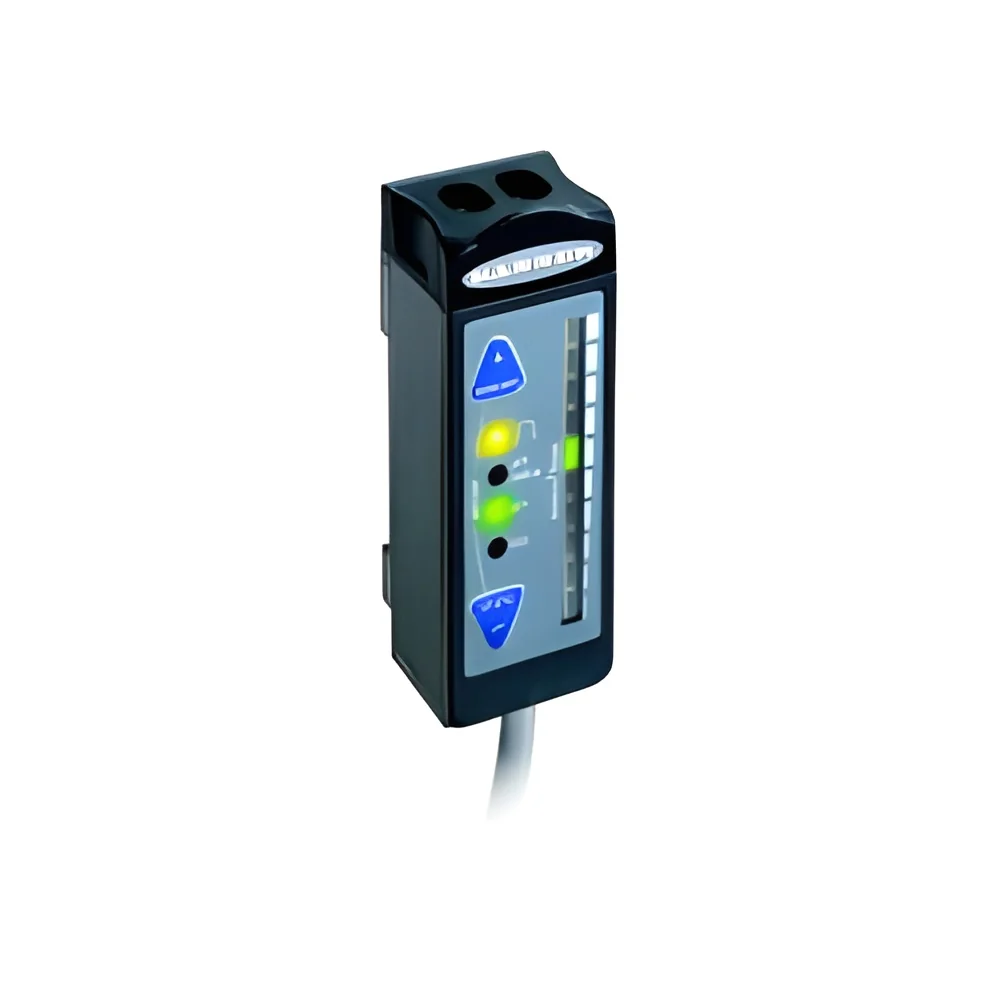
These sensors integrate processing capabilities, enabling them to perform tasks like object detection and classification without the need for external systems.
2D and 3D Vision Systems
2D systems capture flat images for basic inspections, while 3D systems use depth perception to analyze shapes and volumes, providing more detailed insights for complex applications.
Benefits and Advantages
The adoption of vision sensors and cameras offers numerous advantages to businesses.
1. Increased Accuracy: These devices provide precise measurements and inspections, reducing errors in production processes.
2. Enhanced Efficiency: Automation of visual inspections speeds up production cycles and allows human resources to focus on more complex tasks.
3. Cost Savings: By minimizing defects and optimizing processes, businesses can achieve significant cost reductions in the long run.
4. Real-time Monitoring: Vision systems enable continuous monitoring, allowing for immediate detection of issues and swift corrective actions.
5. Adaptability: The flexibility of these systems allows for easy integration into existing production lines and processes.
6. Improved Compliance: Automated inspections help ensure adherence to industry standards and regulations, reducing the risk of non-compliance.
Buying Guide for B2B Buyers
When sourcing vision sensors and cameras, it is essential to consider key factors to ensure the right choice for your business needs.
1. Quality Assessment: Evaluate the quality of the devices by checking for certifications such as CE and ISO standards. Ensure the products meet the specific requirements of your industry.
2. Supplier Verification: Vet potential suppliers by reviewing their track record, customer feedback, and warranty offerings. A reliable supplier will have a history of delivering quality products.
3. Pricing and MOQ: Understand the pricing structure and minimum order quantities (MOQ). This will help in budget planning and ensure cost-effectiveness in procurement.
4. Delivery and Lead Times: Inquire about delivery schedules and lead times for receiving products. Timely delivery is crucial to avoid disruptions in operations.
5. Compliance Requirements: Ensure that the vision sensors and cameras meet relevant industry regulations and compliance standards to avoid legal issues.
Compliance and Certifications
Compliance and certifications are vital for ensuring the reliability and safety of vision sensors and cameras.
Many manufacturers adhere to quality standards such as ISO 9001, which ensures consistent quality management throughout the production process. This certification demonstrates a commitment to quality and customer satisfaction.
Additionally, vision sensors and cameras often carry the CE mark, indicating compliance with European safety, health, and environmental protection standards. This certification is essential for products sold in the European market, ensuring they meet rigorous safety requirements.
Manufacturers also undergo safety and testing procedures to guarantee that their products perform reliably under various conditions. Compliance with regional standards is crucial, as different markets have specific requirements for industrial equipment.
Why Source Vision Sensors & Cameras from Pepagora?
Pepagora provides a trusted platform for sourcing vision sensors and cameras, offering several key advantages to B2B buyers.
Verified Supplier Network: Pepagora maintains a network of verified suppliers, ensuring that buyers have access to quality products from reputable manufacturers. This verification process helps mitigate risks associated with procurement.
Streamlined RFQ Process: The platform features a user-friendly Request for Quotation (RFQ) system, allowing buyers to easily request quotes from multiple suppliers. This streamlines the purchasing process and helps buyers find the best pricing.
Trade Assurance and Support: Pepagora offers trade assurance and support, providing buyers with protection throughout the procurement process. This assurance fosters trust and confidence in transactions.
Regional Coverage: With a focus on regions such as India, the GCC, and Southeast Asia, Pepagora ensures that buyers can find suitable suppliers within their geographic area. This regional focus enhances accessibility and responsiveness to market needs.

 IN
IN