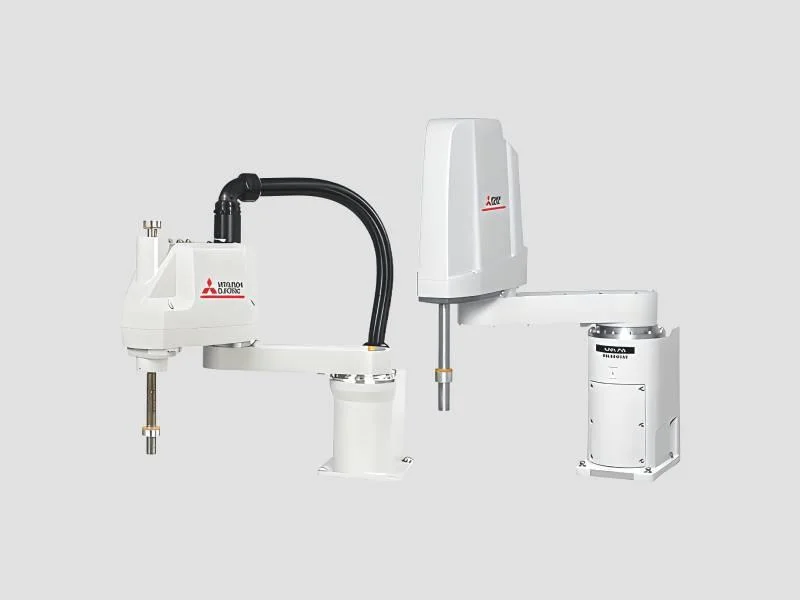
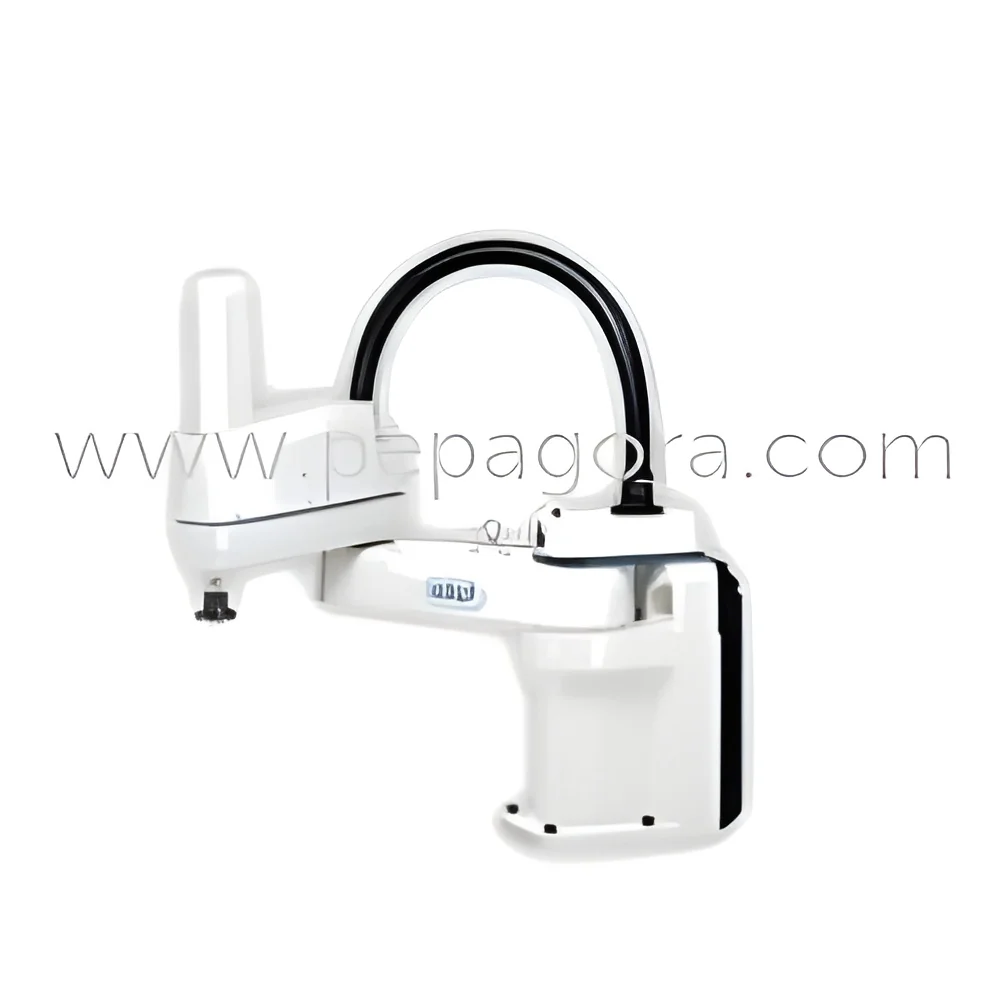
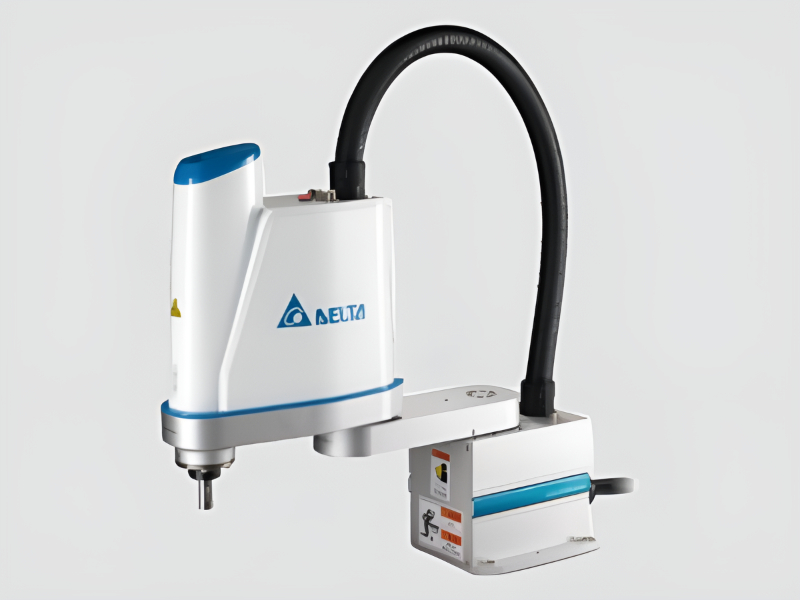
What are SCARA Robots?
SCARA robots, which stands for Selective Compliance Assembly Robot Arm, are a type of industrial robot designed for high-speed assembly and material handling tasks. They are characterized by their unique configuration, which allows for precise movements in a horizontal plane while providing limited vertical compliance. This design makes SCARA robots particularly adept at tasks that require both speed and accuracy, making them a popular choice in various manufacturing processes.
The primary applications of SCARA robots include assembly, pick and place operations, packaging, and testing. They are widely used in industries such as electronics, automotive, and consumer goods, where precision and speed are critical. By automating repetitive tasks, these robots help businesses improve productivity and reduce labor costs, making them a valuable asset in modern manufacturing environments.
In the current market landscape, SCARA robots are gaining traction due to their efficiency and versatility. As industries continue to embrace automation, the demand for reliable and high-performance SCARA robots is expected to rise. This trend reflects a broader shift toward smart factories and Industry 4.0 initiatives, where robotics play a key role in enhancing operational efficiency and competitiveness.
Key Features and Specifications
SCARA robots come with a range of features and specifications that make them suitable for various industrial applications. These specifications are essential for ensuring that the robots meet the specific needs of businesses.
Key specifications include:
1. Payload Capacity
- The maximum weight that the robot can handle.
- Typically ranges from 3 kg to 50 kg depending on the model.
2. Reach
- The maximum distance the robot can extend its arm to perform tasks.
- Commonly ranges from 300 mm to 1200 mm.
3. Repeatability
- The accuracy with which the robot can return to a specific position.
- Generally within ±0.01 mm to ±0.1 mm.
4. Speed
- The maximum operational speed of the robot's arm.
- Can reach speeds of up to 1 m/s.
5. Number of Axes
- The number of joints or degrees of freedom the robot has.
- Typically consists of four axes for SCARA configurations.
6. Control System
- The technology used for programming and controlling the robot.
- Often features advanced programming options, including teach mode and simulation.
7. Communication Interfaces
- The types of interfaces available for integration with other systems.
- Usually includes options like Ethernet, USB, and serial connections.
8. Environmental Rating
- The conditions under which the robot can operate effectively.
- Designed for use in clean rooms, manufacturing floors, or harsh environments.
In summary, SCARA robots offer a combination of speed, precision, and flexibility, making them an excellent choice for various automated tasks in manufacturing.
Common Applications and Use Cases
SCARA robots are versatile tools utilized across multiple industries, each with unique applications that highlight their efficiency and effectiveness.
1. Electronics: In the electronics sector, SCARA robots are commonly used for assembling circuit boards, placing components, and performing quality checks on electronic devices.
2. Automotive: These robots facilitate assembly line operations, including tasks such as installing parts, welding, and material handling, contributing to faster production rates.
3. Food and Beverage: SCARA robots are employed for packaging, sorting, and palletizing products in the food and beverage industry, ensuring consistent quality and speed.
4. Pharmaceutical: In the pharmaceutical sector, SCARA robots assist in packaging and assembly of medical devices and drug products, adhering to strict regulatory compliance.
5. Consumer Goods: These robots are used for assembly and packaging processes in the consumer goods industry, particularly for items that require high-speed handling.
6. Aerospace: In aerospace manufacturing, SCARA robots help in the assembly of aircraft components, ensuring precision and reducing human error.
7. Logistics: SCARA robots are increasingly being used in warehouses for sorting and handling goods, improving efficiency in order fulfillment.
Product Variants and Subcategories
SCARA robots are available in various configurations and models to suit different industrial needs. While specific subcategories may not be available, these robots typically offer diverse capabilities.
Standard SCARA Robot
This variant is commonly used in assembly lines and packaging processes. It features high-speed operation and precision, making it ideal for tasks that require rapid handling.
Collaborative SCARA Robot
Designed for safety and versatility, this variant can work alongside human operators. It incorporates safety features that allow for close cooperation in shared workspaces.
High-Payload SCARA Robot
This model is engineered to handle heavier loads, making it suitable for industries where the manipulation of larger components is required.
Benefits and Advantages
SCARA robots provide numerous advantages that contribute to their widespread adoption in industrial settings.
Key benefits include:
1. Increased Efficiency: SCARA robots can perform tasks faster than human workers, significantly enhancing production rates.
2. Precision and Accuracy: With high repeatability, these robots ensure consistent quality in manufacturing processes, reducing errors.
3. Space Optimization: Their compact design allows for efficient use of floor space in manufacturing environments.
4. Reduced Labor Costs: Automating repetitive tasks leads to lower labor costs and frees up human workers for more complex responsibilities.
5. Flexibility: SCARA robots can be easily reprogrammed for different tasks, allowing businesses to adapt quickly to changing production needs.
6. Enhanced Safety: By taking over dangerous tasks, SCARA robots help create safer work environments for human employees.
Buying Guide for B2B Buyers
When sourcing SCARA robots, it is crucial for businesses to consider several factors to ensure a successful purchase.
1. Quality Assessment: Evaluate the quality of the robots by examining the manufacturer’s reputation and the durability of the components used. Look for models that meet recognized industry standards.
2. Supplier Verification: Conduct thorough research on potential suppliers. Check for their experience, customer reviews, and certifications to ensure they are reliable.
3. Pricing and MOQ: Understand the pricing structure and minimum order quantities. Consider the total cost of ownership, including maintenance and support.
4. Delivery and Lead Times: Discuss delivery timelines and ensure that the supplier can meet your production schedule. Timely delivery is essential for maintaining operational efficiency.
5. Compliance Requirements: Ensure that the SCARA robots meet all necessary compliance and regulatory standards for your industry. This includes safety certifications and quality management systems.
Compliance and Certifications
SCARA robots must adhere to various compliance and certification standards to ensure safety and reliability in industrial applications.
Relevant quality standards like ISO 9001 ensure that manufacturers maintain a high level of quality management throughout their production processes. This certification indicates that the robots have been produced under stringent quality control measures.
Industry certifications such as CE mark demonstrate that SCARA robots meet the European safety, health, and environmental protection requirements. This certification is essential for businesses operating in or exporting to European markets.
Additionally, safety and testing requirements must be met to ensure that robots operate safely alongside human workers. This often involves rigorous testing of the robots' mechanical and electrical components.
Regional compliance considerations may vary, so it is essential to be aware of local regulations governing the use of industrial robots. Ensuring compliance with these standards helps businesses avoid legal issues and maintain operational integrity.
Why Source SCARA Robots from Pepagora?
Pepagora offers a trusted platform for sourcing SCARA robots, providing several key advantages that facilitate the purchasing process.
Verified Supplier Network: Pepagora connects buyers with a robust network of verified suppliers. Each supplier undergoes a thorough vetting process, ensuring that businesses can find high-quality products from reputable manufacturers.
Streamlined RFQ Process: The Request for Quotation system on Pepagora is designed for efficiency. Buyers can easily submit their requirements, receive multiple quotes, and compare options to make informed decisions.
Trade Assurance and Support: Pepagora provides trade assurance to protect buyers against potential risks. The platform also offers support throughout the purchasing process, ensuring that businesses receive the assistance they need.
Regional Coverage: With a geographic reach encompassing India, the GCC, and Southeast Asia, Pepagora serves a broad market. This extensive coverage allows businesses in these regions to access quality SCARA robots tailored to their specific needs.

 IN
IN