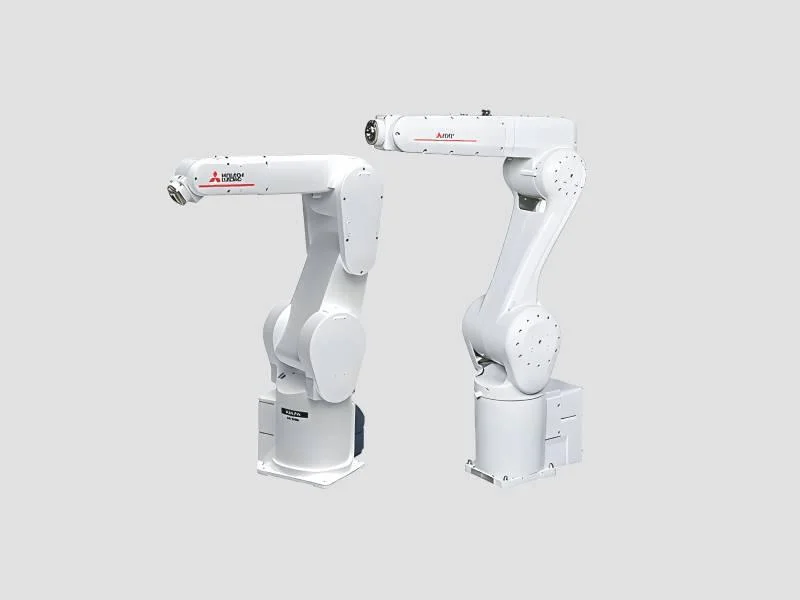
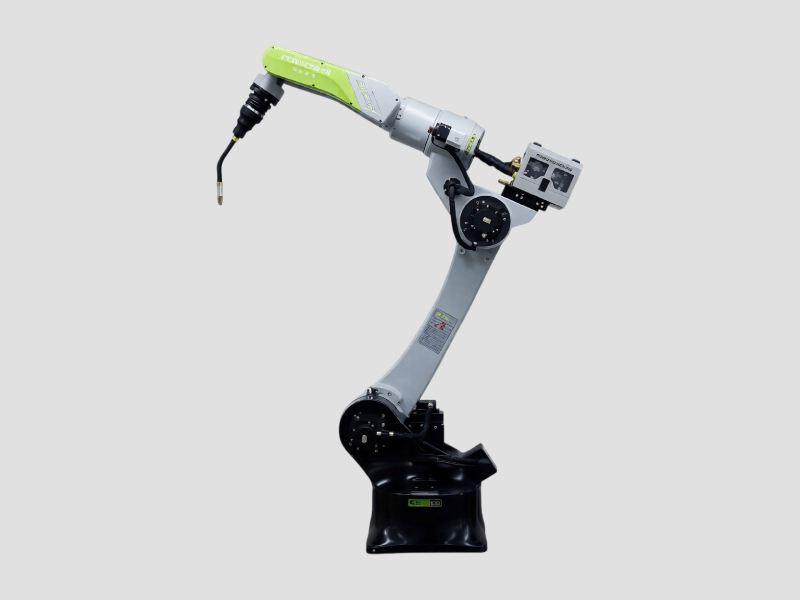
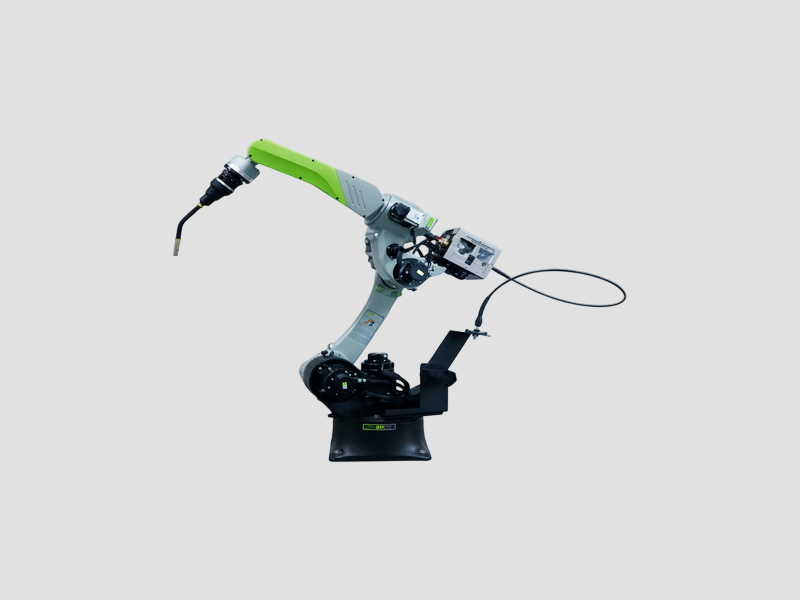
What are 6-Axis Articulated Robots?
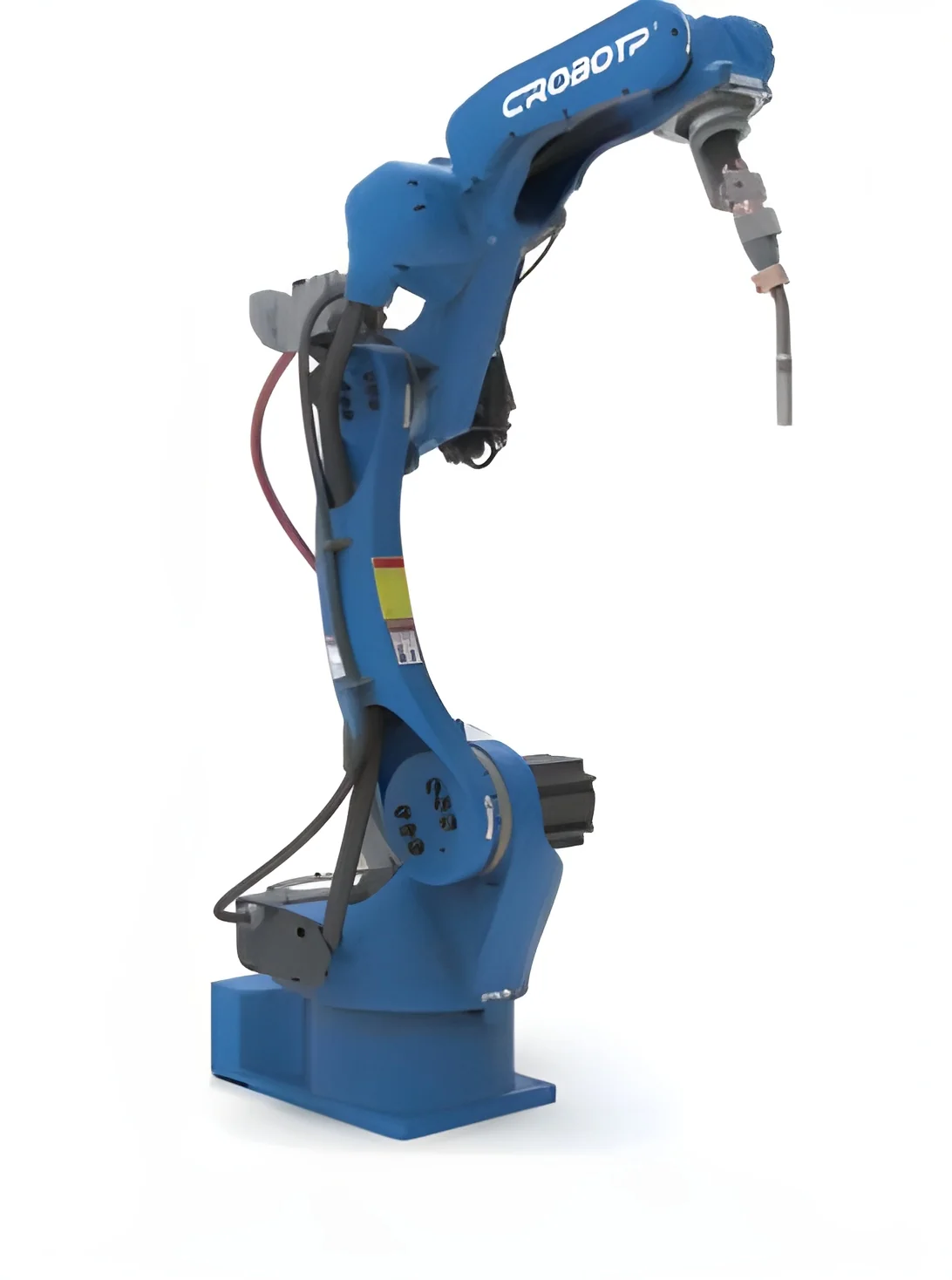
6-Axis articulated robots are advanced automation machines that use six joints to create a versatile range of motion. This unique design allows for complex movements and precise control, making them ideal for a variety of applications in manufacturing and production environments. Each joint operates independently, allowing the robot to replicate human-like movements and perform tasks with high accuracy.
These robots are primarily used in industries such as automotive, electronics, and consumer goods, where tasks like assembly, welding, painting, and material handling are common. Their ability to work alongside human operators, often in collaborative settings, enhances productivity and efficiency. Given the growing demand for automation across various sectors, 6-Axis articulated robots are increasingly relevant, especially as businesses seek to reduce operational costs and improve product quality.
Key Features and Specifications
6-Axis articulated robots come equipped with a variety of features tailored to enhance performance and functionality. Understanding these specifications is crucial for businesses looking to implement robotic solutions.
Key specifications include:
1. Payload Capacity
- The maximum weight the robot can handle.
- Common ranges are between 5 kg to 100 kg, depending on the model.
2. Reach
- The distance the robot can extend from its base.
- Typical reach ranges from 600 mm to 2000 mm.
3. Repeatability
- The precision with which the robot can return to a specified position.
- Generally, this is within ±0.05 mm to ±0.1 mm.
4. Degrees of Freedom
- The number of independent movements the robot can perform.
- 6 degrees of freedom is standard for articulated robots.
5. Speed
- The maximum operational speed of the robot's joints.
- Speeds can vary from 1 m/s to 3 m/s.
6. Control System
- The method by which the robot is programmed and controlled.
- Options include teach pendant, offline programming, and integration with PLCs.
7. Safety Features
- Integrated systems to prevent accidents and improve safety.
- These may include emergency stop buttons and safety sensors.
In summary, these specifications play a vital role in determining the suitability of 6-Axis articulated robots for specific tasks, making it essential for businesses to evaluate them carefully.
Common Applications and Use Cases
6-Axis articulated robots are versatile tools that can be adapted to various industrial applications.
1. Automotive Industry: These robots are widely used for assembly tasks, welding, and painting, ensuring high precision and efficiency in production lines.
2. Electronics Manufacturing: They handle delicate components and perform tasks like soldering and assembly, reducing the risk of damage.
3. Food and Beverage: These robots assist in packaging, palletizing, and quality control, helping maintain hygiene and efficiency in production.
4. Metal Fabrication: They are employed for tasks such as cutting, bending, and welding metals, which require precision and repeatability.
5. Pharmaceutical Industry: These robots handle the assembly and packaging of medicines, ensuring compliance with safety and regulatory standards.
6. Consumer Goods: They are involved in assembly, packaging, and logistics processes, improving throughput and reducing labor costs.
7. Aerospace: Robots assist in complex assembly processes and inspections, ensuring high levels of accuracy and safety in manufacturing.
Product Variants and Subcategories
6-Axis articulated robots are available in various configurations to meet specific industry needs.
Compact Version
This variant is designed for tight spaces and offers a smaller footprint without compromising on performance. It is ideal for small-scale assembly tasks and can easily fit into existing manufacturing layouts.
Heavy-Duty Version
This variant is built for high payload capacities and is perfect for industries needing to handle larger components. It excels in heavy material handling and assembly tasks in sectors like automotive and aerospace.
High-Speed Version
Optimized for rapid operations, this variant is designed for applications where speed is a critical factor. It is suitable for high-volume production lines in electronics and consumer goods industries.
Benefits and Advantages
Investing in 6-Axis articulated robots provides numerous advantages for businesses.
1. Increased Efficiency: These robots can operate continuously without breaks, significantly enhancing productivity and throughput.
2. Improved Precision: With high repeatability, they ensure consistent quality in manufacturing processes, reducing errors and waste.
3. Flexibility: Their ability to perform a wide range of tasks makes them adaptable to various applications, allowing for quick reconfiguration in production lines.
4. Enhanced Safety: By automating dangerous tasks, these robots can reduce workplace injuries and ensure a safer working environment.
5. Cost-Effectiveness: While initial investments can be significant, the long-term savings from reduced labor costs and increased efficiency can outweigh these costs.
6. Scalability: Businesses can easily scale their operations by integrating additional robots as demand increases.
Buying Guide for B2B Buyers
When considering the purchase of 6-Axis articulated robots, several factors should be taken into account.
1. Quality Assessment: Evaluate the build quality and durability of the robots. Look for models that meet industry standards and have a track record of reliability.
2. Supplier Verification: Ensure that suppliers are reputable and have a history of providing reliable products. Review customer feedback and supplier certifications.
3. Pricing and MOQ: Understand the price range for different models and inquire about minimum order quantities. Seek quotes from multiple suppliers to compare costs.
4. Delivery and Lead Times: Discuss logistics and expected lead times with suppliers. Timely delivery is crucial for minimizing downtime in production.
5. Compliance Requirements: Verify that the robots meet relevant safety and quality standards, such as UL and CE certifications. Ensure compliance with any local regulations.
Compliance and Certifications
6-Axis articulated robots must adhere to various quality standards and certifications to ensure safety and reliability.
ISO 9001 is a common standard that guarantees a quality management system is in place. This certification ensures that products consistently meet customer and regulatory requirements.
Industry certifications such as UL and CE are vital for ensuring that robots meet safety standards. UL certification indicates that a product has been tested for safety by Underwriters Laboratories, while CE marking indicates compliance with European safety standards.
Safety and testing requirements are also critical, as these robots must operate in environments where human workers are present. Regular safety checks and updates to software are important to maintain compliance.
Regional compliance considerations may vary, so it is essential for businesses to understand the specific regulations applicable in their operational areas.
Why Source 6-Axis Articulated Robots from Pepagora?
Pepagora offers a reliable platform for sourcing 6-Axis articulated robots, providing numerous advantages for B2B buyers.
Verified Supplier Network: Pepagora connects buyers with a network of verified suppliers, ensuring that customers can trust the quality and reliability of the products they purchase.
Streamlined RFQ Process: The platform simplifies the request for quotation process, allowing buyers to easily gather quotes from multiple suppliers. This saves time and ensures competitive pricing.
Trade Assurance and Support: Pepagora provides trade assurance, giving buyers confidence in their transactions. Support teams are available to assist with any inquiries or issues that may arise.
Regional Coverage: With a strong presence in India, the GCC, and Southeast Asia, Pepagora is well-positioned to meet the needs of businesses across these regions. This geographic reach allows for efficient logistics and support for buyers in various locations.

 IN
IN