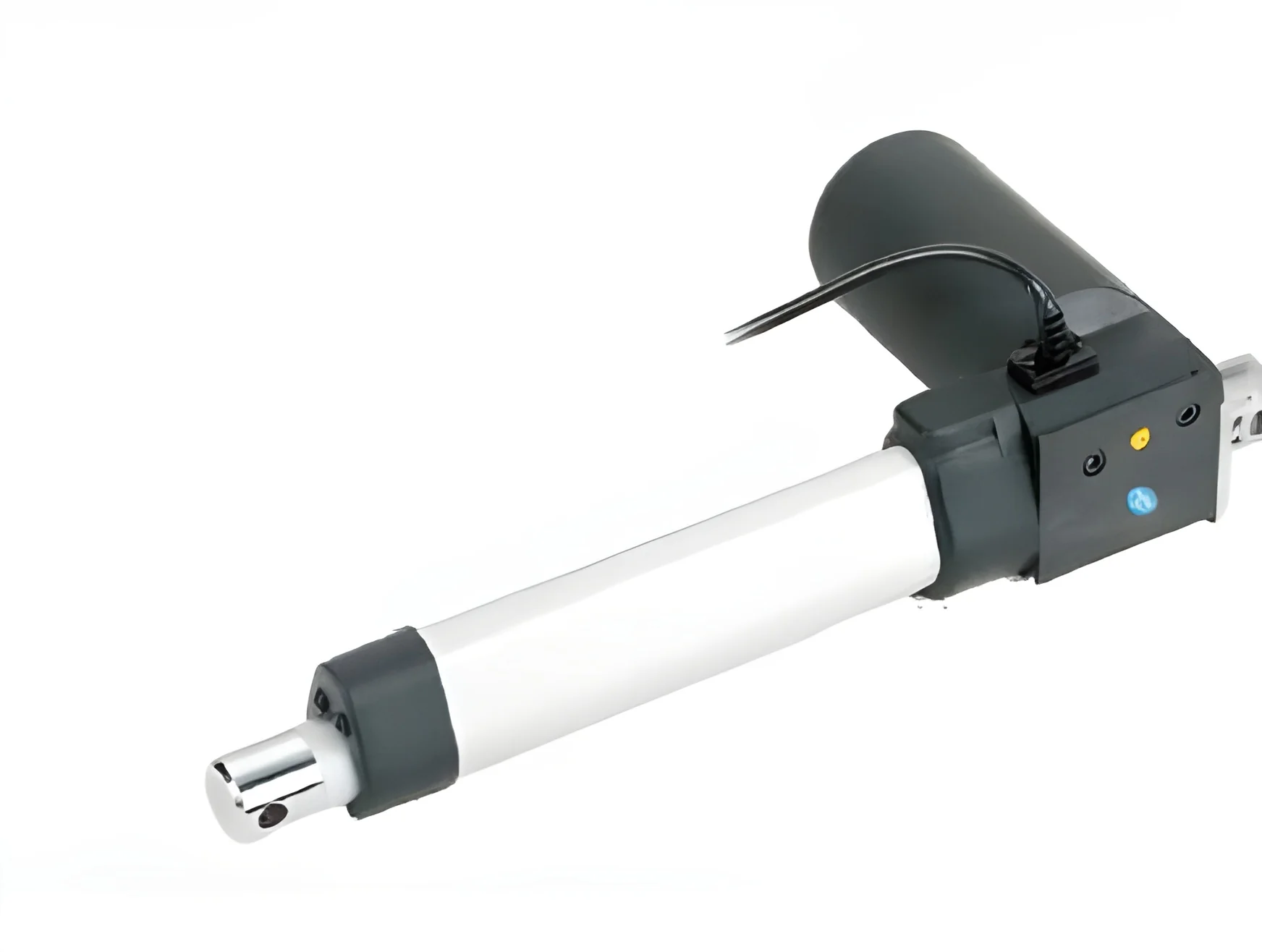
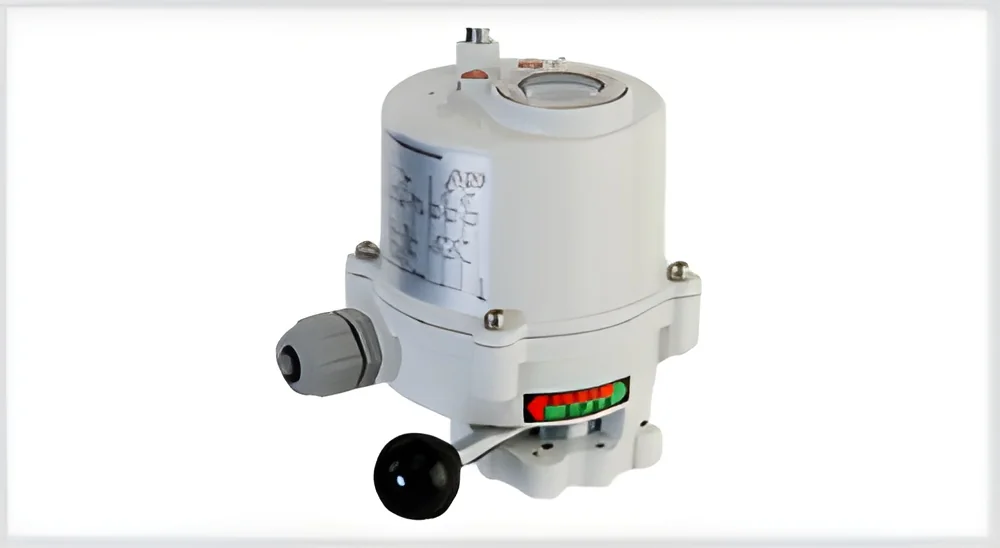
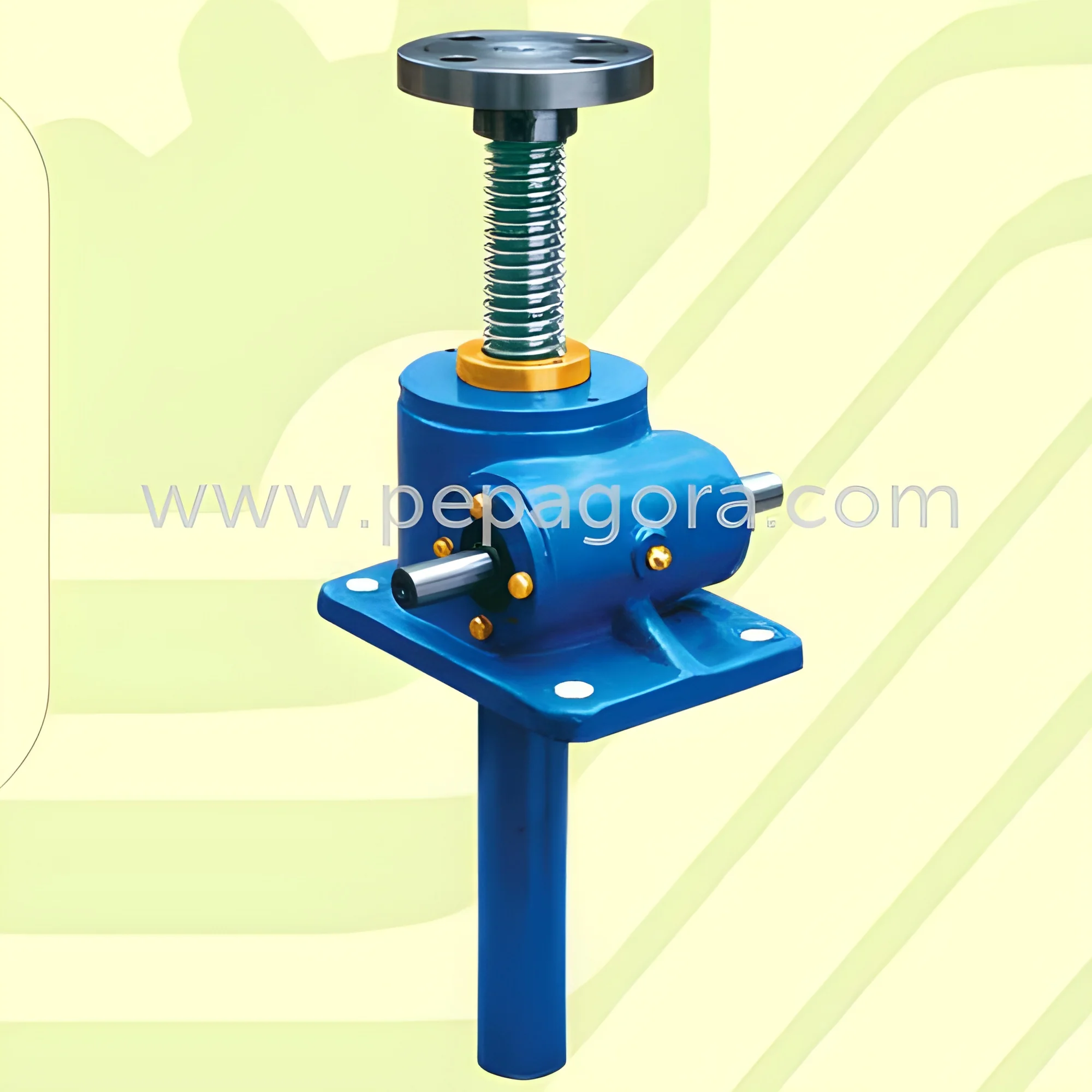
What are Electric Linear Actuators?
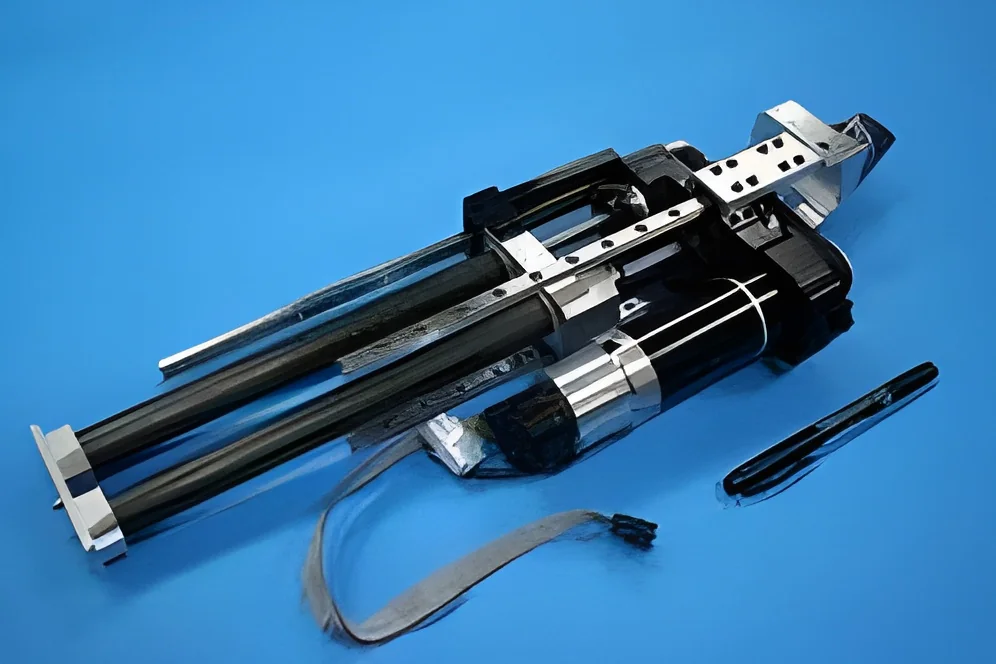
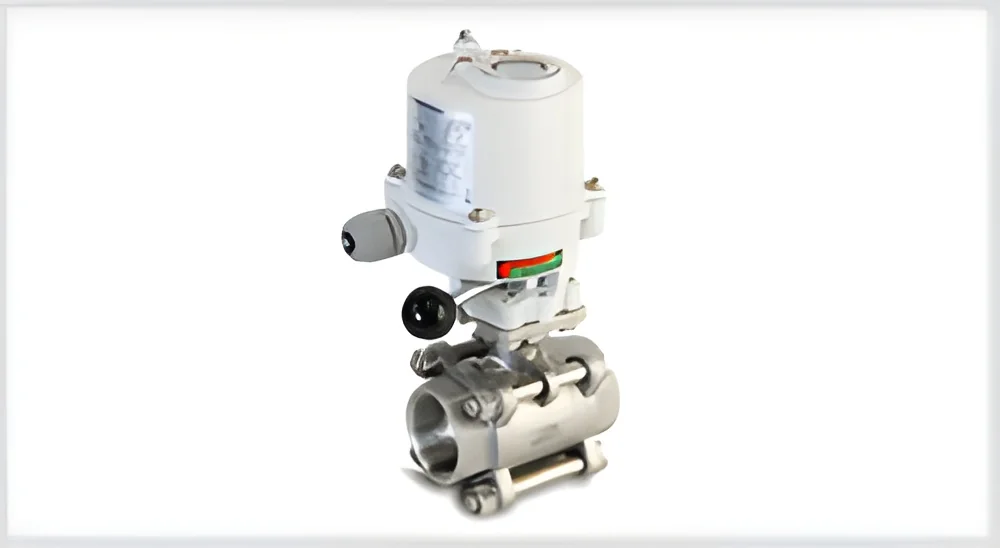
Electric Linear Actuators are devices that convert electrical energy into linear motion. They are designed to create precise movement through the application of electric power, typically using a motor to drive a screw mechanism or belt system. This technology allows for controlled, repeatable motion, making them essential in various automation and machinery applications.
These actuators find extensive use in industries such as manufacturing, healthcare, and robotics. They can be employed in applications ranging from lifting and lowering heavy loads to enabling precise positioning in automated systems. Their versatility allows them to be utilized in assembly lines, medical devices, and even consumer products, where reliable motion is crucial.
In the current market context, Electric Linear Actuators are becoming increasingly relevant due to the growing demand for automation across industries. Companies are looking for efficient solutions that enhance productivity while ensuring accuracy and reliability. As a result, the electric actuator market is witnessing significant growth, driven by advancements in technology and an increasing focus on smart manufacturing.
Key Features and Specifications
Electric Linear Actuators come equipped with various features that enhance their functionality and performance. Understanding these specifications is critical for businesses seeking the right actuator for their applications.
Key specifications include:
1. Load Capacity
- The maximum weight the actuator can handle.
- Typically ranges from a few pounds to several tons, depending on the model.
2. Stroke Length
- The distance the actuator can move along its axis.
- Common stroke lengths vary from a few inches to several feet.
3. Speed
- The rate at which the actuator moves.
- Generally expressed in inches per second, with speeds ranging from slow to fast based on application needs.
4. Voltage Range
- The electrical input required for operation.
- Common ranges include 12V, 24V, and 48V.
5. Duty Cycle
- The amount of time the actuator can operate continuously.
- Measured as a percentage, with typical duty cycles ranging from 10% to 100%.
6. Environmental Ratings
- Specifications indicating resistance to dust and moisture.
- Common ratings include IP54 and IP65, defining the actuator's durability in various environments.
7. Control Options
- The methods available for controlling actuator movement.
- Options may include manual switches, remote controls, or automated systems.
8. Safety Features
- Built-in mechanisms to prevent overload or failure.
- Features may include limit switches and thermal protection.
In summary, understanding the key features and specifications of Electric Linear Actuators can help businesses choose the right product tailored to their operational needs.
Common Applications and Use Cases
Electric Linear Actuators serve a wide range of industries, providing solutions for various applications.
1. Manufacturing: Electric linear actuators are used in assembly lines to automate tasks such as lifting, positioning, and transporting materials, improving efficiency and reducing labor costs.
2. Healthcare: These actuators are integral in medical equipment, such as hospital beds and surgical tables, enabling precise adjustments for patient comfort and safety.
3. Robotics: In robotic systems, electric actuators provide the necessary movement for robotic arms and other components, allowing for complex operations in manufacturing and research.
4. Automotive: Electric linear actuators are used in automotive applications for seat adjustments, window lifts, and automated trunk openings, enhancing user convenience.
5. Aerospace: In the aerospace industry, these actuators enable the movement of control surfaces and landing gear, essential for aircraft operation.
6. Agriculture: Electric actuators are used in automated farm equipment, such as seeders and harvesters, to optimize planting and harvesting processes.
7. Home Automation: In smart homes, electric linear actuators can automate curtains, blinds, and other household items, improving convenience and energy efficiency.
Product Variants and Subcategories
Electric Linear Actuators come in various types to meet specific needs across different sectors.
Standard Electric Linear Actuators: These are the most common types used in general applications. They offer a range of load capacities and stroke lengths, making them suitable for diverse uses.
High-Speed Electric Linear Actuators: Designed for applications requiring faster movement, these actuators provide rapid response times while maintaining precision, ideal for robotics and manufacturing.
Heavy-Duty Electric Linear Actuators: Built to handle substantial loads, these actuators are often used in industrial settings where strength and durability are paramount.
Miniature Electric Linear Actuators: These compact versions are designed for applications with space constraints, such as medical devices and small machinery.
Benefits and Advantages
Electric Linear Actuators offer numerous benefits that enhance operational efficiency and effectiveness.
1. Precision Control: Electric actuators provide accurate positioning, essential for applications requiring high levels of precision.
2. Energy Efficiency: Compared to pneumatic or hydraulic systems, electric actuators consume less energy, leading to cost savings over time.
3. Low Maintenance: With fewer moving parts than traditional systems, electric actuators require minimal maintenance, reducing downtime and operational costs.
4. Versatility: They can be adapted for a wide range of applications across various industries, making them a flexible solution.
5. Environmental Friendliness: Electric actuators produce no emissions during operation, contributing to a cleaner environment.
6. Safety Features: Many electric actuators come equipped with built-in safety mechanisms, reducing the risk of accidents or equipment failure.
Buying Guide for B2B Buyers
When sourcing Electric Linear Actuators, it is essential for B2B buyers to consider several key factors.
1. Quality Assessment: Evaluate the quality of the actuators by reviewing manufacturer certifications, materials used, and customer feedback. Ensuring that the actuator meets industry standards is crucial for reliability.
2. Supplier Verification: Conduct thorough checks on suppliers to confirm their credibility. Look for established manufacturers with a track record of delivering quality products.
3. Pricing and MOQ: Understand the pricing structure and minimum order quantities (MOQ) to align with budget constraints and project requirements.
4. Delivery and Lead Times: Assess logistics capabilities to ensure timely delivery. Reliable lead times are essential for maintaining project schedules.
5. Compliance Requirements: Familiarize yourself with relevant regulatory standards that the actuators must meet. This includes understanding industry-specific compliance needs to avoid potential issues.
Compliance and Certifications
Electric Linear Actuators must adhere to various quality standards and certifications to ensure reliability and safety. One of the most recognized quality management standards is ISO 9001, which outlines the requirements for a quality management system. Compliance with ISO standards helps ensure that products are consistently manufactured to meet customer and regulatory requirements.
Additionally, industry certifications such as CE mark indicate compliance with European safety standards. This certification is crucial for products sold in European markets, ensuring they meet essential health and safety requirements.
Safety and testing requirements include thorough evaluations to confirm that actuators perform reliably under specified conditions. It is also important to consider regional compliance, as different regions may have unique regulations governing the use of electric actuators.
Why Source Electric Linear Actuators from Pepagora?
Pepagora offers a trusted platform for sourcing Electric Linear Actuators, providing several key advantages to buyers.
Verified Supplier Network: Pepagora ensures that all suppliers are rigorously vetted for quality and reliability. This network allows businesses to connect with trustworthy manufacturers, reducing the risk of procurement issues.
Streamlined RFQ Process: The request for quotation (RFQ) process on Pepagora is designed to be efficient and user-friendly. Buyers can easily submit their requirements and receive competitive quotes from multiple suppliers.
Trade Assurance and Support: Pepagora provides trade assurance to protect buyers during transactions. This support includes assistance in resolving disputes and ensuring that products meet agreed-upon specifications.
Regional Coverage: With a strong presence in India, the GCC, and Southeast Asia, Pepagora offers extensive geographic reach. This enables businesses to source Electric Linear Actuators locally, facilitating faster delivery and reducing shipping costs.

 IN
IN