IN
IN₹
Apparel & Fashion
Description
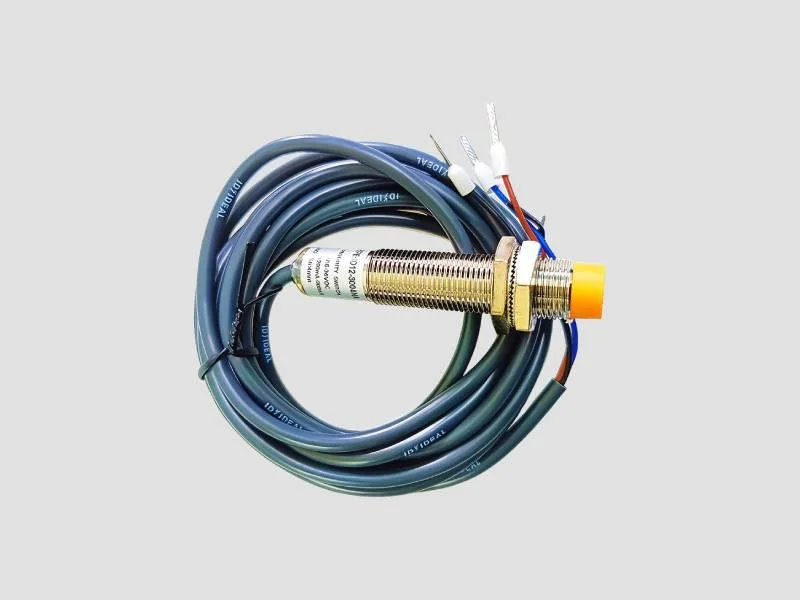
Proximity sensors represent advanced detection technology that operates without physical contact, using various sensing methods to identify objects within specified ranges. These devices detect the presence or absence of targets through capacitive, inductive, ultrasonic, or infrared technologies, providing reliable performance in diverse operating conditions. With detection capabilities ranging from millimeters to several meters and voltage ratings typically between 5V to 24V, these sensors offer flexibility for different installation requirements. Their response times vary from milliseconds to seconds depending on application needs, while operating temperature ranges generally span from -20°C to 85°C for consistent performance in challenging environments. Constructed from durable metals or robust plastics, proximity sensors maintain reliability even when exposed to industrial conditions that would compromise less resilient components.

Industrial applications for proximity sensors spa...
Proximity sensors represent advanced detection technology that operates without physical contact, using various sensing methods to identify objects within specified ranges. These devices detect the presence or absence of targets through capacitive, inductive, ultrasonic, or infrared technologies, providing reliable performance in diverse operating conditions. With detection capabilities ranging from millimeters to several meters and voltage ratings typically between 5V to 24V, these sensors offer flexibility for different installation requirements. Their response times vary from milliseconds to seconds depending on application needs, while operating temperature ranges generally span from -20°C to 85°C for consistent performance in challenging environments. Constructed from durable metals or robust plastics, proximity sensors maintain reliability even when exposed to industrial conditions that would compromise less resilient components.

Industrial applications for proximity sensors span numerous sectors where reliable object detection is critical for operational efficiency and safety. Manufacturing facilities utilize these sensors for production line automation, part counting, and quality verification processes. Automotive plants employ them for assembly verification and robotic guidance systems, while packaging operations depend on proximity sensors for proper container positioning and fill level monitoring. Security systems integrate these devices for access control and intrusion detection, and material handling equipment uses them for position sensing and collision avoidance. The versatility of proximity sensors makes them suitable for everything from simple presence detection to complex measurement applications across multiple industries.

Businesses benefit from proximity sensors through improved operational reliability, reduced maintenance costs, and enhanced safety compliance. These devices eliminate mechanical wear associated with contact-based switches, resulting in longer service life and fewer replacements. Their consistent performance minimizes production downtime caused by sensor failures, while accurate detection capabilities reduce material waste and improve product quality. The non-contact operation prevents damage to both the sensor and detected objects, particularly important when handling delicate materials or precision components. With mounting options including threaded and non-threaded configurations, installation flexibility allows for integration into both new systems and existing equipment upgrades.

Key Features:
- Non-contact detection using capacitive, inductive, ultrasonic, or infrared technologies
- Detection ranges from millimeters to several meters depending on sensor design
- Voltage ratings typically between 5V to 24V for compatibility with standard systems
- Operating temperature range of -20°C to 85°C for reliable performance in various environments
- Robust construction using durable metals or plastics resistant to harsh conditions

Benefits:
- Eliminates mechanical wear through non-contact operation for longer service life
- Provides consistent performance in demanding industrial environments
- Reduces maintenance costs with reliable operation and minimal adjustments
- Enhances safety through reliable object detection for personnel and equipment protection
- Offers installation flexibility with various mounting options for different requirements
Specifications
| Key Attributes | |
|---|---|
| Detection Range | Ranges from a few millimeters to several meters, depending on the sensor's design and application., inductive, ultrasonic, and infrared technologies., depending on the sensor type, but most sensors function between -20°C to 85°C. |
| Sensing Technology | Common types include capacitive, Can be either digital (on/off) or analog (variable signal) depending on the sensor’s design, Varies, Usually made from robust metals or plastics that are resistant to harsh environments. |
| Output Type | Typically ranges from 5V to 24V for most proximity sensors., May include threaded or non-threaded mounts depending on installation requirements. |
| Voltage Rating | Often ranges from a few milliseconds to several seconds |
| Additional Information | |
|---|---|
| Country of Origin | 106 |
Application
Proximity sensors serve as the eyes of modern automation systems, providing reliable object detection without physical contact. Their non-contact operation eliminates wear and tear while ensuring consistent performance in demanding environments where traditional mechanical switches would fail. These sensors detect everything from metal components to liquid levels with precision, making them indispensable for quality control and process monitoring across multiple sectors.
From manufacturing floors to security installations, proximity sensors deliver consistent performance where accuracy matters most. Their robust construction withstands harsh conditions including temperature extremes, vibration, and exposure to dust or moisture. This durability ensures long-term reliability in applications ranging from production line counting to safety door monitoring, providing peace of mind for system integrators and facility managers alike.
- Production line object detection and counting in manufacturing facilities
- Safety systems for machinery guarding and personnel protection
- Liquid level monitoring in tanks and processing equipment
- Position sensing for automated doors and access control systems
- Quality control verification in assembly and packaging operations
Trade Details
| Available Stock | In Stock |
| Sample Availability | No |
Payment Terms
| Payment Terms |
|
Company Profile

KFTRONICS Electronic Jacquard, Tamil Nadu
 Tamil Nadu, India
Tamil Nadu, IndiaManufacturer
Factory Details
Factory SizeBelow 1000 sqm
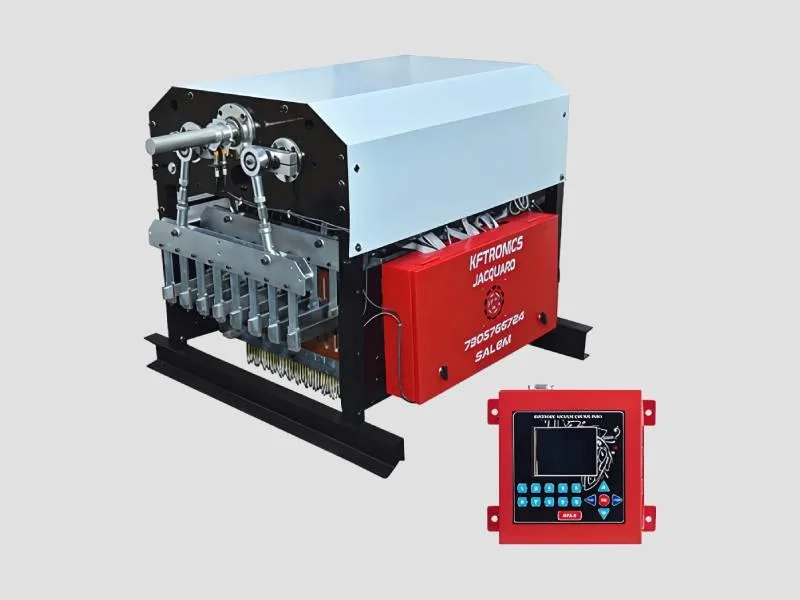
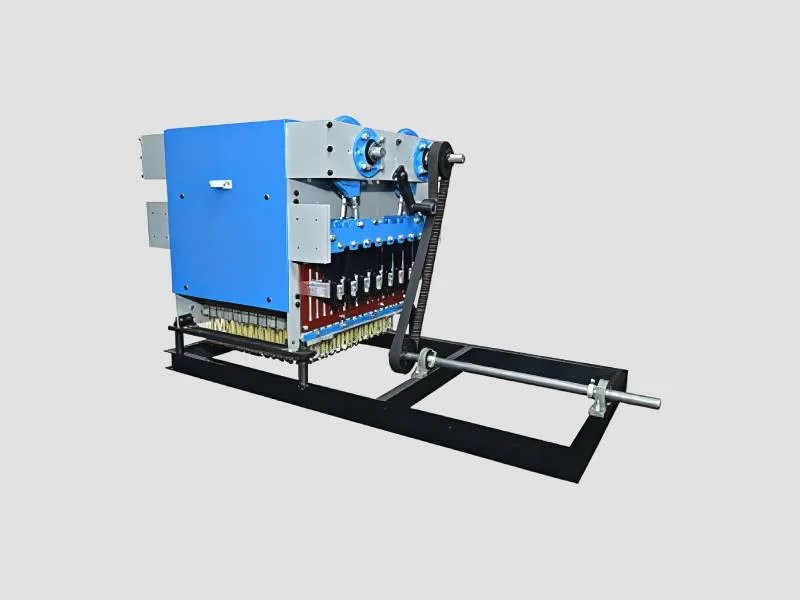
Industrial Automation Proximity Sensors For Object Detection And Safety Systems
Proximity sensors detect objects without contact using capacitive, inductive, ultrasonic, or infrared technology. These reliable devices operate from 5V-24V with detection ranges from millimeters to meters for industrial automation and safety applications.
Min. Order Quantity: 1 piece
Shipping
Shipping fee and delivery date to be negotiated. Contact supplier now for more details.
KFTRONICS Electronic Jacquard Tamil Nadu, India
Tamil Nadu, IndiaManufacturer