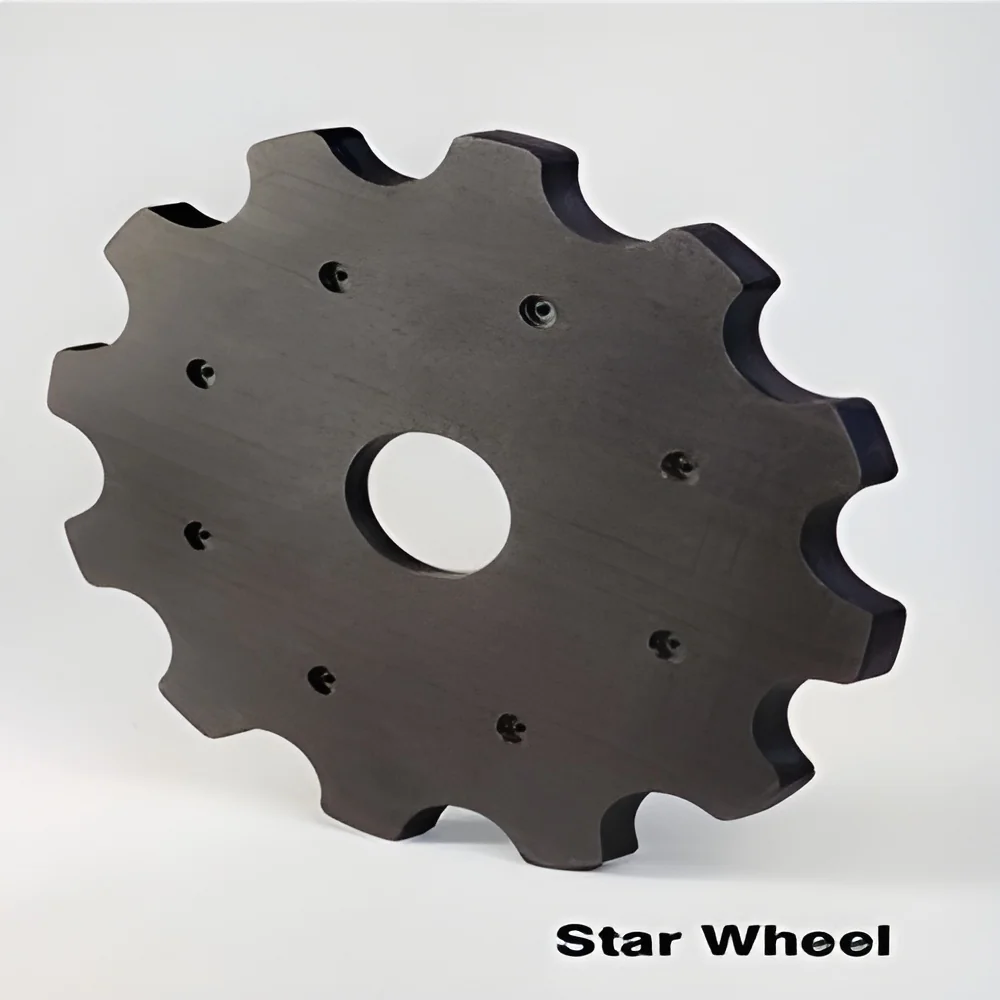
What are Rotary Indexing Tables?
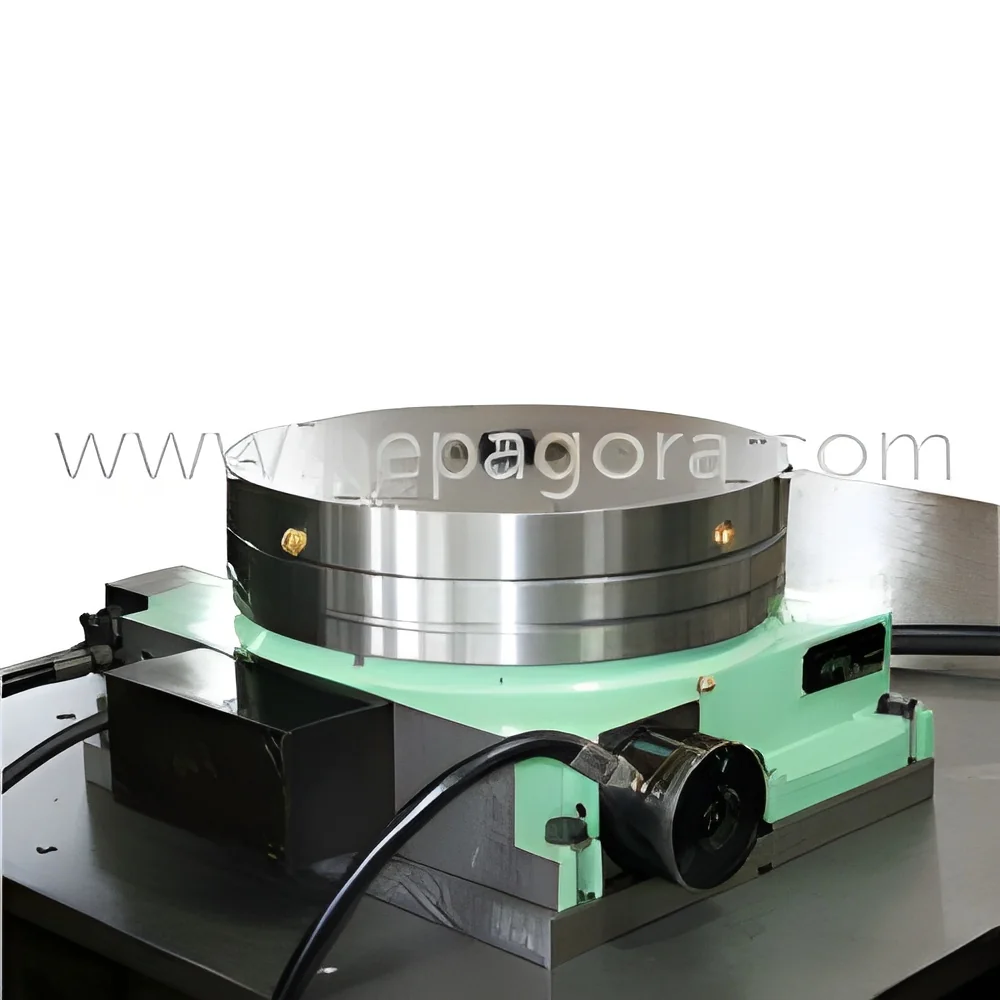
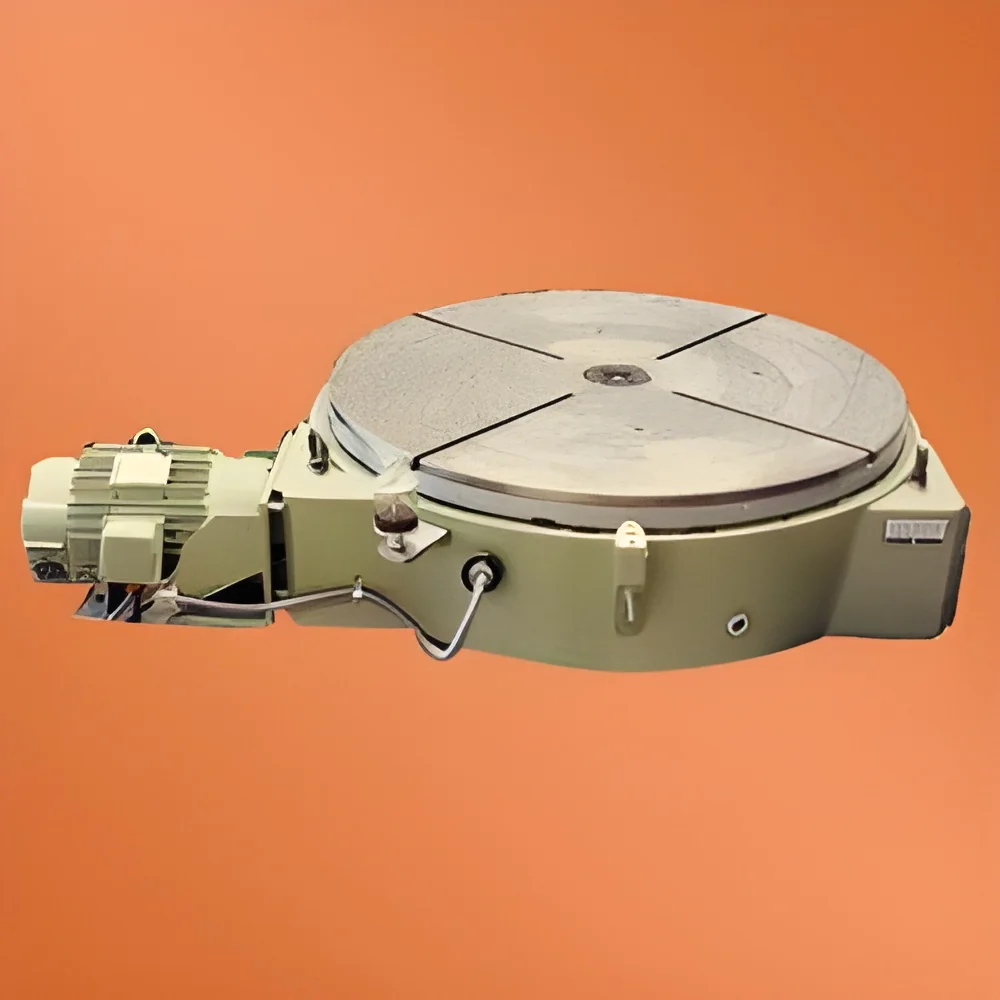
Rotary indexing tables are precision-engineered devices designed to hold and rotate workpieces in a controlled manner during manufacturing processes. They are utilized to automate the movement of components, allowing for sequential operations such as assembly, inspection, or machining. By providing accurate positioning and repeatability, these tables enhance productivity and efficiency in various industrial applications.
The primary uses of rotary indexing tables include assembly lines and automated manufacturing systems. They are especially valuable in industries that require high-speed operations, such as automotive, aerospace, electronics, and consumer goods. These tables enable seamless transitions between different production stages, significantly reducing cycle times and improving overall workflow. Their ability to integrate with robotic systems and other machinery further enhances their utility, making them a critical component in modern manufacturing setups.
In terms of market context, rotary indexing tables are gaining traction due to the increasing demand for automation in manufacturing. As businesses strive for greater efficiency and accuracy, the relevance of these devices continues to grow. With advancements in technology, rotary indexing tables are becoming more sophisticated, offering enhanced features that cater to the evolving needs of industries worldwide.
Key Features and Specifications
Rotary indexing tables come equipped with various features that enhance their functionality and adaptability in industrial applications. Understanding these specifications is crucial for making informed purchasing decisions.
Key specifications include:
1. Load Capacity
- The maximum weight the table can support is essential for ensuring it can handle the intended workpieces.
- Specifications often range from a few hundred kilograms to several tons, depending on the model.
2. Rotational Speed
- This refers to how quickly the table can rotate between stations.
- Typical ranges are from 5 to 30 revolutions per minute, depending on the application requirements.
3. Accuracy and Repeatability
- This specification indicates how precisely the table can position a workpiece.
- Accuracy is often measured in millimeters or arc seconds, with high-end models offering repeatability within a fraction of a millimeter.
4. Drive Mechanism
- Tables may utilize different drive systems such as servo motors or pneumatic drives.
- The choice of drive impacts speed, torque, and overall performance.
5. Control System
- Features may include programmable logic controllers (PLC) or human-machine interfaces (HMI) for easy operation.
- Advanced models may offer connectivity for integration with other automated systems.
6. Material Construction
- Common materials include aluminum, steel, or composite materials that ensure durability and longevity.
- The choice of material affects the table's weight, strength, and resistance to environmental factors.
7. Customization Options
- Many manufacturers offer customization features to tailor the table to specific applications.
- Custom options can include different sizes, additional tooling, or specialized coatings.
8. Safety Features
- Safety is a priority in industrial settings, and tables may include emergency stop functions and safety shields.
- Compliance with safety standards is essential for operational integrity.
In summary, understanding the key features and specifications of rotary indexing tables helps businesses select the right model for their specific needs, ensuring efficiency and reliability in their operations.
Common Applications and Use Cases
Rotary indexing tables serve a diverse range of industries, each with unique applications that highlight their versatility.
1. Automotive: In automotive assembly lines, rotary indexing tables facilitate the assembly of components such as engines and transmissions. Their precision and speed contribute to higher production rates and reduced downtime.
2. Aerospace: In the aerospace sector, these tables are used for assembling intricate parts and components. Their ability to handle delicate materials while ensuring accuracy is crucial for meeting stringent safety standards.
3. Electronics: Rotary indexing tables are essential in the electronics industry for assembling circuit boards and other components. Their automation capabilities allow for high-speed production and reduced manual labor.
4. Food and Beverage: In food processing, these tables enable efficient packaging and labeling of products. They ensure consistent handling while maintaining compliance with hygiene regulations.
5. Medical Devices: In the medical industry, rotary indexing tables are used for the assembly of devices and instruments. Precision and cleanliness are paramount in this field, making these tables invaluable.
6. Consumer Goods: These tables are commonly used in the production of household goods, allowing for quick transitions between different products in a single run.
7. Metalworking: In machining applications, rotary indexing tables provide precise positioning for milling and drilling operations, enhancing accuracy and reducing waste.
Product Variants and Subcategories
Rotary indexing tables come in a variety of designs, each tailored to meet specific operational needs. The diversity in product variants allows businesses to choose models that best fit their applications.
Standard Rotary Indexing Table
This variant features a robust design suitable for general manufacturing applications. It typically includes a durable base and a variety of drive options to accommodate different workloads.
Heavy-Duty Rotary Indexing Table
Designed for industries that require handling heavy components, this variant offers increased load capacity and enhanced stability. Its construction ensures reliability in demanding environments.
Compact Rotary Indexing Table
Ideal for applications with space constraints, this variant provides a smaller footprint without sacrificing functionality. It is suitable for use in tight workspaces while still delivering precision.
Multiple Station Rotary Indexing Table
This variant features multiple workstations, allowing for simultaneous processing of different components. It is commonly used in high-volume production settings where efficiency is critical.
Benefits and Advantages
Investing in rotary indexing tables offers numerous advantages that can significantly enhance operational efficiency.
1. Increased Productivity: Rotary indexing tables allow for automated processes, reducing cycle times and increasing overall throughput.
2. Enhanced Precision: These tables provide accurate positioning, ensuring high-quality output and reducing rework or scrap.
3. Flexibility: With various configurations available, rotary indexing tables can be adapted to diverse applications, making them suitable for multiple industries.
4. Labor Savings: By automating repetitive tasks, businesses can reduce labor costs and allocate human resources to more complex operations.
5. Improved Safety: Equipped with safety features, rotary indexing tables help mitigate risks associated with manual handling and machinery operation.
6. Easy Integration: These tables can be seamlessly integrated into existing production lines, enhancing overall system efficiency without significant disruptions.
Buying Guide for B2B Buyers
When sourcing rotary indexing tables, it is essential for B2B buyers to consider several key factors to ensure a successful purchase.
1. Quality Assessment: Evaluate the manufacturing standards of the rotary indexing tables. Look for certifications such as ISO 9001 that indicate adherence to quality management principles.
2. Supplier Verification: Research potential suppliers to ensure they are reputable and reliable. Check for customer reviews and industry references before making a decision.
3. Pricing and MOQ: Understand the pricing structure and minimum order quantity (MOQ) requirements set by suppliers. This will help in budgeting and planning inventory.
4. Delivery and Lead Times: Inquire about delivery schedules and lead times to ensure that the tables can be integrated into production timelines without delays.
5. Compliance Requirements: Familiarize yourself with any regulatory compliance needed for your industry, ensuring that the rotary indexing tables meet necessary safety and operational standards.
Compliance and Certifications
Compliance is a critical aspect of rotary indexing tables, ensuring they meet industry standards and regulations.
Many rotary indexing tables adhere to quality standards such as ISO 9001, which focuses on quality management systems and consistent product quality. This certification is essential for manufacturers looking to ensure reliability and performance.
Additionally, rotary indexing tables may carry certifications such as CE, which indicates compliance with European health, safety, and environmental protection standards. This certification is crucial for gaining access to various markets, particularly within Europe.
Safety and testing requirements are paramount, and manufacturers should ensure that their products are tested for operational safety. Compliance with regional safety standards helps mitigate risks associated with industrial equipment.
It is essential for buyers to consider regional compliance requirements, which may vary depending on the country or area of operation. Understanding these requirements ensures that the equipment meets local regulations and industry expectations.
Why Source Rotary Indexing Tables from Pepagora?
Pepagora provides a trusted platform for sourcing rotary indexing tables, offering several advantages to B2B buyers.
One of the key benefits of sourcing from Pepagora is the verified supplier network. Each supplier is thoroughly vetted to ensure quality, reliability, and compliance with industry standards, giving buyers confidence in their purchases.
The streamlined RFQ (Request for Quotation) process simplifies the procurement journey. Buyers can easily request quotes from multiple suppliers, allowing for competitive pricing and informed decision-making.
Pepagora also emphasizes trade assurance and support for buyers. This protection ensures that transactions are secure, and buyers receive the support they need throughout the purchasing process.
Moreover, Pepagora's regional coverage extends across India, the Gulf Cooperation Council (GCC), and Southeast Asia, making it easier for businesses in these regions to access quality rotary indexing tables tailored to their needs.

 IN
IN