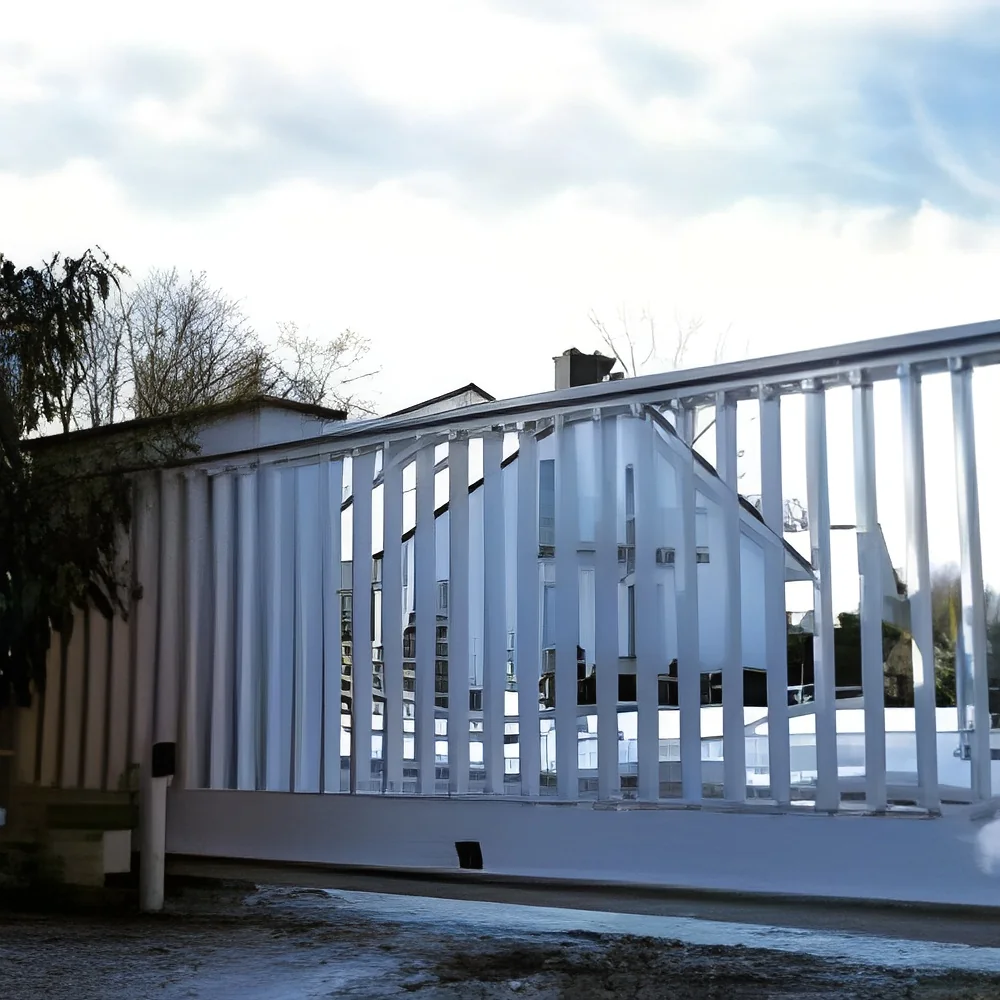
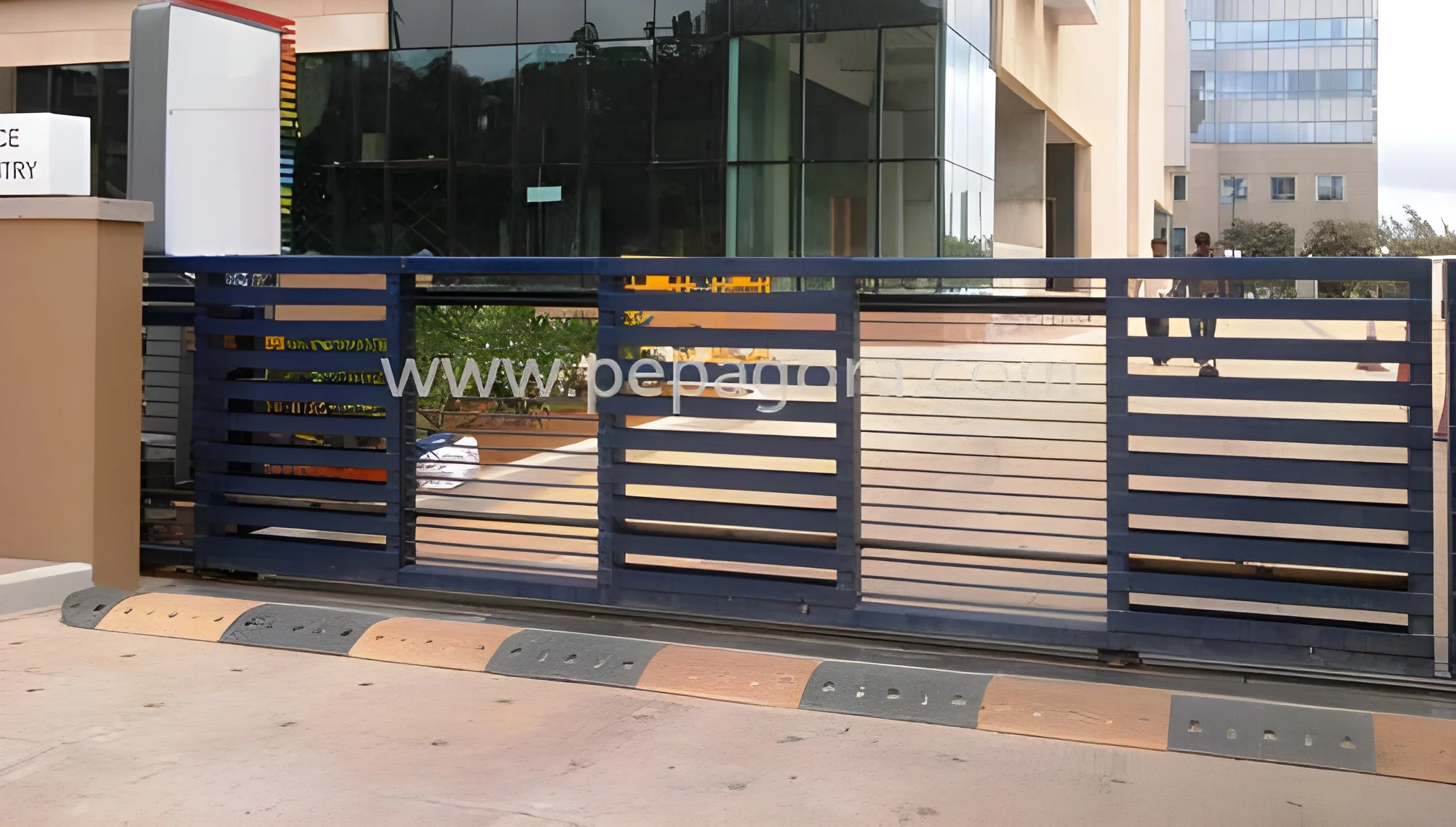
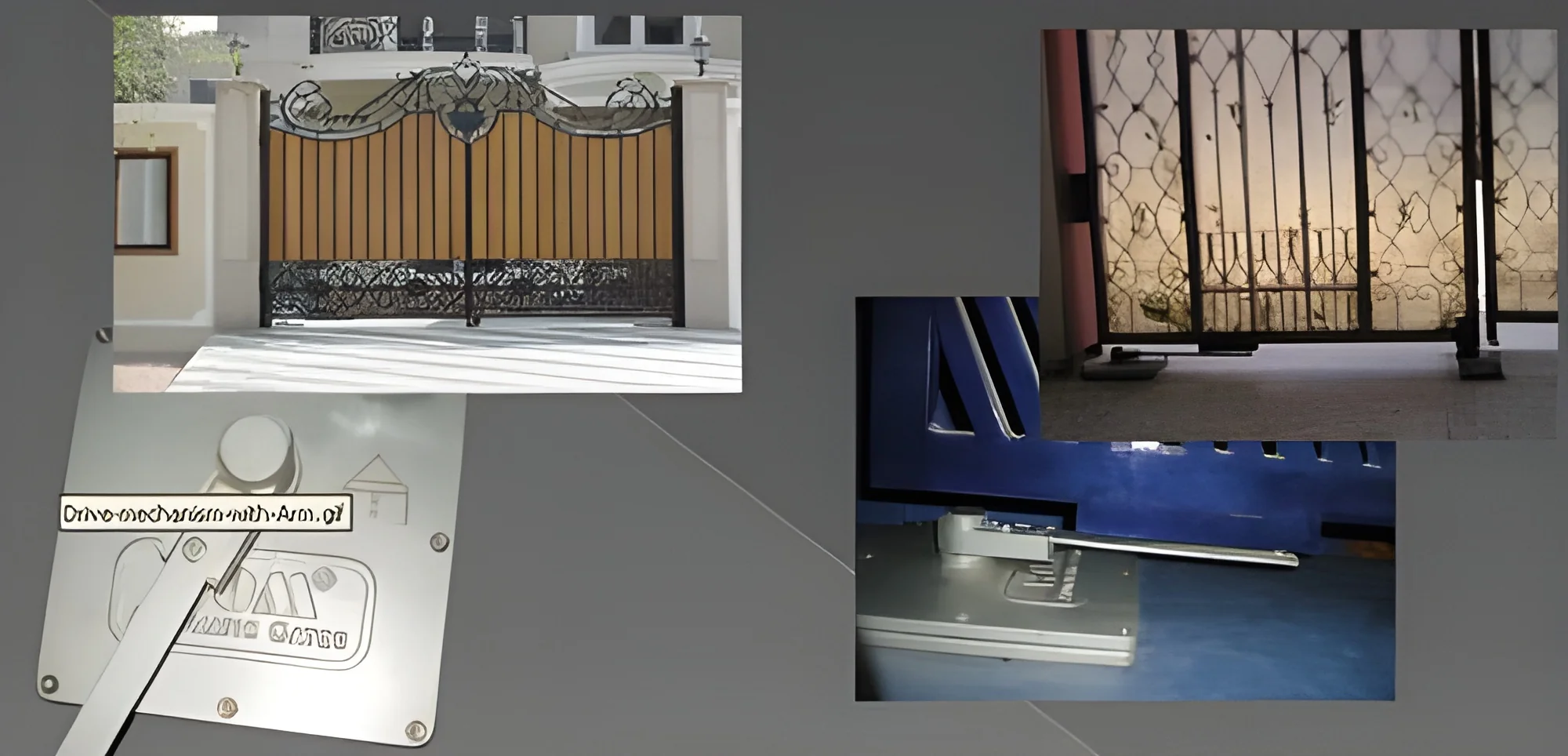
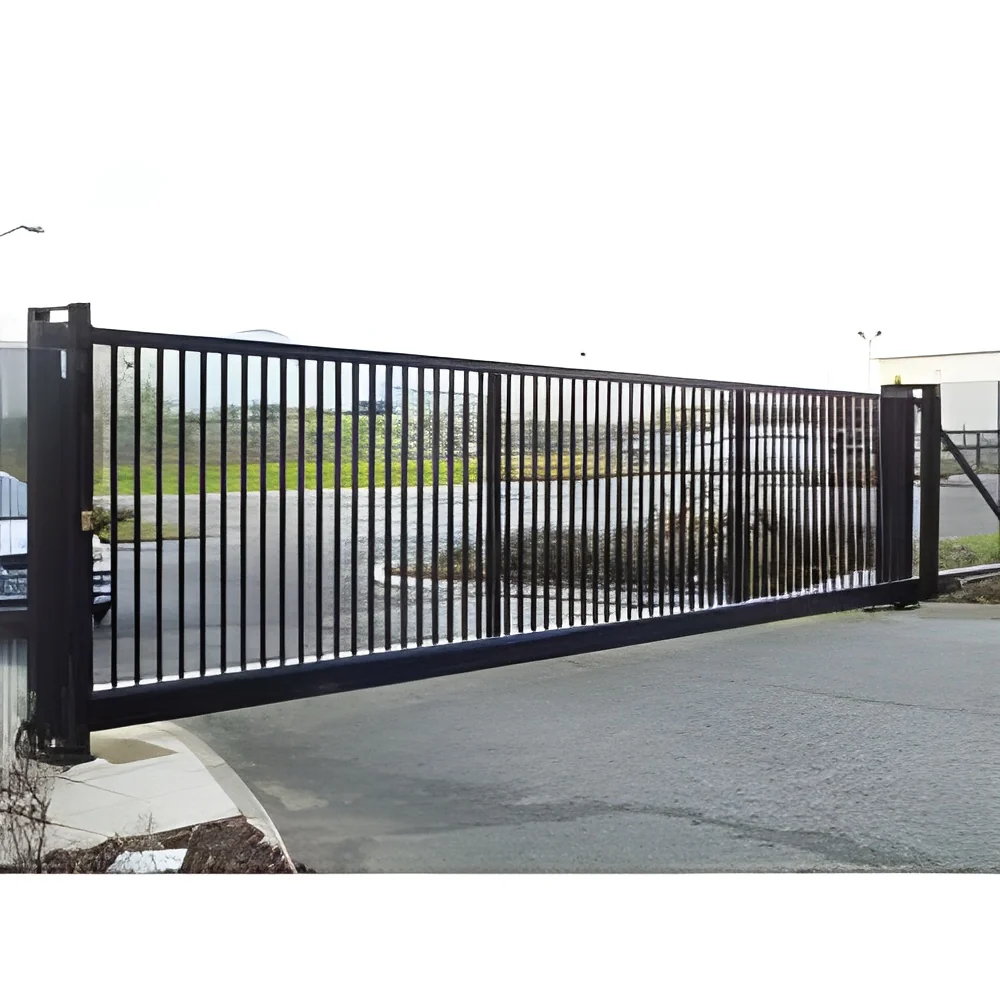
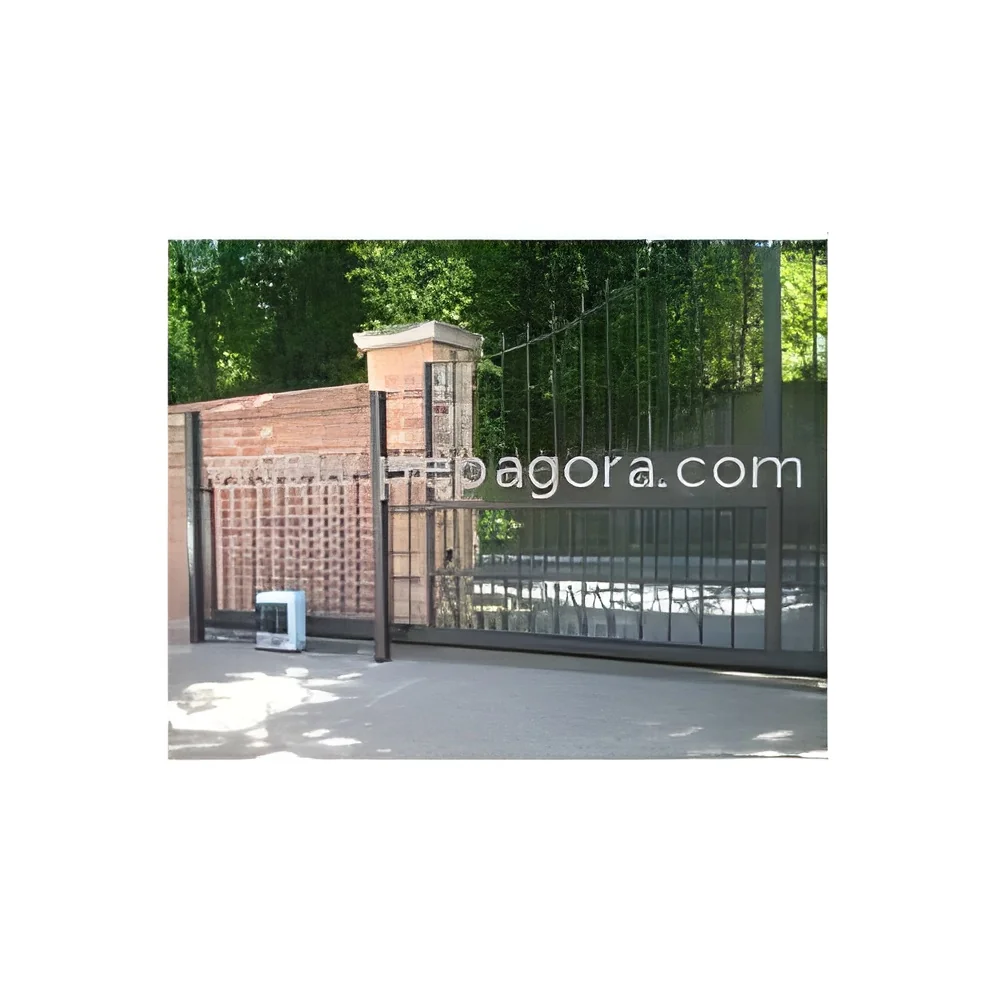
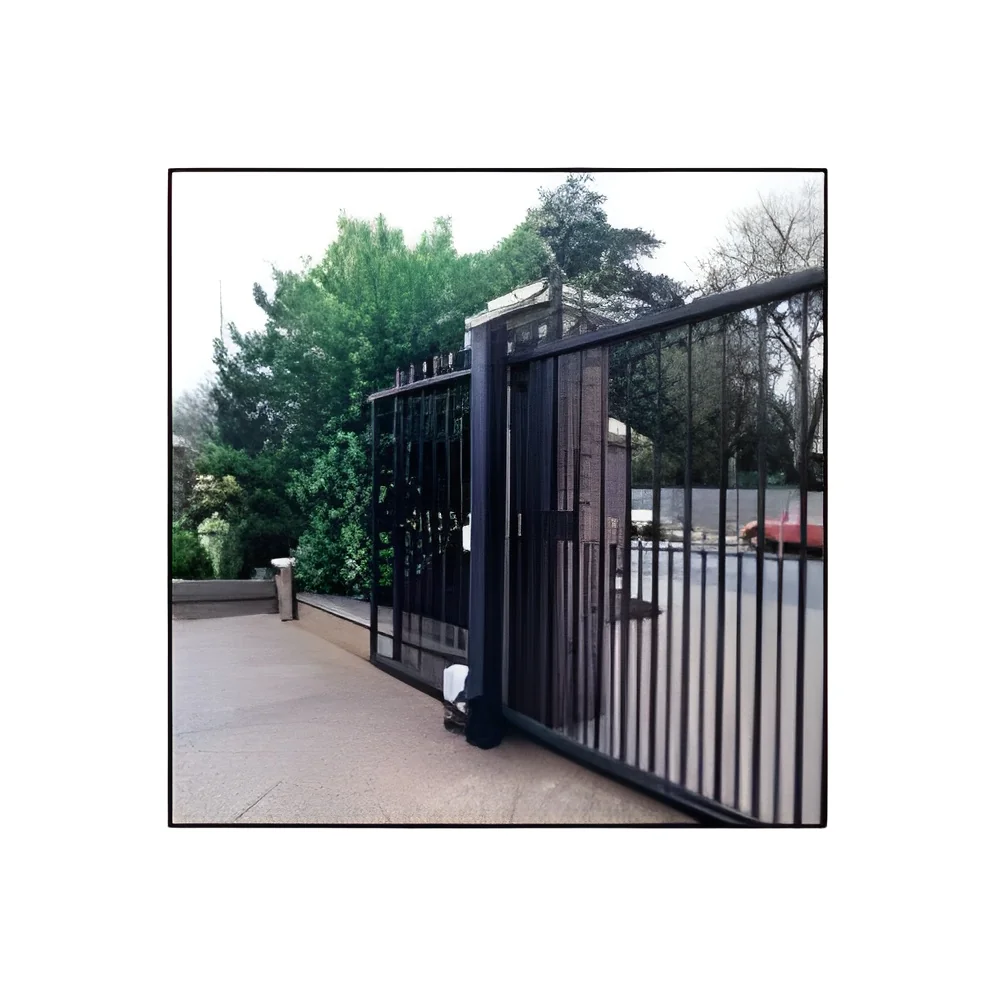
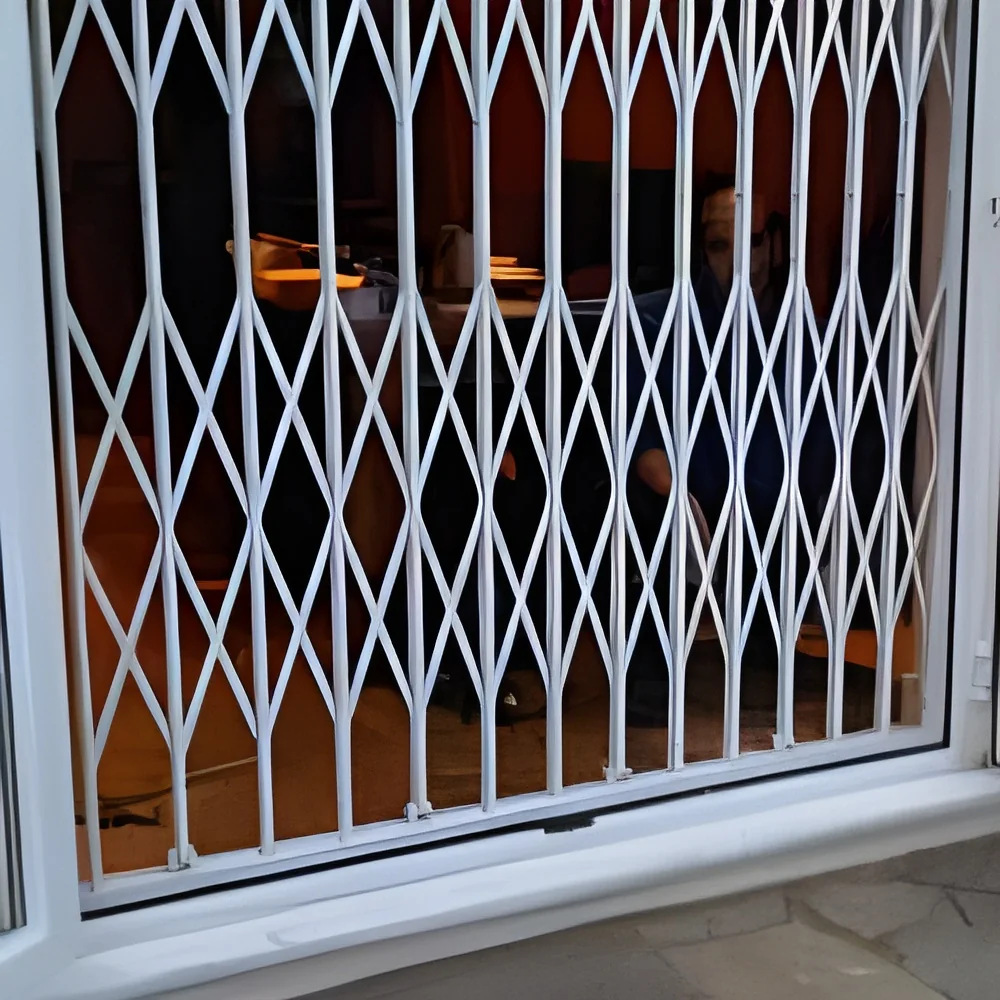
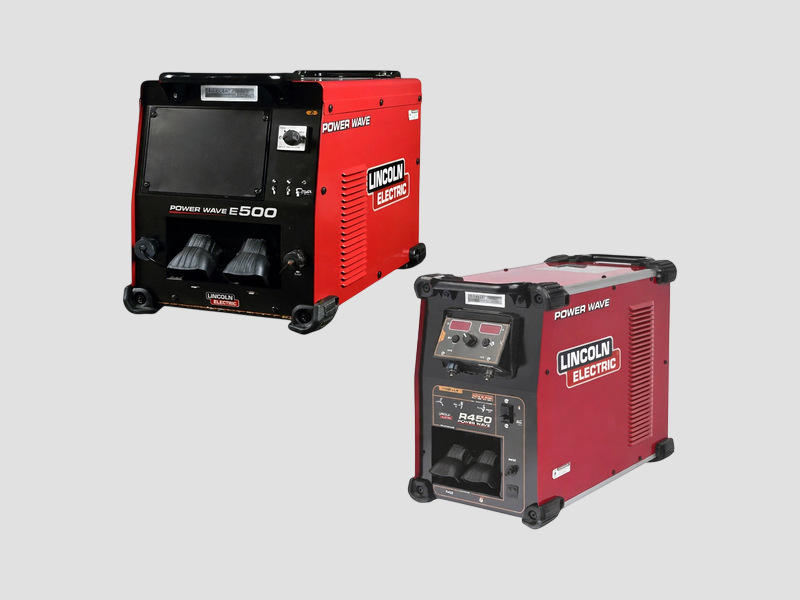
What are Robotic Fencing & Interlock Systems?
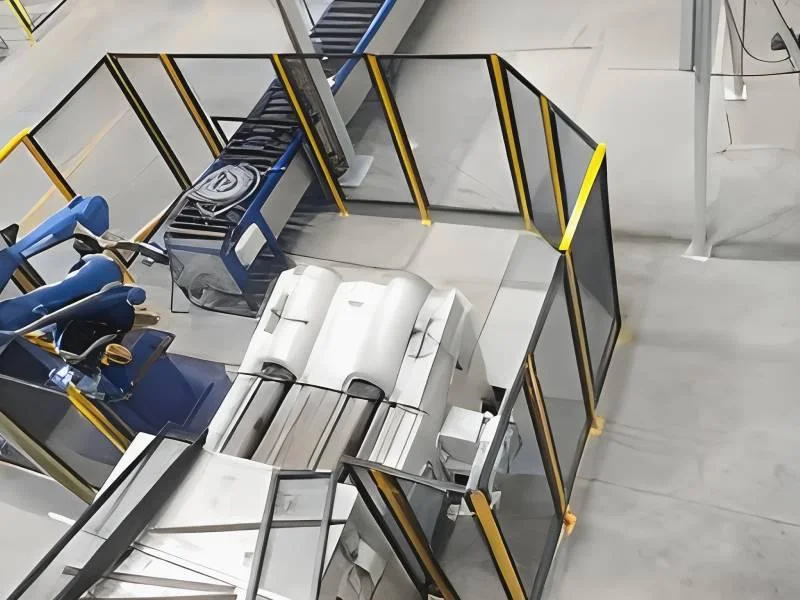
Robotic Fencing and Interlock Systems are advanced technology solutions designed for automated safety and security in various industrial environments. These systems provide a controlled perimeter around robotic equipment and workspaces, ensuring that human operators can work safely without risking injury from moving machinery. The integration of robotic fencing with interlock systems allows for seamless interaction between humans and machines while maintaining strict safety protocols.
These systems are primarily employed in manufacturing, logistics, and assembly operations where automation and safety are paramount. They help to streamline processes by allowing robots to operate in close proximity to human workers while minimizing the risk of accidents. Companies utilize robotic fencing and interlock systems to enhance operational efficiency, reduce downtime, and ensure compliance with safety regulations. As industries increasingly adopt automation, the relevance of these systems continues to grow, positioning them as vital components in modern industrial settings.
Key Features and Specifications
Robotic Fencing and Interlock Systems come equipped with a range of features designed to enhance safety and efficiency in industrial environments. Understanding these specifications is crucial for businesses looking to implement such systems.
Key specifications include:
1. Safety Monitoring System
- Continuous monitoring of robotic activity and workspace
- Real-time alerts for unauthorized access
2. Interlock Mechanism
- Mechanically prevents robot operation when access doors are open
- Ensures safety during maintenance and servicing
3. Modular Design
- Flexible configuration to fit various workspace layouts
- Easily adjustable to accommodate changing operational needs
4. Material Composition
- Constructed from durable materials for long-lasting performance
- Resistant to impacts and environmental factors
5. Integration Capabilities
- Compatible with various robotic systems and software
- Easy integration into existing safety systems
6. Customization Options
- Tailored solutions to meet specific industry requirements
- Various sizes and configurations available
7. Compliance with Safety Standards
- Adheres to industry regulations for safety and performance
- Certifications such as CE to ensure quality assurance
In summary, these systems are designed to provide robust safety features while allowing flexibility and integration into existing operations.
Common Applications and Use Cases
Robotic Fencing and Interlock Systems are utilized across multiple industries to improve safety and efficiency.
1. Automotive Industry: These systems are used in assembly lines where robots operate alongside human workers, ensuring a safe environment while enhancing productivity.
2. Electronics Manufacturing: In facilities producing electronic components, robotic fencing protects workers from automated machinery, reducing the risk of accidents during assembly processes.
3. Warehousing and Logistics: Robotic fencing helps manage the interaction between automated guided vehicles and human operators, ensuring safe navigation in busy warehouses.
4. Food Processing: In food manufacturing environments, these systems help maintain hygiene and safety standards by restricting access to automated equipment during operation.
5. Pharmaceutical Industry: Robotic interlocks ensure that hazardous materials are handled safely, preventing human exposure during automated processes.
6. Aerospace Manufacturing: In this high-precision field, robotic fencing protects workers from large automated systems while maintaining seamless production flow.
7. Metal Fabrication: These systems enhance safety around cutting and welding equipment, allowing for efficient operations while safeguarding personnel.
Product Variants and Subcategories
Robotic Fencing and Interlock Systems come in various configurations to meet diverse industrial needs.
Heavy-Duty Robotic Fencing
This variant is designed for high-load environments where robust safety measures are essential. It features reinforced materials and advanced monitoring systems suitable for heavy machinery applications.
Compact Interlock Systems
Ideal for smaller workspaces, this variant offers a space-saving design while maintaining essential safety features. It is perfect for environments with limited floor space and less extensive automation.
Portable Robotic Fencing
This variant allows for flexible configurations, making it suitable for temporary setups or changing operational layouts. It is easily relocatable and adaptable for various applications.
Benefits and Advantages
Implementing Robotic Fencing and Interlock Systems offers numerous benefits to businesses.
1. Enhanced Safety: These systems significantly reduce the risk of accidents by controlling access to hazardous areas and ensuring safe operation.
2. Increased Productivity: By allowing robots and humans to work in proximity, companies can optimize workflows and improve overall productivity.
3. Compliance Assurance: Using certified systems helps organizations meet safety regulations and industry standards, reducing liability risks.
4. Cost Efficiency: Minimizing workplace accidents leads to reduced downtime and associated costs, enhancing overall operational efficiency.
5. Customization Flexibility: Tailored solutions allow businesses to adapt systems according to specific needs, ensuring a perfect fit for unique operational requirements.
6. Easy Integration: These systems can be seamlessly integrated into existing manufacturing processes without significant disruption, making them a practical choice for many businesses.
Buying Guide for B2B Buyers
When considering Robotic Fencing and Interlock Systems, it is essential for buyers to evaluate several factors.
1. Quality Assessment: Ensure that the systems meet industry standards and are built from durable materials. Look for certifications such as CE to verify quality.
2. Supplier Verification: Vet suppliers to confirm their reliability and reputation in the market. Request references and check their track record in providing similar systems.
3. Pricing and MOQ: Understand the pricing structure and minimum order quantities from suppliers. This will help gauge the budget and ensure alignment with business needs.
4. Delivery and Lead Times: Confirm the delivery timelines and lead times for the systems. This information is critical for planning and ensuring timely implementation.
5. Compliance Requirements: Be aware of any regulatory compliance needs relevant to your industry. This ensures that the systems you procure align with legal safety standards.
Compliance and Certifications
Robotic Fencing and Interlock Systems must adhere to various quality standards and certifications to ensure safety and reliability. Relevant quality standards include ISO 9001, which ensures quality management systems are in place, and HACCP, focusing on food safety for systems used in food processing.
Industry certifications such as CE signify that the systems meet European safety, health, and environmental protection standards. Compliance with safety and testing requirements is essential for gaining market acceptance and ensuring worker safety.
Additionally, regional compliance considerations may vary, necessitating an understanding of local regulations governing safety systems in different geographic areas.
Why Source Robotic Fencing & Interlock Systems from Pepagora?
Pepagora provides a trusted platform for sourcing Robotic Fencing and Interlock Systems, offering several key advantages to B2B buyers.
Verified Supplier Network: Pepagora connects buyers with a network of verified suppliers, ensuring that businesses can source high-quality systems from reputable manufacturers. This network helps mitigate risks associated with supplier reliability.
Streamlined RFQ Process: The request for quotation (RFQ) process on Pepagora is designed to be user-friendly, allowing buyers to easily solicit quotes from multiple suppliers. This efficiency helps businesses make informed purchasing decisions quickly.
Trade Assurance and Support: Pepagora offers trade assurance to protect buyers from potential disputes, ensuring that transactions are secure and reliable. Support services are available to assist with any inquiries or issues that may arise during the sourcing process.
Regional Coverage: With a strong presence in India, GCC, and Southeast Asia, Pepagora reaches a diverse market, providing access to suppliers and products across these key regions. This geographic reach ensures that buyers can find suitable solutions tailored to their specific location and operational needs.

 IN
IN