Key Features and Specifications
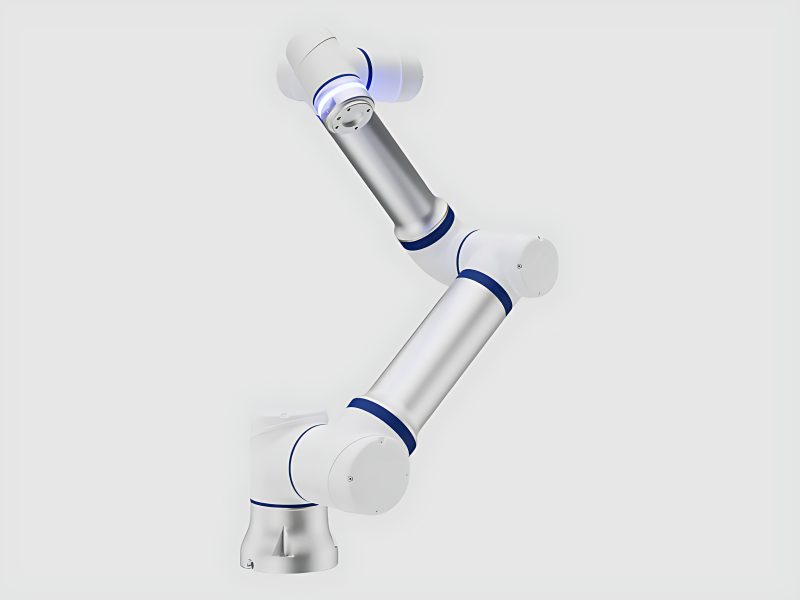
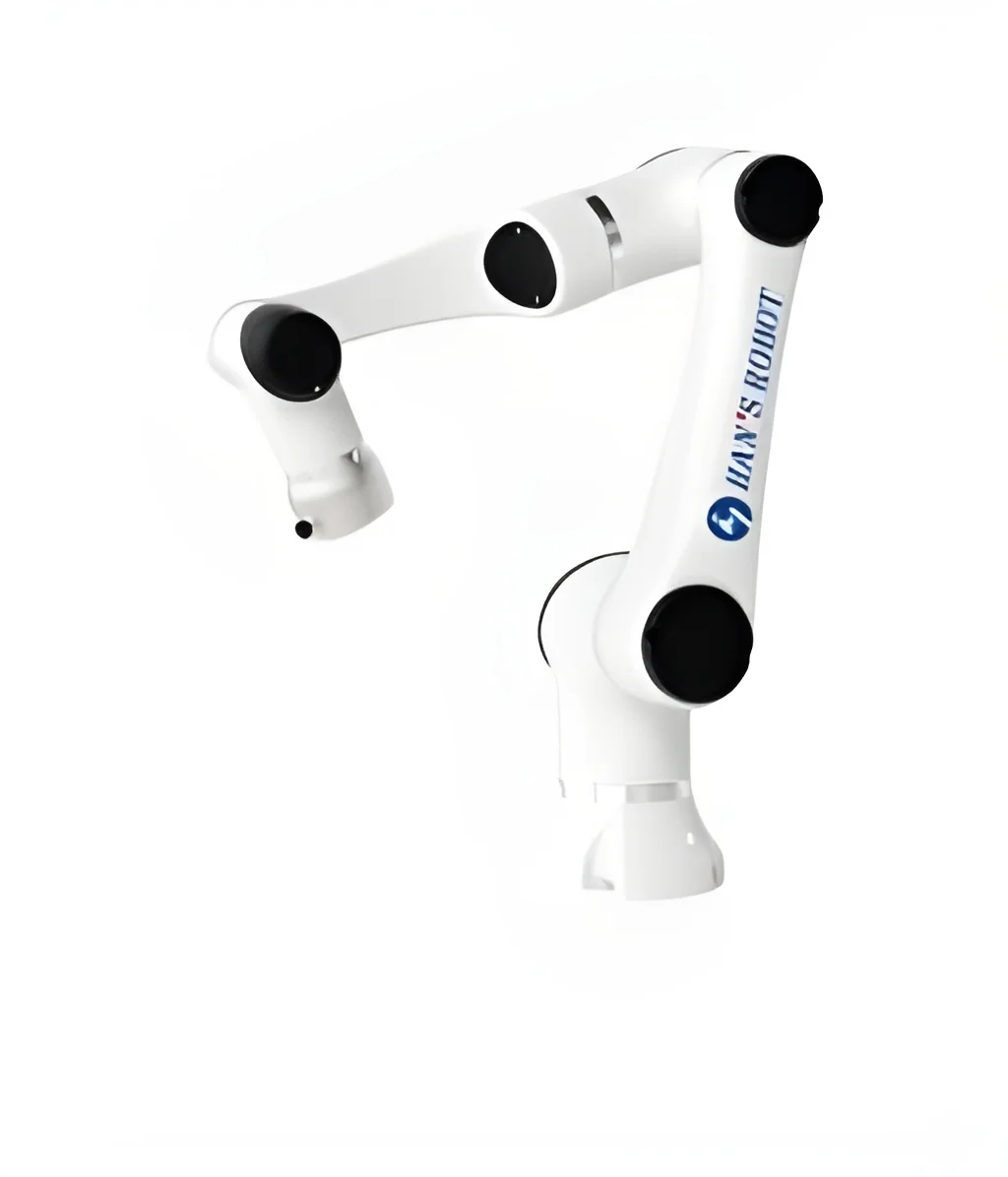
Collaborative Robots come with several key features that enhance their usability and effectiveness in various applications. These features include safety mechanisms, ease of programming, and adaptability to different tasks.
Key specifications include:
1. Payload Capacity
- Cobots typically support payloads ranging from 3 kg to 25 kg, allowing them to handle various materials and components.
2. Reach
- The reach of Cobots can vary from 500 mm to 1,700 mm, enabling them to perform tasks in different work environments.
3. Speed
- Cobots operate at speeds up to 1 m/s, which is fast enough to work efficiently alongside human operators.
4. Safety Features
- Equipped with sensors and force limiters, Cobots can detect contact with humans and stop operation to prevent injuries.
5. Programming Ease
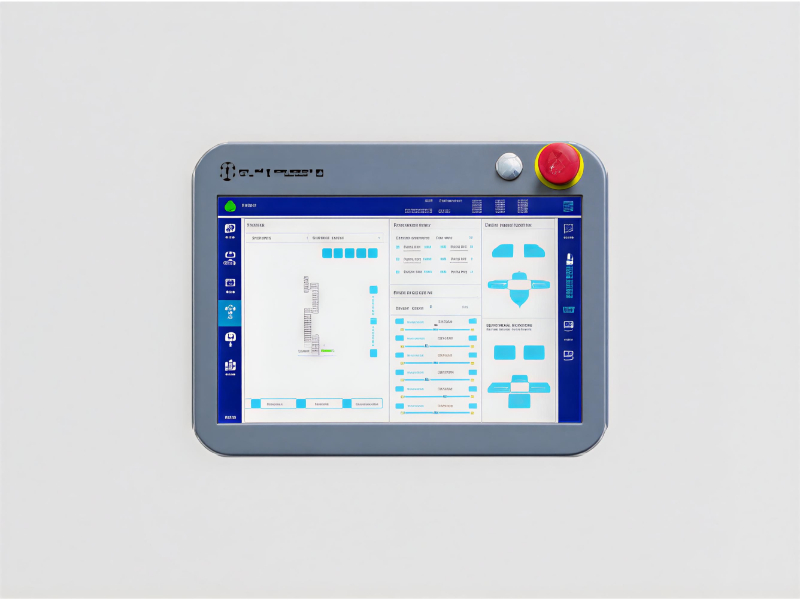
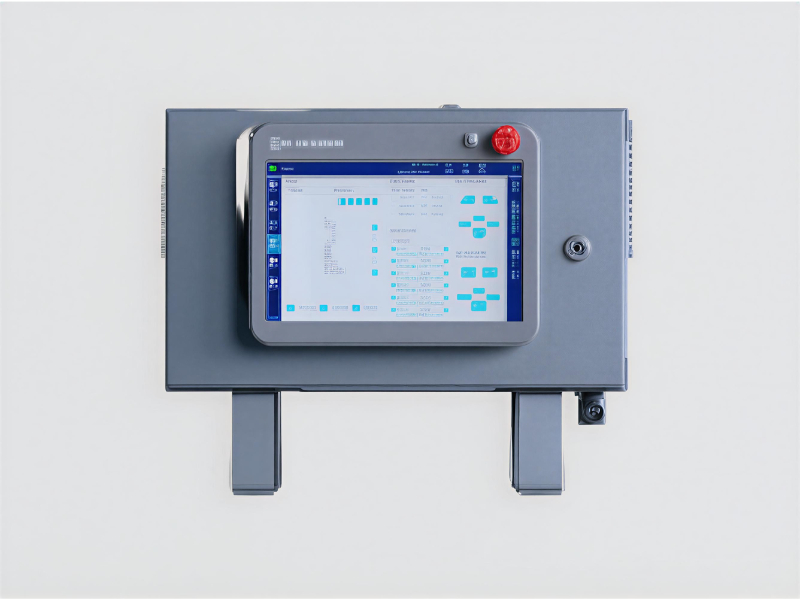
- Many Cobots use intuitive programming interfaces that allow operators to teach tasks through simple demonstrations.
6. Connectivity
- Cobots often have built-in connectivity options for easy integration with other machinery and systems.
7. Compact Design
- Their compact size allows Cobots to fit into smaller spaces, making them suitable for various production layouts.
8. Versatility
- Cobots can be easily reprogrammed for different tasks, making them adaptable to changing production needs.
Overall, the combination of these features makes Cobots a valuable asset in modern industries.
Common Applications and Use Cases
Collaborative Robots serve a wide range of industries, enhancing productivity and efficiency.
1. Manufacturing: Cobots are commonly used for assembly line tasks, including screwing, welding, and packaging, where they support human workers by taking on repetitive or physically demanding tasks.
2. Logistics: In distribution centers, Cobots assist with sorting, packing, and transporting goods, helping to streamline operations and reduce labor costs.
3. Healthcare: Cobots assist in surgical procedures and patient care, providing support for tasks such as sterilization and medication dispensing, which enhances operational efficiency.
4. Electronics: In the electronics sector, Cobots are used for precise assembly tasks, including the installation of components on circuit boards.
5. Food and Beverage: Cobots assist in packaging, labeling, and quality control tasks, ensuring that products meet safety and quality standards.
6. Automotive: Cobots are utilized for assembly and inspection tasks, enhancing production speed while ensuring high quality.
7. Research and Development: In R&D settings, Cobots help with experiments and data collection, allowing researchers to focus on innovation.
Product Variants and Subcategories
Collaborative Robots come in various models, each tailored for specific applications and environments.
Cobot Model A
This model is designed for light assembly tasks, featuring a payload capacity of up to 5 kg. Its compact design allows it to fit into tight spaces, making it ideal for small manufacturing setups.
Cobot Model B
This variant has a higher payload capacity of 15 kg, making it suitable for tasks that require handling heavier components. It is equipped with advanced safety features, ensuring safe operation around human workers.
Cobot Model C
Designed for the electronics industry, this Cobot offers precision handling with a reach of 1,200 mm. Its programming interface is user-friendly, allowing quick setup for various tasks in assembly lines.
Cobot Model D
This model is built for logistics applications, featuring enhanced mobility and navigation capabilities. It can autonomously transport goods across a warehouse, improving efficiency in inventory management.
Benefits and Advantages
Adopting Collaborative Robots brings several significant advantages to businesses.
1. Increased Productivity: Cobots can work alongside human workers, taking on repetitive tasks and allowing staff to focus on higher-value activities.
2. Enhanced Safety: With built-in safety features, Cobots minimize the risk of workplace injuries, fostering a safer environment.
3. Cost-Effectiveness: Cobots reduce labor costs and enhance operational efficiency, contributing to overall cost savings for businesses.
4. Flexibility: Cobots can be easily reprogrammed for different tasks, making them adaptable to changing production needs and market demands.
5. Improved Quality: By assisting in precision-driven tasks, Cobots help maintain high-quality standards and reduce errors.
6. Quick Return on Investment: The integration of Cobots often leads to a rapid ROI due to increased efficiency and reduced labor costs.
Buying Guide for B2B Buyers
When considering the purchase of Collaborative Robots, several key factors should be evaluated.
1. Quality Assessment: It is essential to assess the quality of the Cobot, including its durability and performance standards. Look for models that comply with industry standards and have good customer reviews.
2. Supplier Verification: Vetting suppliers is crucial. Ensure they have a solid reputation, provide comprehensive support, and have a proven track record in the industry.
3. Pricing and MOQ: Understand the pricing structure and minimum order quantities. Compare quotes from multiple suppliers to find the best value for your budget.
4. Delivery and Lead Times: Factor in the logistics of delivery. Confirm lead times to ensure that the Cobot can be integrated into your operations as needed.
5. Compliance Requirements: Ensure that the Cobots meet relevant compliance standards and certifications required in your industry, such as CE certification.
Compliance and Certifications
Collaborative Robots must adhere to several relevant quality standards and industry certifications. ISO 9001 is a widely recognized standard for quality management systems, ensuring that products consistently meet customer requirements and regulatory standards.
Additionally, Cobots are often required to meet safety standards such as CE certification, which indicates compliance with the European health, safety, and environmental protection standards.
Testing for safety and performance is crucial, particularly in industries where Cobots work closely with human operators. Regional compliance considerations may vary, so it is important for businesses to consult local regulations to ensure that their Cobots meet all necessary requirements.
Why Source Collaborative Robots (Cobots) from Pepagora?
Pepagora provides a trusted platform for sourcing Collaborative Robots with several key advantages for B2B buyers.
Verified Supplier Network: Pepagora has established a network of verified suppliers that are renowned for their quality products and reliable service. This ensures buyers can source Cobots from reputable manufacturers.
Streamlined RFQ Process: The request for quotation process on Pepagora is designed to be straightforward, allowing buyers to quickly compare offers from various suppliers and make informed decisions.
Trade Assurance and Support: Pepagora offers trade assurance, providing buyers with protection during transactions. Their dedicated support team is also available to assist with any inquiries or issues that may arise.
Regional Coverage: With a strong presence in India, the GCC, and Southeast Asia, Pepagora is well-positioned to serve businesses across these regions, facilitating access to high-quality Collaborative Robots tailored to local market needs.

 IN
IN