What are Motion Controllers?
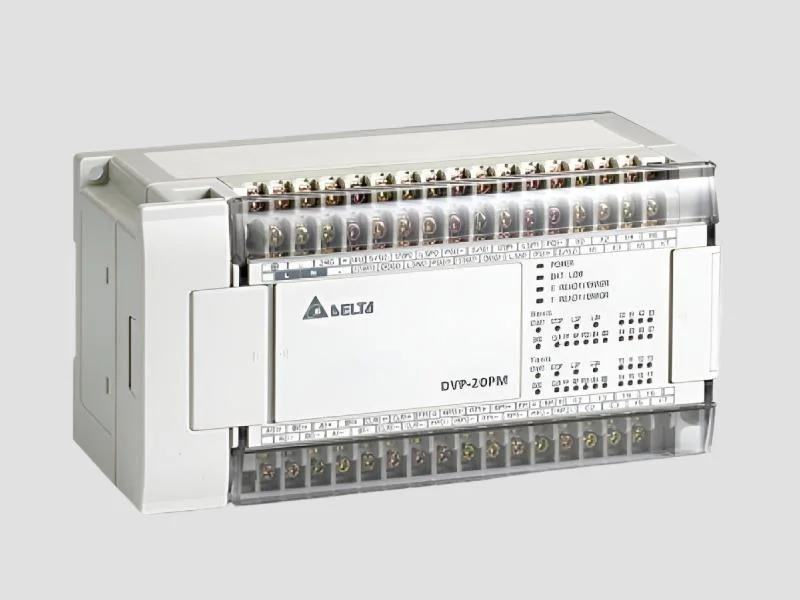
Motion controllers are sophisticated devices designed to manage the movement of machinery and automation systems in various industrial applications. They serve as the brain of motion systems, interpreting commands and controlling the actions of motors, actuators, and other components to achieve precise movements. These controllers can handle complex algorithms and feedback systems, allowing for smooth, coordinated motion across multiple axes.
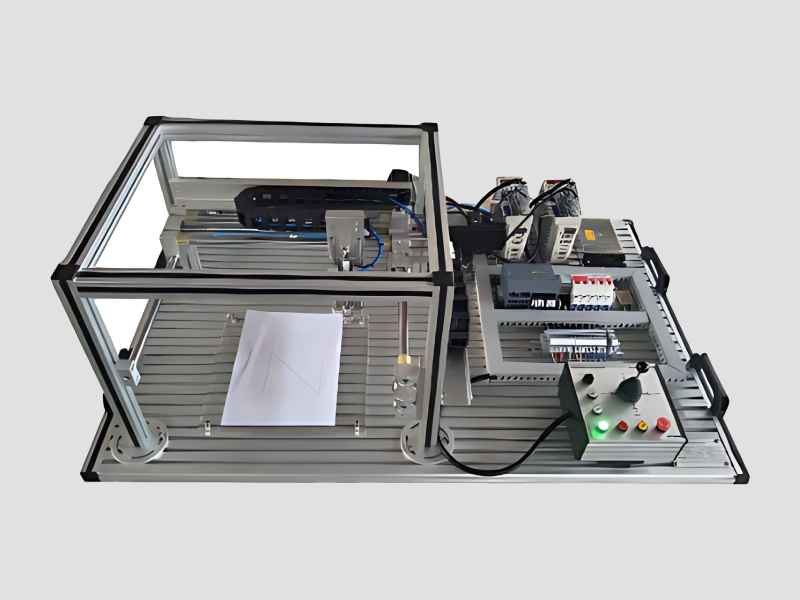
Motion controllers find extensive use in sectors such as manufacturing, robotics, packaging, and material handling. In manufacturing, they facilitate automated processes, enhancing efficiency and reducing human error. In robotics, they provide the necessary control for robotic arms and vehicles. Additionally, in packaging, motion controllers optimize speed and accuracy during product assembly and distribution. Given the increasing demand for automation in industries, the market for motion controllers is expected to grow significantly, driven by advancements in technology and the need for improved operational efficiency.
Key Features and Specifications
Motion controllers come equipped with various features that cater to the demands of different applications. Their specifications are crucial for ensuring compatibility and performance in industrial settings.
Key specifications include:
1. Control Type
- Motion controllers can be digital or analog in terms of control.
- Digital controllers offer higher precision and flexibility.
2. Number of Axes
- Many motion controllers support multi-axis control, ranging from one to multiple axes.
- This allows for complex movements and synchronization.
3. Communication Protocols
- Common protocols include Ethernet, RS232, and CAN bus.
- These ensure compatibility with various systems and devices.
4. Input/Output Options
- Motion controllers typically feature multiple I/O ports for sensor integration.
- This allows for real-time monitoring and control.
5. Feedback Mechanisms
- Many models incorporate feedback loops for real-time adjustments.
- This enhances accuracy and reliability in motion control.
6. Programming Capability
- Some controllers allow for custom programming via dedicated software.
- This flexibility supports unique operational requirements.
7. Power Supply Specifications
- Motion controllers may operate on different voltage ranges.
- Ensuring compatibility with existing power systems is essential.
8. Safety Features
- Safety mechanisms such as emergency stops and overload protection are common.
- These features are crucial for maintaining safe operation in industrial environments.
In summary, selecting a motion controller with the right features can significantly impact operational efficiency and effectiveness in various applications.
Common Applications and Use Cases
Motion controllers are essential in several industries, each leveraging their capabilities to enhance productivity and precision.
1. Manufacturing: Motion controllers are widely used to automate assembly lines, ensuring precise positioning of components, enhancing production rates, and reducing manual labor.
2. Robotics: In robotics, these controllers manage the movements of robotic arms, enabling them to perform tasks like welding, painting, and assembly with high accuracy.
3. Packaging: Motion controllers optimize the packaging process by coordinating the movement of products through various stages, ensuring efficient packing and labeling.
4. Material Handling: In warehouses, motion controllers manage conveyor systems and automated guided vehicles, increasing the speed and accuracy of product movement.
5. CNC Machining: Motion controllers are crucial in CNC machines, directing tools to perform cutting, drilling, and milling operations with high precision.
6. Printing: In the printing industry, motion controllers regulate the movement of printing heads and paper feeds, ensuring high-quality output.
7. Textile Manufacturing: Motion controllers help manage the intricate movements needed in weaving and sewing machines, enhancing fabric production efficiency.
Product Variants and Subcategories
Motion controllers are available in various configurations to meet specific needs. Their diversity allows businesses to select the right type for their applications.
Servo Motion Controllers: These are designed for applications requiring precise control over speed and position. They are commonly used in robotics and CNC machines, providing high accuracy and responsiveness.
Stepper Motor Controllers: These controllers are ideal for applications that require precise incremental movement. They are widely used in 3D printers and automated assembly lines.
Industrial Motion Controllers: These robust controllers are designed for heavy-duty applications. They can handle multiple axes and complex motion profiles, making them suitable for manufacturing and material handling.
Benefits and Advantages
Investing in motion controllers offers numerous advantages that can enhance overall operational performance.
1. Increased Precision: Motion controllers provide highly accurate movement control, which improves product quality and reduces waste.
2. Enhanced Efficiency: Automating motion processes significantly speeds up operations, allowing for higher production rates.
3. Flexibility: Many motion controllers can be programmed for a variety of tasks, making them versatile for different applications.
4. Reduced Labor Costs: Automation minimizes the need for manual intervention, lowering workforce expenses.
5. Improved Safety: Features such as emergency stops and monitoring systems enhance workplace safety by quickly addressing potential hazards.
6. Real-time Monitoring: Motion controllers can integrate with sensors to provide real-time feedback, allowing for rapid adjustments and improved process control.
Buying Guide for B2B Buyers
When sourcing motion controllers, several critical factors should be considered to ensure the right choice for your business needs.
1. Quality Assessment: Evaluate the quality of motion controllers by looking for reputable manufacturers and verifying adherence to industry standards.
2. Supplier Verification: Vet suppliers by checking their credentials, customer reviews, and their ability to meet your specific requirements.
3. Pricing and MOQ: Understand the pricing structures and minimum order quantities (MOQ) to ensure they align with your budget and operational needs.
4. Delivery and Lead Times: Consider lead times for delivery to avoid disruptions in your production schedules. Discuss logistics and shipping options with suppliers.
5. Compliance Requirements: Ensure that the motion controllers comply with relevant industry standards and regulations, such as CE certifications, to avoid legal issues.
Compliance and Certifications
Motion controllers must adhere to various quality standards to guarantee reliability and performance. Commonly recognized standards include ISO 9001, which ensures quality management systems are in place. Other relevant certifications may include CE marking, which signifies compliance with EU safety, health, and environmental protection standards.
Safety and testing requirements are crucial in the manufacturing and use of motion controllers. They must be tested for reliability under various operating conditions to ensure they meet industry demands. Additionally, regional compliance considerations may vary, necessitating a thorough understanding of local regulations before procurement.
Why Source Motion Controllers from Pepagora?
Pepagora offers a trusted platform for sourcing motion controllers, providing several key advantages to B2B buyers.
Verified Supplier Network: Pepagora connects buyers with a network of verified suppliers, ensuring that the products meet quality standards and regulatory requirements.
Streamlined RFQ Process: The platform simplifies the request for quotation (RFQ) process, allowing buyers to easily compare offers from multiple suppliers and choose the best option.
Trade Assurance and Support: Pepagora provides trade assurance to protect buyers from potential issues, along with dedicated support to assist throughout the procurement process.
Regional Coverage: With a strong presence in India, the GCC, and Southeast Asia, Pepagora ensures that buyers have access to a wide range of motion controllers tailored to regional market needs.

 IN
IN