What are Assembly Line Automation Systems?
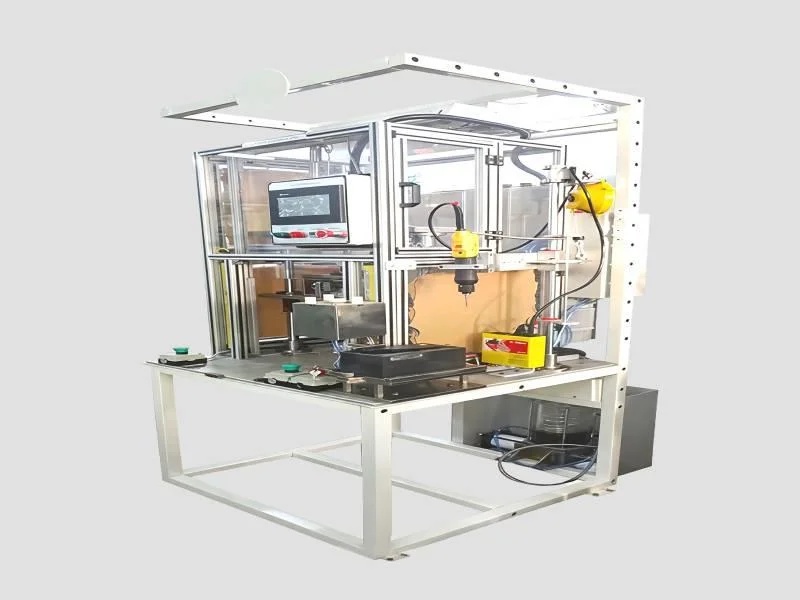
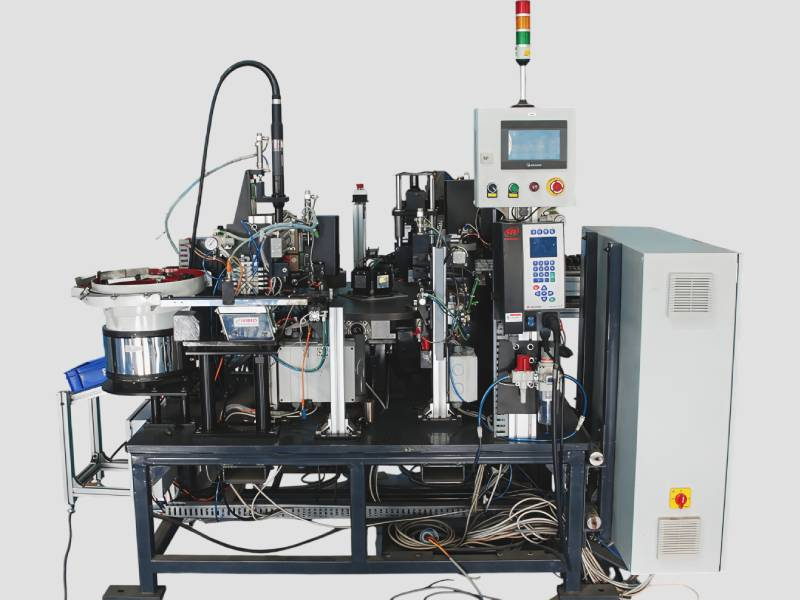
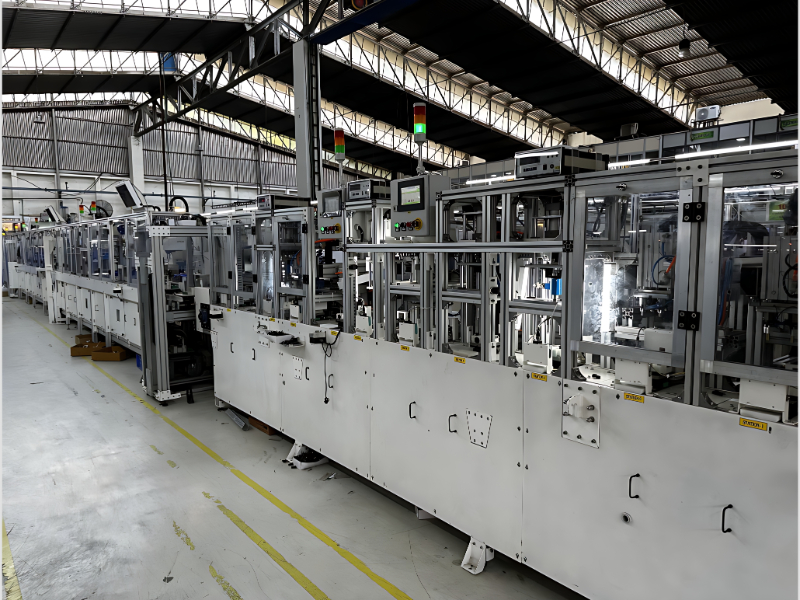
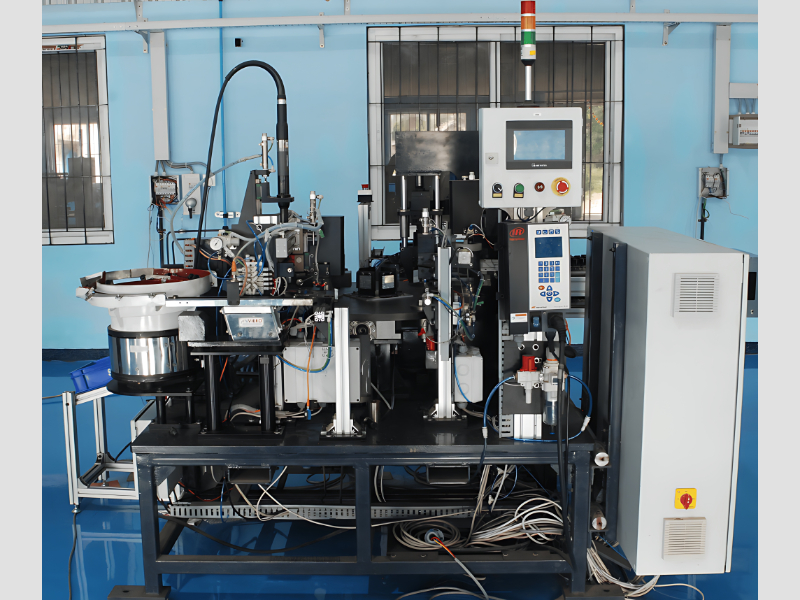
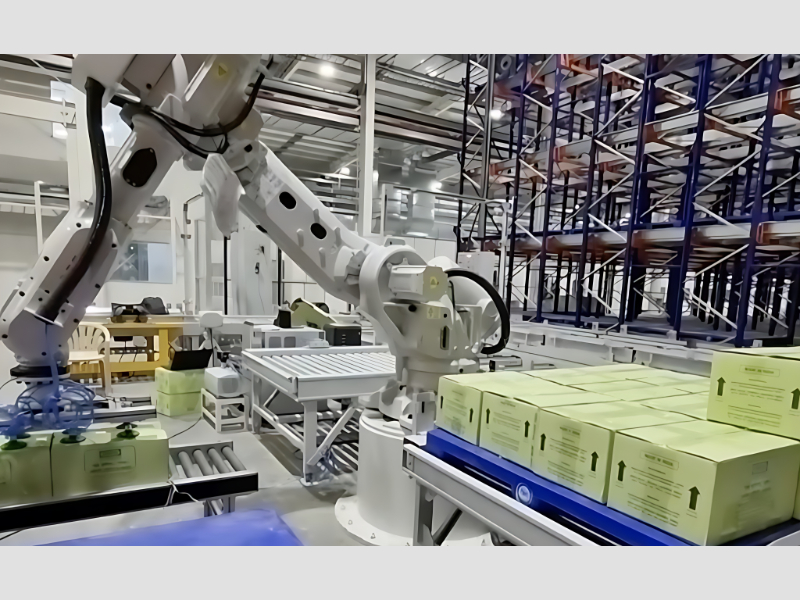
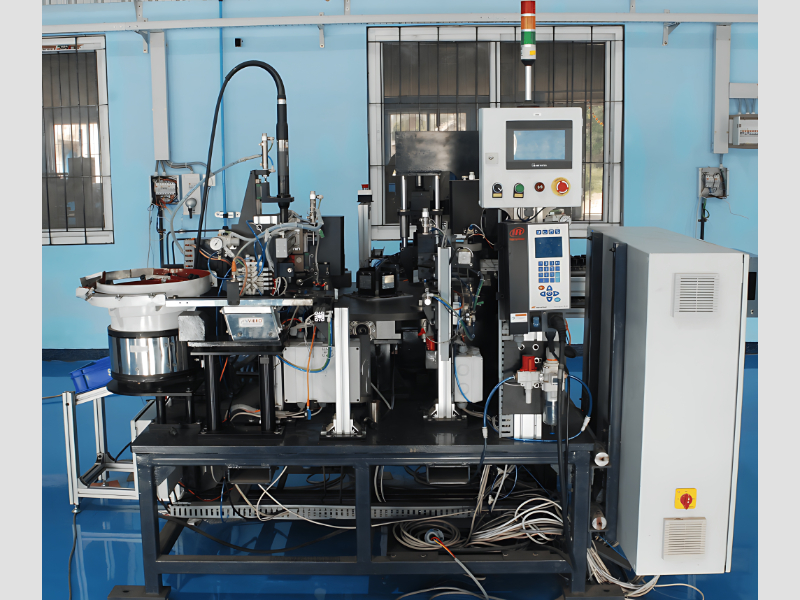
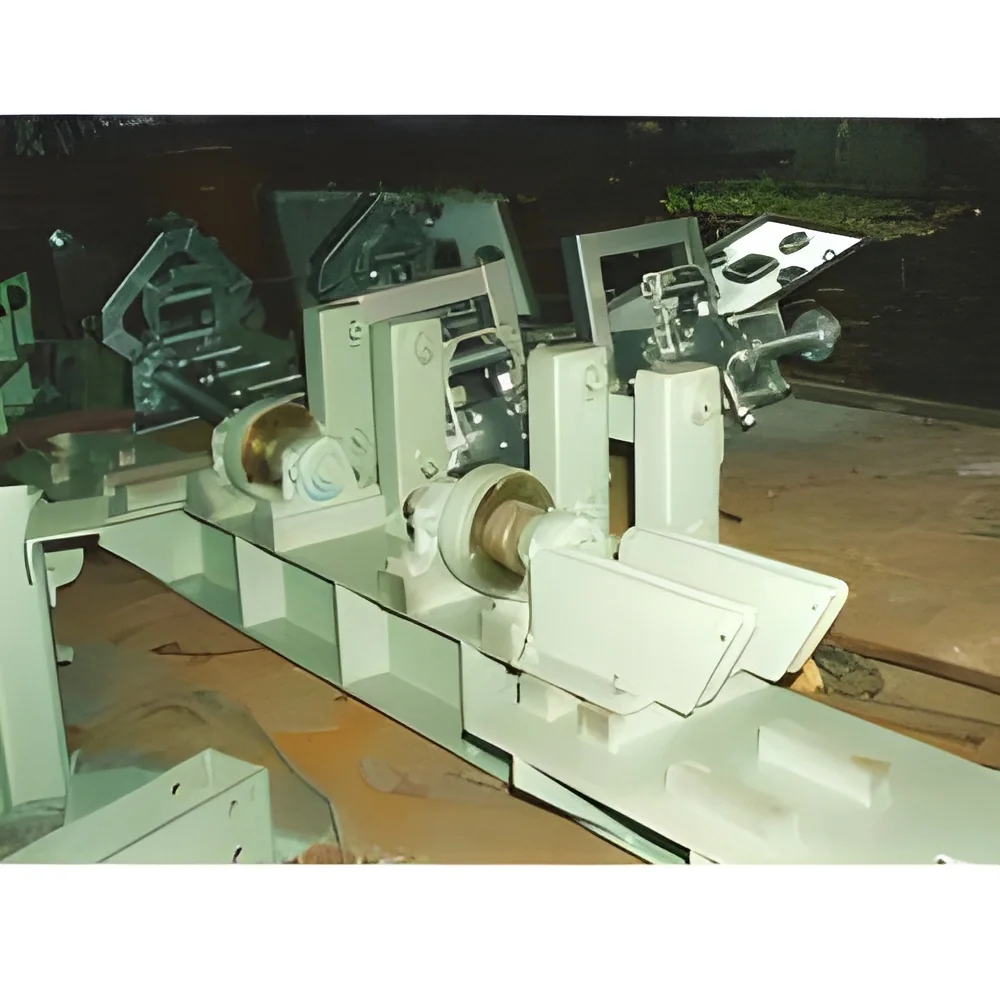
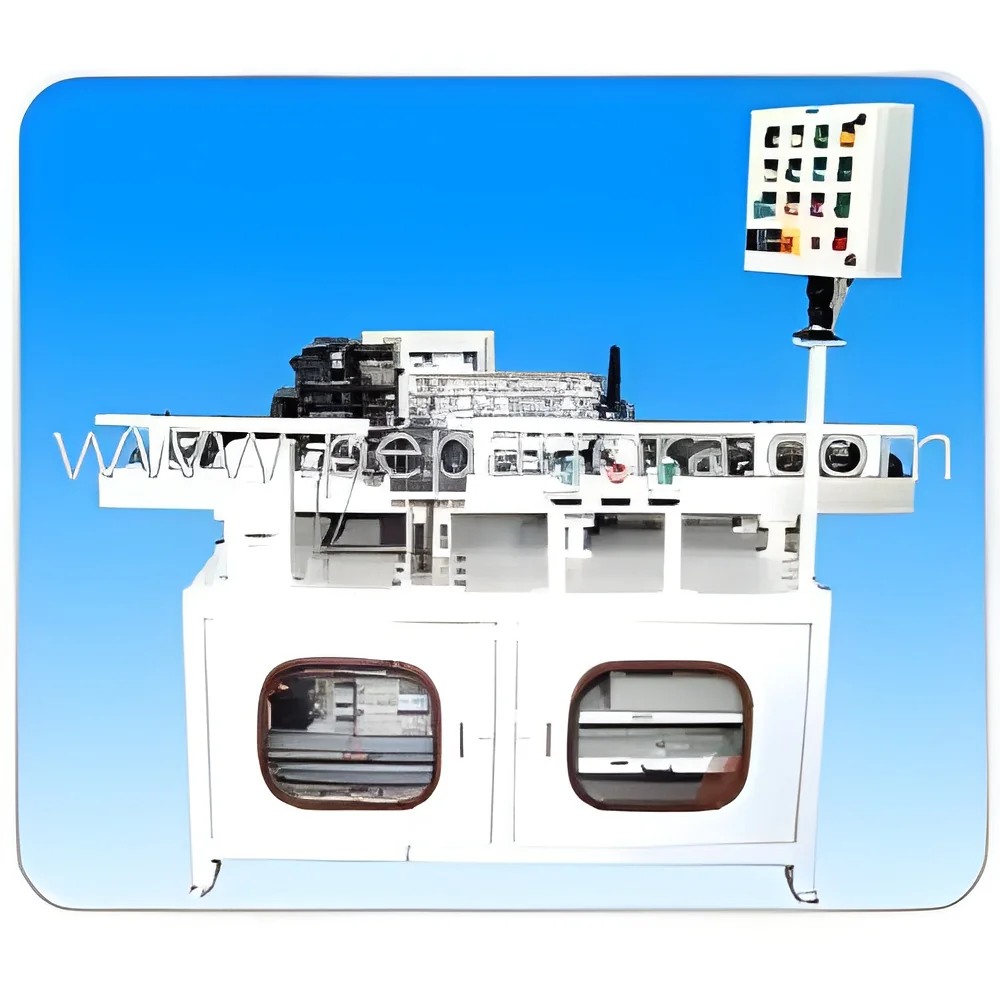
Assembly line automation systems are integrated technologies designed to enhance the efficiency and productivity of manufacturing processes. These systems utilize various mechanical and electronic components to automate repetitive tasks involved in assembly operations. By employing advanced robotics, conveyor systems, and control software, assembly line automation systems streamline workflows and reduce the need for manual labor.
These systems are primarily used in industries such as automotive, electronics, consumer goods, and pharmaceuticals. Businesses adopt assembly line automation to improve production speed, minimize errors, and ensure consistent quality. The market for these systems is expanding as manufacturers strive to remain competitive in a fast-paced global environment. Automation not only improves operational efficiency but also allows companies to respond more swiftly to market demands.
Key Features and Specifications
Assembly line automation systems are characterized by several key features that contribute to their effectiveness. These features vary depending on the system's design and intended application, making it essential for businesses to understand the specifications that will best meet their manufacturing needs.
Key specifications include:
1. Control System
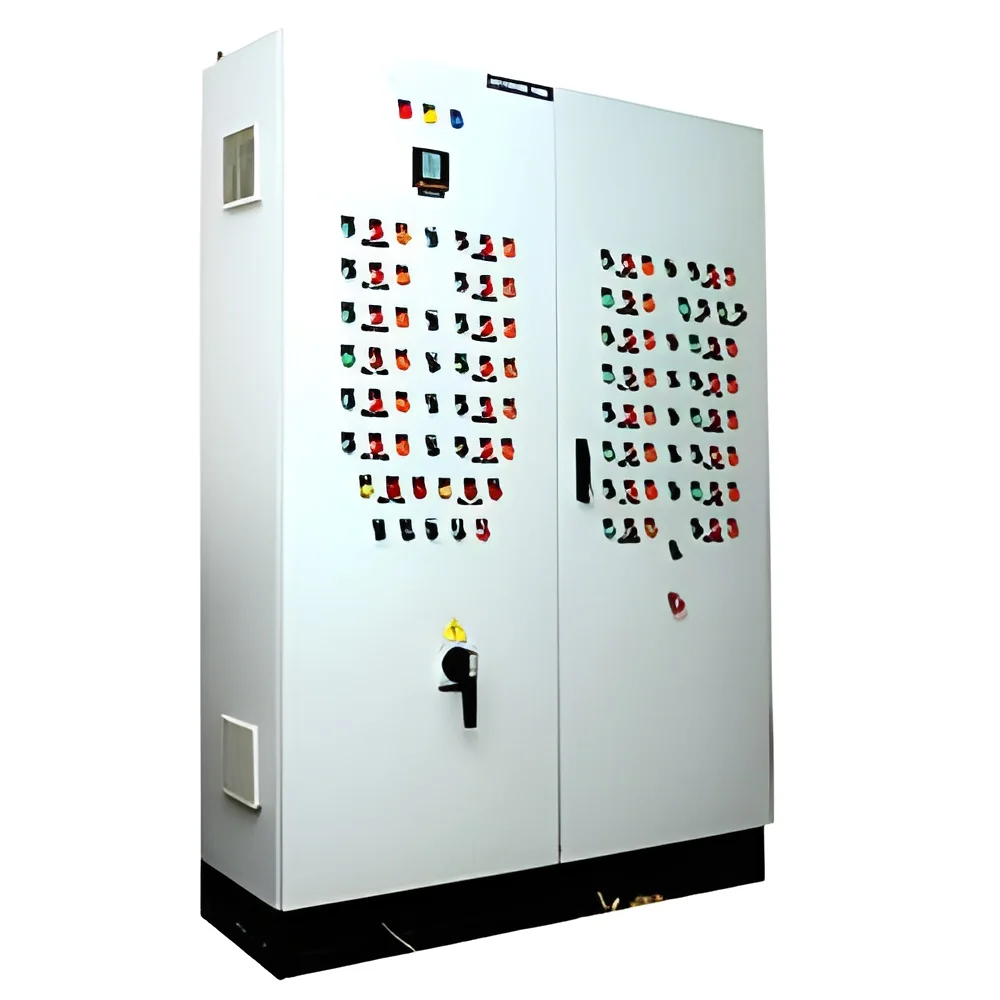
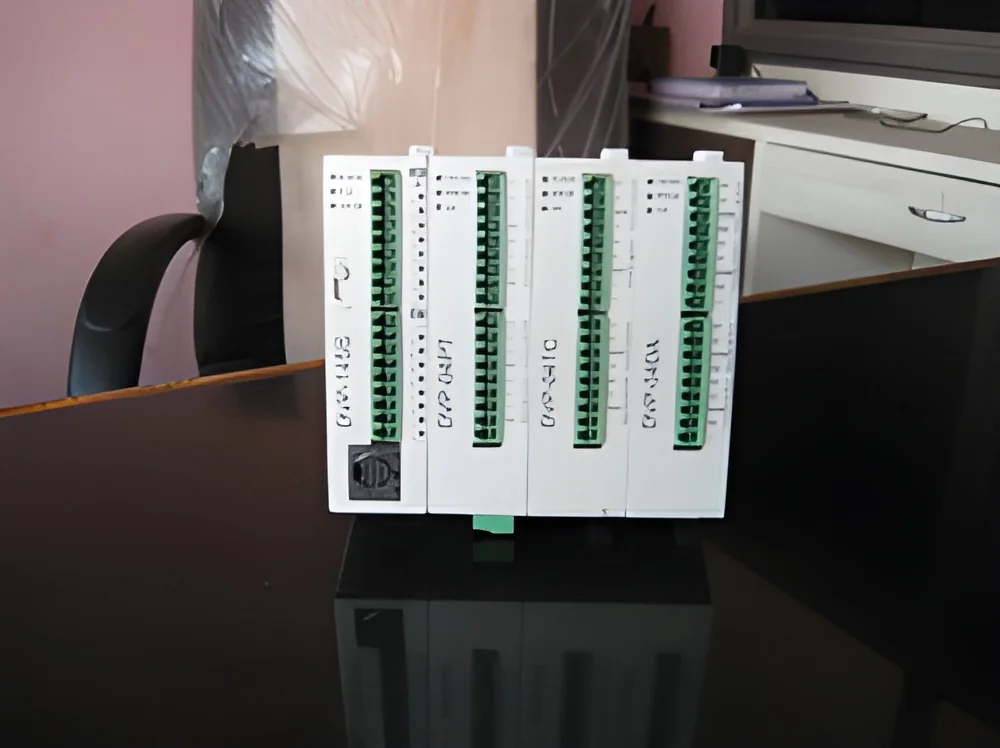
- Automated control systems manage and coordinate the entire assembly process.
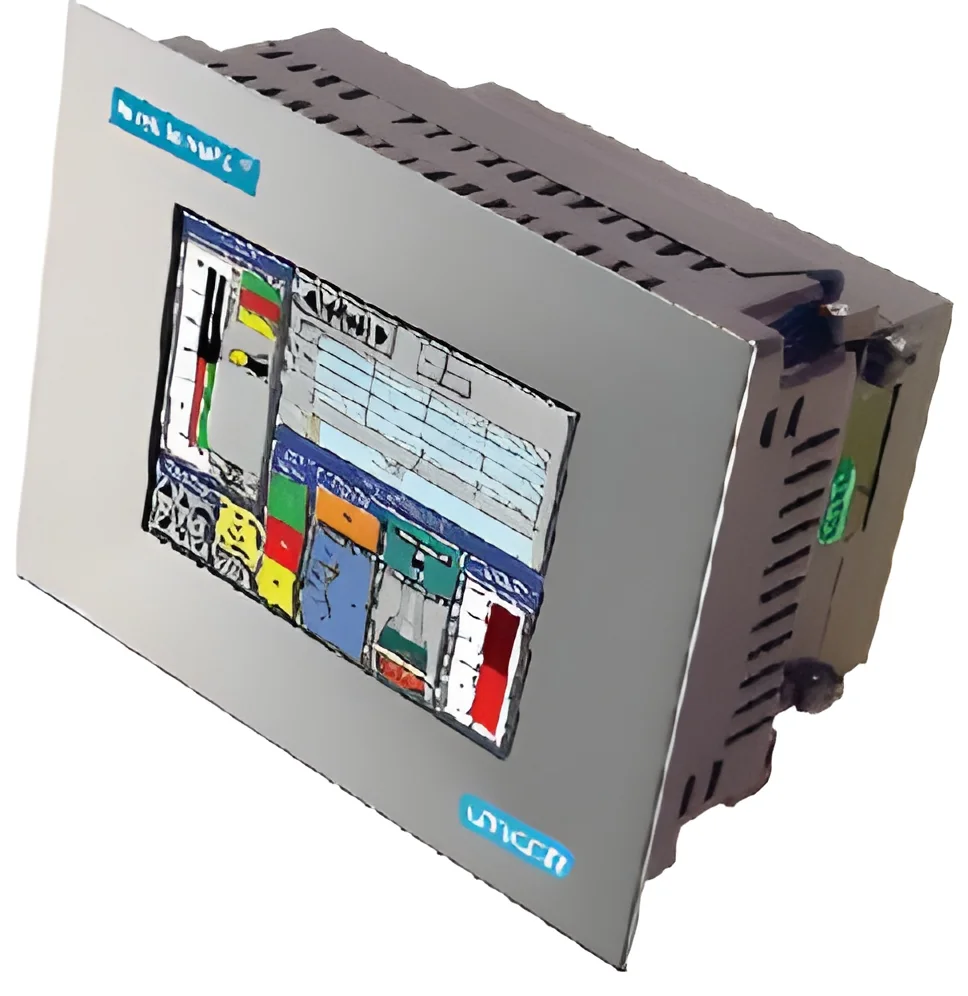
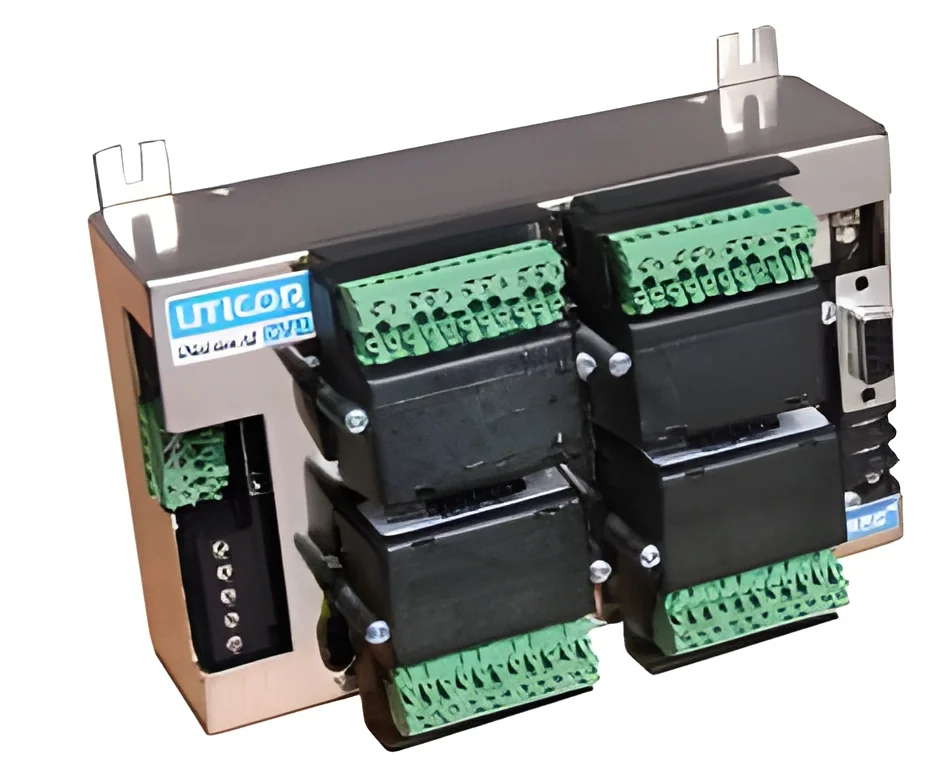
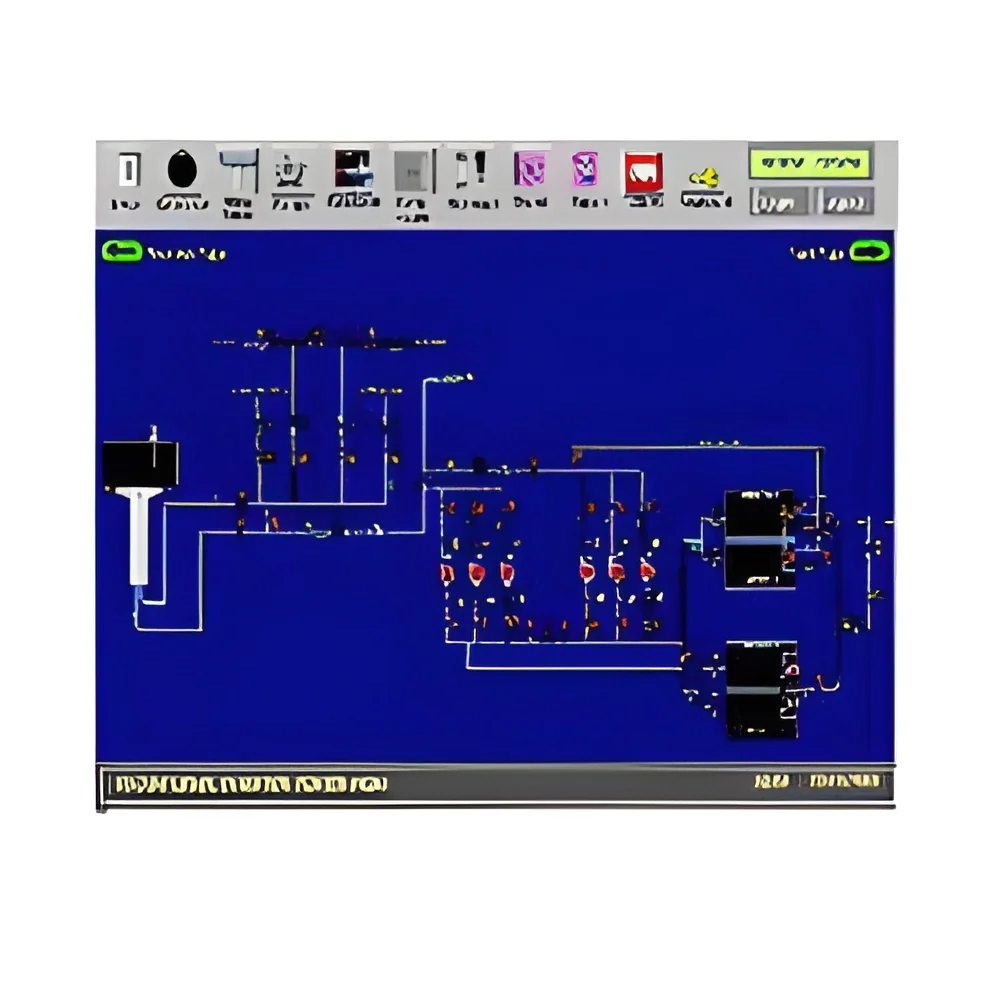
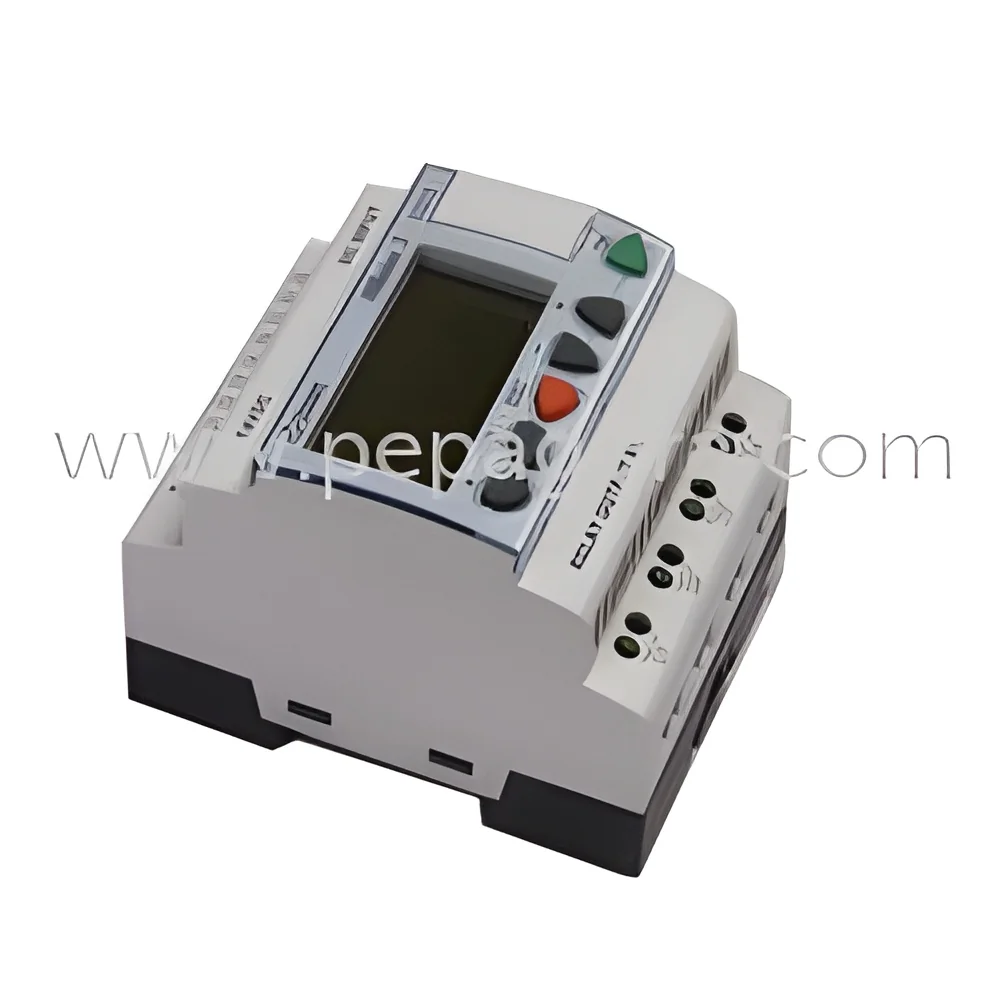
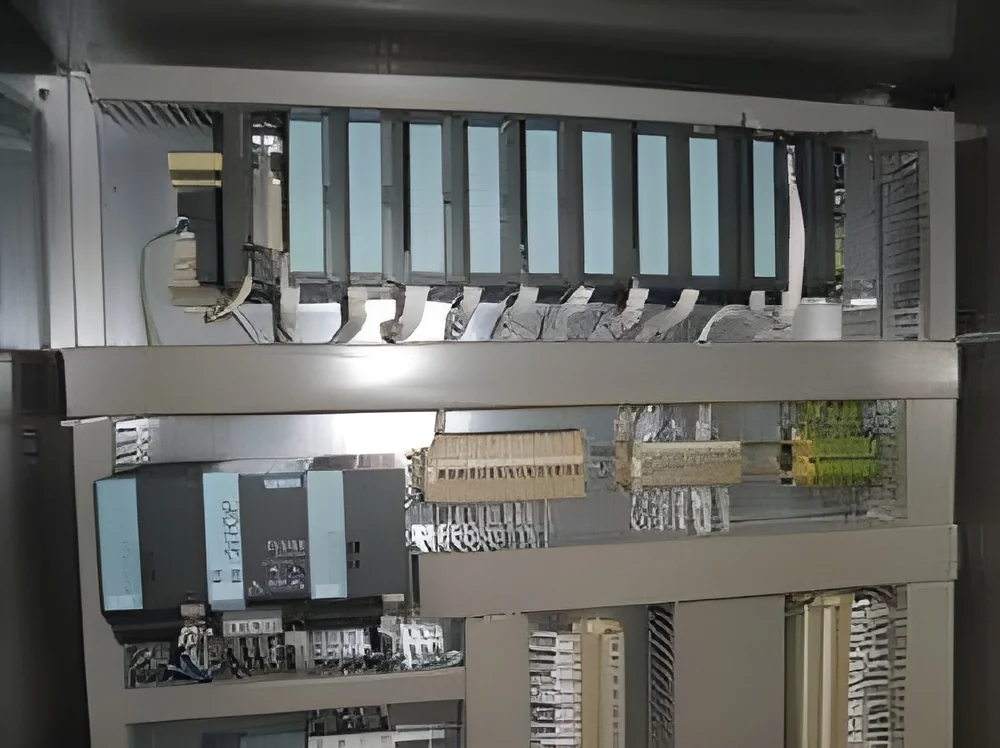
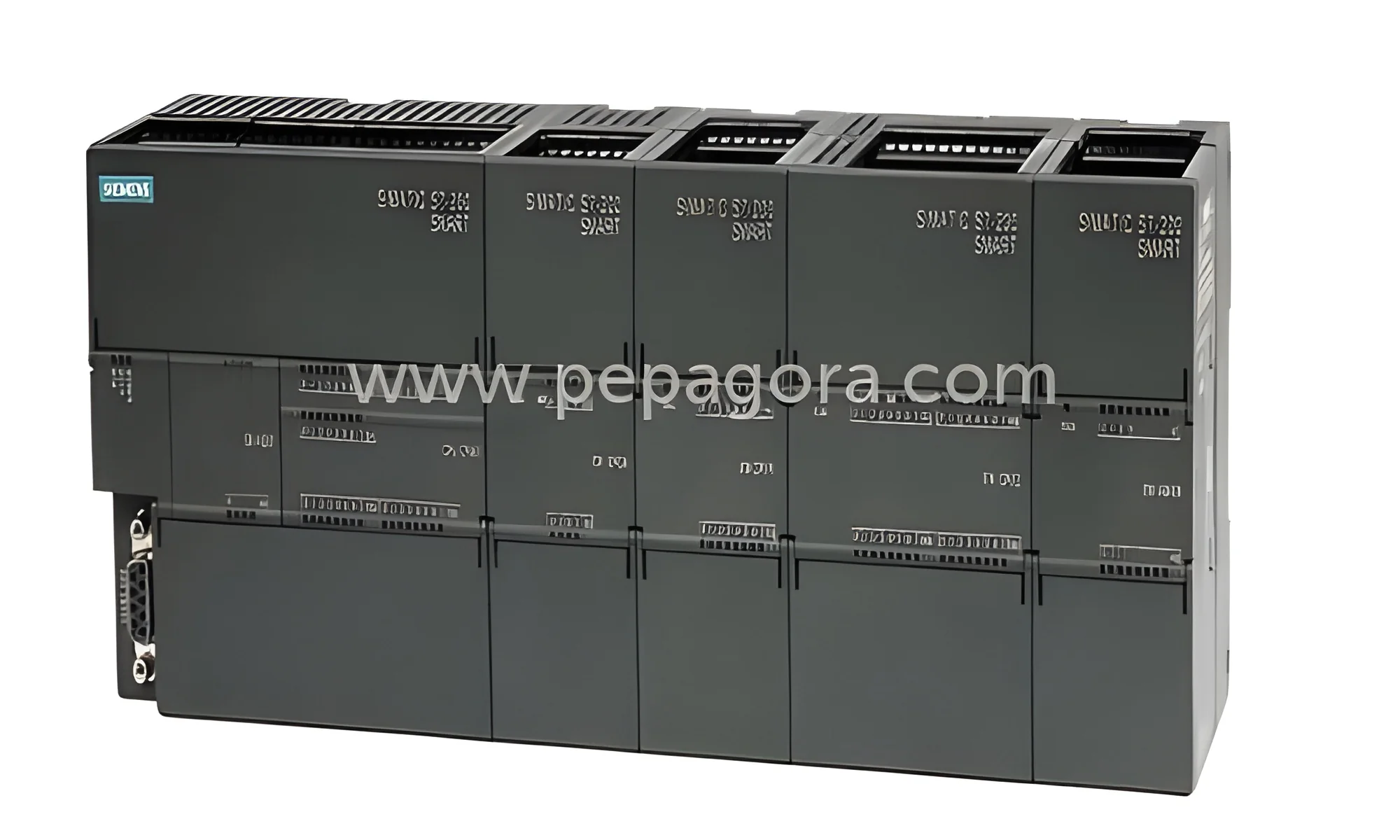
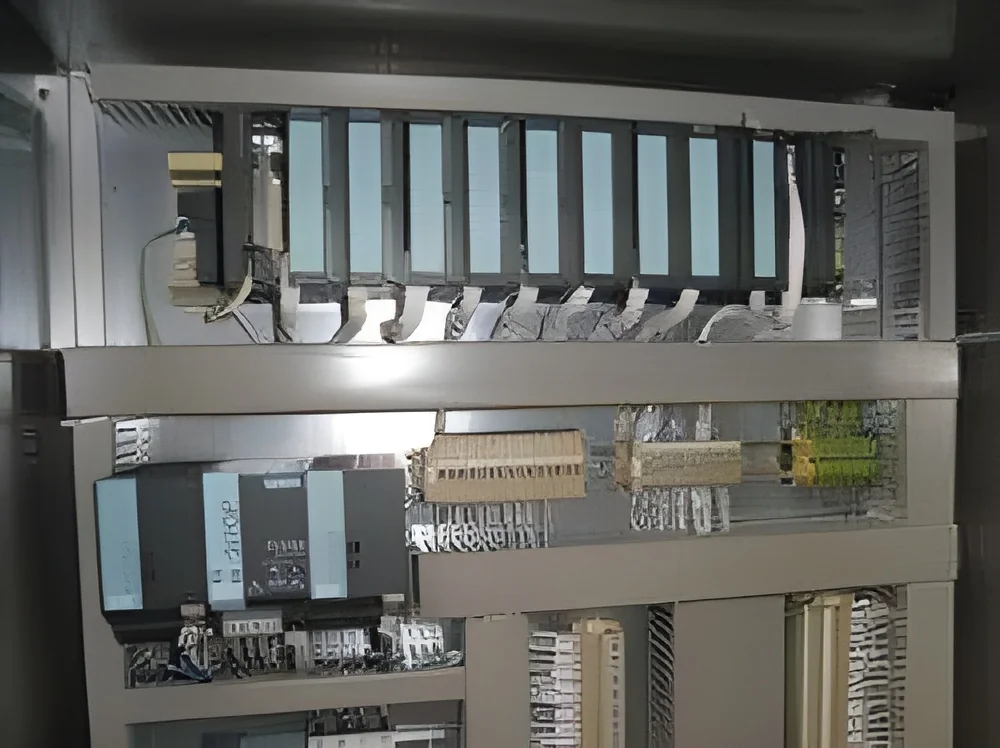
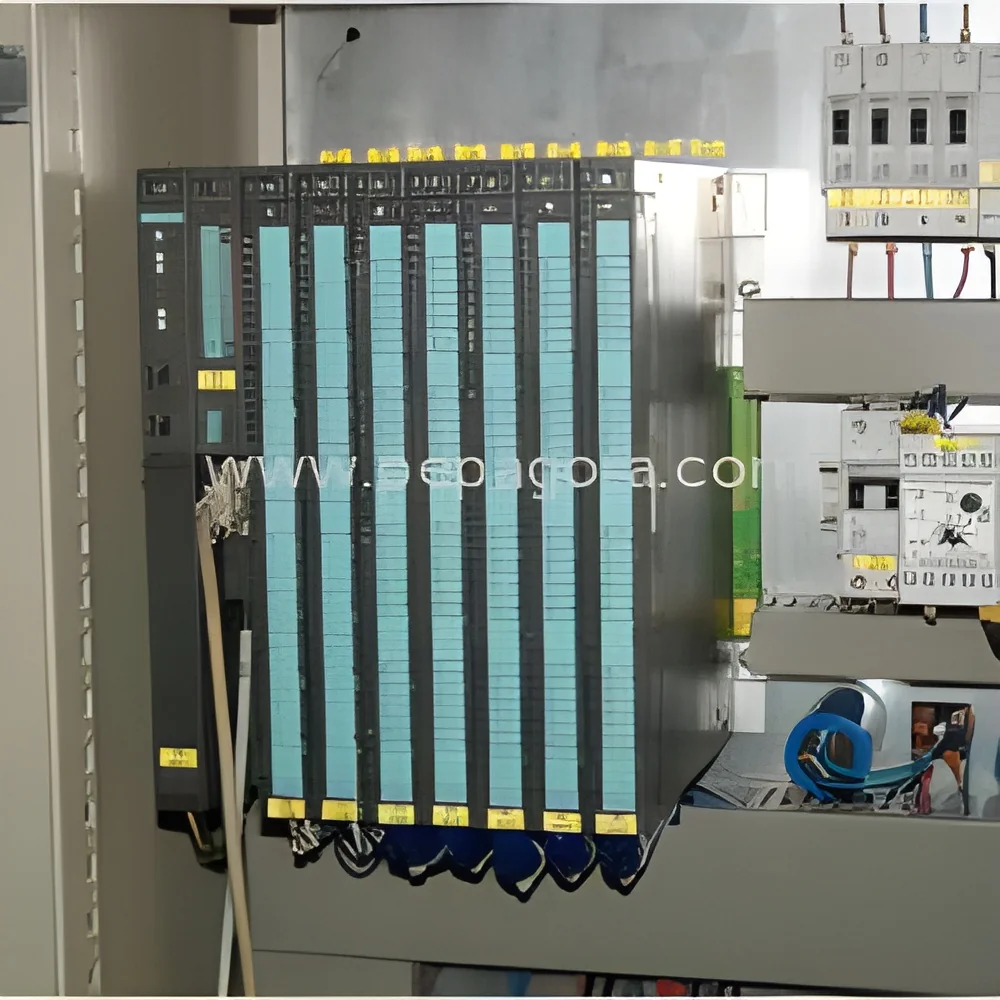
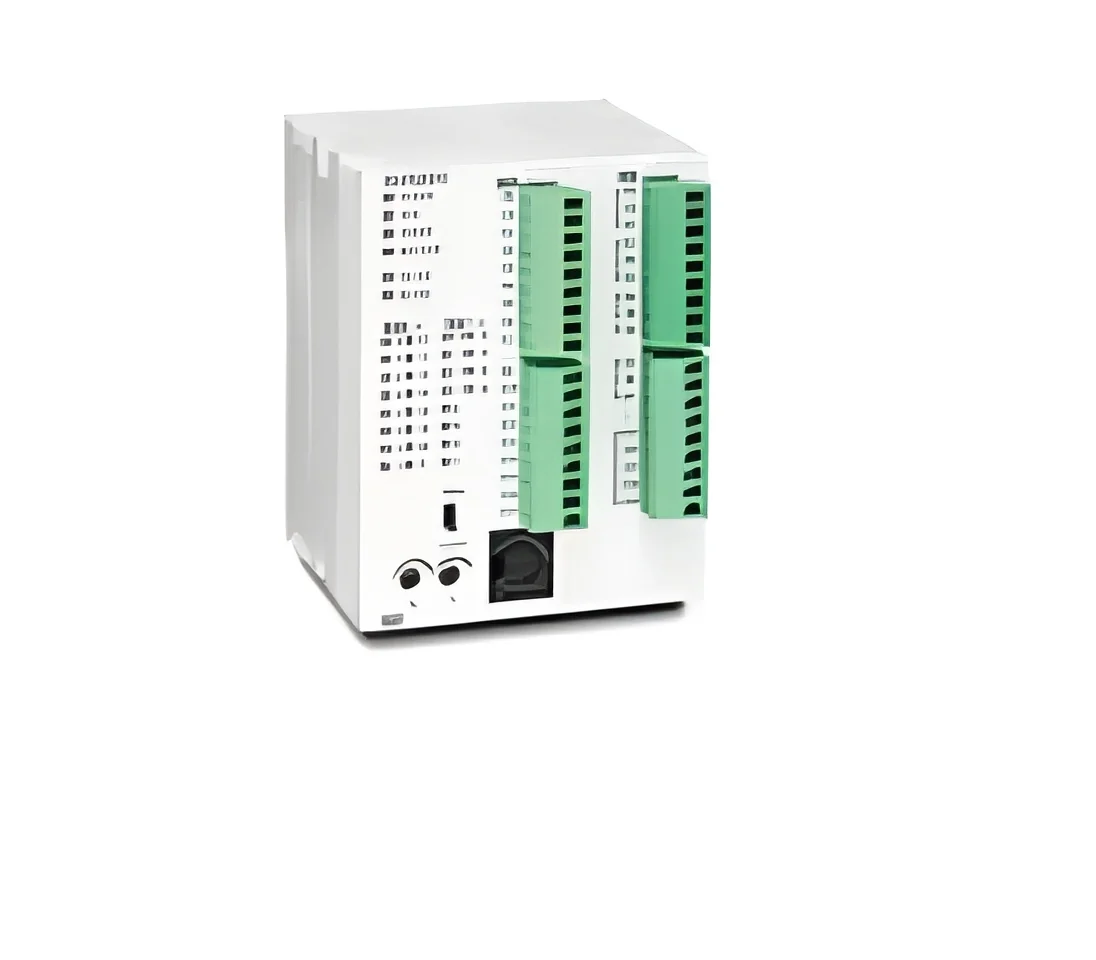
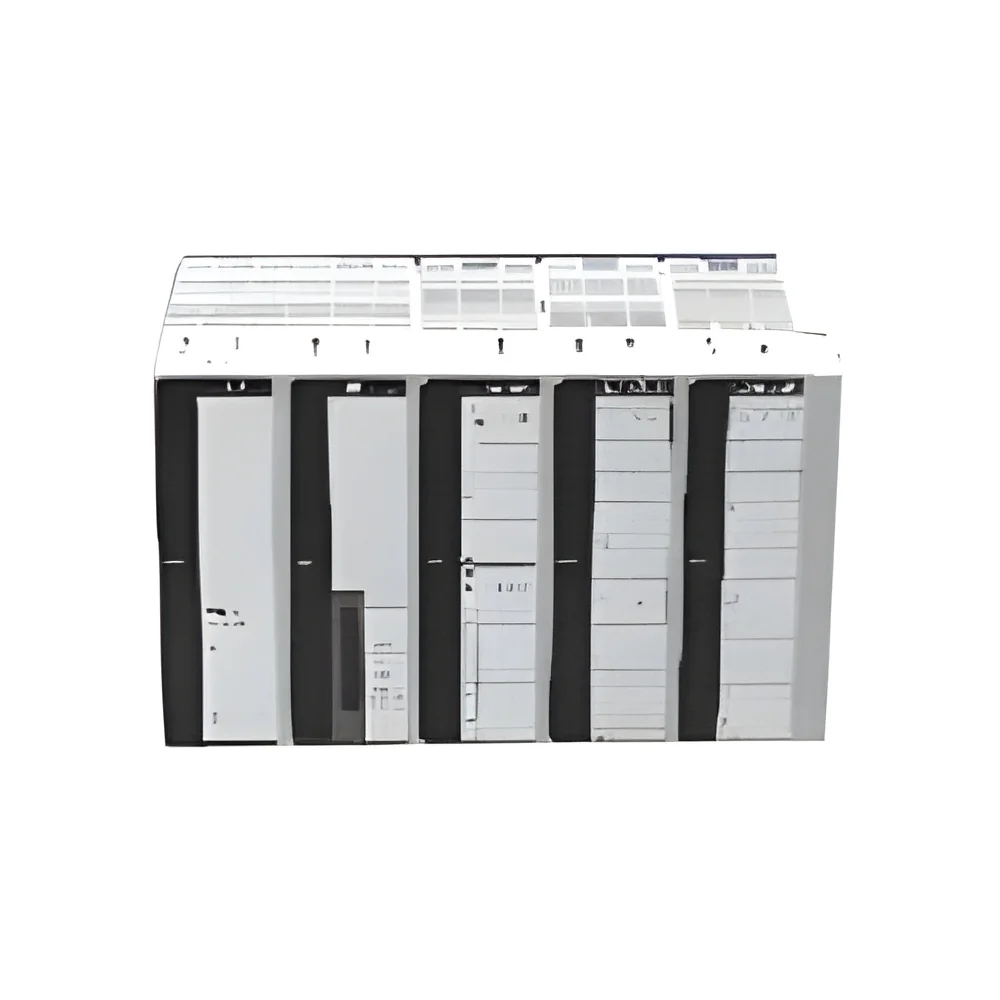
- Options include PLC, PC-based, and embedded systems.
2. Speed and Throughput
- The speed at which the system operates can significantly impact productivity.
- Typical speeds range from 10 to 100 units per minute, depending on the application.
3. Load Capacity
- Systems are designed to handle specific weight limits based on the components being assembled.
- Load capacities can vary from a few kilograms to several tons.
4. Modular Design
- Many systems feature modular components for easy upgrades and scalability.
- This allows for customization based on evolving production needs.
5. Integration Capabilities
- Automation systems can integrate with existing equipment and software.
- Compatibility with MES and ERP systems is often essential.
6. Safety Features
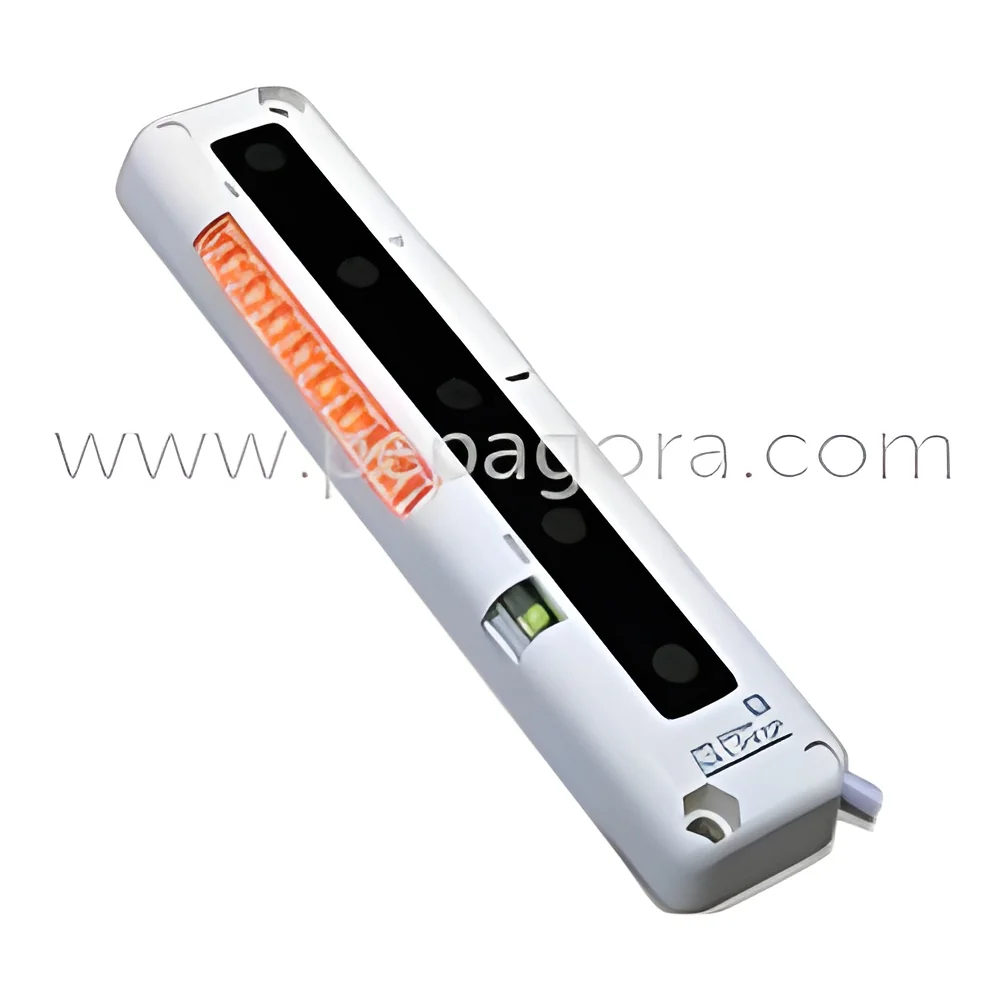
- Safety mechanisms such as emergency stops and safety barriers are standard.
- Compliance with safety regulations is crucial for operation.
7. Maintenance Requirements
- Systems may require regular maintenance to ensure optimal performance.
- Ease of access for repairs is an important design consideration.
In summary, understanding these specifications helps businesses select the right assembly line automation system tailored to their specific needs.
Common Applications and Use Cases
Assembly line automation systems find applications across various industries, demonstrating their versatility and effectiveness.
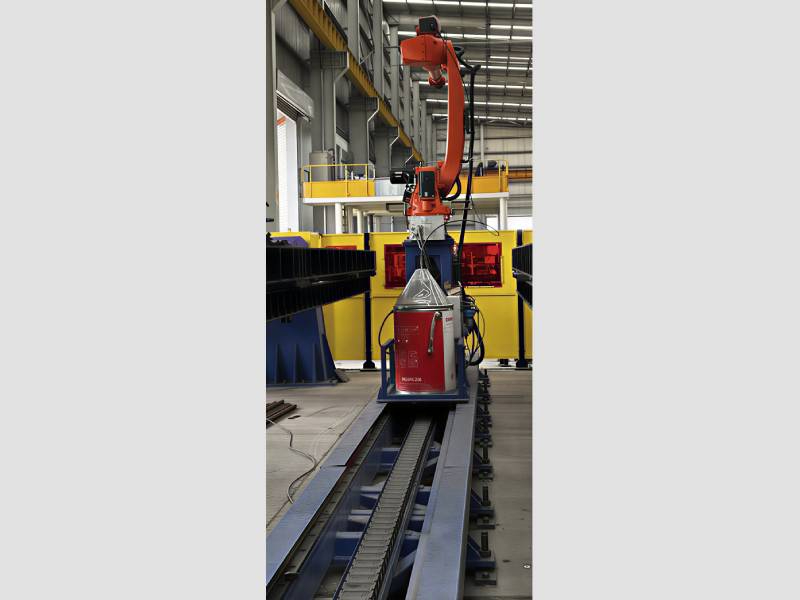
1. Automotive: In the automotive industry, these systems are used for assembling vehicles, including tasks like welding, painting, and final assembly. Automation enhances precision and reduces assembly time.
2. Electronics: Electronics manufacturers utilize automation for assembling circuit boards and other components. This allows for high-volume production with minimal defects.
3. Consumer Goods: In the consumer goods sector, assembly systems are employed for packaging, labeling, and assembling products like food items and household goods.
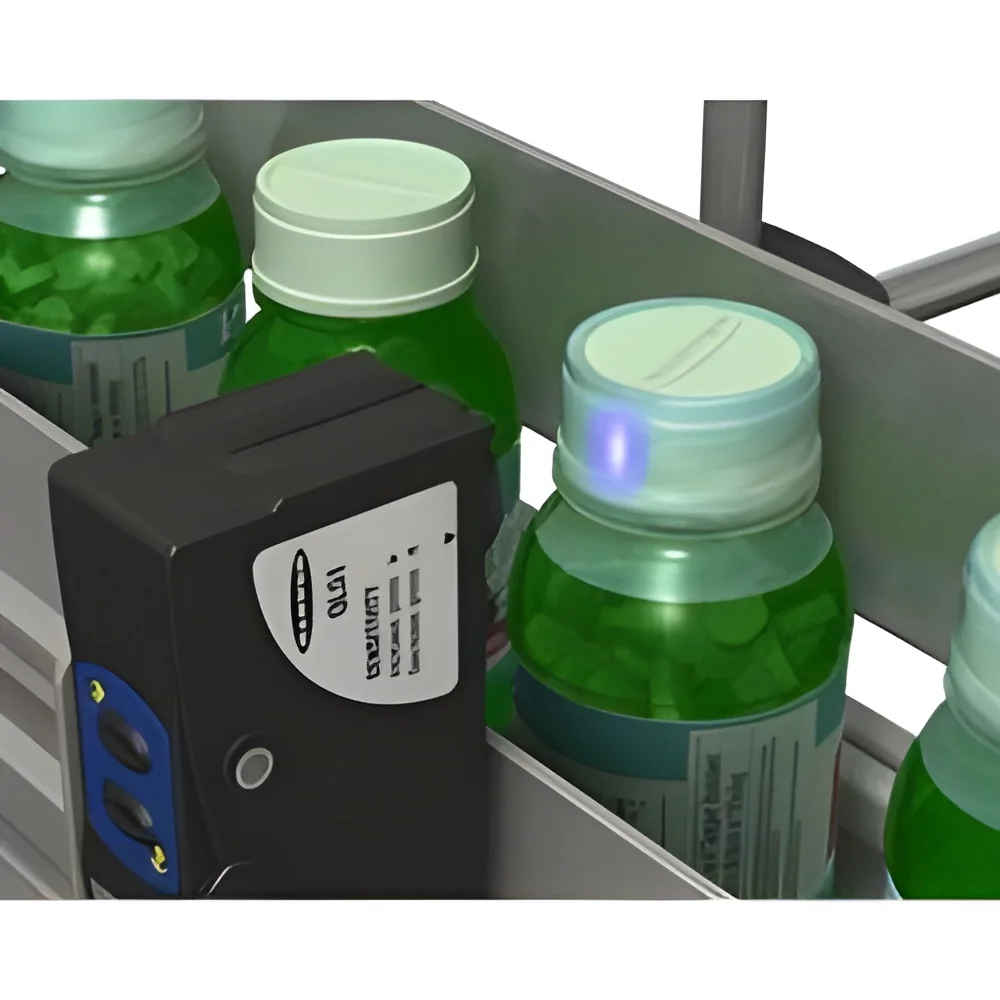
4. Pharmaceuticals: Pharmaceutical companies rely on automation for assembling medication packaging and ensuring compliance with stringent regulatory standards.
5. Aerospace: The aerospace industry uses automation for assembling complex components, improving accuracy and safety in aircraft production.
6. Machinery: Machinery manufacturers implement automation systems to streamline the assembly of heavy equipment and machinery parts.
7. Textiles: In the textile industry, automation assists in the assembly of garments and other fabric products, enhancing speed and consistency.
Product Variants and Subcategories
Assembly line automation systems are available in various forms to cater to different manufacturing needs. This diversity allows businesses to choose solutions that best suit their operational requirements.
Robotic Assembly Systems
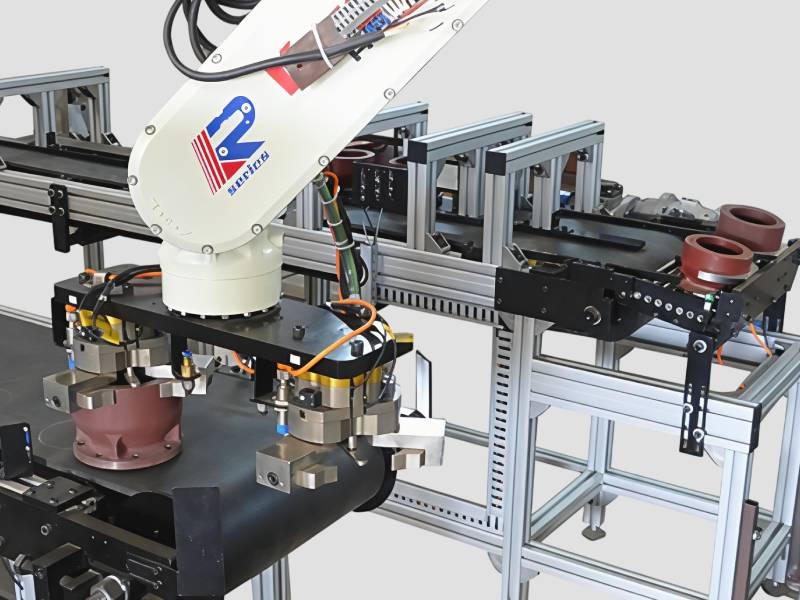
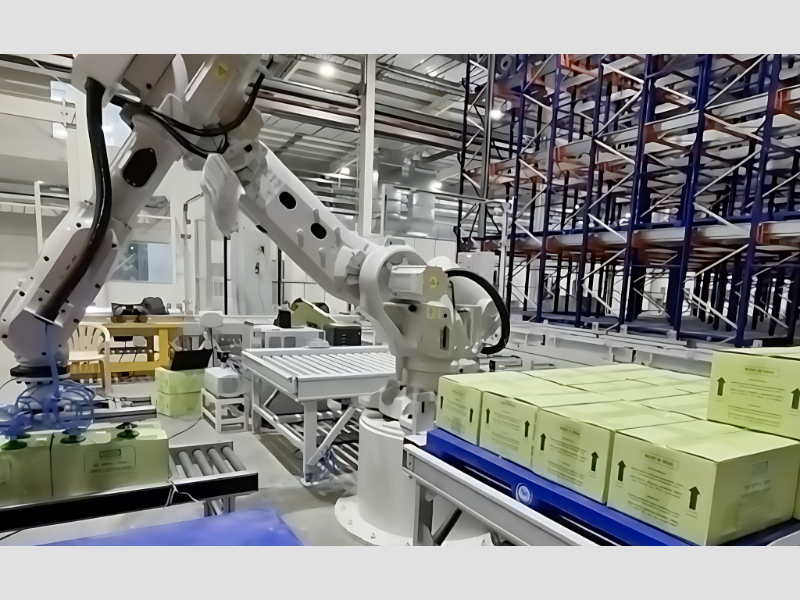
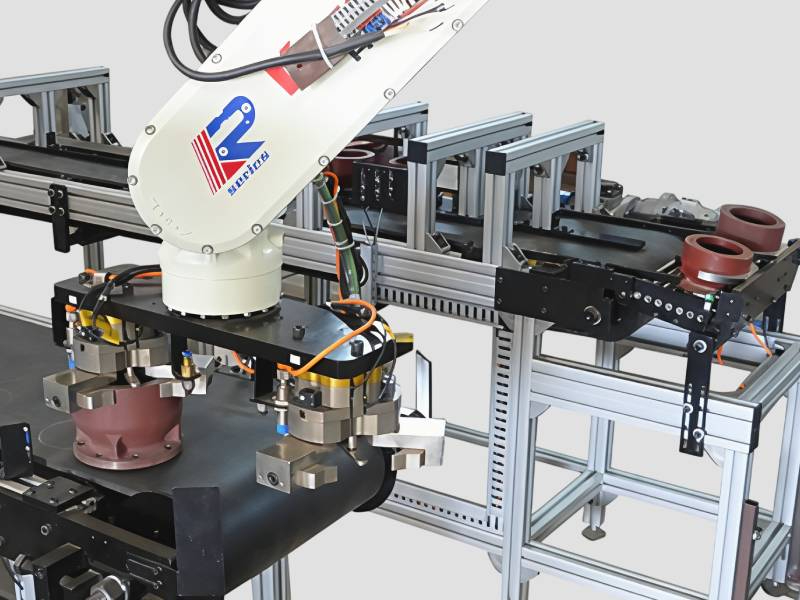
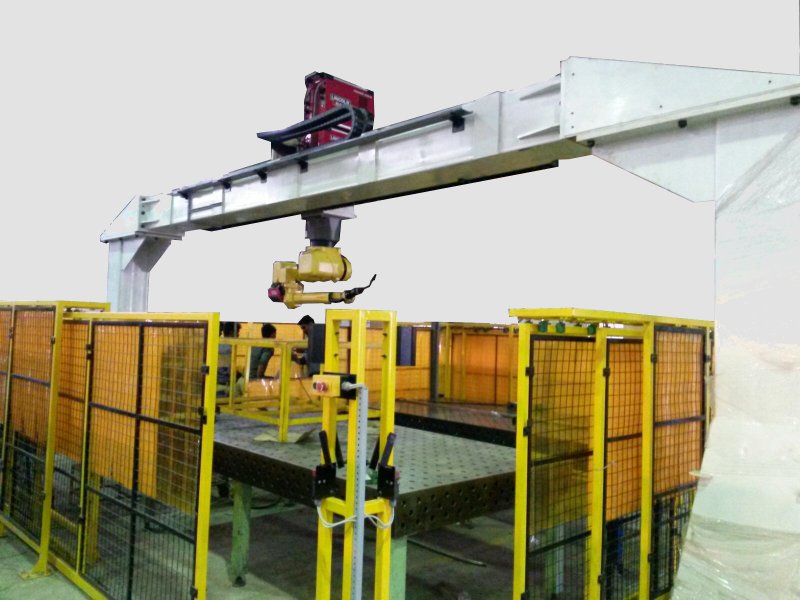
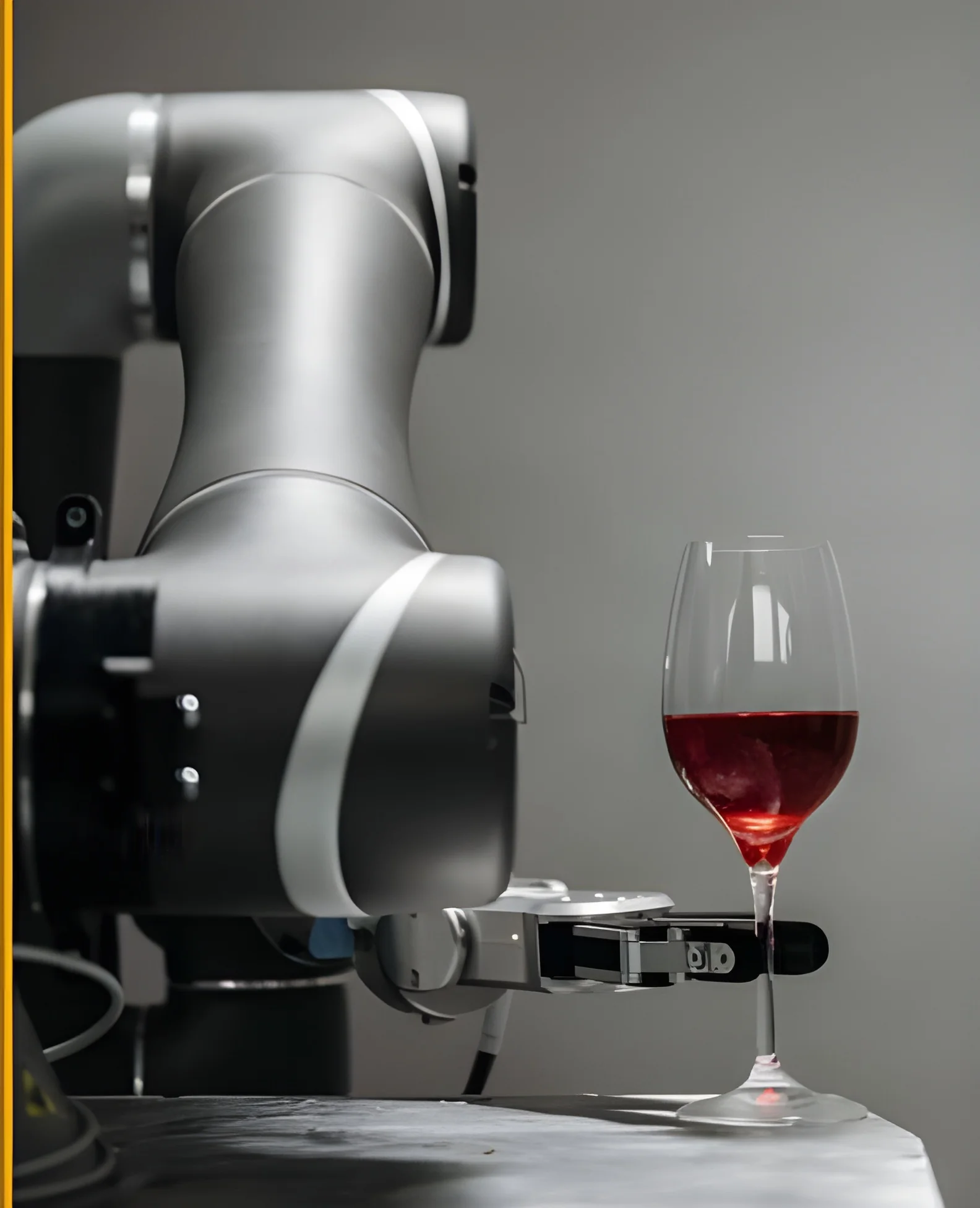
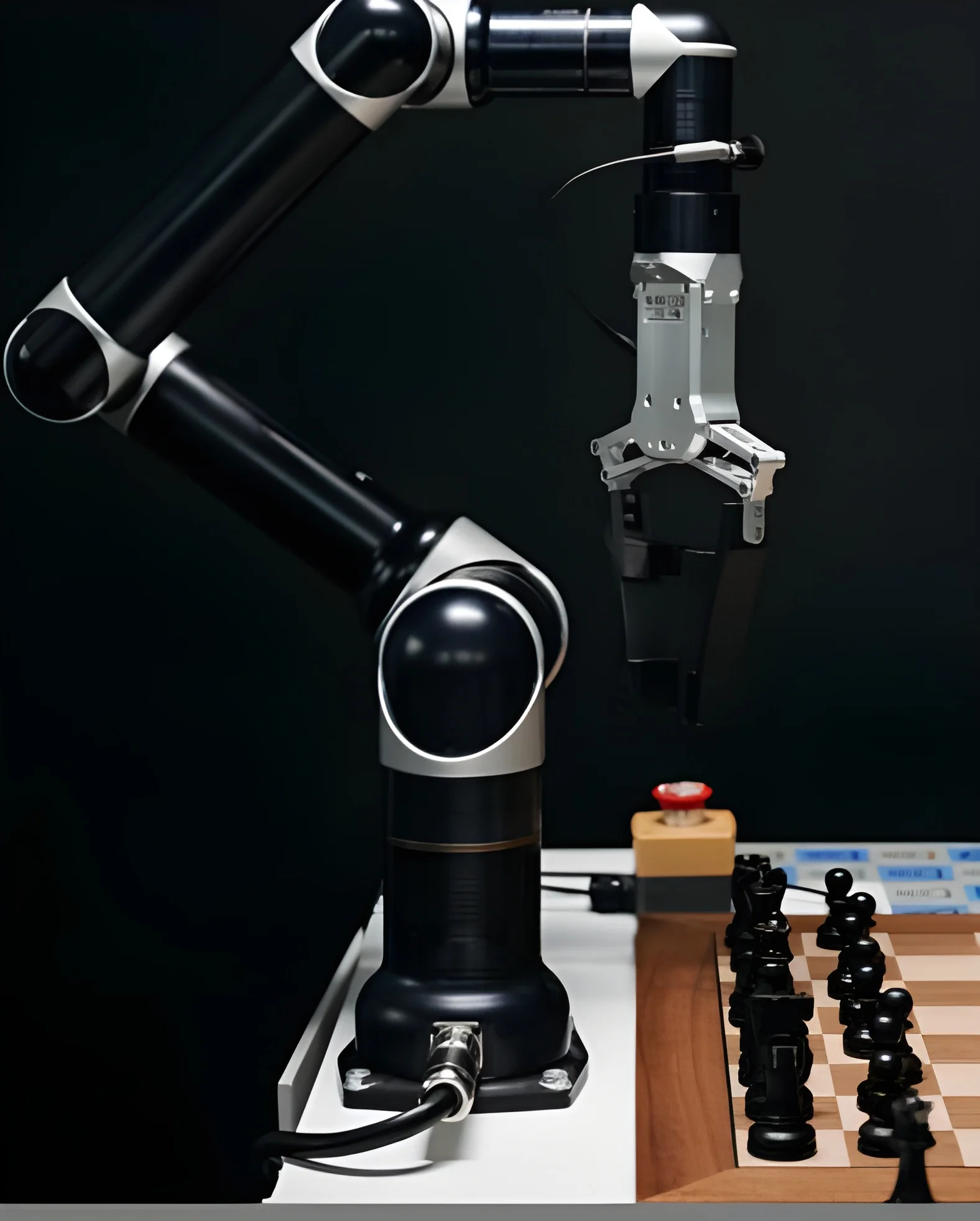
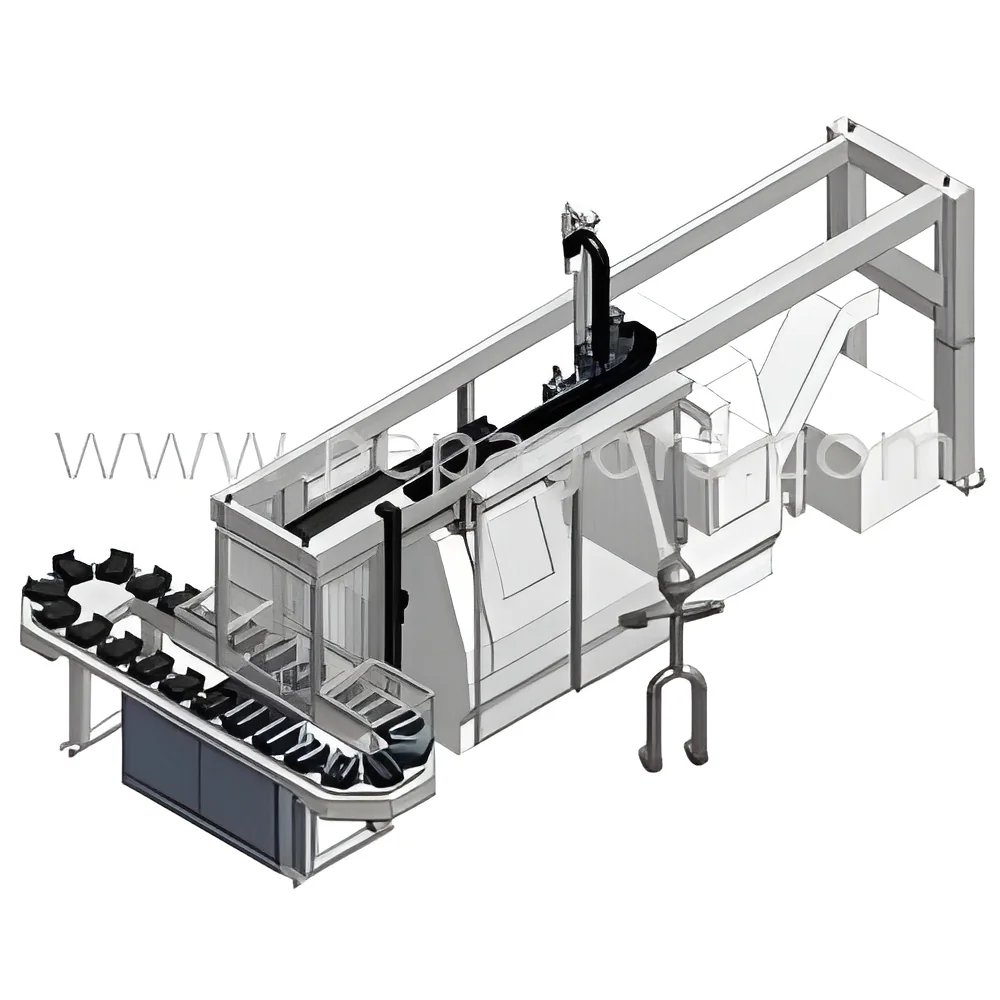
Robotic assembly systems utilize robotic arms to perform tasks such as soldering, assembling, and packaging. These systems are particularly effective for high-precision tasks and can work continuously with minimal downtime.
Conveyor Systems
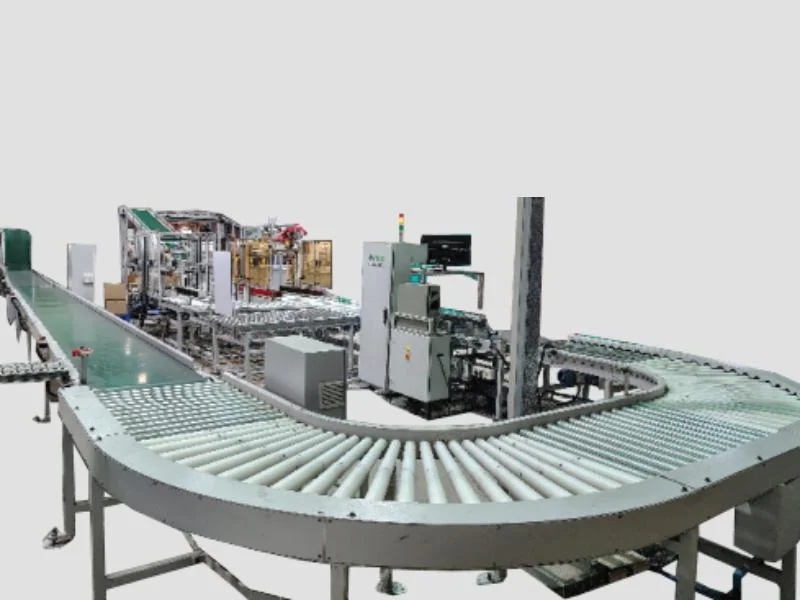
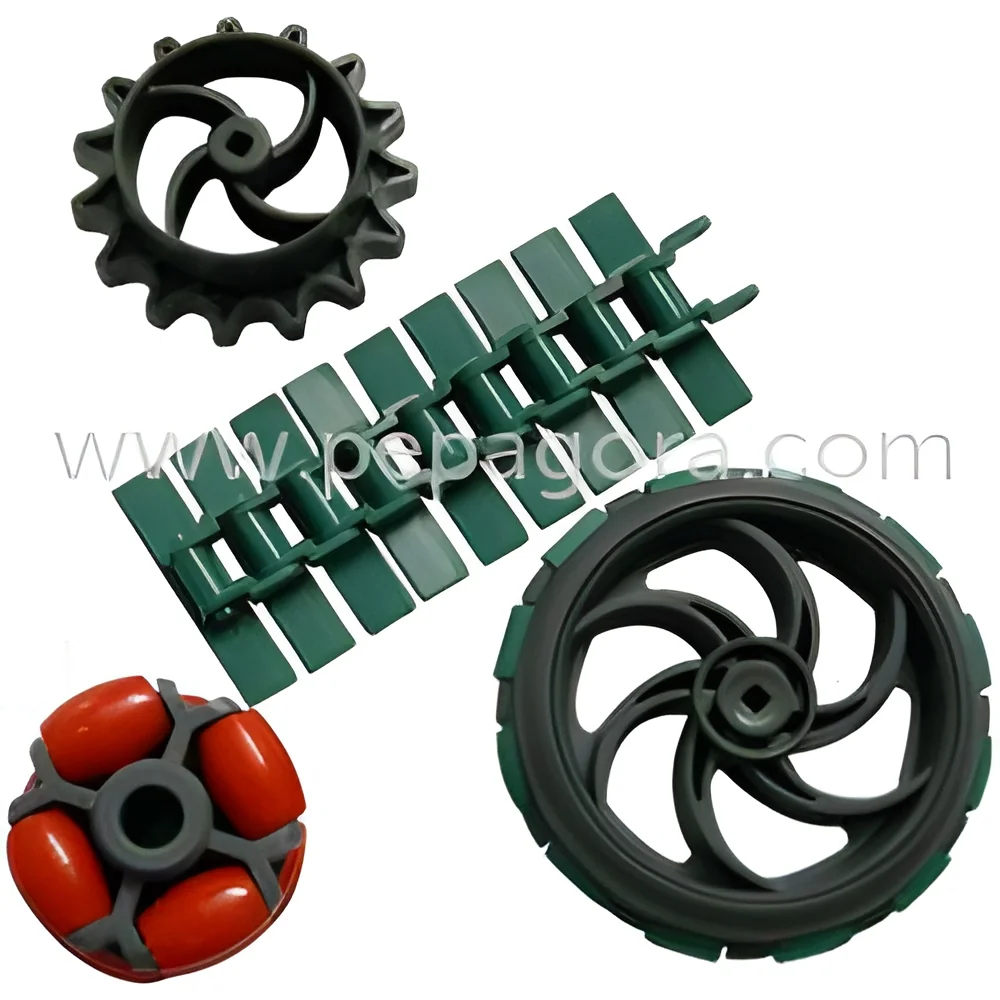
Conveyor systems are essential for transporting materials and products between different stages of assembly. They can be designed for various layouts and can integrate with other automation technologies for efficiency.
Flexible Manufacturing Systems
Flexible manufacturing systems adapt quickly to changes in production demands. These systems allow manufacturers to switch between different products without extensive downtime, making them ideal for businesses with varying production needs.
Integrated Assembly Lines
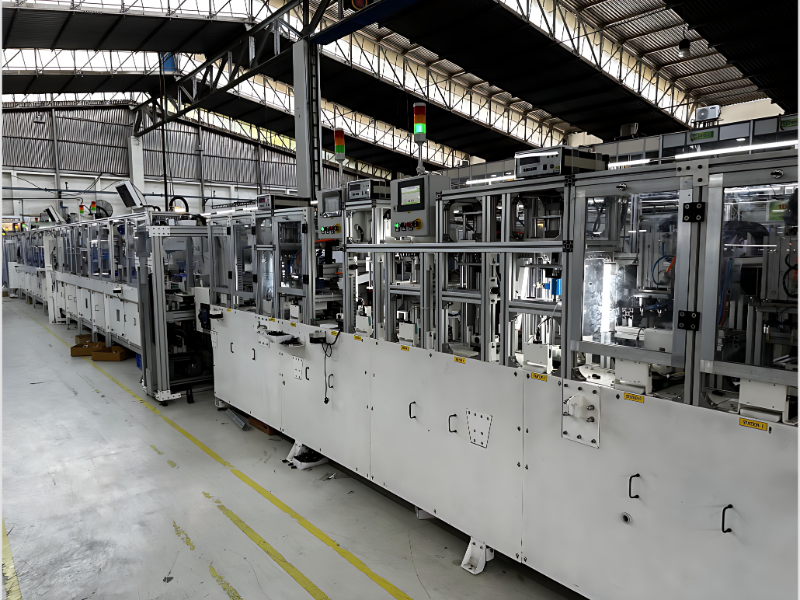
Integrated assembly lines combine various automation technologies into a cohesive system. This approach allows for seamless workflows and maximizes productivity across multiple processes.
Benefits and Advantages
Implementing assembly line automation systems offers numerous advantages that can significantly impact a business's operations.
1. Increased Efficiency: Automation speeds up production processes, allowing for higher output and reduced cycle times.
2. Improved Quality: Consistent performance and precision reduce the likelihood of errors, enhancing product quality.
3. Cost Reduction: By minimizing labor costs and waste, businesses can achieve substantial cost savings over time.
4. Enhanced Flexibility: Automated systems can be reconfigured to accommodate changes in product lines or production volumes.
5. Better Safety: Automation reduces the need for manual labor in hazardous environments, improving worker safety.
6. Real-Time Monitoring: Many systems offer monitoring features that allow for real-time tracking of production metrics, enabling timely adjustments.
Buying Guide for B2B Buyers
When sourcing assembly line automation systems, businesses should consider several key factors to ensure they make informed decisions.
1. Quality Assessment: Evaluate the quality of materials and components used in the systems. Look for certifications that indicate compliance with industry standards.
2. Supplier Verification: Vet potential suppliers thoroughly. Check their track record, customer reviews, and certifications to ensure reliability.
3. Pricing and MOQ: Understand the pricing structure and minimum order quantities. Compare quotes from multiple suppliers to find the best value.
4. Delivery and Lead Times: Consider the logistics of delivery. Assess lead times to ensure they align with production schedules and avoid delays.
5. Compliance Requirements: Be aware of any regulatory requirements specific to your industry. Ensure that the chosen system meets all necessary compliance standards.
Compliance and Certifications
Compliance and certifications play a critical role in the selection of assembly line automation systems. Adhering to relevant quality standards, such as ISO 9001, assures businesses of a consistent quality management system. This certification signifies that the products and services meet customer and regulatory requirements.
In addition, industry certifications like CE are vital for ensuring that products meet European safety, health, and environmental protection standards. These certifications provide confidence to buyers regarding the safety and reliability of the products.
Safety and testing requirements are also paramount. Assembly line automation systems should comply with local and international safety standards to protect workers and equipment. Furthermore, regional compliance considerations may vary, necessitating a thorough understanding of local regulations.
Why Source Assembly Line Automation Systems from Pepagora?
Pepagora serves as a trusted platform for sourcing assembly line automation systems, offering several key advantages that benefit B2B buyers.
Verified Supplier Network: Pepagora provides access to a network of verified suppliers, ensuring that buyers can source high-quality products from reliable manufacturers. This verification process reduces the risk of procurement issues.
Streamlined RFQ Process: The platform simplifies the request for quotation (RFQ) process, enabling buyers to compare multiple quotes efficiently. This transparency helps in making informed purchasing decisions.
Trade Assurance and Support: Pepagora offers trade assurance measures that protect buyers throughout the procurement process. This support instills confidence in transactions and ensures a smooth purchasing experience.
Regional Coverage: With a strong presence in India, the Gulf Cooperation Council (GCC), and Southeast Asia, Pepagora can cater to diverse geographical needs. This regional coverage allows businesses to access automation solutions tailored to local markets.

 IN
IN