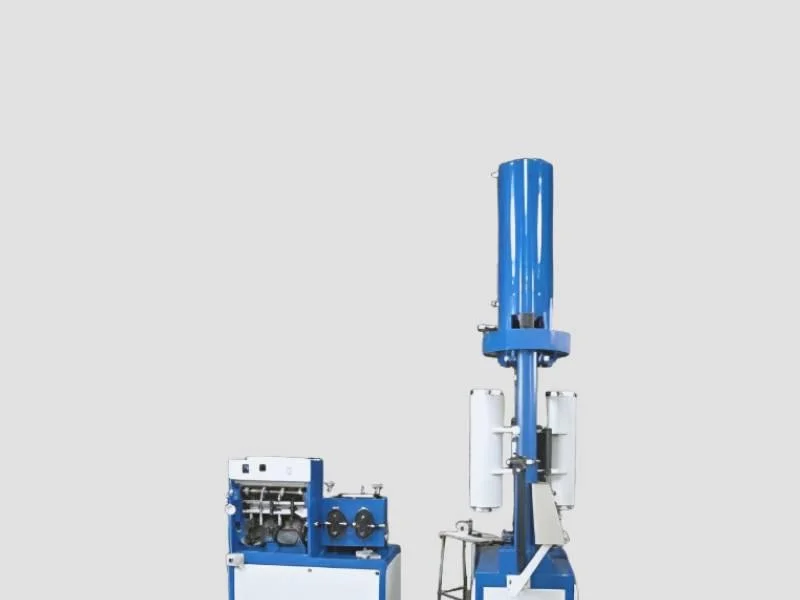
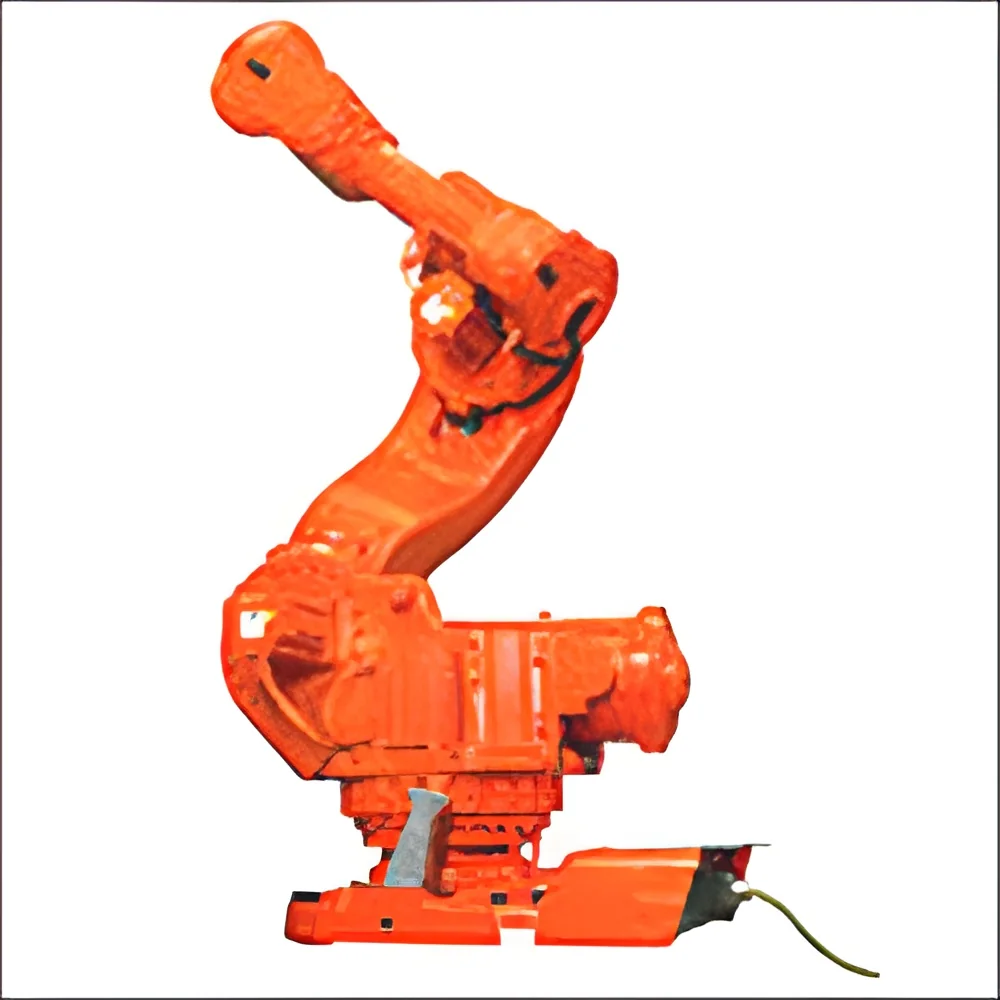
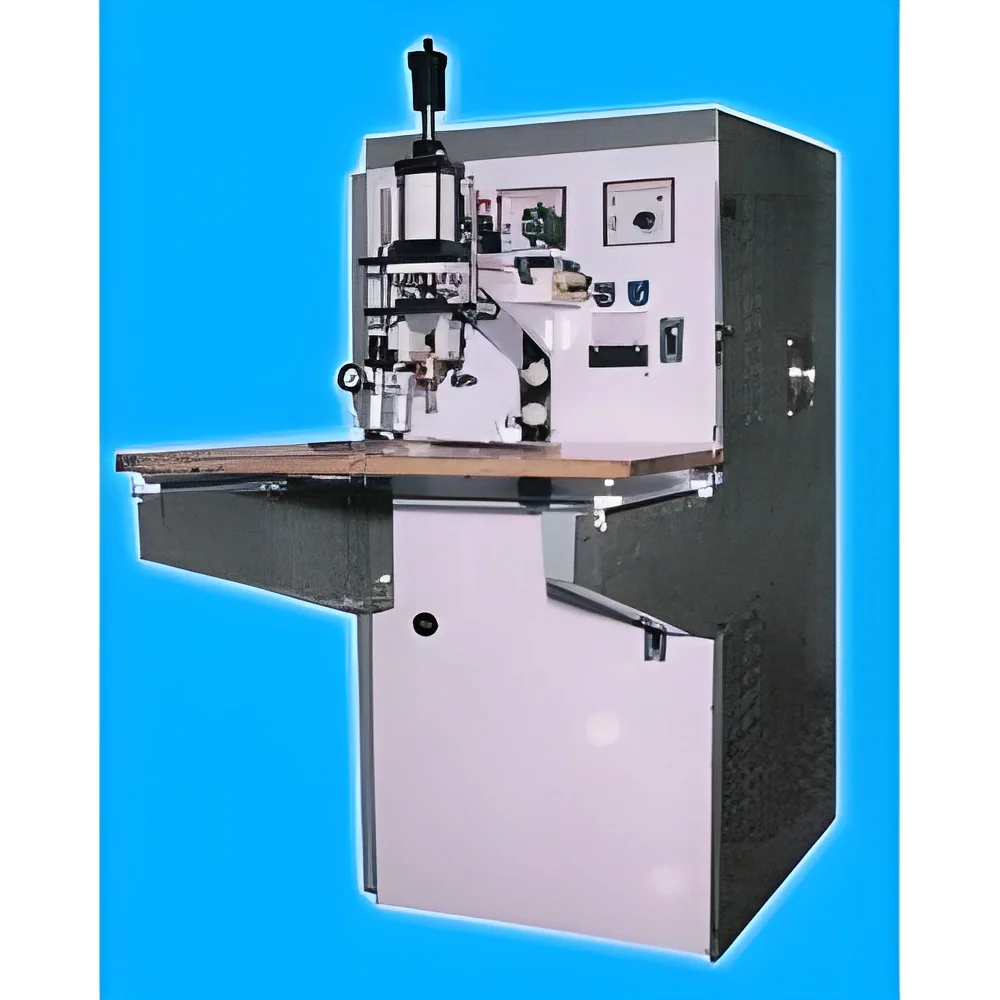
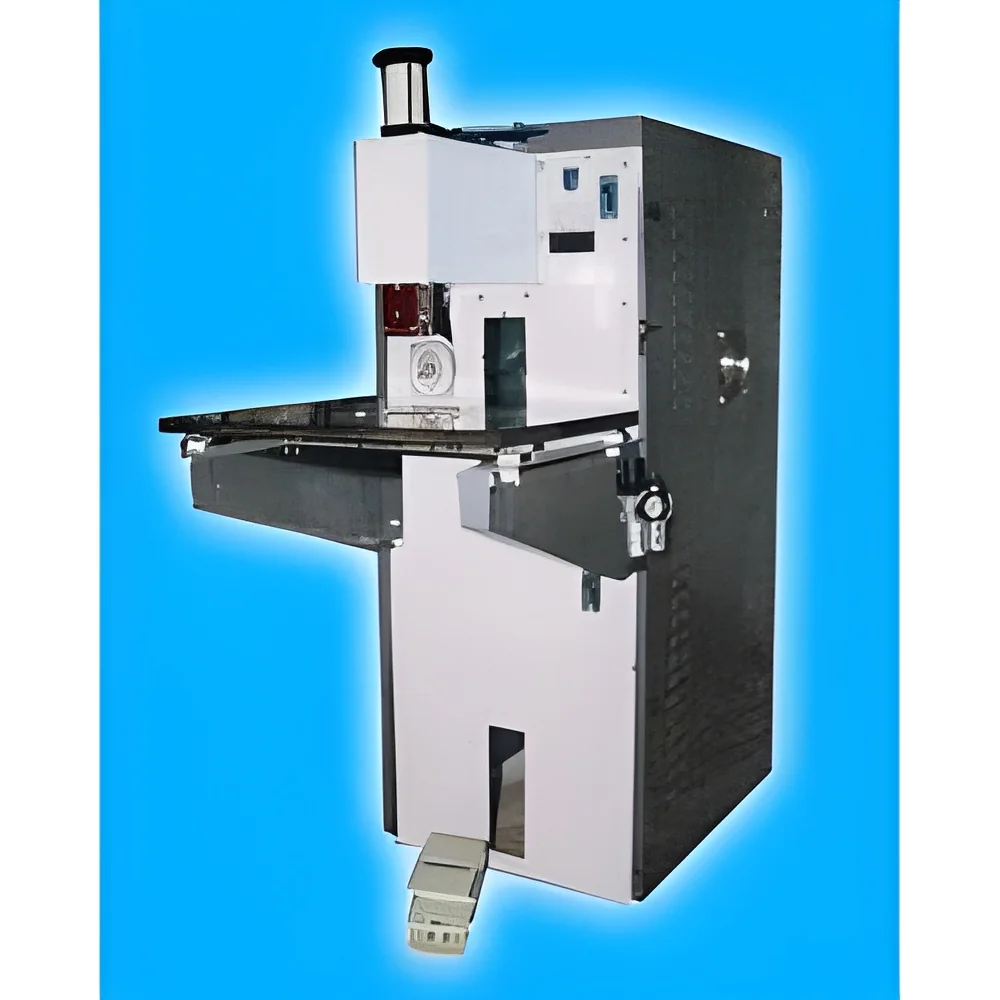
What are Automotive Welding Automation?
Automotive Welding Automation refers to the use of automated systems and machinery to perform welding tasks in the automotive industry. These systems are designed to enhance the efficiency and precision of welding processes, which are critical in vehicle manufacturing. By utilizing robotics and automation technology, automotive welding automation minimizes human error, increases production speed, and improves the overall quality of welds.
The primary applications of automotive welding automation include assembling vehicle frames, body panels, and structural components. These automated systems are employed in production lines to streamline operations, reduce labor costs, and enhance safety by limiting human exposure to hazardous environments. In the current market context, the demand for automotive welding automation is on the rise due to the growing need for high-quality automotive components and the increasing adoption of electric and hybrid vehicles. Manufacturers are turning to automation to meet these challenges and remain competitive.
Key Features and Specifications
Automotive welding automation systems come equipped with various features that enhance their functionality and performance. These specifications are essential for businesses looking to invest in reliable and efficient welding automation solutions.
Key specifications include:
1. Welding Process Compatibility
- Supports various welding methods such as MIG, TIG, and spot welding.
- Flexibility to adapt to different materials and thicknesses.
2. Precision Control Systems
- Advanced software for precise control of welding parameters.
- Programmable settings for repeatability and consistency.
3. Safety Features
- Equipped with sensors to ensure operator safety.
- Emergency stop mechanisms and protective enclosures.
4. Production Capacity
- High throughput rates to meet manufacturing demands.
- Capable of operating continuously with minimal downtime.
5. Maintenance Requirements
- Designed for easy access to components for maintenance.
- Predictive maintenance capabilities to reduce unexpected failures.
6. Integration Capabilities
- Compatible with existing production line systems.
- Ability to integrate with additional automation technologies.
7. Energy Efficiency
- Optimized power consumption to reduce operational costs.
- Environmentally friendly designs to minimize waste.
In summary, automotive welding automation systems are defined by their adaptability, precision, and efficiency, making them indispensable in modern automotive manufacturing.
Common Applications and Use Cases
Automotive welding automation serves a broad spectrum of industries beyond traditional vehicle manufacturing.
1. Automotive Manufacturing: These systems are essential for assembling vehicle bodies and frames, ensuring strong and durable connections.
2. Aerospace Industry: Welding automation is used for joining lightweight materials in aircraft manufacturing, enhancing structural integrity.
3. Heavy Equipment: Automated welding is utilized in the production of machinery and vehicles used in construction and agriculture.
4. Rail Industry: Welding automation helps in the assembly of train components, ensuring safety and reliability in transportation.
5. Shipbuilding: Automated welding processes are critical in constructing various parts of ships, improving efficiency and reducing labor costs.
6. Energy Sector: Welding automation is applied in the fabrication of components for renewable energy systems, such as wind turbines and solar panels.
7. Defense Manufacturing: Used for creating robust components in military vehicles and equipment, ensuring high performance under demanding conditions.
Product Variants and Subcategories
Automotive welding automation solutions come in various forms, tailored to meet specific manufacturing needs.
Robotic Welding Cells
These cells are designed to house robotic arms that perform welding operations autonomously. They are equipped with advanced sensors and control systems to ensure precision and adaptability in various welding tasks.
Portable Welding Automation
This variant offers mobility and flexibility, allowing for welding operations in diverse locations. These systems are ideal for applications where space is limited or for repair work on-site.
Fixed Welding Stations
These stations are designed for high-volume production environments. They provide a stable platform for automated welding tasks, ensuring consistency and reliability in large-scale manufacturing.
Benefits and Advantages
Investing in automotive welding automation brings numerous advantages to businesses in the automotive sector.
Key benefits include:
1. Increased Efficiency: Automation significantly speeds up welding processes, allowing for higher production rates and reduced cycle times.
2. Enhanced Quality: Automated systems provide consistent and precise welds, improving the overall quality of the final product.
3. Reduced Labor Costs: By minimizing the need for manual labor, companies can lower operational costs and redirect resources to other critical areas.
4. Improved Safety: With automation, workers are less exposed to hazardous welding environments, reducing the risk of accidents and injuries.
5. Flexibility and Scalability: Automated systems can be easily reprogrammed to accommodate different welding tasks, allowing businesses to adapt to changing demands.
6. Long-Term Reliability: High-quality automated systems are designed for durability and require less frequent maintenance, ensuring reliable operation over time.
Buying Guide for B2B Buyers
When sourcing automotive welding automation, several factors should be considered to ensure the selection of the right system for your business needs.
1. Quality Assessment: Evaluate the quality of welding automation systems by reviewing certifications and industry standards. Look for systems that meet high-quality benchmarks to ensure reliability.
2. Supplier Verification: Vet potential suppliers by checking their track record, customer reviews, and industry reputation. This will help ensure that you are working with reliable partners.
3. Pricing and MOQ: Understand the pricing structures and minimum order quantities (MOQ) of different suppliers. This will help you make informed budget decisions and avoid unexpected costs.
4. Delivery and Lead Times: Inquire about the lead times for delivery to ensure that the automation systems will arrive when needed. Timely delivery is crucial for maintaining production schedules.
5. Compliance Requirements: Familiarize yourself with regional compliance regulations and standards that apply to welding automation. Ensure that the systems meet all necessary safety and quality requirements.
Compliance and Certifications
Automotive welding automation must adhere to several industry standards and certifications to ensure safety and quality. One of the relevant quality standards is ISO 9001, which focuses on quality management systems. Compliance with ISO 9001 indicates that a manufacturer meets international quality standards in their processes.
Additionally, automotive welding automation systems should be certified under CE regulations, which demonstrate that the equipment meets European health, safety, and environmental protection standards. This certification is crucial for companies looking to operate in European markets.
Safety and testing requirements are also paramount, as they ensure that the equipment is safe for operators and meets operational standards. Compliance with regional regulations is vital, especially for companies operating in multiple geographical areas. Understanding these compliance requirements is essential for B2B buyers to ensure their investments are secure and meet industry expectations.
Why Source Automotive Welding Automation from Pepagora?
Pepagora provides a trusted platform for sourcing automotive welding automation, offering several key advantages.
Verified Supplier Network: Pepagora has established a network of verified suppliers, ensuring that buyers can access reliable and reputable manufacturers. This network minimizes the risks associated with sourcing and ensures quality products.
Streamlined RFQ Process: The platform features a streamlined Request for Quotation (RFQ) process, making it easy for buyers to obtain competitive quotes from multiple suppliers. This system enhances transparency and allows for better decision-making.
Trade Assurance and Support: Pepagora offers trade assurance to protect buyers, ensuring that transactions are secure and reliable. Additionally, customer support is readily available to assist with any inquiries or issues that may arise.
Regional Coverage: With a broad geographic reach across India, the GCC, and Southeast Asia, Pepagora connects buyers with suppliers in key markets. This regional coverage facilitates access to a diverse range of automotive welding automation solutions tailored to specific needs.
By choosing Pepagora, businesses can confidently navigate the complexities of sourcing automotive welding automation, ensuring they find the right solutions for their manufacturing processes.

 IN
IN