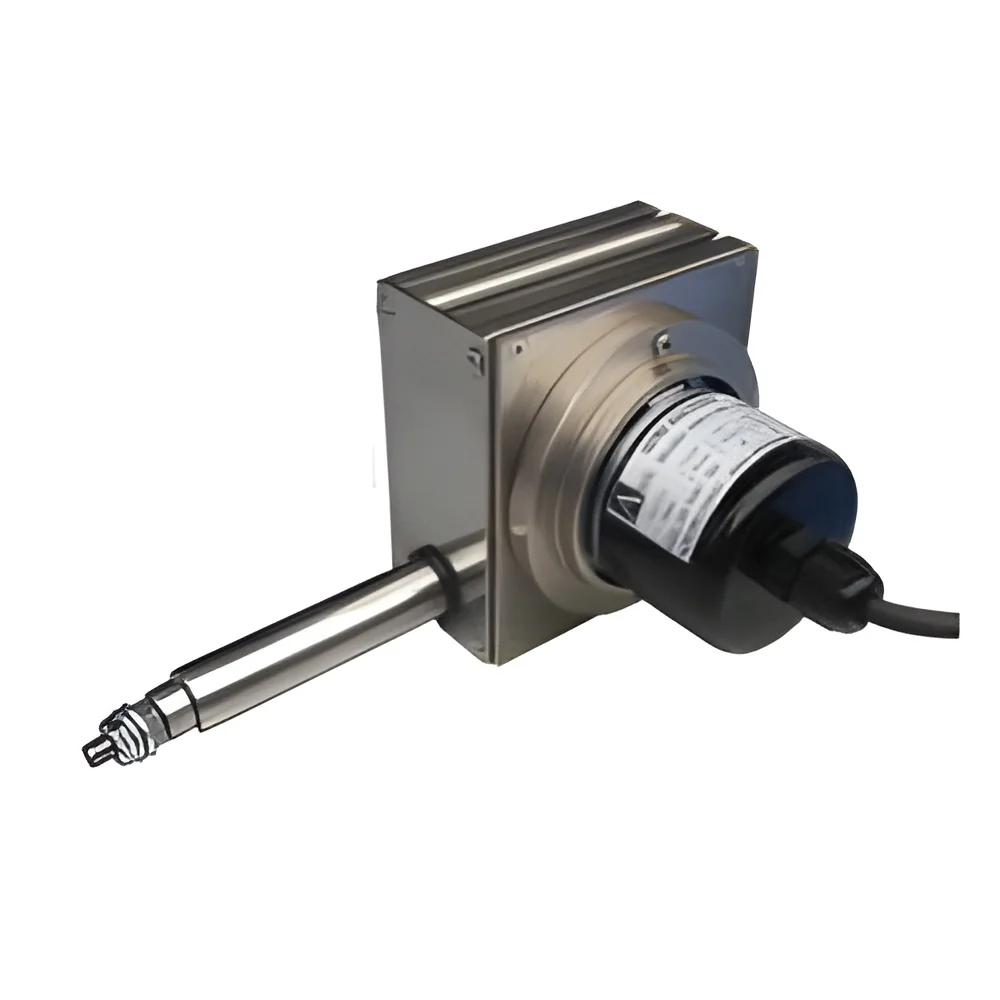
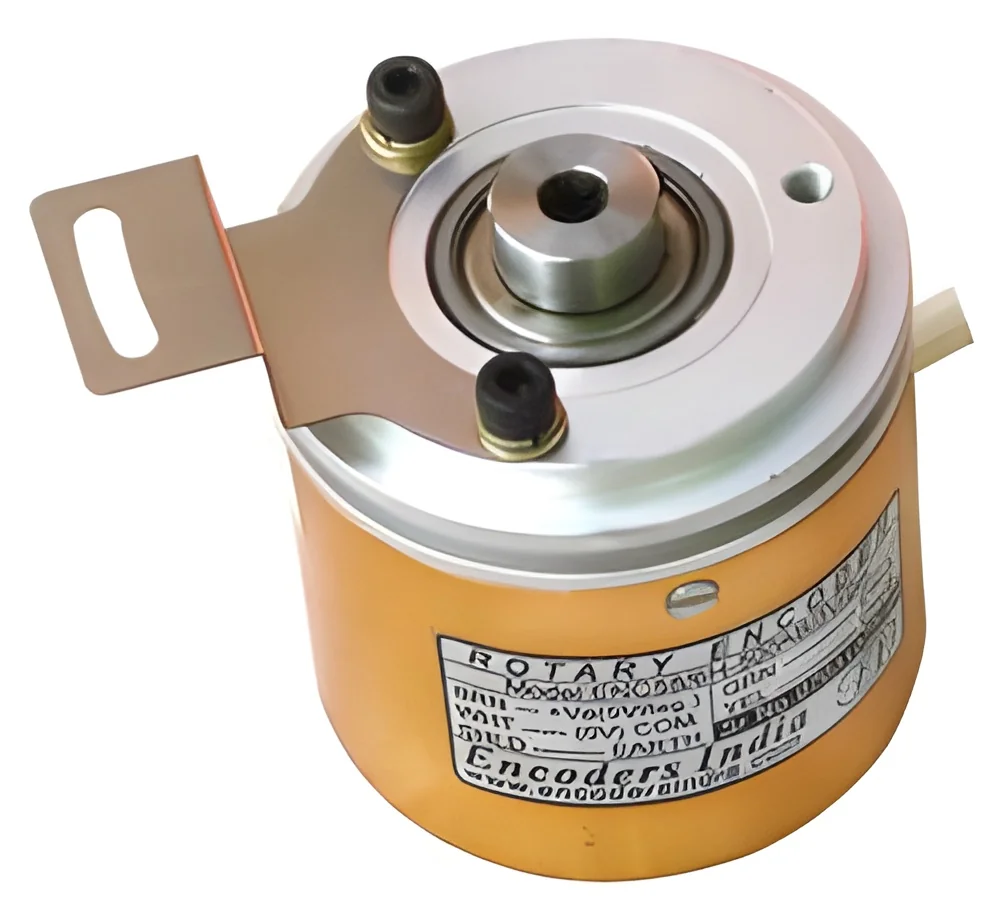
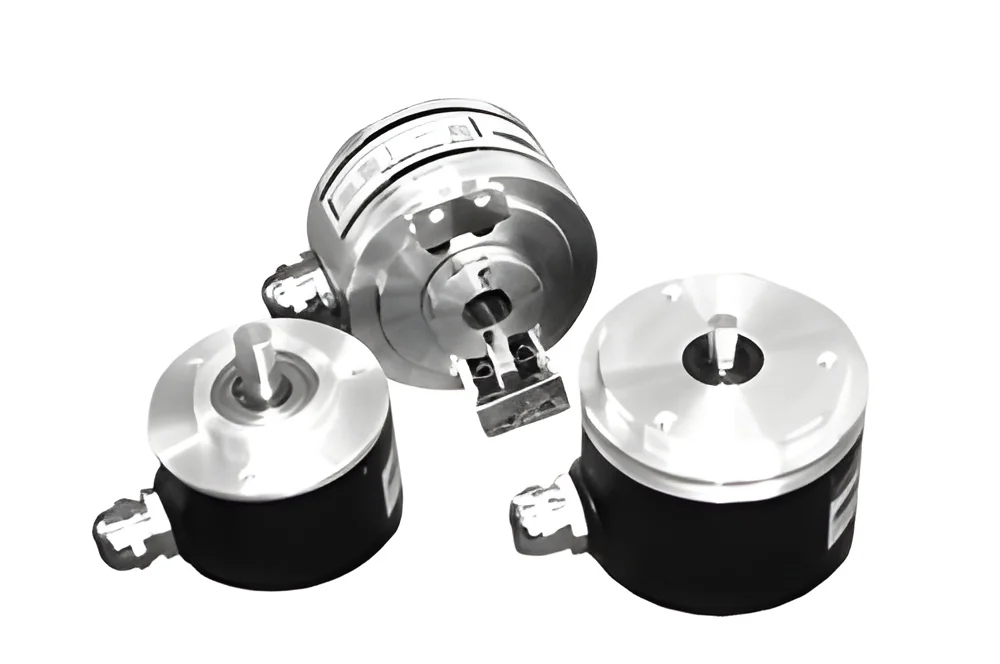
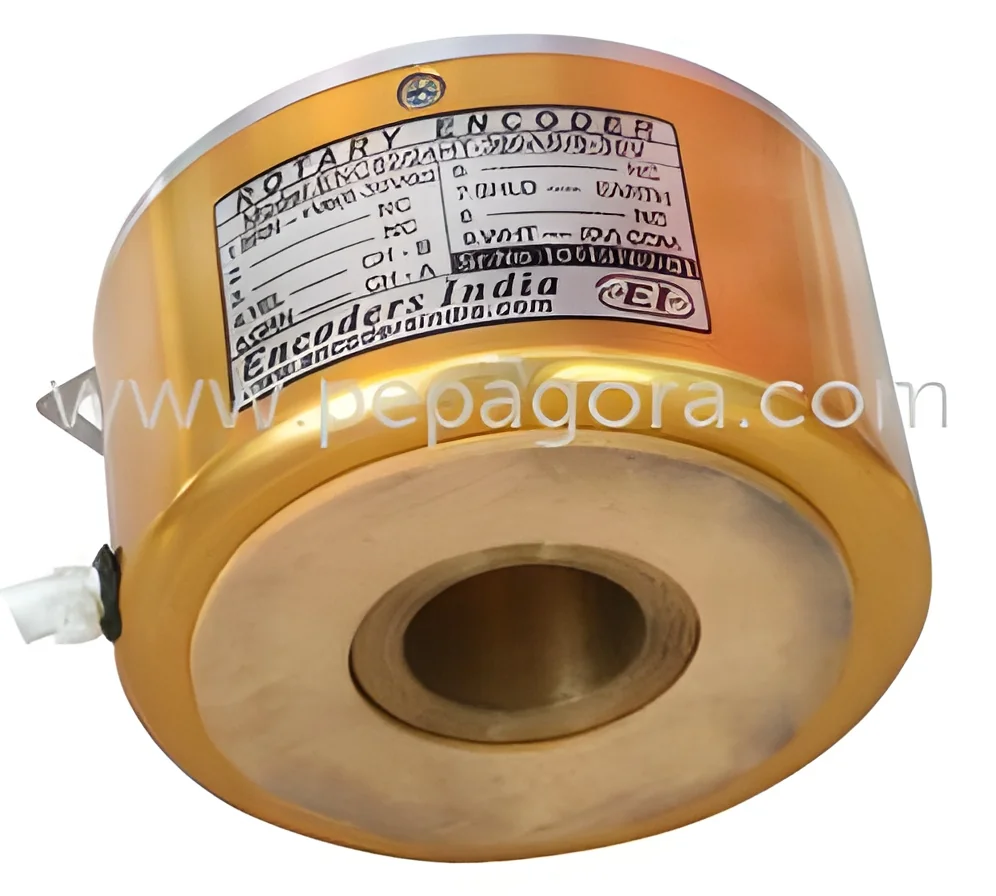
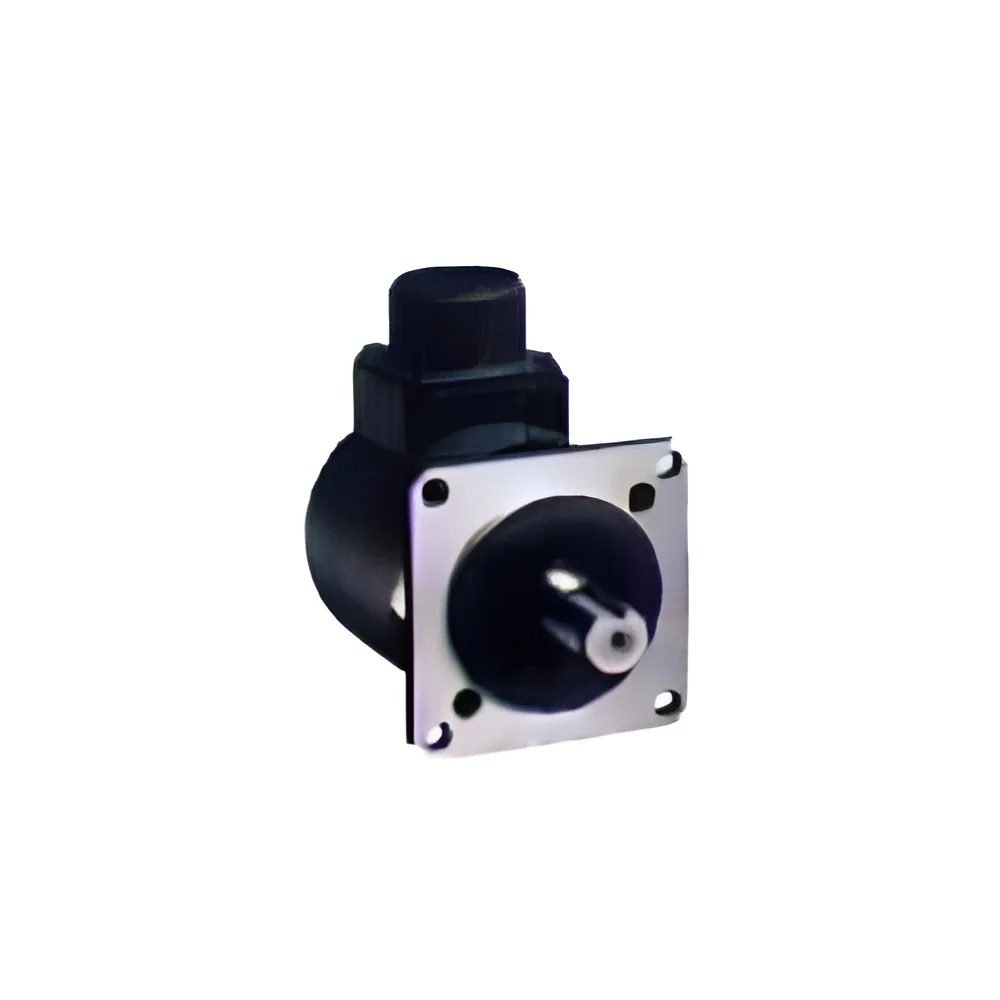
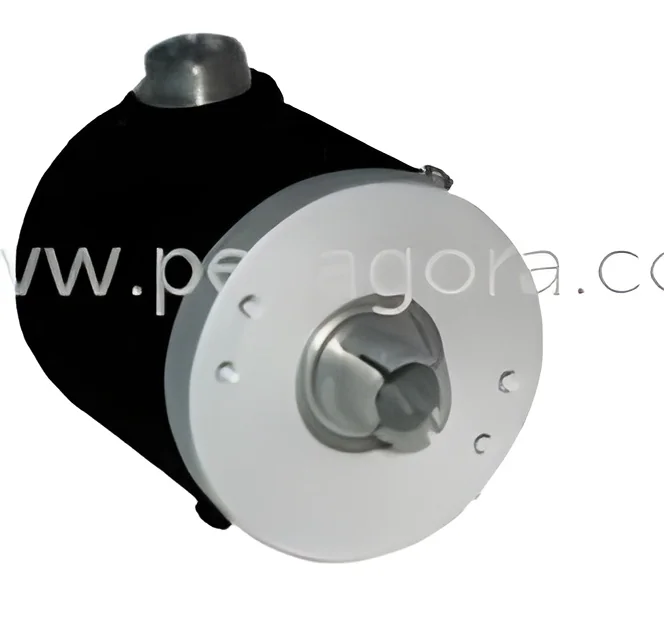
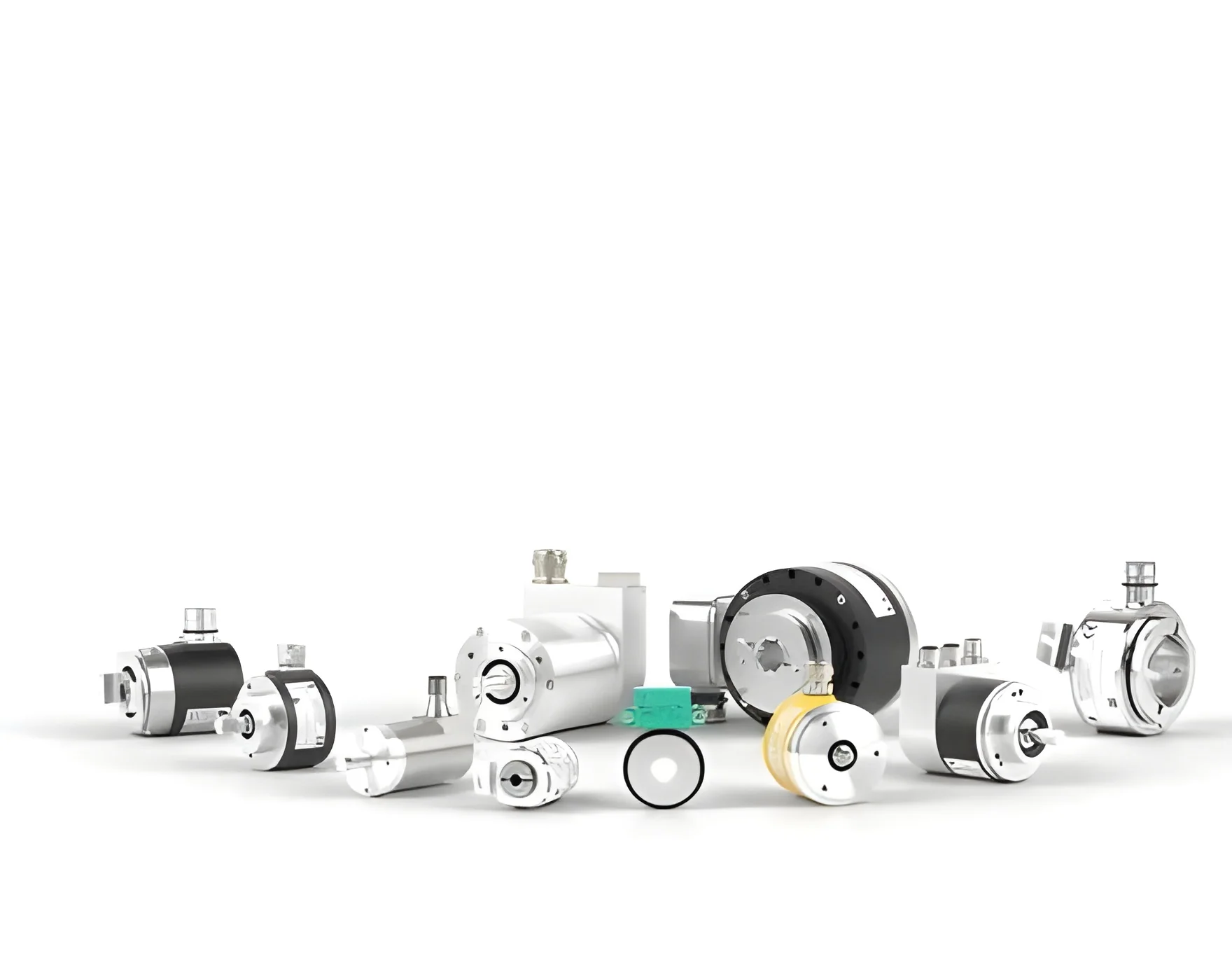
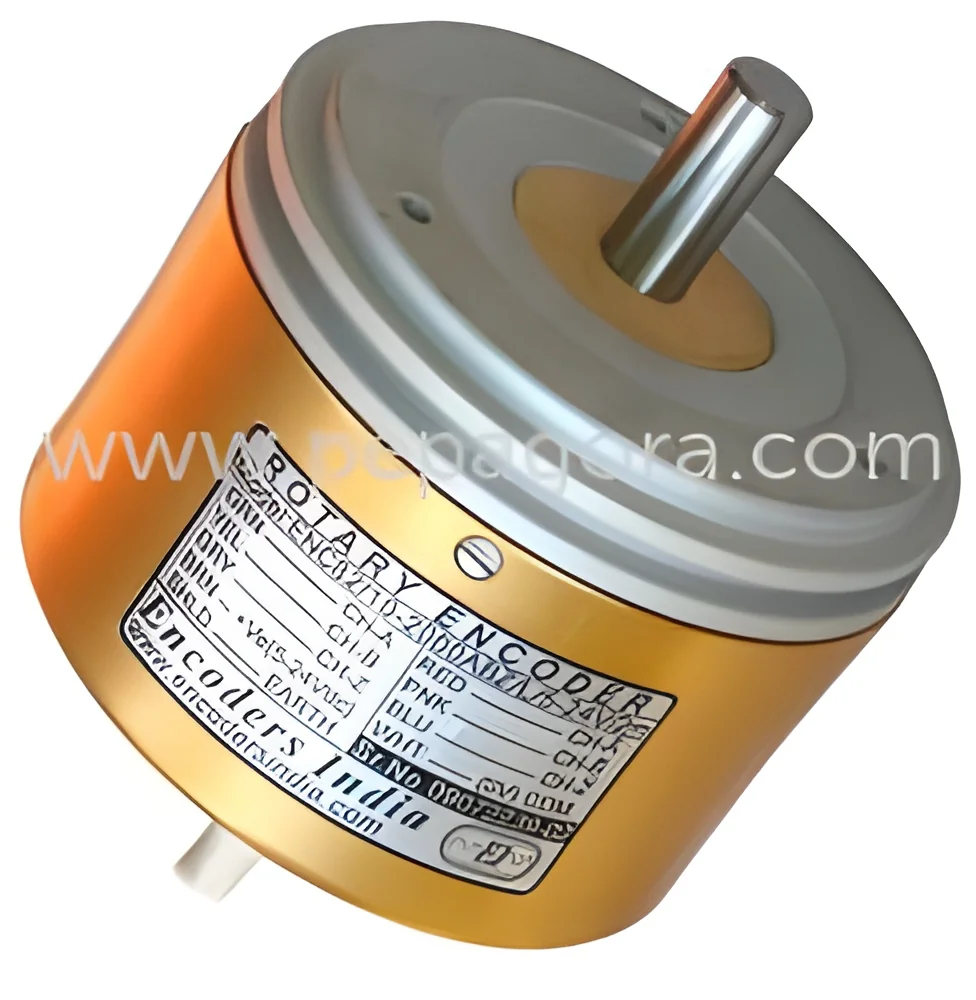
What are Encoders & Tachometers?
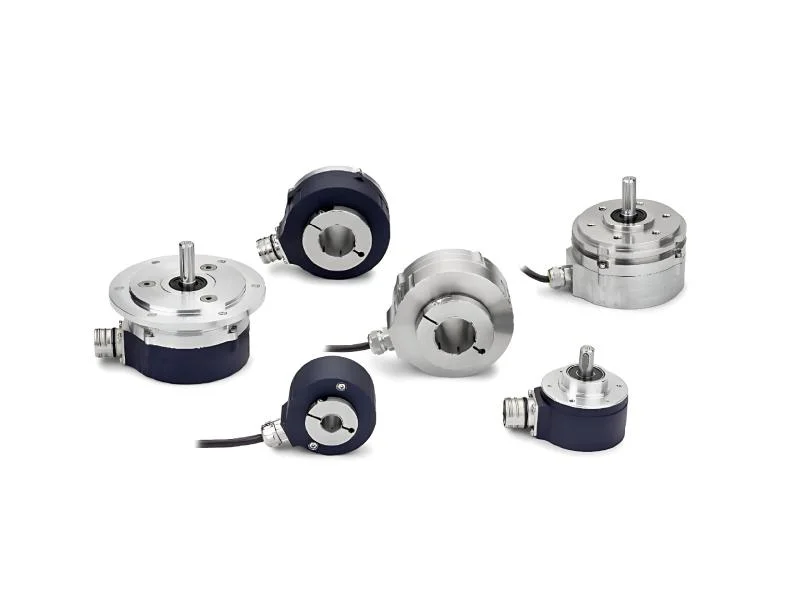
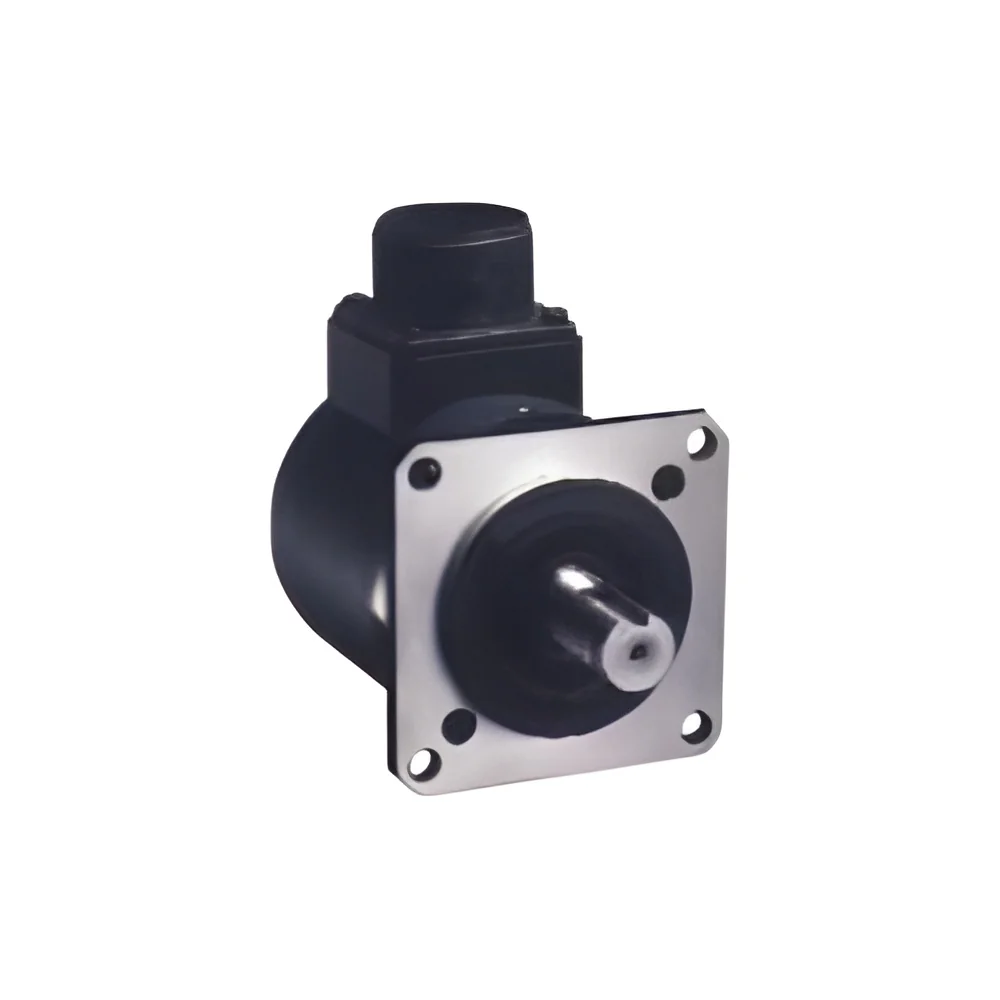
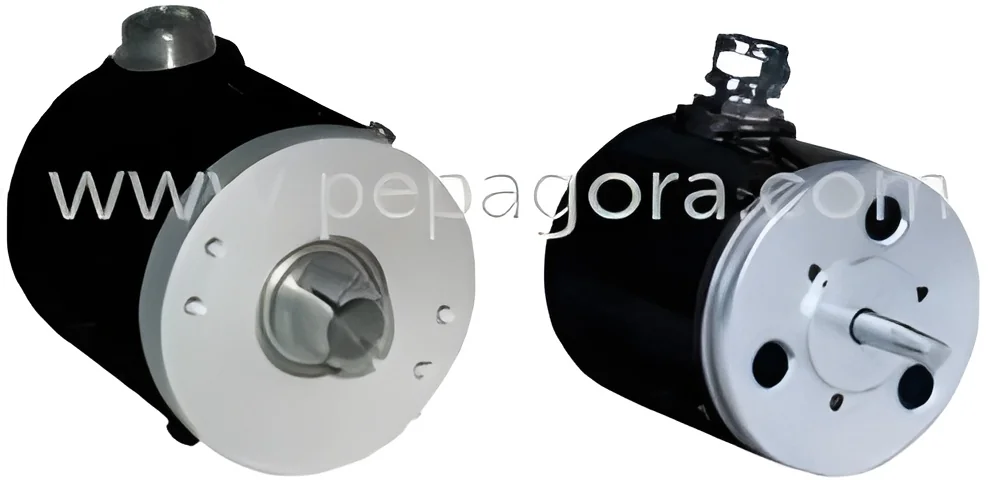
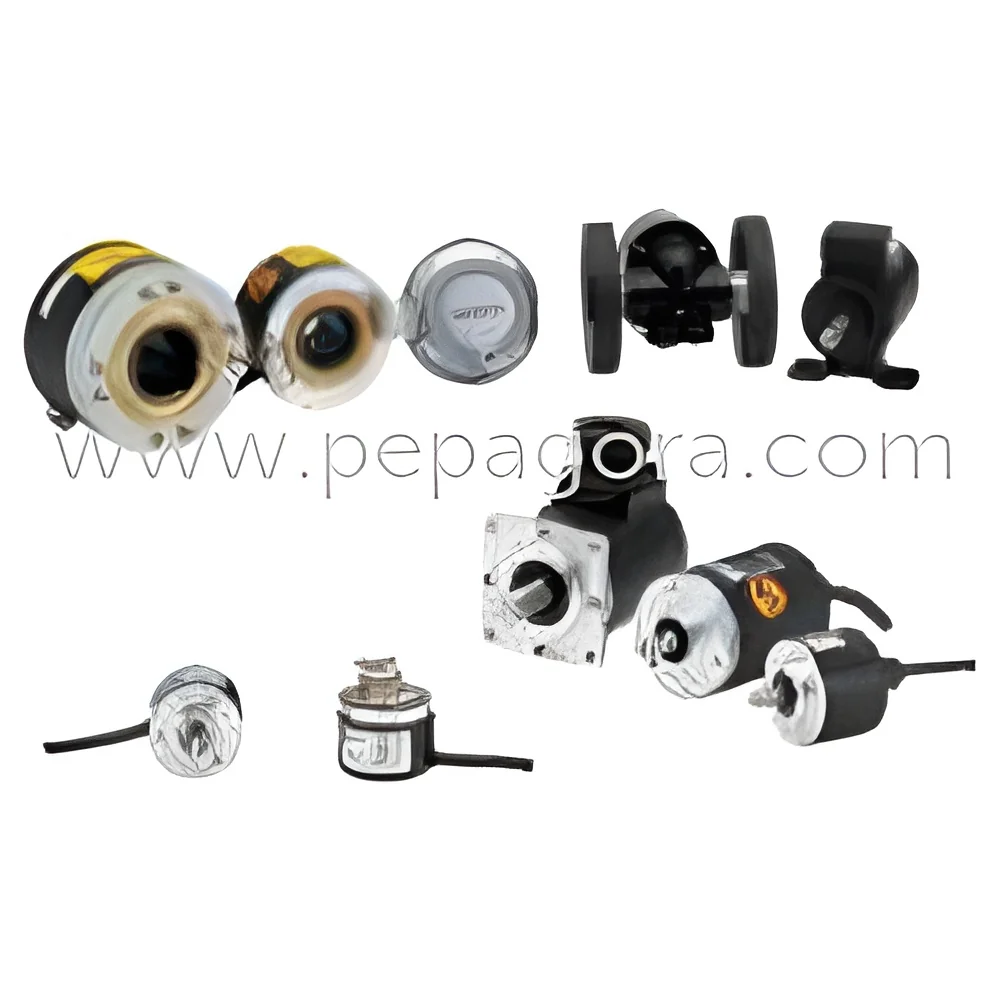
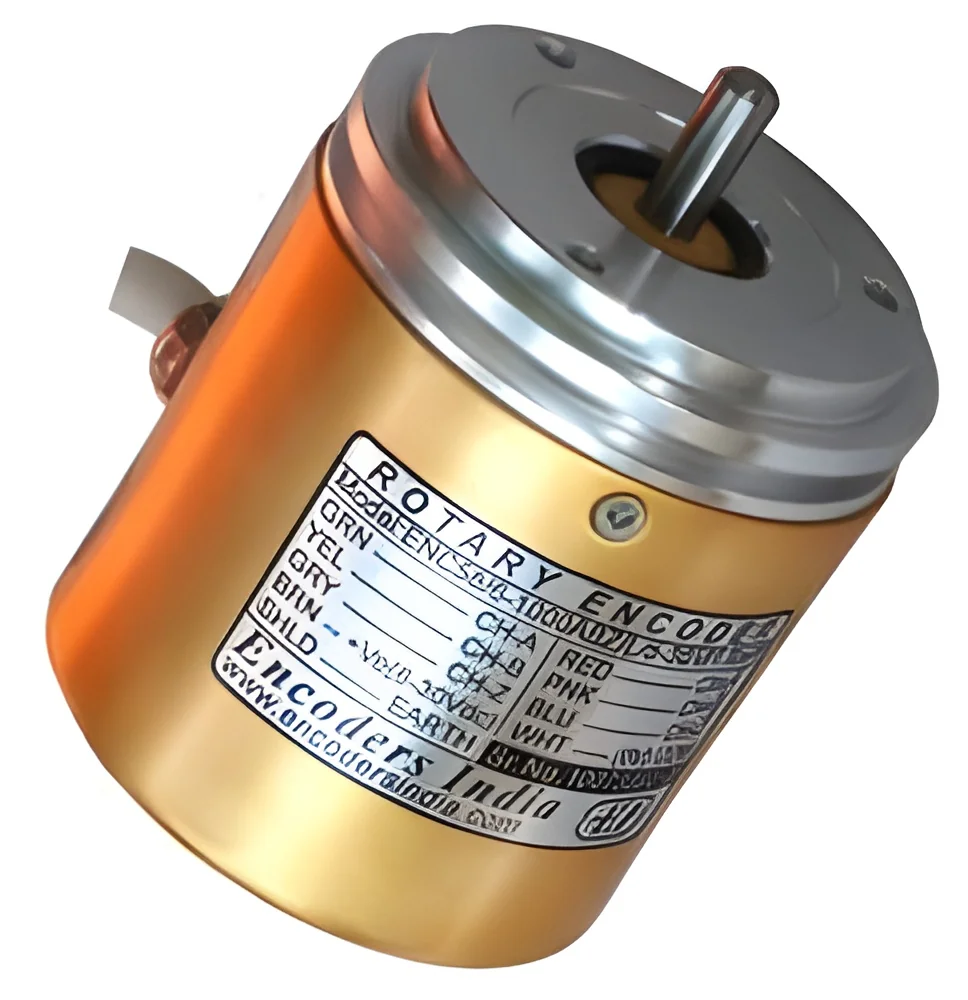
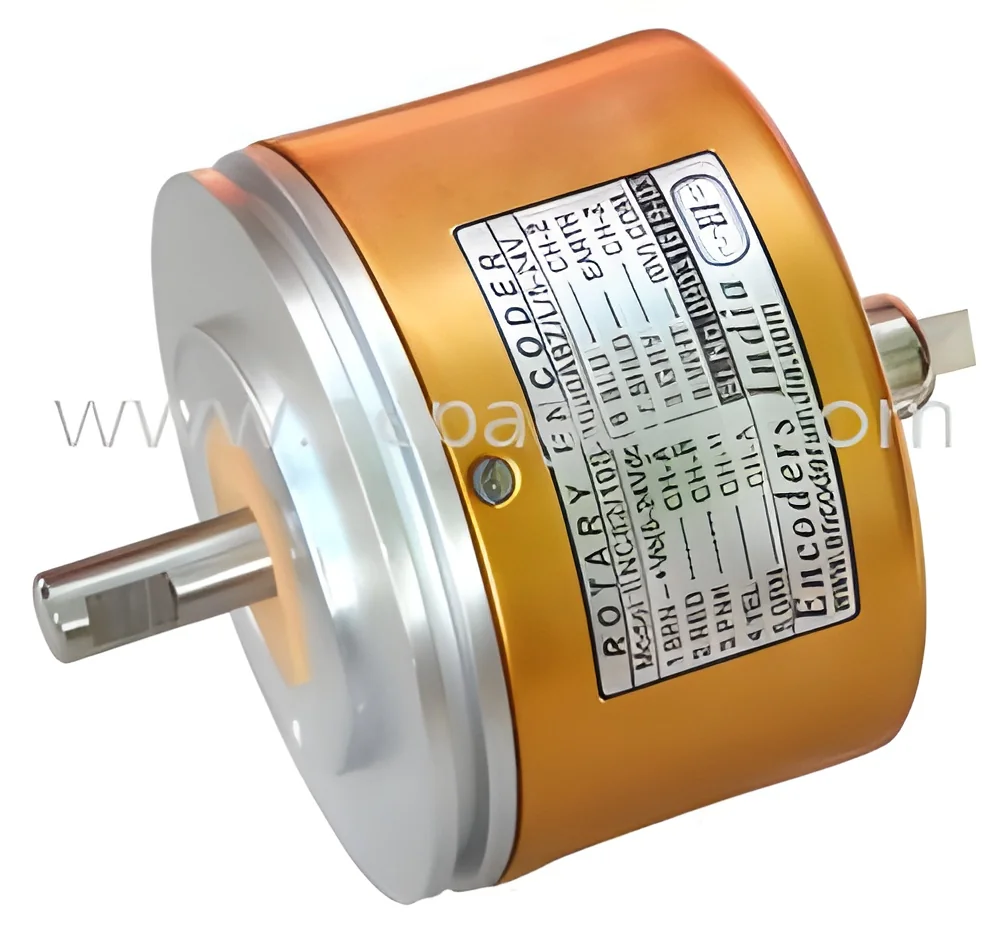
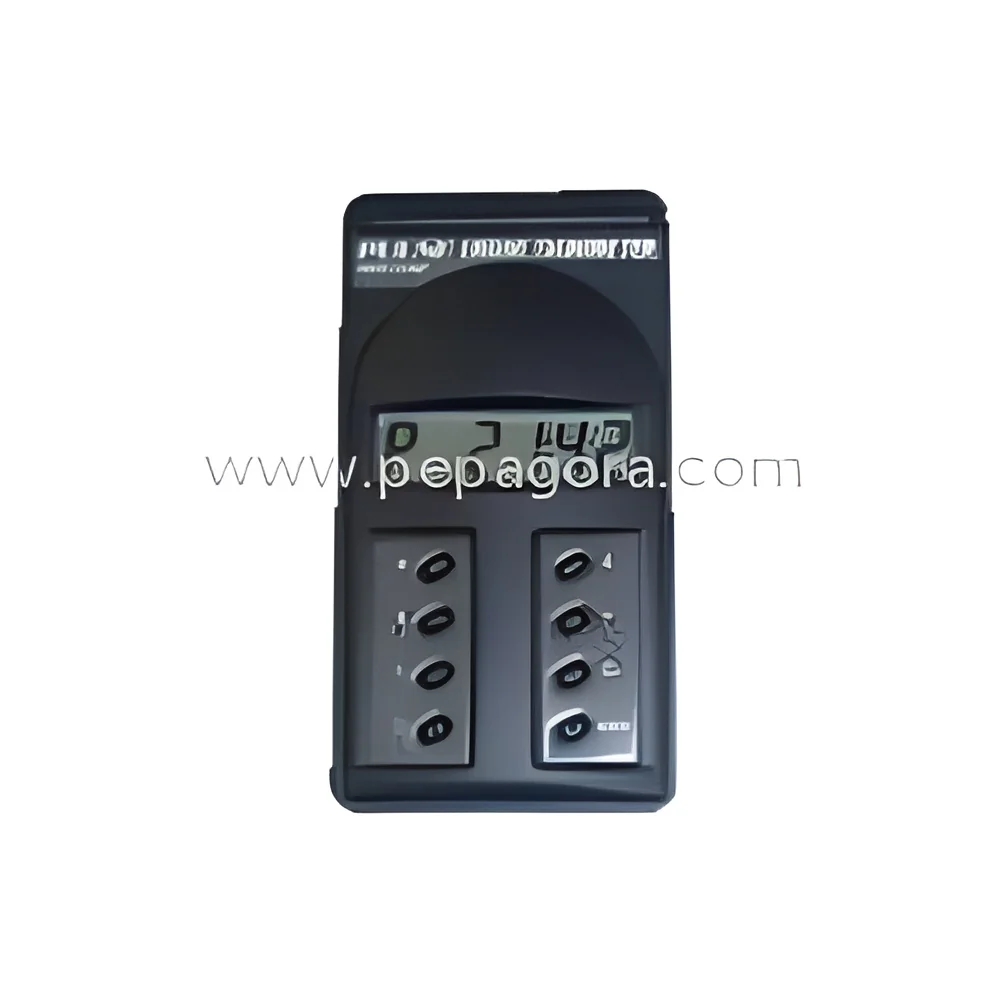
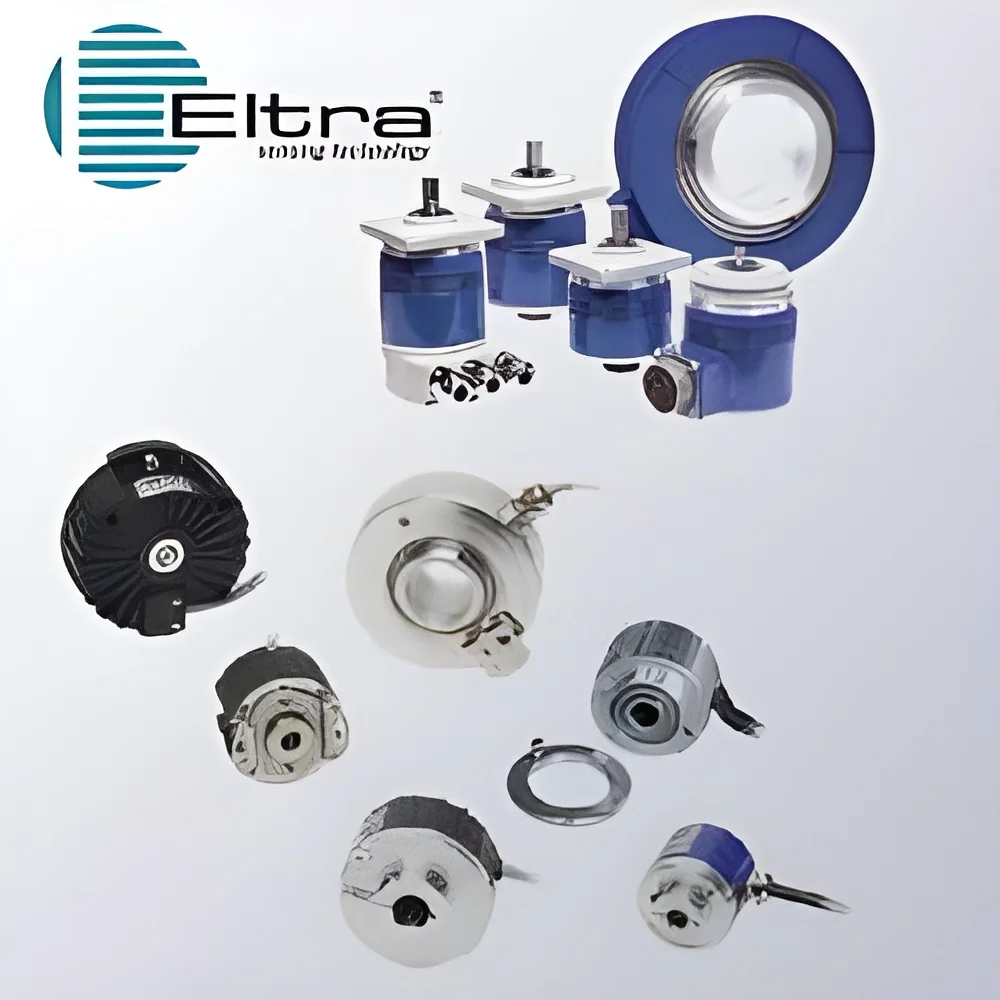
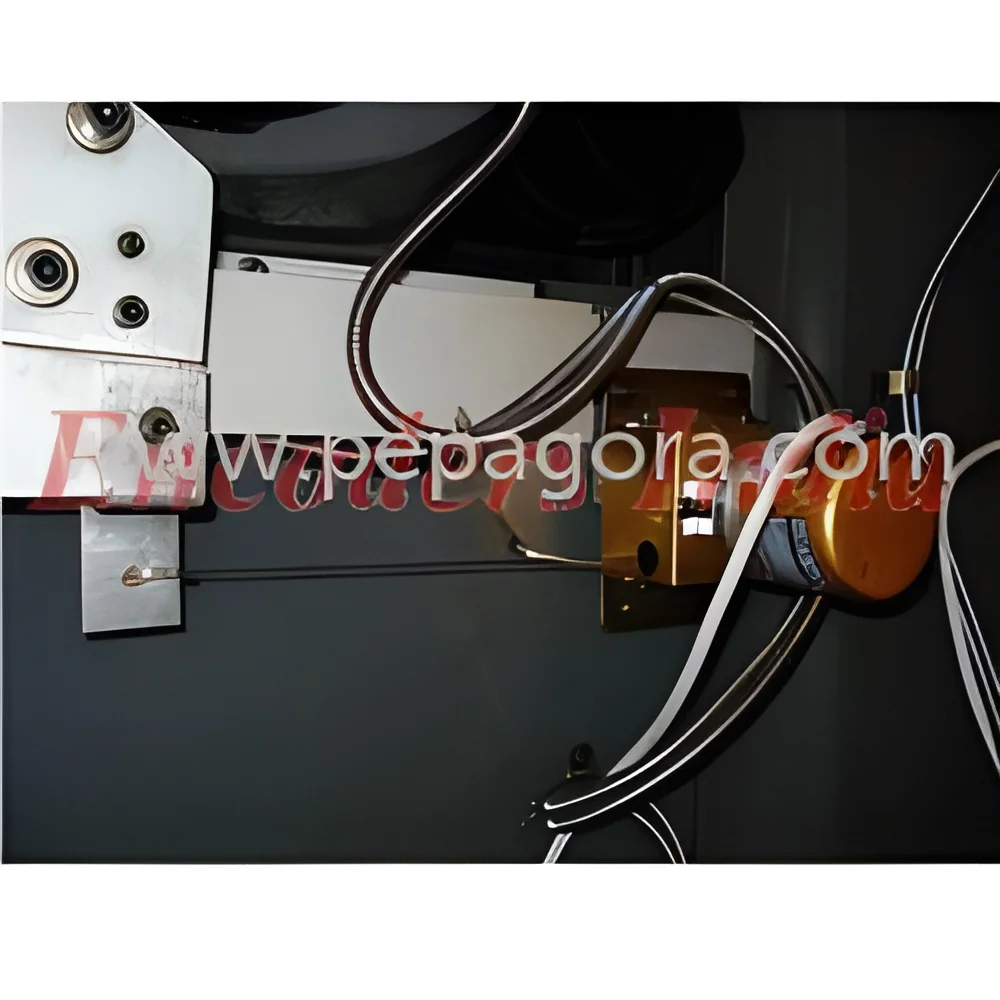
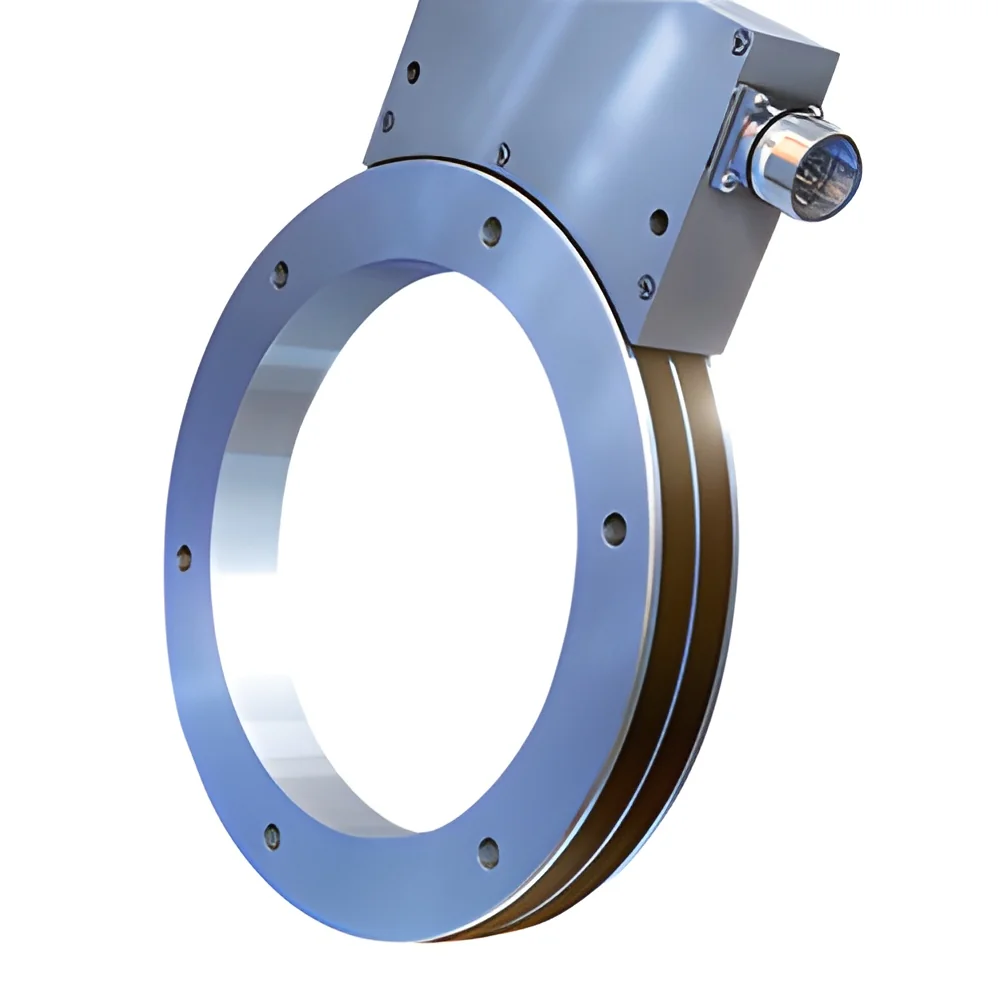
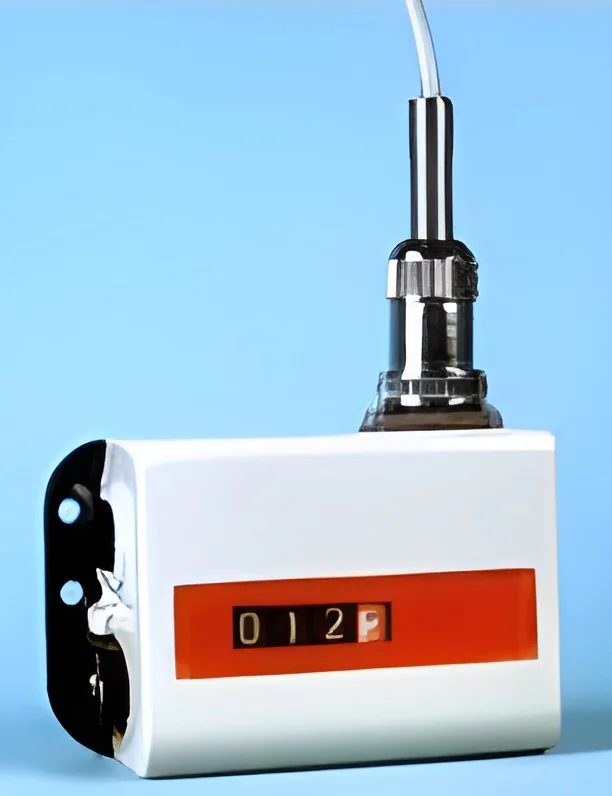
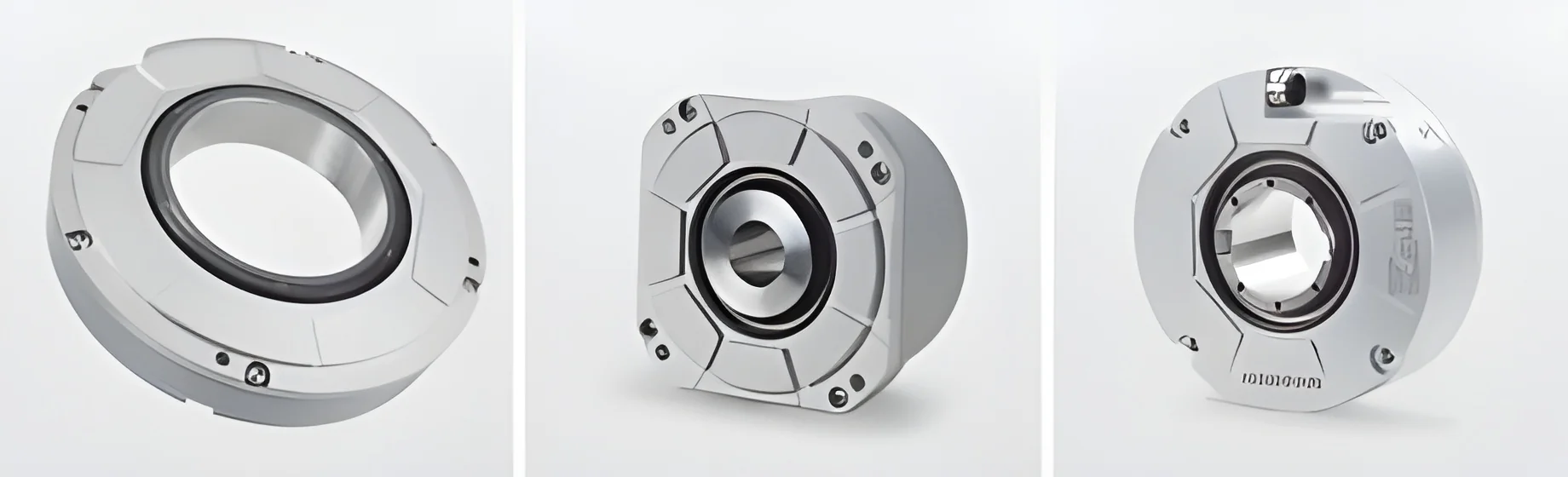
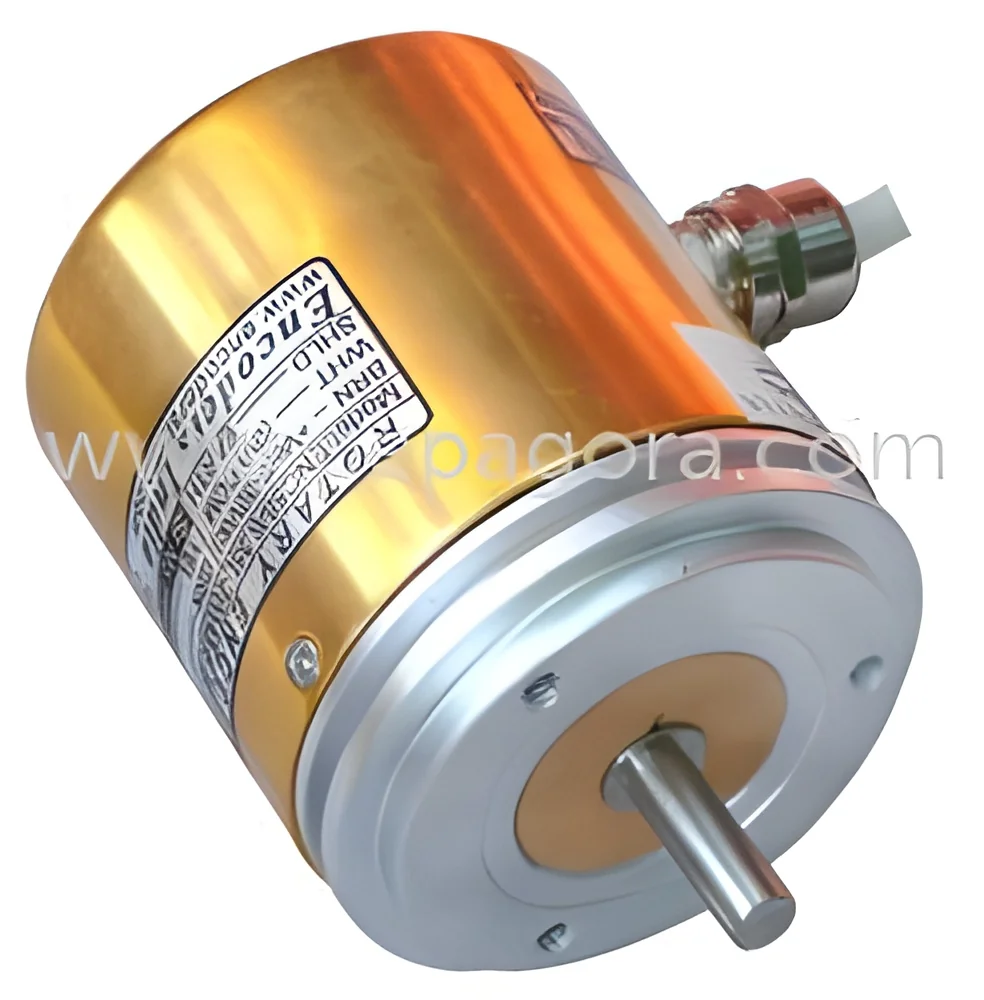
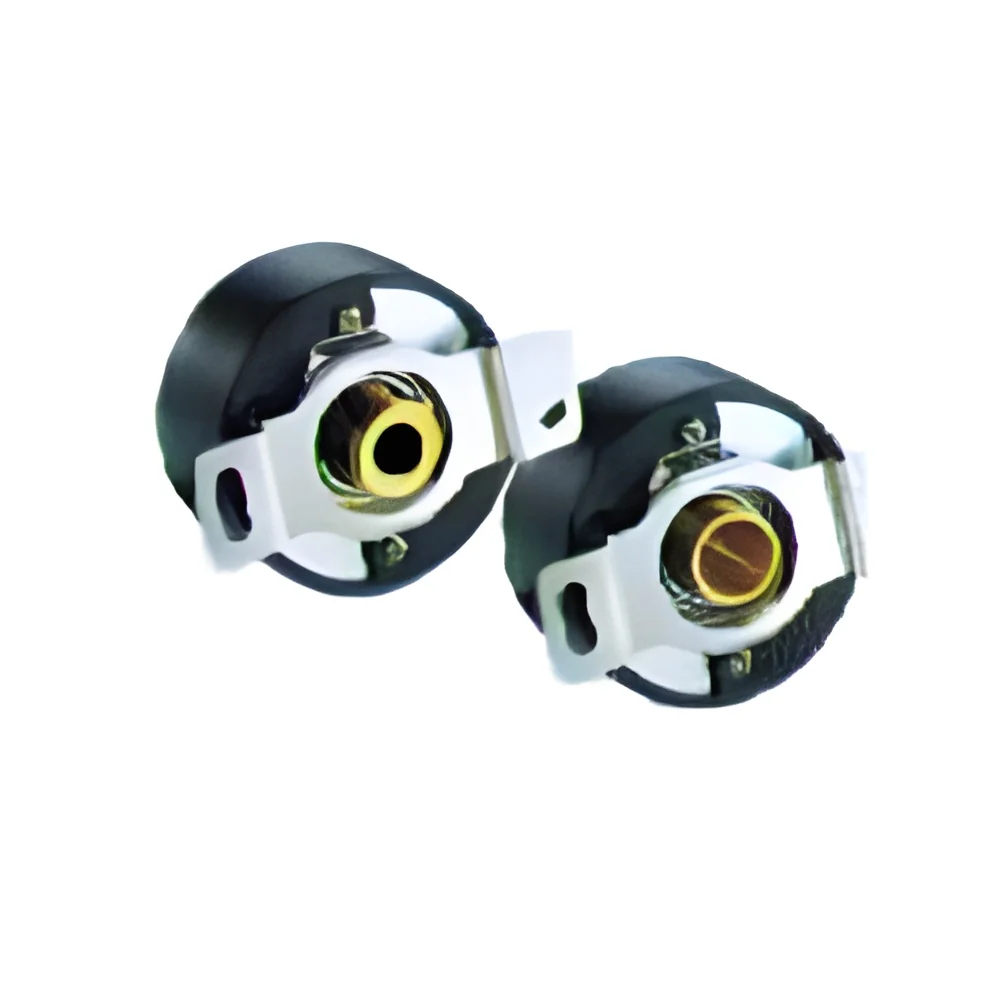
Encoders and tachometers are essential devices used in various industrial applications to measure and monitor rotational position, speed, and direction of movement. Encoders convert the rotational position of a shaft into an electrical signal, enabling precise control and automation in machinery. Tachometers, on the other hand, measure the rotational speed of an object, typically in revolutions per minute (RPM), providing critical feedback for system performance.
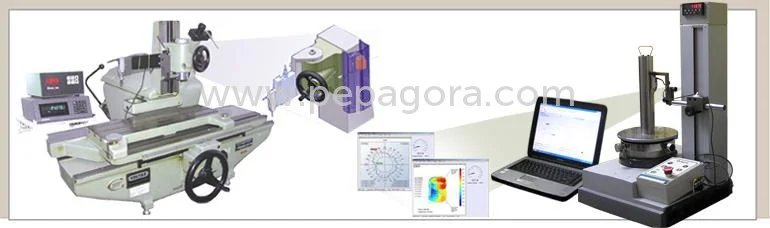
These devices find numerous applications across different sectors, including manufacturing, robotics, automotive, and aerospace. In manufacturing, encoders and tachometers are used in conveyor systems, CNC machines, and robotic arms to ensure accurate positioning and speed control. Their ability to provide real-time data makes them invaluable for enhancing operational efficiency and reducing downtime in production processes. The growing demand for automation across industries further underscores their relevance in the market, driving innovation and development in encoder and tachometer technologies.
Key Features and Specifications
Encoders and tachometers come equipped with various features and specifications that enhance their performance and usability. These specifications are vital for ensuring the right device is chosen for specific applications.
Key specifications include:
1. Encoder Type
- Incremental or absolute encoders, each serving different application needs.
- Incremental encoders provide relative position data while absolute encoders deliver a unique position value.
2. Resolution
- Measured in pulses per revolution (PPR) for encoders, indicating the level of detail in position measurement.
- Higher resolution leads to more precise control in applications.
3. Output Signal
- Common output types include analog, digital, and quadrature signals.
- Compatibility with existing systems is crucial for seamless integration.
4. Power Supply
- Operating voltage ranges, typically from 5V to 30V DC.
- Ensures compatibility with various industrial environments.
5. Environmental Ratings
- IP ratings indicate the level of protection against dust and water ingress.
- Essential for use in harsh industrial settings.
6. Operating Temperature
- Devices may operate within specified temperature ranges, ensuring functionality in extreme conditions.
- Important for applications exposed to varying environmental factors.
7. Mounting Options
- Various mounting styles, such as shaft-mounted or panel-mounted, to suit different installation needs.
- Flexibility in installation enhances usability.
8. Certification
- CE certification ensuring compliance with European safety and health standards.
- Provides assurance of product quality and reliability.
In summary, understanding the key features and specifications of encoders and tachometers is essential for selecting the right product for specific industrial applications.
Common Applications and Use Cases
Encoders and tachometers are utilized across a wide range of industries, supporting various applications that require precise measurement and control.
1. Manufacturing: In factories, encoders are used in conveyor systems and assembly lines to monitor position and speed, optimizing workflow.
2. Robotics: Encoders play a critical role in robotic arms, providing feedback for precise movements and enabling complex tasks in automation.
3. Automotive: In vehicles, tachometers measure engine speed, allowing for better performance monitoring and control in automotive applications.
4. Aerospace: Encoders are used in aircraft systems for navigation and control, ensuring safety and accuracy in flight operations.
5. Industrial Automation: These devices are integral in automated systems, enabling seamless operation of machinery and equipment.
6. Printing: In printing presses, encoders are used to monitor the position of print heads, ensuring alignment and quality in printed materials.
7. HVAC Systems: Tachometers help in regulating fan speeds in heating, ventilation, and air conditioning systems, enhancing energy efficiency.
Product Variants and Subcategories
Encoders and tachometers come in various forms, each designed to meet specific application requirements. The diversity of these products allows businesses to choose the most suitable option for their needs.
Incremental Encoders: These encoders provide position data relative to a starting point. They are widely used in applications requiring continuous feedback on position changes, such as in robotic systems.
Absolute Encoders: Unlike incremental encoders, these provide a unique position value at any given time, making them ideal for applications where exact positioning is crucial, such as in CNC machinery.
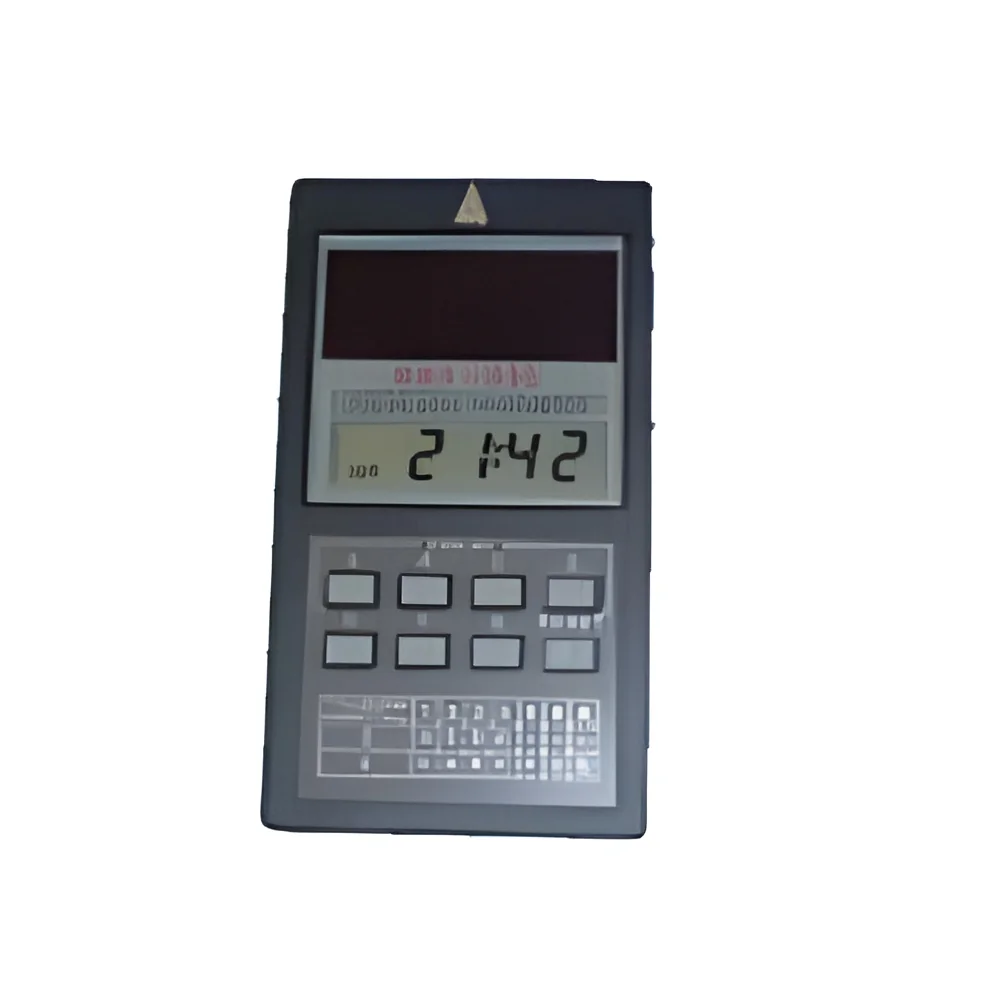
Tachometers: Available in analog and digital forms, tachometers measure the rotational speed of machinery. They are essential in monitoring engine speeds in automotive applications and motor control in industrial settings.
Benefits and Advantages
Using encoders and tachometers in industrial applications offers several advantages that contribute to efficiency and productivity.
1. Enhanced Accuracy: These devices provide precise measurements, allowing for better control and automation in various processes.
2. Improved Efficiency: By delivering real-time data, encoders and tachometers help optimize machine performance, reducing downtime and increasing productivity.
3. Versatile Applications: Their ability to adapt to various environments makes them suitable for numerous industries, from manufacturing to aerospace.
4. Reliability: High-quality encoders and tachometers are designed to withstand harsh conditions, ensuring long-term reliability and performance.
5. Cost-Effectiveness: Investing in these devices can lead to significant cost savings by minimizing errors and improving operational efficiency.
6. Simplified Maintenance: With accurate feedback on machine performance, maintenance can be scheduled more effectively, reducing unexpected breakdowns.
Buying Guide for B2B Buyers
When sourcing encoders and tachometers, several factors should be considered to make informed purchasing decisions.
1. Quality Assessment: Evaluate the quality of the products by checking for compliance with industry standards and certifications. Ensure that the devices are durable and reliable for long-term use.
2. Supplier Verification: Vet potential suppliers by checking their reputation, customer reviews, and prior experience in the industry. Ensure they have a proven track record of delivering quality products.
3. Pricing and MOQ: Compare prices among different suppliers and understand their minimum order quantities (MOQ). This helps in budgeting and ensures that you are getting competitive rates.
4. Delivery and Lead Times: Inquire about the lead times for delivery and ensure that the supplier can meet your timeline requirements. Timely delivery is essential for maintaining production schedules.
5. Compliance Requirements: Check if the products meet relevant regulatory requirements and safety standards applicable in your industry or region. Compliance ensures safety and reliability in operation.
Compliance and Certifications
Encoders and tachometers must adhere to various quality standards and certifications to ensure safety and reliability.
ISO 9001 is a widely recognized standard that indicates a commitment to quality management systems. Products that meet this standard demonstrate consistent quality and reliability in manufacturing processes.
Additionally, many encoders and tachometers carry CE certification, which signifies compliance with European health, safety, and environmental protection standards. This certification provides assurance to buyers regarding the quality and safety of the products.
Safety and testing requirements play a critical role in the manufacturing of these devices. Products are often subjected to rigorous testing to ensure they can operate effectively under specified conditions.
Regional compliance considerations are also essential, as different regions may have specific regulations governing the use of industrial devices. Buyers should be aware of these requirements to ensure compliance and avoid potential legal issues.
Why Source Encoders & Tachometers from Pepagora?
Pepagora provides a trusted platform for sourcing encoders and tachometers, offering several key advantages for B2B buyers.
Verified Supplier Network: Pepagora has a robust network of verified suppliers, ensuring that buyers have access to quality products from reputable sources. This verification process helps mitigate risks associated with purchasing.
Streamlined RFQ Process: The platform features a streamlined request for quotation (RFQ) process, allowing buyers to easily request and compare quotes from multiple suppliers. This efficiency saves time and facilitates better decision-making.
Trade Assurance and Support: Pepagora offers trade assurance and buyer protection, providing peace of mind during transactions. Buyers can feel confident knowing they are supported throughout the purchasing process.
Regional Coverage: Pepagora's reach extends across India, the GCC, and Southeast Asia, ensuring that buyers can access encoders and tachometers suited to their specific regional needs. This geographic coverage enhances convenience and accessibility for businesses looking to invest in these critical devices.

 IN
IN