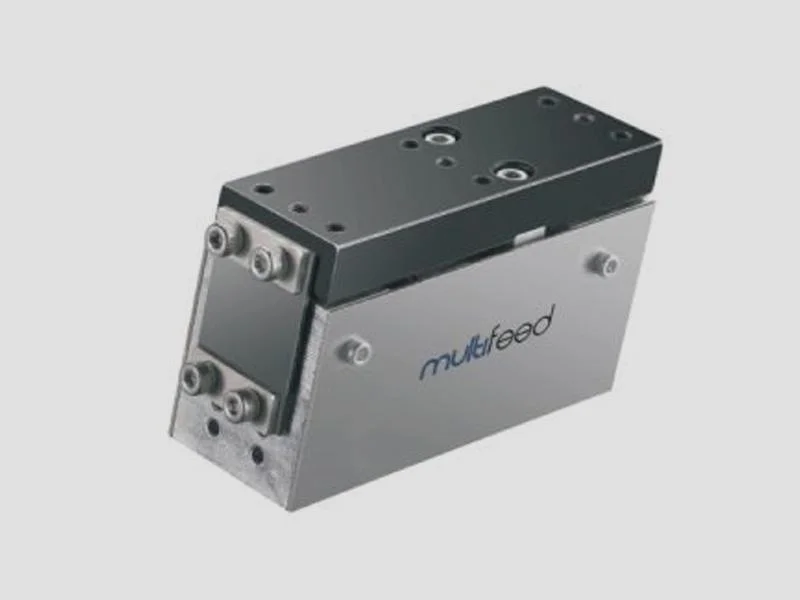
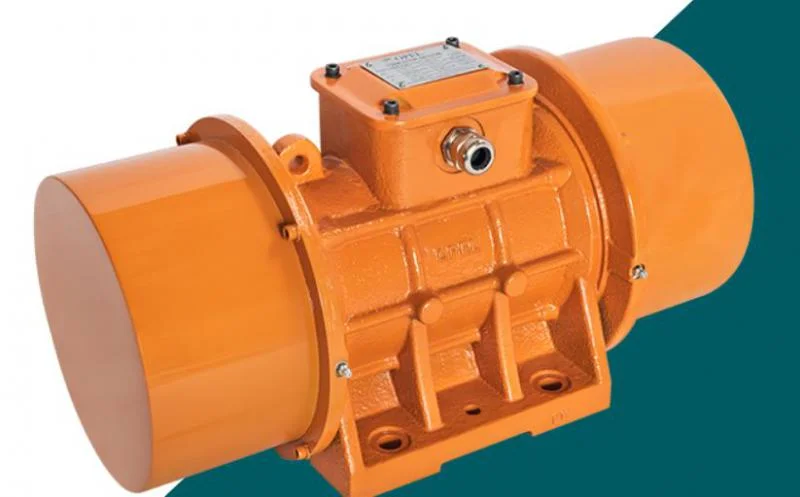
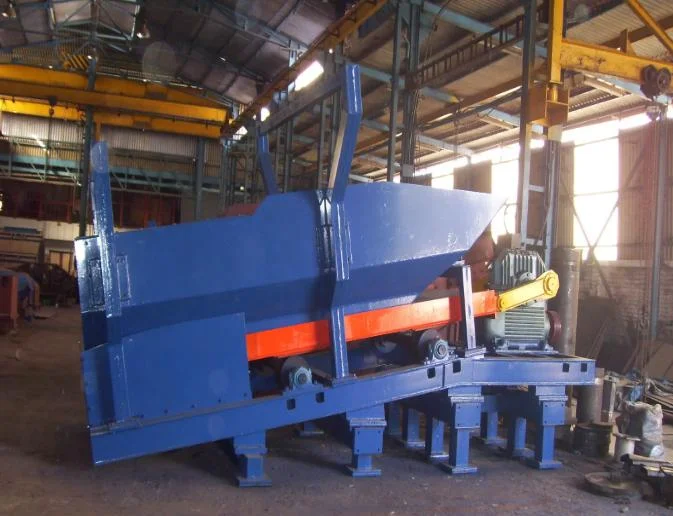
What are Flexible Feeders for Robotic Cells?
Flexible feeders for robotic cells are advanced automation solutions designed to supply components and parts to robotic systems. These feeders utilize adaptable and dynamic mechanisms that can handle various shapes and sizes of materials. By leveraging technologies such as vision systems and smart algorithms, they ensure accurate placement of items, enhancing the efficiency of robotic operations.
The primary uses of flexible feeders include assembly lines, packaging operations, and material handling in manufacturing environments. Businesses across sectors such as automotive, electronics, and consumer goods utilize these feeders to improve productivity and reduce manual labor costs. The flexibility of these systems allows for quick reconfiguration, making them ideal for environments where production needs frequently change.
In today's competitive market, flexible feeders are highly relevant as they support Industry 4.0 initiatives. Manufacturers are increasingly adopting automation solutions that enhance operational efficiency and adaptability. As companies strive to optimize production while reducing waste, flexible feeders play a crucial role in meeting these objectives.
Key Features and Specifications
Flexible feeders for robotic cells come with a range of features that enhance their functionality and adaptability. These specifications are critical for ensuring that the feeders meet the specific needs of various applications.
Key specifications include:
1. Component Handling Capability
- Designed to handle a wide variety of shapes and sizes
- Accommodates various weights and materials
2. Vision System Integration
- Equipped with cameras for precise part identification
- Enables real-time adjustments for improved accuracy
3. Speed and Throughput
- Capable of processing items at high speeds
- Optimizes production cycles and reduces bottlenecks
4. User-Friendly Interface
- Offers intuitive controls for easy operation
- Simplifies the setup and adjustment process
5. Durability and Maintenance
- Built with robust materials for long-lasting performance
- Requires minimal maintenance to ensure continuous operation
6. Customization Options
- Available in various configurations to meet specific requirements
- Supports tailored solutions for unique applications
7. Safety Features
- Includes safety mechanisms to protect operators
- Designed to comply with industry safety standards
In summary, these features and specifications showcase the versatility and efficiency of flexible feeders, making them integral to modern manufacturing processes.
Common Applications and Use Cases
Flexible feeders for robotic cells are utilized in a diverse range of industries to streamline operations and enhance productivity.
1. Automotive Industry: Flexible feeders are employed in assembly lines to automate the handling of components like screws, brackets, and sensors, ensuring quick and accurate placement.
2. Electronics Manufacturing: In this sector, flexible feeders manage delicate components such as circuit boards and connectors, reducing the risk of damage while maintaining high throughput.
3. Consumer Goods: Flexible feeders assist in the packaging process by efficiently supplying items like bottles and boxes for automated filling and sealing operations.
4. Pharmaceutical Sector: These feeders are used to handle small vials and medicines, ensuring precise placement while adhering to strict hygiene standards.
5. Food Processing: Flexible feeders help automate the sorting and packaging of food items, improving efficiency and consistency in production lines.
6. Aerospace Manufacturing: In aerospace, they are utilized to manage complex components, offering precision and reliability in assembly processes.
Product Variants and Subcategories
Flexible feeders for robotic cells come in various configurations, each designed to cater to specific needs and applications.
Robotic Vision Feeders
These feeders integrate advanced vision technology to identify and sort components accurately. They are ideal for applications requiring high precision, such as electronics assembly.
High-Speed Feeders
Designed for rapid processing, these feeders optimize throughput in fast-paced environments. They are perfect for industries needing quick turnarounds, such as automotive and consumer goods.
Customizable Feeders
These feeders offer extensive customization options to meet unique application requirements. They can be tailored to handle specific materials and dimensions, making them versatile for different industries.
Benefits and Advantages
Investing in flexible feeders for robotic cells offers numerous advantages for businesses looking to enhance their automation processes.
1. Increased Efficiency: Flexible feeders streamline operations by automating the feeding process, allowing for faster production cycles.
2. Cost Reduction: By minimizing manual labor and reducing errors, these feeders help lower operational costs over time.
3. Enhanced Flexibility: The adaptable nature of flexible feeders allows businesses to quickly switch between different products, accommodating changing production needs.
4. Improved Precision: With integrated vision systems, flexible feeders ensure accurate placement of components, reducing waste and increasing quality.
5. Easy Integration: These feeders can be seamlessly integrated with existing robotic systems, facilitating a smooth transition to automated processes.
6. Reliability: Built for durability, flexible feeders provide consistent performance with minimal downtime, ensuring uninterrupted production.
Buying Guide for B2B Buyers
When sourcing flexible feeders for robotic cells, it is essential for buyers to consider several key factors to ensure they make informed purchasing decisions.
1. Quality Assessment: Evaluate the quality of materials and construction. Look for suppliers that adhere to recognized industry standards to ensure reliable performance.
2. Supplier Verification: Vet potential suppliers by checking their reputation, client feedback, and certifications. A reliable supplier will have a proven track record in providing high-quality products.
3. Pricing and MOQ: Understand the pricing structure and minimum order quantities. Compare offers from different suppliers to find the best value for your investment.
4. Delivery and Lead Times: Consider logistics and delivery options. Ensure that suppliers can meet your timelines to avoid delays in production.
5. Compliance Requirements: Confirm that the feeders comply with relevant regulations and industry standards. This includes safety certifications and quality assurance measures.
Compliance and Certifications
Compliance with industry standards is critical for ensuring the quality and safety of flexible feeders for robotic cells. Many manufacturers adhere to ISO 9001, which focuses on quality management systems to enhance customer satisfaction.
In addition, certifications such as CE indicate that products meet European health, safety, and environmental protection standards. These certifications provide assurance that the feeders have undergone rigorous testing and comply with applicable regulations.
Safety and testing requirements are also paramount. Manufacturers must demonstrate that their products are safe for use in industrial environments and meet specific operational guidelines. Regional compliance considerations may vary, so it is essential to be aware of local regulations when sourcing feeders.
Why Source Flexible Feeders for Robotic Cells from Pepagora?
Pepagora stands out as a trusted platform for sourcing flexible feeders for robotic cells, offering numerous advantages to businesses.
Verified Supplier Network: Pepagora has established a comprehensive network of verified suppliers. This ensures that buyers can trust the quality of the products they purchase and the reliability of the suppliers.
Streamlined RFQ Process: The platform simplifies the request for quotation (RFQ) process, allowing buyers to receive competitive pricing and detailed information quickly. This efficiency helps streamline procurement decisions.
Trade Assurance and Support: Pepagora provides trade assurance, ensuring buyer protection throughout the purchasing process. Their support team is available to assist with any inquiries or issues that may arise.
Regional Coverage: With a strong presence in India, the GCC, and Southeast Asia, Pepagora offers extensive geographical reach. This allows buyers to find local suppliers that can meet their specific needs efficiently.

 IN
IN