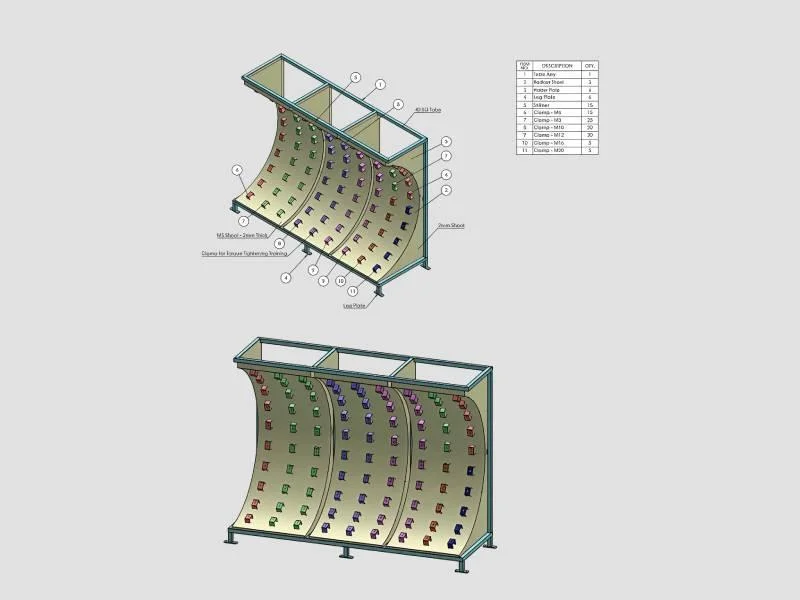
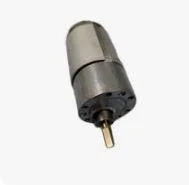
What are Torque Testing Equipment?
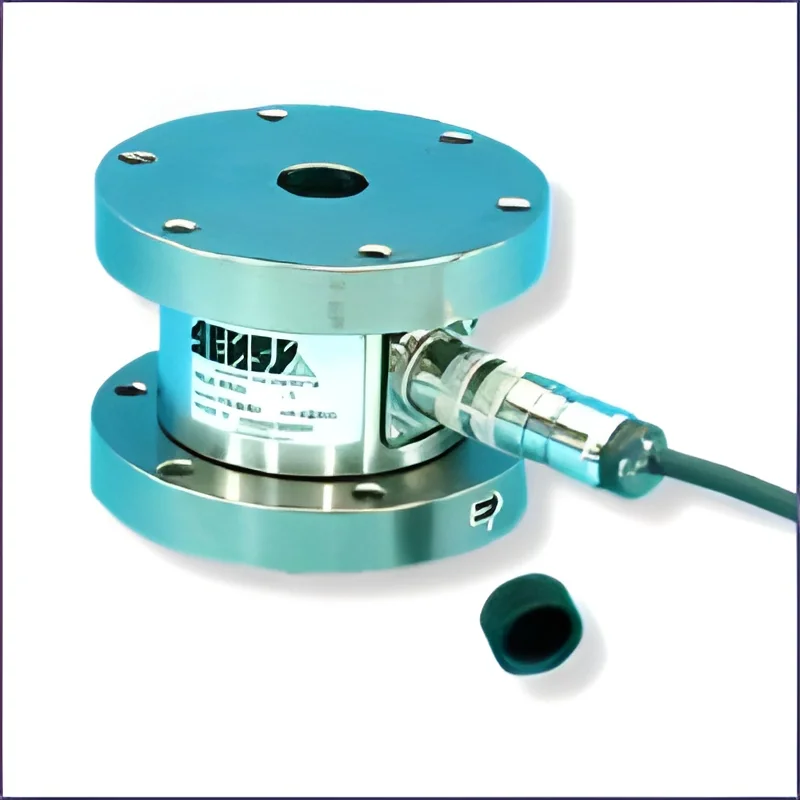
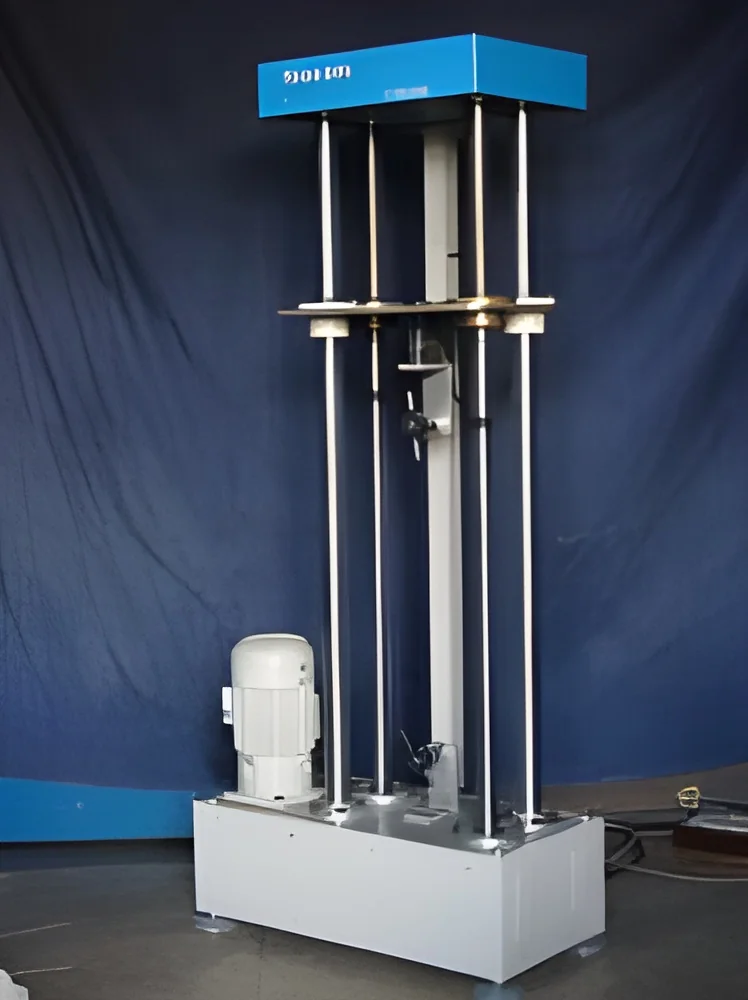
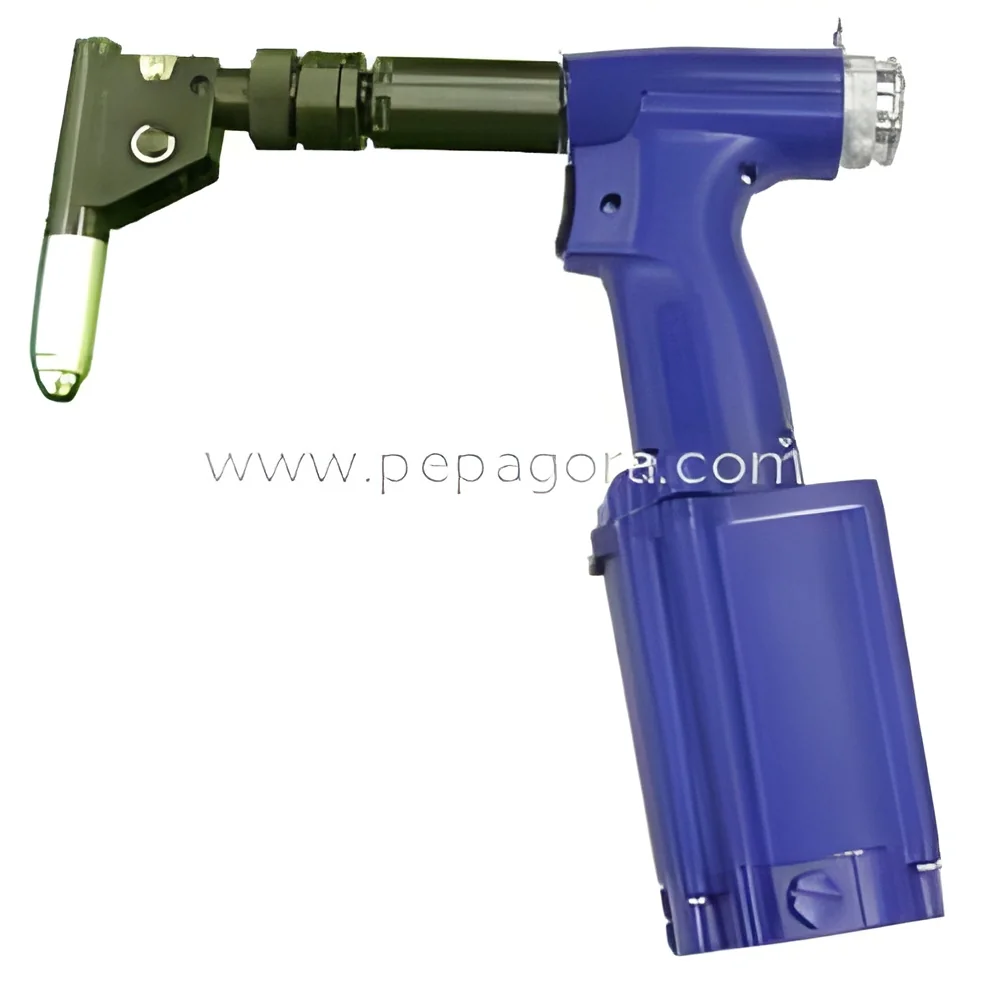
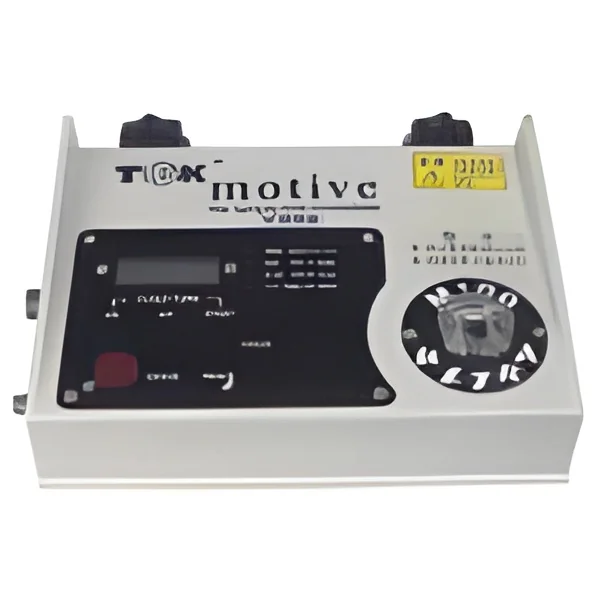
Torque testing equipment is specialized instrumentation designed to measure and verify the torque applied to various components during assembly and manufacturing processes. This equipment ensures that the correct amount of force is applied, which is crucial for maintaining the integrity and reliability of mechanical assemblies. By measuring torque accurately, businesses can prevent issues such as under-tightening or over-tightening, which can lead to product failure or safety hazards.
The primary applications of torque testing equipment span across numerous industries including automotive, aerospace, and manufacturing. In these sectors, torque testing is essential for quality control and product validation. For instance, in the automotive industry, it is vital for ensuring that bolts and screws on vehicles are tightened to manufacturer specifications. The relevance of torque testing is underscored by increasing regulatory standards and consumer safety demands, making it a critical tool for maintaining compliance and operational excellence in today's competitive market.
Key Features and Specifications
Torque testing equipment is characterized by several key features that enhance its functionality and usability. These specifications can vary widely depending on the model and intended application.
Key specifications include:
1. Measurement Range
- This specification defines the minimum and maximum torque values that the equipment can measure effectively.
- Typical ranges may extend from a few inch-pounds to thousands of inch-pounds.
2. Accuracy
- Accuracy indicates the degree of closeness of the measured value to the true value.
- Common accuracy ratings are within 1% to 5% of the full scale.
3. Data Output
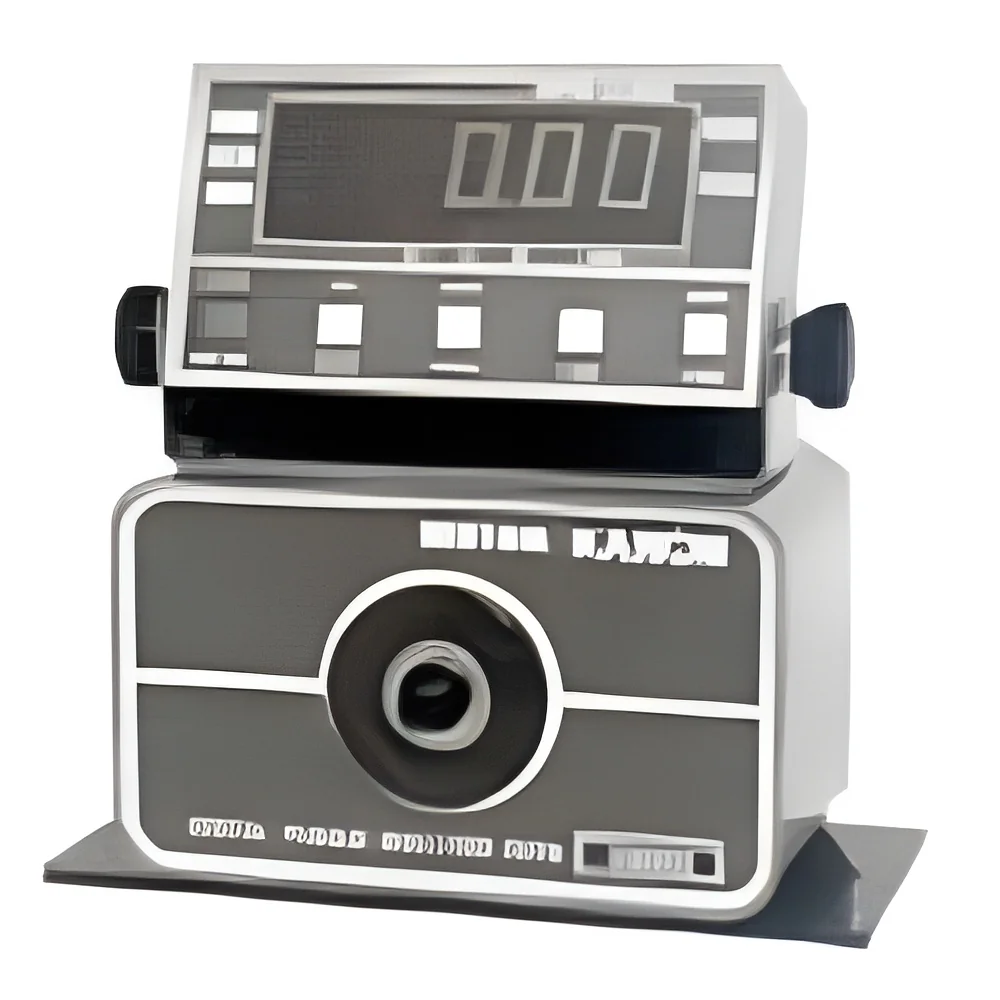
- Many torque testers provide data output options such as analog displays or digital interfaces.
- Some models feature connectivity options for data logging and analysis.
4. Calibration Frequency
- This refers to how often the torque equipment needs recalibration to maintain accuracy.
- Calibration intervals can vary, with many manufacturers recommending annual checks.
5. User Interface
- A user-friendly interface is crucial for ease of operation.
- Features may include touchscreen displays, simple navigation menus, and graphical data presentation.
6. Power Source
- Torque testing equipment can be powered by batteries or AC power.
- Battery-operated models offer portability, while AC-powered units may provide uninterrupted service.
7. Build Quality
- The construction material and design influence durability and reliability.
- Equipment may be made from high-grade metals and plastics to withstand industrial environments.
8. Environmental Considerations
- Some models are designed to operate under specific temperature and humidity conditions.
- This specification is essential for industries with stringent operational environments.
In summary, understanding these features and specifications is vital for selecting the appropriate torque testing equipment to meet specific testing needs.
Common Applications and Use Cases
Torque testing equipment finds a wide array of applications across different industries.
1. Automotive: In the automotive sector, torque testing is crucial for ensuring that engine components, wheels, and safety-critical parts are assembled correctly to prevent failures.
2. Aerospace: The aerospace industry employs torque testing to verify that fasteners in aircraft are tightened to precise specifications, ensuring safety and performance.
3. Manufacturing: Manufacturing lines utilize torque testing equipment to maintain quality control during assembly processes, ensuring that products meet industry standards.
4. Construction: In construction, torque testing is used to ensure that bolts and structural components are adequately secured, which is essential for safety and compliance.
5. Electronics: Electronics manufacturers use torque testing to ensure that components such as circuit boards are assembled with the correct force, which is vital for performance.
6. Medical Devices: In the medical device industry, torque testing helps ensure that devices are assembled safely and effectively, which is critical for patient safety.
7. Renewable Energy: The renewable energy sector, particularly in wind and solar energy installations, uses torque testing to ensure structural integrity and operational efficiency.
Product Variants and Subcategories
Torque testing equipment comes in various forms to cater to different applications and user needs.
Portable Torque Testers
These handheld devices are designed for on-site testing, offering convenience and ease of use. They are ideal for applications where mobility is essential, such as field inspections.
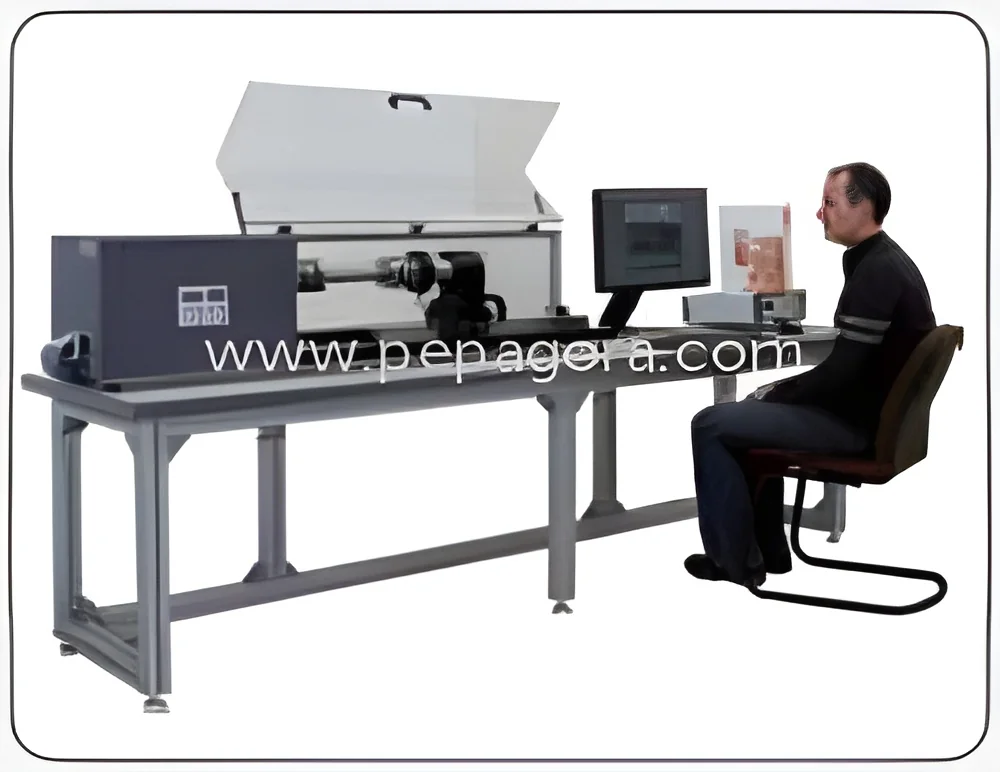
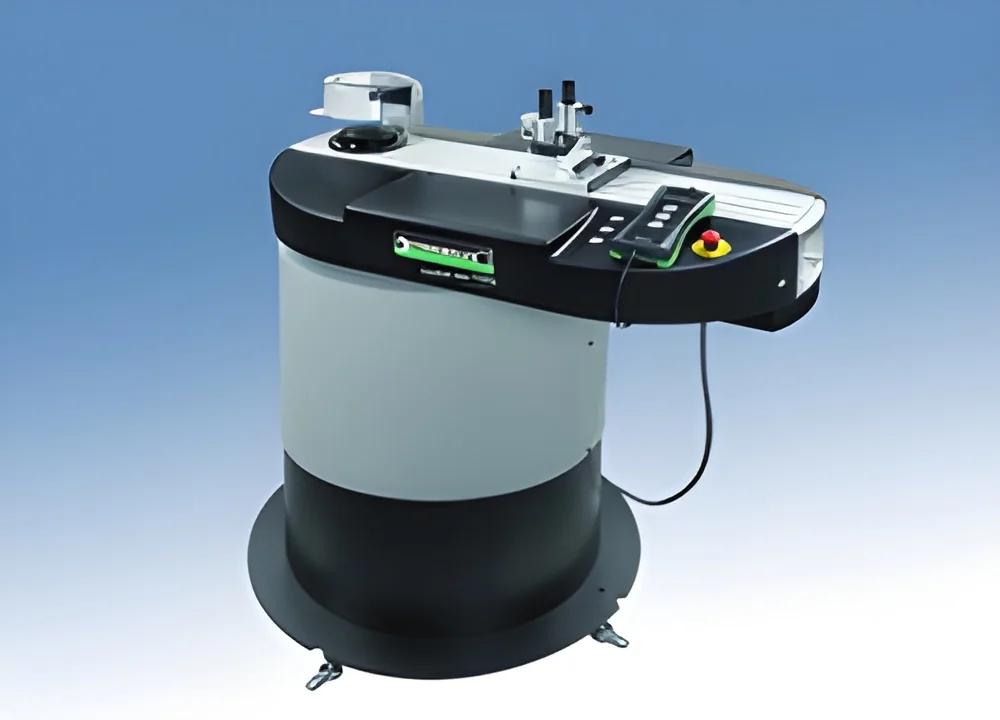
Bench-Mounted Torque Testers
These models are designed for laboratory or workshop environments, providing stable and precise measurements. They are suited for high-volume testing of components that require consistent torque application.
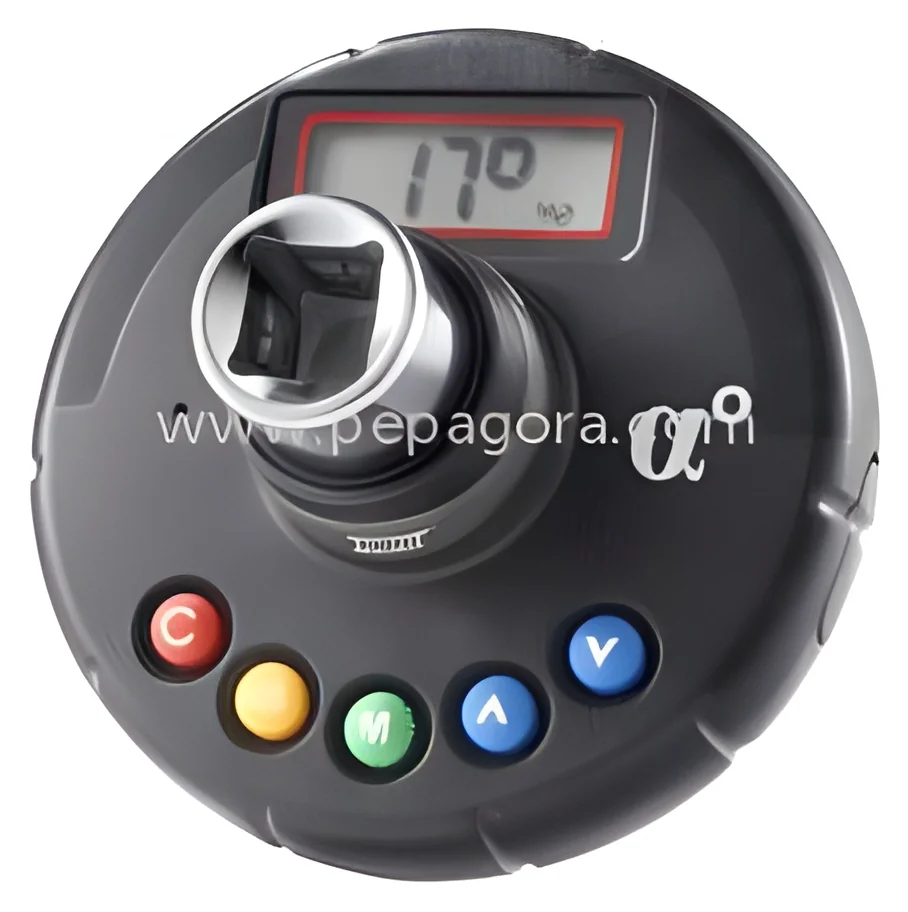
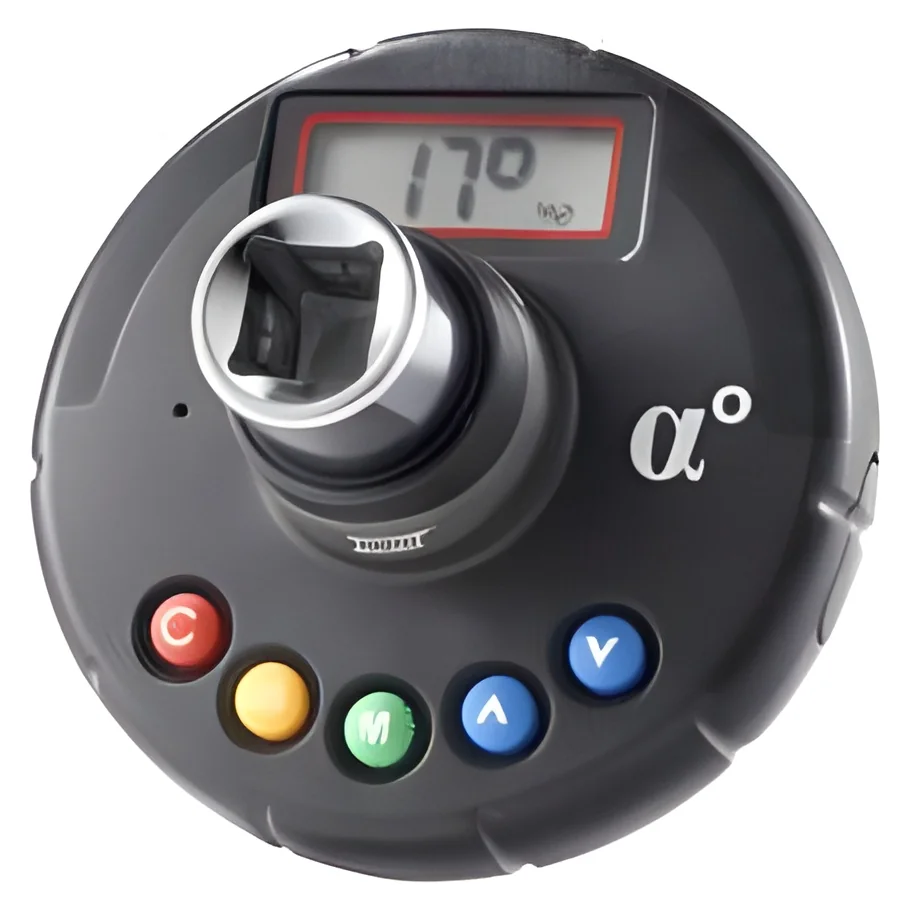
Digital Torque Wrenches
Digital torque wrenches combine torque measurement with an easy-to-read display. They are perfect for applications requiring precise adjustments with real-time feedback.
Mechanical Torque Wrenches
These traditional tools are designed for manual use with mechanical indicators. They are often preferred in situations where simplicity and reliability are key.
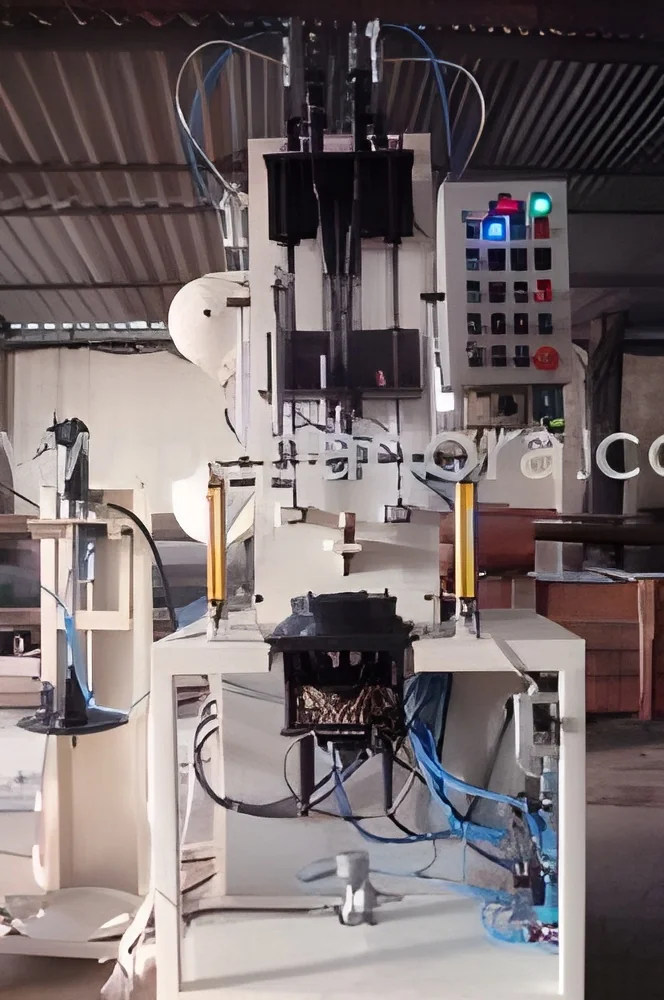
Automated Torque Testers
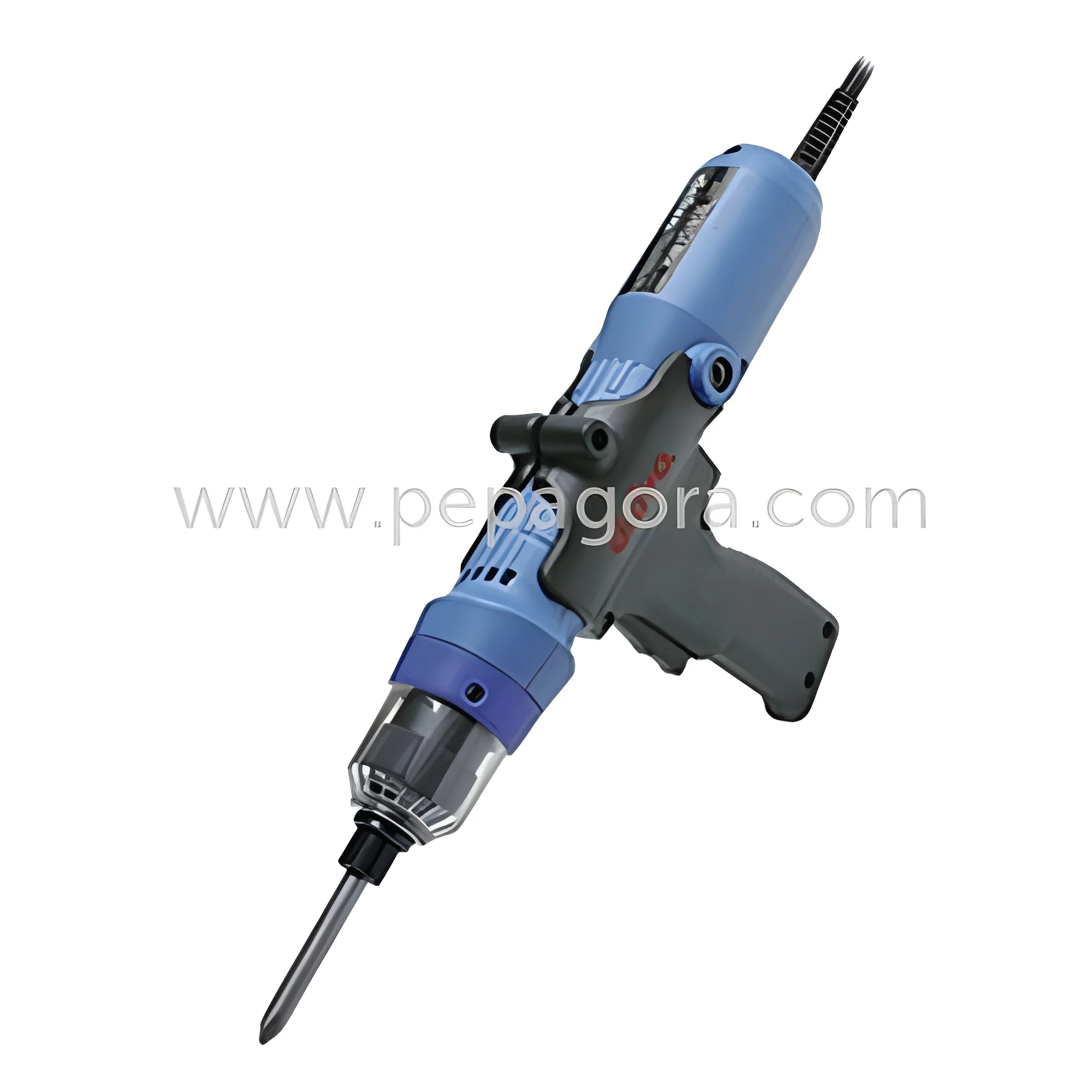
Automated models are used in assembly lines for consistent and repeatable torque applications. They enhance efficiency and accuracy in high-volume manufacturing settings.
Benefits and Advantages
Investing in torque testing equipment offers numerous advantages to businesses.
1. Enhanced Quality Control: Accurate torque measurements ensure that products meet specifications, reducing the risk of defects and enhancing overall quality.
2. Increased Safety: Proper torque application reduces the likelihood of mechanical failures, thus improving safety for end-users and workers.
3. Compliance Assurance: Utilizing torque testing equipment helps businesses meet regulatory and industry standards, ensuring compliance and avoiding penalties.
4. Cost Savings: By preventing product failures and recalls, torque testing can lead to significant cost savings in the long term.
5. Improved Operational Efficiency: Streamlined testing processes can enhance productivity, allowing for faster turnaround times in manufacturing.
6. Customization Options: Many torque testing devices can be tailored to specific applications, ensuring that businesses get the precise tools they need.
Buying Guide for B2B Buyers
When sourcing torque testing equipment, buyers should consider several critical factors to ensure they select the right tools for their needs.
1. Quality Assessment: Evaluate the build quality and reliability of the equipment. Look for products that adhere to industry standards and have a proven track record in performance.
2. Supplier Verification: Vet suppliers carefully to ensure they are reputable and provide high-quality products. Check for reviews, certifications, and industry reputation.
3. Pricing and MOQ: Understand the cost implications and minimum order quantities set by suppliers. Compare prices across different vendors to find the best value without compromising quality.
4. Delivery and Lead Times: Consider the logistics of delivery and the lead times for receiving the equipment. Timely delivery is crucial for maintaining production schedules.
5. Compliance Requirements: Ensure that the equipment meets any relevant compliance requirements for your industry, such as safety standards and certifications.
Compliance and Certifications
Torque testing equipment must adhere to several quality standards and industry certifications to ensure reliability and safety.
Relevant quality standards include ISO 9001, which focuses on quality management systems, and CE certification, which indicates conformity with health, safety, and environmental protection standards within the European Economic Area.
Additionally, compliance with safety and testing requirements is essential for ensuring that the equipment operates correctly in various environments. Manufacturers should also consider regional compliance, as different countries may have specific regulations regarding torque testing equipment.
Why Source Torque Testing Equipment from Pepagora?
Pepagora offers a trusted platform for sourcing torque testing equipment, providing several key advantages to B2B buyers.
Verified Supplier Network: Pepagora has established a network of vetted suppliers, ensuring that buyers can access high-quality torque testing equipment with confidence in the products they purchase.
Streamlined RFQ Process: The platform simplifies the request for quotation process, allowing buyers to efficiently compare options and obtain the best pricing tailored to their needs.
Trade Assurance and Support: With trade assurance policies in place, Pepagora protects buyers throughout the purchasing process, offering support for any issues that may arise.
Regional Coverage: Pepagora's geographic reach includes key markets like India, the GCC, and Southeast Asia, providing access to a diverse range of suppliers and products for various industrial applications.

 IN
IN