IN
IN₹
Apparel & Fashion
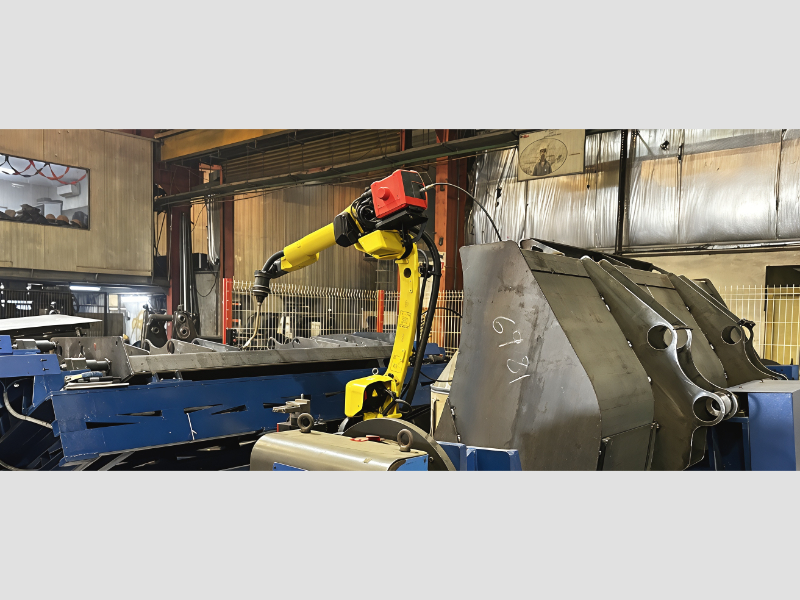
Description
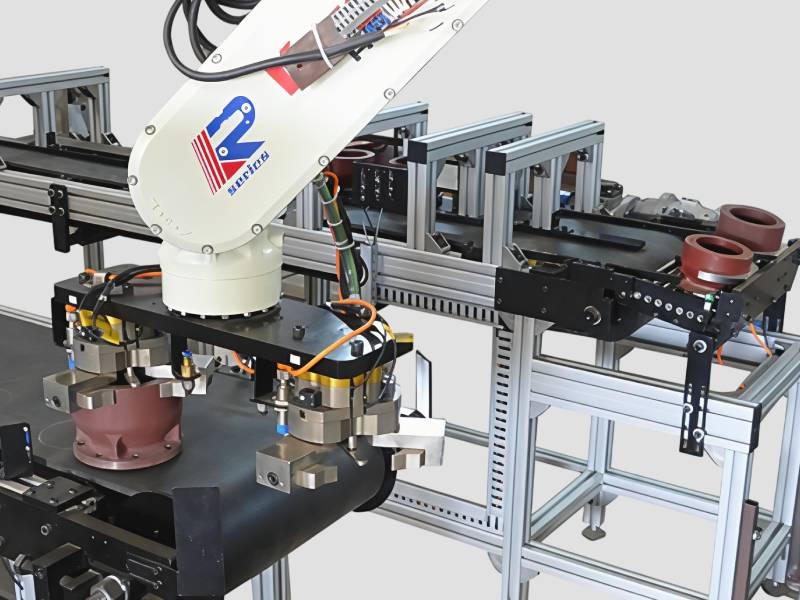
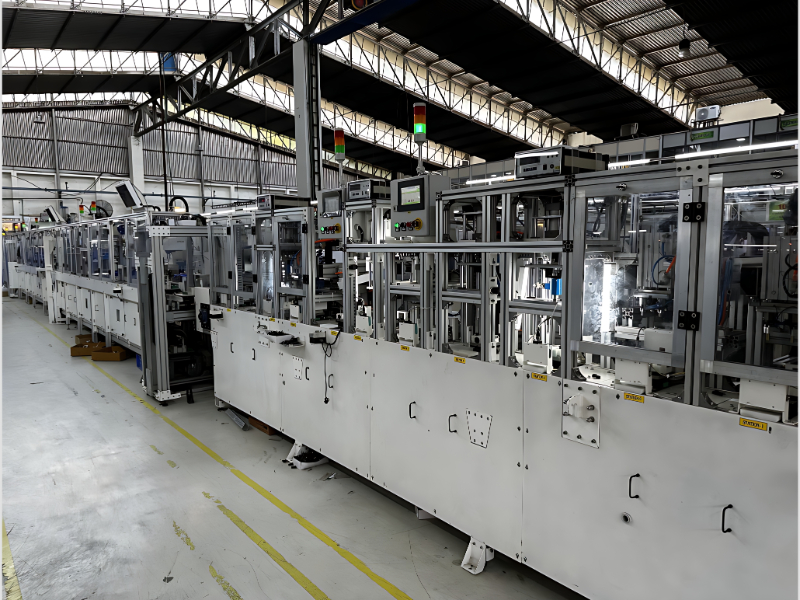
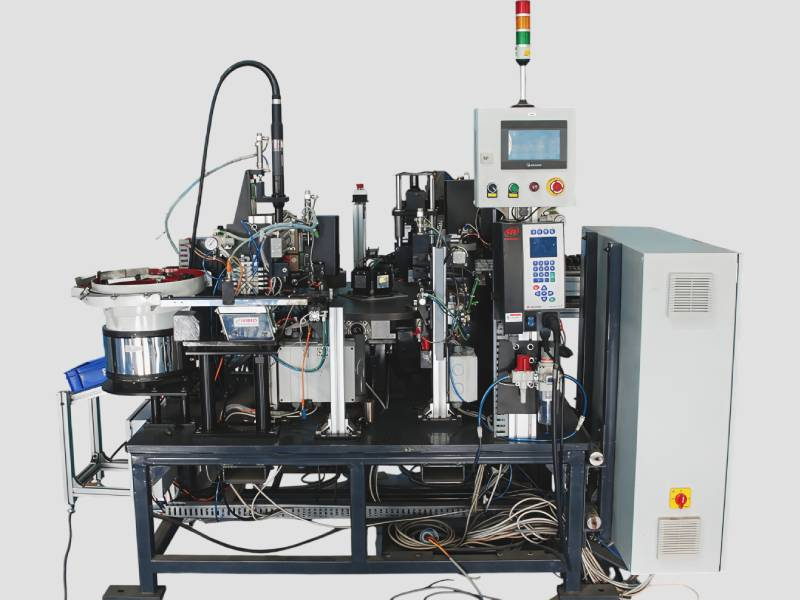
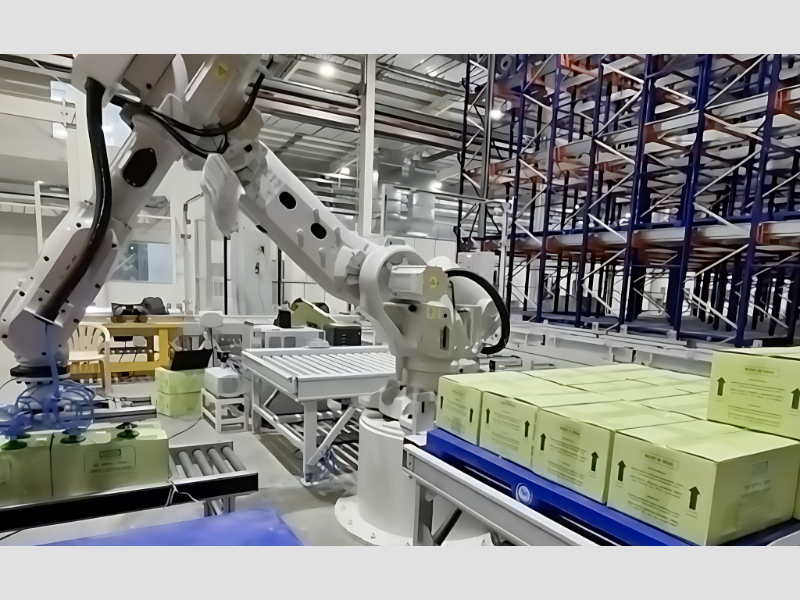
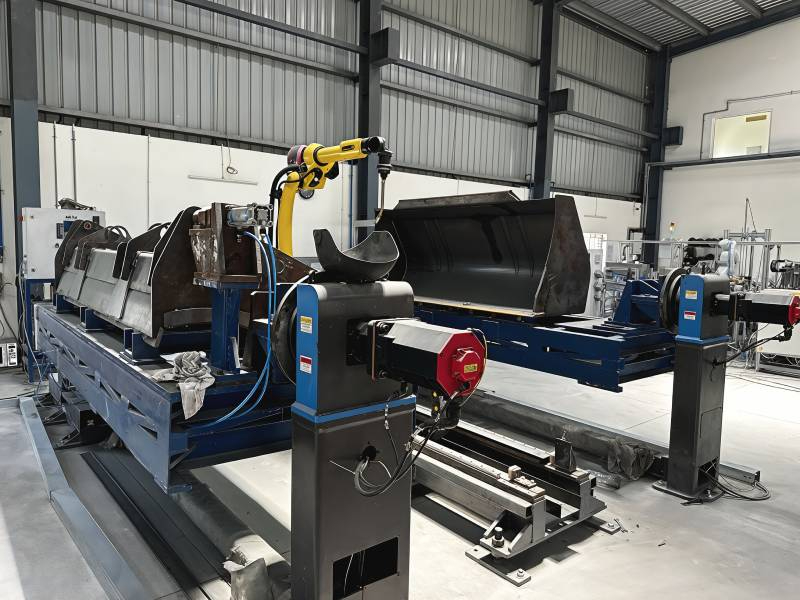
Robotic Welding systems are designed for automated welding operations. Provide high precision and consistent weld quality. Reduce manual labor and increase efficiency. Suitable for various welding processes and materials. Ensure repeatability in high-volume production. Integrated with advanced robotic controls. Ideal for industrial and manufacturing applications.
Specifications
| Additional Information | |
|---|---|
| Country of Origin | India |
Application
Robotic welding systems have become essential in modern manufacturing environments, as welding involves hazardous operations and requires high levels of accuracy and consistency. Welding controllers such as Fronius can be seamlessly integrated with industrial robots from Fanuc, ABB, KUKA, and Yaskawa. Typically, 6-axis industrial robots with payload capacities ranging from 10 kg to 12 kg are used for welding applications. Welding fixtures can be mounted on stationary tables or integrated with 2-axis positioners (7th and 8th axes) synchronized with the robot controller, enabling optimal access to complex weld locations. In certain applications, robots can be mounted on floor-mounted or gantry-mounted 7th-axis systems to weld multiple fixtures. This setup allows operators to load and unload one fixture while welding is performed on another, improving productivity. Both spot welding and arc welding processes can be automated using robotic welding solutions. MIG and TIG welding processes can be implemented based on specific production and application requirements. Through Arc Seam Tracking (TAST) technology enables real-time path correction by dynamically adjusting travel speed, wire feed rate, voltage, and welding path to compensate for varying joint gaps during welding. High welding speeds of up to 350 mm/min can be achieved on long, curved, or irregular seams through continuous seam tracking, minimizing the need for manual path teaching. Laser seam tracking systems equipped with laser vision cameras can be integrated to accurately detect seam positions and guide the welding process. Advanced seam tracking technology automatically adjusts the welding path to compensate for component variations, ensuring consistent weld quality and accuracy.
Trade Details
| Available Stock | In Stock |
| Sample Availability | No |
Payment Terms
| Payment Terms |
|
| Payment Methods |
|
Company Profile

ADNA Automation, Tamil Nadu
 Tamil Nadu, India
Tamil Nadu, India8 yrs
Manufacturer
Turn Over
₹25 Lakhs – ₹1 Crore
Factory Details
Factory SizeBelow 1000 sqm
Robotic Welding Systems For Industrial Automation
Robotic Welding systems deliver precise, consistent, and high-speed welding operations, improving productivity and quality in industrial manufacturing processes.
Min. Order Quantity: 1 piece
Shipping
Shipping fee and delivery date to be negotiated. Contact supplier now for more details.
ADNA Automation Tamil Nadu, India
Tamil Nadu, IndiaManufacturer