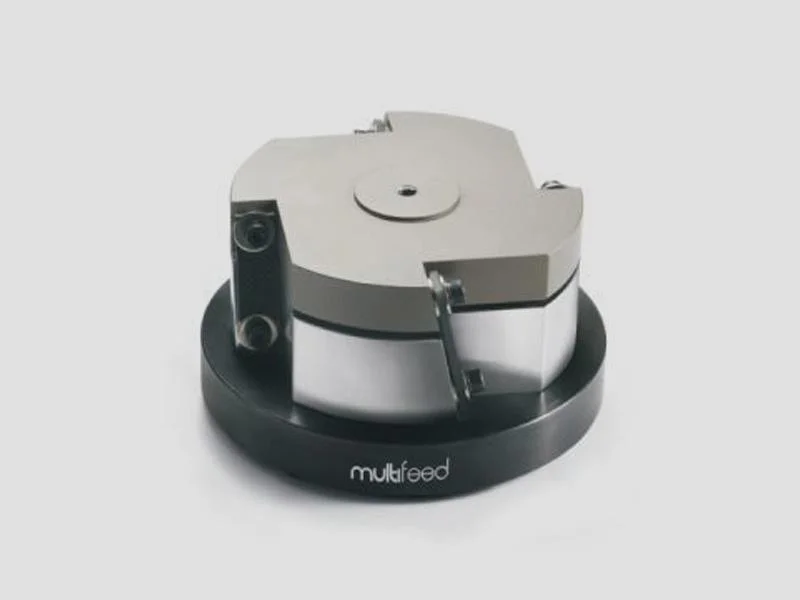
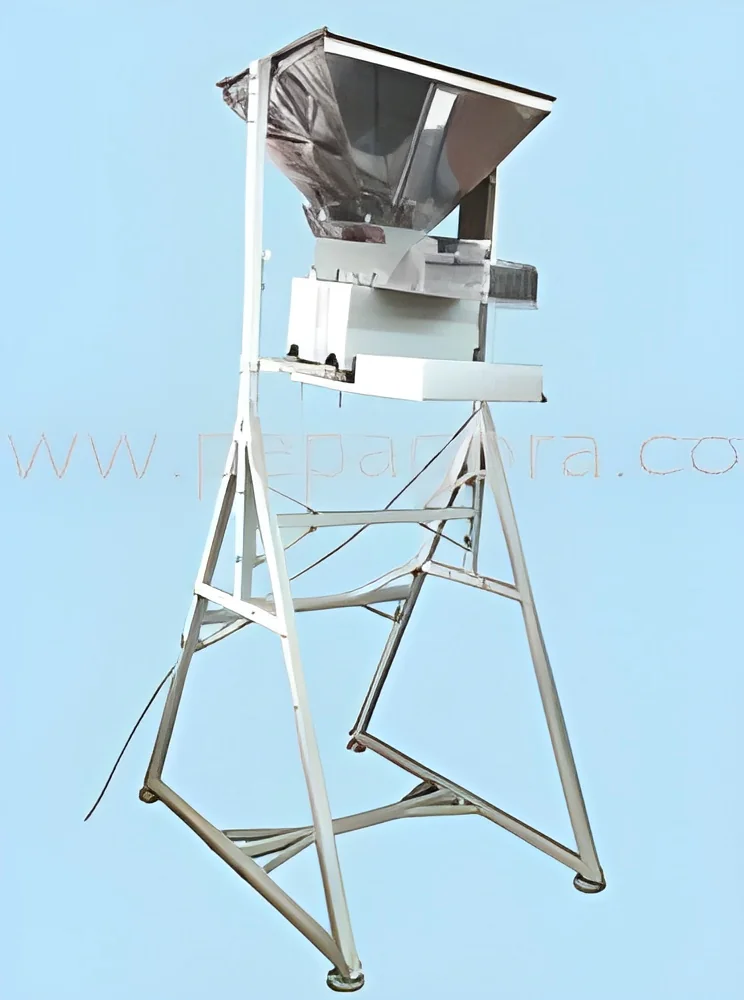
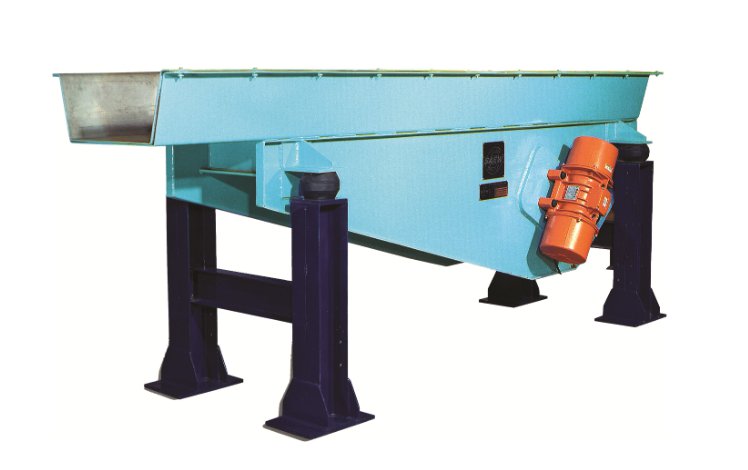
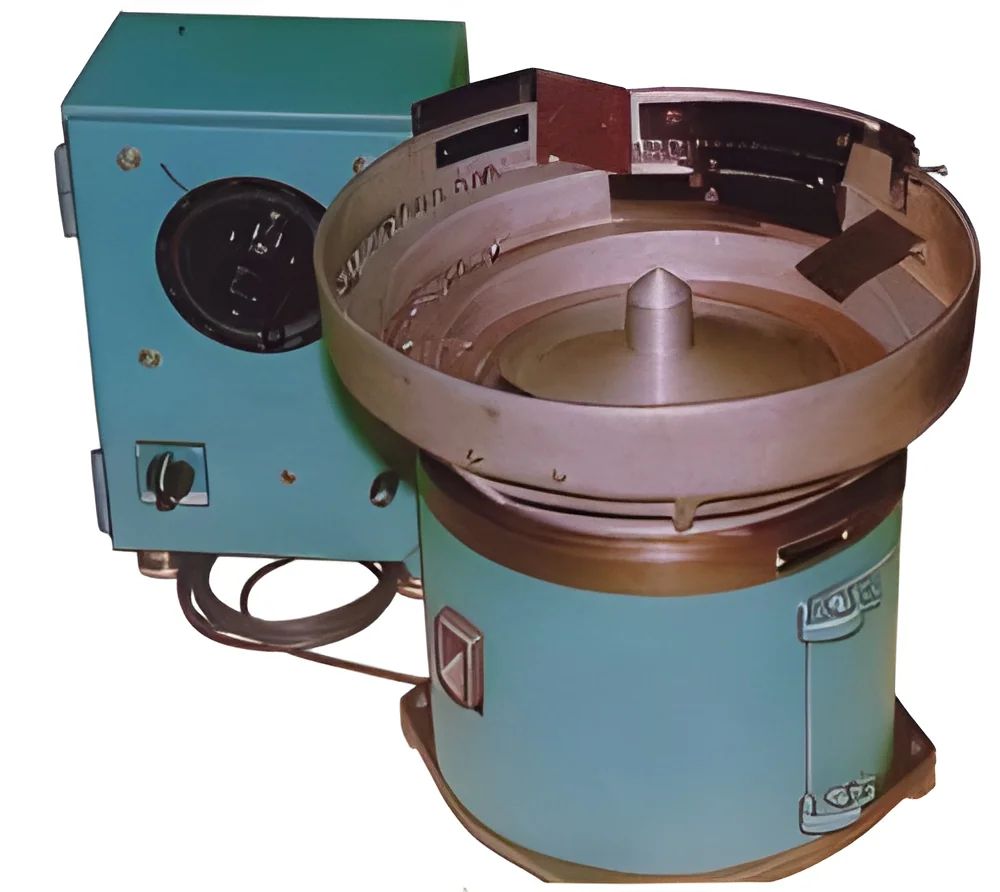
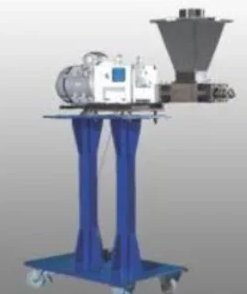
What are Vibratory Bowl Feeders?
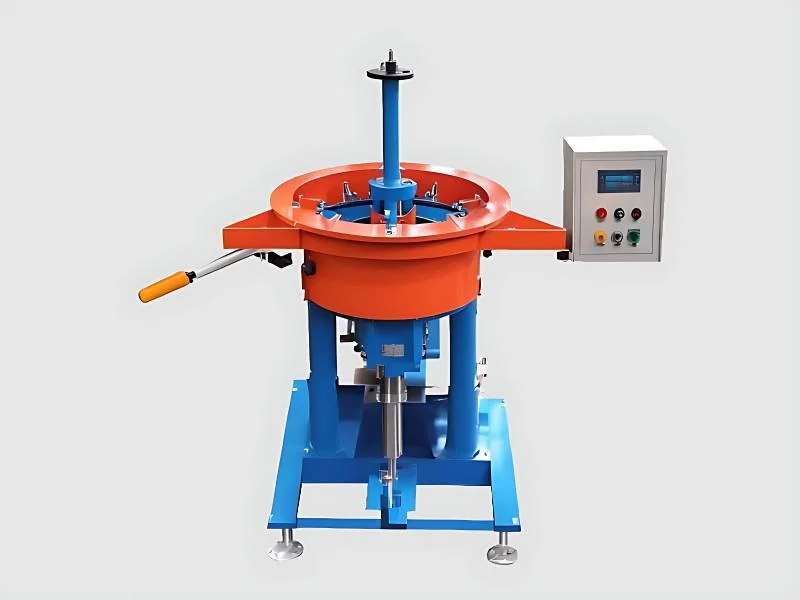
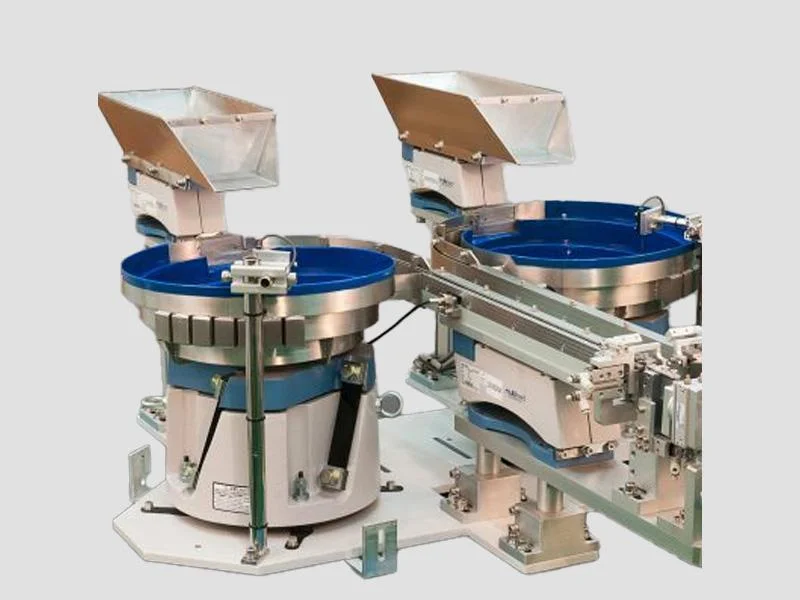
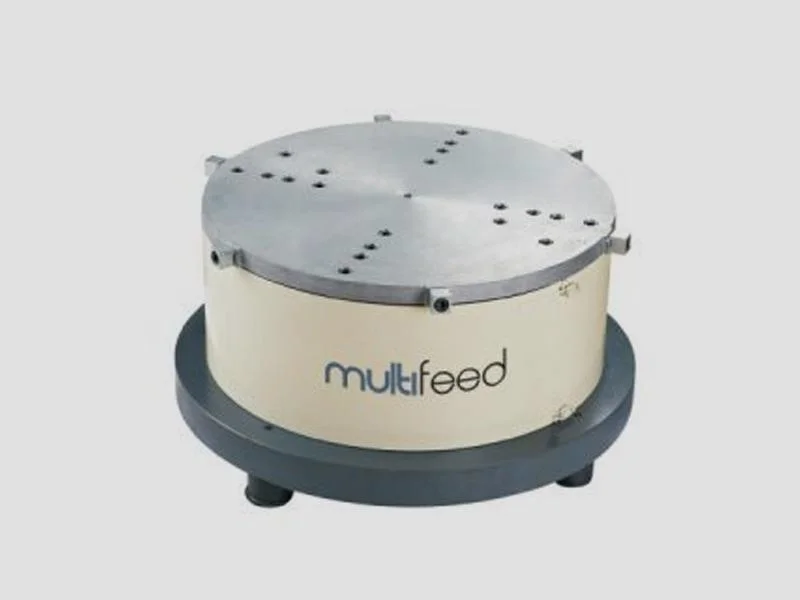
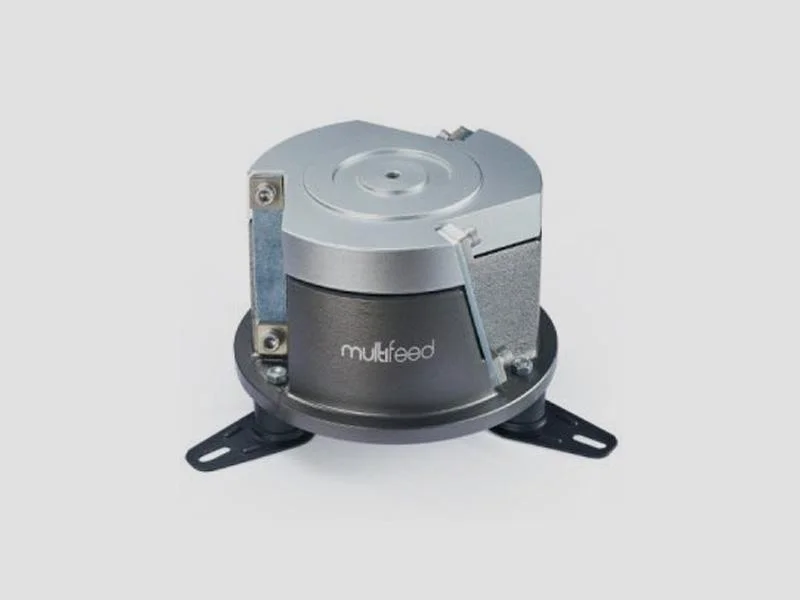
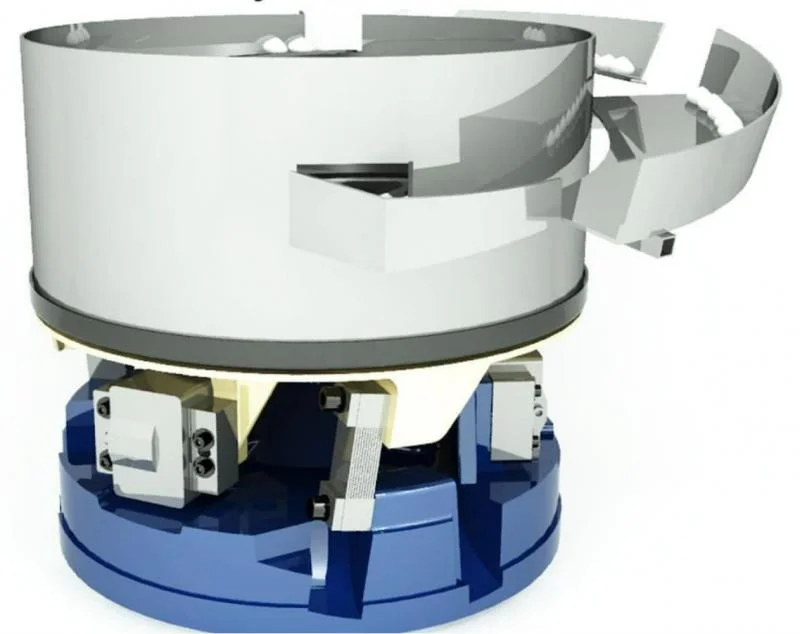
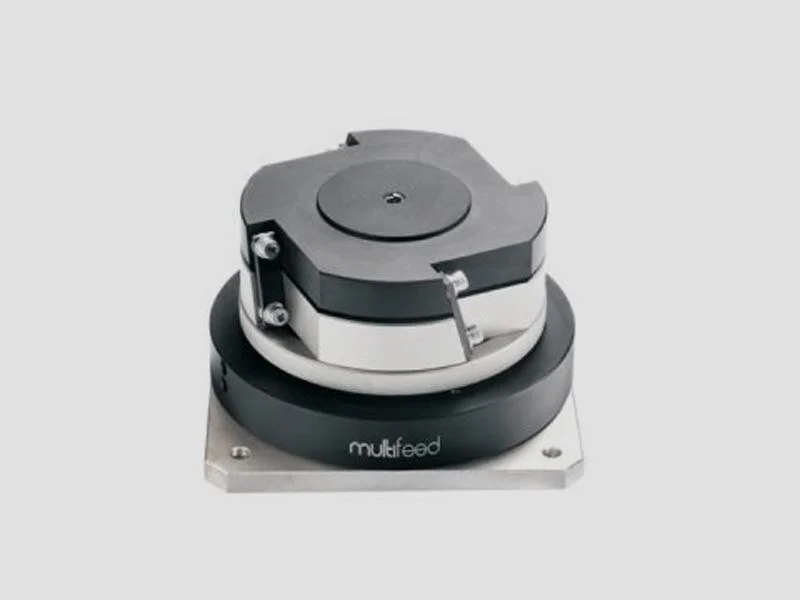
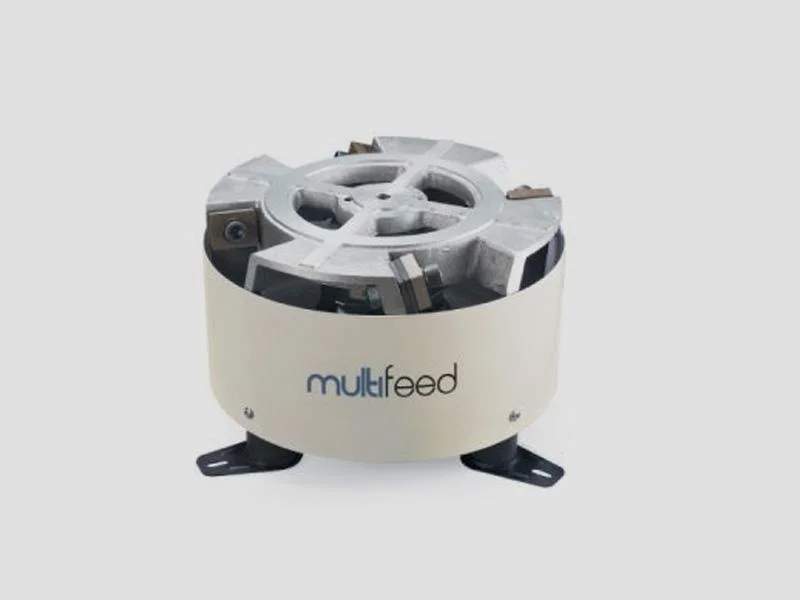
Vibratory bowl feeders are automated devices used for the feeding and sorting of parts in various industrial applications. They consist of a bowl that vibrates to move components along a specific path, allowing for efficient orientation and placement. The vibratory action is generated through a combination of electromagnetic or mechanical drives, which ensure a smooth and continuous flow of parts. This technology is essential in production lines where precision and speed are critical.
These feeders are widely used in industries such as manufacturing, pharmaceuticals, food processing, and electronics. In manufacturing environments, they help feed components to assembly lines, ensuring that parts are correctly oriented and positioned for further processing. Their versatility makes them suitable for handling a range of materials, including metal, plastic, and rubber components. The growing demand for automation in various sectors has increased their relevance in the market, highlighting the need for efficient and reliable feeding systems.
Key Features and Specifications
Vibratory bowl feeders are equipped with several key features that enhance their functionality and performance. Understanding these specifications is crucial for selecting the right feeder for specific applications.
Key specifications include:
1. Drive Type
- Options include electromagnetic and mechanical drives.
- Each type offers distinct advantages in terms of speed and control.
2. Bowl Diameter
- Common sizes range from small (6 inches) to large (30 inches).
- The size impacts the volume of parts that can be processed.
3. Capacity
- Typical capacities range from a few hundred grams to several kilograms.
- Capacity affects the throughput of the feeding system.
4. Feed Rate
- Feed rates can vary from 20 to 150 parts per minute.
- Higher rates are suitable for high-volume production environments.
5. Material Construction
- Feeders are usually made from stainless steel or plastic.
- Material choice affects durability and compatibility with different products.
6. Customization Options
- Many feeders offer customization for specific part shapes and sizes.
- Custom designs can optimize performance for unique applications.
7. Noise Level
- Noise levels typically range from 60 to 80 decibels.
- Lower noise options are available for quieter work environments.
In summary, selecting the right vibratory bowl feeder involves understanding these specifications and how they align with your operational needs.
Common Applications and Use Cases
Vibratory bowl feeders are utilized in various industries, each benefiting from their unique capabilities.
1. Manufacturing: In this sector, vibratory bowl feeders are used to supply components for assembly lines, ensuring accurate placement and orientation of parts.
2. Pharmaceuticals: They play a critical role in packaging processes by feeding tablets, capsules, and other small items into containers efficiently.
3. Food Processing: Vibratory feeders are employed to move and sort food items, such as snack foods and confectioneries, while adhering to hygiene standards.
4. Electronics: In the electronics industry, these feeders handle small components like screws, resistors, and capacitors, ensuring precise delivery to assembly stations.
5. Automotive: They facilitate the feeding of fasteners and small parts in automotive assembly, improving efficiency and reducing manual handling.
6. Packaging: Vibratory bowl feeders assist in the automated packaging process by ensuring items are positioned correctly for sealing and labeling.
7. Metalworking: They are used to feed metal parts for machining processes, enhancing productivity and reducing scrap.
Product Variants and Subcategories
Vibratory bowl feeders come in various configurations to meet diverse operational needs.
Standard Vibratory Bowl Feeders
These feeders are designed for general applications and are highly versatile. They can handle a range of part sizes and shapes, making them suitable for many industries.
Custom Vibratory Bowl Feeders
These feeders are tailored to meet specific requirements, including unique part shapes and sizes. Customization ensures optimal performance and efficiency in handling specialized components.
Benefits and Advantages
Vibratory bowl feeders offer several advantages that make them a valuable addition to any production line.
1. Increased Efficiency: They provide a high-speed feeding solution that minimizes downtime and maximizes output.
2. Improved Accuracy: The precise orientation of parts ensures that they are correctly positioned for subsequent processes, reducing errors.
3. Reduced Labor Costs: Automation of feeding processes decreases the need for manual handling, allowing for reallocation of labor resources.
4. Versatility: These feeders can handle a wide variety of parts, making them suitable for multiple applications across different industries.
5. Enhanced Reliability: With robust construction and reliable performance, vibratory bowl feeders can operate continuously with minimal maintenance.
6. Customizability: The ability to customize feeders ensures that they meet specific operational requirements, improving overall effectiveness.
Buying Guide for B2B Buyers
When sourcing vibratory bowl feeders, several critical factors must be considered to make an informed decision.
1. Quality Assessment: Evaluate the quality of materials and construction. Look for feeders that meet industry standards to ensure longevity and performance.
2. Supplier Verification: Vet suppliers by checking their credentials, customer reviews, and certifications. This step is essential to ensure you are dealing with a reputable partner.
3. Pricing and MOQ: Consider the pricing structures and minimum order quantities. Understanding these factors helps in budgeting and planning purchases effectively.
4. Delivery and Lead Times: Inquire about logistics, including delivery times and shipping options. Timely delivery is crucial for maintaining production schedules.
5. Compliance Requirements: Ensure that the feeders comply with relevant industry regulations and standards. This includes safety and quality certifications that may be required in your industry.
Compliance and Certifications
Vibratory bowl feeders must adhere to various compliance standards to ensure safety and quality. Relevant standards include ISO 9001, which focuses on quality management systems, and HACCP, which emphasizes food safety.
Additionally, obtaining CE certification indicates that the feeders comply with European health, safety, and environmental protection standards.
Safety testing is also a critical aspect, ensuring that the equipment functions correctly without posing risks to operators.
Regional compliance considerations may vary, so it is essential to understand specific regulations applicable in your location or industry, ensuring that all equipment meets necessary legal requirements.
Why Source Vibratory Bowl Feeders from Pepagora?
Pepagora is a trusted platform for sourcing vibratory bowl feeders, offering several key advantages that cater to B2B buyers.
Verified Supplier Network: Pepagora connects buyers with a network of verified suppliers, ensuring quality and reliability. Each supplier undergoes a thorough vetting process to guarantee that they meet industry standards.
Streamlined RFQ Process: The platform simplifies the request for quotation process, allowing buyers to easily compare offers from multiple suppliers. This efficiency saves time and helps in making informed purchasing decisions.
Trade Assurance and Support: Pepagora provides trade assurance, protecting buyers against potential issues in transactions. Their customer support team is available to assist with any inquiries or concerns.
Regional Coverage: With a strong presence in India, the GCC, and Southeast Asia, Pepagora offers extensive regional coverage. This enables buyers to access local suppliers, reducing shipping costs and lead times.
By choosing Pepagora, businesses can confidently source vibratory bowl feeders that meet their operational needs while benefiting from a reliable purchasing experience.

 IN
IN