What are Welding Robots?
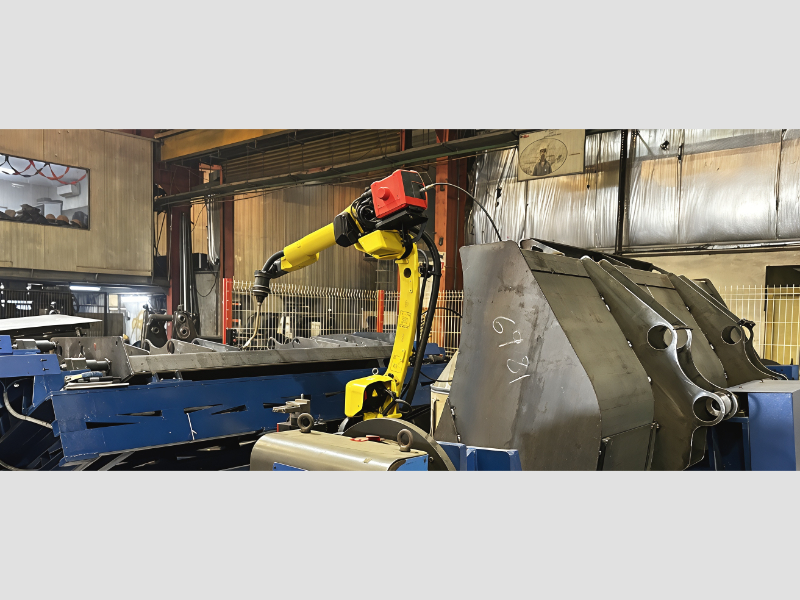
Welding robots are automated machines designed to perform various welding tasks with precision and efficiency. They utilize advanced technologies, including programmable logic controllers and sensors, enabling them to execute complex welding processes with minimal human intervention. Typically, welding robots are integrated into production lines, enhancing productivity and ensuring consistent quality in welded products.
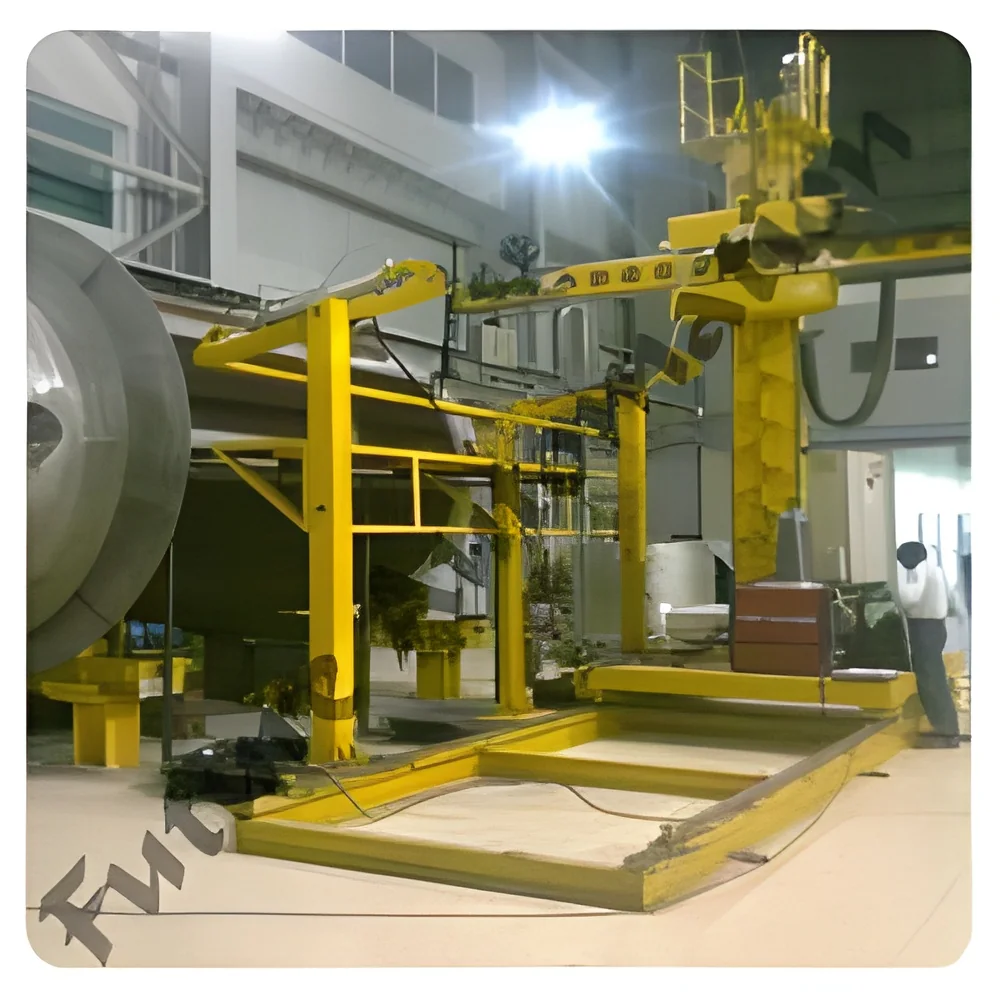
These robots are primarily used in manufacturing environments where repetitive and high-volume welding operations are required. Common applications include automotive assembly, construction equipment manufacturing, and metal fabrication. By automating the welding process, businesses can reduce labor costs, improve safety, and increase throughput. As industries continue to adopt automation, the market for welding robots is experiencing significant growth, driven by the demand for enhanced operational efficiency and higher quality standards.
Key Features and Specifications
Welding robots come equipped with various features that enhance their performance and adaptability in diverse manufacturing environments. Understanding these specifications is crucial for businesses looking to invest in welding automation.
Key specifications include:
1. Payload Capacity
- The maximum weight the robot can handle during welding operations.
- Ranges typically from 5 kg to 100 kg, depending on the model.
2. Reach
- The distance the robot's arm can extend to perform welding tasks.
- Common reach ranges from 500 mm to 3000 mm.
3. Repeatability
- The precision with which the robot can return to a specified position.
- Typically measured in millimeters, with values as low as ±0.05 mm.
4. Welding Process Compatibility
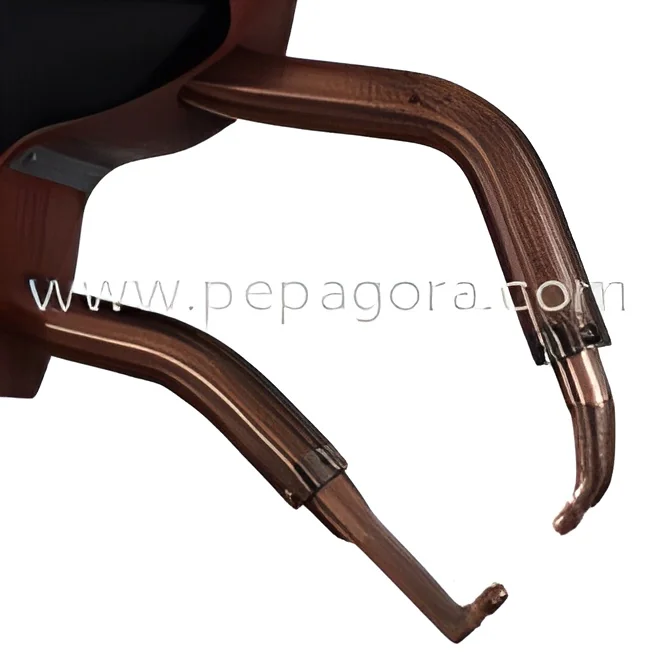
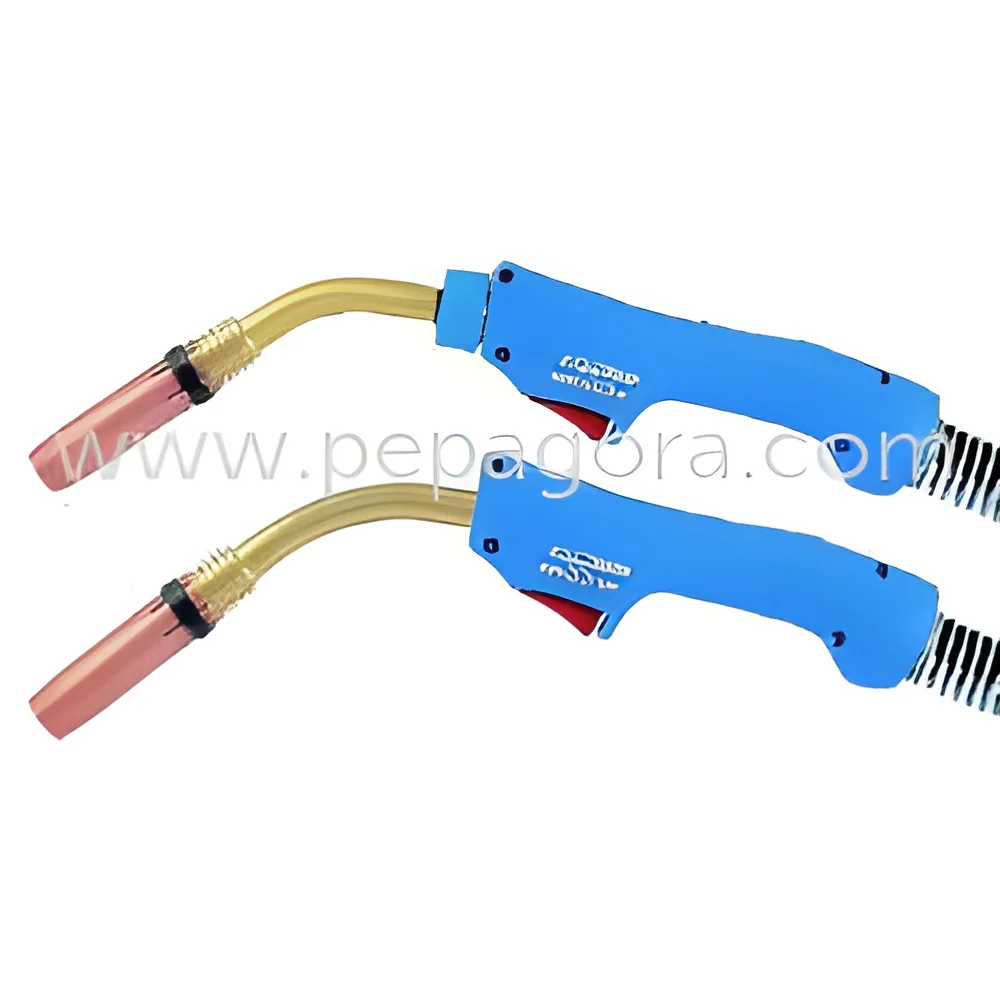
- Types of welding processes supported, such as MIG, TIG, and spot welding.
- Most robots can be programmed for multiple welding techniques.
5. Speed
- The operational speed of the robot during welding cycles.
- Speed can vary, with some models achieving up to 3000 mm/sec.
6. Control System
- The software and programming interface used to operate the robot.
- Common systems include teach pendants and offline programming software.
7. Safety Features
- Integrated safety measures to protect operators and equipment.
- Includes emergency stop buttons and collision detection sensors.
8. Certifications
- Compliance with industry standards such as CE certification for safety and reliability.
In summary, understanding these features and specifications helps businesses select the right welding robots that fit their operational needs and enhance overall efficiency.
Common Applications and Use Cases
Welding robots are utilized across multiple industries for various applications. Their versatility makes them an essential tool in modern manufacturing.
1. Automotive Industry: Welding robots are extensively used in automotive assembly lines for tasks such as spot welding car body frames and structural components, ensuring high precision and consistency.
2. Aerospace Industry: In aerospace, welding robots facilitate the assembly of aircraft components, enabling complex and lightweight structures to be welded together with high accuracy.
3. Construction Equipment: These robots are employed to weld heavy machinery parts, providing robust and durable joints that can withstand harsh operational conditions.
4. Electronics Manufacturing: In the electronics sector, welding robots are used for soldering circuit boards and assembling electronic components, enhancing speed and reliability.
5. Metal Fabrication: Welding robots streamline the fabrication of metal products, offering consistent quality in large-scale production environments.
6. Shipbuilding: In shipbuilding, welding robots are utilized for the assembly of hulls and other structural components, ensuring precision in large-scale welds.
7. Rail Industry: Welding robots play a critical role in the manufacturing of rail components, improving the quality and efficiency of production.
Product Variants and Subcategories
Welding robots come in various configurations to meet the diverse needs of different industries. Each variant is tailored to specific applications and features.
Articulated Robots
These robots feature a multi-jointed arm that allows for a wide range of motion. They are ideal for complex welding tasks and can be programmed for different welding techniques.
Cartesian Robots
Designed with linear movements along three axes, Cartesian robots provide excellent precision and are often used for high-volume production in simpler welding applications.
Collaborative Robots (Cobots)
Cobots are designed to work alongside human operators. They enhance safety and flexibility in welding tasks, making them suitable for smaller production runs and custom projects.
Benefits and Advantages
Investing in welding robots offers numerous advantages for manufacturers looking to improve their processes.
Key benefits include:
1. Increased Productivity: Welding robots can operate continuously, significantly increasing production rates compared to manual welding.
2. Enhanced Quality: Robots provide consistent and high-quality welds, reducing the likelihood of defects and rework.
3. Cost Savings: By automating welding processes, businesses can lower labor costs and minimize material waste.
4. Improved Safety: Welding robots reduce the risk of accidents and injuries associated with manual welding tasks.
5. Flexibility: Many welding robots can be reprogrammed for different tasks, allowing manufacturers to adapt to changing production needs.
6. Data Collection: Advanced robots can gather and analyze production data, helping businesses optimize their processes and improve decision-making.
Buying Guide for B2B Buyers
When considering the purchase of welding robots, several key factors should be evaluated to ensure the right investment.
1. Quality Assessment: It is essential to assess the build quality and reliability of the robots. Look for models with proven performance and positive customer reviews.
2. Supplier Verification: Vetting suppliers is crucial. Ensure they have a strong reputation and a history of delivering quality products and support.
3. Pricing and MOQ: Understand the pricing structure and minimum order quantities. This will help in budgeting and determining the overall investment needed.
4. Delivery and Lead Times: Consider the logistics involved in acquiring the robots. Evaluate the lead times for delivery to avoid disruptions in production.
5. Compliance Requirements: Ensure that the welding robots meet all relevant industry standards and regulations, including safety certifications and operational guidelines.
Compliance and Certifications
Welding robots must adhere to various quality standards and certifications to ensure safety and reliability in operation.
Relevant quality standards include ISO 9001, which focuses on maintaining effective quality management systems. This standard helps ensure that manufacturers meet customer and regulatory requirements consistently.
Industry certifications such as CE mark indicate that the products meet the essential health and safety requirements set by European directives. This certification is crucial for ensuring that the robots are safe to operate.
Safety and testing requirements are paramount in robotic welding applications. Robots must undergo rigorous testing to verify their performance and safety features, protecting both operators and the surrounding environment.
Regional compliance considerations may vary, so it is important for buyers to understand local regulations and ensure the robots they purchase comply with these standards.
Why Source Welding Robots from Pepagora?
Pepagora provides a trusted platform for sourcing welding robots, offering several key advantages to B2B buyers.
Verified Supplier Network: Pepagora connects buyers with a network of verified suppliers, ensuring that you can find quality welding robots with confidence. Each supplier is screened to meet industry standards.
Streamlined RFQ Process: The request for quotation process on Pepagora is efficient and straightforward, allowing buyers to quickly receive multiple quotes and compare options.
Trade Assurance and Support: Pepagora offers trade assurance, providing buyers with protection during the purchasing process. This includes support for any issues that may arise post-purchase.
Regional Coverage: With a strong presence in regions such as India, the Gulf Cooperation Council, and Southeast Asia, Pepagora ensures that buyers can access a wide variety of welding robots tailored to their specific needs.
By choosing Pepagora, businesses can confidently invest in welding robots that improve productivity and enhance operational efficiency.

 IN
IN