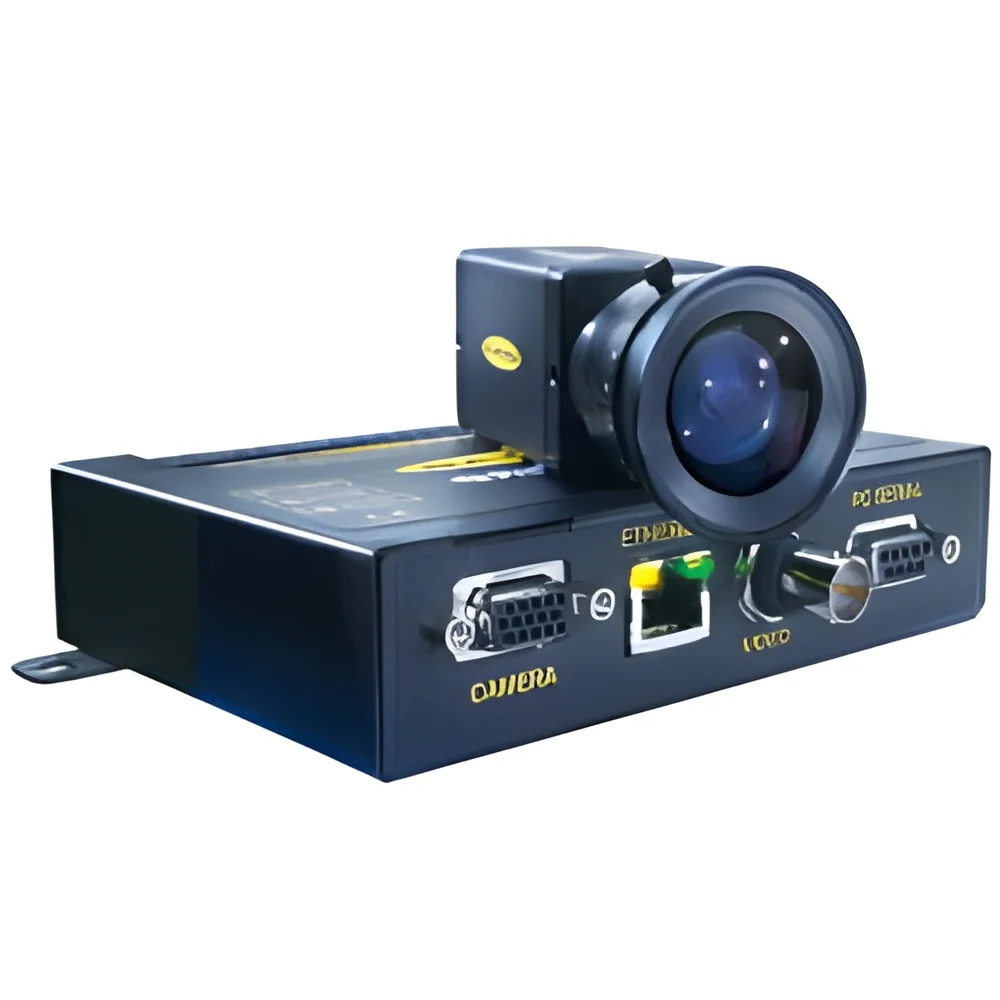
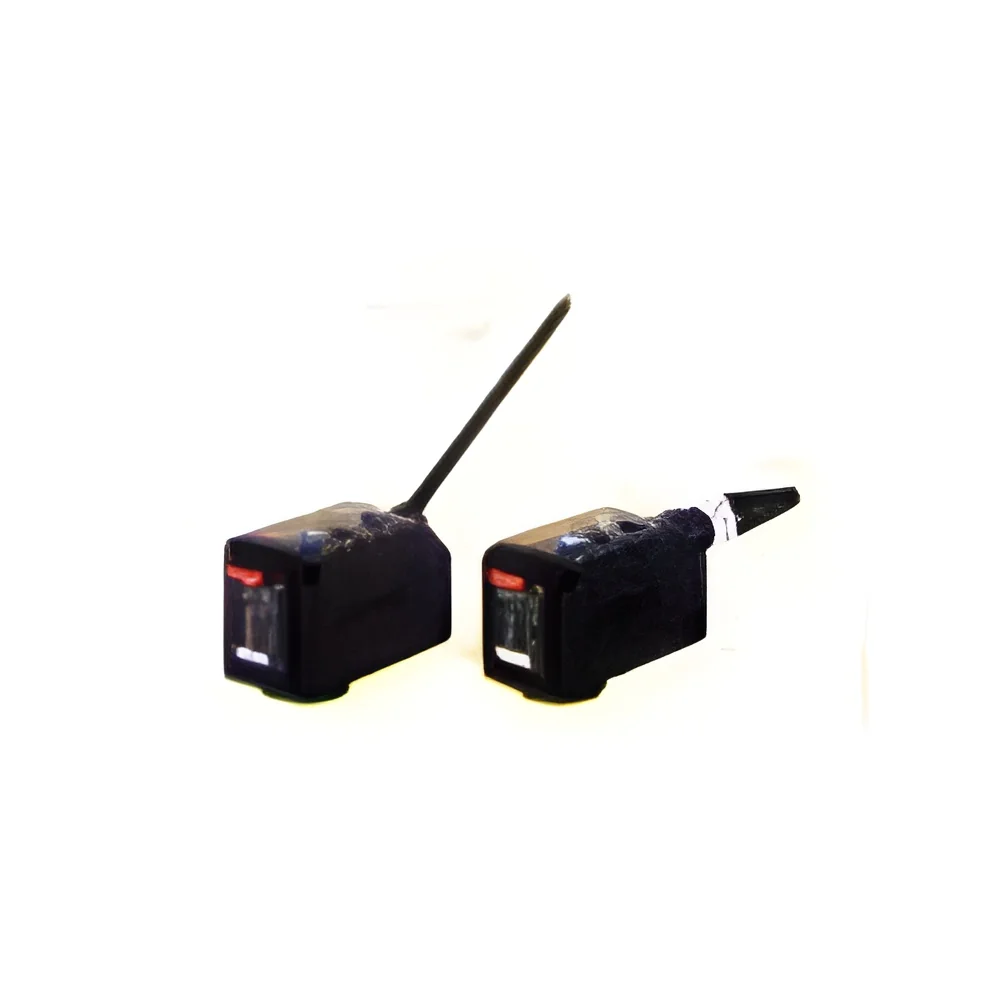
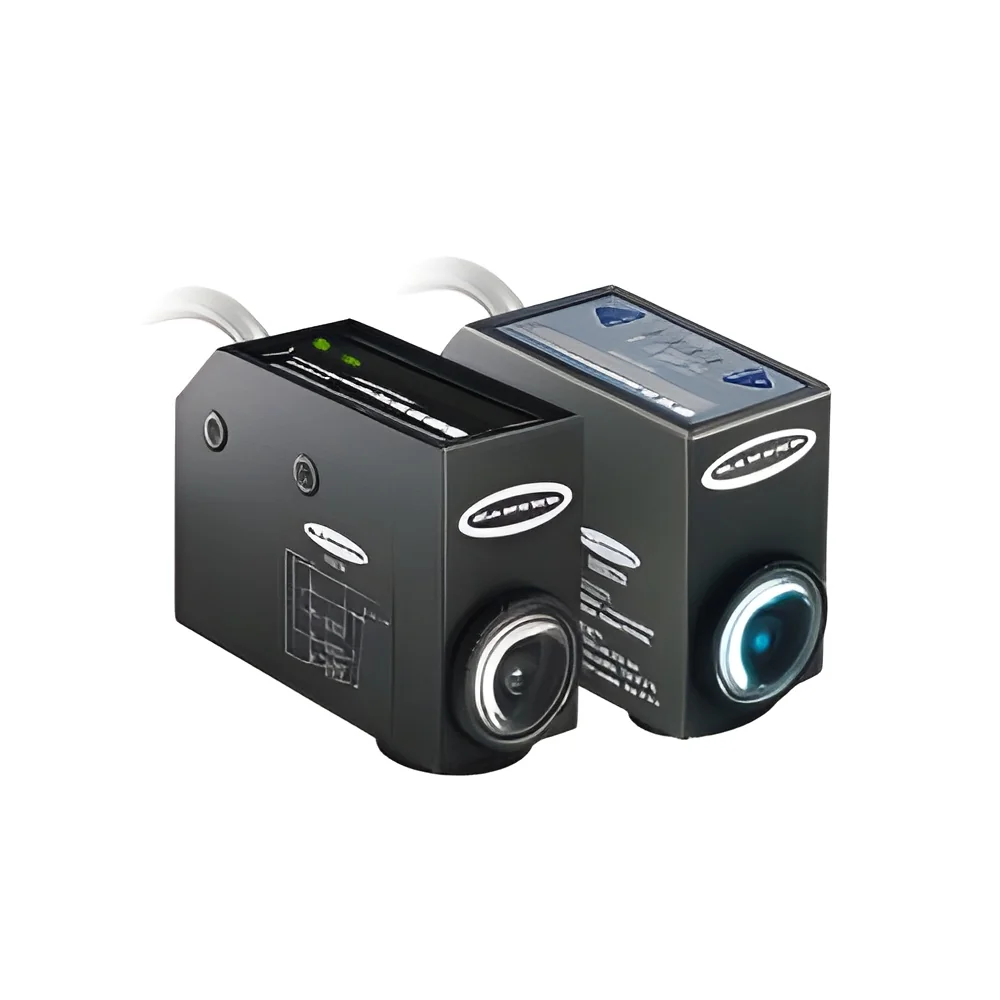
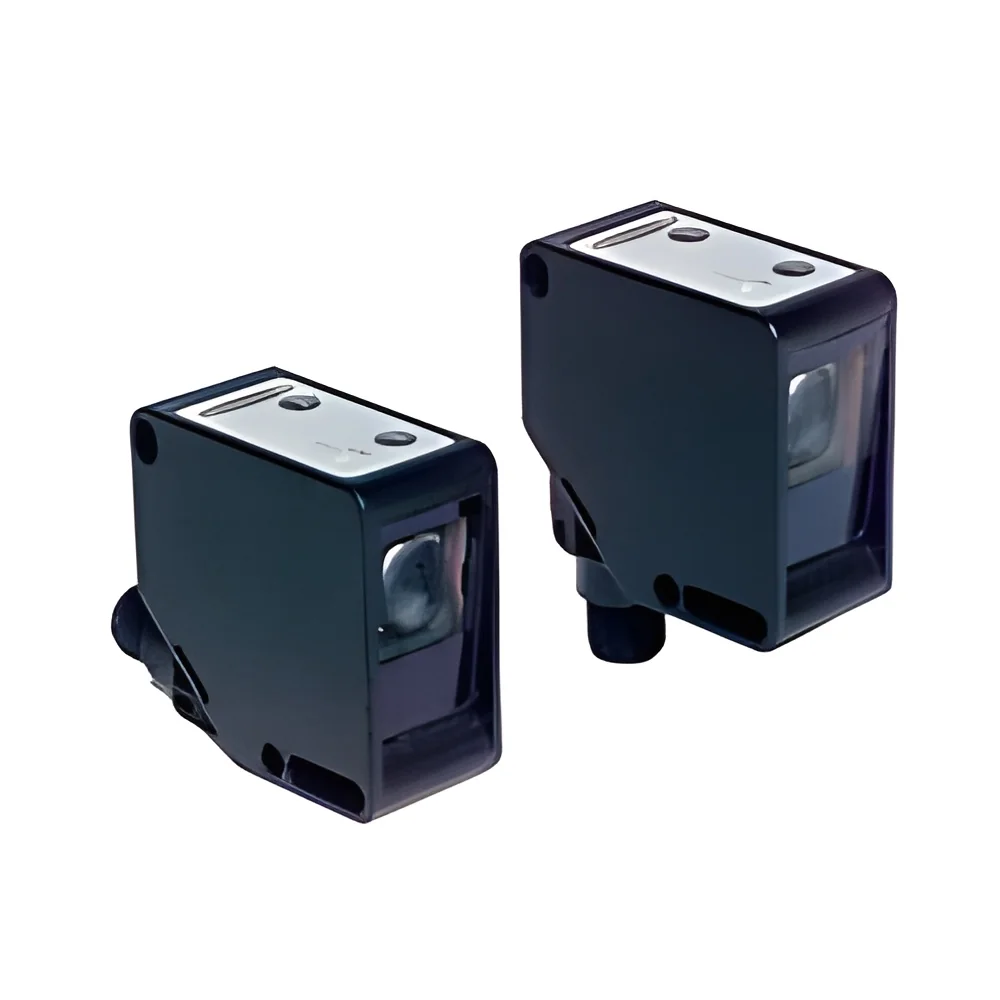
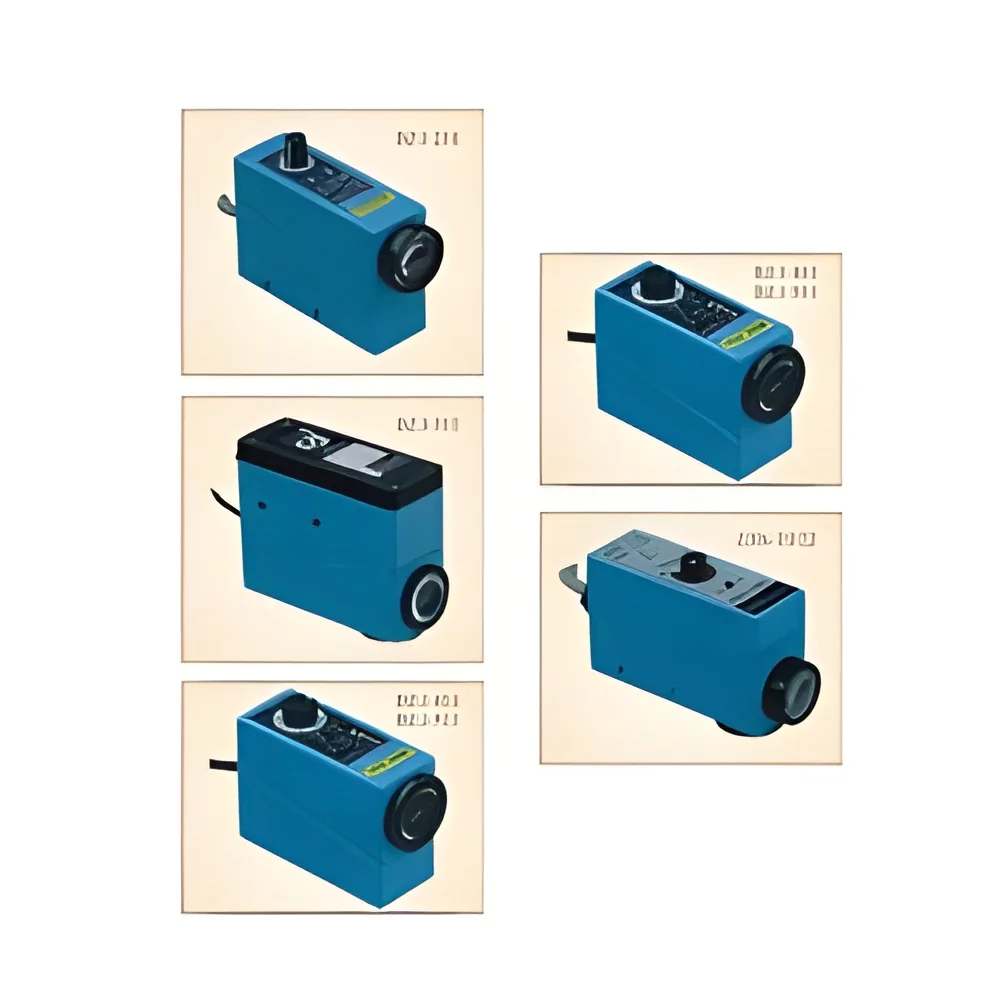
What are Color Sensors?
Color sensors are advanced devices designed to detect and measure specific colors in various environments. They utilize optical technology to analyze light reflected from surfaces and determine color values in real-time. These sensors work by capturing the light spectrum and converting it into digital signals that can be processed for various applications. The technology is crucial for industries that require precise color matching and consistency.
The primary uses of color sensors span multiple business applications, including manufacturing, quality control, and automation processes. In manufacturing, they are employed to ensure product quality by verifying color specifications, which is essential for items like textiles, paints, and food products. Additionally, color sensors are widely used in robotics and automation to enable machines to recognize and sort items based on color. As industries increasingly prioritize quality and efficiency, the relevance of color sensors in the market continues to grow.
Key Features and Specifications
Color sensors come equipped with a range of features and specifications that determine their performance and suitability for various applications. Understanding these specifications is essential for making informed purchasing decisions.
Key specifications include:
1. Color Detection Range
- The range of colors that the sensor can accurately detect.
- Typically covers the full spectrum of visible light.
2. Output Type
- The format in which data is provided, such as digital or analog signals.
- Common output types include RS-232 and I2C.
3. Measurement Accuracy
- The precision with which colors are detected.
- Often specified in terms of Delta E values.
4. Operating Temperature Range
- The temperature conditions under which the sensor operates effectively.
- Data not available.
5. Power Supply
- The required voltage and current for the sensor to function.
- Usually operates on low voltage DC power.
6. Response Time
- The speed at which the sensor can detect and process color changes.
- Typically measured in milliseconds.
7. Housing Material
- The type of material used for the sensor casing.
- Common materials include plastic and metal for durability.
8. Calibration Options
- The ability to calibrate the sensor for specific applications.
- Many sensors offer user-friendly calibration features.
In summary, color sensors are equipped with various specifications that cater to different industrial needs. Understanding these specifications helps businesses select the right sensor for their requirements.
Common Applications and Use Cases
Color sensors are versatile tools used across various industries for specific applications.
1. Manufacturing: In the manufacturing sector, color sensors are utilized for quality assurance by ensuring that products meet specific color standards. They help in detecting variations in color during production.
2. Food and Beverage: In the food industry, color sensors are used to monitor product quality by analyzing color changes that may indicate spoilage or improper mixing.
3. Automotive: Automotive manufacturers use color sensors to ensure that paint finishes are consistent and meet design specifications, contributing to overall product quality.
4. Printing: In the printing industry, color sensors play a crucial role in maintaining color accuracy and consistency across printed materials.
5. Textile: In textile production, color sensors help manufacturers ensure that dyes are applied uniformly, maintaining the quality of fabrics.
6. Robotics: Robotics applications utilize color sensors for tasks such as sorting and identifying objects based on their color, enhancing automation efficiency.
7. Electronics: In electronics manufacturing, color sensors are used to verify component colors, ensuring correct assembly and quality control.
Product Variants and Subcategories
Color sensors are available in various configurations to meet different industry needs. While specific subcategories are not available, the diversity in design allows for tailored applications.
Compact Color Sensors
These sensors are designed for limited space applications. They offer high accuracy and quick response times, making them ideal for small machinery and tight setups.
Industrial Color Sensors
Built for robust environments, these sensors are more durable and can withstand harsh conditions. They are suitable for large-scale manufacturing processes.
Benefits and Advantages
Color sensors provide significant advantages for businesses looking to enhance quality and efficiency.
Key benefits include:
1. Improved Quality Control: Color sensors help ensure that products meet strict color standards, reducing waste and rework.
2. Increased Automation: With the ability to detect colors, these sensors enable automated systems to perform tasks like sorting and quality checks without human intervention.
3. Enhanced Productivity: By streamlining processes related to color matching and quality checks, businesses can improve overall productivity.
4. Cost Efficiency: Detecting color inconsistencies early in production reduces material waste and lowers operational costs.
5. Versatility: Color sensors can be used in a wide range of industries, adapting to specific application needs.
6. Real-Time Monitoring: Their ability to provide instant feedback allows for quick adjustments in production processes.
Buying Guide for B2B Buyers
When sourcing color sensors, it is important to consider several key factors to ensure a successful purchase.
1. Quality Assessment: Evaluate the quality of sensors by reviewing specifications and performance metrics. Look for sensors that meet industry standards for accuracy and reliability.
2. Supplier Verification: Conduct thorough research to verify suppliers' credentials. Check for reviews and ratings from other businesses that have purchased from these suppliers.
3. Pricing and MOQ: Understand the pricing structures and minimum order quantities (MOQ) before making a purchase. This helps in budgeting and ensures that you meet supplier requirements.
4. Delivery and Lead Times: Inquire about delivery schedules and lead times to ensure that your production timelines are maintained. Reliable suppliers should provide clear information on logistics.
5. Compliance Requirements: Confirm that the sensors meet relevant regulatory standards and certifications, such as CE, to avoid potential legal issues.
Compliance and Certifications
Color sensors must adhere to various quality standards and industry certifications to ensure their reliability and safety.
ISO 9001 is a widely recognized standard that outlines quality management systems. Compliance with this standard indicates that manufacturers have effective processes in place to deliver consistent quality.
The CE marking signifies that the product complies with European health, safety, and environmental protection standards. This certification is crucial for products sold in the European market.
Additionally, safety and testing requirements must be met to ensure that color sensors operate safely in their intended environments. Manufacturers should conduct thorough testing to validate performance claims.
Regional compliance considerations may also come into play based on the market in which the sensors are sold. It is important for buyers to be aware of local regulations that may affect product usage.
Why Source Color Sensors from Pepagora?
Pepagora offers a trusted platform for sourcing color sensors, providing several key advantages to B2B buyers.
Verified Supplier Network: Pepagora ensures that all suppliers are thoroughly vetted, providing buyers with confidence in their purchasing decisions. This network reduces the risk of dealing with unreliable vendors.
Streamlined RFQ Process: The Request for Quotation (RFQ) system simplifies the process of obtaining quotes from multiple suppliers. This makes it easier for buyers to compare prices and terms.
Trade Assurance and Support: Pepagora offers trade assurance, providing buyers with protection throughout the purchasing process. Dedicated support teams are available to assist with any inquiries or issues.
Regional Coverage: With a strong presence in India, the GCC, and Southeast Asia, Pepagora connects buyers with suppliers in these regions, facilitating efficient sourcing and logistics.
By sourcing color sensors through Pepagora, businesses can benefit from a reliable and efficient purchasing process, helping them enhance their operations.

 IN
IN