Key Features and Specifications
PLC controllers come with a range of features and specifications that make them suitable for various applications. These specifications are crucial for businesses looking to integrate PLC systems into their operations.
Key specifications include:
1. Input/Output Capacity
- Determines the number of devices a PLC can control
- Typically ranges from a few dozen to several thousand I/O points
2. Communication Protocols
- Allows PLCs to communicate with other devices and systems
- Common protocols include Ethernet/IP, Modbus, and Profibus
3. Programming Language Support
- PLCs support various programming languages such as Ladder Logic, Structured Text, and Function Block Diagram
- This flexibility allows engineers to choose a language that best fits their project
4. Operating Temperature Range
- Specifies the temperature limits for operational reliability
- Typically designed to operate within a range of -20°C to 60°C
5. Power Supply Options
- Available in AC and DC power supply models
- Ensures compatibility with different electrical systems
6. Memory Capacity
- Indicates the amount of memory available for program storage
- Usually measured in kilobytes or megabytes
7. Expandability
- Refers to the ability to add additional modules or components
- Important for scaling operations as business needs grow
8. Safety Features
- Many PLCs include built-in safety functions to protect equipment and personnel
- Features may include emergency stop functions and fault detection
In summary, the diverse features and specifications of PLC controllers make them adaptable for various industrial applications, allowing businesses to enhance productivity and efficiency.
Common Applications and Use Cases
PLC controllers are utilized in a wide range of industries due to their versatility and reliability.
1. Manufacturing: PLCs automate assembly lines, controlling machinery and ensuring precise operations for products like automobiles and electronics.
2. Food Processing: In this industry, PLCs manage processes such as mixing, cooking, and packaging while ensuring compliance with safety standards.
3. Oil and Gas: PLCs are used for monitoring and controlling drilling operations, pipeline management, and refineries, enhancing operational safety and efficiency.
4. Water Treatment: PLCs help manage water treatment processes, including filtration, chemical addition, and distribution, ensuring clean water supply.
5. Pharmaceuticals: In pharmaceutical manufacturing, PLCs control temperature, humidity, and process timing to meet stringent regulatory requirements.
6. Building Automation: PLCs are employed in HVAC systems to regulate heating, ventilation, and air conditioning, optimizing energy use in commercial buildings.
7. Transportation: PLCs manage traffic control systems, ensuring smooth flow and safety at intersections.
In conclusion, PLC controllers are integral to many sectors, providing automation solutions that improve efficiency and ensure high-quality output.
Product Variants and Subcategories
PLC controllers come in various models and configurations, each designed to cater to specific operational needs.
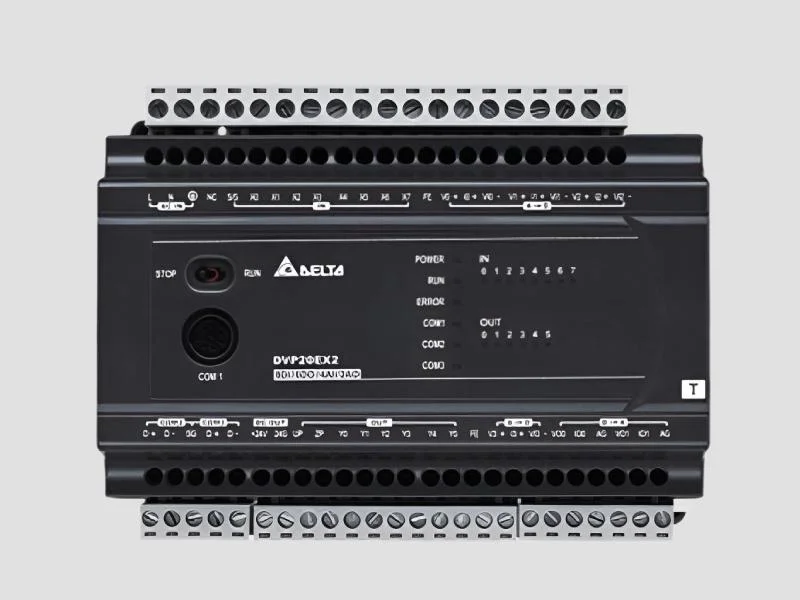
Compact PLCs: These are smaller, cost-effective solutions ideal for simple control applications. They are easy to install and suitable for limited I/O requirements.
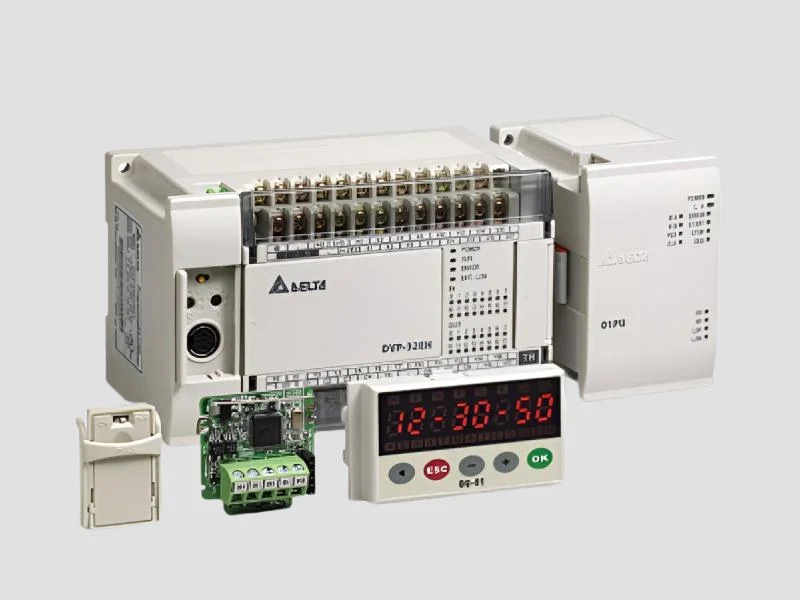
Modular PLCs: Modular PLCs offer flexibility through expandable I/O modules, allowing businesses to customize their systems as needs grow. They are preferred for more complex operations.
Rack-mounted PLCs: These systems integrate multiple modules into a rack, providing high processing power and extensive I/O capacity. They are often used in large-scale industrial applications.
Specialized PLCs: Certain PLCs are designed for specific industries or applications, such as motion control or process automation, offering tailored functionalities.
Benefits and Advantages
PLC controllers provide numerous advantages that significantly enhance industrial processes.
1. Increased Efficiency: By automating tasks, PLCs reduce labor costs and minimize human error, leading to improved production efficiency.
2. Flexibility: PLCs can be easily reprogrammed and reconfigured, allowing businesses to adapt their automation systems to new processes or products without significant investment.
3. Reliability: Designed for harsh environments, PLCs operate consistently over long periods, ensuring minimal downtime and maintenance needs.
4. Real-time Monitoring: PLCs enable real-time monitoring of production processes, providing data that can be used for analysis and optimization.
5. Scalability: Businesses can start with a basic PLC setup and expand their systems as needed, making them suitable for both small and large operations.
6. Enhanced Safety: With built-in safety features, PLCs help prevent accidents and protect both equipment and personnel.
In summary, the benefits of PLC controllers make them an essential component of modern industrial automation, driving productivity and operational excellence.
Buying Guide for B2B Buyers
When sourcing PLC controllers, it is crucial for B2B buyers to consider various factors to ensure they make informed decisions.
1. Quality Assessment: Evaluate the quality standards of the PLCs, focusing on reliability and durability. Look for products that meet recognized international standards.
2. Supplier Verification: Ensure that suppliers are reputable and have a track record of providing high-quality PLCs. Checking reviews and ratings can help in this assessment.
3. Pricing and MOQ: Understand the pricing structure and minimum order quantities. This information is vital for budgeting and inventory management.
4. Delivery and Lead Times: Discuss logistics with suppliers to determine delivery schedules. Timely delivery is crucial for maintaining production schedules.
5. Compliance Requirements: Verify that the PLCs meet necessary compliance and regulatory requirements specific to your industry. This ensures adherence to safety and quality standards.
In conclusion, a thorough buying guide helps B2B buyers navigate the complexities of sourcing PLC controllers, ensuring they choose the right products for their needs.
Compliance and Certifications
Compliance and certifications are critical aspects of PLC controllers, ensuring they meet industry standards and regulatory requirements.
PLC controllers often adhere to quality management standards such as ISO 9001, which ensures consistent quality in manufacturing and service delivery. This standard is vital for maintaining reliability in industrial automation.
Many PLCs are also certified with the CE mark, indicating conformity with European health, safety, and environmental protection standards. This certification is essential for companies looking to operate in the European market.
Additionally, PLCs must meet various safety and testing requirements to ensure they can withstand the rigors of industrial environments. These may include electromagnetic compatibility (EMC) tests and environmental durability assessments.
Regional compliance considerations may vary, with specific regulations depending on the country or region of operation. It is crucial for companies to understand these requirements to ensure their PLC systems are compliant.
In summary, compliance and certifications play a significant role in ensuring that PLC controllers are safe, reliable, and suitable for industrial use.
Why Source PLC Controllers (Siemens, Allen Bradley, etc.) from Pepagora?
Pepagora provides a trusted platform for sourcing PLC controllers, including well-known brands like Siemens and Allen Bradley. With a focus on quality and reliability, Pepagora connects buyers with verified suppliers, ensuring that all products meet industry standards.
The verified supplier network at Pepagora guarantees that buyers are working with reputable vendors. Each supplier undergoes a rigorous vetting process, ensuring that they provide high-quality products and services.
Pepagora also offers a streamlined RFQ (Request for Quotation) process, making it easy for buyers to obtain multiple quotes from different suppliers. This competitive approach helps buyers find the best pricing and options for their needs.
Furthermore, Pepagora ensures trade assurance and support for buyers. This protection includes safeguards against potential issues with orders, allowing buyers to source with confidence.
With a broad regional coverage that includes India, the GCC, and Southeast Asia, Pepagora caters to a diverse range of industries and businesses. This geographic reach allows buyers to access a wide variety of PLC controllers tailored to their operational needs.
In conclusion, sourcing PLC controllers from Pepagora offers numerous advantages, including supplier verification, competitive pricing, and regional support, making it a reliable choice for B2B buyers.

 IN
IN