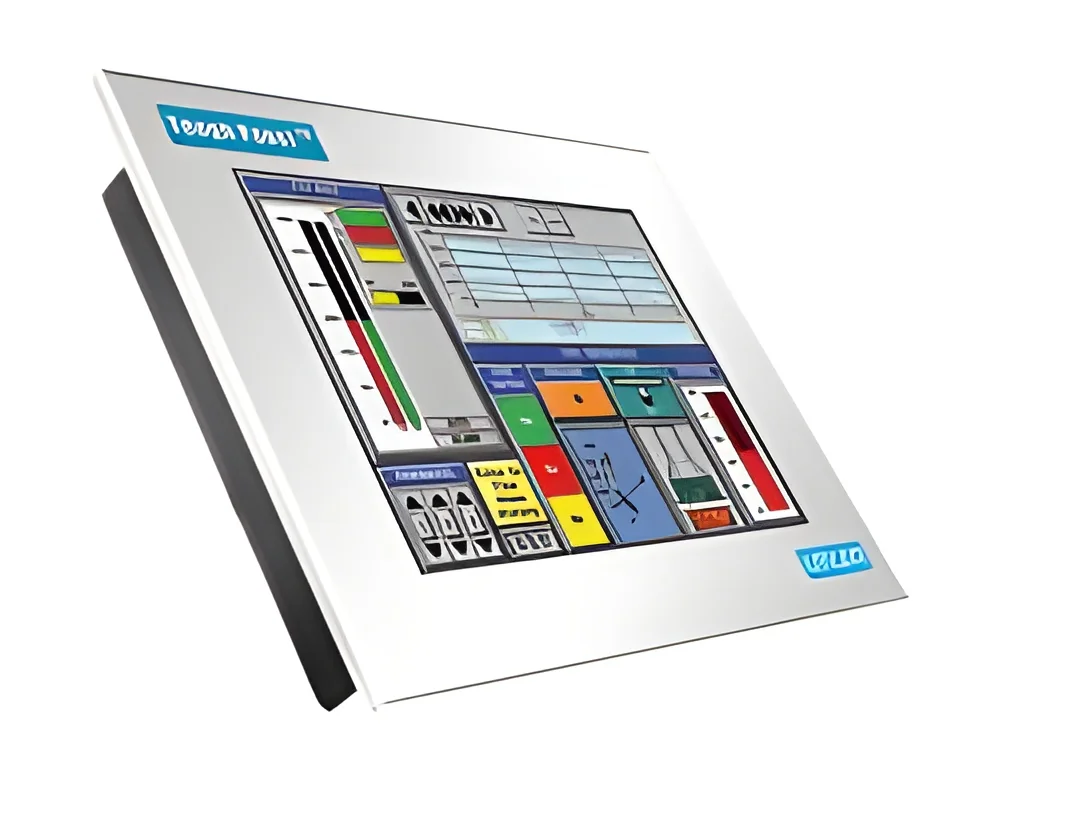
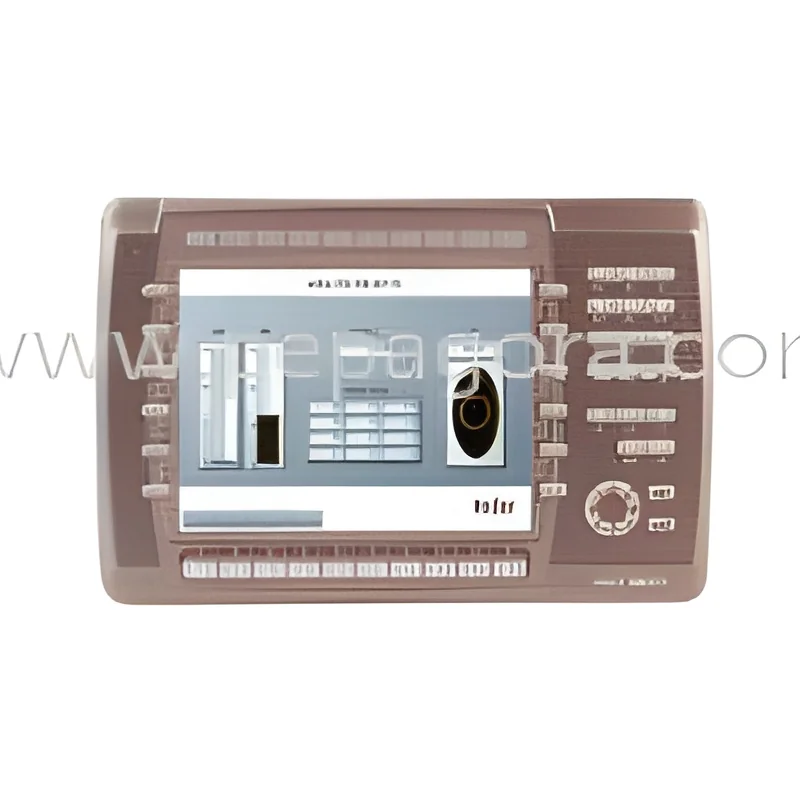
What are HMI Panels?
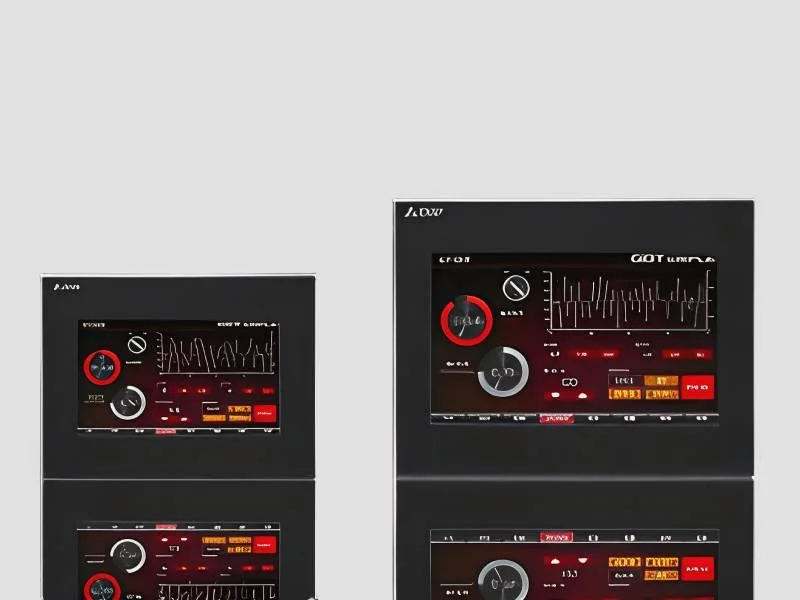
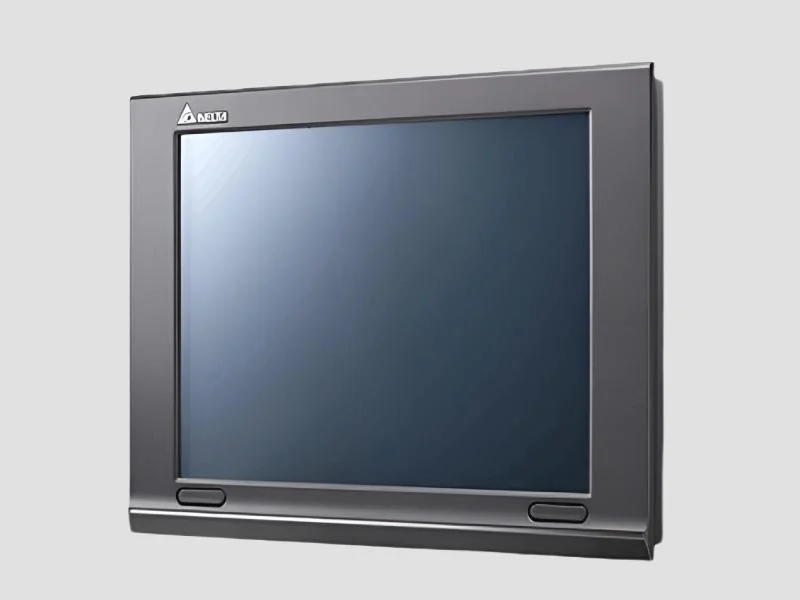
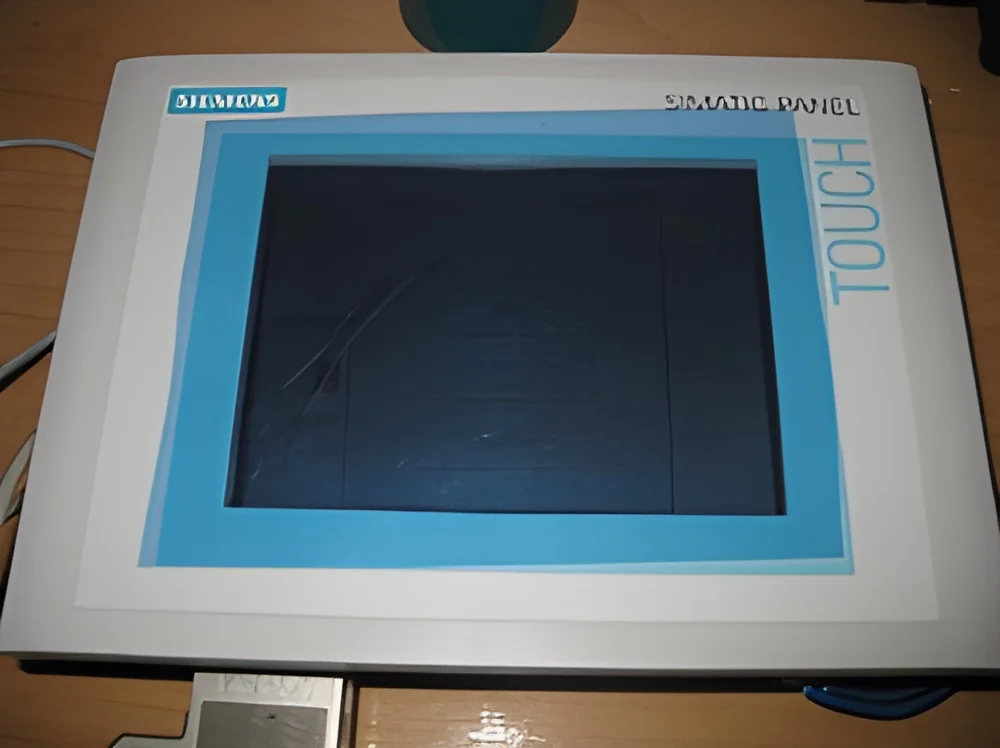
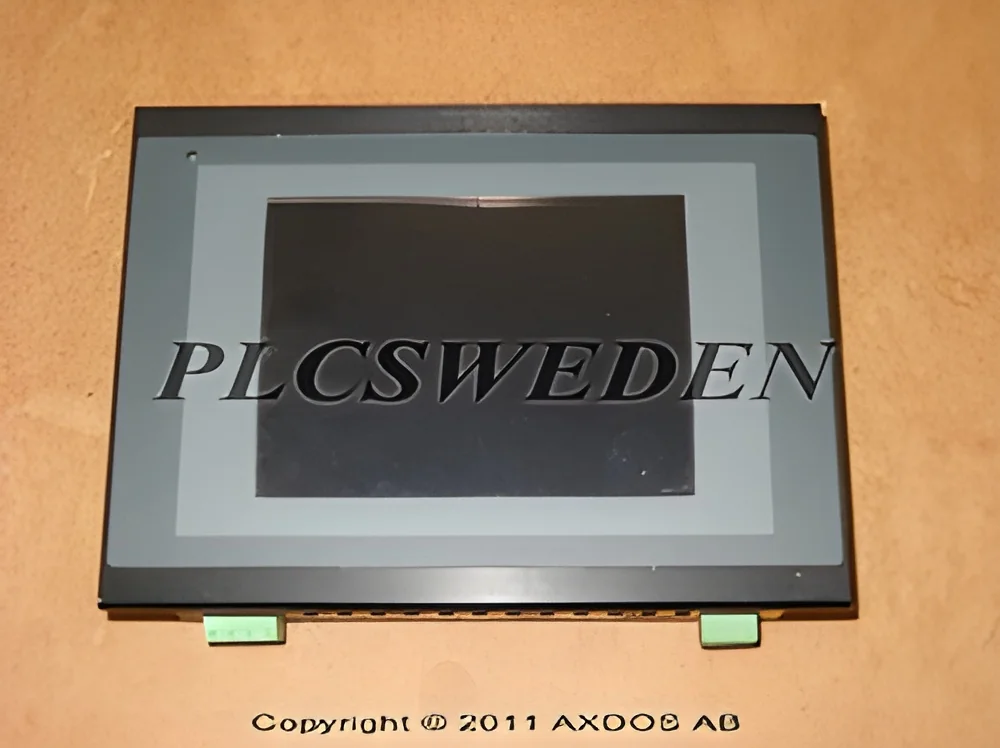
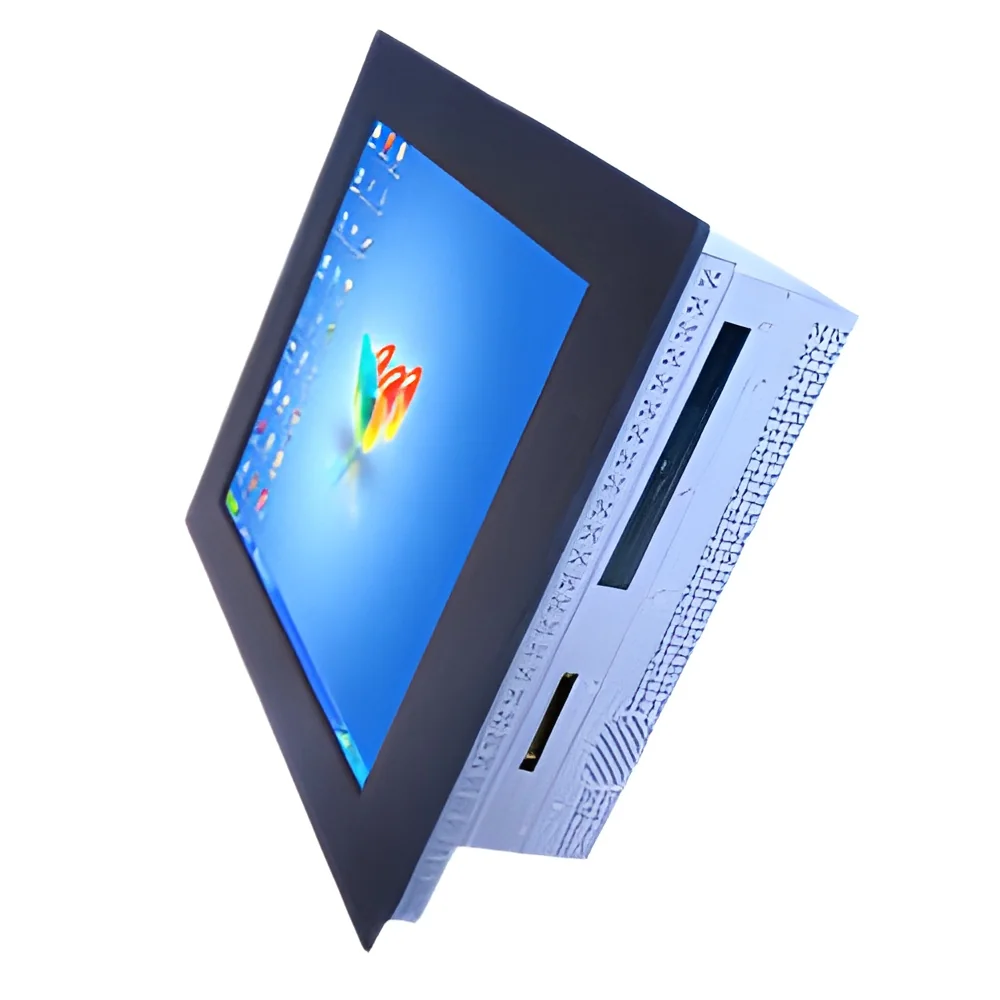
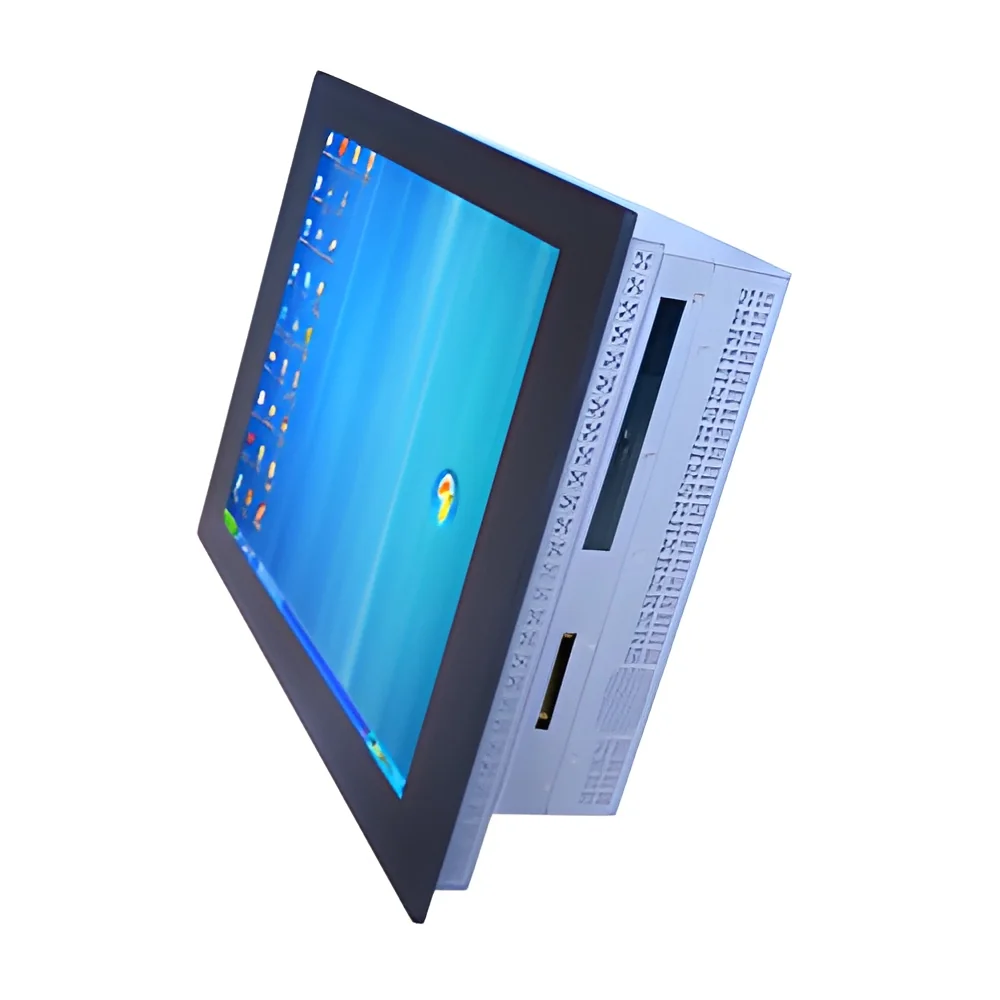
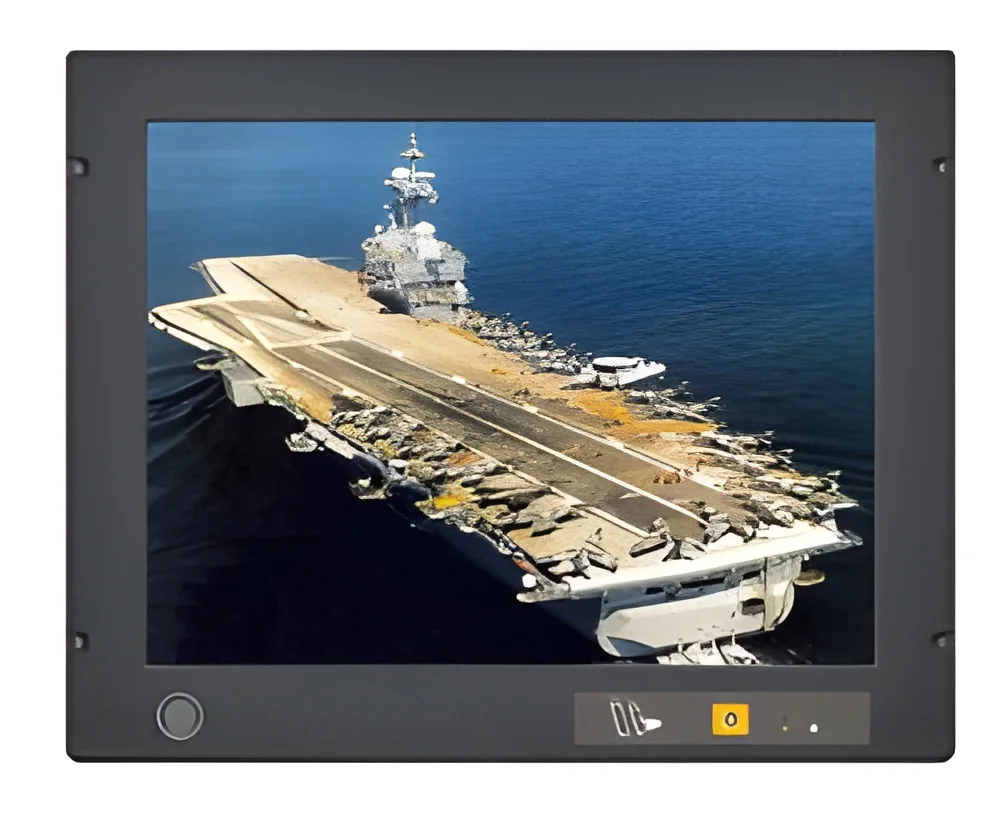
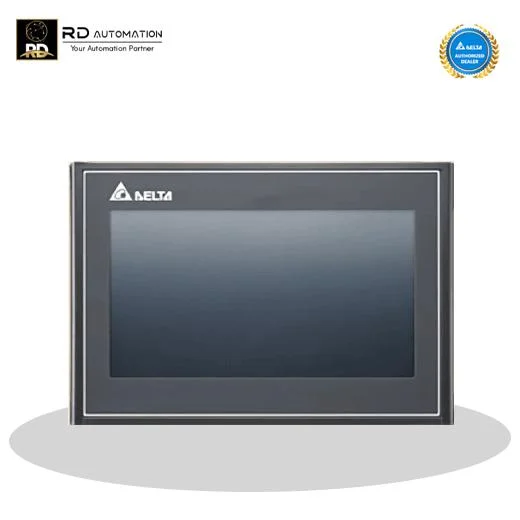
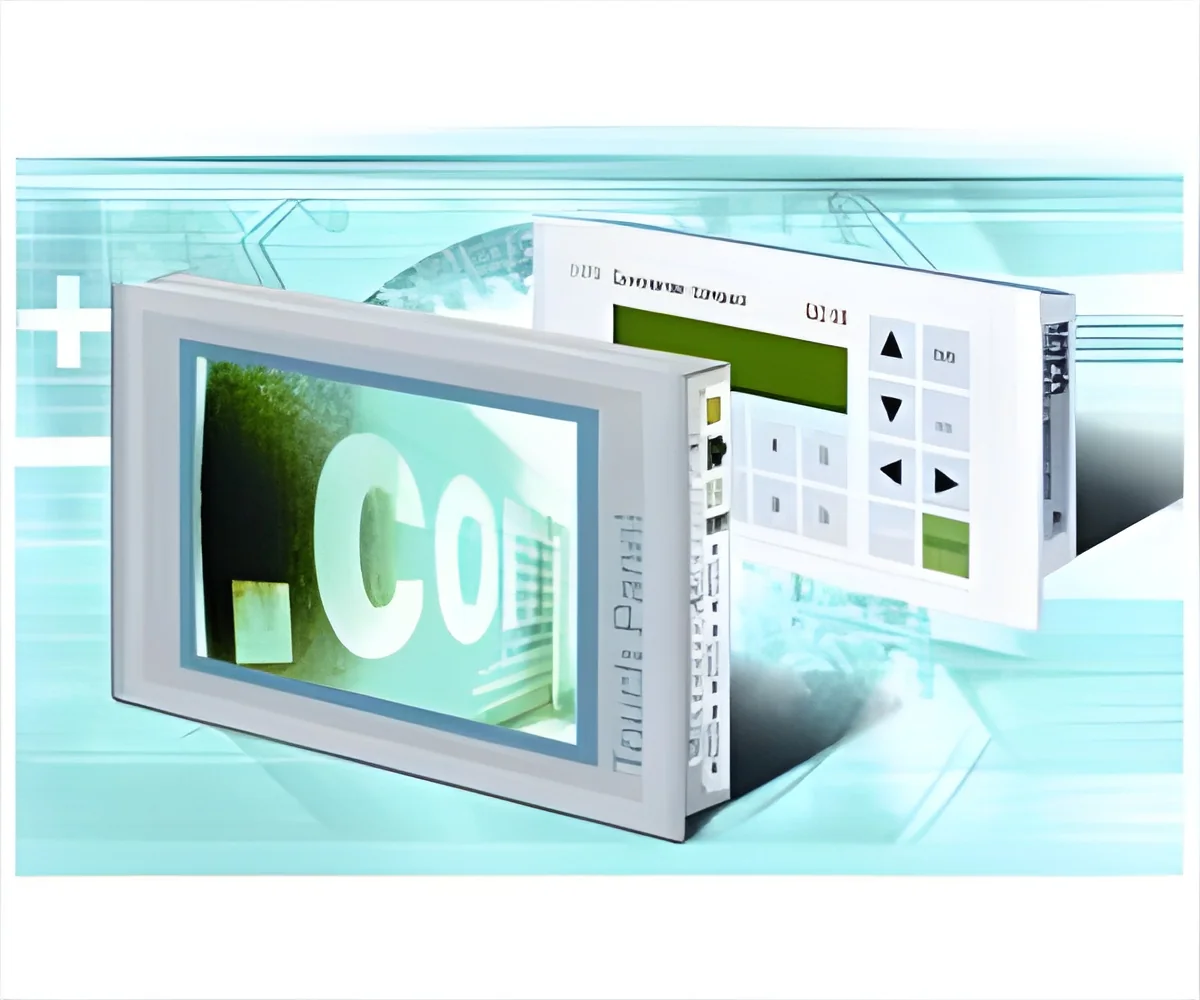
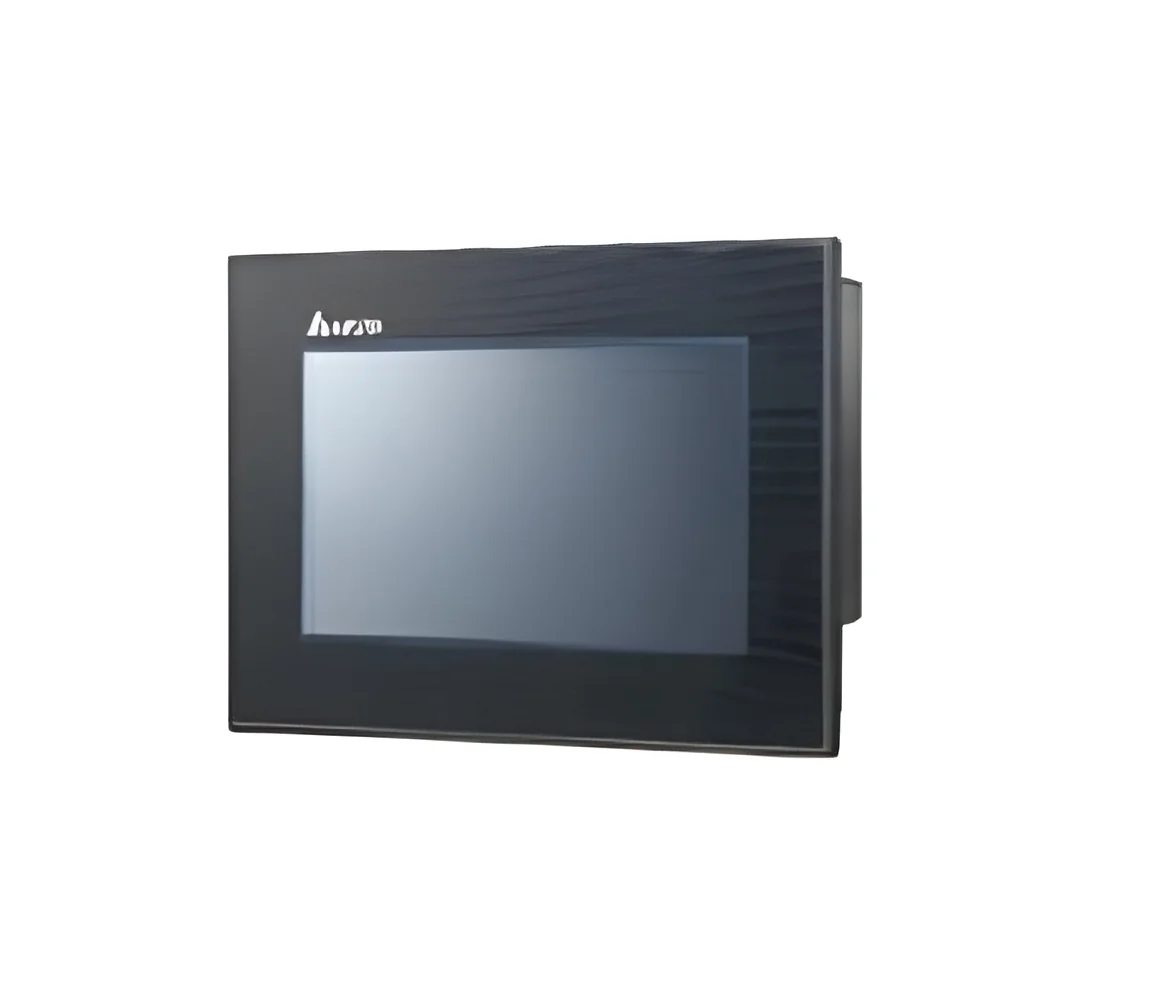
HMI panels, or Human-Machine Interface panels, are essential devices that facilitate interaction between humans and machines. These panels serve as the control and monitoring interface for various industrial equipment and processes. HMI panels display real-time data and allow operators to input commands, thus enhancing the operational efficiency of machinery. They can be programmed to perform a variety of functions, including data visualization, alarm management, and control of automated systems.
The primary applications of HMI panels span numerous industries, including manufacturing, energy, and transportation. They are employed in scenarios ranging from simple machine control to complex process automation. As industries increasingly adopt automation technologies, the relevance of HMI panels continues to grow. Companies leverage these panels to improve productivity, safety, and overall operational performance, making them integral components of modern industrial environments.
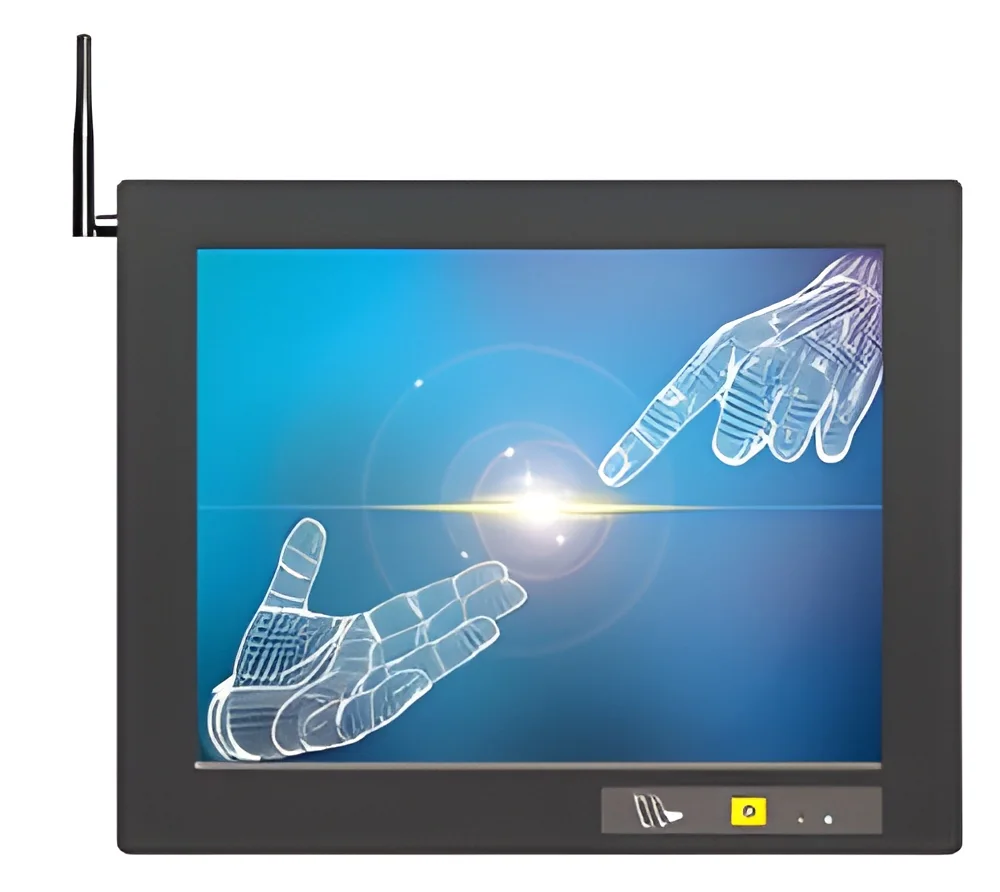
As market demands evolve, HMI panels are becoming more sophisticated, incorporating advanced features like touch screens, network connectivity, and enhanced graphical interfaces. This evolution supports the ongoing trend toward smart manufacturing and Industry 4.0 initiatives, positioning HMI panels as vital tools for enhancing operational efficiency across diverse sectors.
Key Features and Specifications
HMI panels come equipped with a range of features designed to enhance usability and functionality. These panels can vary greatly in terms of specifications, allowing buyers to select models that best fit their operational needs.
Key specifications include:
1. Display Type
- Options typically include LCD or LED displays.
- Resolution can range from standard to high-definition.
2. Touchscreen Capability
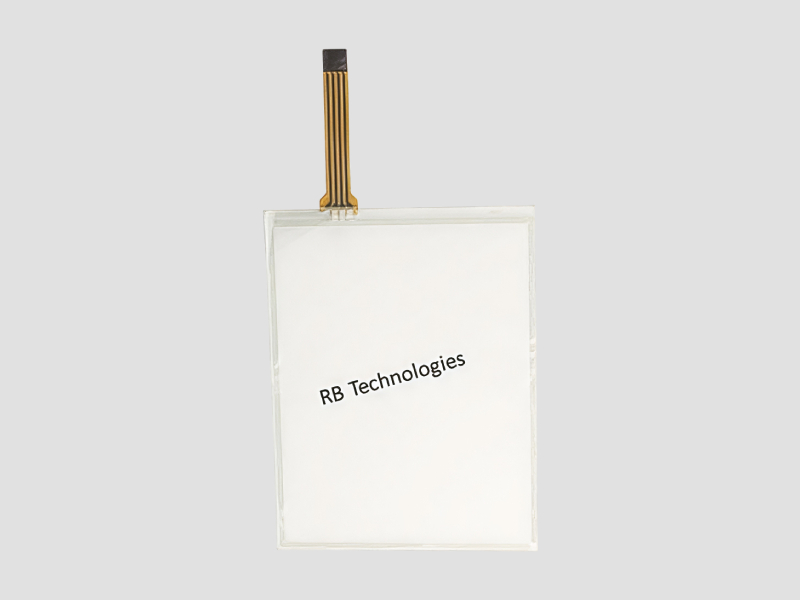
- Many models feature capacitive or resistive touch technology.
- Touchscreens enhance user interaction and efficiency.
3. Communication Protocols
- Supports various protocols such as Modbus, Ethernet/IP, and Profibus.
- Ensures compatibility with a wide range of devices.
4. Operating Temperature Range
- Designed to operate effectively in environments from -10°C to 60°C.
- Important for industrial settings with fluctuating conditions.
5. Power Supply
- Commonly available in 24V DC or 110-240V AC options.
- Ensures flexibility in installation and application.
6. Memory Capacity
- Varies by model, typically ranging from 1GB to 8GB.
- Affects the number of applications and data that can be stored.
7. Expansion Slots
- Some models include additional slots for modules or memory.
- Allows for customization and future-proofing.
8. IP Rating
- Most HMI panels have an Ingress Protection rating of IP65 or higher.
- Indicates resistance to dust and water, critical for industrial environments.
In summary, HMI panels are equipped with diverse features that cater to various user needs. Understanding these specifications is essential for selecting the right HMI panel for any industrial application.
Common Applications and Use Cases
HMI panels find applications across a broad range of industries, enhancing operational capabilities.
1. Manufacturing: HMI panels are used to monitor and control assembly lines, providing real-time data on production rates and machine statuses.
2. Energy: In power plants, HMI panels facilitate the monitoring of energy generation processes and grid management, ensuring efficient energy distribution.
3. Transportation: HMI panels are integrated into vehicles and transit systems, offering operators control over navigation and diagnostics.
4. Food and Beverage: In this sector, HMI panels manage process control for production lines, ensuring compliance with safety and quality standards.
5. Water Treatment: HMI panels play a vital role in monitoring water purification processes, providing operators with critical data to maintain water quality.
6. Pharmaceuticals: HMI technology is essential for monitoring equipment in drug manufacturing, helping to maintain regulatory compliance.
7. HVAC Systems: HMI panels control heating, ventilation, and air conditioning systems, allowing for efficient climate management in buildings.
Product Variants and Subcategories
HMI panels come in various designs and configurations to suit different operational needs.
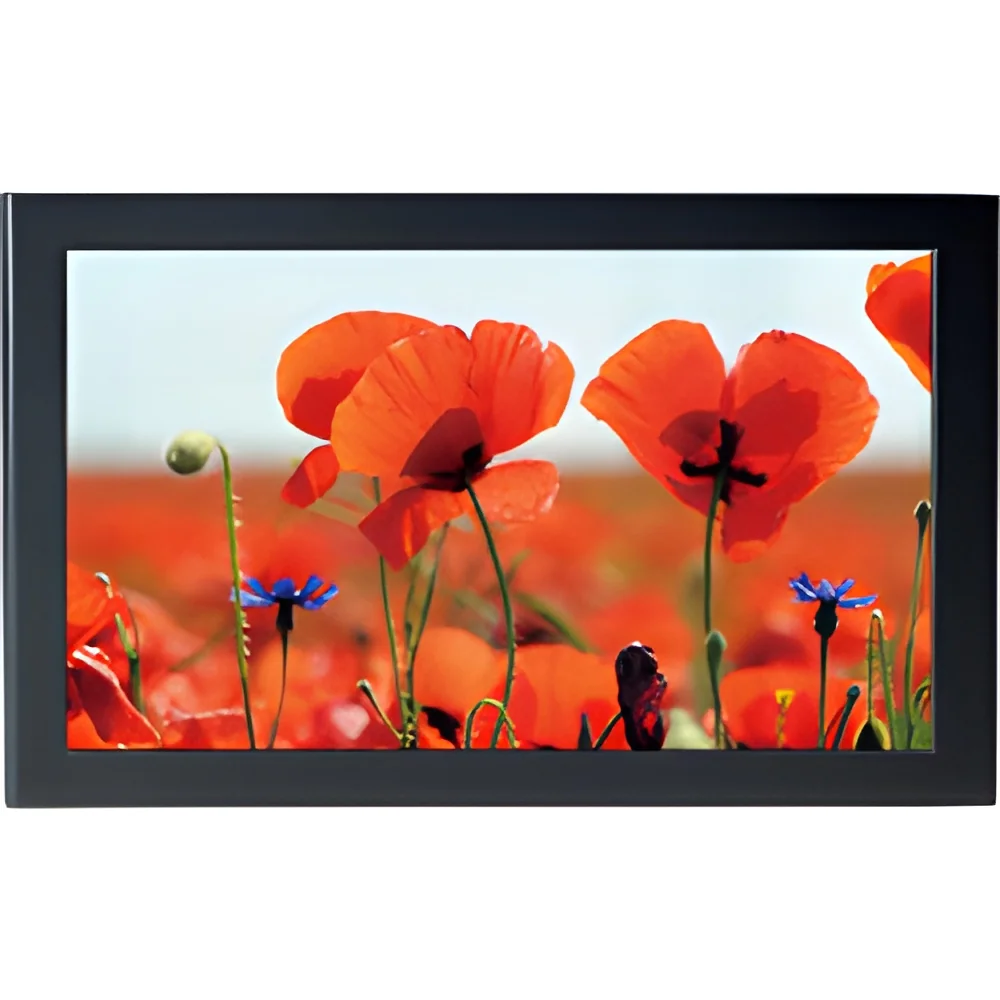
Standard HMI Panels: These are the most common type, featuring basic touch screen interfaces and essential functions for machine control. They are widely used in manufacturing and process industries.
Industrial HMI Panels: Designed for harsh environments, these panels offer enhanced durability and weather resistance. They are ideal for outdoor applications or industries with extreme conditions.
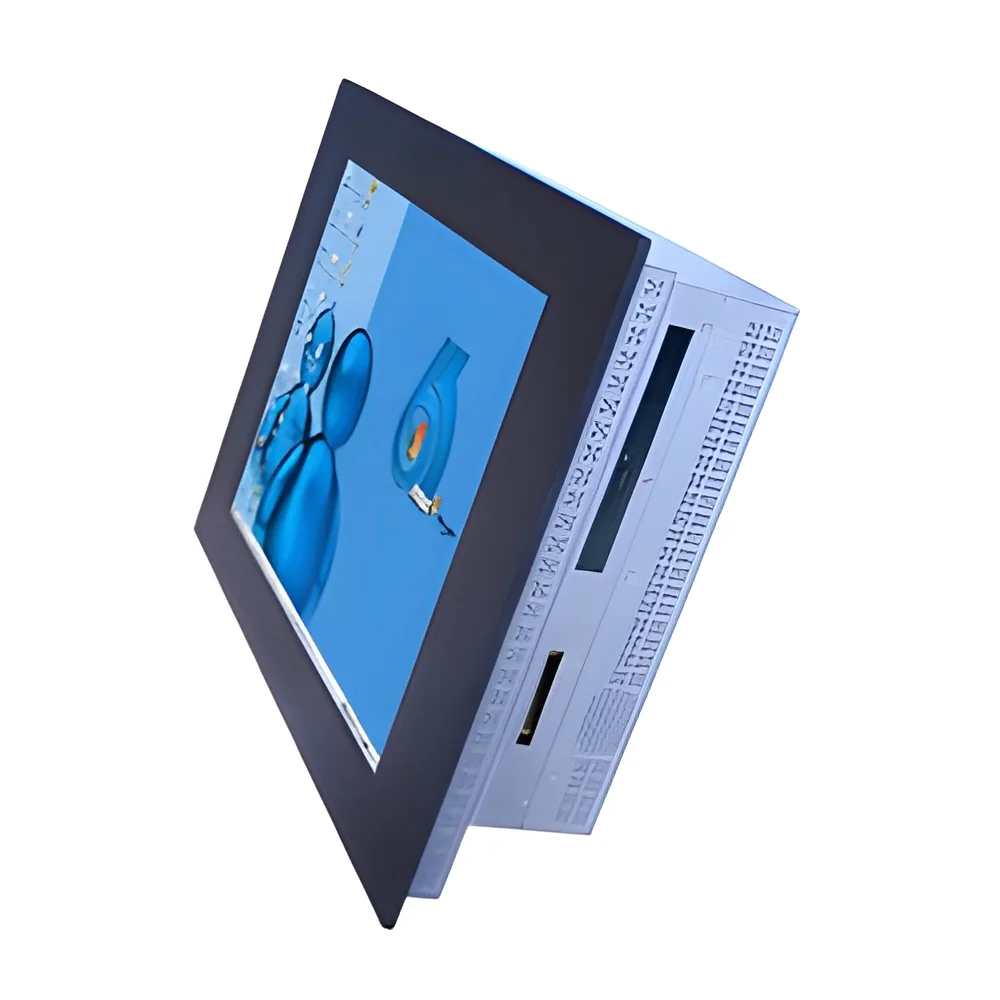
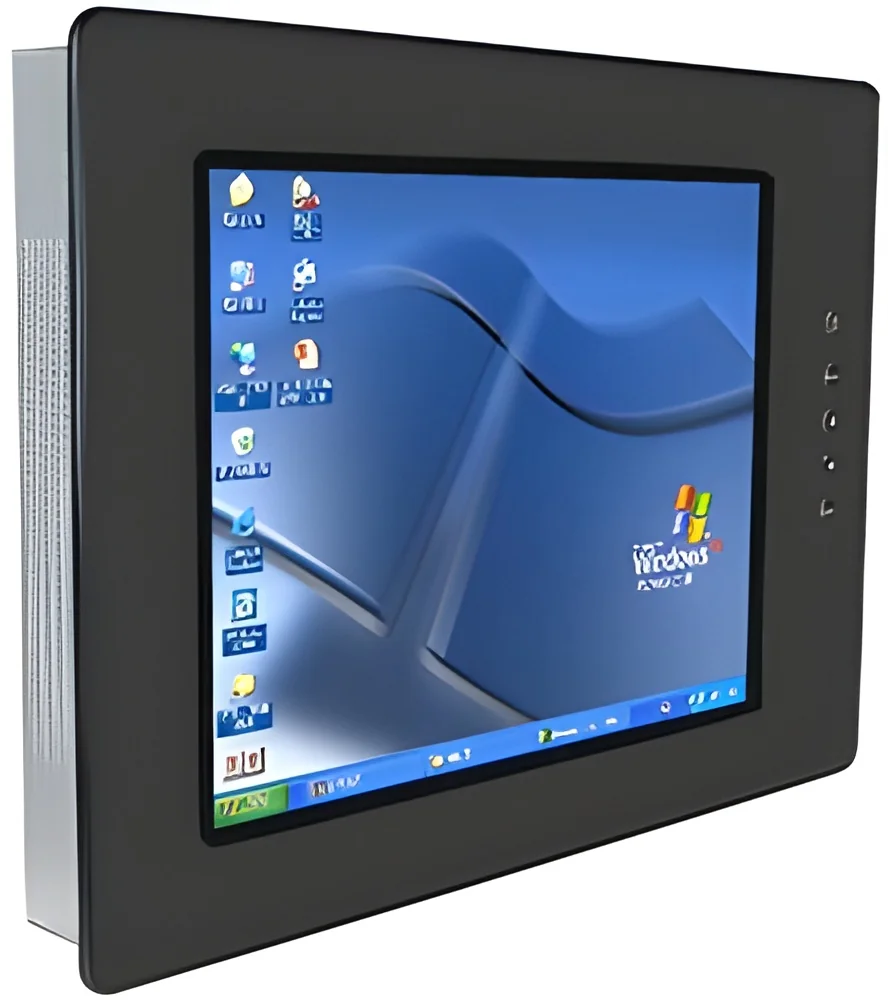
Panel-Mount HMI Panels: These models are installed within control panels, providing a compact solution for machine interfaces. They are often used in tight spaces or integrated systems.
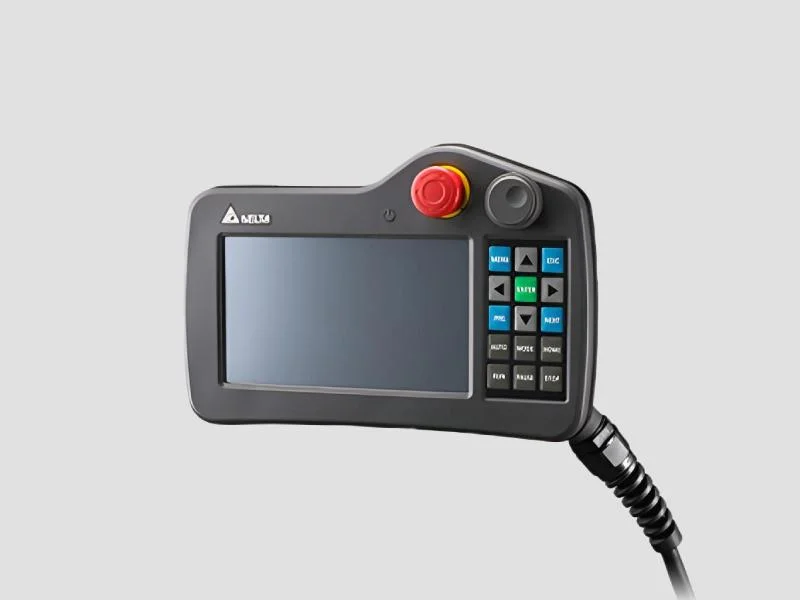
Portable HMI Panels: These lightweight and mobile panels allow operators to interact with machines from different locations. They are ideal for maintenance and troubleshooting tasks.
Benefits and Advantages
HMI panels offer numerous benefits that enhance operational efficiency and safety.
1. Improved User Interaction: HMI panels provide intuitive interfaces that simplify machine operation, reducing the learning curve for new operators.
2. Real-Time Monitoring: These panels allow for continuous monitoring of processes, helping to identify issues before they escalate.
3. Increased Productivity: By streamlining operations and reducing downtime, HMI panels contribute to overall productivity gains.
4. Enhanced Data Visualization: HMI panels present complex data in a clear and understandable format, facilitating better decision-making.
5. Customization Options: Many HMI panels can be tailored to specific applications, allowing businesses to meet unique operational requirements.
6. Remote Access: Advanced HMI panels offer remote connectivity, enabling operators to monitor and control systems from off-site locations.
Buying Guide for B2B Buyers
When sourcing HMI panels, various factors should be taken into account to ensure the right choice for your business needs.
1. Quality Assessment: Evaluate the build quality and reliability of HMI panels. Look for models that comply with industry standards and have proven performance in similar applications.
2. Supplier Verification: Vet suppliers by checking their credentials, customer reviews, and industry reputation. Established suppliers often offer better support and warranty options.
3. Pricing and MOQ: Consider the price range of HMI panels and the minimum order quantity required. Compare multiple suppliers to find competitive pricing that aligns with your budget.
4. Delivery and Lead Times: Assess the supplier’s ability to meet your delivery timelines. Timely delivery is crucial for minimizing project delays.
5. Compliance Requirements: Ensure that the HMI panels meet necessary regulatory standards for your industry. Compliance with quality standards and certifications can impact your operational safety.
Compliance and Certifications
HMI panels are subject to various quality and safety standards that ensure their reliability and effectiveness in industrial applications. Key standards include ISO 9001, which focuses on quality management systems, and CE certification, which indicates compliance with European health, safety, and environmental protection standards.
Additionally, manufacturers often adhere to industry-specific regulations such as HACCP for food safety or GDP for goods distribution. These certifications assure buyers that the HMI panels have undergone stringent testing and meet the necessary safety requirements.
Regional compliance considerations may also apply, depending on where the HMI panels will be used. It is important to verify that the selected panels comply with local regulations to avoid legal and operational issues.
Why Source HMI Panels from Pepagora?
Pepagora offers a trusted platform for sourcing HMI panels, providing several key advantages for businesses.
Verified Supplier Network: Pepagora connects buyers with a network of verified suppliers, ensuring that all listed vendors meet quality and reliability standards. This network helps mitigate risks associated with sourcing.
Streamlined RFQ Process: The request for quotation (RFQ) process on Pepagora is designed to be efficient and user-friendly. Buyers can easily submit inquiries and receive timely responses from multiple suppliers.
Trade Assurance and Support: Pepagora emphasizes buyer protection through trade assurance measures. This support ensures that transactions are secure and that buyers have recourse in case of issues.
Regional Coverage: Pepagora has a significant geographic reach, including markets in India, the GCC, and Southeast Asia. This wide coverage enables buyers to find suitable suppliers that meet their specific regional needs.

 IN
IN