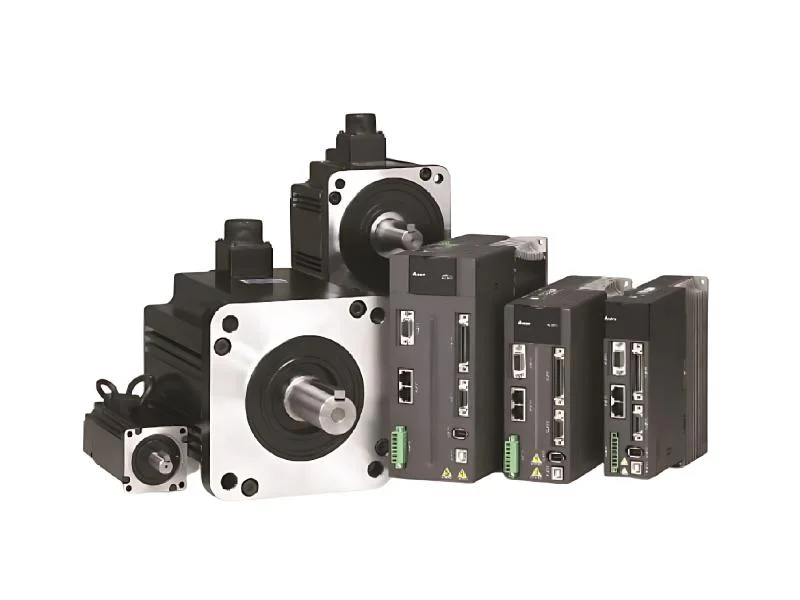
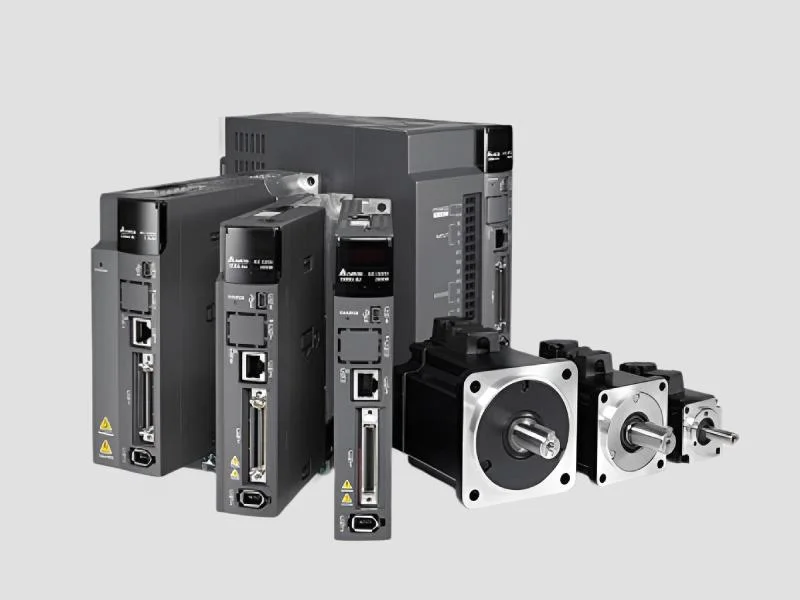
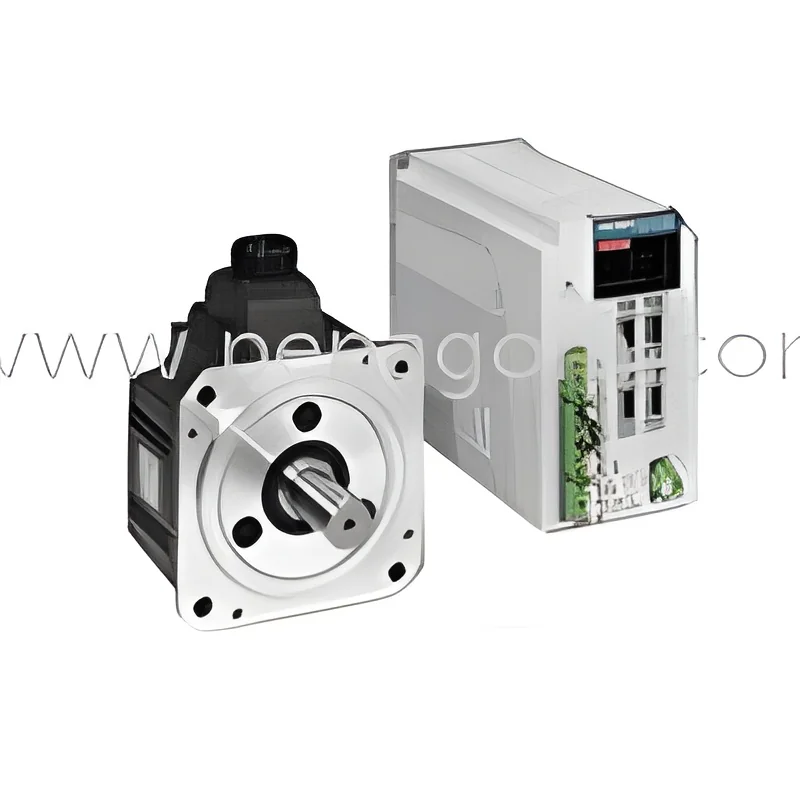
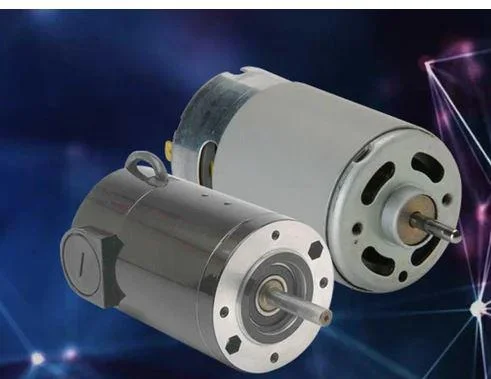
What are Servo Electric Actuators?
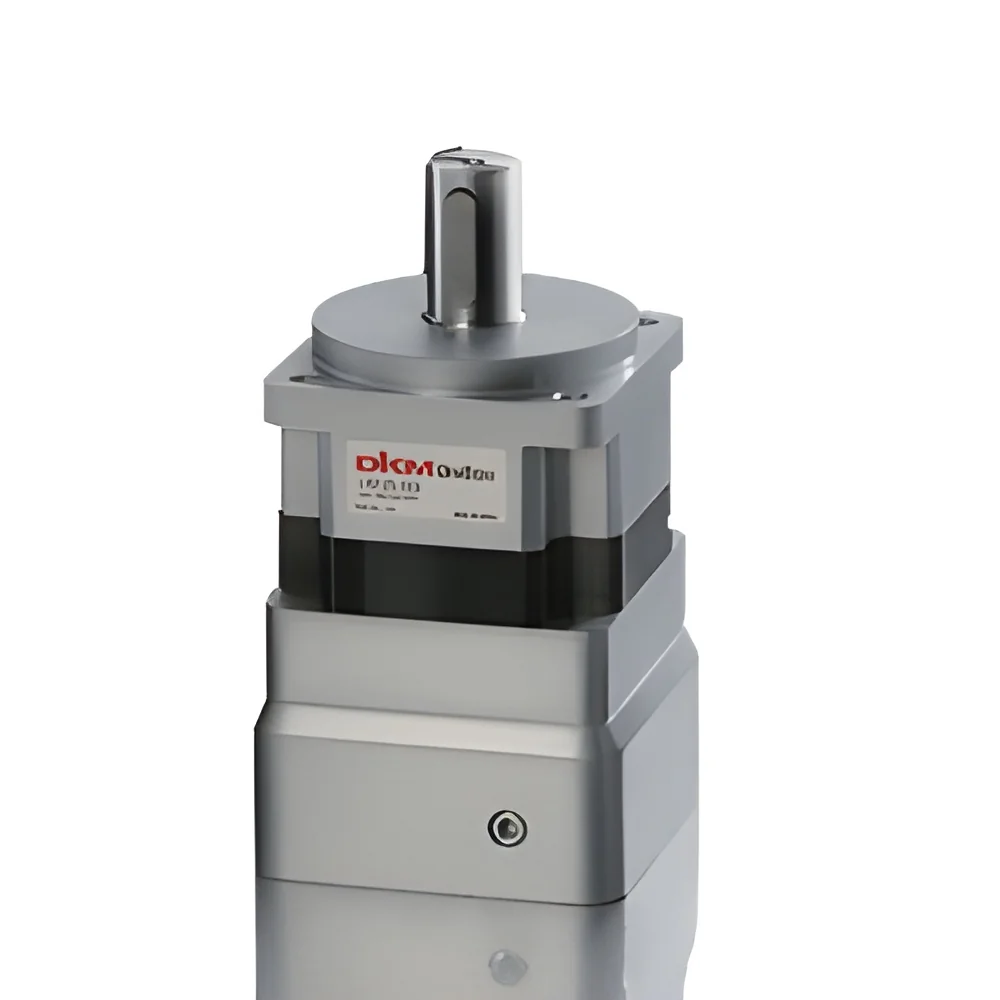
Servo electric actuators are advanced devices that convert electrical energy into mechanical motion with precision control. They utilize a servo motor and a feedback mechanism to achieve accurate positioning and speed regulation. Unlike traditional actuators, servo electric actuators offer high efficiency and reliability, making them suitable for various applications in automation and control systems.
These actuators are predominantly used in industries such as manufacturing, robotics, aerospace, and automotive. They play a crucial role in applications requiring precise control over movement, such as robotics arms, conveyor systems, and valve control. Their ability to deliver consistent performance under varying loads and conditions makes them invaluable in today's competitive industrial landscape. As businesses increasingly adopt automation technologies, the demand for servo electric actuators continues to grow, positioning them as essential components in modern industrial systems.
Key Features and Specifications
Servo electric actuators come equipped with a range of features designed to enhance performance and reliability. They are engineered to meet the diverse needs of various applications, ensuring optimal functionality in demanding environments.
Key specifications include:
1. Torque Output
- This specification indicates the maximum turning force the actuator can provide.
- Typical ranges vary depending on the model and application.
2. Speed Range
- This defines how quickly the actuator can respond to commands.
- Common speeds range from low to high RPMs, depending on the motor type.
3. Positioning Accuracy
- This measures how precisely the actuator can reach a specified position.
- Accuracy is often within a few microns for high-end models.
4. Power Supply Voltage
- This specification outlines the required electrical input for operation.
- Standard voltages include 24V, 48V, and 230V.
5. Control Interface
- This indicates the types of signals used for controlling the actuator.
- Common interfaces include PWM, analog, and digital communication protocols.
6. Environmental Resistance
- This specifies the actuator's ability to withstand harsh conditions.
- Ratings may include IP67 for dust and water resistance.
7. Feedback Mechanism
- This describes the system used to provide position information.
- Common types include encoders and potentiometers.
8. Size and Weight
- This provides the physical dimensions and mass of the actuator.
- Small, lightweight models are available for compact applications.
In summary, servo electric actuators are characterized by their precise control, diverse specifications, and adaptability across various applications, making them a preferred choice in automation solutions.
Common Applications and Use Cases
Servo electric actuators are utilized in a wide range of industries, each benefiting from their precision and reliability.
1. Manufacturing: In this sector, servo electric actuators are used for tasks like assembly line automation, material handling, and robotic welding. Their accuracy ensures high production rates and consistent quality.
2. Robotics: These actuators serve as the backbone of robotic systems, providing the necessary motion control for robotic arms and autonomous vehicles. They enhance maneuverability and operational efficiency.
3. Aerospace: In aerospace applications, servo electric actuators are used in flight control systems and engine thrust vectoring. Their reliability is critical for safety and performance in flight operations.
4. Automotive: In the automotive industry, servo electric actuators are employed in advanced driver-assistance systems and automated assembly processes. They enable precise control in vehicle systems.
5. Medical Devices: These actuators are used in surgical robots and other medical equipment, where precision movement is essential for patient safety and treatment effectiveness.
6. HVAC Systems: Servo electric actuators control dampers and valves in heating, ventilation, and air conditioning systems, ensuring optimal airflow and energy efficiency.
7. Packaging: In packaging machinery, these actuators provide accurate movement for filling, sealing, and labeling operations, improving overall productivity.
Product Variants and Subcategories
Servo electric actuators come in various configurations to cater to different industrial needs.
Standard Servo Electric Actuators
These are the most common types, designed for general applications. They offer reliable performance and are suitable for tasks that require moderate precision.
High-Performance Servo Electric Actuators
These variants provide enhanced torque and speed capabilities. They are ideal for applications demanding high precision and rapid response, such as robotics and aerospace.
Compact Servo Electric Actuators
These actuators are designed for space-constrained environments. They maintain high performance while minimizing footprint, making them suitable for portable and small machinery.
Heavy-Duty Servo Electric Actuators
Built for robust applications, these actuators can handle heavy loads and harsh conditions. They are commonly used in industrial machinery and outdoor equipment.
Benefits and Advantages
Servo electric actuators offer numerous benefits that make them a preferred choice for industrial applications.
Key benefits include:
1. High Precision: These actuators provide exceptional accuracy in positioning, ensuring reliable performance in critical applications.
2. Energy Efficiency: By converting electrical energy directly into motion, servo electric actuators minimize energy waste, leading to lower operational costs.
3. Low Maintenance: With fewer moving parts compared to pneumatic or hydraulic systems, servo electric actuators require less maintenance, reducing downtime.
4. Fast Response Time: They deliver quick and accurate responses to control commands, enhancing the overall productivity of automated systems.
5. Versatility: Servo electric actuators can be customized for various applications, making them suitable for a wide range of industries.
6. Enhanced Control: The feedback mechanisms allow for real-time adjustments, ensuring optimal performance and adaptability in dynamic environments.
Buying Guide for B2B Buyers
When sourcing servo electric actuators, several factors should be taken into account to ensure the best fit for your application.
1. Quality Assessment: Evaluate the build quality and performance specifications of the actuators. Look for manufacturers that adhere to industry standards and provide reliable products.
2. Supplier Verification: Conduct due diligence on potential suppliers. Verify their reputation, experience, and customer reviews to ensure they can meet your quality and delivery expectations.
3. Pricing and MOQ: Consider the price points of different actuators and understand the minimum order quantities required by suppliers. This helps in budgeting and managing inventory effectively.
4. Delivery and Lead Times: Assess the supplier's ability to meet your delivery timelines. Reliable logistics are crucial to maintaining production schedules and minimizing delays.
5. Compliance Requirements: Ensure that the actuators meet relevant regulatory and safety standards. This may include certifications like CE and adherence to local compliance requirements.
Compliance and Certifications
Servo electric actuators must meet various compliance and certification standards to ensure safety, reliability, and quality.
ISO 9001 is a common quality management standard that many manufacturers adhere to, ensuring consistent product quality and continuous improvement in processes.
CE certification is essential for products sold in Europe, indicating that the actuator meets EU safety, health, and environmental protection requirements.
Safety and testing requirements are critical to ensure the actuators function correctly under specified conditions. This may involve rigorous testing for performance under extreme conditions.
Regional compliance considerations may vary, so it is important for manufacturers to be aware of and adhere to local regulations, especially when exporting products to different markets.
Why Source Servo Electric Actuators from Pepagora?
Pepagora is a trusted platform for sourcing servo electric actuators, offering several key advantages for B2B buyers.
Verified Supplier Network: Pepagora connects buyers with a network of verified suppliers, ensuring that all listed manufacturers meet stringent quality and reliability standards. This provides peace of mind when making purchasing decisions.
Streamlined RFQ Process: The platform features an efficient request for quotation (RFQ) system that allows buyers to easily compare offerings from multiple suppliers. This simplifies the procurement process and helps identify the best options.
Trade Assurance and Support: Pepagora offers trade assurance services that protect buyers from potential risks associated with online transactions. With dedicated support, buyers can resolve issues quickly and effectively.
Regional Coverage: With a strong presence in India, the GCC, and Southeast Asia, Pepagora facilitates access to a wide range of suppliers. This geographic reach enables buyers to find the best products suited to their specific needs and regional requirements.

 IN
IN