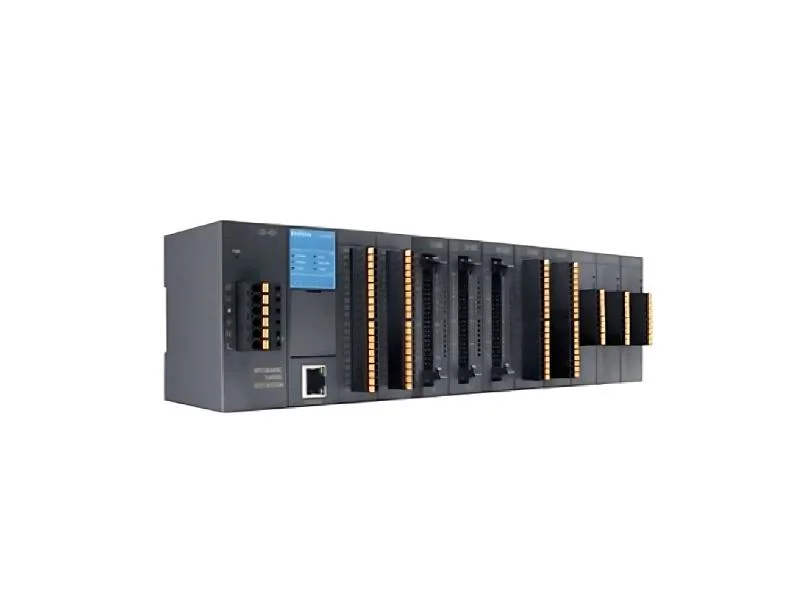
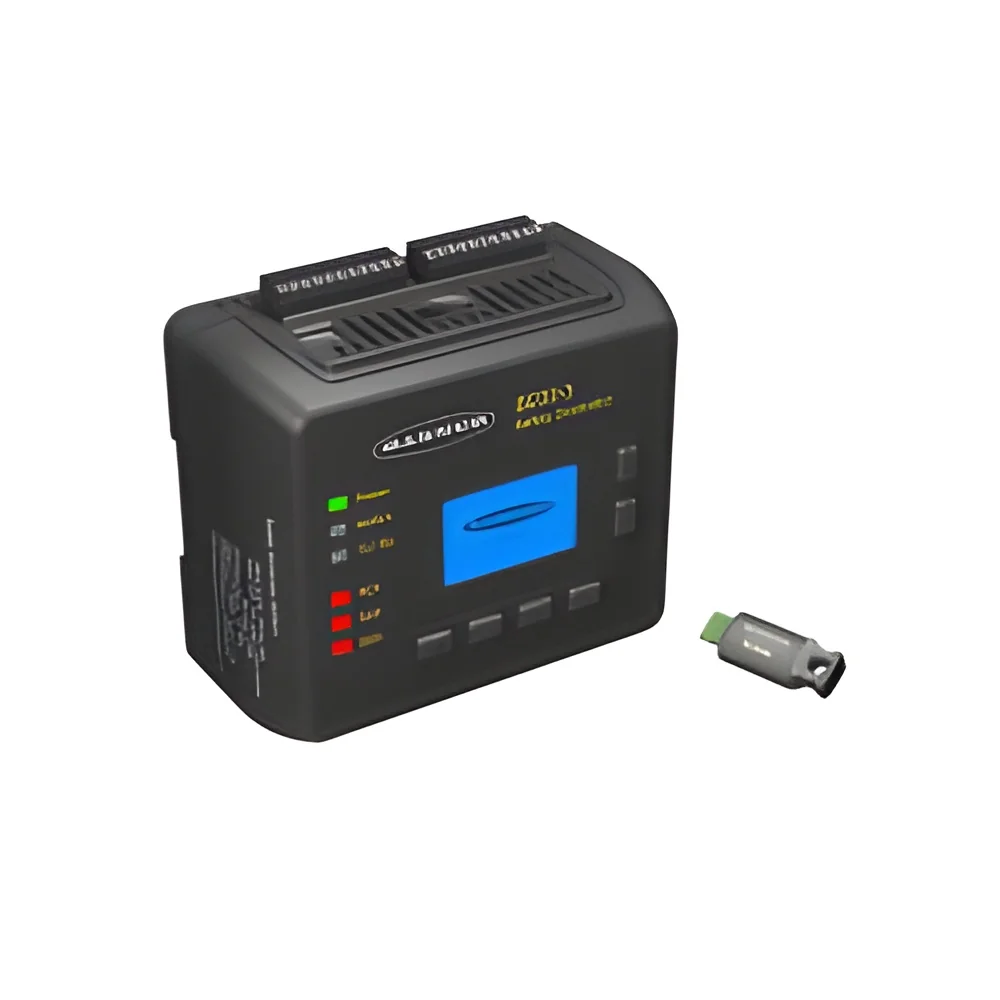
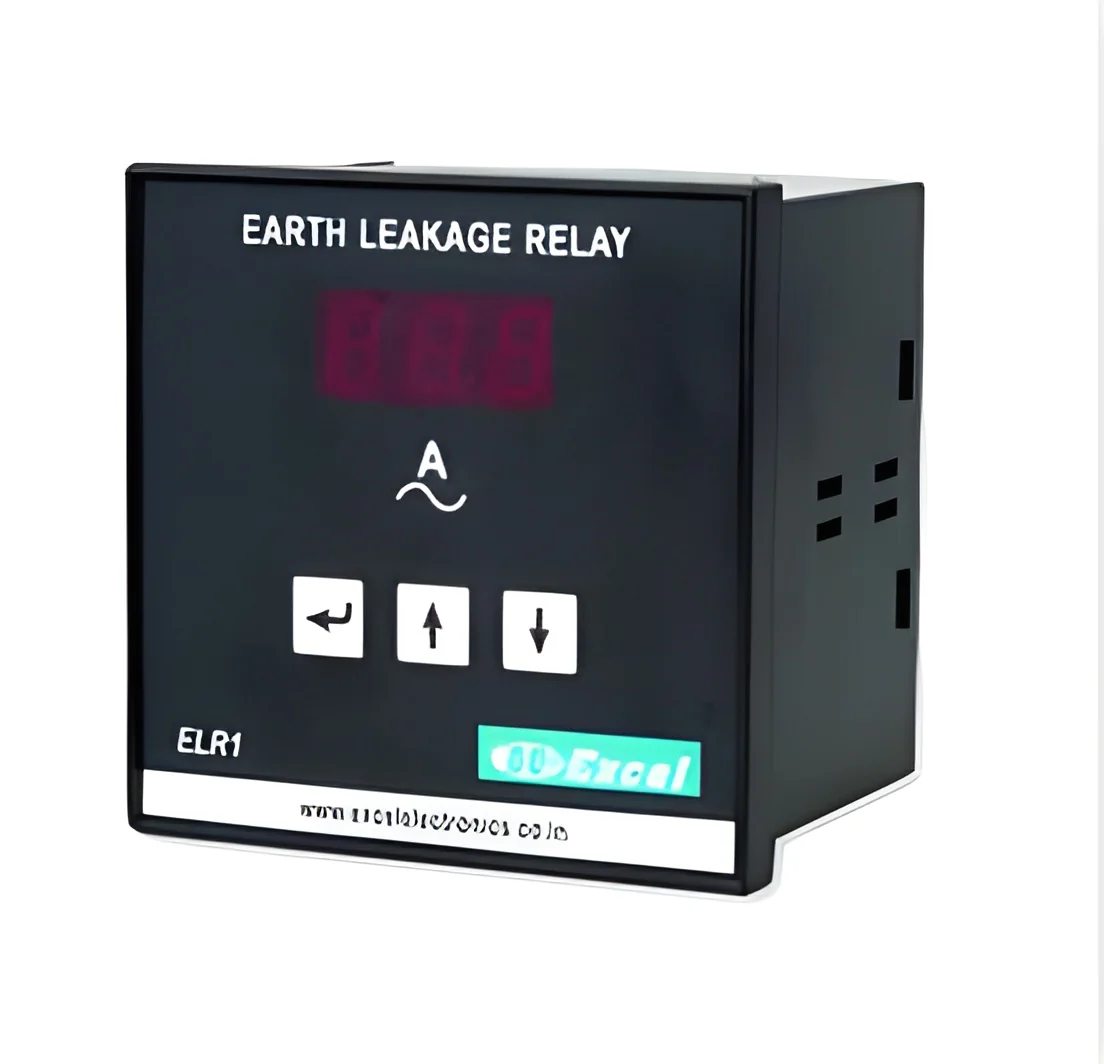
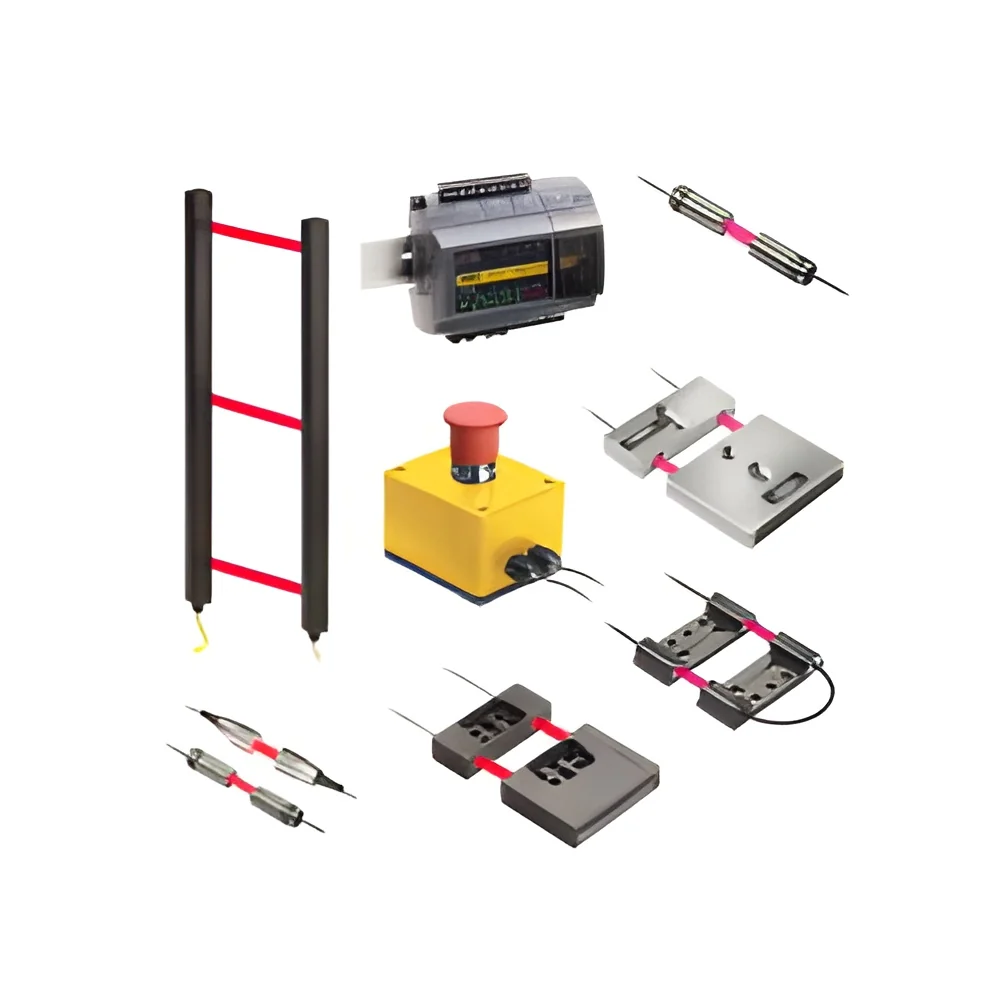
What are Safety PLCs & Relays?
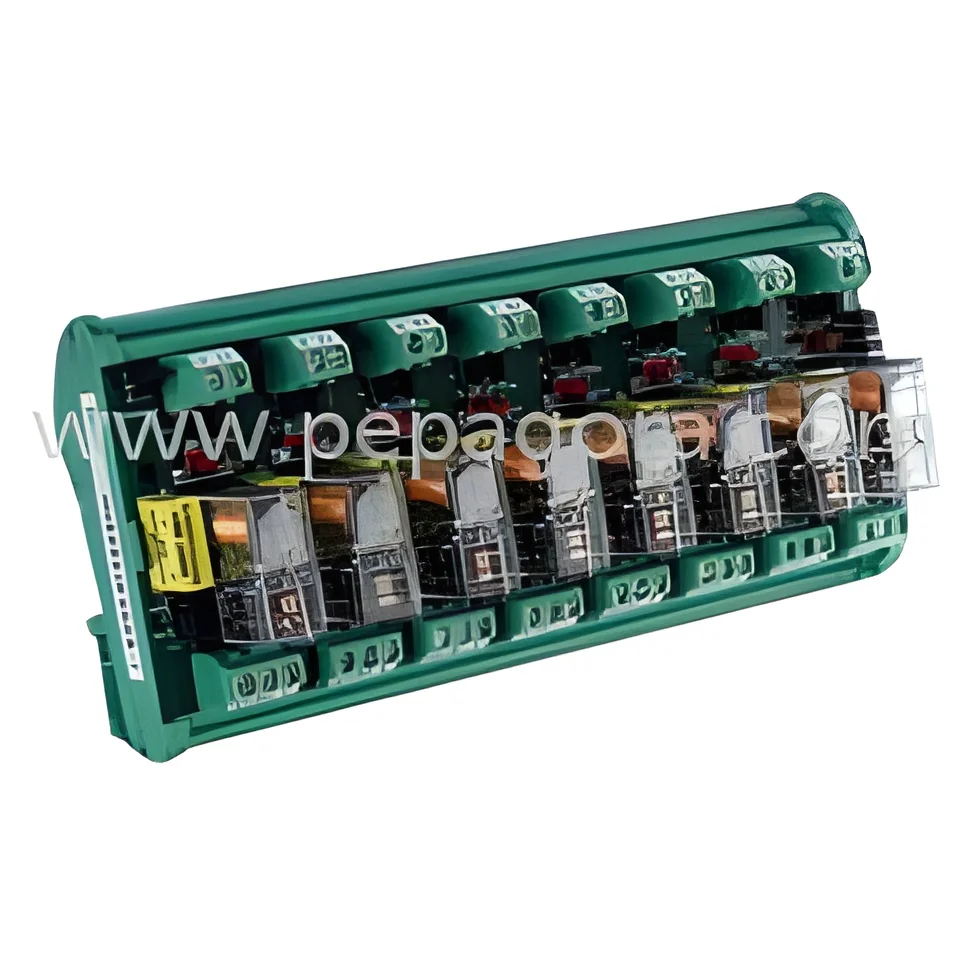
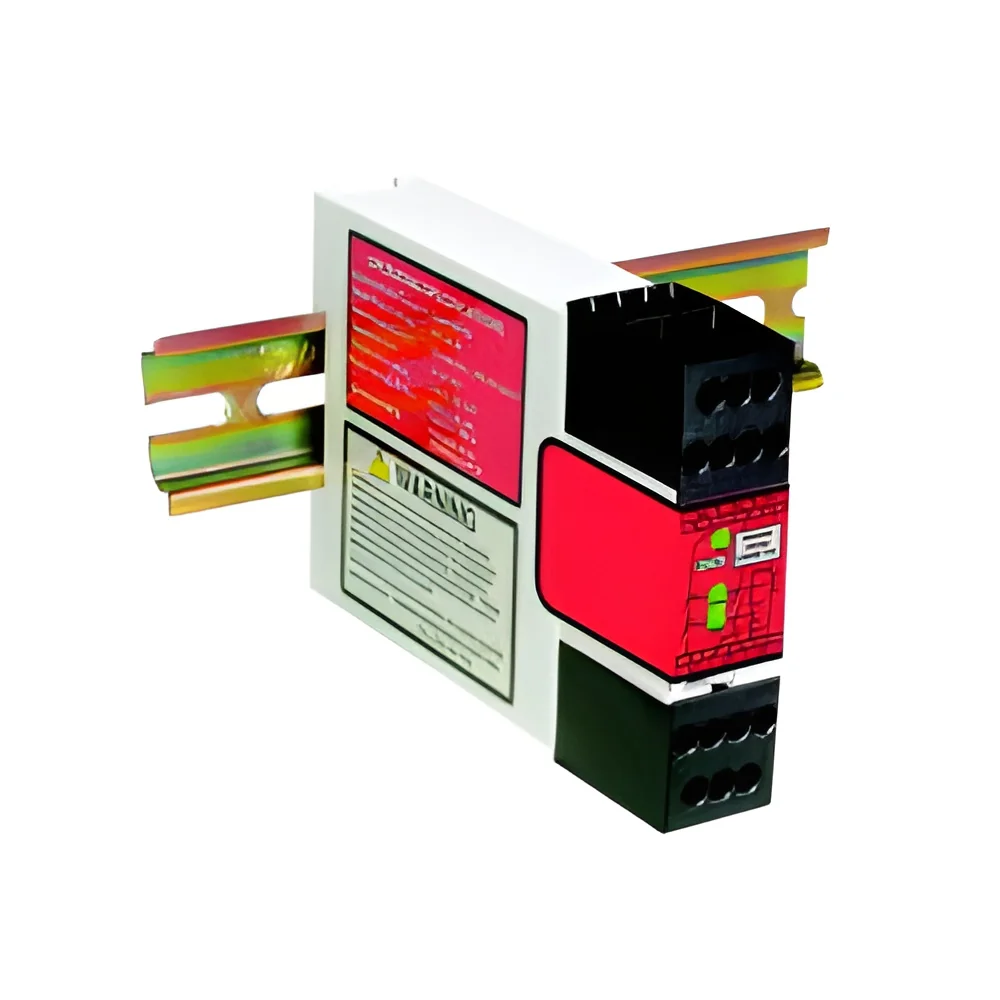
Safety PLCs (Programmable Logic Controllers) and relays are essential components in the industrial automation landscape, designed to ensure the safety of personnel and equipment. Unlike standard PLCs, safety PLCs are specifically engineered to handle safety-related functions, integrating safety protocols into automation systems. Relays, on the other hand, are electrical switches that open or close circuits, providing an interface between the control system and the machinery. Together, these devices create a fail-safe environment, minimizing risks associated with machine operation.
The primary use of safety PLCs and relays is in applications where risk mitigation is crucial, such as manufacturing plants, process industries, and any setting where human safety is paramount. These devices are commonly integrated into emergency stop systems, safety interlocks, and monitoring systems to prevent hazardous situations. As industries increasingly prioritize safety, the demand for these products grows, reflecting their importance in preventing accidents and ensuring compliance with regulatory standards.
The relevance of safety PLCs and relays spans various sectors, including automotive, food and beverage, pharmaceuticals, and energy. With the global market evolving to meet stricter safety regulations, the need for reliable safety solutions has never been more critical. Companies that invest in these technologies not only safeguard their operations but also enhance their reputation as responsible manufacturers.
Key Features and Specifications
Safety PLCs and relays are equipped with various features that enhance their functionality and reliability. These specifications are vital for B2B buyers to consider when selecting the right product for their needs.
Key specifications include:
1. Input/Output Capacity
- Determines the number of connected devices
- Common ranges vary from 8 to 64 I/O points
2. Safety Integrity Level (SIL)
- Reflects the reliability of safety functions
- Typically rated from SIL 1 to SIL 4
3. Response Time
- The speed at which the device reacts to safety events
- Ranges from milliseconds to seconds
4. Communication Protocols
- Enables integration with other systems
- Common protocols include Ethernet/IP, PROFINET, and Modbus
5. Configuration Software
- Tools for programming and monitoring
- User-friendly interfaces enhance ease of use
6. Environmental Ratings
- Indicates suitability for various operating conditions
- Ratings such as IP20 and IP67 are common
7. Power Supply Voltage
- Specifies the required voltage for operation
- Typically ranges from 24V DC to 230V AC
8. Certification Standards
- Ensures compliance with industry regulations
- Common certifications include CE and UL
These specifications are crucial for ensuring that safety PLCs and relays meet the operational demands of different environments while maintaining high safety standards.
Common Applications and Use Cases
Safety PLCs and relays find applications across a wide range of industries, ensuring operational safety and compliance.
1. Manufacturing: Safety PLCs are used in assembly lines to manage emergency stops and safety interlocks, preventing accidents during machine operation.
2. Food and Beverage: These devices monitor safety systems in production lines, ensuring compliance with health regulations and preventing contamination.
3. Pharmaceuticals: Safety relays are crucial in maintaining safety in processes involving hazardous materials, protecting operators from exposure.
4. Oil and Gas: Safety PLCs manage emergency shutdown systems, enhancing safety in environments with high risk of explosion or leakage.
5. Automotive: Used in robotic systems and assembly lines, safety PLCs ensure that safety systems function correctly during automated processes.
6. Packaging: Safety relays help monitor packaging machines, ensuring safe operation while increasing production efficiency.
7. Energy: In renewable and traditional energy sectors, safety PLCs are employed to manage safety protocols in power generation and distribution systems.
Product Variants and Subcategories
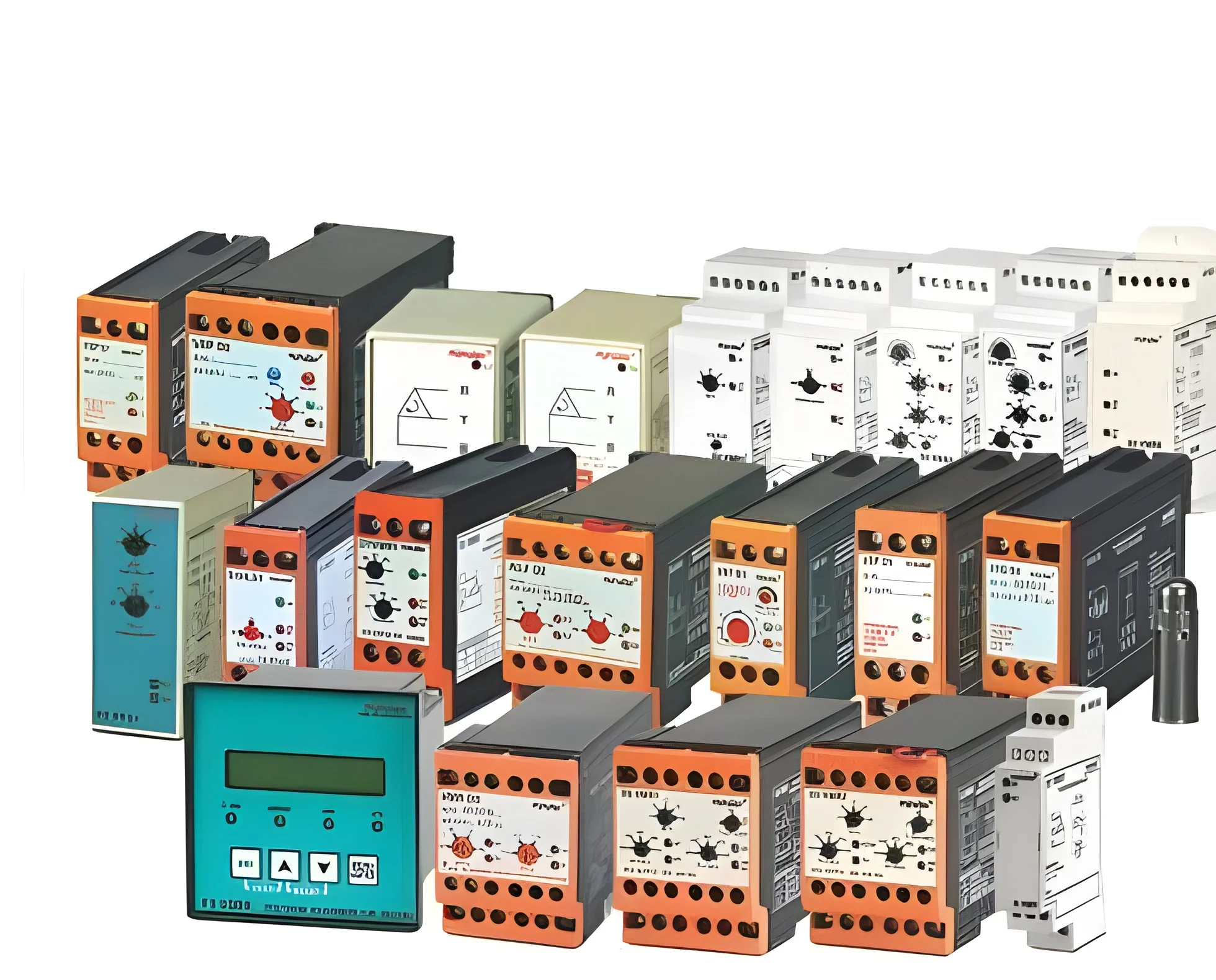
Safety PLCs and relays come in various configurations to meet the diverse needs of different industries.
Compact Safety PLCs: These variants are designed for small-scale applications where space is limited. They offer essential safety features while being easy to install and configure.
Modular Safety PLCs: These systems allow for scalability and customization. Users can add or remove modules based on their specific requirements, making them ideal for complex industrial environments.
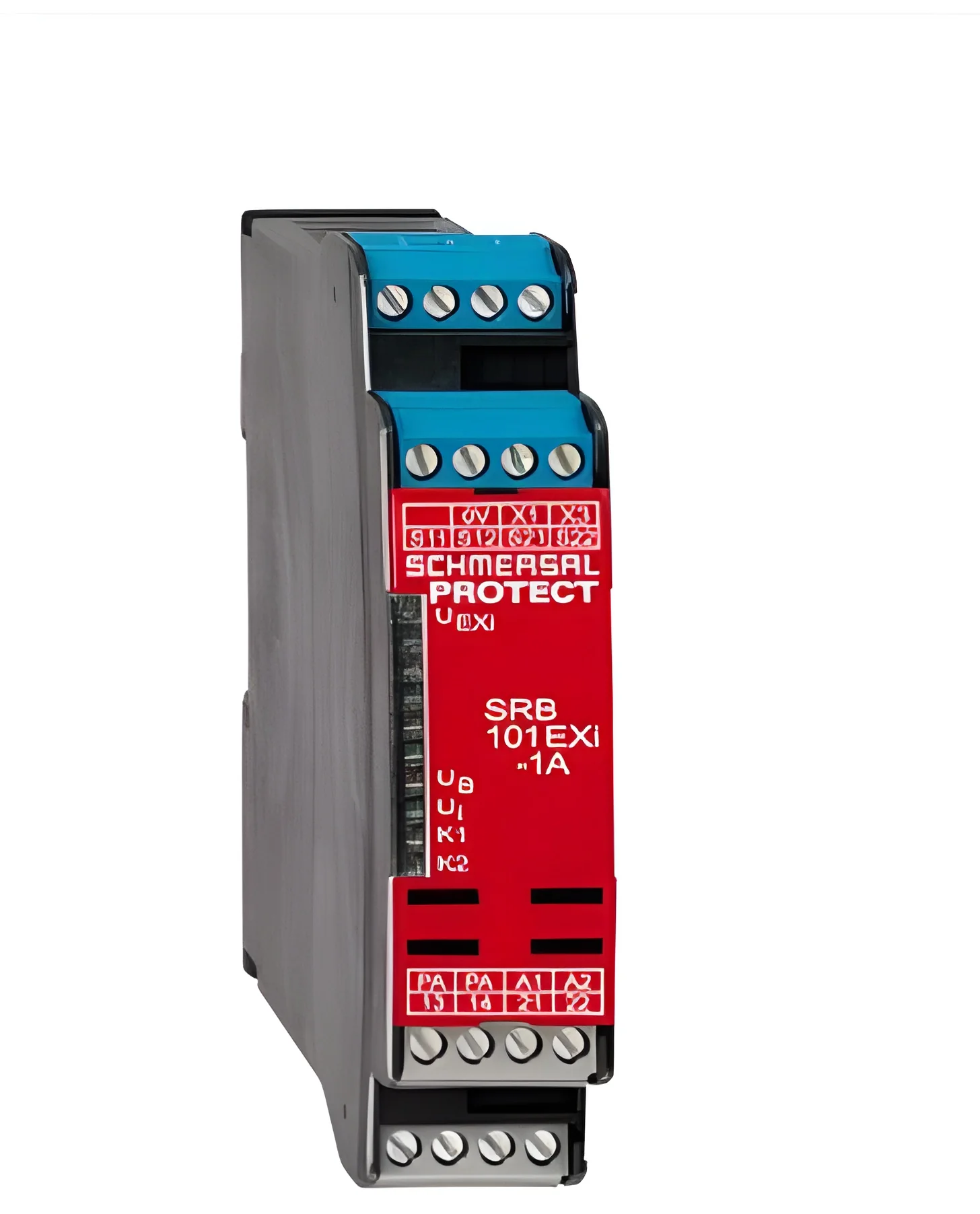
Safety Relays: Standalone safety relays are used in applications where safety functions need to be implemented without a full PLC. They are designed for simple safety tasks, such as monitoring emergency stops.
Benefits and Advantages
Investing in safety PLCs and relays offers several significant benefits to businesses.
1. Enhanced Safety: These devices help prevent accidents, protecting employees and reducing liability.
2. Regulatory Compliance: Safety PLCs and relays ensure adherence to industry safety standards, avoiding fines and legal issues.
3. Operational Efficiency: By automating safety functions, these products minimize downtime and improve overall productivity.
4. Flexibility: Many safety PLCs offer modular designs, allowing businesses to adapt their systems to changing needs.
5. Reliable Performance: High-quality safety PLCs and relays provide consistent and dependable operation, essential for maintaining safety in industrial environments.
6. Easy Integration: These devices can easily connect with existing control systems, simplifying upgrades and expansions.
Buying Guide for B2B Buyers
When sourcing safety PLCs and relays, B2B buyers should consider several critical factors to ensure they select the right products for their needs.
1. Quality Assessment: Evaluate products based on industry standards and manufacturer certifications. Look for ISO 9001 and CE certifications to ensure reliability.
2. Supplier Verification: Conduct thorough research on potential suppliers. Check their reputation, customer reviews, and history in the industry.
3. Pricing and MOQ: Understand the pricing structure and minimum order quantities. Compare quotes from different suppliers to get the best value.
4. Delivery and Lead Times: Clarify lead times and logistics arrangements. Timely delivery is crucial to avoid project delays.
5. Compliance Requirements: Ensure that the products meet all relevant regulatory requirements for your industry. This includes understanding local and international safety standards.
Compliance and Certifications
Safety PLCs and relays must adhere to strict compliance and certification standards to ensure their reliability and effectiveness in industrial environments. Key quality standards include ISO 9001, which outlines requirements for a quality management system, ensuring consistent product quality. Additionally, certifications such as CE indicate compliance with European safety standards, confirming that products meet essential health and safety requirements.
Industry-specific certifications may also apply, depending on the application. For example, certain safety PLCs may need to comply with safety integrity levels (SIL) based on their intended use in hazardous environments. Furthermore, safety and testing requirements ensure that these devices are rigorously evaluated under real-world conditions.
Regional compliance considerations are also vital, as safety regulations can vary significantly by country. Understanding these requirements is essential for businesses operating in multiple regions to ensure consistent safety practices across all locations.
Why Source Safety PLCs & Relays from Pepagora?
Pepagora provides a trusted platform for sourcing safety PLCs and relays, offering several key advantages to B2B buyers.
Verified Supplier Network: Pepagora has established a rigorous verification process for suppliers, ensuring that buyers can trust the quality and reliability of the products offered.
Streamlined RFQ Process: The platform simplifies the request for quotation (RFQ) process, enabling buyers to receive competitive quotes quickly and efficiently.
Trade Assurance and Support: Pepagora offers trade assurance to protect buyers against potential risks, ensuring a secure purchasing experience. Additionally, dedicated support is available to assist buyers throughout the sourcing process.
Regional Coverage: With a strong presence in India, the GCC, and Southeast Asia, Pepagora connects buyers with local and international suppliers, facilitating access to a diverse range of safety PLCs and relays tailored to various industrial needs.

 IN
IN