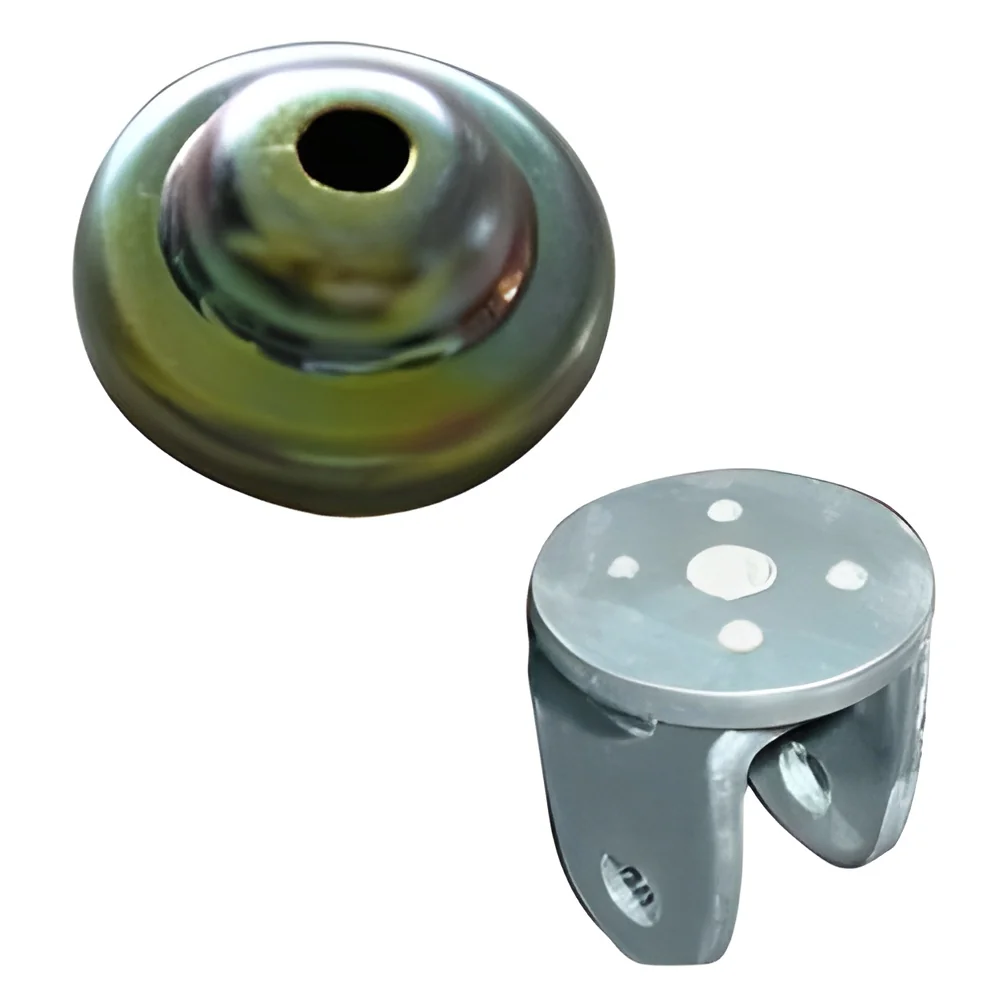
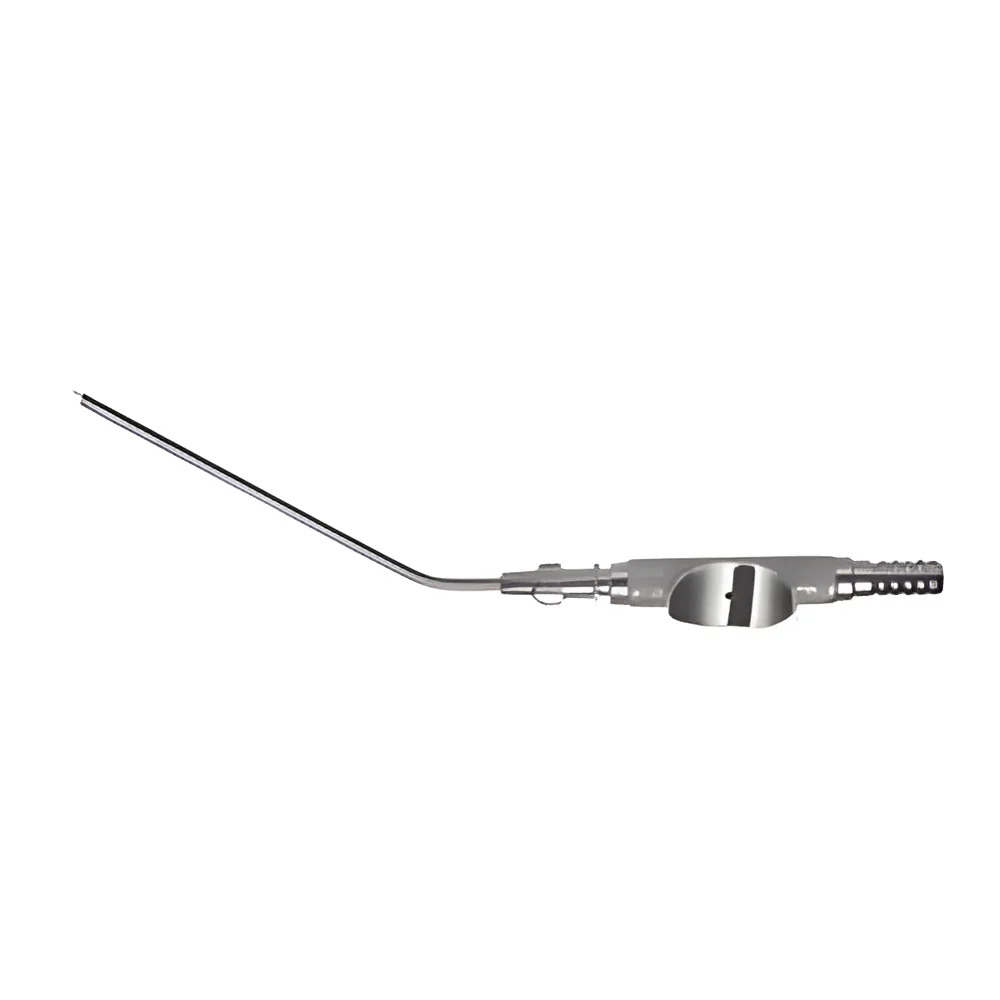
What are Robotic End Effectors (Grippers, Suction Cups)?
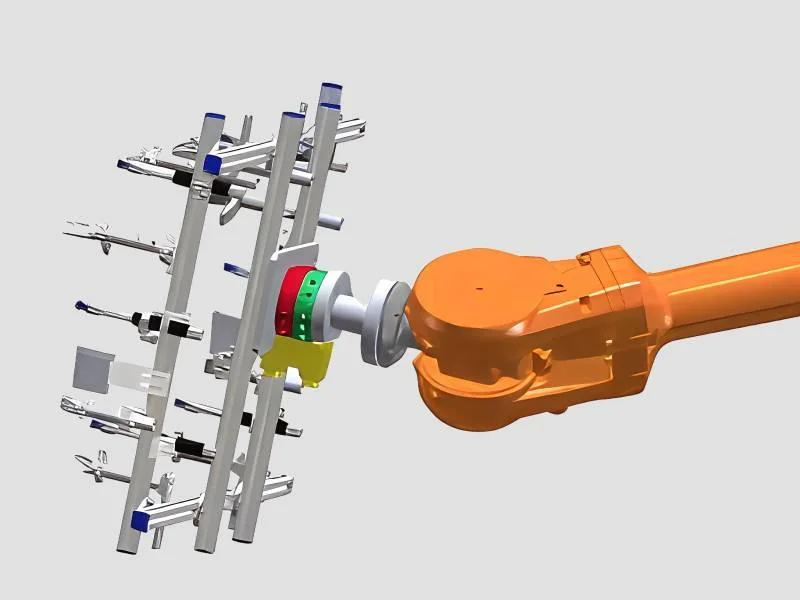
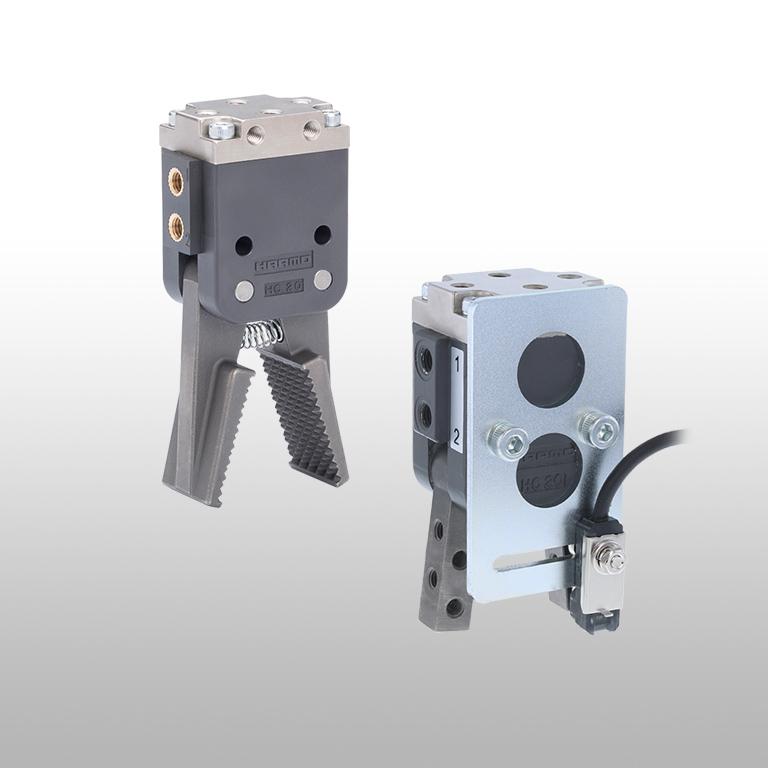
Robotic end effectors, including grippers and suction cups, are specialized devices used at the end of robotic arms to interact with objects. They serve as the interface between robots and their environment, enabling robots to pick, place, and manipulate various items. Grippers typically use mechanical fingers or claws to grasp objects, while suction cups create a vacuum to adhere to smooth surfaces.
These devices are widely utilized across numerous industries for tasks such as assembly, packaging, and material handling. In manufacturing settings, they streamline production processes by automating repetitive tasks, which increases efficiency and reduces labor costs. The growing trend towards automation in sectors like logistics, automotive, and consumer goods continues to drive the demand for robotic end effectors, highlighting their relevance in today's market.
๐๐ฒ๐ ๐๐ฒ๐ฎ๐๐๐ฟ๐ฒ๐ ๐ฎ๐ป๐ฑ ๐ฆ๐ฝ๐ฒ๐ฐ๐ถ๐ณ๐ถ๐ฐ๐ฎ๐๐ถ๐ผ๐ป๐
Robotic end effectors are designed with various features that enhance their performance and adaptability. They come in different types and sizes, catering to specific applications in diverse industries. The following specifications are critical when evaluating these products.
Key specifications include:
1. Grip Force
- Measures the force applied by the gripper or suction cup to hold an object securely.
- Typically ranges from a few ounces to several hundred pounds, depending on the design.
2. Stroke Length
- Refers to the distance the gripper can open and close.
- Common stroke lengths can be between 50 mm and 300 mm.
3. Weight Capacity
- Indicates the maximum weight the end effector can handle safely.
- Varies widely based on the model; capacities can range from under a pound to over a thousand pounds.
4. Operating Temperature
- Specifies the temperature range in which the end effector can function effectively.
- Data not available.
5. Material Composition
- Covers the materials used in construction, affecting durability and application suitability.
- Common materials include aluminum, plastic, and rubber.
6. Compatibility
- Discusses the end effector's compatibility with robotic arms and control systems.
- Often designed to align with standard interfaces.
7. Customizability
- Pertains to the ability to modify the end effector for specific tasks or environments.
- Options can include different gripping surfaces or specialized sensors.
8. Safety Features
- Highlights any built-in safety mechanisms to prevent accidents during operation.
- May include sensors to detect object presence or overload protection.
In summary, understanding these specifications helps businesses choose the right robotic end effectors for their unique applications.
๐๐ผ๐บ๐บ๐ผ๐ป ๐๐ฝ๐ฝ๐น๐ถ๐ฐ๐ฎ๐๐ถ๐ผ๐ป๐ ๐ฎ๐ป๐ฑ ๐จ๐๐ฒ ๐๐ฎ๐๐ฒ๐
Robotic end effectors find applications across a variety of industries, enhancing productivity and precision.
1. Manufacturing: Grippers are commonly used on assembly lines to pick and place components, streamlining production and reducing manual labor.
2. Logistics: Suction cups are employed in warehouses for handling packages, improving efficiency in sorting and shipping processes.
3. Food and Beverage: Grippers designed for handling food items ensure safe and hygienic operations while increasing throughput in packaging lines.
4. Automotive: Robotic end effectors assist in the assembly of vehicles by handling parts like bumpers and glass panels, ensuring accuracy and speed.
5. Electronics: In the electronics industry, suction cups are used for assembling delicate components without damage, improving quality control.
6. Pharmaceuticals: Grippers are utilized for precise handling of vials and packaging, adhering to strict regulatory standards.
7. Aerospace: Robotic end effectors are critical in assembling parts for aircraft, where precision and reliability are paramount.
๐ฃ๐ฟ๐ผ๐ฑ๐๐ฐ๐ ๐ฉ๐ฎ๐ฟ๐ถ๐ฎ๐ป๐๐ ๐ฎ๐ป๐ฑ ๐ฆ๐๐ฏ๐ฐ๐ฎ๐๐ฒ๐ด๐ผ๐ฟ๐ถ๐ฒ๐
Robotic end effectors come in various designs, tailored for specific applications and environments. This diversity allows businesses to select the most appropriate solutions for their needs.
Mechanical Grippers: These variants utilize fingers or claws to grasp objects. They can be designed for specific shapes and are highly versatile in handling a range of items.
Suction Cups: These employ a vacuum to adhere to smooth surfaces. They are ideal for handling flat objects such as glass or metal sheets and are often used in packaging and assembly.
Magnetic Grippers: These variants use magnetic force to pick up ferrous materials. They are commonly used in metal fabrication and recycling industries.
Vacuum Grippers: Equipped with multiple suction cups, these are designed for handling larger or irregularly shaped items. They excel in applications requiring high stability during transport.
๐๐ฒ๐ป๐ฒ๐ณ๐ถ๐๐ ๐ฎ๐ป๐ฑ ๐๐ฑ๐๐ฎ๐ป๐๐ฎ๐ด๐ฒ๐
Investing in robotic end effectors brings various advantages to businesses looking to enhance their operations.
1. Increased Efficiency: Automation of handling tasks significantly speeds up production processes, allowing businesses to operate at higher capacities.
2. Cost Savings: Reducing manual labor through automation can lead to lower operational costs over time.
3. Improved Precision: Robotic end effectors provide consistent performance, leading to higher quality outputs and reduced error rates.
4. Versatility: With various designs available, these devices can be adapted for multiple tasks across different industries.
5. Enhanced Safety: Automating hazardous tasks minimizes risks associated with manual handling, improving workplace safety.
6. Customization: Many robotic end effectors can be tailored to meet specific needs, enhancing their effectiveness in unique applications.
๐๐๐๐ถ๐ป๐ด ๐๐๐ถ๐ฑ๐ฒ ๐ณ๐ผ๐ฟ ๐๐ฎ๐ ๐๐๐๐ฒ๐ฟ๐
When sourcing robotic end effectors, businesses should evaluate several key factors to ensure they make informed decisions.
1. Quality Assessment: It's essential to consider the build quality and reliability of the end effectors. Look for manufacturers that adhere to recognized quality standards.
2. Supplier Verification: Vet potential suppliers to ensure they have a good reputation and can provide reliable products. Check for customer reviews and industry certifications.
3. Pricing and MOQ: Understand the pricing structure and any minimum order quantities required by suppliers. This information is vital for budgeting and inventory planning.
4. Delivery and Lead Times: Inquire about the logistics involved in delivering the products. Timely delivery is crucial for maintaining production schedules.
5. Compliance Requirements: Be aware of any regulatory standards that the end effectors must meet, such as safety certifications and industry-specific guidelines.
๐๐ผ๐บ๐ฝ๐น๐ถ๐ฎ๐ป๐ฐ๐ฒ ๐ฎ๐ป๐ฑ ๐๐ฒ๐ฟ๐๐ถ๐ณ๐ถ๐ฐ๐ฎ๐๐ถ๐ผ๐ป๐
Robotic end effectors must adhere to various quality standards and regulations to ensure safety and reliability. Common standards include ISO 9001, which focuses on quality management systems, and HACCP, which emphasizes food safety management. Additionally, adherence to CE certification is crucial for products sold in Europe, as it indicates compliance with safety and health requirements.
Safety and testing requirements vary by industry and application. Manufacturers should conduct rigorous testing to ensure their products can operate safely under intended conditions. Furthermore, regional compliance considerations may apply, particularly when exporting products to different countries.
Why Source Robotic End Effectors (Grippers, Suction Cups) from Pepagora?
Pepagora provides a trusted platform for sourcing robotic end effectors with numerous advantages for B2B buyers.
Verified Supplier Network: Pepagora connects buyers with a network of verified suppliers, ensuring that products meet quality standards and industry requirements.
Streamlined RFQ Process: The platform offers a straightforward request for quotation system, enabling buyers to receive competitive bids efficiently.
Trade Assurance and Support: Buyers benefit from trade assurance programs that provide protection and support throughout the purchasing process, ensuring a secure transaction.
Regional Coverage: With a focus on markets in India, the GCC, and Southeast Asia, Pepagora facilitates access to a diverse range of suppliers and products, catering to the needs of various industries.