IN
IN₹
Apparel & Fashion
Description
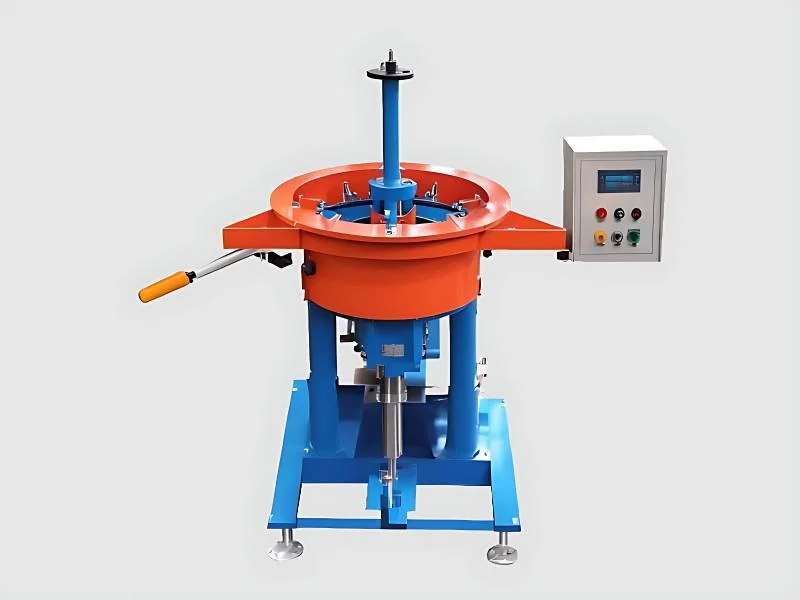
Bowl Type Feeders are precision-engineered automation systems designed to sort, orient, and feed small parts consistently in industrial assembly and packaging operations. Using vibratory or rotary mechanisms, these feeders guide components along a custom track within the bowl, ensuring each part is correctly positioned for downstream processes. This automation significantly reduces manual handling, increases throughput, and maintains high accuracy, making them indispensable in environments where efficiency and reliability are critical. Their adaptable design supports various part geometries and production requirements, providing a dependable solution for continuous manufacturing workflows.

These feeders are widely utilized across automotive, electronics, medical, packaging, and consumer goods industries. In automotive manufacturing, they handle screws and bolts for assembly lines, ensuring precise placement in engine and interior fitting processes. The electronics sector relies on the...
Bowl Type Feeders are precision-engineered automation systems designed to sort, orient, and feed small parts consistently in industrial assembly and packaging operations. Using vibratory or rotary mechanisms, these feeders guide components along a custom track within the bowl, ensuring each part is correctly positioned for downstream processes. This automation significantly reduces manual handling, increases throughput, and maintains high accuracy, making them indispensable in environments where efficiency and reliability are critical. Their adaptable design supports various part geometries and production requirements, providing a dependable solution for continuous manufacturing workflows.

These feeders are widely utilized across automotive, electronics, medical, packaging, and consumer goods industries. In automotive manufacturing, they handle screws and bolts for assembly lines, ensuring precise placement in engine and interior fitting processes. The electronics sector relies on them for managing connectors and micro components during PCB assembly, while medical applications include orienting capsules and syringes for packaging under strict hygiene standards. Packaging lines use them to feed caps and lids to filling machines, and consumer goods producers benefit from their ability to sort diverse items like toys and accessories, enhancing production efficiency across multiple sectors.

Investing in a Bowl Type Feeder delivers substantial business value by enhancing operational efficiency, reducing labor costs, and minimizing handling errors. Their reliable performance ensures continuous operation with minimal downtime, supporting high-volume production targets and consistent output quality. Built with durability and precision, these systems offer long-term performance and adaptability, making them a strategic choice for businesses focused on scalability, quality assurance, and competitive advantage in industrial automation. Their ease of integration and low maintenance requirements further contribute to reduced operational expenses and improved workflow reliability.

Key Features:
- Automated sorting and orientation of small parts for consistent flow and positioning.
- Vibratory or rotary mechanisms ensuring reliable component handling and movement.
- Customizable bowl size, track design, and operating speed to match specific part requirements.
- Robust construction with durable materials for long-term performance in industrial environments.
- Seamless integration with existing assembly, packaging, and production line equipment.

Benefits:
- Increased production efficiency through automated part handling and reduced manual labor.
- Enhanced accuracy and consistency in part orientation, minimizing errors and rework.
- Reduced operational costs by lowering labor dependency and minimizing production downtime.
- Adaptable to various part sizes, shapes, and materials across different industry applications.
- Reliable performance supporting continuous operation and meeting high-volume production demands.
Specifications
| Additional Information | |
|---|---|
| Country of Origin | India |
Application
Bowl Type Feeders deliver precise, automated handling of small components like screws, connectors, and medical parts, ensuring consistent orientation and flow in high-speed production environments. Their robust design minimizes downtime and adapts to various part sizes, making them essential for assembly lines that demand reliability and efficiency across different industrial settings.
These systems integrate seamlessly into existing workflows, supporting continuous operation in demanding sectors. By automating manual sorting tasks, they enhance production speed and accuracy, reducing errors and labor costs while maintaining strict quality standards in fast-paced manufacturing and packaging processes.
- Automotive assembly lines for feeding screws, bolts, and clips during engine and interior component installation.
- Electronics manufacturing to handle connectors, terminals, and micro parts in PCB assembly and device production.
- Medical device production for orienting capsules, syringes, and small instruments in packaging and quality checks.
- Packaging operations in beverage and cosmetic industries for delivering caps, lids, and fasteners to capping machines.
- Consumer goods assembly for sorting and feeding molded parts, toys, and accessories to streamline product construction.
Trade Details
| Available Stock | In Stock |
| Sample Availability | No |
Payment Terms
| Payment Terms |
|
Company Profile
Bharath Engineering Works, Karnataka
 Karnataka, India
Karnataka, India31 yrs
Manufacturer
Turn Over
Above ₹10 Crore
Factory Details
Factory Size1000-5000 sqm
Automotive Electronics Medical Bowl Type Feeders For Small Parts Feeding
Bowl Type Feeders automate small parts feeding with reliable sorting and orientation for automotive, electronics, and medical industries, boosting assembly efficiency and reducing manual handling.
Min. Order Quantity: 1 unit
Shipping
Shipping fee and delivery date to be negotiated. Contact supplier now for more details.
Bharath Engineering Works Karnataka, India
Karnataka, IndiaManufacturer