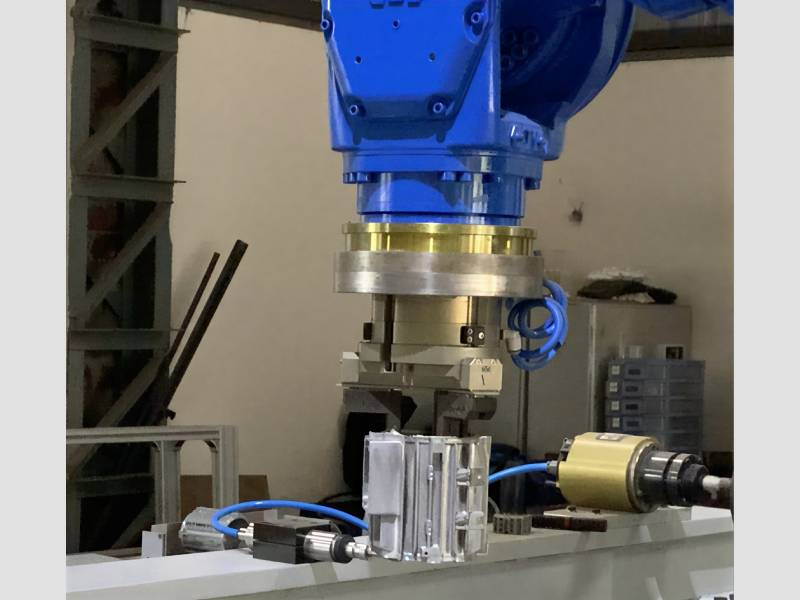
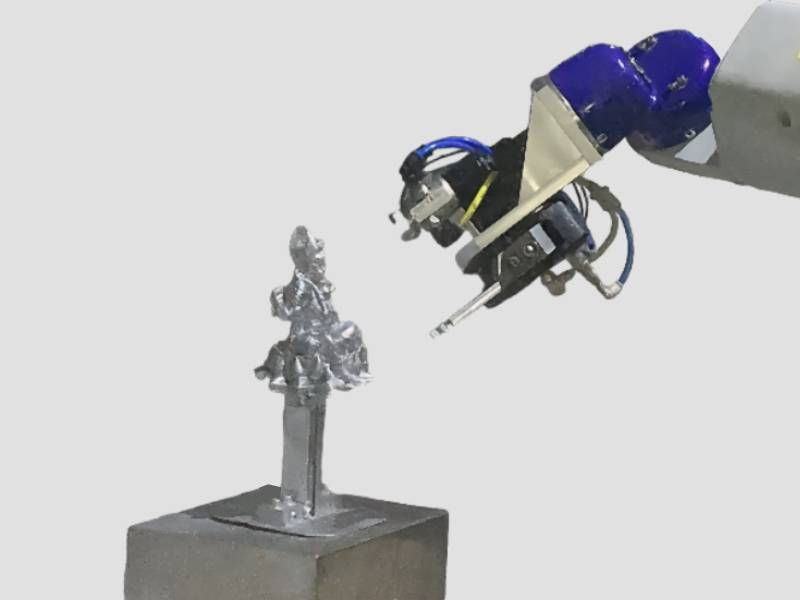
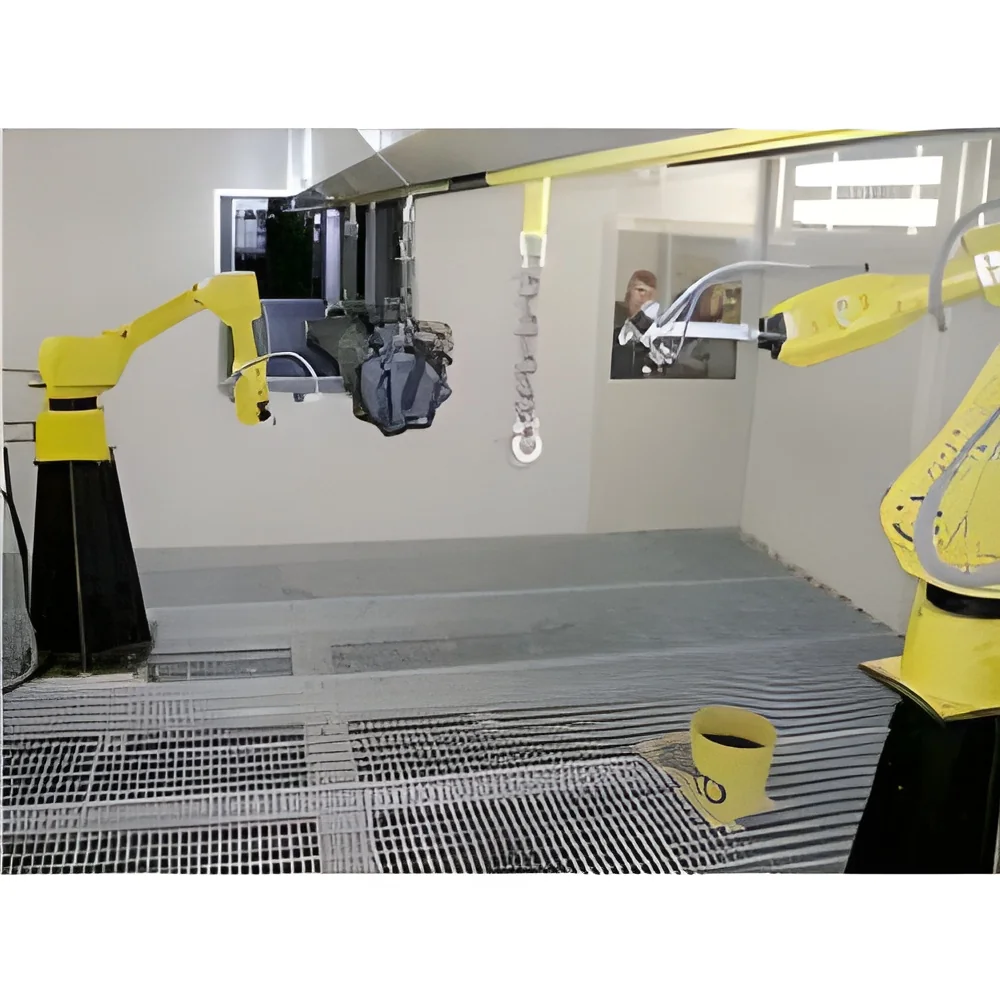
What are Painting Robots?
Painting robots are automated systems designed to perform painting tasks in various industrial applications. They utilize advanced technology to apply paint evenly and accurately, ensuring high-quality finishes. These robots are equipped with precision tools and software that allow them to execute complex patterns and handle various surfaces. This automation not only enhances efficiency but also reduces the potential for human error.
The primary uses of painting robots span multiple industries, including automotive, aerospace, and manufacturing. They are employed to paint components such as car bodies, aircraft parts, and industrial equipment. By automating the painting process, businesses can achieve consistent results, improve turnaround times, and minimize waste. As the demand for high-quality finishes and efficient production processes continues to rise, painting robots have become increasingly relevant in today's competitive market.
In the context of industry relevance, the market for painting robots is expanding, driven by advancements in robotics and automation technologies. As companies strive to enhance productivity and quality, the adoption of painting robots is gaining traction. This trend is further supported by the need for sustainable practices, as robots can help optimize paint usage and reduce environmental impact.
Key Features and Specifications
Painting robots come packed with a range of features that enhance their functionality and efficiency. These specifications help businesses choose the right model for their specific needs.
Key specifications include:
1. Payload Capacity
- Refers to the maximum weight the robot can handle.
- Typically ranges from 5 kg to over 200 kg, depending on the model.
2. Reach
- Indicates the maximum distance the robot can extend from its base to the painting surface.
- Usually ranges from 1 meter to 3 meters.
3. Degrees of Freedom
- Describes the number of axes the robot can move, affecting its flexibility.
- Common configurations include 6 to 7 degrees of freedom.
4. Painting Method
- Specifies the type of painting technology used, such as electrostatic, air spray, or robotic arm painting.
- Each method has unique advantages based on application requirements.
5. Control System
- Refers to the software and interfaces used to program and operate the robot.
- Many systems feature user-friendly programming and integration capabilities with existing manufacturing systems.
6. Speed
- Indicates the speed at which the robot can move and paint.
- Varies by model, with some capable of moving at speeds up to 1 meter per second.
7. Safety Features
- Includes emergency stop functions, safety enclosures, and collision detection systems.
- Essential for ensuring safe operation in industrial environments.
8. Energy Efficiency
- Reflects the robot's power consumption during operation.
- Many modern painting robots are designed to minimize energy use while maximizing output.
In summary, understanding these specifications helps businesses make informed decisions when selecting painting robots that align with their operational needs.
Common Applications and Use Cases
Painting robots are versatile tools that find applications across various industries.
1. Automotive: In the automotive sector, painting robots are used to apply finishes to car bodies and parts, ensuring a smooth and consistent coating. This automation helps in reducing production time and improving quality control.
2. Aerospace: Painting robots are crucial in the aerospace industry for applying protective coatings to aircraft components. They ensure precision and uniformity, which are vital for performance and safety.
3. Manufacturing: Many manufacturing facilities employ painting robots for coating machinery and equipment. This enhances durability and resistance against corrosion, extending the lifespan of assets.
4. Furniture: In the furniture industry, robots are used to paint and finish wood and metal surfaces, providing a uniform look while reducing labor costs.
5. Electronics: Painting robots are also utilized in the electronics sector to apply coatings to circuit boards and components, ensuring protection from environmental factors.
6. Construction: In construction, painting robots can be deployed for large-scale projects, such as painting walls and ceilings, which improves efficiency and reduces manual labor.
7. Marine: The marine industry utilizes painting robots for applying protective coatings to ships and offshore structures, ensuring longevity and resistance to harsh environments.
Product Variants and Subcategories
Painting robots are available in various configurations to meet diverse industrial needs.
Articulated Robots
These robots feature a jointed arm that allows for a wide range of motion. They are ideal for complex painting tasks and can navigate intricate shapes and surfaces effectively.
Cartesian Robots
Cartesian robots operate on a linear axis system, making them suitable for flat surfaces and straightforward painting applications. They are known for their precision and repeatability.
Collaborative Robots
Also known as cobots, these robots are designed to work alongside human operators. They enhance productivity in smaller operations by assisting with repetitive tasks while ensuring safety.
Benefits and Advantages
Investing in painting robots offers significant advantages for businesses looking to enhance their operations.
Key benefits include:
1. Increased Efficiency: Painting robots can operate continuously, increasing throughput and minimizing downtime.
2. Superior Quality: Automated painting ensures a consistent finish, reducing defects and the need for rework.
3. Cost Savings: By optimizing paint usage and reducing labor costs, companies can achieve significant savings over time.
4. Enhanced Safety: Automating hazardous painting processes minimizes worker exposure to harmful substances.
5. Flexibility: Many painting robots can be programmed for various tasks, allowing quick adaptation to changing production needs.
6. Improved Sustainability: Painting robots minimize waste and ensure responsible use of materials, aligning with eco-friendly practices.
Buying Guide for B2B Buyers
When sourcing painting robots, it is important to consider various key factors.
1. Quality Assessment: Ensure that the robot meets industry standards and is built with high-quality materials. Look for manufacturers with a proven track record of reliability.
2. Supplier Verification: Vet suppliers thoroughly to ensure they have a reputation for delivering quality products and reliable support. Check reviews and request references from previous customers.
3. Pricing and MOQ: Understand the pricing structure and any minimum order quantities. This helps in budgeting and ensuring that you are getting competitive rates.
4. Delivery and Lead Times: Inquire about the expected delivery timelines and lead times for production. Timely delivery is crucial for maintaining production schedules.
5. Compliance Requirements: Check for compliance with relevant regulations and industry standards. Ensure that the painting robots meet safety and environmental criteria specific to your region.
Compliance and Certifications
Painting robots must adhere to several quality standards and industry certifications to ensure safety and effectiveness.
ISO 9001 is a widely recognized standard that ensures consistent quality management practices in manufacturing. Compliance with this standard indicates that a supplier has effective quality control measures in place.
CE certification is crucial for products sold in the European market, ensuring they meet safety, health, and environmental protection standards. This certification provides assurance regarding the robot's safety for operators and the environment.
Safety and testing requirements also play a significant role in the certification process. Robots must undergo rigorous testing to ensure they operate safely and effectively under various conditions.
Additionally, regional compliance considerations may affect the specifications and features of painting robots. Suppliers should be well-versed in local regulations to ensure that their products meet all necessary compliance requirements.
Why Source Painting Robots from Pepagora?
Pepagora provides a trusted platform for sourcing painting robots, offering several advantages to B2B buyers.
Verified Supplier Network: Pepagora connects buyers with a network of verified suppliers who meet stringent quality and reliability standards. This ensures that companies can source high-quality painting robots with confidence.
Streamlined RFQ Process: The Request for Quotation (RFQ) process is designed to make sourcing easy. Buyers can submit their specifications, and suppliers will respond with competitive quotes, simplifying decision-making.
Trade Assurance and Support: Pepagora offers trade assurance, providing protection for buyers throughout the purchasing process. This includes support for resolving disputes, ensuring a smooth transaction.
Regional Coverage: With a strong presence in key markets such as India, the GCC, and Southeast Asia, Pepagora facilitates access to a wide range of painting robot solutions tailored to regional needs. This geographic reach ensures that businesses can find the right products for their specific requirements.

 IN
IN