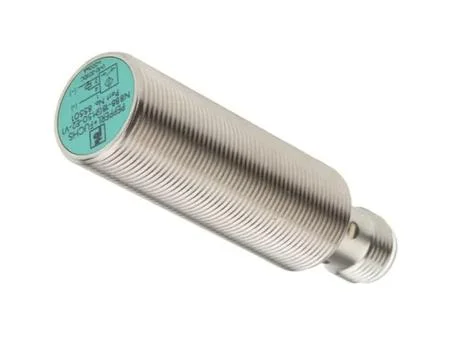
What are Proximity & Inductive Sensors?
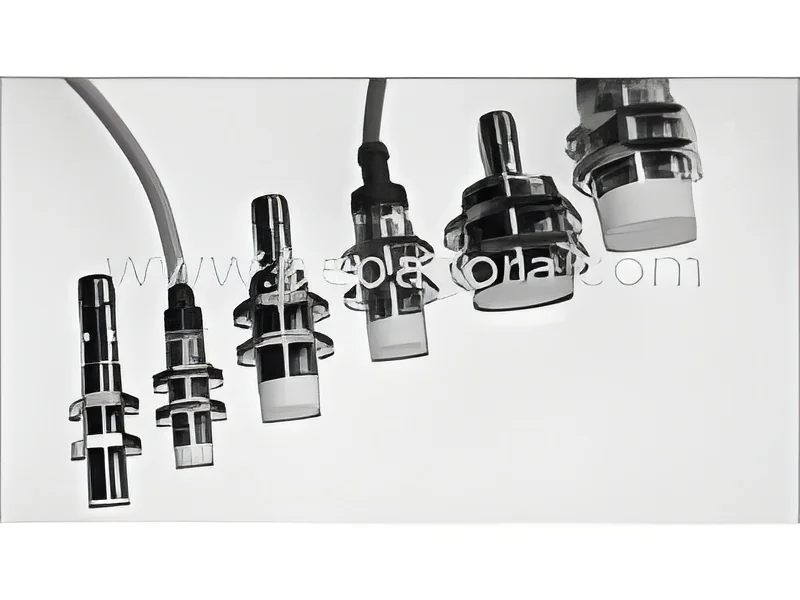
Proximity and inductive sensors are essential devices used in various industrial applications to detect the presence or absence of objects without physical contact. Proximity sensors work based on the principle of detecting changes in an electromagnetic field, while inductive sensors specifically respond to metallic objects. These sensors are crucial for automation and control in manufacturing processes, providing reliable and accurate detection capabilities.
These sensors find primary applications in industries such as manufacturing, automotive, and packaging. They are utilized for tasks such as object counting, position sensing, and ensuring safety in automation systems. With the growing trend towards automation in businesses, the demand for reliable sensing technology has increased significantly. Proximity and inductive sensors enhance efficiency and safety in operations by reducing the need for manual checks.
In the current market context, the relevance of proximity and inductive sensors continues to grow. The global push for smart manufacturing and Industry 4.0 has led to advancements in sensor technology, making them more efficient and versatile. Industries are increasingly adopting these sensors for improved process control and data collection, driving innovation and enhancing productivity.
Key Features and Specifications
Proximity and inductive sensors come with various key features that make them suitable for industrial applications. These features enhance their functionality and reliability, ensuring optimal performance in a range of environments.
Key specifications include:
1. Detection Range
- Varies depending on sensor type and design.
- Typically ranges from a few millimeters to several centimeters.
2. Operating Voltage
- The voltage required for the sensor to function.
- Common ranges include 10-30 VDC.
3. Output Type
- Determines how the sensor communicates with other devices.
- Options may include NPN, PNP, and analog outputs.
4. Response Time
- The time taken by the sensor to detect an object.
- Generally ranges from a few milliseconds to microseconds.
5. Temperature Range
- Operating temperature limits for the sensor.
- Data not available for specific ranges.
6. Housing Material
- The material used to encase the sensor.
- Options typically include plastic or stainless steel.
7. Protection Class
- Indicates the sensor's resistance to dust and water.
- Common ratings include IP67 and IP68.
8. Mounting Options
- Various configurations for installation.
- Includes flush or non-flush mounting styles.
These specifications are critical for ensuring that the sensors meet the requirements of specific applications and environments.
Common Applications and Use Cases
Proximity and inductive sensors serve various industries with a wide range of applications. Their ability to detect objects without contact makes them valuable in many settings.
1. Automotive: Used for detecting vehicle position and ensuring safety in automated assembly lines.
2. Manufacturing: Essential for monitoring machinery operations and counting products on conveyor belts.
3. Packaging: Employed to ensure accurate product placement and automate packaging processes.
4. Food and Beverage: Used for detecting the presence of packaging materials and ensuring safety in processing lines.
5. Robotics: Integrated into robotic systems for object recognition and navigation.
6. Electronics: Used for detecting component placement on assembly lines.
7. HVAC Systems: Employed in systems for monitoring airflow and ensuring proper functioning.
Product Variants and Subcategories
Proximity and inductive sensors come in various forms to meet different industrial needs. This diversity allows businesses to select the most suitable sensor for their specific applications.
Inductive Proximity Sensors
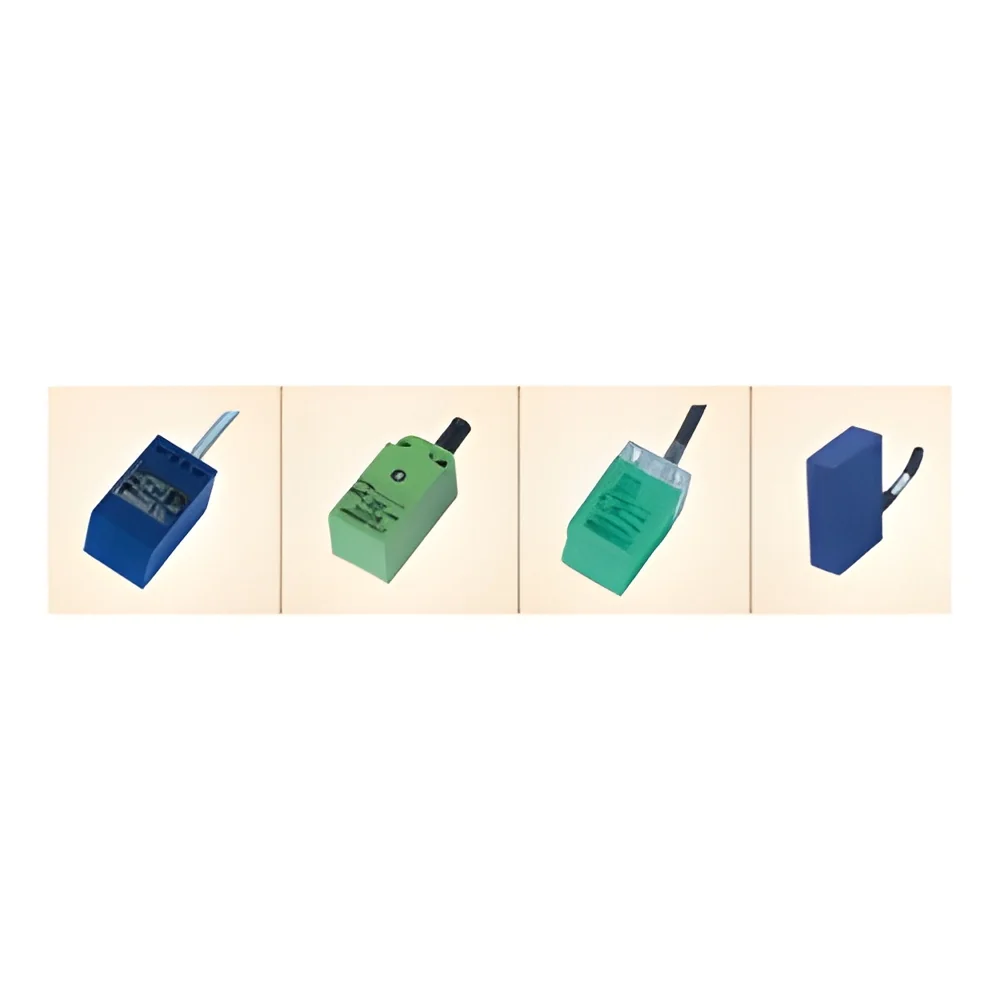
These sensors are designed to detect metallic objects. They are widely used in machinery and automation systems for non-contact detection, ensuring precise operation without wear and tear.
Capacitive Proximity Sensors
While not always classified with inductive sensors, capacitive sensors can detect both metallic and non-metallic objects, making them versatile in applications where the detected material varies.
Benefits and Advantages
Proximity and inductive sensors offer numerous benefits that enhance operational efficiency and safety in industrial settings.
Key benefits include:
1. Non-contact Detection: They reduce wear and tear on machinery by eliminating the need for physical contact.
2. Increased Efficiency: Sensors provide real-time data, enabling faster decision-making in production processes.
3. Versatility: Suitable for a wide range of materials and applications, making them adaptable to various industries.
4. Safety Enhancement: They improve workplace safety by detecting objects and preventing accidents in automated systems.
5. Reliability: High accuracy and durability ensure consistent performance over time.
6. Cost-effectiveness: By automating processes, they reduce labor costs and minimize errors.
Buying Guide for B2B Buyers
When sourcing proximity and inductive sensors, it is essential for B2B buyers to consider several factors to ensure they select the right product for their needs.
1. Quality Assessment: Buyers should evaluate the quality of sensors based on manufacturer reputation and adherence to industry standards. Look for products that meet recognized certifications.
2. Supplier Verification: It is crucial to vet suppliers thoroughly. Check for customer reviews, service history, and reliability to ensure a trustworthy partnership.
3. Pricing and MOQ: Consider the pricing structure and minimum order quantities. Compare multiple suppliers to find the best deal while ensuring quality is not compromised.
4. Delivery and Lead Times: Understand the logistics involved in obtaining the sensors. Ensure that suppliers can meet your timelines and provide reliable delivery options.
5. Compliance Requirements: Be aware of any regulatory requirements that the sensors must meet, including safety standards and certifications relevant to your industry.
Compliance and Certifications
Compliance and certifications are vital for ensuring that proximity and inductive sensors meet quality and safety standards.
Relevant quality standards include ISO 9001, which focuses on effective quality management systems. Compliance with HACCP and GDP ensures that sensors used in food and pharmaceutical industries meet health and safety regulations.
Industry certifications such as CE mark indicate that the sensors comply with European health, safety, and environmental protection standards.
Safety and testing requirements are critical in ensuring that the sensors function reliably under various conditions.
Additionally, regional compliance considerations may vary, and it is essential to verify that sensors comply with local regulations to avoid operational issues.
Why Source Proximity & Inductive Sensors from Pepagora?
Pepagora provides a trusted platform for sourcing proximity and inductive sensors, offering several key advantages to B2B buyers.
Verified Supplier Network: Pepagora ensures a robust supplier verification process, giving buyers confidence in the quality and reliability of the sensors they purchase. This network includes experienced suppliers who adhere to industry standards.
Streamlined RFQ Process: The request for quotation (RFQ) system simplifies the procurement process. Buyers can easily compare multiple offers to find the best price and terms, saving time and resources.
Trade Assurance and Support: Pepagora offers trade assurance, protecting buyers from potential risks associated with transactions. Dedicated support ensures that any issues are promptly addressed, providing peace of mind.
Regional Coverage: With a strong presence in India, the GCC, and Southeast Asia, Pepagora offers geographic reach that allows businesses to source sensors efficiently, regardless of location. This extensive network ensures timely delivery and support tailored to regional needs.

 IN
IN