
 IN
ZLD Plant Setup
9 products available
What are ZLD Plant Setup?
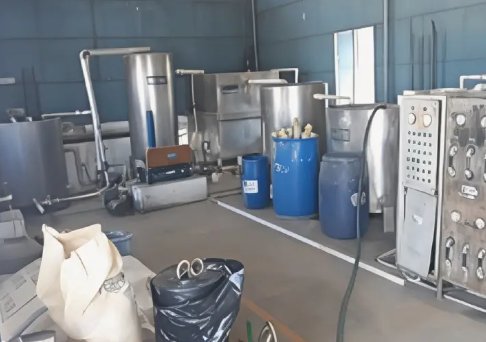
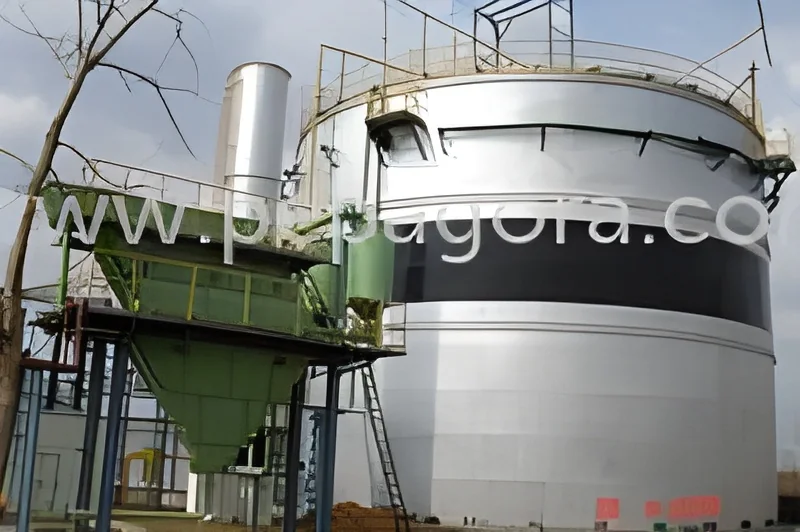
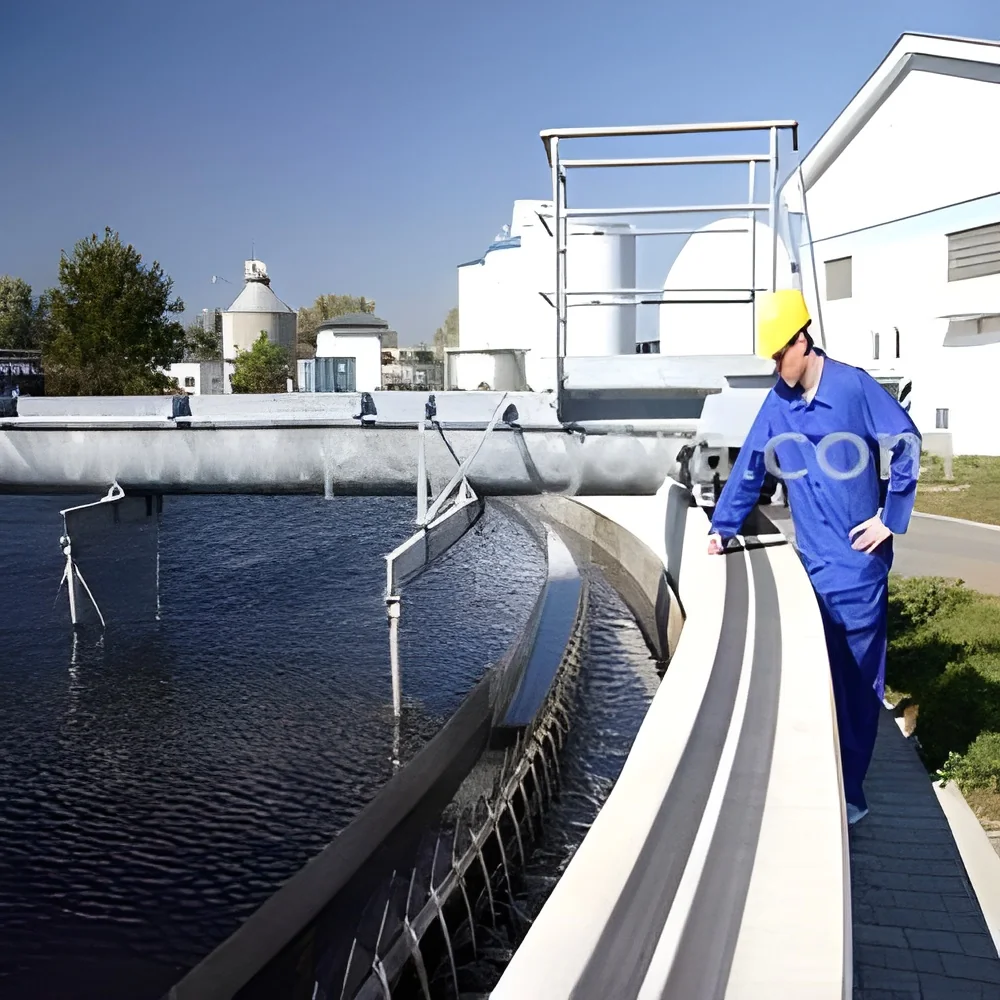
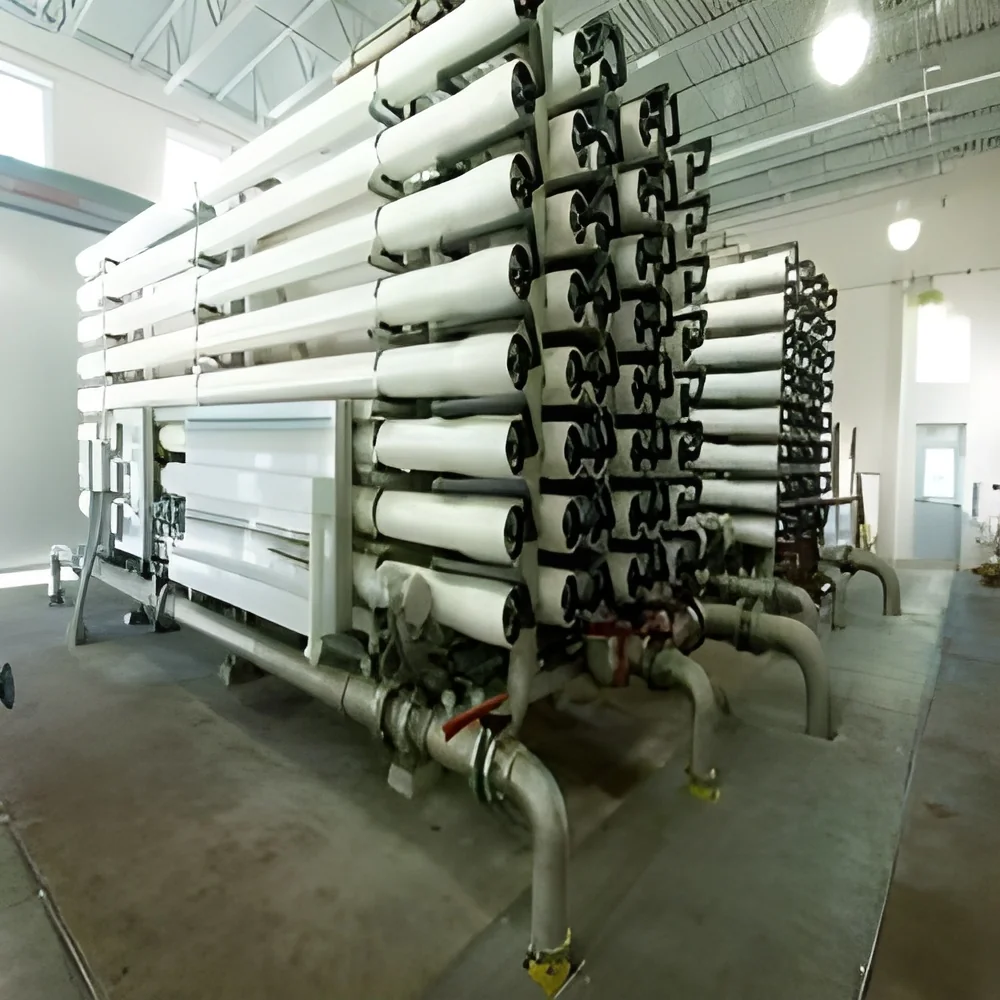
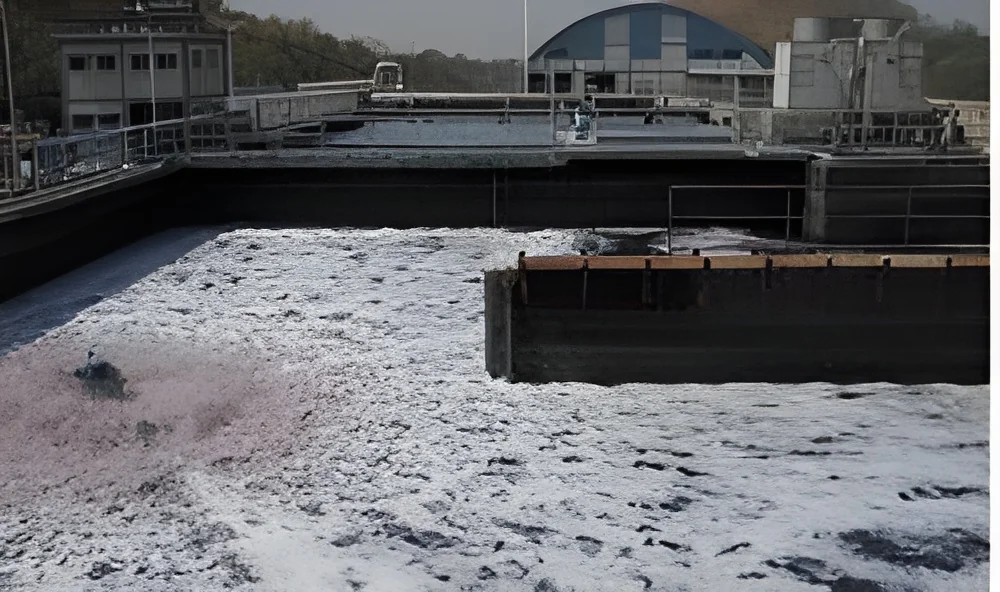
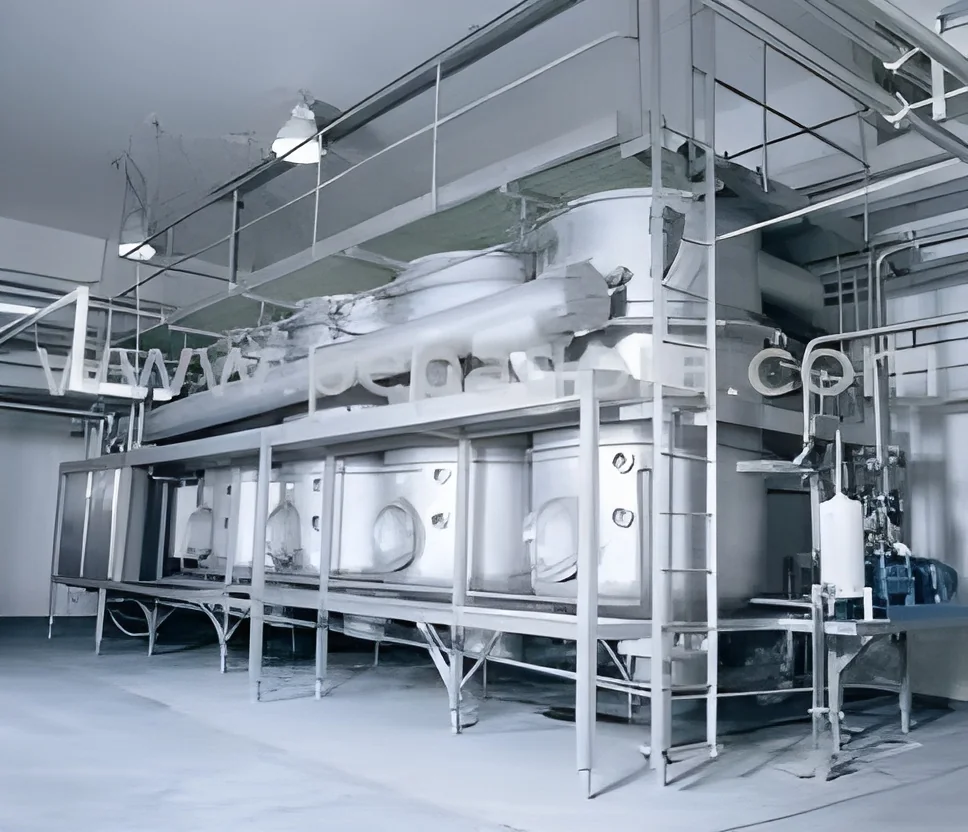
A Zero Liquid Discharge (ZLD) Plant Setup is an advanced wastewater treatment system designed to eliminate liquid waste by recovering and reusing water. The primary goal of a ZLD system is to minimize environmental impact and conserve water resources by ensuring that no liquid effluent is discharged into the environment. These systems utilize a combination of technologies such as evaporation, crystallization, and filtration to treat wastewater and extract valuable by-products.
ZLD Plant Setups are increasingly used in various industries, including pharmaceuticals, textiles, and food processing, where strict environmental regulations apply. Businesses utilize these systems not only to comply with legal requirements but also to enhance their sustainability efforts. With global focus on environmental conservation, ZLD technology has become vital in achieving zero waste and promoting circular economy practices.
The relevance of ZLD in today’s market is underscored by growing concerns over water scarcity and environmental pollution. As industries face tighter regulations and a greater demand for sustainable practices, ZLD systems offer a solution that aligns with both compliance and corporate responsibility goals. This makes ZLD Plant Setups an essential investment for forward-thinking organizations aiming to reduce their ecological footprint.
Key Features and Specifications
ZLD Plant Setups come equipped with a range of features designed to maximize efficiency and effectiveness in wastewater treatment. These features ensure that plants can operate reliably and meet industry standards.
Key specifications include:
1. Treatment Capacity
- Designed for varying capacities to accommodate different industrial needs
- Ranges from small-scale units to large installations
2. Recovery Rate
- High recovery rates of up to 95% of wastewater
- Efficiency in reclaiming purified water for reuse
3. Energy Consumption
- Optimized to reduce energy costs during operation
- Incorporates energy-efficient technologies
4. Automation Level
- Advanced automation systems for monitoring and control
- Integration with IoT for real-time data access
5. Maintenance Requirements
- Low-maintenance design for ease of operation
- Scheduled maintenance protocols to ensure longevity
6. Environmental Compliance
- Meets global standards for wastewater treatment
- Adheres to local environmental regulations
7. By-Product Management
- Capable of handling solid waste produced from treatments
- Processes for recovering valuable by-products
8. Safety Features
- Equipped with emergency shut-off systems
- Complies with safety regulations for industrial plants
In summary, ZLD Plant Setups are characterized by their high efficiency, automation, and compliance with environmental standards, making them essential in modern wastewater management.
Common Applications and Use Cases
ZLD Plant Setups find applications across multiple industries, showcasing their versatility and importance in water conservation efforts.
1. Pharmaceutical Industry: ZLD systems are used to treat pharmaceutical effluents, ensuring that harmful contaminants are removed and water is reclaimed for reuse in production.
2. Textile Manufacturing: In textile production, ZLD technology helps in treating dyeing and finishing effluents, allowing for water recovery and reducing the environmental impact of wastewater.
3. Food and Beverage: ZLD setups are implemented in food processing to manage wastewater generated during production, enabling compliance with health standards and reducing waste.
4. Power Generation: Power plants utilize ZLD systems to treat cooling water and other process wastewater, minimizing discharge and enhancing water recycling.
5. Chemical Manufacturing: In the chemical industry, ZLD systems manage hazardous waste, allowing for the recovery of water and safe disposal of solids.
6. Oil and Gas: ZLD technology is applied in oil refineries to treat wastewater and recover water for reuse in operations, addressing both regulatory and sustainability challenges.
7. Mining Industry: ZLD setups are used to manage water from mining operations, ensuring that no liquid waste is released into the environment.
Product Variants and Subcategories
ZLD Plant Setups come in a variety of configurations to meet specific industry needs. The diversity of options allows businesses to choose setups that best fit their operational requirements.
Standard ZLD Plant Setup
This variant includes a complete treatment system with evaporation and crystallization capabilities. It is designed for industries with high wastewater generation and strict discharge regulations.
Compact ZLD System
Ideal for smaller facilities, this variant offers a space-efficient solution while maintaining high recovery rates. It is suitable for businesses with limited space but a need for effective wastewater management.
Mobile ZLD Plant
This flexible option allows for temporary setups in remote locations or during emergencies. It provides all necessary treatment processes in a portable format, making it useful for various industries.
Benefits and Advantages
Investing in a ZLD Plant Setup offers numerous benefits to businesses focused on sustainability and compliance.
Key benefits include:
1. Environmental Compliance: ZLD systems help organizations meet stringent regulatory requirements, reducing the risk of penalties and enhancing their reputation.
2. Water Conservation: By recovering and reusing water, businesses can significantly reduce their water consumption, contributing to sustainability efforts.
3. Cost Savings: Over time, ZLD systems can lower operational costs by minimizing water purchase and treatment fees.
4. Resource Recovery: ZLD setups can generate valuable by-products from wastewater, creating additional revenue streams.
5. Improved Public Image: Companies adopting sustainable practices can enhance their brand image and appeal to environmentally conscious consumers.
6. Risk Mitigation: By reducing the volume of waste produced, businesses can lower their liability and potential environmental impact.
Buying Guide for B2B Buyers
When sourcing ZLD Plant Setup, it is essential for B2B buyers to consider several critical factors to ensure a suitable purchase.
1. Quality Assessment: Evaluate the quality of materials and technologies used in the ZLD setup. Look for systems that comply with recognized standards to guarantee performance and durability.
2. Supplier Verification: Vet potential suppliers to ensure they have a proven track record and experience in delivering ZLD solutions. Check for certifications and customer feedback.
3. Pricing and MOQ: Understand the pricing structure and minimum order quantities. Compare costs across different suppliers while considering the total cost of ownership.
4. Delivery and Lead Times: Inquire about delivery schedules and lead times to ensure that the ZLD setup can be installed within your project timeline.
5. Compliance Requirements: Ensure that the ZLD system meets all relevant environmental and safety regulations in your region to avoid future complications.
Compliance and Certifications
ZLD Plant Setups are subject to various compliance and certification requirements to ensure they meet industry standards.
Quality standards such as ISO 9001 play a crucial role in ensuring that manufacturing processes are efficient and produce high-quality products. Compliance with HACCP and GDP standards is essential for industries like food processing and pharmaceuticals, where safety is paramount.
In addition to quality standards, ZLD systems often require industry-specific certifications, such as CE marking, which indicates compliance with European safety standards. This certification assures buyers of the product's safety and reliability.
Safety and testing requirements are also critical for ZLD setups. Regular testing of effluent quality ensures that the systems operate within acceptable limits, protecting the environment and public health.
Regional compliance considerations must be taken into account, as different regions may have varying regulations governing wastewater treatment and discharge standards.
Why Source ZLD Plant Setup from Pepagora?
Pepagora provides a trusted platform for sourcing ZLD Plant Setups, offering several key advantages to buyers.
Verified Supplier Network: Pepagora has a rigorous supplier verification process that ensures only reliable and experienced suppliers are listed. This gives buyers confidence in the quality of the products they are purchasing.
Streamlined RFQ Process: The Request for Quotation (RFQ) system simplifies the procurement process, allowing buyers to easily obtain quotes from multiple suppliers. This helps in making informed decisions based on price and capability.
Trade Assurance and Support: Pepagora offers trade assurance to protect buyers against potential issues during transactions. Their dedicated support team is available to assist with any inquiries or concerns.
Regional Coverage: Pepagora serves a wide geographic area, including India, the Gulf Cooperation Council (GCC) nations, and Southeast Asia. This extensive reach ensures that buyers can find local suppliers who understand regional compliance requirements and market conditions.


 India
 India
 India
 India
 India
 India
 India
 India

Frequently Asked Questions
What are ZLD Plant Setup?
ZLD Plant Setup refers to the establishment of Zero Liquid Discharge systems designed to minimize water pollution by recovering and reusing wastewater. These plants treat industrial effluents to ensure that no liquid waste is discharged into the environment.
What are the different types of ZLD Plant Setup?
Different types of ZLD Plant Setup include thermal treatment systems, membrane technologies, and evaporation systems. Each type has its own processes and applications, catering to various industries such as textiles, pharmaceuticals, and food processing.
How do I choose the right ZLD Plant Setup?
Choosing the right ZLD Plant Setup involves assessing the specific wastewater characteristics, treatment requirements, and space availability. Consulting with experienced suppliers and manufacturers can help in selecting a solution that meets your operational needs.
What are the standard specifications for ZLD Plant Setup?
Standard specifications for ZLD Plant Setup typically include treatment capacity, recovery rate, energy consumption, and compliance with environmental regulations. It's essential to review these specifications to ensure the plant meets local and industry standards.
What is the price range for ZLD Plant Setup?
The price range for ZLD Plant Setup can vary significantly based on factors such as technology, capacity, and customization. Generally, prices can start from a few lakhs to several crores of INR, depending on the complexity and scale of the system.
What quality standards apply to ZLD Plant Setup?
Quality standards for ZLD Plant Setup are governed by national and international environmental regulations, including ISO standards related to water treatment. Adherence to these standards ensures the system operates efficiently and meets discharge limits.
Where can I find ZLD Plant Setup suppliers in India?
You can find ZLD Plant Setup suppliers in India through various online marketplaces, industry trade shows, and manufacturer directories. Platforms like Pepagora.com provide a comprehensive list of suppliers and manufacturers in this domain.
Can ZLD Plant Setup be customized?
Yes, ZLD Plant Setup can be customized to meet specific requirements based on the type of wastewater and the desired treatment outcomes. Customization may include modifications in technology, capacity, and additional features for enhanced efficiency.
What is the typical minimum order quantity for ZLD Plant Setup?
The typical minimum order quantity for ZLD Plant Setup can vary between manufacturers but often starts from a single unit. It's advisable to discuss your requirements with suppliers to understand their specific policies on minimum orders.
What is the typical lead time for ZLD Plant Setup?
The typical lead time for ZLD Plant Setup can range from a few weeks to several months, depending on the complexity of the setup and the manufacturer's production capacity. It's important to confirm lead times with suppliers during the procurement process.
Why Businesses Trust Pepagora
Thousands of companies trust Pepagora to source smarter and sell faster
Expand Your Sales Globally

Source Smarter,Grow Faster
