
 IN
Welding Positioners & Rotators
5 products available
What are Welding Positioners & Rotators?
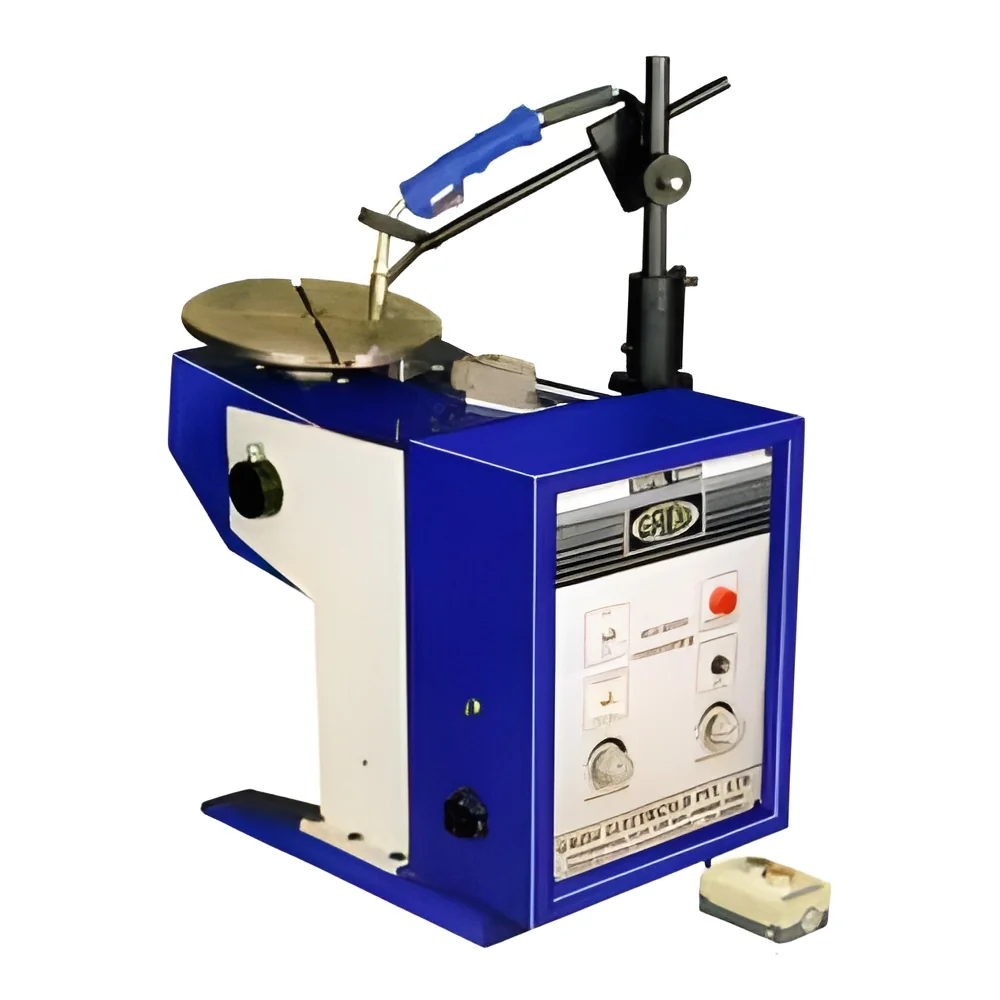
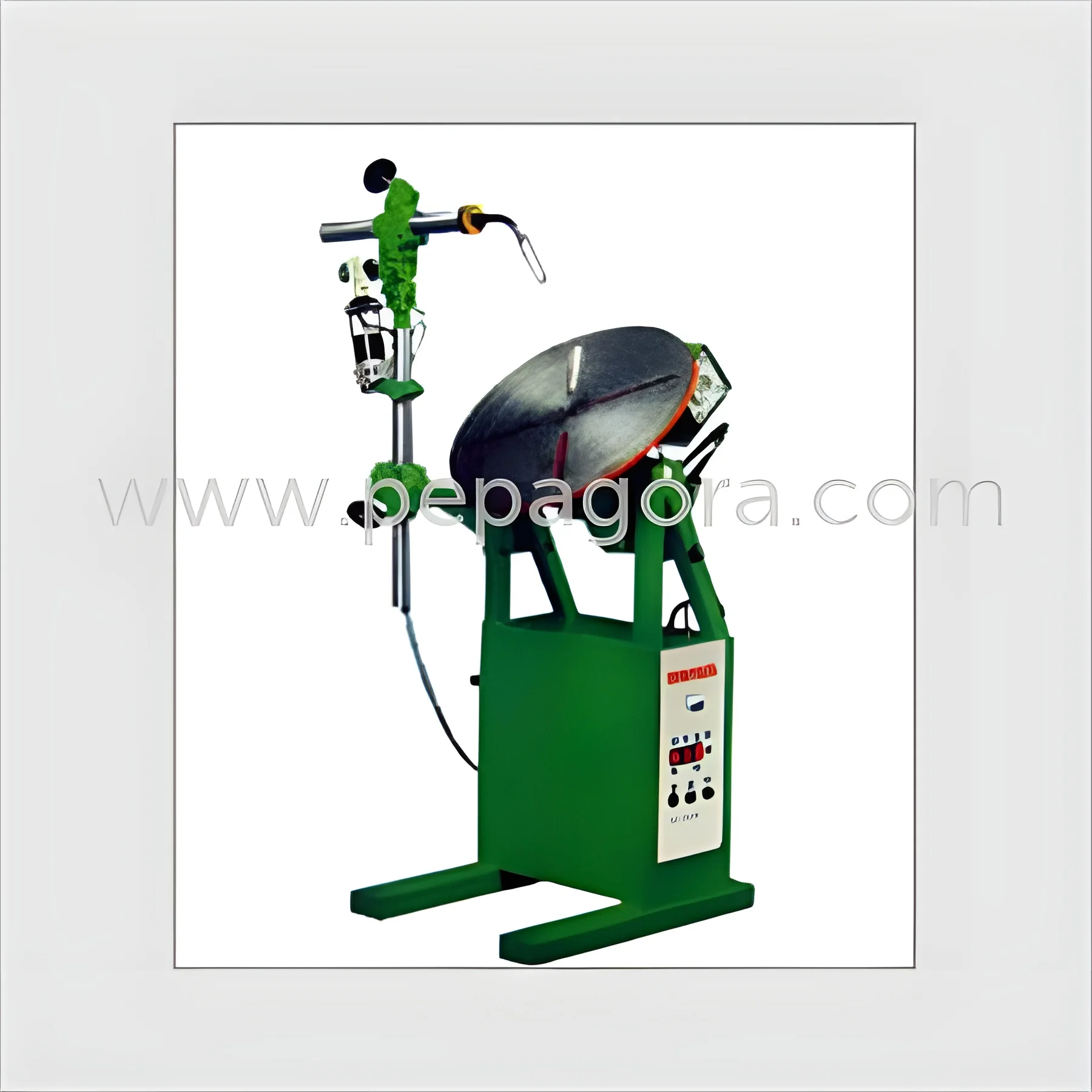
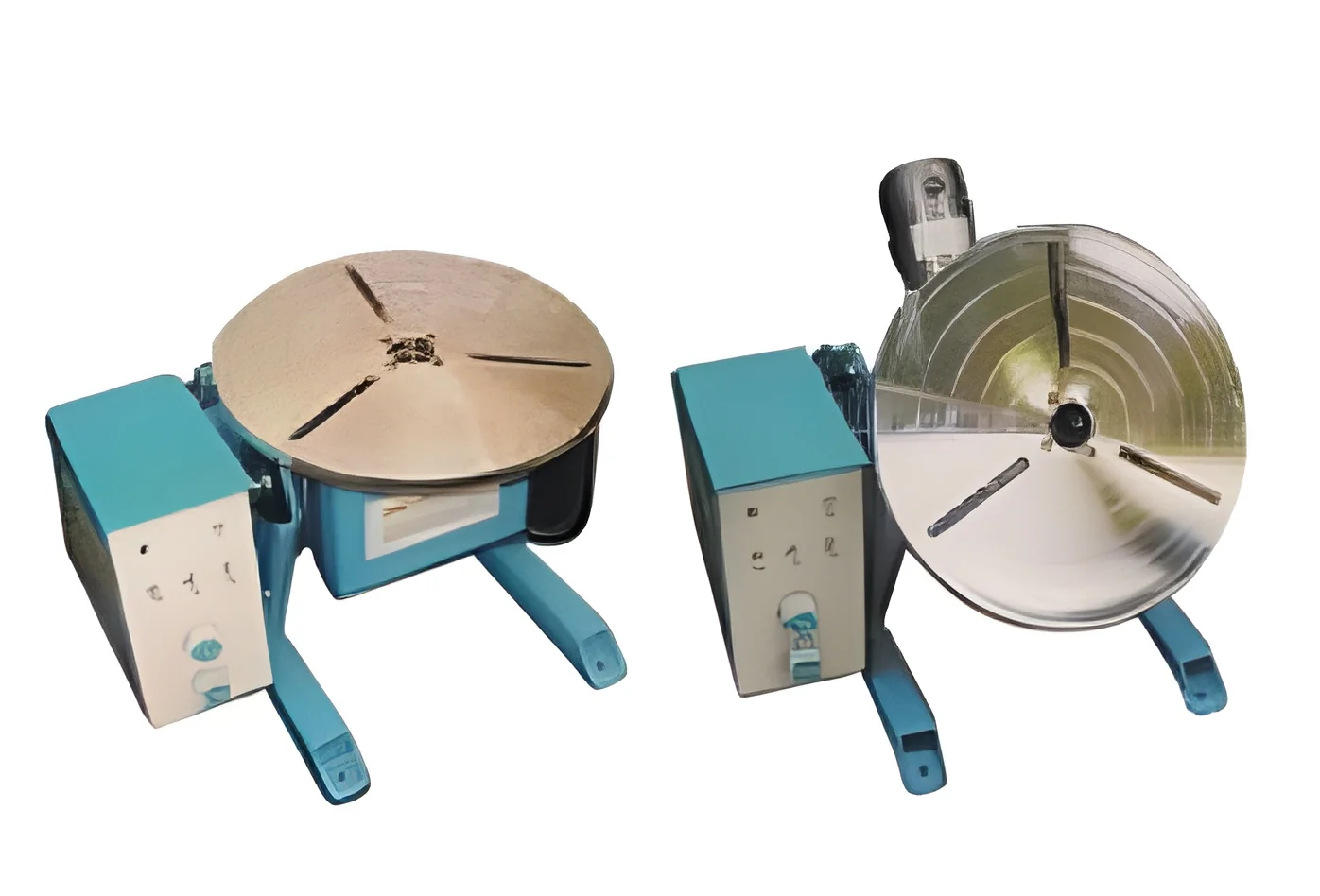
Welding positioners and rotators are specialized equipment designed to hold and manipulate workpieces during welding processes. Welding positioners allow for the adjustment of the workpiece's position in various orientations, facilitating easier access for welders. On the other hand, welding rotators are used to rotate the workpiece along a horizontal or vertical axis, ensuring uniform welding and reducing operator strain.
These tools are primarily utilized in industries where welding is a fundamental process, such as manufacturing, construction, and shipbuilding. They enhance productivity by increasing the efficiency of welding operations. Businesses leverage these devices to improve weld quality and reduce cycle times, ultimately leading to cost savings and enhanced safety in the workplace. The growing emphasis on automation and precision in industrial applications makes welding positioners and rotators highly relevant in today’s market.
The industrial landscape is continuously evolving, with increasing demands for high-quality welds and faster production times. As a result, welding positioners and rotators play a crucial role in meeting these demands. Their significance is amplified by the rise of advanced manufacturing techniques, which require precise welding solutions to maintain competitive advantage.
Key Features and Specifications
Welding positioners and rotators come with a variety of features designed to enhance functionality and performance. These features are essential for ensuring effective welding operations across different applications and industries.
Key specifications include:
1. Load Capacity
- Refers to the maximum weight the equipment can handle.
- Ranges typically from 100 kg to several tons, depending on the model.
2. Speed Control
- Allows for the adjustment of rotation speed during welding.
- Usually ranges from 0.1 to 15 RPM.
3. Tilting Angle
- The maximum angle to which the positioner can tilt.
- Commonly ranges from 0 to 180 degrees.
4. Rotation Axis
- Indicates whether the device rotates horizontally or vertically.
- Most models offer both options.
5. Control System
- Type of control offered, such as manual or programmable.
- Advanced models may feature digital interfaces for precise control.
6. Power Supply
- Voltage and phase requirements for operation.
- Commonly available in 230V single-phase or 400V three-phase options.
7. Construction Material
- Typically made from heavy-duty steel for durability.
- Some models may include additional coatings for enhanced resistance to wear.
8. Compliance Standards
- Often compliant with safety and quality standards, such as CE certification.
- Ensures reliability and safety in operation.
In summary, understanding these specifications is crucial for selecting the right welding positioner or rotator to meet specific operational needs and ensure optimal welding performance.
Common Applications and Use Cases
Welding positioners and rotators are versatile tools used across numerous industries, each with specific applications that benefit from their capabilities.
1. Manufacturing: These tools are essential in the manufacturing sector, facilitating the assembly and welding of components in machinery and equipment.
2. Construction: In construction, welding positioners help weld structural steel components, ensuring accurate and strong joints.
3. Shipbuilding: The shipbuilding industry relies on welding rotators to position large hull sections for efficient and high-quality welding.
4. Aerospace: In aerospace applications, precision welding is critical, and positioners help achieve the required accuracy and consistency.
5. Oil and Gas: Welding positioners are utilized for fabricating pipelines and other equipment that require robust welds under challenging conditions.
6. Automotive: The automotive industry uses these devices for welding frames and body parts, promoting efficiency in production lines.
7. Heavy Equipment: In heavy equipment manufacturing, welding rotators assist in joining large components, enhancing overall productivity.
Product Variants and Subcategories
Welding positioners and rotators come in various models, each designed to cater to specific needs and applications.
Manual Welding Positioners
These positioners require manual adjustments for positioning and tilt. They are suitable for smaller projects or less complex welding tasks.
Automated Welding Positioners
These models feature automated controls, allowing for programmable adjustments and enhanced precision. They are ideal for high-volume production environments.
Portable Welding Rotators
Designed for mobility, these rotators can be easily moved around job sites. They are useful for fieldwork and projects requiring flexibility.
Heavy-Duty Welding Rotators
These variants are built to withstand substantial loads and are perfect for large-scale industrial applications, ensuring reliability and stability.
Benefits and Advantages
Welding positioners and rotators offer numerous benefits that can significantly enhance operational efficiency and quality.
1. Improved Work Safety: By positioning the workpiece correctly, these tools minimize the risk of accidents and injuries associated with awkward welding positions.
2. Enhanced Weld Quality: Proper positioning and rotation lead to more consistent and high-quality welds, reducing the need for rework.
3. Increased Productivity: Automating the positioning and rotation process speeds up welding operations, allowing businesses to meet tight deadlines.
4. Versatility: These tools can accommodate a wide range of workpiece sizes and shapes, making them suitable for various applications.
5. Reduced Operator Fatigue: By minimizing the physical demands on welders, these devices help reduce fatigue, improving overall job performance.
6. Cost Efficiency: The enhanced productivity and quality lead to reduced operational costs over time, making these tools a worthwhile investment.
Buying Guide for B2B Buyers
When sourcing welding positioners and rotators, B2B buyers should consider several important factors to ensure they select the right equipment for their needs.
1. Quality Assessment: Assess the build quality and materials used in the equipment. Look for reputable brands with a proven track record for reliability and performance.
2. Supplier Verification: Vet potential suppliers by checking their certifications, customer reviews, and industry reputation. A verified supplier is crucial for ensuring product quality.
3. Pricing and MOQ: Understand the pricing structure and minimum order quantities (MOQ) set by suppliers. This will help in budgeting and planning purchases.
4. Delivery and Lead Times: Discuss logistics and ensure that the supplier can meet your delivery requirements. Timely delivery is essential to maintain production schedules.
5. Compliance Requirements: Ensure that the equipment meets relevant regulatory standards and certifications for safety and quality. Compliance is crucial for operational legitimacy.
Compliance and Certifications
Welding positioners and rotators must comply with various quality and safety standards to ensure reliability in industrial applications.
ISO 9001 certification is often a requirement, as it indicates a commitment to quality management systems. This standard helps ensure that products meet customer and regulatory requirements consistently.
CE certification is another important aspect, especially in the European market. This certification signifies that the equipment meets essential health, safety, and environmental requirements.
Additionally, compliance with safety and testing standards is necessary to guarantee the safe operation of these tools. This includes adherence to local and regional regulations that govern industrial equipment.
Buyers should also consider regional compliance requirements, which may vary by country or region. Ensuring compliance with these standards is essential for operational success and legal adherence.
Why Source Welding Positioners & Rotators from Pepagora?
Pepagora provides a trusted platform for sourcing welding positioners and rotators, offering several key advantages to B2B buyers.
Verified Supplier Network: Pepagora connects buyers with a network of verified suppliers, ensuring that you receive high-quality products from reputable manufacturers. This reduces the risk of subpar equipment and enhances buyer confidence.
Streamlined RFQ Process: The Request for Quotation (RFQ) process on Pepagora is designed for efficiency. Buyers can easily submit their requirements and receive quotations from multiple suppliers, facilitating informed decision-making.
Trade Assurance and Support: Pepagora offers trade assurance to protect buyers during transactions. This includes support for any disputes or issues that may arise, ensuring a smooth purchasing experience.
Regional Coverage: With a focus on markets in India, the GCC, and Southeast Asia, Pepagora provides extensive regional coverage. This allows buyers to source welding positioners and rotators suited to their specific market needs, enhancing accessibility and convenience.

 India
 India

 India
 India
Frequently Asked Questions
What are Welding Positioners & Rotators?
Welding Positioners & Rotators are specialized machines designed to hold and manipulate workpieces during the welding process. They enhance productivity and weld quality by allowing for precise positioning of the workpiece, enabling the welder to access all necessary areas without awkward movements.
What are the different types of Welding Positioners & Rotators?
There are several types of Welding Positioners & Rotators, including manual, semi-automatic, and fully automatic models. Positioners are typically categorized by their load capacity and rotation type, such as tilt or turntable positioners, while rotators are classified based on their design, like cylindrical or flatbed rotators.
How do I choose the right Welding Positioners & Rotators?
Choosing the right Welding Positioners & Rotators involves considering factors such as the weight and size of the workpieces, the type of welding process, and the desired rotation speed. It's also important to evaluate the specific features required, such as tilt angles, controls, and safety features.
What are the standard specifications for Welding Positioners & Rotators?
Standard specifications for Welding Positioners & Rotators typically include load capacity, rotation speed, tilt angle, and control mechanisms. Additionally, dimensions, power requirements, and safety features are also crucial specifications that should be reviewed before purchase.
What is the price range for Welding Positioners & Rotators?
The price range for Welding Positioners & Rotators can vary significantly based on the type, features, and specifications. Generally, prices can range from a few thousand to several lakhs of Indian Rupees depending on the complexity and capabilities of the equipment.
What quality standards apply to Welding Positioners & Rotators?
Welding Positioners & Rotators must comply with various quality standards such as ISO 9001 for quality management and CE marking for safety in the European market. Additionally, manufacturers often adhere to industry-specific standards that ensure reliability and performance in welding applications.
Where can I find Welding Positioners & Rotators suppliers in India?
You can find Welding Positioners & Rotators suppliers in India through B2B marketplaces like Pepagora, industry trade shows, and directories. It is advisable to check supplier reviews and product specifications to ensure you are selecting reliable manufacturers.
Can Welding Positioners & Rotators be customized?
Yes, many Welding Positioners & Rotators can be customized to meet specific operational requirements. Customization options may include modifications to load capacity, dimensions, and features to suit particular welding processes or applications.
What is the typical minimum order quantity for Welding Positioners & Rotators?
The typical minimum order quantity (MOQ) for Welding Positioners & Rotators can vary by manufacturer and model. Generally, MOQs may range from one unit for standard models to larger quantities for custom or specialized equipment.
What is the typical lead time for Welding Positioners & Rotators?
The typical lead time for Welding Positioners & Rotators depends on the manufacturer's production schedule and the complexity of the order. Standard models may have a lead time of a few weeks, while customized units could take several weeks to months for delivery.
Why Businesses Trust Pepagora
Thousands of companies trust Pepagora to source smarter and sell faster
Expand Your Sales Globally

Source Smarter,Grow Faster
