IN
IN₹
Apparel & Fashion
Description
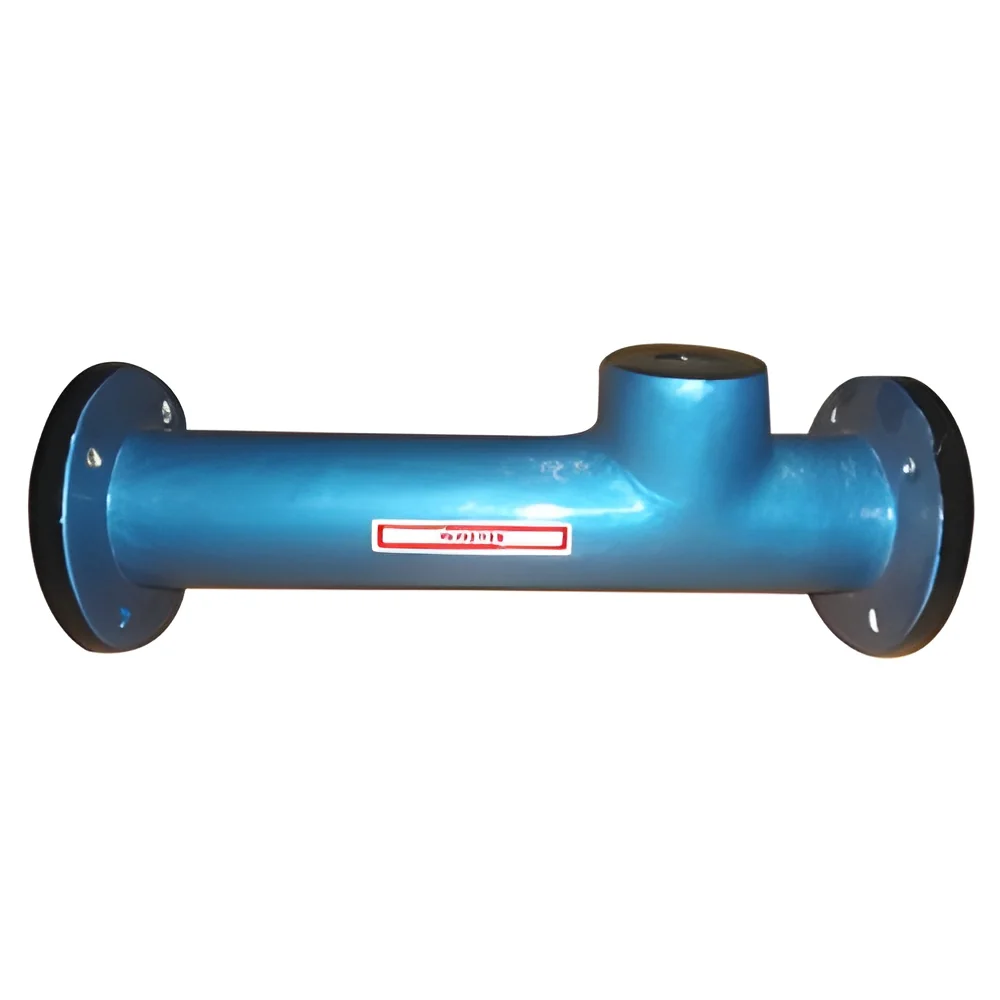
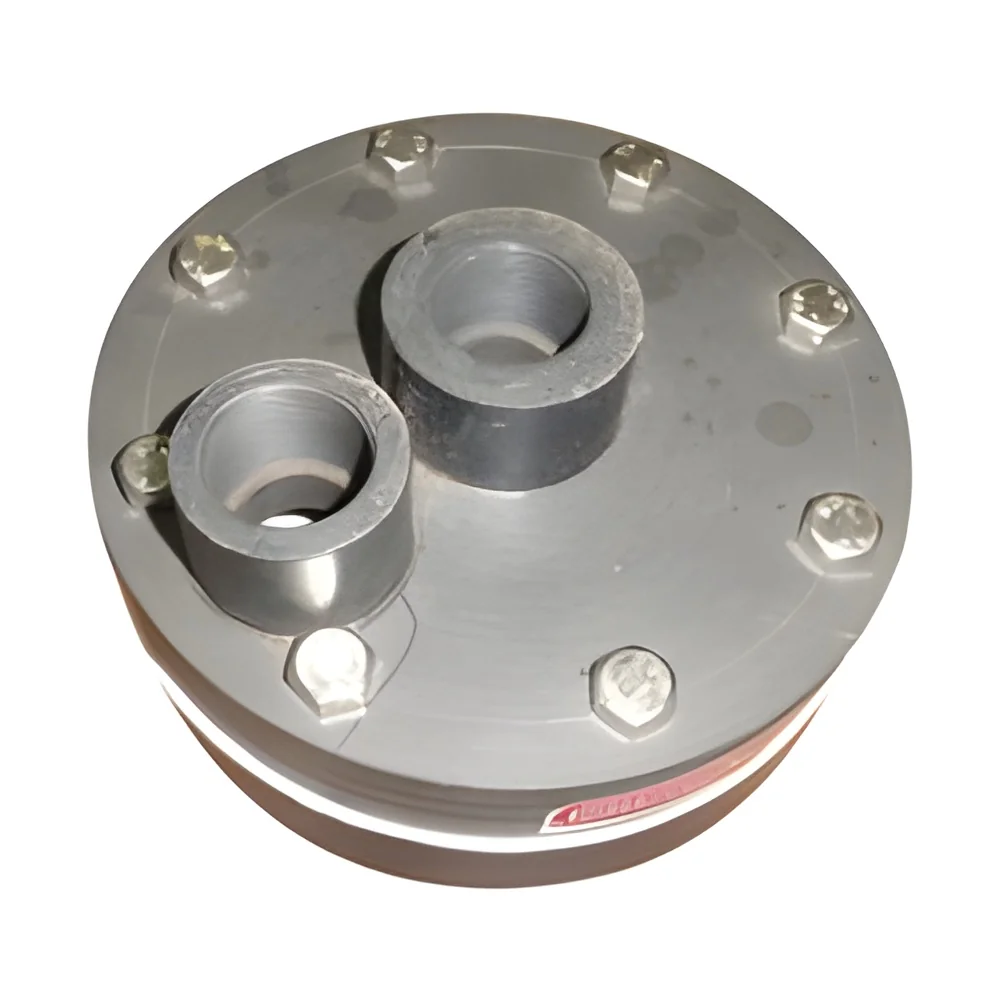
The Industrial Differential Pressure Regulator is a precision-engineered component designed to solve a fundamental challenge in fluid systems: maintaining a stable pressure drop. It functions by regulating the differential pressure created across the orifice of a Flow Control Valve. This action directly translates to consistent and accurate readings on connected rotameters, effectively managing and minimizing disruptive turbulent vacuum actions. In essence, it acts as a stabilizer, converting variable and potentially chaotic pressure conditions into a steady, manageable state that ensures your entire flow measurement and control loop operates as intended. This reliability is particularly critical in larger-scale applications where pressure differentials are significant and cannot be ignored without sacrificing performance.

This regulator serves as a backbone component across heavy industries where process integrity is non-negotiable. In water and wastewater treatment, it is crucial fo...
The Industrial Differential Pressure Regulator is a precision-engineered component designed to solve a fundamental challenge in fluid systems: maintaining a stable pressure drop. It functions by regulating the differential pressure created across the orifice of a Flow Control Valve. This action directly translates to consistent and accurate readings on connected rotameters, effectively managing and minimizing disruptive turbulent vacuum actions. In essence, it acts as a stabilizer, converting variable and potentially chaotic pressure conditions into a steady, manageable state that ensures your entire flow measurement and control loop operates as intended. This reliability is particularly critical in larger-scale applications where pressure differentials are significant and cannot be ignored without sacrificing performance.

This regulator serves as a backbone component across heavy industries where process integrity is non-negotiable. In water and wastewater treatment, it is crucial for chlorination systems, guaranteeing that chemical injection rates remain precise regardless of upstream pressure variations. The chemical processing industry relies on it to maintain safe and efficient pressure differentials in reactor feeds and complex transfer lines. Within oil and gas, it ensures the accuracy of fiscal metering and the safe operation of control systems. Manufacturing and HVAC sectors utilize these regulators to protect sensitive equipment and maintain consistent environmental or process conditions, thereby reducing wear and preventing costly unscheduled downtime.

The investment in a high-quality Differential Pressure Regulator delivers tangible business value through enhanced operational reliability and reduced lifecycle costs. Its core benefit is safeguarding your process accuracy, which directly impacts product quality, regulatory compliance, and resource utilization. By preventing pressure-induced errors and equipment stress, it minimizes maintenance demands and extends the service life of your rotameters, valves, and other system components. This built-in durability and focus on precision translate into fewer process interruptions, lower risk of measurement-related losses, and a stronger foundation for efficient, predictable operations. Choosing a regulator known for its robust construction and consistent performance is a strategic decision for long-term operational stability.

Key Features:
- Precisely regulates pressure drop across Flow Control Valve orifices to ensure system stability.
- Effectively manages and minimizes turbulent vacuum actions for smoother operation.
- Designed for compatibility with systems featuring significant pressure drops, such as chlorinators of 8 kg/hr capacity and above.
- Ensures accurate and stable readings from rotameters and other flow measurement devices.
- Constructed with industrial-grade materials for reliable performance in demanding environments.

Benefits:
- Enhances measurement accuracy and process control consistency.
- Protects downstream instrumentation from damage caused by pressure fluctuations.
- Reduces system turbulence, leading to lower maintenance requirements and longer equipment life.
- Improves overall operational safety by maintaining predictable pressure conditions.
- Delivers reliable performance that supports continuous, efficient industrial processes.
Specifications
| Additional Information | |
|---|---|
| Country of Origin | India |
Application
Differential Pressure Regulators are engineered to maintain a consistent pressure differential across critical points in your flow system. This stability is essential for ensuring accurate readings from rotameters and other flow measurement devices, preventing fluctuations that can lead to process errors and inefficiencies. By smoothing out turbulent vacuum actions, these regulators create a controlled environment where instruments perform reliably.
These devices find their primary application in industrial settings where pressure management directly impacts safety, accuracy, and cost. They are indispensable in systems with significant pressure drops, such as those using chlorinators with capacities of 8 kg/hr and above. Their role extends to protecting sensitive downstream equipment from damage caused by unexpected pressure spikes or instability.
- Water treatment facilities for precise chlorination control and chemical dosing accuracy.
- Chemical processing plants to stabilize reactor feed lines and manage pressure in pipeline networks.
- Oil and gas operations for maintaining differential pressure across critical flow meters and control valves.
- Pharmaceutical manufacturing to ensure batch process consistency and meet stringent quality standards.
- HVAC and industrial climate control systems for managing stable air and fluid pressure loops.
Trade Details
| Available Stock | In Stock |
| Sample Availability | No |
Payment Terms
| Payment Terms |
|
Company Profile

Chennai Chloro System, Tamil Nadu
 Tamil Nadu, India
Tamil Nadu, IndiaManufacturer•Distributor / Wholesaler
Factory Details
Factory SizeBelow 1000 sqm
Annual Production Capacity0
Industrial Differential Pressure Regulator For Flow Control And Rotameter Stability
Industrial Differential Pressure Regulator ensures stable flow control and rotameter stability by managing pressure drops across systems. Ideal for water treatment, chemical processing, and manufacturing applications requiring precise pressure management.
Min. Order Quantity: 1 unit
Shipping
Shipping fee and delivery date to be negotiated. Contact supplier now for more details.
Chennai Chloro System
 Tamil Nadu, India
Tamil Nadu, IndiaManufacturer