IN
IN₹
Apparel & Fashion
Description
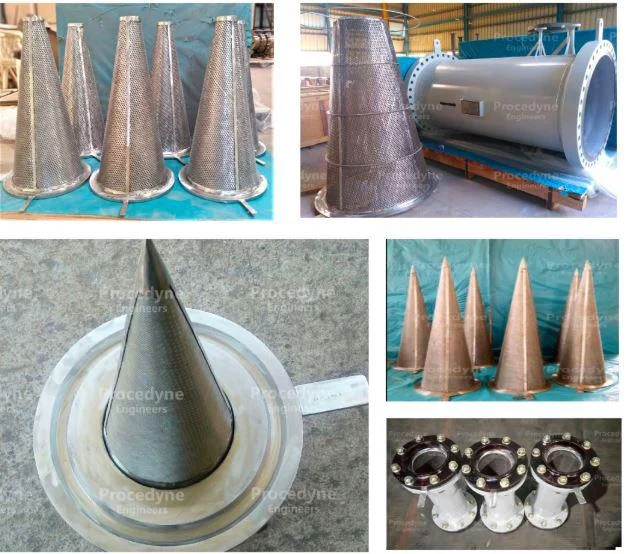
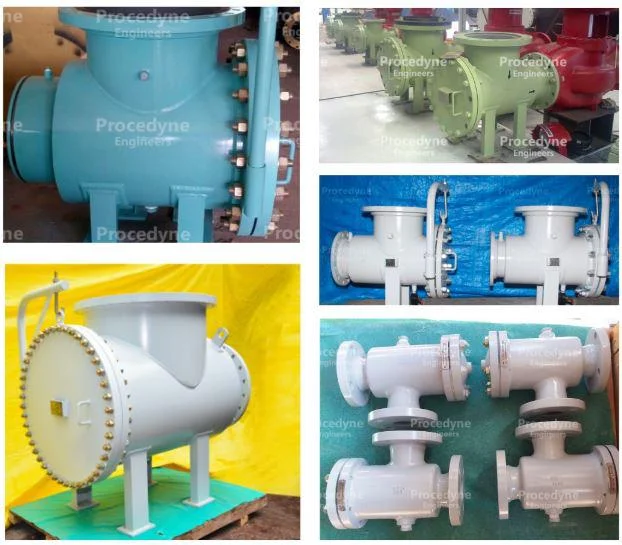
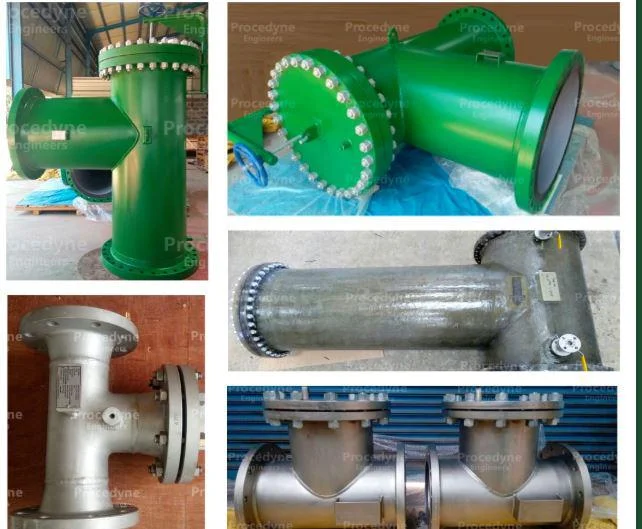
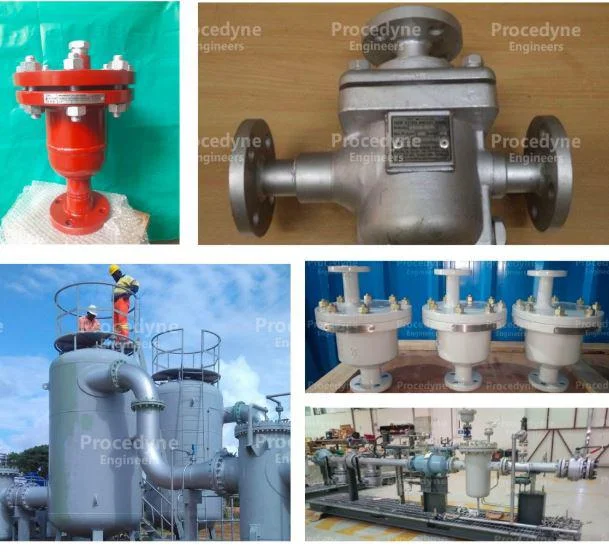
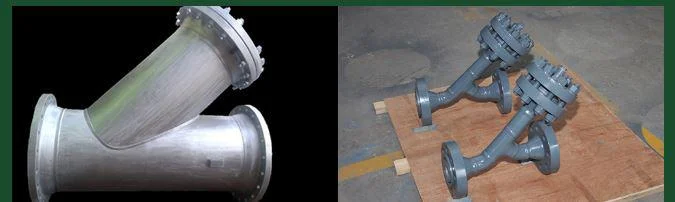
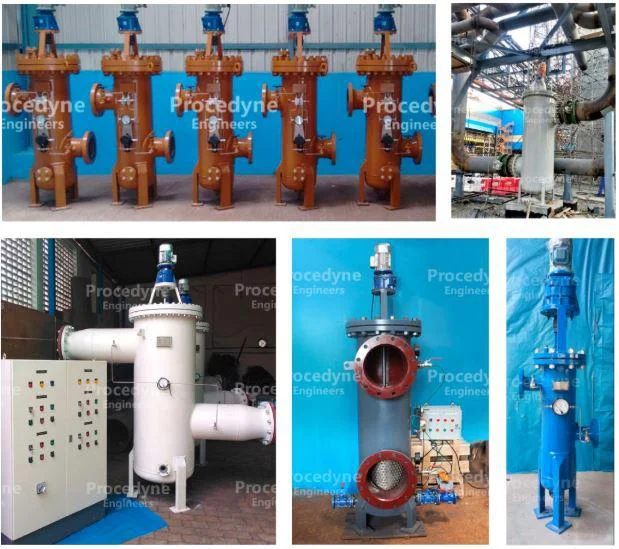
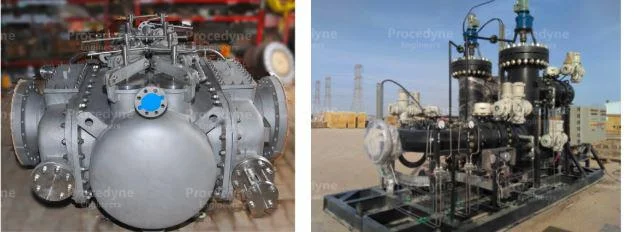
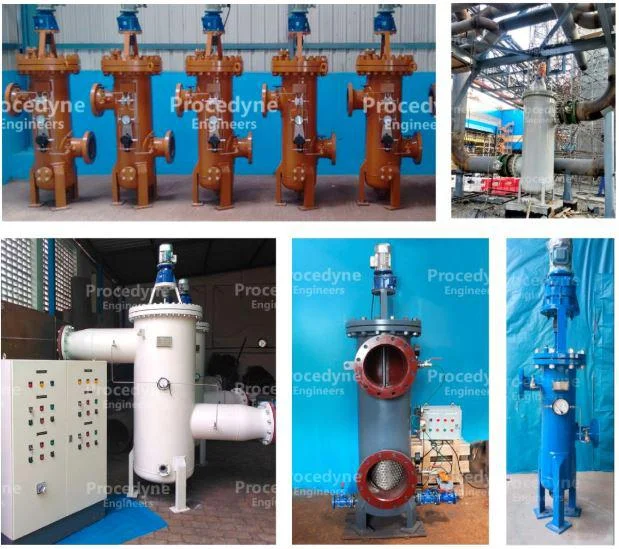
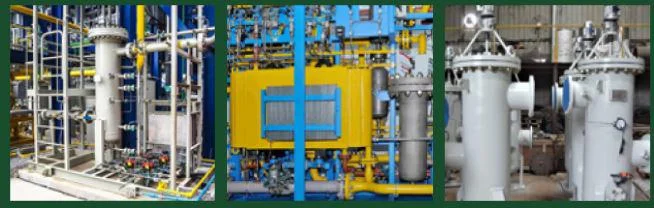
Basket strainers are engineered for industrial liquid filtration where high debris loads are expected. Unlike Y-strainers, their cylindrical basket design provides significantly greater dirt-holding capacity while maintaining a low pressure drop across the system. This design is centered around a removable screen basket, often fitted with a lifting handle, which allows for quick access and cleaning without disconnecting piping. They are manufactured in a comprehensive size range from 3/8" to 24" and are available with threaded, socket weld, or flanged connections to suit various piping standards. Pressure ratings cater to demands from ANSI 125# to 600#, ensuring suitability for both low-pressure and high-pressure services. Construction materials include cast iron, ductile iron, carbon steel, stainless steel, chrome-moly alloys, and bronze, selected for corrosion resistance and durability in specific fluid services.

These strainers find critical usage across heavy industries where equi...
Basket strainers are engineered for industrial liquid filtration where high debris loads are expected. Unlike Y-strainers, their cylindrical basket design provides significantly greater dirt-holding capacity while maintaining a low pressure drop across the system. This design is centered around a removable screen basket, often fitted with a lifting handle, which allows for quick access and cleaning without disconnecting piping. They are manufactured in a comprehensive size range from 3/8" to 24" and are available with threaded, socket weld, or flanged connections to suit various piping standards. Pressure ratings cater to demands from ANSI 125# to 600#, ensuring suitability for both low-pressure and high-pressure services. Construction materials include cast iron, ductile iron, carbon steel, stainless steel, chrome-moly alloys, and bronze, selected for corrosion resistance and durability in specific fluid services.

These strainers find critical usage across heavy industries where equipment protection and process fluid purity are non-negotiable. In the oil and gas sector, they are installed upstream of pumps, compressors, and turbines to remove pipeline scale and construction debris. Chemical and petrochemical plants utilize them to filter process streams, protecting sensitive catalysts and preventing blockages in reactors and heat exchangers. Power generation facilities rely on them for condenser cooling water and boiler feedwater systems. Furthermore, they are indispensable in water and wastewater treatment plants for intake screening and pre-filtration, and in regulated manufacturing like food, beverage, and pharmaceuticals to meet stringent hygiene standards by removing particulates from ingredients and process water.

The business value of a basket strainer lies in its direct contribution to operational reliability and cost reduction. By effectively capturing debris, it prevents costly damage to downstream equipment such as pumps, valves, and instrumentation, minimizing unplanned downtime and expensive repairs. Their large holding capacity translates to longer service intervals between cleanings, reducing labor costs and maintenance-related production stoppages. The low permanent pressure drop design optimizes energy consumption by minimizing the pump head required to overcome filter resistance. Built from robust materials with options like bolted, hinged, or clamped covers and davit lifting devices, they offer enhanced safety and convenience for maintenance personnel, ensuring long-term, dependable performance with a strong return on investment.

Key Features:
- Large debris-holding capacity with minimal permanent pressure drop for efficient system operation.
- Easy top-access design with a removable screen basket and optional lifting handle for simplified maintenance.
- Available in sizes from 3/8" to 24" with threaded, socket weld, or flanged end connections.
- Constructed from durable materials including cast iron, steel, stainless steel, and bronze for various service conditions.
- Offers pressure ratings from ANSI 125# to 600# and optional covers or davits for safety and convenience.

Benefits:
- Protects valuable downstream equipment like pumps and valves from damage, reducing repair costs and downtime.
- Extends service intervals with high dirt-holding capacity, lowering maintenance frequency and labor costs.
- Maintains system efficiency with a low-pressure drop design, helping to optimize energy consumption.
- Ensures reliable performance across diverse industries with robust construction and material options.
- Provides a safe and convenient maintenance experience with features designed for easy screen access and removal.
Specifications
| Additional Information | |
|---|---|
| Country of Origin | India |
Application
Basket strainers are essential components in systems where protecting downstream equipment from particulate contamination is critical. Their large dirt-holding capacity makes them ideal for applications with high debris loads, reducing the frequency of maintenance shutdowns and ensuring continuous process flow. The minimal pressure drop characteristic preserves system efficiency, making them a preferred choice over other strainer types for mainline filtration.
These strainers serve a wide range of industries that rely on clean fluid streams for operational safety and product quality. From safeguarding pumps and valves to ensuring the purity of process fluids, their robust design handles various pressures and temperatures. The availability of different connection types and materials allows for seamless integration into both new installations and existing infrastructure upgrades across diverse operational environments.
- Protecting pumps, meters, and control valves in water treatment and distribution networks from sand, scale, and pipe debris.
- Filtering process fluids and cooling water in chemical manufacturing plants to prevent catalyst poisoning and heat exchanger fouling.
- Removing pipeline scale, rust, and welding slag from crude oil, refined products, and natural gas streams in upstream and midstream operations.
- Ensuring clean water for boiler feed, condenser cooling, and auxiliary systems in thermal and nuclear power generation facilities.
- Maintaining sanitary standards by filtering particulates from ingredients, process water, and cleaning-in-place (CIP) fluids in food, beverage, and pharmaceutical production lines.
Trade Details
| Available Stock | In Stock |
| Sample Availability | No |
Payment Terms
| Payment Terms |
|
Company Profile
PROCEDYNE ENGINEERS, Tamil Nadu
 Tamil Nadu, India
Tamil Nadu, IndiaManufacturer•Distributor / Wholesaler
Factory Details
Factory SizeBelow 1000 sqm
Basket Strainers
Basket Strainers provide high debris-holding capacity with minimal pressure drop for liquid filtration. Durable construction and easy top-screen removal ensure reliable performance across industrial applications.
Min. Order Quantity: 1
Shipping
Shipping fee and delivery date to be negotiated. Contact supplier now for more details.
PROCEDYNE ENGINEERS
 Tamil Nadu, India
Tamil Nadu, IndiaManufacturer