IN
IN₹
Apparel & Fashion
Description
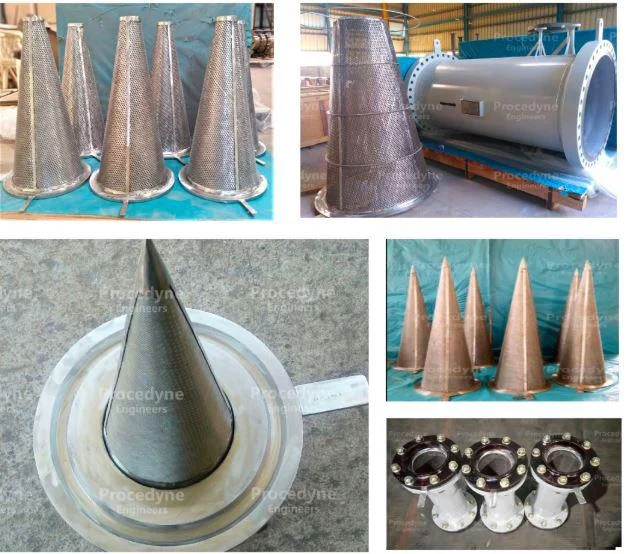
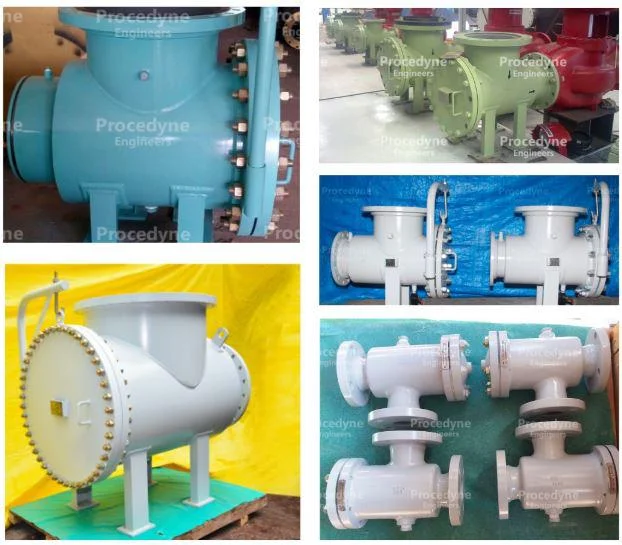
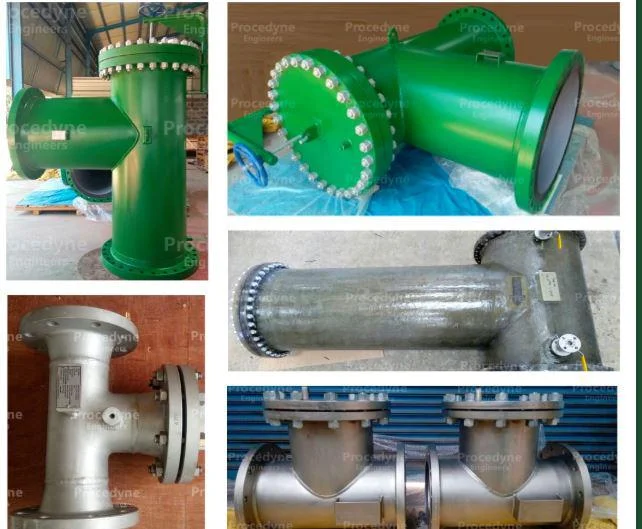
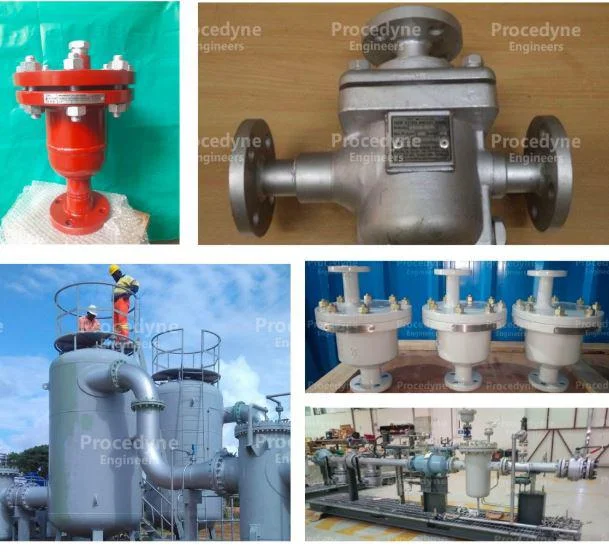
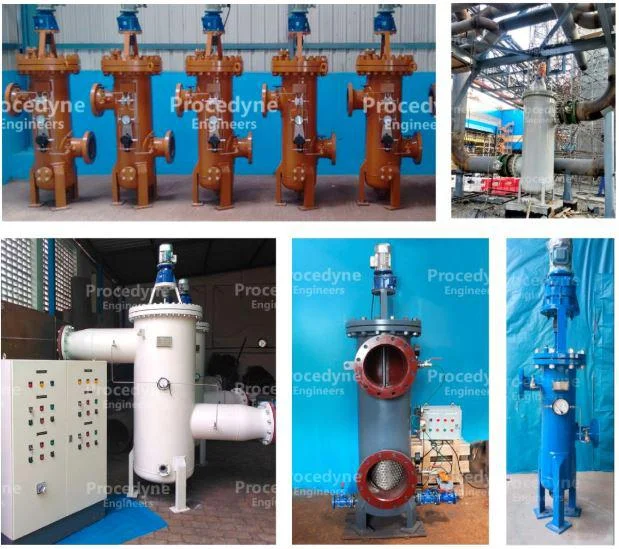
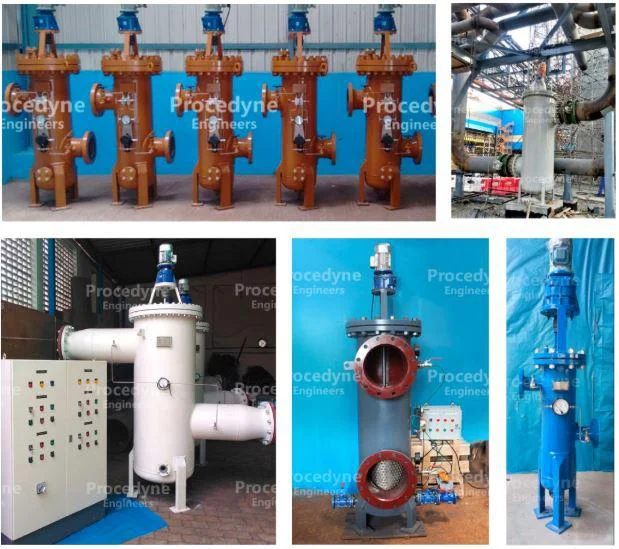
Procedyne Automatic Scraper Strainers represent advanced filtration technology designed for continuous industrial operation. These motorized units automatically remove suspended solids from process streams using a spring-loaded blade and brush mechanism that maintains constant screen contact. Engineered to handle particle sizes from 75 microns to 150mm, they provide reliable protection against debris that could damage downstream equipment. The separate blowdown system efficiently discharges collected solids with minimal fluid loss, offering superior performance compared to traditional backwash designs. Available in sizes from 2 to 36 inches and constructed from carbon steel, stainless steel, or specialized alloys, these strainers meet ANSI and ASME standards for durability and safety in demanding applications.

These strainers serve critical roles across multiple industrial sectors where reliable filtration directly impacts operational efficiency and equipment longevity. In power gener...
Procedyne Automatic Scraper Strainers represent advanced filtration technology designed for continuous industrial operation. These motorized units automatically remove suspended solids from process streams using a spring-loaded blade and brush mechanism that maintains constant screen contact. Engineered to handle particle sizes from 75 microns to 150mm, they provide reliable protection against debris that could damage downstream equipment. The separate blowdown system efficiently discharges collected solids with minimal fluid loss, offering superior performance compared to traditional backwash designs. Available in sizes from 2 to 36 inches and constructed from carbon steel, stainless steel, or specialized alloys, these strainers meet ANSI and ASME standards for durability and safety in demanding applications.

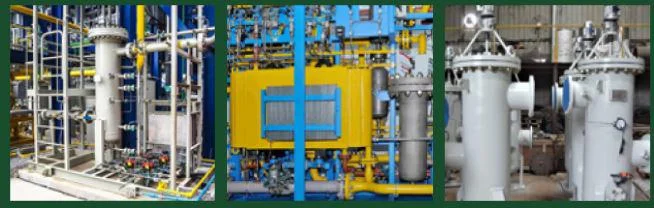
These strainers serve critical roles across multiple industrial sectors where reliable filtration directly impacts operational efficiency and equipment longevity. In power generation facilities, they protect cooling systems from intake debris that could cause heat exchanger fouling and reduced efficiency. Manufacturing plants utilize them for process water filtration, ensuring consistent water quality for production operations. Water treatment applications benefit from their ability to handle high solids loading in pretreatment stages, while processing industries rely on them for protecting sensitive equipment from particulate contamination. Their robust design makes them suitable for both freshwater and corrosive fluid applications across diverse operating conditions.

The business value of Procedyne Automatic Scraper Strainers lies in their ability to reduce operational costs while enhancing system reliability. By eliminating manual cleaning requirements, they significantly lower labor costs and minimize process interruptions that affect production schedules. Their efficient solids removal protects pumps, valves, and other downstream components from wear and damage, extending equipment lifespan and reducing maintenance expenses. The minimal fluid loss during cleaning cycles conserves water resources and reduces wastewater treatment costs. These strainers deliver consistent performance that supports quality control in production processes, making them a valuable investment for facilities prioritizing operational efficiency and equipment protection.

Key Features:
- Continuous self-cleaning operation with spring-loaded blade and brush mechanism
- Handles particle sizes from 75 microns to 150mm for versatile filtration
- Separate blowdown system minimizes fluid loss during solids discharge
- Available in 2 to 36 inch sizes with carbon steel or stainless steel construction
- Complies with ANSI and ASME standards for industrial safety and durability

Benefits:
- Eliminates manual cleaning requirements and reduces labor costs
- Protects downstream equipment from particulate damage and wear
- Maintains consistent flow rates without process interruptions
- Minimizes water consumption through efficient cleaning cycles
- Provides reliable performance in demanding industrial environments
Specifications
| Additional Information | |
|---|---|
| Country of Origin | India |
Application
Procedyne Automatic Scraper Strainers deliver continuous, automated filtration across demanding industrial environments where uninterrupted operation is critical. Their self-cleaning mechanism eliminates manual intervention while maintaining consistent flow rates, making them ideal for facilities requiring reliable solids removal without process downtime.
These strainers excel in handling challenging fluids containing heavy particulate loads, fibrous materials, and abrasive solids. The robust construction withstands corrosive environments and high-pressure conditions, ensuring long-term performance in applications ranging from water intake protection to process stream filtration. Their efficient design minimizes water waste during cleaning cycles, supporting sustainable operations.
- Cooling water intake protection for power plants and manufacturing facilities
- Process water filtration in chemical production and refining operations
- Wastewater pretreatment and effluent polishing systems
- Raw water screening for food processing and beverage manufacturing
- Industrial process stream filtration in pulp, paper, and textile production
Trade Details
| Available Stock | In Stock |
| Sample Availability | No |
Payment Terms
| Payment Terms |
|
Company Profile
PROCEDYNE ENGINEERS, Tamil Nadu
 Tamil Nadu, India
Tamil Nadu, IndiaManufacturer•Distributor / Wholesaler
Factory Details
Factory SizeBelow 1000 sqm
Automatic Scraper Strainers
Procedyne Automatic Scraper Strainers provide continuous self-cleaning filtration for heavy solids in industrial water and process systems, featuring spring-loaded blades for reliable protection with minimal fluid loss.
Min. Order Quantity: 1
Shipping
Shipping fee and delivery date to be negotiated. Contact supplier now for more details.
PROCEDYNE ENGINEERS
 Tamil Nadu, India
Tamil Nadu, IndiaManufacturer