
 IN
Self-Cleaning Filters
37 products available
What are Self-Cleaning Filters?
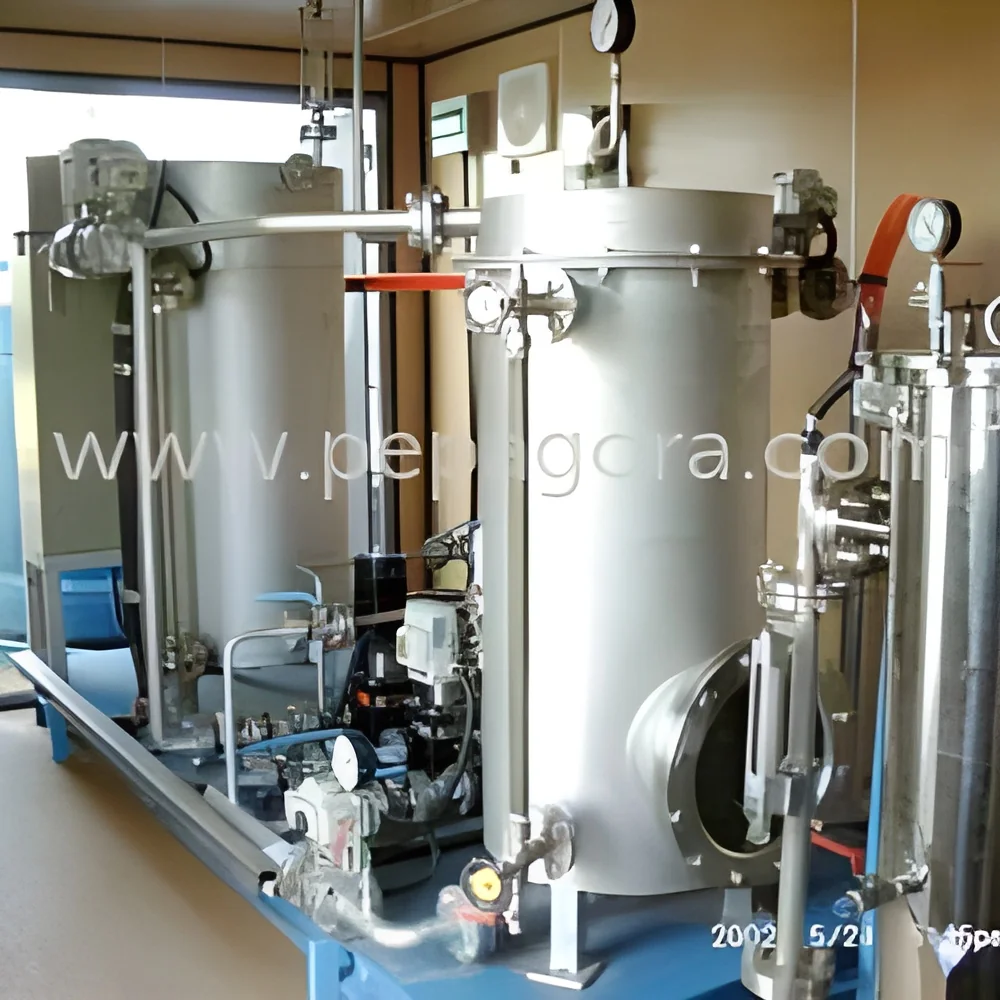
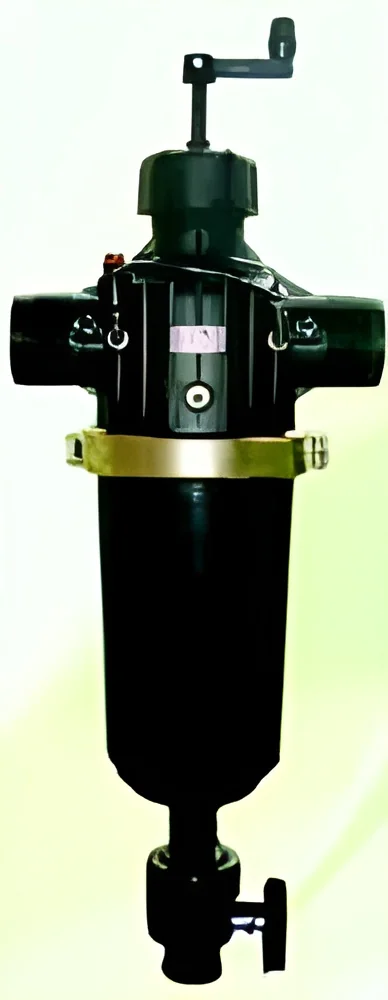
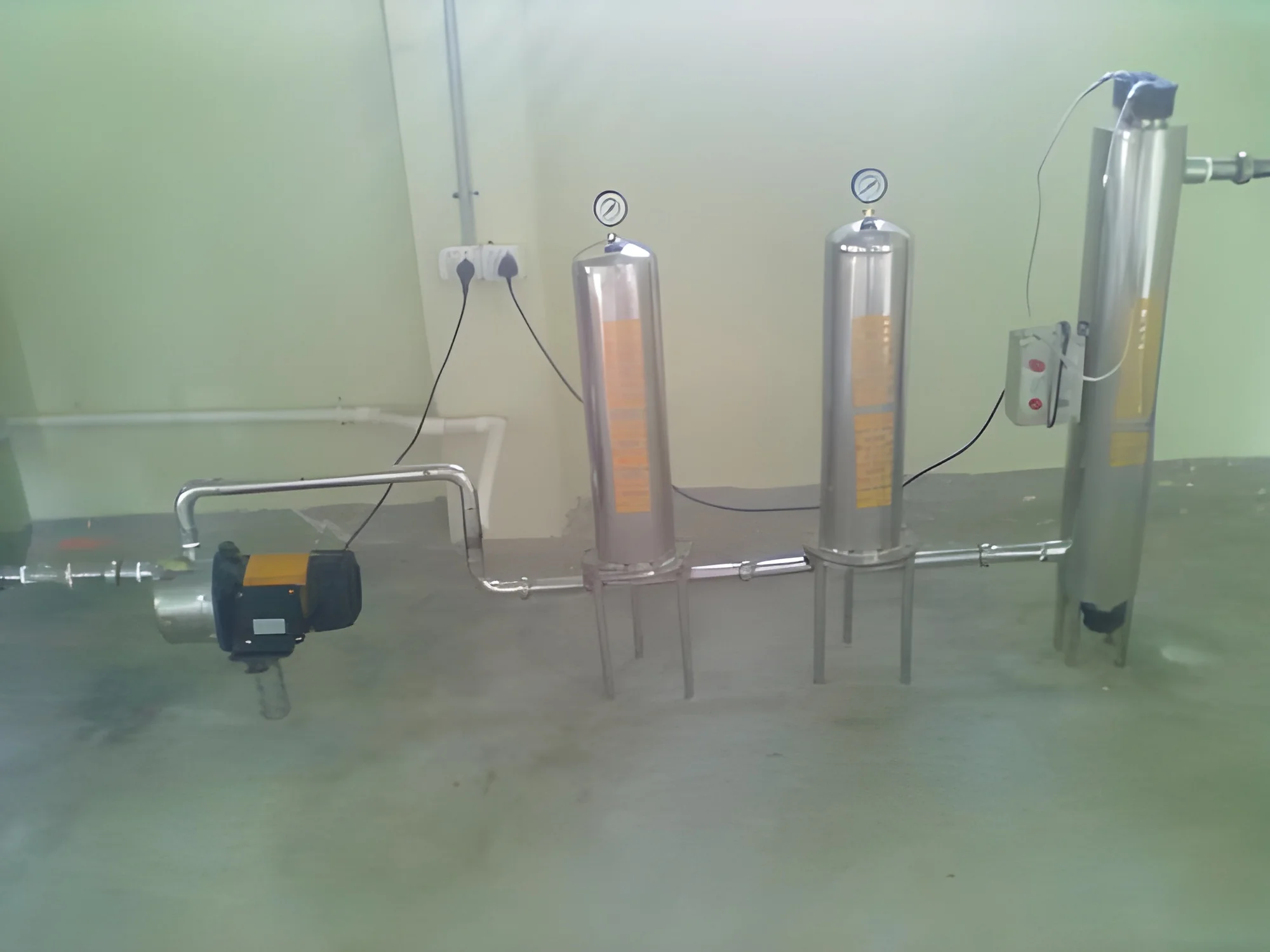
Self-Cleaning Filters are advanced filtration systems designed to remove contaminants from liquids or gases while minimizing maintenance efforts. Unlike traditional filters that require manual cleaning or replacement, self-cleaning filters utilize automated mechanisms to periodically clean their filter media. This process ensures continuous operation and minimizes downtime, making them an efficient solution for various industrial applications.
These filters are primarily used in a wide range of industries, including water treatment, food and beverage processing, chemical manufacturing, and HVAC systems. In these sectors, self-cleaning filters help maintain product quality, protect equipment, and enhance operational efficiency. With increasing focus on sustainability and reduced operational costs, self-cleaning filters have gained prominence in the market, catering to businesses looking to optimize their filtration processes.
The relevance of self-cleaning filters in today's industrial landscape is underscored by their ability to meet stringent regulatory requirements and performance standards. As industries evolve, the demand for efficient and reliable filtration systems continues to grow, positioning self-cleaning filters as a vital component in modern manufacturing and processing environments.
Key Features and Specifications
Self-Cleaning Filters come with a variety of features tailored to enhance performance and reliability. These specifications ensure that the filters meet the diverse needs of different industries while delivering optimal filtration results.
Key specifications include:
1. Filtration efficiency
- Typically ranges from 5 microns to 100 microns
- Ensures effective removal of particulates and contaminants
2. Flow rate capacity
- Varies depending on the model, ranging from 10 GPM to over 500 GPM
- Allows for flexibility in accommodating different system requirements
3. Cleaning mechanism
- Includes options for automatic backwashing or reverse flow cleaning
- Reduces maintenance needs and operational downtime
4. Construction materials
- Commonly made from stainless steel, carbon steel, or plastic
- Ensures durability and resistance to corrosive environments
5. Operating temperature range
- Standard models support temperatures up to 120 degrees Celsius
- Suitable for various industrial applications
6. Pressure ratings
- Typically rated for pressures from 10 PSI to 150 PSI
- Ensures safe operation within specified limits
7. Control options
- Available with manual or automated control systems
- Allows for easy integration into existing processes
8. Size and dimensions
- Various sizes available to fit different installation spaces
- Customization options may be available based on requirements
In summary, the diverse features and specifications of self-cleaning filters make them a versatile choice for industries seeking effective and low-maintenance filtration solutions.
Common Applications and Use Cases
Self-Cleaning Filters find applications across a multitude of industries, thanks to their efficiency and reliability.
1. Water Treatment: These filters are extensively used in municipal and industrial water treatment facilities to remove suspended solids, algae, and other contaminants from water sources.
2. Food and Beverage: In this sector, self-cleaning filters help maintain the quality of liquids by filtering out particulates and ensuring compliance with health and safety standards.
3. Chemical Manufacturing: These filters are crucial in chemical processing, where they protect equipment from particles that can cause blockages and damage.
4. HVAC Systems: Self-cleaning filters are utilized in heating, ventilation, and air conditioning systems to maintain air quality and prevent system inefficiencies.
5. Pharmaceutical: In pharmaceutical manufacturing, these filters ensure that the products meet strict purity requirements by removing impurities from liquid processes.
6. Oil and Gas: In this industry, self-cleaning filters help in separating solids from liquids, enabling smoother operations in drilling and refining processes.
7. Mining: Self-cleaning filters are essential for water and slurry filtration in mining operations, ensuring efficient processing and equipment protection.
Product Variants and Subcategories
Self-Cleaning Filters come in various forms, each designed to meet specific industry needs and applications.
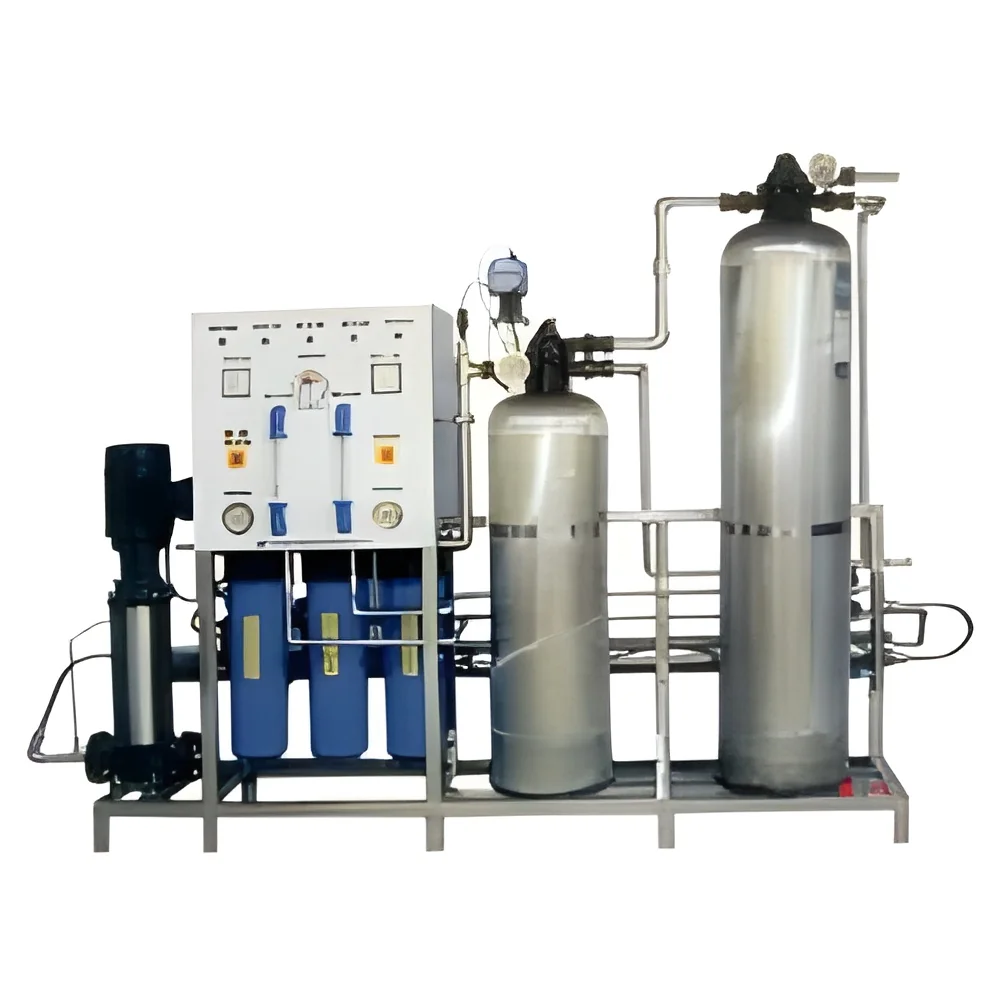
Automatic Backwash Filters: These filters utilize a backwashing mechanism to clean the filter media automatically. They are ideal for high-flow applications where continuous operation is critical.
Reverse Flow Filters: Designed for specific applications, these filters clean themselves by reversing the flow of liquid through the filter, effectively dislodging accumulated debris. They are suitable for processes where space is limited.
Multimedia Filters: Combining different types of filter media, these filters are versatile and can handle a variety of contaminants, making them ideal for complex filtration needs.
Benefits and Advantages
Investing in Self-Cleaning Filters provides numerous advantages for businesses looking to enhance their filtration processes.
1. Reduced Maintenance: Self-cleaning mechanisms significantly decrease the need for manual cleaning, allowing personnel to focus on other tasks.
2. Cost Efficiency: By minimizing downtime and maintenance costs, these filters contribute to overall operational savings.
3. Enhanced Filtration Performance: With high filtration efficiency, self-cleaning filters ensure that process fluids are consistently clean, improving product quality.
4. Increased System Longevity: Protecting equipment from contaminants helps extend the lifespan of machinery and reduces the risk of breakdowns.
5. Environmental Compliance: These filters help businesses meet regulatory requirements regarding waste and emissions, promoting sustainable practices.
6. Reliability: The automated cleaning process ensures that filters perform consistently, providing peace of mind for operators.
Buying Guide for B2B Buyers
When sourcing Self-Cleaning Filters, several factors should be considered to ensure the right choice for your business needs.
1. Quality Assessment: Evaluate the quality of the filtering materials and construction. Look for filters that meet industry standards and have a proven track record in performance.
2. Supplier Verification: Vet suppliers to ensure they are reputable and have experience in providing self-cleaning filters. Check for customer reviews and industry references.
3. Pricing and MOQ: Understand the pricing structure and minimum order quantities. Consider bulk discounts or long-term contracts for better pricing.
4. Delivery and Lead Times: Assess the supplier's ability to meet delivery schedules. Timely delivery is crucial for maintaining operational efficiency.
5. Compliance Requirements: Ensure the filters comply with relevant industry regulations and certifications. Understanding these requirements is essential for avoiding legal issues.
Compliance and Certifications
Self-Cleaning Filters must adhere to various quality standards and certifications to ensure their reliability and effectiveness in industrial applications. Common standards include ISO 9001, which focuses on quality management systems, ensuring that manufacturers maintain high production quality.
Additionally, industry-specific certifications such as CE mark compliance are crucial for products sold within Europe, indicating that they meet safety and environmental requirements. Safety and testing requirements often involve rigorous evaluations to guarantee that the filters operate safely under specified conditions.
Regional compliance considerations may vary. It is essential for buyers to understand local regulations that could impact the use of self-cleaning filters in their specific applications, ensuring that they select products that not only perform well but also meet all necessary legal obligations.
Why Source Self-Cleaning Filters from Pepagora?
Pepagora offers a reliable platform for sourcing Self-Cleaning Filters, delivering several advantages to B2B buyers.
Verified Supplier Network: Pepagora connects businesses with a vetted network of suppliers, ensuring that buyers can find quality products from trustworthy manufacturers. This verification process helps mitigate risks associated with sourcing.
Streamlined RFQ Process: The platform simplifies the request for quotation process, allowing buyers to receive competitive quotes from multiple suppliers quickly. This efficiency helps businesses make informed purchasing decisions.
Trade Assurance and Support: Pepagora provides trade assurance, protecting buyers from potential disputes and ensuring a secure transaction process. This level of support helps build trust in the sourcing experience.
Regional Coverage: With a strong presence in India, the GCC, and Southeast Asia, Pepagora effectively serves a broad geographical market. Buyers can access a diverse range of self-cleaning filters tailored to regional needs, enhancing their operational capabilities.




 India
 India
 India

 India

 India
 India
 India
 India
 India

 India

 India

 India
 India
 India
 India
 India
 India
 India

 India
 India
 India
 India
 India
 India
 India
 India
 India
Frequently Asked Questions
What are Self-Cleaning Filters?
Self-Cleaning Filters are advanced filtration systems designed to automatically remove debris and contaminants from liquids or gases. They function by utilizing various cleaning mechanisms, such as backwashing or mechanical scrapers, to maintain optimal performance without manual intervention.
What are the different types of Self-Cleaning Filters?
There are several types of Self-Cleaning Filters, including mechanical filters, backflush filters, and automatic strainers. Each type employs different methods for cleaning the filter media, ensuring that the filtration process remains efficient and continuous.
How do I choose the right Self-Cleaning Filters?
To choose the right Self-Cleaning Filters, consider factors such as the type of fluid being filtered, flow rate requirements, particle size to be removed, and the specific application. Consulting with manufacturers or suppliers can also provide insights into the best options based on your needs.
What are the standard specifications for Self-Cleaning Filters?
Standard specifications for Self-Cleaning Filters typically include flow capacity, filtration degree, material construction, and operational pressure ratings. It's essential to review these specifications to ensure compatibility with your system and application.
What is the price range for Self-Cleaning Filters?
The price range for Self-Cleaning Filters can vary significantly based on type, size, and manufacturer. Generally, prices can start from a few thousand INR for basic models and can go up to several lakhs for advanced, industrial-grade filters.
What quality standards apply to Self-Cleaning Filters?
Self-Cleaning Filters must comply with industry standards such as ISO, ASTM, and other relevant certifications based on their application. Quality assurance processes during manufacturing also ensure that the filters meet performance and safety requirements.
Where can I find Self-Cleaning Filters suppliers in India?
You can find Self-Cleaning Filters suppliers in India through online B2B marketplaces like Pepagora, industry trade shows, and local industrial supply distributors. It's advisable to check supplier reviews and product offerings to ensure quality.
Can Self-Cleaning Filters be customized?
Yes, many manufacturers offer customization options for Self-Cleaning Filters to meet specific requirements such as size, filtration capacity, and material. Discuss your needs with suppliers to explore available customization options.
What is the typical minimum order quantity for Self-Cleaning Filters?
The typical minimum order quantity (MOQ) for Self-Cleaning Filters varies by supplier and can range from a single unit for specialized orders to multiple units for standard models. It's best to inquire directly with suppliers for their specific MOQ policies.
What is the typical lead time for Self-Cleaning Filters?
The typical lead time for Self-Cleaning Filters can vary based on the complexity of the order and the supplier's inventory. Generally, lead times can range from a few days to several weeks, depending on whether the filters are standard or custom-made.
Why Businesses Trust Pepagora
Thousands of companies trust Pepagora to source smarter and sell faster
Expand Your Sales Globally

Source Smarter,Grow Faster
