
 IN
PVC & CPVC Piping Systems
17 products available
What are PVC & CPVC Piping Systems?
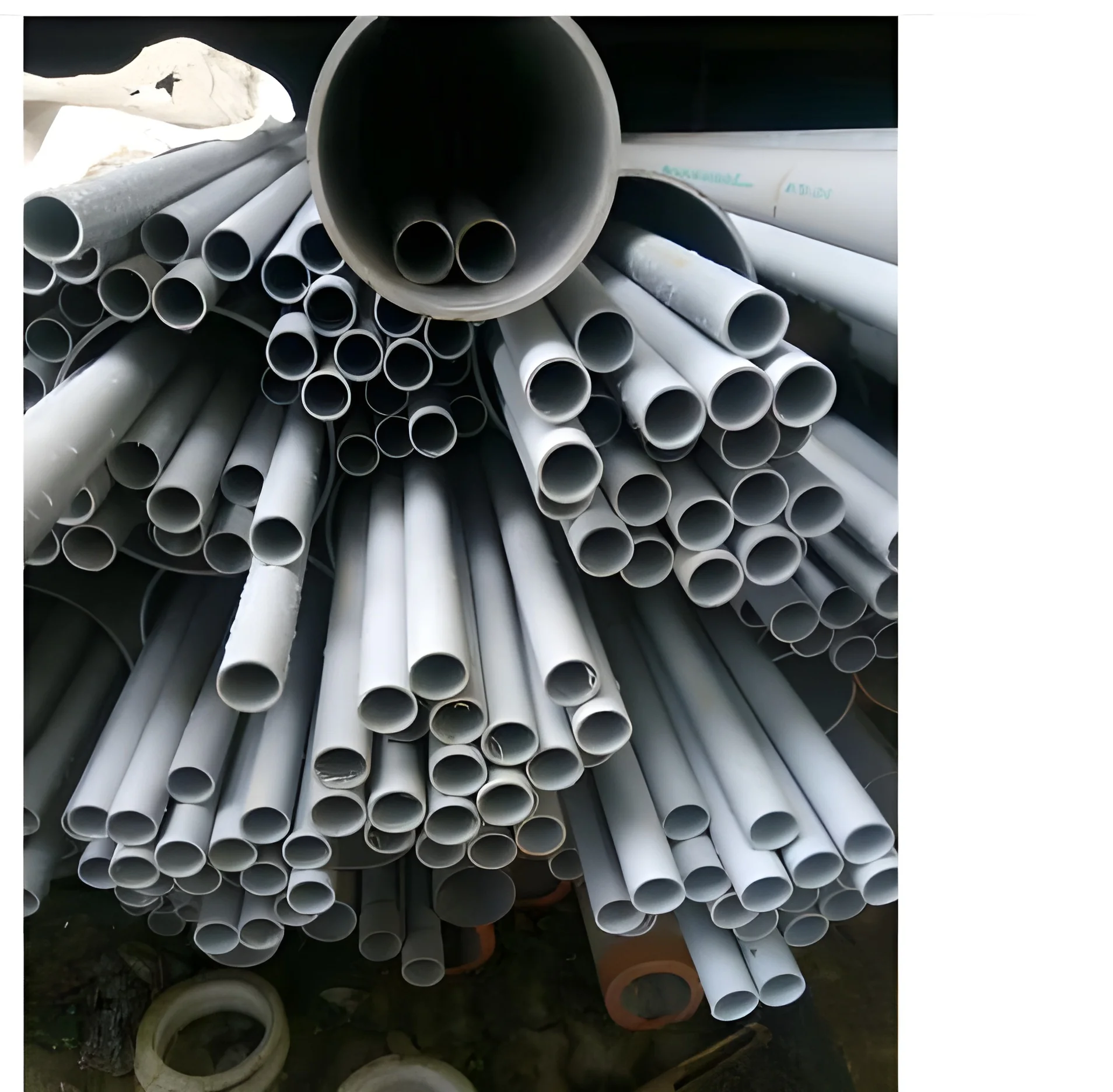
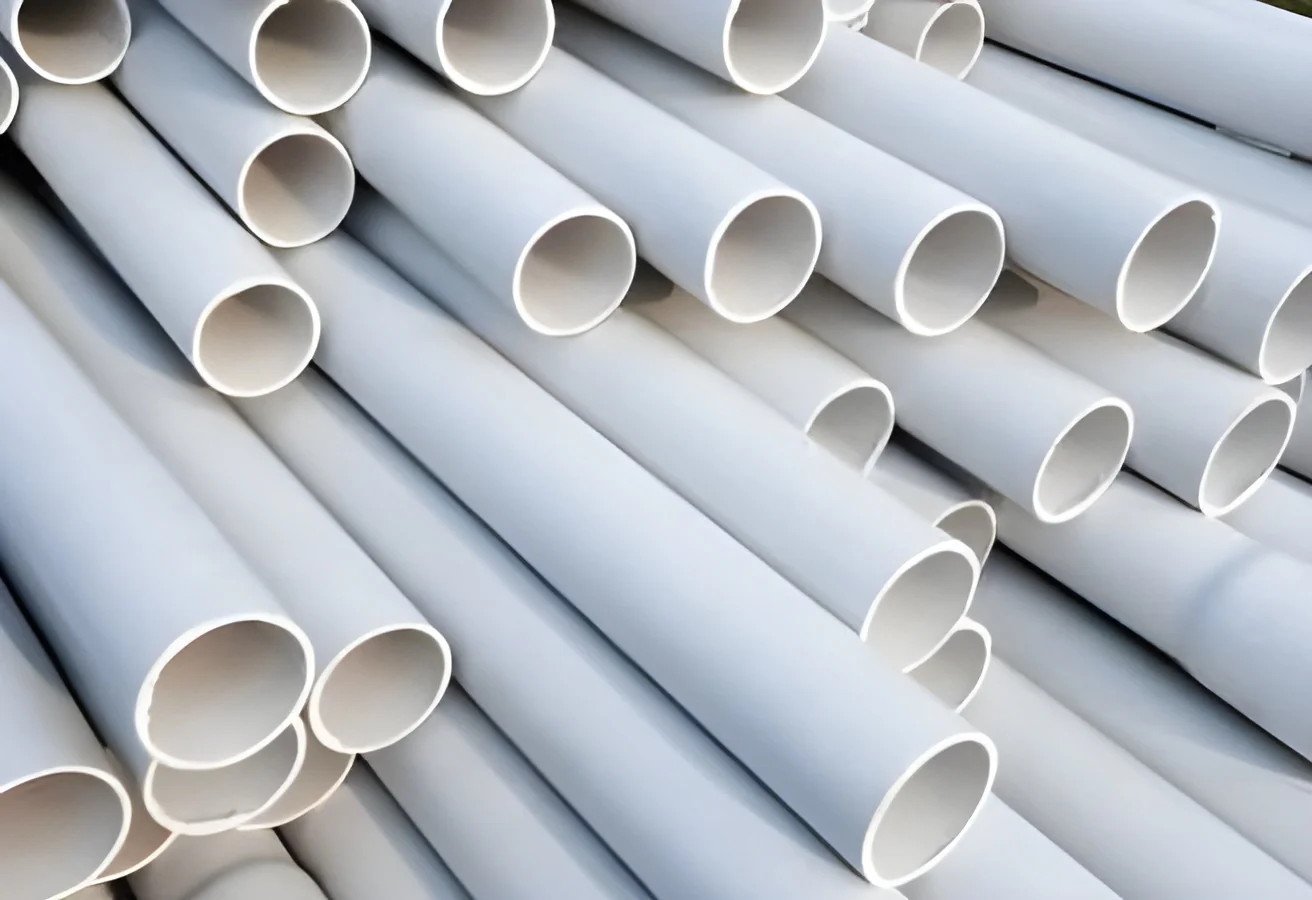
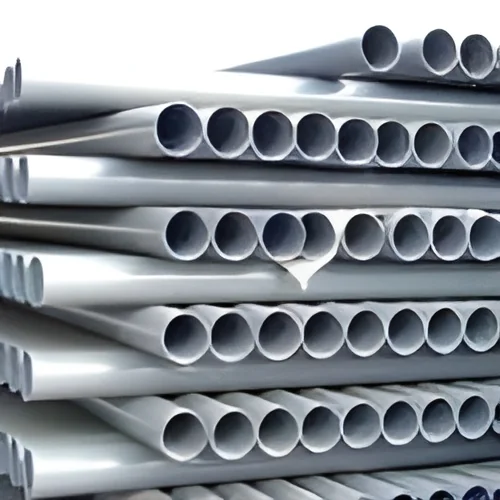
PVC (Polyvinyl Chloride) and CPVC (Chlorinated Polyvinyl Chloride) piping systems are widely used in various industries for fluid transportation. PVC is a thermoplastic polymer that is durable, lightweight, and resistant to corrosion, making it suitable for a wide range of applications. CPVC, a modified version of PVC, can withstand higher temperatures and is ideal for hot water applications. Both materials offer excellent chemical resistance and are easy to install, contributing to their popularity in construction and plumbing.
These piping systems find extensive applications in residential, commercial, and industrial settings. They are used in plumbing systems, drainage systems, irrigation, and chemical handling. The versatility of PVC and CPVC makes them valuable in sectors such as construction, agriculture, and manufacturing. As industries continue to seek reliable and cost-effective piping solutions, the demand for these materials remains robust.
In the current market landscape, PVC and CPVC piping systems are recognized for their durability and performance. The global push for sustainable and efficient materials has further enhanced their relevance. With advancements in manufacturing techniques and a focus on compliance with industry standards, these piping systems continue to evolve, meeting the growing demands of various sectors.
Key Features and Specifications
PVC and CPVC piping systems offer a range of features that make them suitable for diverse applications. They are lightweight, easy to handle, and resistant to various chemicals. Their installation is straightforward, often requiring minimal tools and equipment.
Key specifications include:
1. Material Type
- PVC and CPVC are made from high-quality thermoplastics.
- These materials are designed for exceptional durability and longevity.
2. Temperature Resistance
- CPVC can handle higher temperatures compared to standard PVC.
- Typical temperature ratings for CPVC are up to 200°F (93°C).
3. Pressure Ratings
- Both PVC and CPVC come with various pressure ratings to suit different applications.
- Commonly available ratings include Schedule 40 and Schedule 80.
4. Size Range
- Available in a variety of diameters, typically ranging from ½ inch to 12 inches.
- Custom sizes may also be available depending on supplier offerings.
5. Chemical Resistance
- PVC and CPVC are resistant to a wide range of chemicals, making them suitable for industrial use.
- Specific resistance levels depend on the chemical and concentration.
6. Jointing Methods
- Common jointing methods include solvent welding and mechanical fittings.
- These methods ensure secure and leak-free connections.
7. Compliance Standards
- Various regulatory standards may apply, including ASTM and ISO standards.
- Compliance ensures quality and safety in application.
8. Lifespan
- Both PVC and CPVC have a long service life, often exceeding 50 years with proper installation and maintenance.
- Their longevity contributes to lower replacement costs over time.
In summary, the features and specifications of PVC and CPVC piping systems highlight their versatility and reliability, making them ideal for a range of industrial and commercial applications.
Common Applications and Use Cases
PVC and CPVC piping systems are utilized in various industries due to their adaptability and performance characteristics.
1. Construction: In construction, PVC is commonly used for drainage and plumbing systems, ensuring efficient water management in residential and commercial buildings.
2. Agriculture: CPVC is favored in agricultural applications for irrigation systems, providing reliable water delivery under varying temperature conditions.
3. Chemical Processing: Both PVC and CPVC are used in chemical processing facilities for transporting aggressive chemicals, thanks to their excellent chemical resistance.
4. Food and Beverage: CPVC piping is often installed in food processing plants for hot water applications where hygiene and temperature control are critical.
5. HVAC Systems: PVC is employed in HVAC systems for ventilation and exhaust applications, ensuring effective airflow management.
6. Marine Applications: PVC piping is used in marine settings for various purposes, including waste disposal and water supply systems due to its corrosion resistance.
7. Electrical Conduit: PVC is frequently used as conduit for electrical wiring, protecting cables from environmental factors.
Product Variants and Subcategories
PVC and CPVC piping systems come in various forms, catering to specific needs across industries.
PVC Pipe
PVC pipes are lightweight and easy to handle. They are commonly used in drainage systems and low-pressure applications due to their cost-effectiveness and durability.
CPVC Pipe
CPVC pipes are designed for high-temperature applications. They are used in hot water distribution systems and industrial settings where temperature resistance is essential.
PVC Fittings
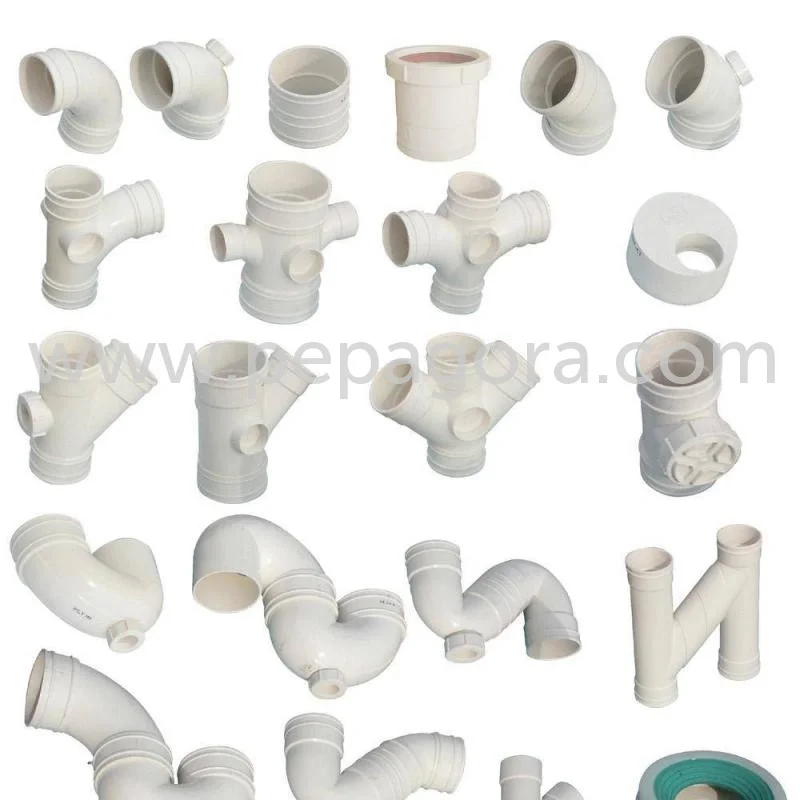
PVC fittings are available in various shapes and sizes, allowing for versatile connections in plumbing and drainage systems.
CPVC Fittings
CPVC fittings are made to withstand higher temperatures and pressures, making them suitable for connecting CPVC pipes in hot water applications.
Benefits and Advantages
Choosing PVC and CPVC piping systems provides numerous advantages for businesses.
1. Cost-Effective: Both materials are generally more affordable compared to other piping options, leading to lower overall project costs.
2. Lightweight: The lightweight nature of PVC and CPVC makes them easier to transport and install, reducing labor costs.
3. Corrosion Resistance: These piping systems are resistant to corrosion, ensuring longer service life and reduced maintenance expenses.
4. Chemical Resistance: Their ability to resist a wide range of chemicals makes them suitable for various industrial applications.
5. Ease of Installation: Simple jointing methods and lightweight design make installation quick and efficient.
6. Flexibility: PVC and CPVC can be easily cut and shaped to fit specific project requirements, enhancing their versatility.
Buying Guide for B2B Buyers
When sourcing PVC and CPVC piping systems, it is crucial for buyers to consider several factors to ensure they make informed decisions.
1. Quality Assessment: Evaluate the quality of materials used in the piping systems. Look for certifications and compliance with industry standards to ensure durability.
2. Supplier Verification: Vet suppliers by reviewing their track record, customer feedback, and certifications. A reliable supplier can significantly impact product quality.
3. Pricing and MOQ: Understand the pricing structure and minimum order quantities. This information helps in budget planning and ensures that the order meets project needs.
4. Delivery and Lead Times: Inquire about delivery schedules and lead times to align with project timelines. Timely delivery is critical for maintaining project schedules.
5. Compliance Requirements: Ensure that the products meet local and international compliance standards. This includes understanding regulations that may apply to specific industries.
Compliance and Certifications
Compliance and certification are essential aspects of PVC and CPVC piping systems. These products are often required to meet various quality standards, such as ISO 9001, which ensures consistent quality management practices.
In addition to ISO certifications, industry-specific certifications like CE mark are important for demonstrating compliance with European safety and environmental regulations.
Safety and testing requirements also play a critical role in the manufacturing process. Products must undergo rigorous testing to ensure they can withstand the conditions they will face in practical applications.
Regional compliance considerations are essential, as different regions may have specific regulations governing the use of PVC and CPVC piping systems. Understanding these requirements helps businesses avoid legal complications and ensures the safety of their operations.
Why Source PVC & CPVC Piping Systems from Pepagora?
Pepagora offers a trusted platform for sourcing PVC and CPVC piping systems, providing several key advantages for businesses.
Verified Supplier Network: Pepagora features a network of verified suppliers, ensuring that buyers can access high-quality products from reputable sources. This verification process builds trust and confidence in procurement.
Streamlined RFQ Process: The platform simplifies the request for quotation (RFQ) process, allowing buyers to quickly compare quotes from multiple suppliers. This efficiency helps businesses make informed purchasing decisions.
Trade Assurance and Support: Pepagora provides trade assurance, protecting buyers throughout the procurement process. This support minimizes risks associated with sourcing and ensures a smoother experience.
Regional Coverage: With a strong presence in India, the GCC, and Southeast Asia, Pepagora offers extensive regional coverage. This geographic reach enables businesses to source products that meet their specific local needs.

 India
 India
 India
 India
 India


 India
 India
 India
 India
 India
Frequently Asked Questions
What are PVC & CPVC Piping Systems?
PVC (Polyvinyl Chloride) and CPVC (Chlorinated Polyvinyl Chloride) piping systems are types of plastic piping used for various applications, including plumbing, drainage, and industrial processes. They are known for their durability, resistance to corrosion, and ease of installation.
What are the different types of PVC & CPVC Piping Systems?
The different types of PVC & CPVC piping systems include Schedule 40 and Schedule 80 pipes, which vary in thickness and pressure ratings. Additionally, there are various fittings, valves, and connectors designed for specific applications, such as residential plumbing or industrial use.
How do I choose the right PVC & CPVC Piping Systems?
Choosing the right PVC & CPVC piping system involves considering factors such as the intended application, pressure requirements, and compatibility with other materials. It is also essential to consult product specifications and regulations to ensure compliance with local building codes.
What are the standard specifications for PVC & CPVC Piping Systems?
Standard specifications for PVC & CPVC piping systems include ASTM D1785 for PVC pipes and ASTM F441 for CPVC pipes. These specifications outline the dimensional requirements, pressure ratings, and testing methods to ensure product quality and performance.
What is the price range for PVC & CPVC Piping Systems?
The price range for PVC & CPVC piping systems can vary widely based on factors such as pipe diameter, pressure rating, and manufacturer. Generally, prices can start from a few rupees per meter for basic pipes and fittings to higher rates for specialized products.
What quality standards apply to PVC & CPVC Piping Systems?
Quality standards for PVC & CPVC piping systems typically include certifications from organizations such as ASTM, ISO, and BIS. These standards ensure that products meet specific performance criteria, such as strength, durability, and chemical resistance.
Where can I find PVC & CPVC Piping Systems suppliers in India?
You can find PVC & CPVC piping systems suppliers in India through online B2B marketplaces, industry trade shows, and local distributors. Websites like Pepagora.com provide a platform to connect with reputable manufacturers and suppliers.
Can PVC & CPVC Piping Systems be customized?
Yes, PVC & CPVC piping systems can often be customized in terms of length, diameter, and specific fittings to meet unique project requirements. Many manufacturers offer customization options to cater to the needs of different industries.
What is the typical minimum order quantity for PVC & CPVC Piping Systems?
The typical minimum order quantity (MOQ) for PVC & CPVC piping systems varies by supplier and product type. Generally, MOQs can range from a few meters for smaller projects to larger quantities for bulk orders.
What is the typical lead time for PVC & CPVC Piping Systems?
The typical lead time for PVC & CPVC piping systems can range from one week to several weeks, depending on the supplier, order size, and customization requirements. It is advisable to confirm lead times with the supplier at the time of order placement.
Why Businesses Trust Pepagora
Thousands of companies trust Pepagora to source smarter and sell faster
Expand Your Sales Globally

Source Smarter,Grow Faster
