IN
IN₹
Apparel & Fashion
Description
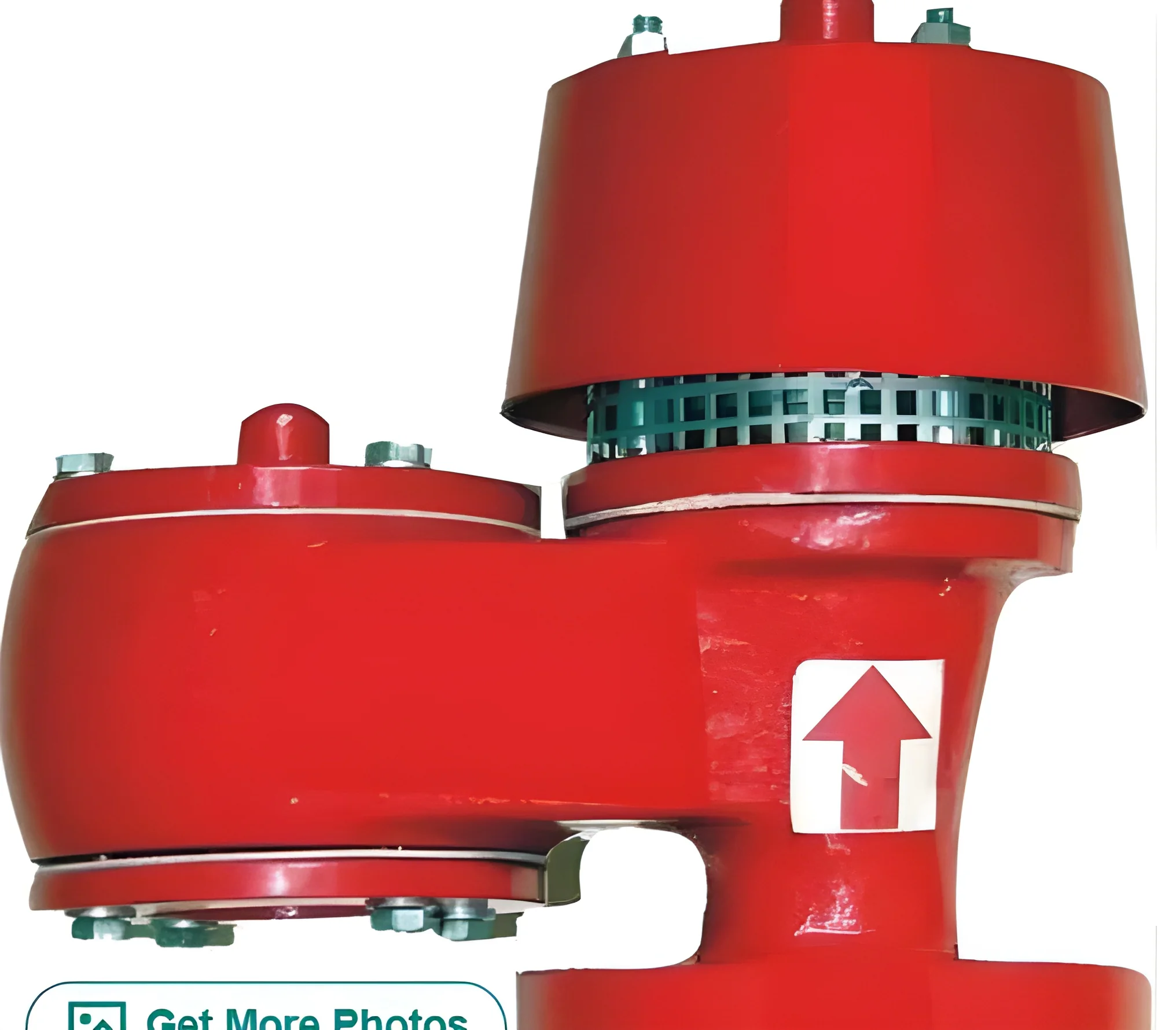
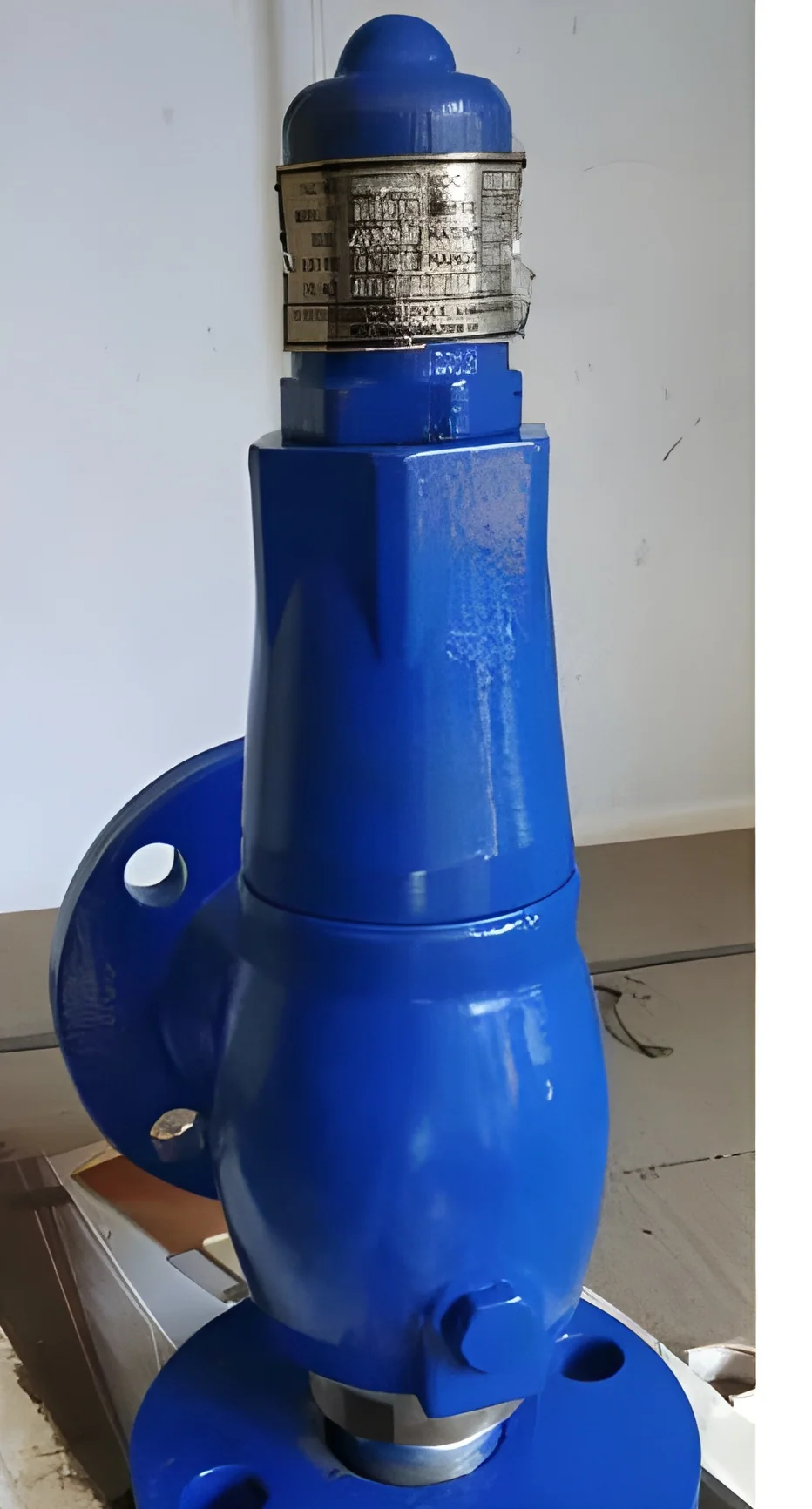
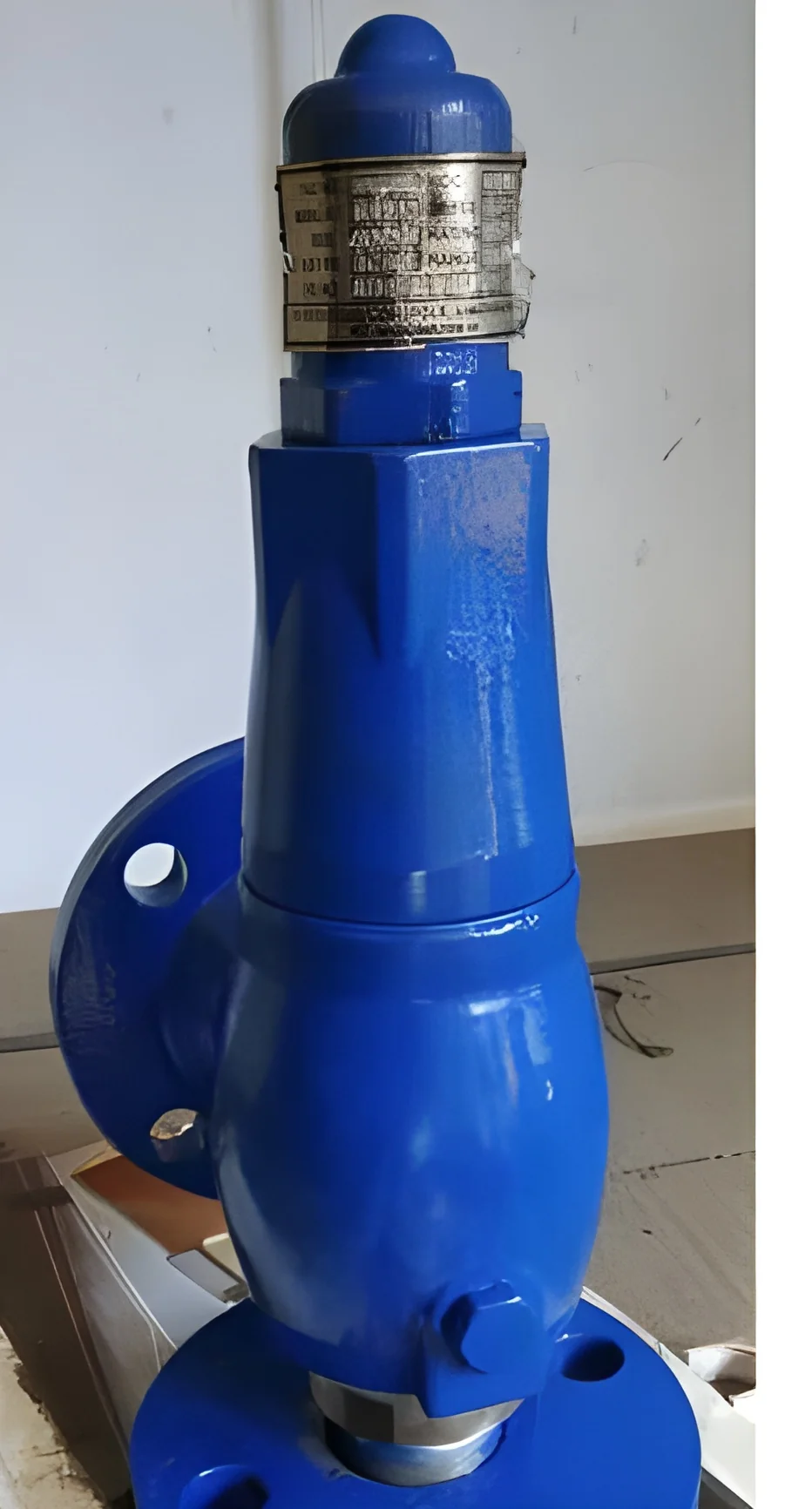
Thermal safety relief valves serve as critical safety devices engineered to automatically release excess pressure caused by temperature increases in closed systems. When fluids or gases expand due to heat buildup, these valves activate without external power to prevent dangerous pressure accumulation. Designed with precision-calibrated mechanisms, they open at predetermined pressure setpoints and reseal once normal conditions are restored. This automatic operation ensures continuous protection against overpressure scenarios that could lead to equipment damage, system failures, or hazardous situations. The valves' robust construction withstands demanding industrial environments while maintaining consistent performance. Multiple industries rely on thermal safety relief valves for essential pressure protection in critical applications. In power generation, they safeguard boilers and steam systems from overpressure during operational fluctuations. Chemical processing plants install them on...
Thermal safety relief valves serve as critical safety devices engineered to automatically release excess pressure caused by temperature increases in closed systems. When fluids or gases expand due to heat buildup, these valves activate without external power to prevent dangerous pressure accumulation. Designed with precision-calibrated mechanisms, they open at predetermined pressure setpoints and reseal once normal conditions are restored. This automatic operation ensures continuous protection against overpressure scenarios that could lead to equipment damage, system failures, or hazardous situations. The valves' robust construction withstands demanding industrial environments while maintaining consistent performance. Multiple industries rely on thermal safety relief valves for essential pressure protection in critical applications. In power generation, they safeguard boilers and steam systems from overpressure during operational fluctuations. Chemical processing plants install them on reactors and storage vessels to prevent dangerous pressure buildup. Oil and gas facilities utilize these valves on pipelines, storage tanks, and processing equipment where temperature variations are common. Manufacturing operations depend on them for compressed air systems, hydraulic equipment, and thermal processing machinery. Even commercial applications like HVAC systems and commercial kitchens incorporate these valves for safety compliance. The business value of thermal safety relief valves extends beyond basic safety compliance to operational reliability and cost protection. By preventing catastrophic equipment failures, these valves eliminate costly downtime, repair expenses, and production losses. Their passive operation ensures protection during power outages or control system failures when other safety measures might be compromised. Customization options allow businesses to select valves precisely matched to their specific pressure ratings, temperature ranges, and connection requirements. This tailored approach ensures optimal performance while maintaining compliance with industry safety standards and regulations.

Key Features:
- Automatic pressure release without external power
- Precision-calibrated activation at set pressure points
- Durable construction for high-temperature environments
- Corrosion-resistant materials for extended service life
- Customizable specifications for specific applications

Benefits:
- Prevents equipment damage and system failures
- Ensures operational safety and regulatory compliance
- Reduces maintenance costs and downtime
- Provides reliable protection during power outages
- Extends equipment lifespan through pressure management
Specifications
| Additional Information | |
|---|---|
| Country of Origin | India |
Application
Thermal safety relief valves are essential safety components in any pressurized system where temperature fluctuations occur. They automatically activate to vent excess pressure, preventing catastrophic failures and ensuring continuous operational safety across various industrial environments. These valves provide critical protection in systems containing liquids, gases, or steam that expand with heat. Their passive operation requires no external power, making them reliable safety devices that function
even during power outages or emergency situations. Industries worldwide trust these valves to maintain safe pressure levels and protect valuable equipment from thermal expansion risks. Real-world applications: - Boiler systems in manufacturing plants and power generation facilities - Chemical processing equipment and reactor vessels - Oil and gas storage tanks and pipeline systems - HVAC and refrigeration systems with pressurized components - Food and beverage processing equipment with thermal cycles
Real-world applications:
- Boiler systems in manufacturing plants and power generation facilities
- Chemical processing equipment and reactor vessels
- Oil and gas storage tanks and pipeline systems
- HVAC and refrigeration systems with pressurized components
- Food and beverage processing equipment with thermal cycles
Trade Details
| Available Stock | In Stock |
| Sample Availability | No |
Payment Terms
| Payment Terms |
|
Company Profile

K Tech Fluid Controls, Gujarat
 Gujarat, India
Gujarat, IndiaManufacturer•Distributor•Wholesaler•Retailer
Factory Details
Factory SizeBelow 1000 sqm
Industrial Thermal Safety Relief Valves For Boilers And Pressure Vessels
Thermal safety relief valves automatically release excess pressure from temperature increases, preventing equipment damage and ensuring operational safety in boilers, pressure vessels, and industrial systems.
Min. Order Quantity: 1
Shipping
Shipping fee and delivery date to be negotiated. Contact supplier now for more details.
K Tech Fluid Controls
 Gujarat, India
Gujarat, IndiaManufacturer