
 IN
ORP Sensors & Instruments
1 products available
What are ORP Sensors & Instruments?
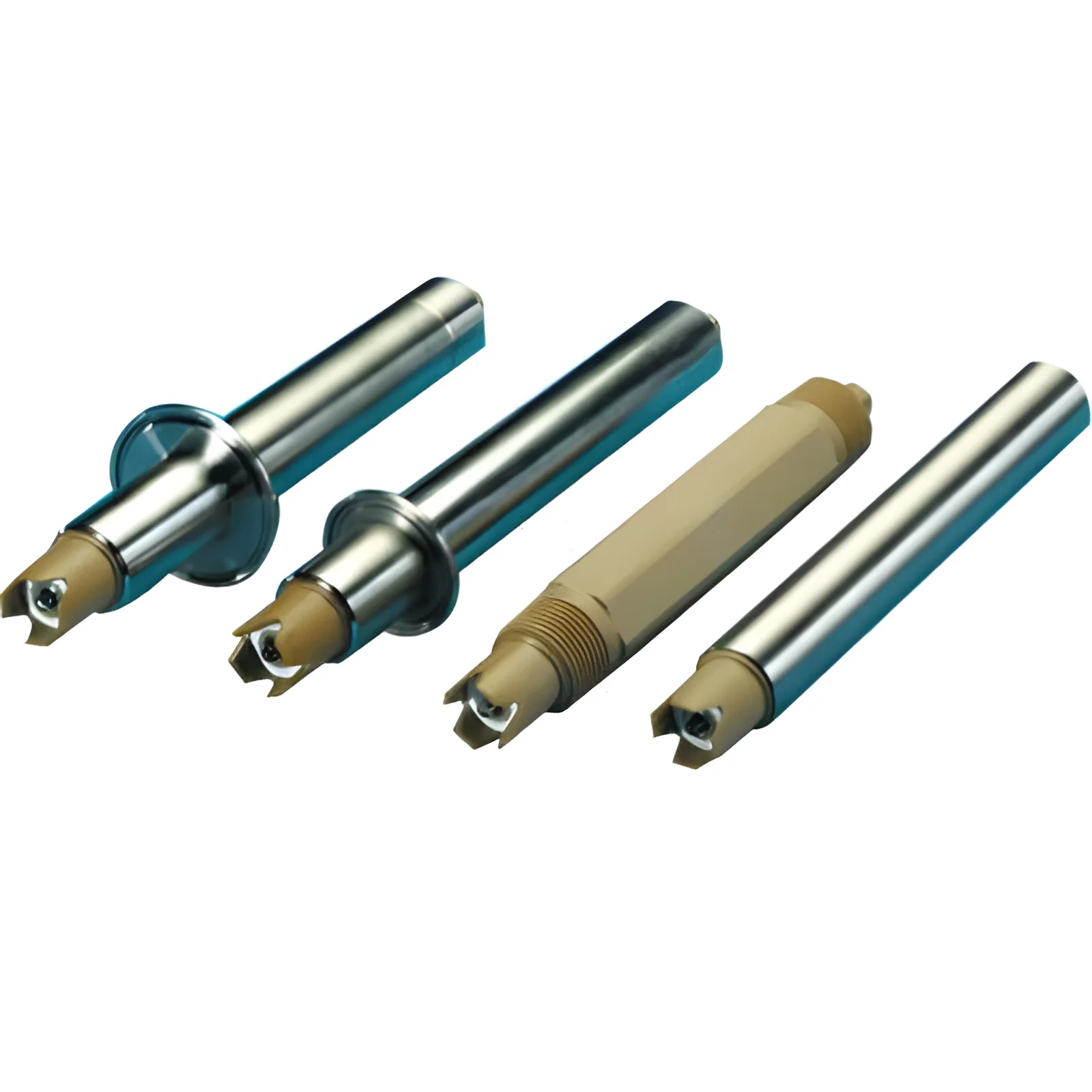
ORP sensors and instruments are devices used to measure the oxidation-reduction potential (ORP) of a solution. ORP is an important parameter that indicates the cleanliness of water and its ability to oxidize contaminants. The sensors work by measuring the voltage generated by oxidation and reduction reactions, providing vital information for various applications in water treatment and chemical processing.
These instruments are primarily used in industries such as water treatment, aquaculture, and food processing. In water treatment, ORP sensors help monitor and control disinfection processes, ensuring that water is safe for consumption. In aquaculture, they play a role in maintaining optimal water quality for fish and other aquatic organisms. The food processing industry uses ORP measurements to control sanitation processes, ensuring product safety and quality.
The relevance of ORP sensors extends across multiple industries as they provide crucial data for maintaining quality and safety. With growing environmental regulations and the need for efficient monitoring systems, the market for ORP sensors and instruments is steadily expanding. Businesses are increasingly investing in these technologies to enhance their operational efficiency and compliance.
Key Features and Specifications
ORP sensors and instruments come equipped with several features designed to enhance their performance and reliability. These features are critical for ensuring accurate measurements and ease of use in various applications.
Key specifications include:
1. Measurement Range
- Typically ranges from -2000 mV to +2000 mV
- Allows for versatility in different applications
2. Sensor Type
- Common types include glass and combination sensors
- Each type has unique advantages based on application needs
3. Temperature Compensation
- Automatic or manual compensation options
- Ensures accurate readings in varying temperatures
4. Response Time
- Generally within seconds to minutes
- Faster response times enhance monitoring efficiency
5. Calibration Frequency
- Recommended calibration intervals vary by application
- Ensures continued accuracy and reliability
6. Housing Material
- Often made from durable materials like PVC or stainless steel
- Increases longevity and resistance to harsh environments
7. Output Signal
- Commonly 4-20 mA or RS485 for easy integration
- Facilitates compatibility with existing control systems
8. Power Supply
- Typically operates on low voltage
- Energy-efficient designs available
In summary, the key features and specifications of ORP sensors and instruments make them suitable for various applications where reliable and accurate monitoring of oxidation-reduction potential is crucial.
Common Applications and Use Cases
ORP sensors and instruments are utilized across a variety of industries, each with specific applications that highlight their importance.
1. Water Treatment: In water treatment facilities, ORP sensors are essential for monitoring disinfection processes, such as chlorine dosing, ensuring that water meets safety standards for human consumption.
2. Aquaculture: In aquaculture, these sensors help maintain water quality by monitoring ORP levels, which is crucial for the health of fish and other aquatic life.
3. Food Processing: The food processing industry uses ORP sensors to control sanitation processes, ensuring that equipment and products are free from harmful microorganisms.
4. Chemical Manufacturing: In chemical plants, ORP monitoring is critical for maintaining optimal reaction conditions and ensuring product quality.
5. Swimming Pools: ORP sensors are widely used in pool maintenance to ensure proper chemical balance and hygiene, keeping the water safe for swimmers.
6. Pharmaceutical Industry: These sensors play a crucial role in monitoring the quality of water used in drug manufacturing, ensuring compliance with strict regulations.
7. Wastewater Management: In wastewater treatment, ORP sensors help control the oxidation processes that break down contaminants, enhancing treatment efficiency.
Product Variants and Subcategories
The diversity of ORP sensors and instruments allows businesses to choose the right product for their specific needs.
Glass ORP Sensor: This variant is known for its high sensitivity and accuracy, making it ideal for laboratory applications. It features a glass body that allows for direct measurement of ORP in various solutions.
Combination ORP Sensor: This type integrates both reference and measuring electrodes in one unit, simplifying installation and maintenance. It is suitable for continuous monitoring in industrial processes.
Digital ORP Meter: This instrument provides digital readouts of ORP values, making it user-friendly. It often includes features such as data logging and connectivity for remote monitoring.
Portable ORP Meter: Designed for field use, this variant is battery-powered and compact. It allows for quick and accurate measurements in various locations, making it ideal for environmental monitoring.
Benefits and Advantages
Investing in ORP sensors and instruments offers several key advantages for businesses.
1. Enhanced Monitoring: Continuous ORP monitoring helps maintain optimal conditions in various processes, leading to improved product quality.
2. Compliance Assurance: Regular ORP measurements ensure compliance with health and safety regulations, reducing the risk of fines and legal issues.
3. Cost Efficiency: Accurate ORP readings can lead to reduced chemical usage, lowering operational costs in water treatment and other applications.
4. Versatile Applications: ORP sensors can be used in a wide range of industries, making them a valuable investment for diverse operations.
5. Improved Safety: By monitoring ORP levels, businesses can prevent hazardous conditions, ensuring a safer working environment for employees.
6. Data-Driven Decisions: The data provided by ORP sensors supports informed decision-making, enhancing overall operational efficiency.
Buying Guide for B2B Buyers
When sourcing ORP sensors and instruments, several factors should be considered to ensure a suitable purchase.
1. Quality Assessment: Look for products that meet relevant quality standards. Ensure that the sensors have been tested for accuracy and reliability in their intended applications.
2. Supplier Verification: Vet suppliers by checking their credentials, customer reviews, and industry experience. A verified supplier network can provide assurance of product quality.
3. Pricing and MOQ: Consider the pricing structure and minimum order quantities. Understanding these factors helps in budgeting and planning for procurement.
4. Delivery and Lead Times: Evaluate the supplier's delivery capabilities and lead times. Timely delivery is crucial for maintaining inventory and meeting operational demands.
5. Compliance Requirements: Be aware of the regulatory requirements specific to your industry. Ensure that the ORP sensors meet all necessary compliance and certification standards.
Compliance and Certifications
Compliance and certifications play a crucial role in ensuring the quality and reliability of ORP sensors and instruments. Many manufacturers adhere to quality standards such as ISO 9001, which ensures a consistent quality management system.
Industry certifications like CE demonstrate compliance with European safety standards. This certification assures buyers that the products meet specific safety and health requirements.
Safety and testing requirements are also vital. ORP sensors should undergo rigorous testing to ensure they function accurately under various conditions. Regional compliance considerations may include local regulations that govern the use of measuring instruments in specific industries.
Why Source ORP Sensors & Instruments from Pepagora?
Pepagora provides a trusted platform for sourcing ORP sensors and instruments, offering several key advantages to B2B buyers.
Verified Supplier Network: Pepagora connects buyers with a network of verified suppliers. This ensures that customers can source high-quality products with confidence.
Streamlined RFQ Process: The request for quotation process is designed to be efficient and user-friendly. Buyers can easily compare offerings from multiple suppliers, making it easier to find the best fit for their needs.
Trade Assurance and Support: Pepagora offers trade assurance, providing protection for buyers throughout the purchasing process. This support helps mitigate risks associated with online sourcing.
Regional Coverage: With a strong presence in India, the GCC, and Southeast Asia, Pepagora facilitates access to ORP sensors and instruments across diverse markets. This geographic reach ensures that businesses can find suitable products regardless of location.

 India
Frequently Asked Questions
What are ORP Sensors & Instruments?
ORP Sensors & Instruments are devices used to measure the oxidation-reduction potential (ORP) of a solution. They are essential in various applications, including water treatment, chemical processing, and environmental monitoring, as they help assess the chemical activity of the water.
What are the different types of ORP Sensors & Instruments?
The different types of ORP Sensors & Instruments include electrode-type sensors, portable ORP meters, and online ORP monitoring systems. Each type serves specific applications, with some designed for laboratory use and others for continuous monitoring in industrial environments.
How do I choose the right ORP Sensors & Instruments?
Choosing the right ORP Sensors & Instruments depends on factors such as the application, the required accuracy, and environmental conditions. It's important to consider the calibration range, temperature compatibility, and whether you need a portable or stationary device.
What are the standard specifications for ORP Sensors & Instruments?
Standard specifications for ORP Sensors & Instruments typically include measurement range, accuracy, response time, and temperature range. Additionally, some sensors may have specific requirements related to pH and conductivity for optimal performance.
What is the price range for ORP Sensors & Instruments?
The price range for ORP Sensors & Instruments can vary widely based on the type and brand, typically ranging from INR 2,000 to INR 50,000 or more. Factors influencing the price include the technology used, features offered, and any additional functionalities.
What quality standards apply to ORP Sensors & Instruments?
Quality standards for ORP Sensors & Instruments often include ISO certifications and compliance with relevant industry standards. Manufacturers may adhere to specifications set by organizations like ASTM or ANSI for accuracy and reliability.
Where can I find ORP Sensors & Instruments suppliers in India?
You can find ORP Sensors & Instruments suppliers in India through B2B marketplaces like Pepagora.com, industry trade shows, or local distributors. It's advisable to compare multiple suppliers to assess product quality and pricing.
Can ORP Sensors & Instruments be customized?
Yes, many manufacturers offer customization options for ORP Sensors & Instruments to meet specific customer requirements. Customizations can include modifications in size, specifications, or additional features tailored to particular applications.
What is the typical minimum order quantity for ORP Sensors & Instruments?
The typical minimum order quantity (MOQ) for ORP Sensors & Instruments can vary by supplier, often ranging from 5 to 50 units. It's recommended to check with individual suppliers for their specific MOQ policies.
What is the typical lead time for ORP Sensors & Instruments?
The typical lead time for ORP Sensors & Instruments can range from a few days to several weeks, depending on the supplier and whether the product is in stock. Custom orders might require additional time for production and delivery.
Why Businesses Trust Pepagora
Thousands of companies trust Pepagora to source smarter and sell faster
Expand Your Sales Globally

Source Smarter,Grow Faster
