
 IN
Labeling Machines
80 products available
What are Labeling Machines?
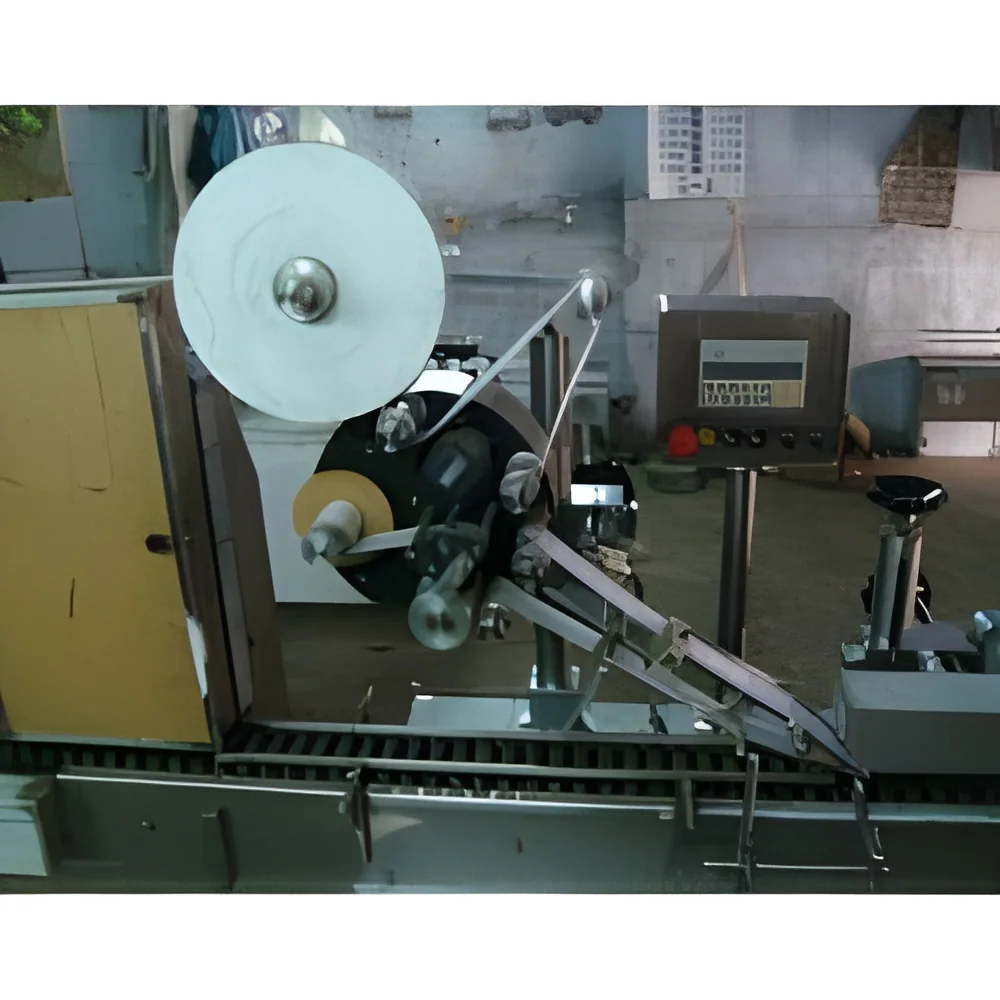
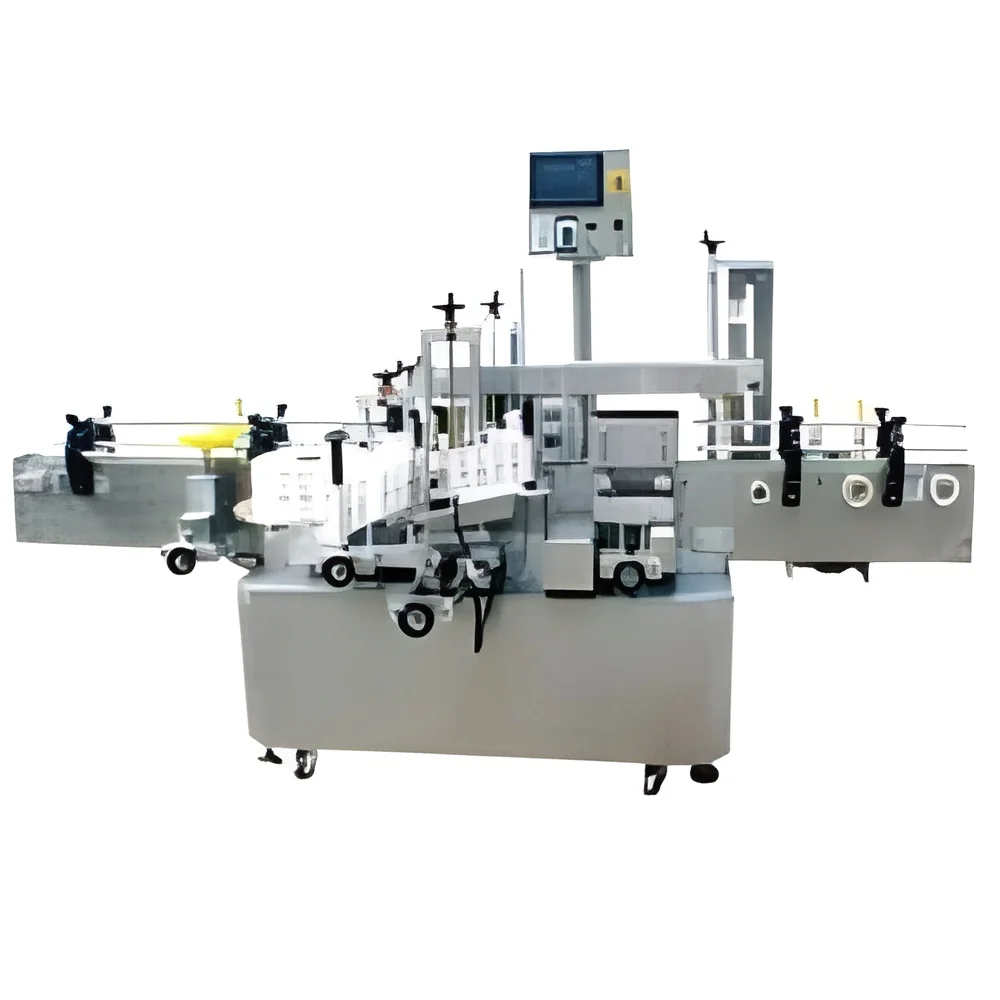
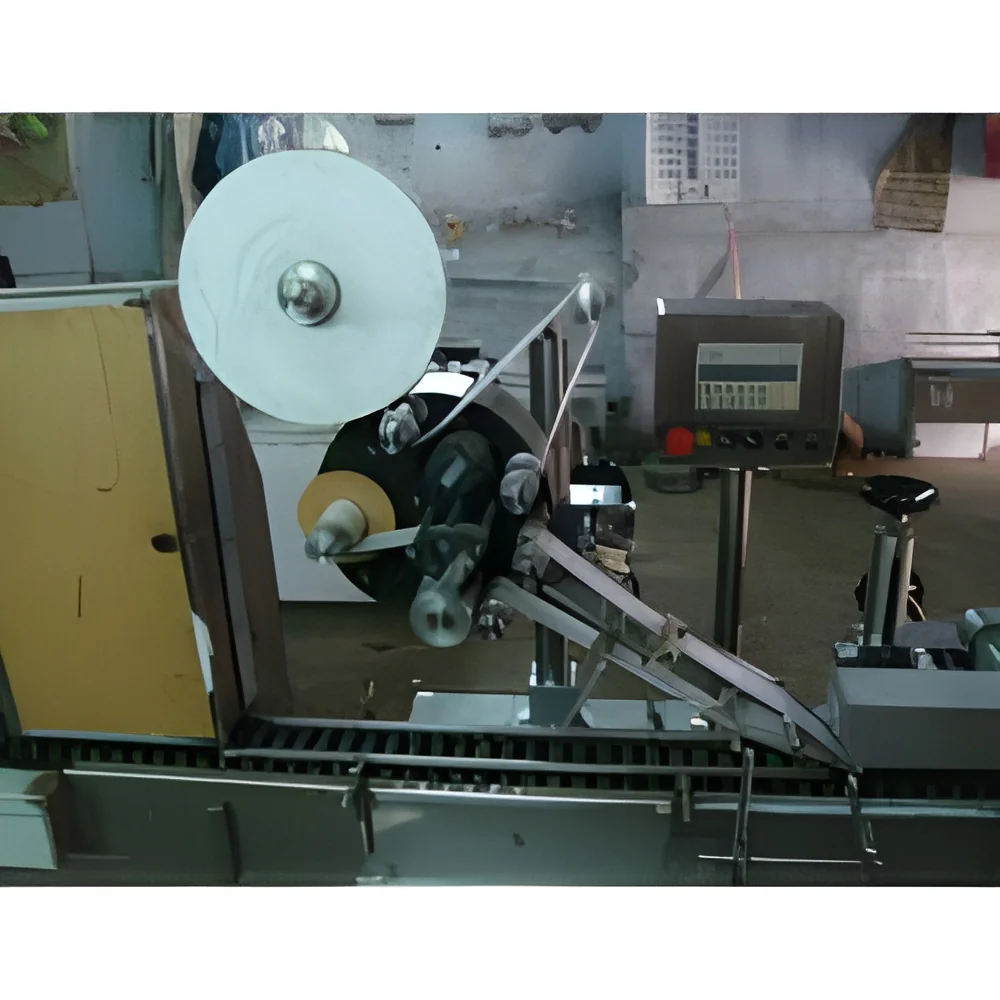
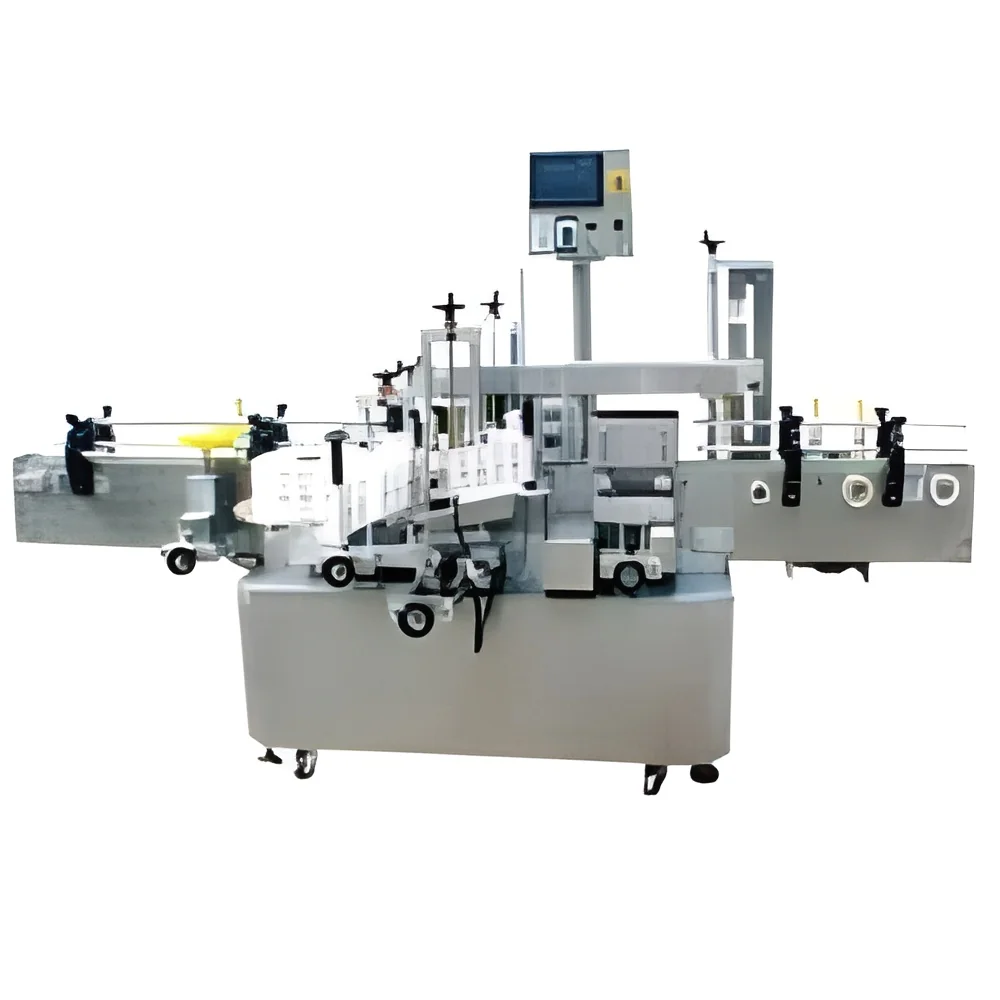
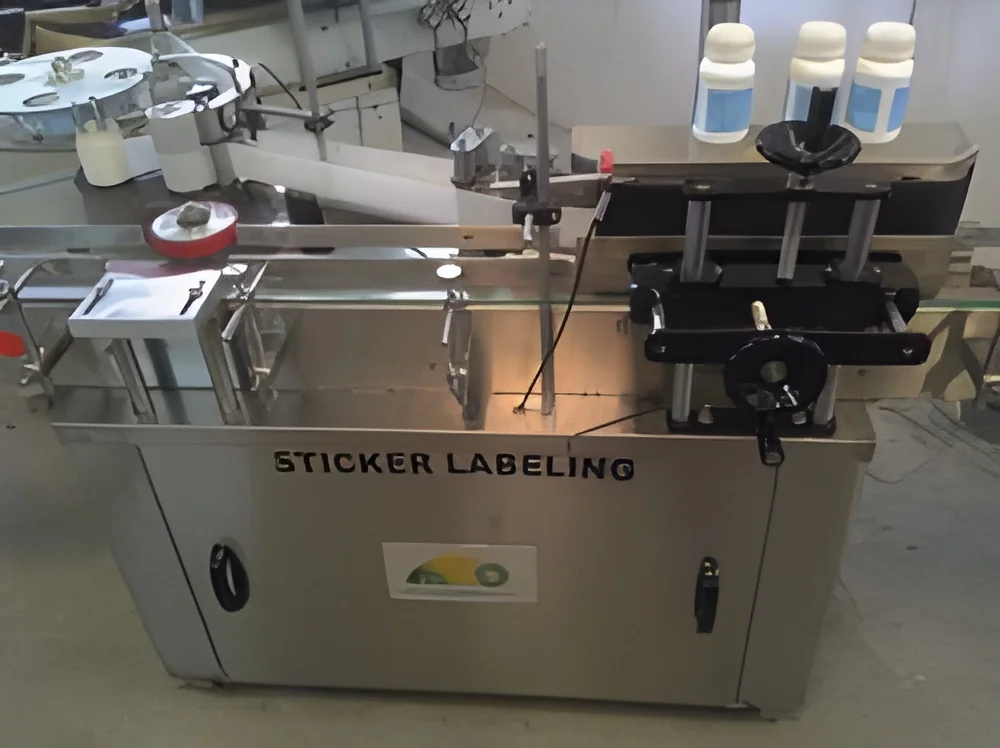
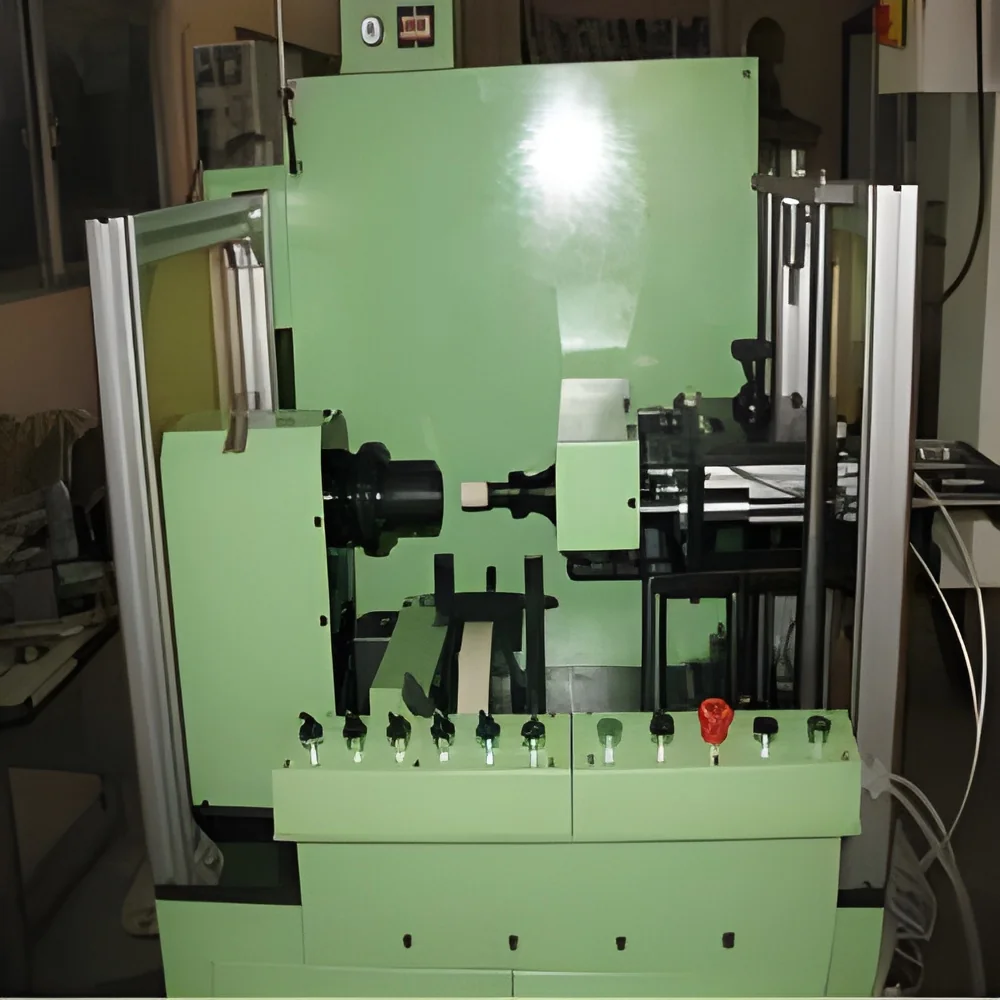
Labeling machines are specialized equipment used to apply labels to products or packaging. These machines can automate the labeling process, ensuring consistency and efficiency in production lines. Labeling machines vary in complexity from simple hand-held devices to fully automated systems that can handle high-speed production.
These machines are primarily used in industries such as food and beverage, pharmaceuticals, cosmetics, and consumer goods. They serve to enhance product identification, provide essential information to consumers, and ensure compliance with regulatory requirements. By automating the labeling process, businesses can increase productivity, reduce labor costs, and minimize labeling errors.
In the current market, the demand for labeling machines is growing due to factors such as the rise in packaged goods, the need for traceability, and regulatory compliance. As businesses continue to focus on efficiency and accuracy, labeling machines have become a crucial component of manufacturing and packaging operations across various sectors.
Key Features and Specifications
Labeling machines come equipped with a range of features designed to meet diverse operational needs. Understanding these specifications is essential for selecting the right machine for specific applications.
Key specifications include:
1. Speed
- The speed of labeling machines is measured in labels per minute (LPM).
- Typical ranges can vary from 20 to 600 LPM depending on the model.
2. Label Size Compatibility
- Machines can accommodate different label sizes, from small stickers to large labels.
- Specifications often include minimum and maximum width and height measurements.
3. Applicator Type
- Different machines use various applicator technologies, such as pressure-sensitive, heat transfer, or inkjet.
- The choice of applicator impacts the type of labels and surfaces that can be used.
4. Control System
- Many labeling machines feature programmable logic controllers (PLCs) for ease of operation.
- Advanced options may include touch screen interfaces for user-friendly navigation.
5. Material Compatibility
- Machines can handle various materials, including paper, plastic, and metallic labels.
- Compatibility affects the choice of labels for different industries.
6. Integration Capability
- Labeling machines can often integrate with existing production lines and software systems.
- This allows for streamlined operations and data tracking.
7. Maintenance Requirements
- Different models have varying maintenance needs, impacting operational downtime.
- Regular maintenance schedules are often recommended for optimal performance.
8. Dimensions and Weight
- The size and weight of labeling machines can affect installation and mobility.
- Specific models may require designated floor space based on their dimensions.
In summary, understanding the key features and specifications of labeling machines is essential for making informed purchasing decisions.
Common Applications and Use Cases
Labeling machines find applications across a variety of industries, enhancing efficiency and compliance.
1. Food and Beverage: In this sector, labeling machines are used to apply nutritional information, barcodes, and expiration dates on packaging. This ensures compliance with food labeling regulations.
2. Pharmaceuticals: Labeling machines in the pharmaceutical industry are crucial for providing dosage information and safety warnings on medication packaging, ensuring patient safety and regulatory compliance.
3. Cosmetics: In the cosmetics industry, labeling machines help in branding and providing product information. They can apply labels on bottles, tubes, and boxes with precision.
4. Logistics: In logistics and warehousing, labeling machines are used to generate and apply shipping labels, improving tracking and organization of packages.
5. Electronics: Labeling machines assist in applying labels that contain model numbers, barcodes, and safety information on electronic products, ensuring traceability.
6. Chemicals: In chemical manufacturing, labeling machines are essential for applying hazard warnings and handling instructions on product containers, ensuring safety in storage and transportation.
7. Retail: Retail environments utilize labeling machines to create price tags and promotional labels, enhancing the shopping experience and aiding inventory management.
Product Variants and Subcategories
Labeling machines come in various configurations to meet specific needs and industry requirements.
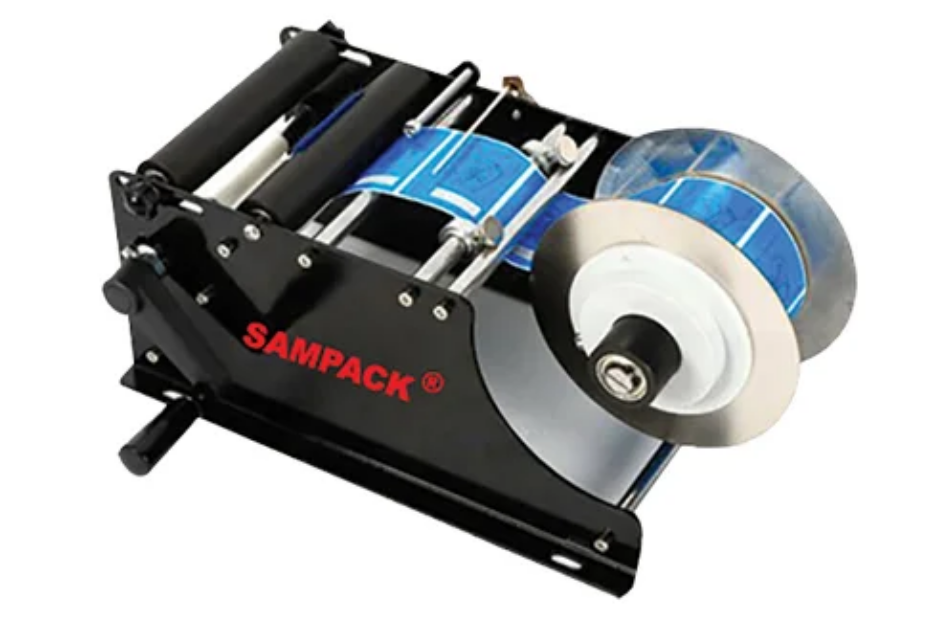
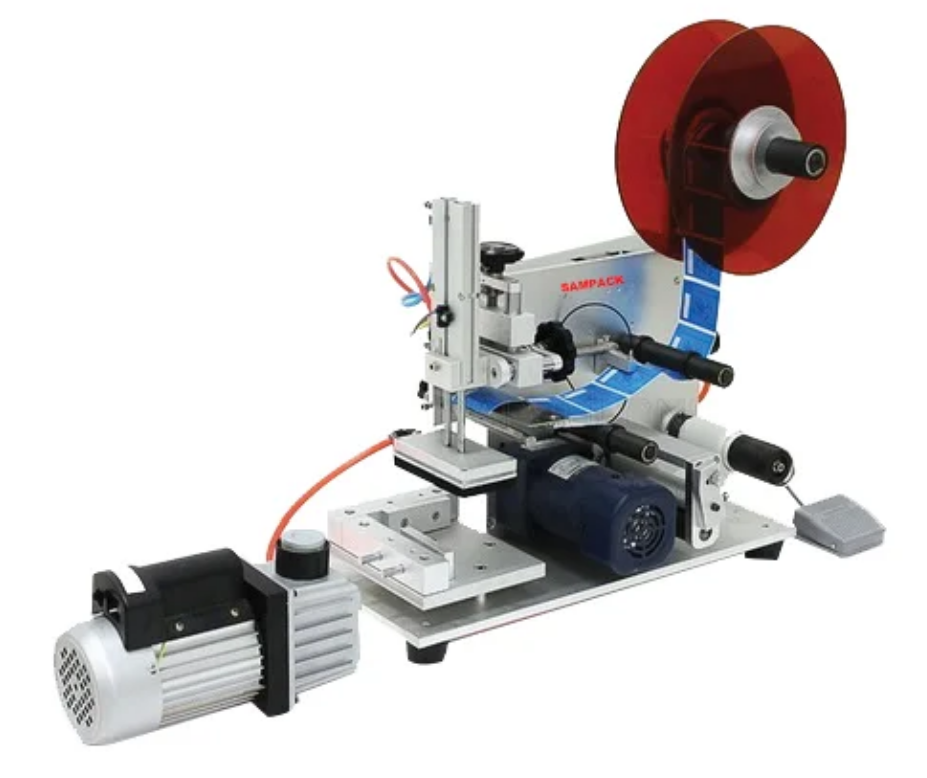
Semi-Automatic Labeling Machines: These machines require manual input for positioning but automate the application process. They are ideal for smaller production runs and provide flexibility in labeling different products.
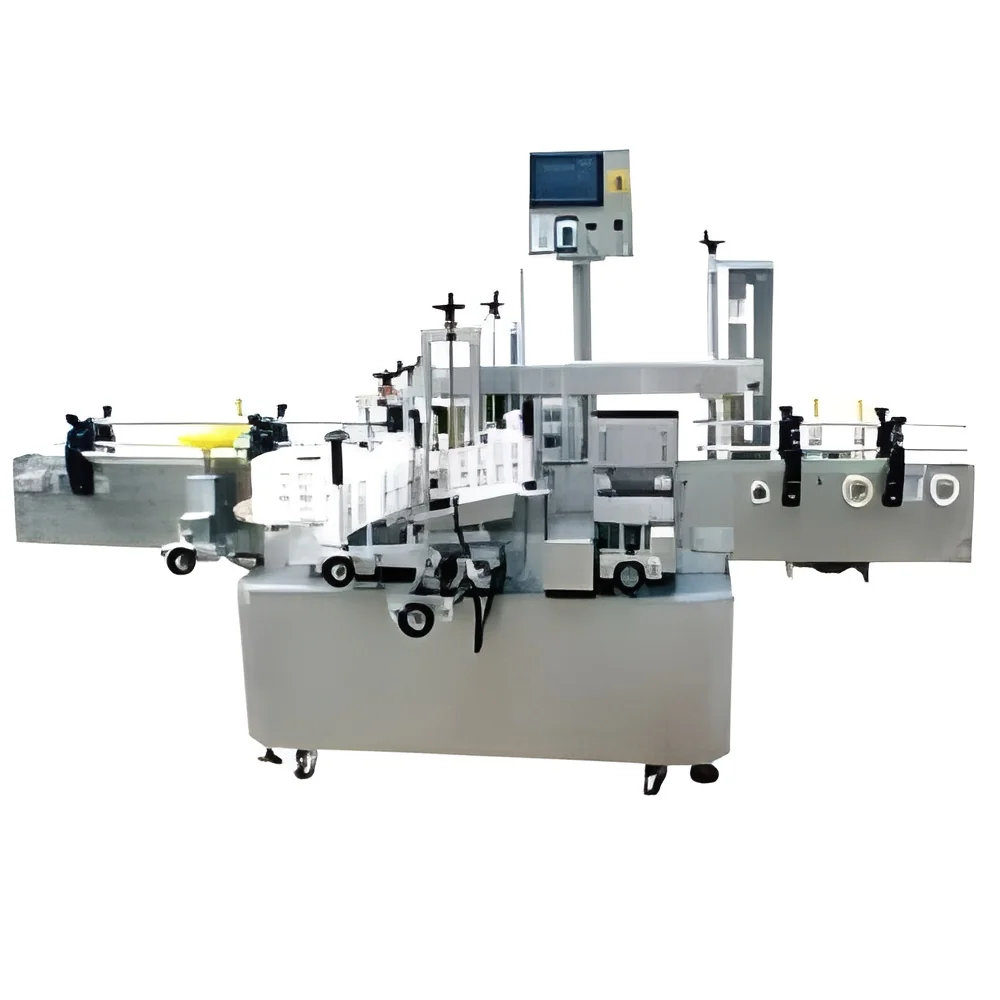
Fully Automated Labeling Machines: These systems handle high-volume production with minimal human intervention. They are designed for continuous operation, suitable for large manufacturing facilities.
Labeling Applicators: This variant focuses solely on the application process and can be integrated into existing production lines. They provide precise labeling for various products without the need for complete labeling systems.
Benefits and Advantages
Labeling machines offer numerous advantages that enhance operational efficiency and product presentation.
1. Increased Efficiency: Automating the labeling process speeds up production and reduces labor costs.
2. Consistency and Accuracy: Labeling machines ensure that labels are applied uniformly, minimizing errors and improving product quality.
3. Compliance Assurance: These machines help companies meet regulatory requirements by ensuring accurate and legible labeling.
4. Versatility: Labeling machines can handle various product types and label materials, making them suitable for multiple industries.
5. Cost Savings: By reducing manual labor and minimizing waste, labeling machines can lead to significant cost savings over time.
6. Enhanced Branding: High-quality labels improve product visibility and branding, contributing to increased sales and customer loyalty.
Buying Guide for B2B Buyers
When sourcing labeling machines, it is important to consider several key factors to ensure the right choice for your business needs.
1. Quality Assessment: Evaluate the quality of labeling machines through reviews and testimonials. Look for manufacturers that adhere to industry standards and offer warranties.
2. Supplier Verification: Conduct thorough vetting of suppliers to ensure they have a track record of reliability and customer service. Look for certifications or affiliations with industry organizations.
3. Pricing and MOQ: Understand the pricing structures and minimum order quantities (MOQ) offered by suppliers. This will help you budget effectively and determine if a supplier meets your needs.
4. Delivery and Lead Times: Inquire about delivery timelines and lead times to align with your production schedules. Consider suppliers that can meet your required timelines reliably.
5. Compliance Requirements: Ensure that the labeling machines meet relevant industry compliance standards. Verify certifications such as CE to ensure safety and quality.
Compliance and Certifications
Compliance with industry standards is crucial for labeling machines to ensure safety and quality in operations.
Relevant quality standards such as ISO 9001 focus on quality management systems, ensuring that manufacturers follow best practices in production processes. Adhering to standards like HACCP and GDP is vital, particularly in the food and pharmaceutical industries, to ensure product safety and traceability.
Industry certifications, including CE marking, indicate that the machines meet European health, safety, and environmental protection standards. This certification is essential for businesses looking to sell products in European markets.
Safety and testing requirements are also important, ensuring that labeling machines operate safely and efficiently. Regular testing and maintenance help in identifying potential issues before they become significant problems.
Regional compliance considerations may vary, so it is essential for manufacturers and suppliers to stay updated on local regulations impacting labeling standards.
Why Source Labeling Machines from Pepagora?
Pepagora provides a trusted platform for sourcing labeling machines, offering several advantages to B2B buyers.
Verified Supplier Network: Pepagora connects buyers with a network of verified suppliers, ensuring that businesses can find reliable manufacturers with a proven track record.
Streamlined RFQ Process: The platform simplifies the request for quotation (RFQ) process, allowing buyers to easily compare options and select the best fit for their specific needs.
Trade Assurance and Support: With trade assurance policies, Pepagora offers buyer protection, ensuring that transactions are secure and that buyers can resolve issues effectively.
Regional Coverage: Pepagora's reach extends across India, the GCC, and Southeast Asia, providing businesses with access to a wide array of suppliers and products tailored to local market needs.
By choosing Pepagora, businesses can enhance their procurement process, ensuring they find the right labeling machines to meet their operational requirements.

Frequently Asked Questions
What are Labeling Machines?
Labeling machines are industrial devices used to apply labels to products, packages, or containers. They play a crucial role in the packaging process, ensuring that items are properly marked for branding, compliance, and information purposes.
What are the different types of Labeling Machines?
There are several types of labeling machines, including automatic, semi-automatic, and manual machines. Additionally, they can be categorized based on the labeling method, such as pressure-sensitive, heat shrink, and wrap-around labeling.
How do I choose the right Labeling Machines?
To choose the right labeling machine, consider factors such as the type of product, label size, application speed, and production volume. It's also essential to evaluate the machine's compatibility with your existing production line and its ease of use.
What are the standard specifications for Labeling Machines?
Standard specifications for labeling machines typically include labeling speed (labels per minute), maximum and minimum label sizes, and the type of labels they can handle. It is also important to consider the machine's dimensions and weight for compatibility with your workspace.
What is the price range for Labeling Machines?
The price of labeling machines can vary widely based on type, features, and brand. Generally, prices can range from a few thousand to several lakhs of Indian Rupees, depending on the complexity and technology used in the machine.
What quality standards apply to Labeling Machines?
Labeling machines should comply with industry-specific quality standards, such as ISO certifications and safety regulations. Additionally, manufacturers often adhere to quality control processes to ensure reliability and efficiency in their machines.
Where can I find Labeling Machines suppliers in India?
You can find labeling machine suppliers in India through B2B marketplaces like Pepagora, trade fairs, industry directories, and online search engines. It's advisable to verify the supplier's reputation and product quality before making a purchase.
Can Labeling Machines be customized?
Yes, many manufacturers offer customization options for labeling machines to meet specific requirements. Customizations may include adjustments to size, labeling speed, and compatibility with various label types.
What is the typical minimum order quantity for Labeling Machines?
The minimum order quantity (MOQ) for labeling machines can vary by supplier and machine type. Typically, MOQs may range from one unit for smaller machines to multiple units for larger, more complex systems.
What is the typical lead time for Labeling Machines?
The lead time for labeling machines usually depends on the complexity of the machine and the manufacturer's production capacity. Generally, it can range from a few weeks to several months, especially for customized orders.
Why Businesses Trust Pepagora
Thousands of companies trust Pepagora to source smarter and sell faster
Expand Your Sales Globally

Source Smarter,Grow Faster
