
 IN
Sticker Labeling Machines
7 products available
What are Sticker Labeling Machines?
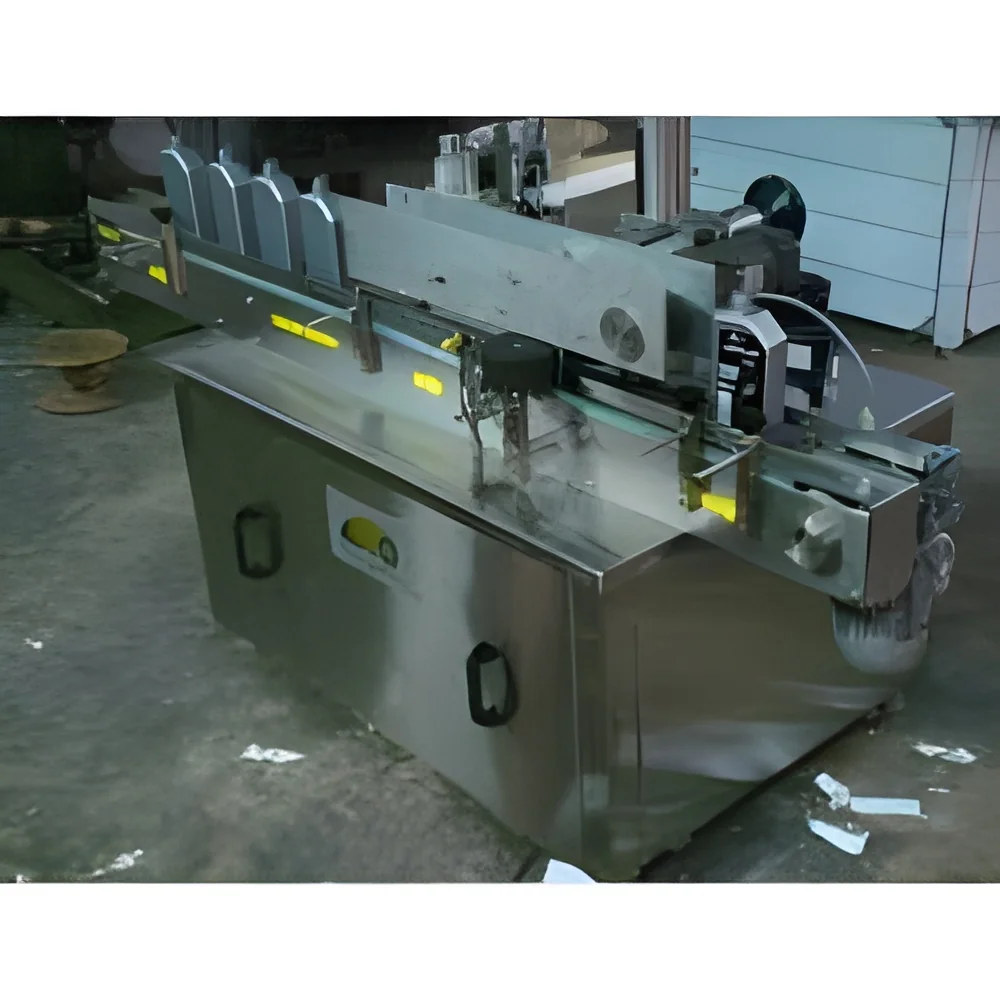
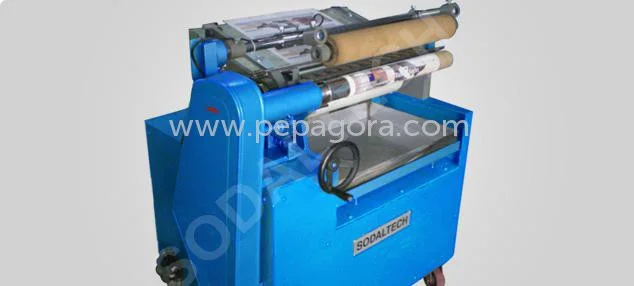
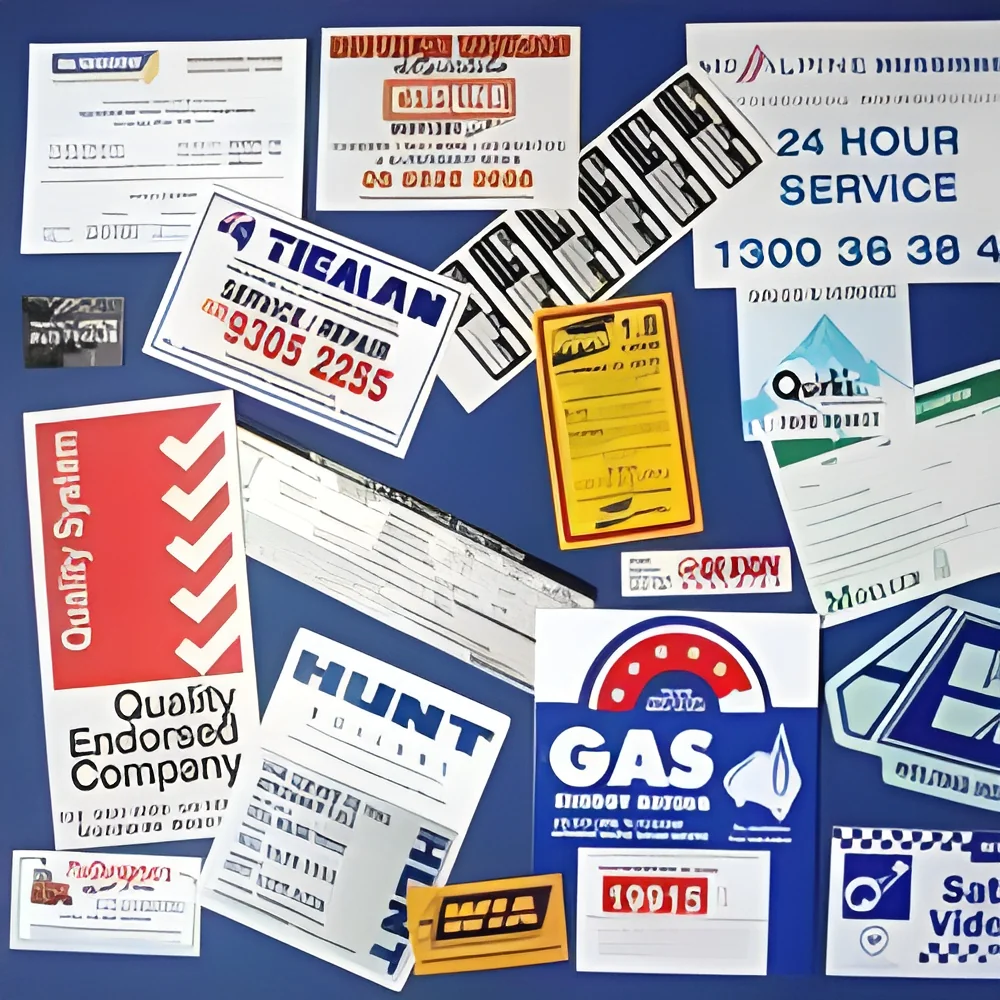
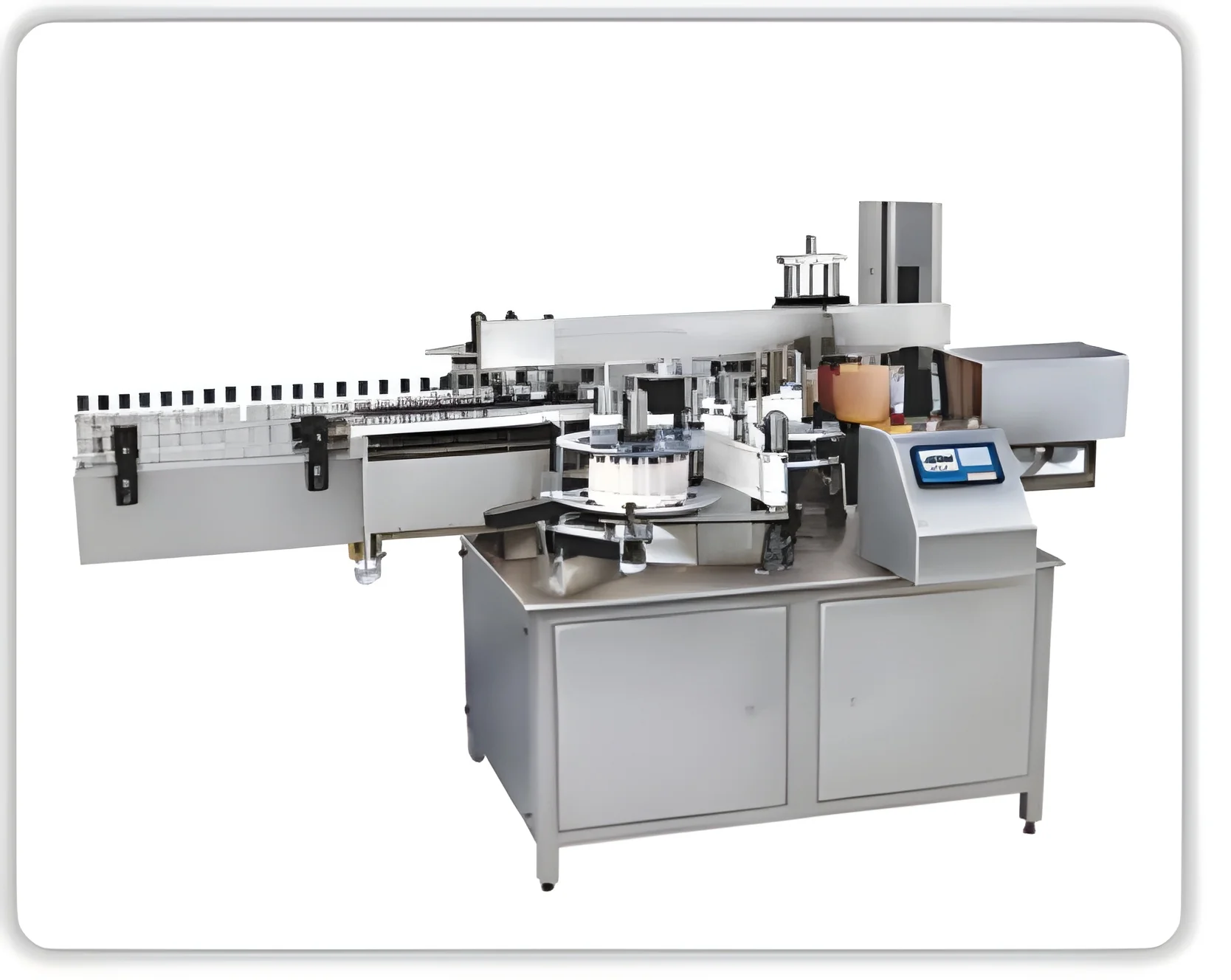
Sticker labeling machines are specialized equipment used to apply adhesive labels to various products and packaging. These machines can efficiently handle different types of labels, including self-adhesive, pressure-sensitive, and even shrink sleeves. Typically found in production lines, they enhance the labeling process by automating the application, ensuring precision and consistency in label placement.
The primary applications of sticker labeling machines span across numerous industries, including food and beverage, pharmaceuticals, cosmetics, and logistics. Businesses utilize these machines to streamline their packaging processes, improve product identification, and enhance branding efforts. By integrating sticker labeling machines into their operations, companies can achieve higher throughput and reduce labor costs associated with manual labeling.
In an increasingly competitive market, the demand for sticker labeling machines is growing. As companies seek to optimize their operations and meet regulatory labeling requirements, these machines play a crucial role in maintaining compliance and meeting customer expectations. This relevance across multiple sectors solidifies the market position of sticker labeling machines as essential tools in modern manufacturing.
Key Features and Specifications
Sticker labeling machines come with a range of features designed to improve efficiency and usability. Understanding the specifications helps buyers choose the right equipment for their needs.
Key specifications include:
1. Labeling Speed
- Labeling speed can range from 20 to 600 labels per minute, depending on the machine type and complexity.
2. Label Size Compatibility
- Machines can accommodate labels of varying sizes, typically ranging from 10mm to 300mm in width.
3. Power Supply
- Most machines operate on standard electrical supply, with options for both single-phase and three-phase power.
4. Control System
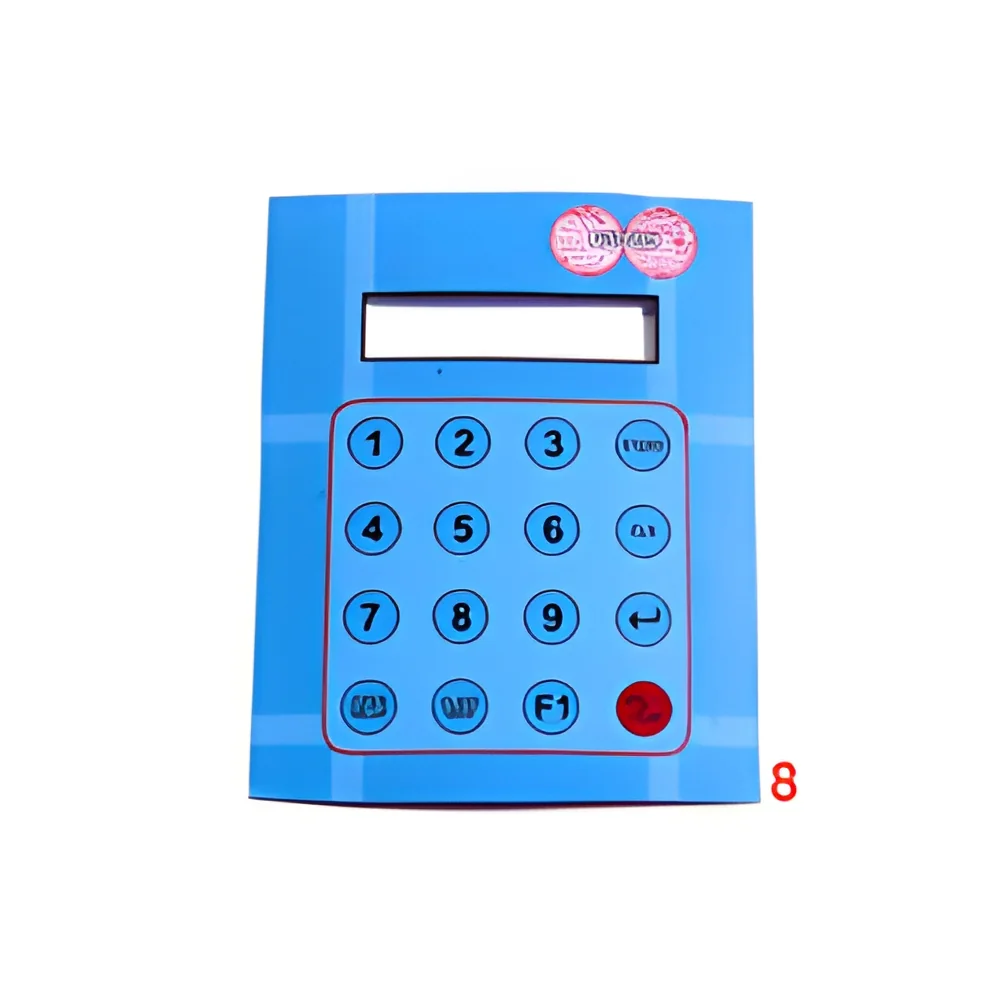
- Modern machines may feature PLC (Programmable Logic Controller) systems for precise control and programming.
5. Material Compatibility
- Suitable for a variety of materials, including plastic, glass, and cardboard containers.
6. Dimensions
- The footprint of machines can vary widely, with compact models designed for smaller operations and larger models for extensive production lines.
7. Construction Material
- Commonly built from stainless steel for durability and compliance with hygiene standards.
8. Maintenance Requirements
- Generally low maintenance, with easy access to parts for routine cleaning and servicing.
In summary, understanding these specifications allows businesses to select the right sticker labeling machine that meets their operational requirements and enhances productivity.
Common Applications and Use Cases
Sticker labeling machines find applications across numerous sectors, each with unique labeling needs.
1. Food and Beverage: In this industry, machines are used to label bottles, jars, and packaging to ensure compliance with nutritional and ingredient labeling regulations.
2. Pharmaceuticals: Labeling is critical for medication packaging to provide essential information about dosage, side effects, and expiration dates.
3. Cosmetics: These machines help label various cosmetic products, ensuring that branding and regulatory information is clearly displayed.
4. Logistics: Sticker labeling machines are used to apply shipping labels to packages, enhancing traceability and efficiency in supply chain management.
5. Chemical Industry: In this sector, labeling machines are vital for hazard communication, providing safety information and usage instructions.
6. E-commerce: With the rise of online shopping, these machines are increasingly used to label products for shipment, improving accuracy in order fulfillment.
7. Retail: Retailers employ sticker labeling machines for price tags and promotional labels, enhancing product visibility and information for consumers.
Product Variants and Subcategories
Sticker labeling machines come in various models and configurations to cater to different business needs.
Inline Labeling Machines: These are integrated into existing production lines, offering high-speed labeling solutions with minimal disruption to workflows.
Manual Labeling Machines: Designed for small-scale operations, these machines allow operators to apply labels manually, offering flexibility for low-volume labeling.
Automatic Labeling Machines: Suitable for high-volume production, these machines automatically apply labels to products, significantly increasing efficiency.
Desktop Labeling Machines: Compact and user-friendly, these machines are ideal for small businesses and office environments, allowing for easy labeling of various products.
Benefits and Advantages
Investing in sticker labeling machines provides numerous advantages to businesses.
1. Increased Efficiency: Automation reduces the time and labor required for labeling, allowing companies to focus on production.
2. Improved Accuracy: Precision in label placement minimizes errors, ensuring compliance with regulatory standards.
3. Enhanced Branding: Consistent and professional labeling enhances brand visibility and product appeal.
4. Cost-Effectiveness: By reducing labor costs and increasing throughput, these machines can significantly lower overall operational expenses.
5. Versatility: Suitable for various products, sticker labeling machines can adapt to different labeling needs across industries.
6. Compliance Assurance: Automated labeling helps ensure that products meet industry regulations, reducing the risk of fines and penalties.
Buying Guide for B2B Buyers
When sourcing sticker labeling machines, businesses should consider several important factors to ensure they make a well-informed decision.
1. Quality Assessment: Evaluate the build quality and reliability of the machine. Look for manufacturers with a reputation for producing durable and efficient machinery.
2. Supplier Verification: Vet suppliers by checking their credentials, previous customer reviews, and industry experience to ensure they are reputable and reliable.
3. Pricing and MOQ: Understand the pricing structure and minimum order quantities. Compare quotes from multiple suppliers to get the best deal.
4. Delivery and Lead Times: Factor in logistics and delivery timelines when planning your purchase, as delays can impact production schedules.
5. Compliance Requirements: Ensure that the machine complies with relevant industry standards and regulations, such as CE certification, to avoid future complications.
Compliance and Certifications
Sticker labeling machines must adhere to several quality standards and certifications to ensure safety and reliability.
ISO 9001 is a key quality management standard that many manufacturers follow to ensure consistent quality in production. Compliance with this standard indicates a commitment to quality and continuous improvement.
HACCP (Hazard Analysis Critical Control Point) is essential for machines used in the food and beverage industry, ensuring that labeling processes do not compromise product safety.
CE certification is crucial in many regions, indicating that the machine meets European safety and environmental protection standards.
Safety requirements dictate that machines should undergo rigorous testing to ensure that they operate safely under normal conditions.
Finally, regional compliance considerations are important, as different countries may have specific regulations regarding labeling practices that manufacturers must adhere to.
Why Source Sticker Labeling Machines from Pepagora?
Pepagora is a trusted platform for sourcing sticker labeling machines, offering several key advantages for businesses looking to enhance their production processes.
Verified Supplier Network: Pepagora features a network of verified suppliers, ensuring that buyers can connect with reputable manufacturers who meet industry standards.
Streamlined RFQ Process: The platform simplifies the request for quotation process, allowing businesses to easily compare prices and specifications from multiple suppliers without hassle.
Trade Assurance and Support: Pepagora provides trade assurance and support, which protects buyers from potential risks associated with transactions, ensuring a safer purchasing experience.
Regional Coverage: With a strong presence in India, the GCC, and Southeast Asia, Pepagora offers extensive regional coverage, making it easier for businesses across these areas to access high-quality sticker labeling machines.

Frequently Asked Questions
What are Sticker Labeling Machines?
Sticker Labeling Machines are automated equipment used to apply labels on products, containers, or packaging. They ensure accurate positioning and adherence of labels, improving efficiency in production lines.
What are the different types of Sticker Labeling Machines?
There are primarily three types of Sticker Labeling Machines: manual, semi-automatic, and fully automatic. Manual machines require human intervention for labeling, while semi-automatic machines assist with labeling tasks, and fully automatic machines handle the entire labeling process with minimal human oversight.
How do I choose the right Sticker Labeling Machines?
Choosing the right Sticker Labeling Machine depends on factors such as your production volume, the type of products being labeled, and the specific labeling requirements. It's essential to assess your needs and consult with manufacturers to find a machine that meets your operational demands.
What are the standard specifications for Sticker Labeling Machines?
Standard specifications for Sticker Labeling Machines typically include labeling speed, label size compatibility, and dimensions. Additionally, the machine's power requirements and control systems are also crucial specifications to consider.
What is the price range for Sticker Labeling Machines?
The price range for Sticker Labeling Machines can vary significantly based on the type and features. Generally, prices can start from a few thousand rupees for manual machines and go up to several lakhs for advanced fully automatic models.
What quality standards apply to Sticker Labeling Machines?
Sticker Labeling Machines are often required to meet various quality standards, such as ISO certifications and industry-specific regulations. Compliance with these standards ensures the machines are reliable, safe, and effective for use in production environments.
Where can I find Sticker Labeling Machines suppliers in India?
You can find Sticker Labeling Machines suppliers in India through online B2B marketplaces, industry exhibitions, and trade directories. Websites like Pepagora.com can connect you with reputable manufacturers and suppliers in the sector.
Can Sticker Labeling Machines be customized?
Yes, many manufacturers offer customization options for Sticker Labeling Machines to meet specific customer requirements. Customizations can include adjustments in labeling speed, size, and features tailored to unique production processes.
What is the typical minimum order quantity for Sticker Labeling Machines?
The typical minimum order quantity (MOQ) for Sticker Labeling Machines can vary by supplier but usually ranges from one unit for standard models to multiple units for customized machines. It's advisable to confirm the MOQ with the chosen supplier.
What is the typical lead time for Sticker Labeling Machines?
The typical lead time for Sticker Labeling Machines can range from a few weeks to several months, depending on the type of machine and any customizations required. Manufacturers often provide estimated delivery timelines upon order confirmation.
Why Businesses Trust Pepagora
Thousands of companies trust Pepagora to source smarter and sell faster
Expand Your Sales Globally

Source Smarter,Grow Faster
