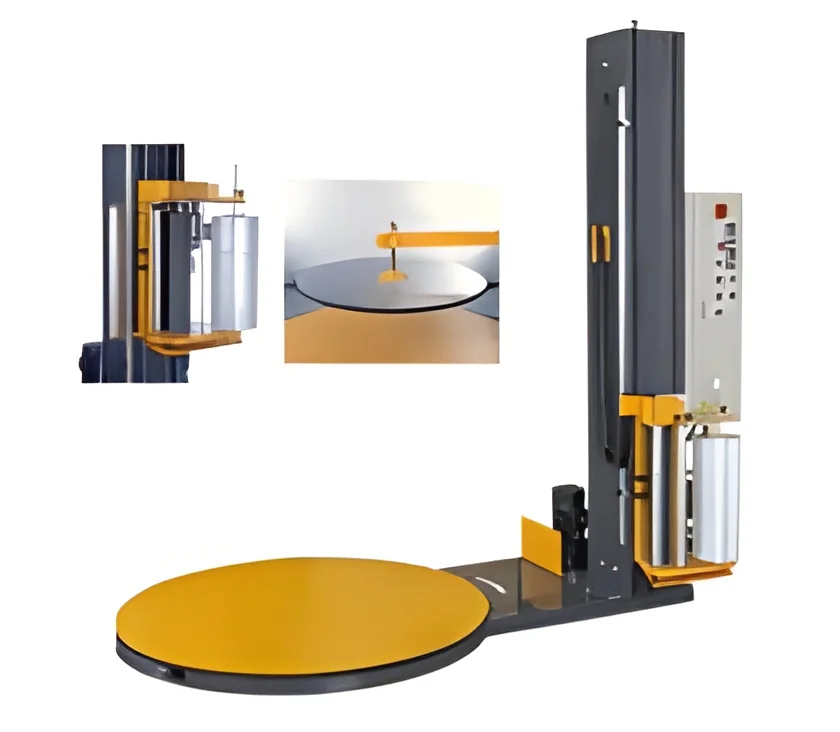
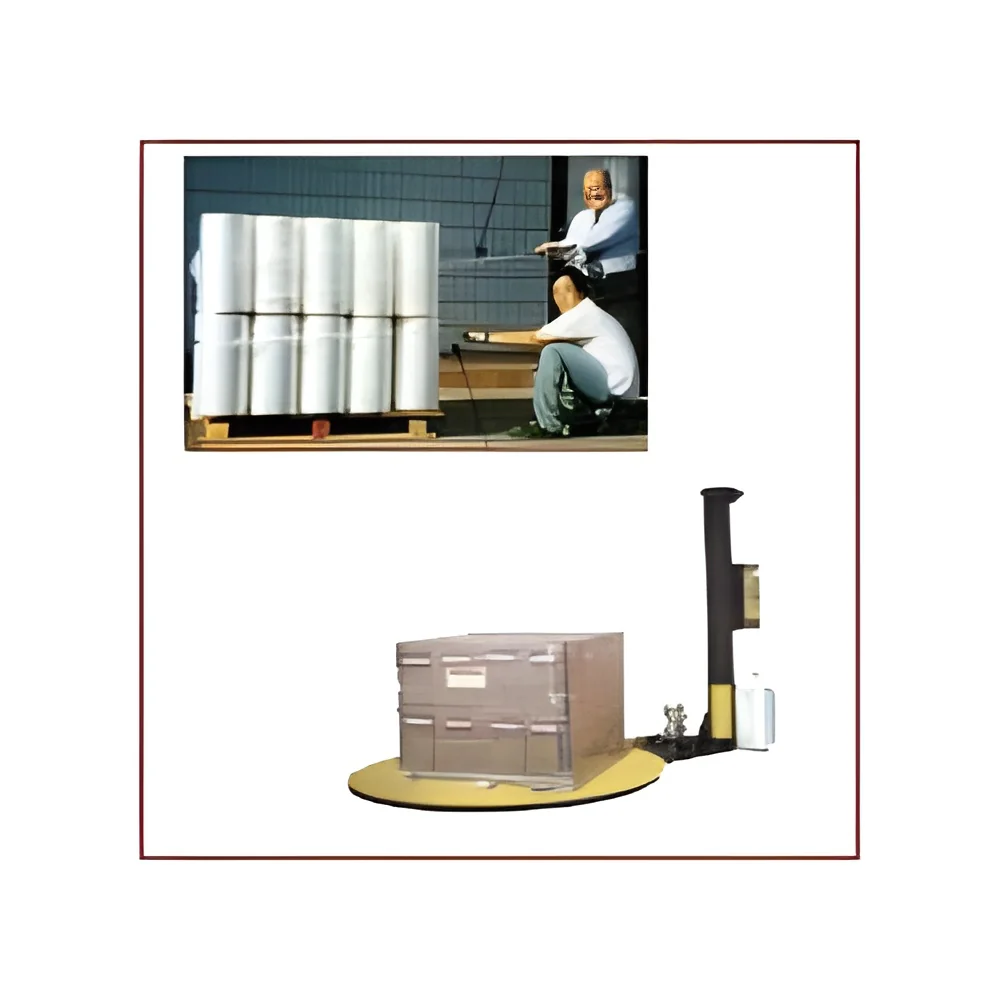
What are Stretch Wrapping Machines?
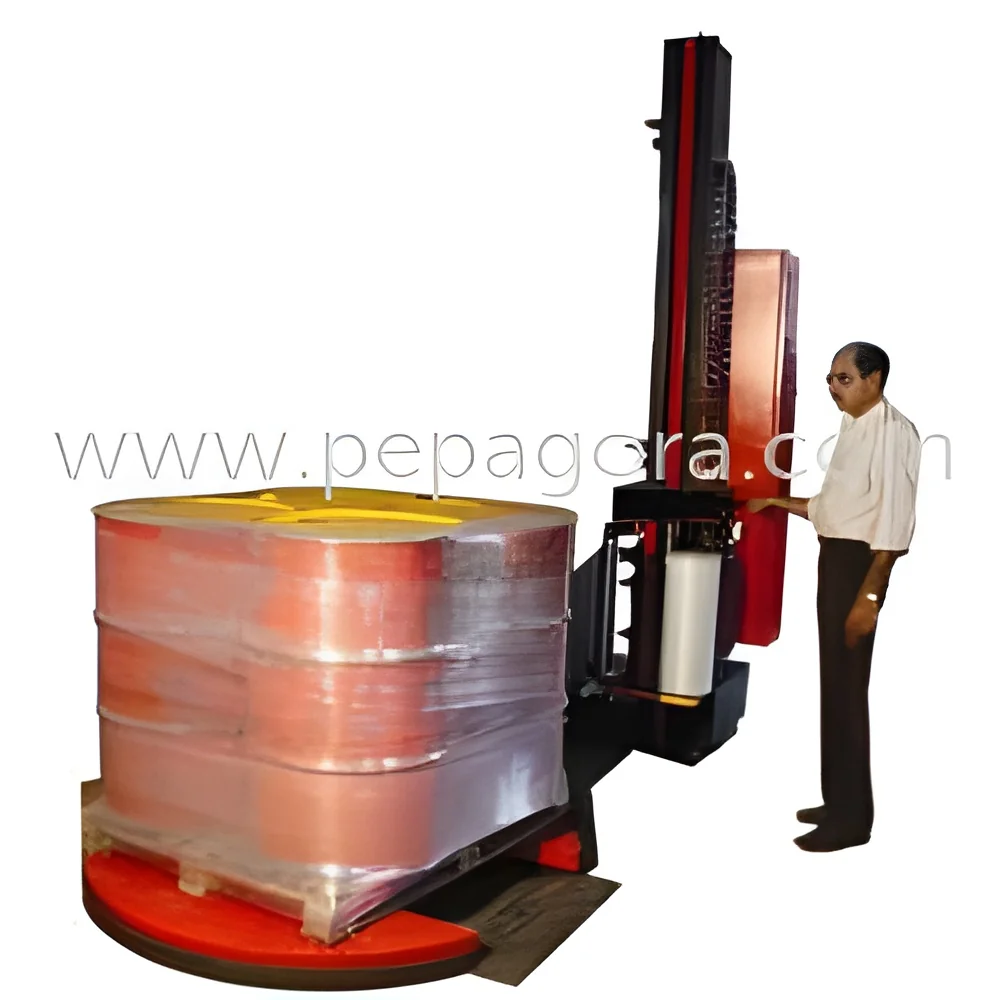
Stretch wrapping machines are industrial devices designed to wrap products and pallets in stretch film for protection during storage and transportation. These machines use elastic plastic film to create a tight and secure wrap around items, ensuring they remain stable and intact. The wrapping process is essential in various industries where goods need to be safeguarded against dust, moisture, and damage while being moved or stored.
These machines are widely used in sectors such as packaging, warehousing, and logistics. They can be employed to wrap numerous types of products, from food items to heavy machinery. By automating the wrapping process, companies can enhance operational efficiency, reduce labor costs, and minimize product damage. In today's competitive market, the demand for stretch wrapping machines continues to grow as businesses seek reliable solutions for their packaging needs.
As industries evolve, the relevance of stretch wrapping machines becomes increasingly apparent. With advancements in technology, these machines now offer improved features and capabilities, making them indispensable in modern supply chains. The rise of e-commerce and global trade has further solidified their importance, as businesses look to optimize their packaging processes for better customer satisfaction.
Key Features and Specifications
Stretch wrapping machines come with various features designed to enhance efficiency and reliability in packaging processes. Understanding these specifications is crucial for businesses looking to invest in this equipment.
Key specifications include:
1. Wrapping Speed
- The speed at which the machine can wrap pallets, typically measured in pallets per hour.
- Ranges from 20 to 120 pallets per hour, depending on the model.
2. Film Width
- The width of the stretch film that the machine can accommodate.
- Common widths range from 12 to 30 inches.
3. Machine Type
- Includes rotary arm, turntable, and robotic stretch wrappers.
- Each type offers distinct advantages based on the application.
4. Control System
- The interface through which operators control the wrapping process, often featuring digital displays.
- Options include manual, semi-automatic, and fully automated systems.
5. Power Source
- The type of energy required to operate the machine, such as electric or pneumatic.
- Electric models are standard, while pneumatic options are available for specific applications.
6. Safety Features
- Includes emergency stop buttons, safety guards, and automatic shut-off systems.
- These features ensure operator safety during the wrapping process.
7. Customization Options
- Many machines offer customizable settings for wrap tension, film overlap, and height adjustments.
- This flexibility allows businesses to tailor the wrapping process to their specific product requirements.
8. Compliance Standards
- Machines often meet industry standards such as CE certification, ensuring they adhere to safety and quality regulations.
In summary, understanding the key features and specifications of stretch wrapping machines helps businesses make informed purchasing decisions. This knowledge is essential for choosing the right machine that meets specific operational needs.
Common Applications and Use Cases
Stretch wrapping machines serve various industries, showcasing their versatility and importance in modern packaging.
1. Food and Beverage: In this sector, stretch wrapping machines are used to secure pallets of packaged goods, ensuring they remain hygienic and undamaged during transport.
2. Pharmaceuticals: These machines play a critical role in wrapping medical supplies and medications, protecting them from contamination and ensuring compliance with industry regulations.
3. Consumer Goods: Stretch wrapping is commonly used for packaging household products, cosmetics, and electronics, providing stability and protection during distribution.
4. Construction: In the construction industry, these machines wrap heavy machinery and building materials, preventing damage and facilitating easier handling and shipping.
5. Logistics and Warehousing: Stretch wrapping machines streamline the packaging of goods for storage and transport, enhancing efficiency in large-scale distribution centers.
6. Automotive: The automotive industry utilizes these machines to wrap parts and finished vehicles, protecting them from environmental factors and damage.
7. Chemicals: In the chemical sector, stretch wrapping machines ensure the safe packaging of hazardous materials, complying with strict safety regulations.
Product Variants and Subcategories
Stretch wrapping machines come in various types and configurations, catering to different operational needs.
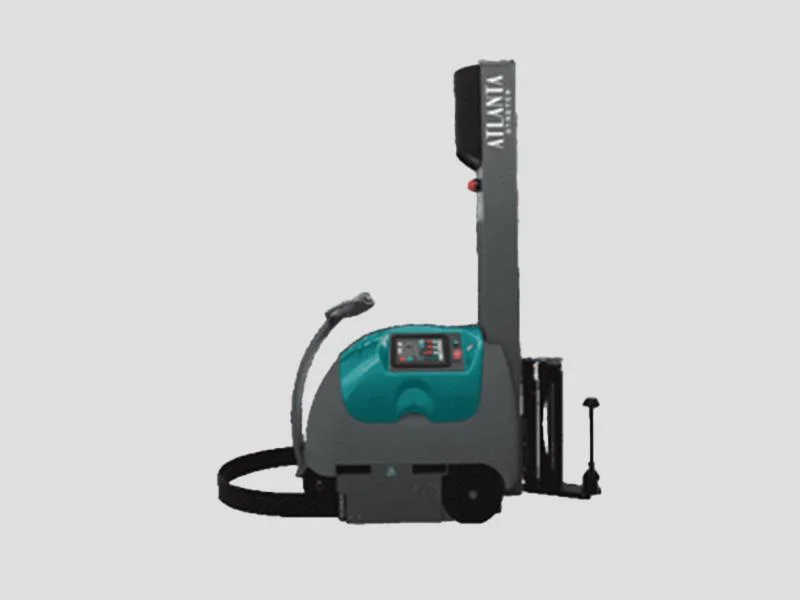
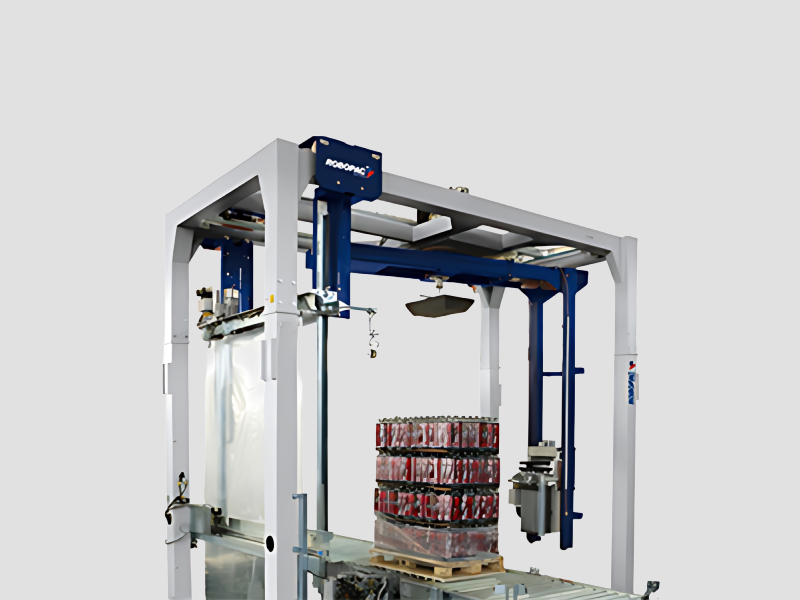
Rotary Arm Stretch Wrapping Machines: These machines feature a rotating arm that wraps film around stationary pallets. They are ideal for high-speed applications and can handle various pallet sizes.
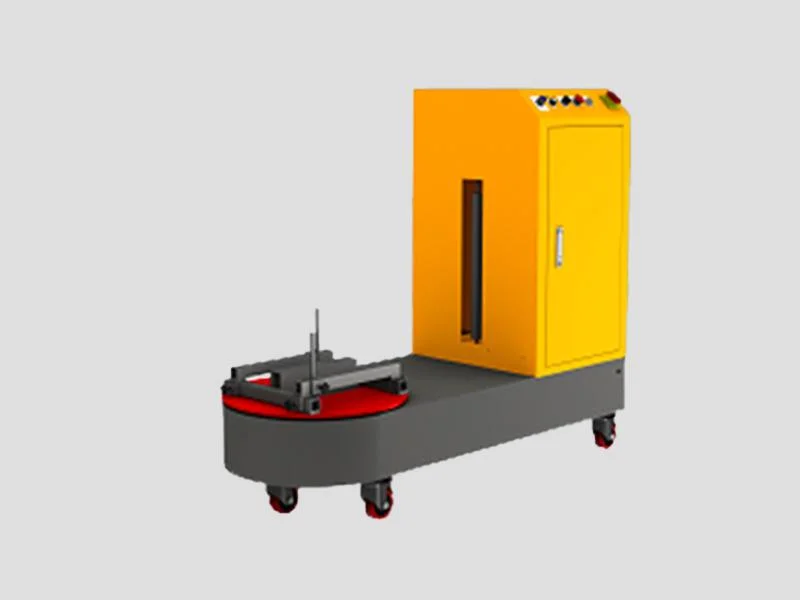
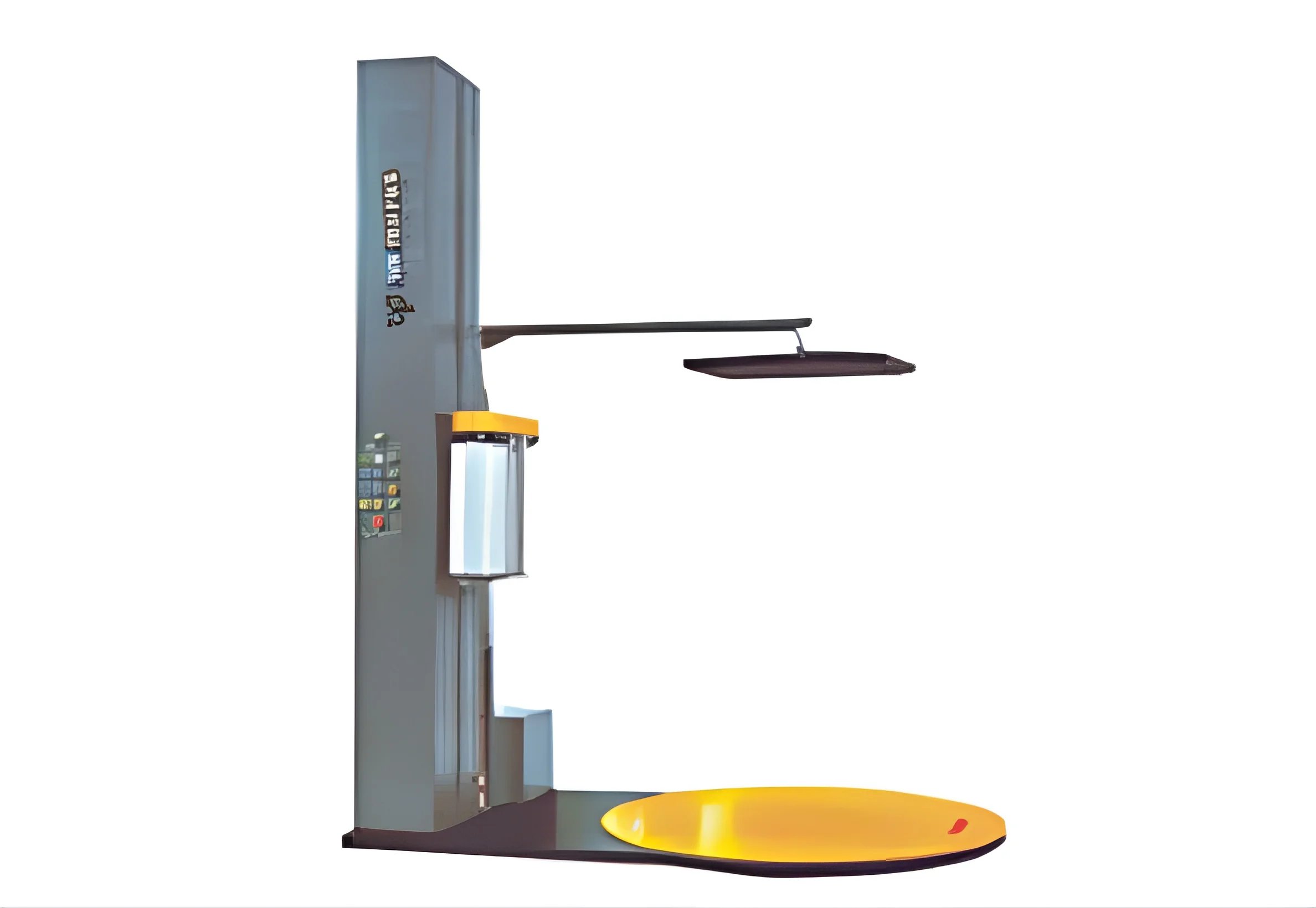
Turntable Stretch Wrapping Machines: With a rotating turntable, these machines wrap products in a circular motion. They are suitable for low to medium-speed operations and compact spaces.
Robotic Stretch Wrapping Machines: These automated systems use robotic arms to wrap pallets. They offer flexibility and can easily adapt to different product sizes and shapes.
Semi-Automatic Stretch Wrapping Machines: These machines require some manual input from operators, making them cost-effective for smaller operations. They provide reliable wrapping without full automation.
Fully Automatic Stretch Wrapping Machines: Designed for high-volume operations, these machines operate independently, wrapping pallets with minimal human intervention.
Benefits and Advantages
Investing in stretch wrapping machines offers several key benefits to businesses looking to enhance their packaging processes.
1. Increased Efficiency: Automating the wrapping process significantly speeds up operations, allowing companies to handle more products in less time.
2. Cost Savings: By reducing labor costs and minimizing product damage, businesses can achieve substantial savings on overall operational expenses.
3. Improved Product Protection: Stretch wrapping machines provide a tight seal around products, safeguarding them against dust, moisture, and physical damage.
4. Consistent Quality: These machines ensure uniform wrapping every time, maintaining a consistent standard of quality across all packaged goods.
5. Flexibility: With various models and customizable options, businesses can select machines tailored to their specific needs and product types.
6. Enhanced Safety: The incorporation of safety features reduces the risk of accidents, creating a safer working environment for employees.
Buying Guide for B2B Buyers
When sourcing stretch wrapping machines, various factors must be considered to ensure an informed purchase.
1. Quality Assessment: Evaluate machine quality by reviewing manufacturer reputation and user feedback. Look for machines that adhere to relevant industry standards.
2. Supplier Verification: Vet potential suppliers by checking their certifications, customer references, and history in the industry. Reliable suppliers should have a proven track record.
3. Pricing and MOQ: Consider the price range of stretch wrapping machines and inquire about minimum order quantities. Assess whether the investment aligns with your budget and operational needs.
4. Delivery and Lead Times: Discuss delivery schedules and lead times with suppliers. Timely delivery is essential for maintaining production schedules and customer satisfaction.
5. Compliance Requirements: Ensure that the machines meet local and international compliance standards. This includes safety certifications and adherence to industry regulations.
Compliance and Certifications
Stretch wrapping machines must comply with various quality standards and certifications to ensure their safety and efficacy in industrial applications. Key standards include ISO 9001, which outlines quality management systems, and CE certification, which indicates compliance with European safety regulations.
These machines may also be subject to safety and testing requirements to guarantee they operate effectively and safely. In addition, regional compliance considerations can vary, necessitating that buyers understand the specific regulations relevant to their location.
Ensuring compliance with these standards is crucial for businesses, as it not only enhances product safety but also builds trust with customers and partners. Proper certification can also facilitate smoother operations across borders, especially in global trade.
Why Source Stretch Wrapping Machines from Pepagora?
Pepagora provides a trusted platform for sourcing stretch wrapping machines, offering several key advantages for B2B buyers.
Verified Supplier Network: Pepagora ensures that all suppliers on the platform are thoroughly vetted, providing buyers with confidence in their purchasing decisions. This network of verified suppliers guarantees quality and reliability.
Streamlined RFQ Process: The Request for Quotation (RFQ) process on Pepagora is designed to be user-friendly, allowing buyers to easily compare quotes and specifications from multiple suppliers. This streamlines the purchasing process and aids in securing the best deals.
Trade Assurance and Support: Pepagora offers trade assurance to protect buyers during transactions, ensuring that they receive the products as promised. Additionally, customer support is readily available to assist with any inquiries or issues.
Regional Coverage: With a strong presence in regions like India, the GCC, and Southeast Asia, Pepagora connects buyers with suppliers that can meet their local needs. This geographic reach enables businesses to source stretch wrapping machines that suit their specific operational contexts.

 IN
IN