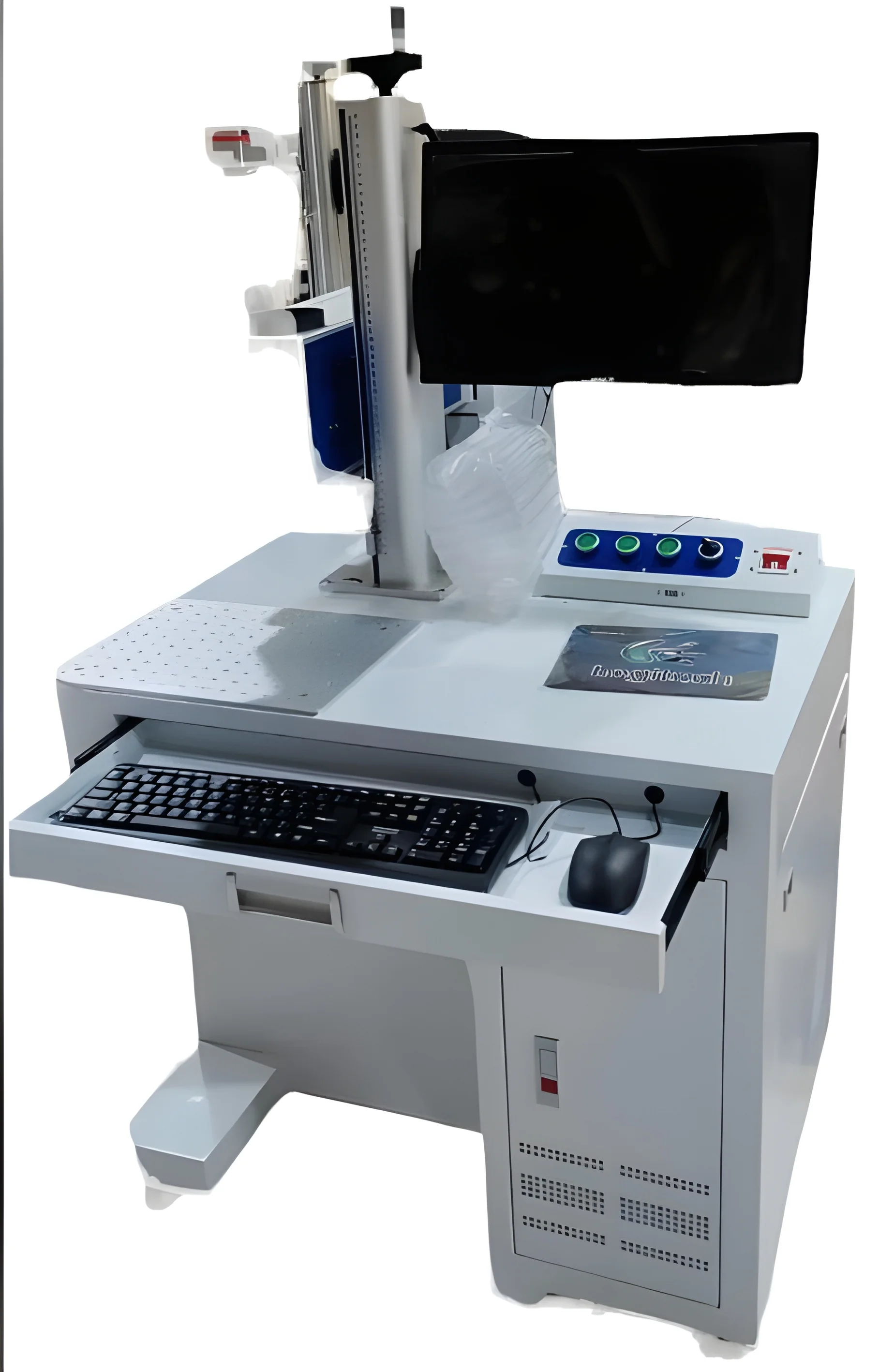
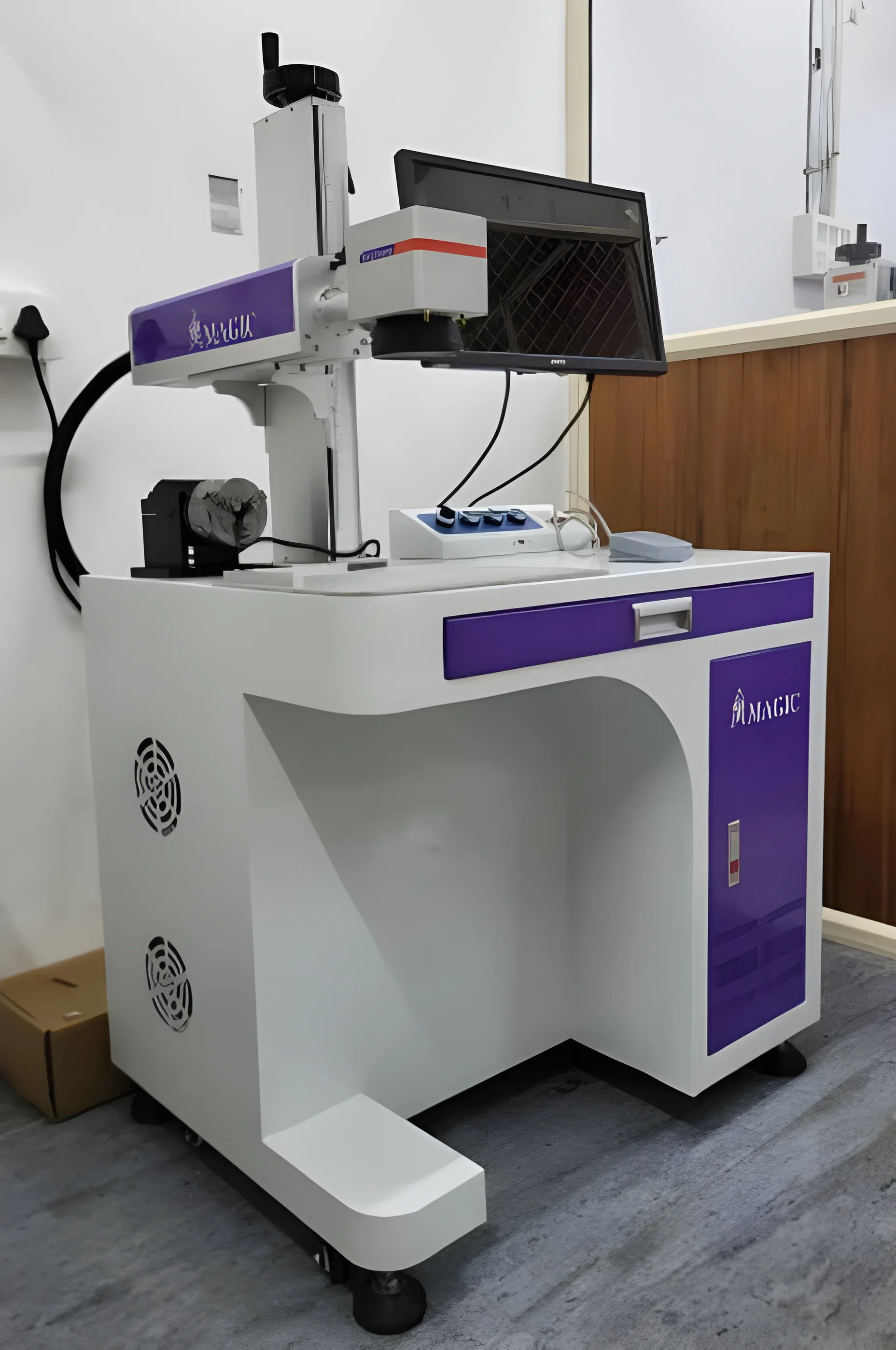
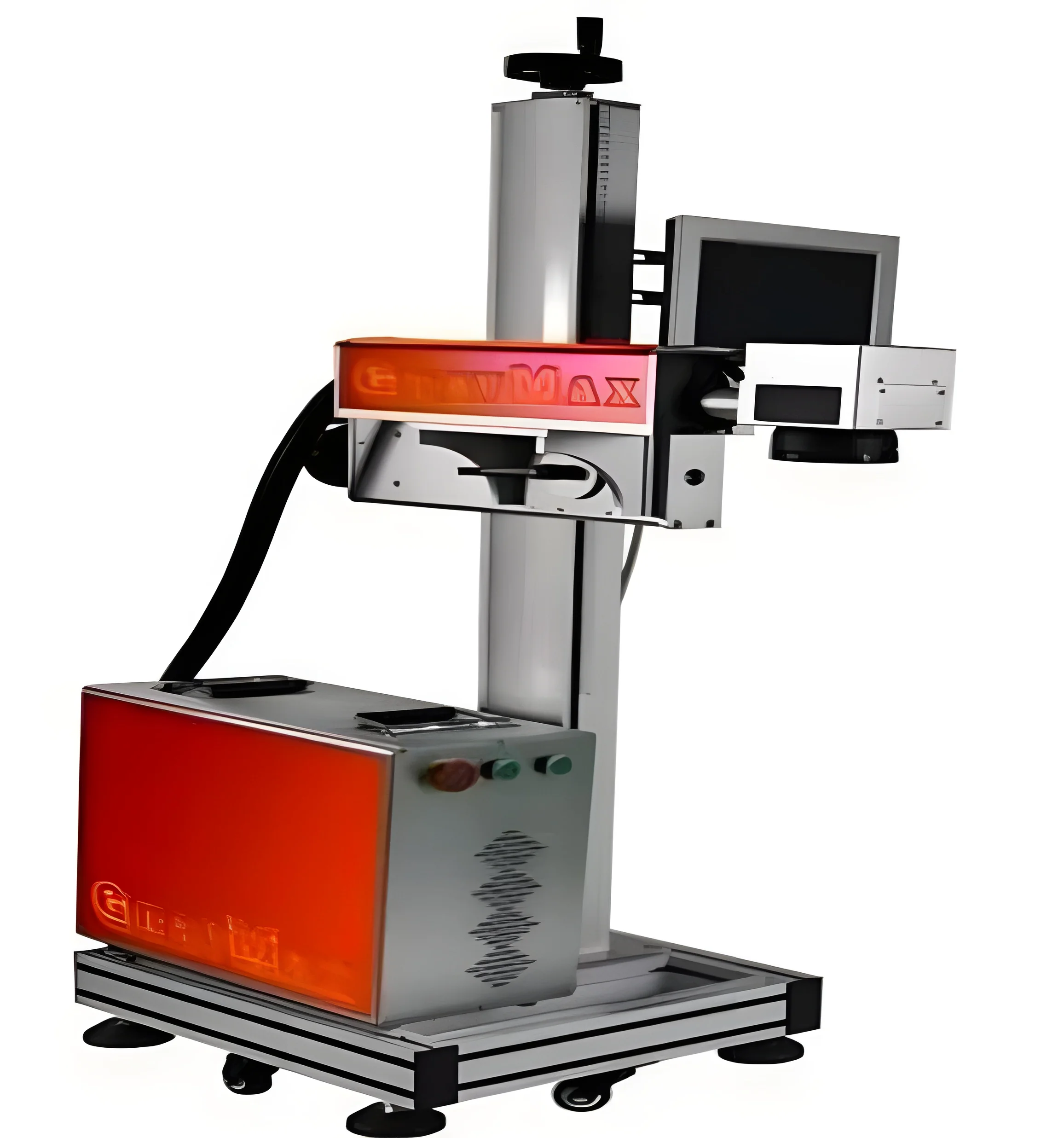
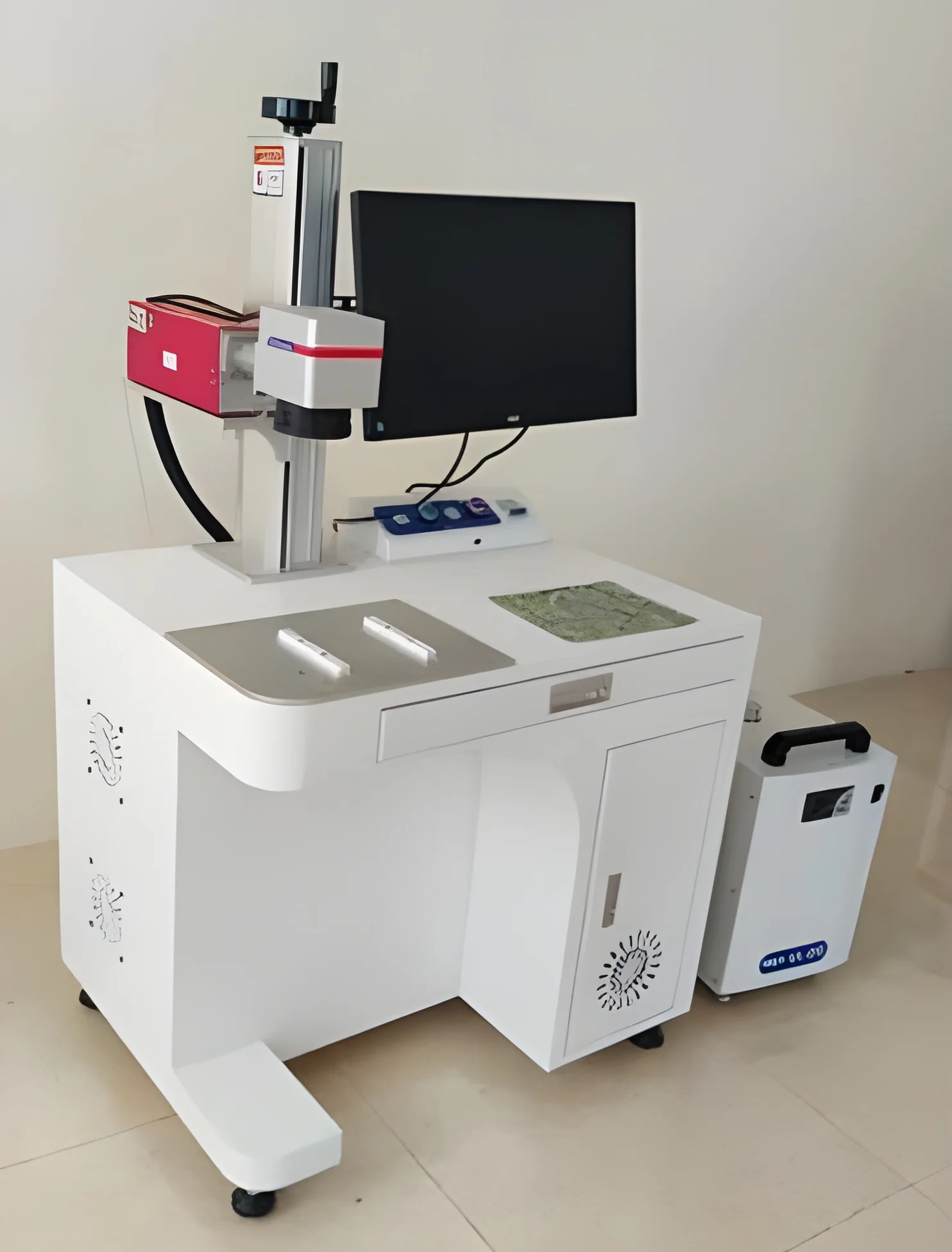
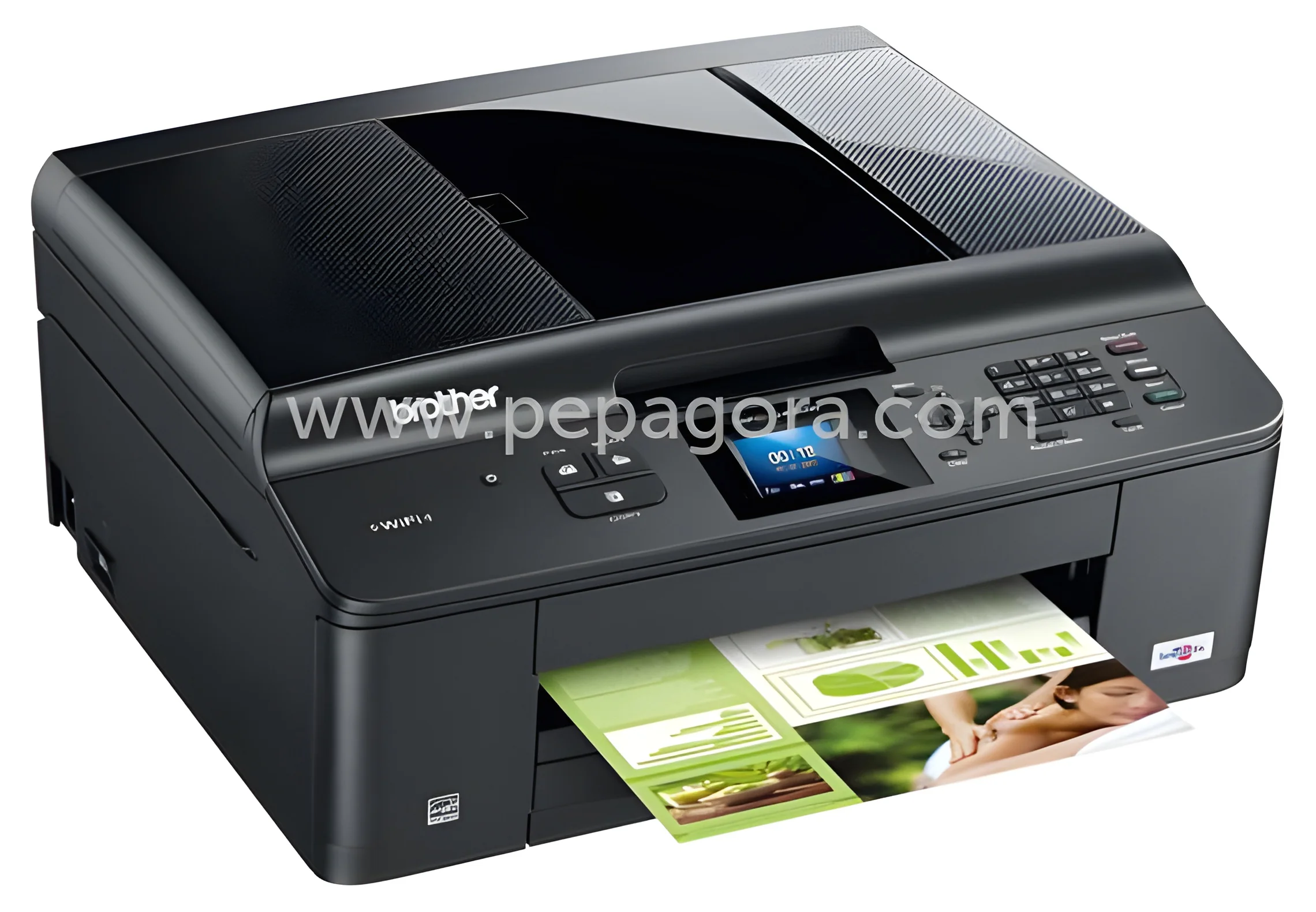
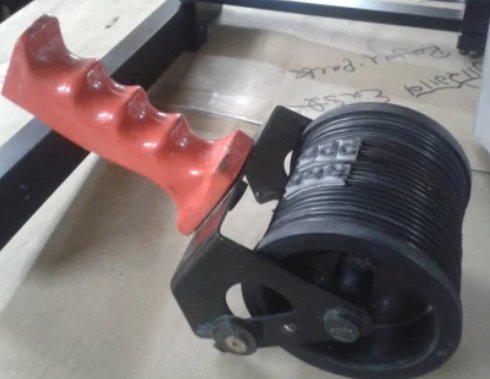
What are Inkjet & Laser Coding Systems?
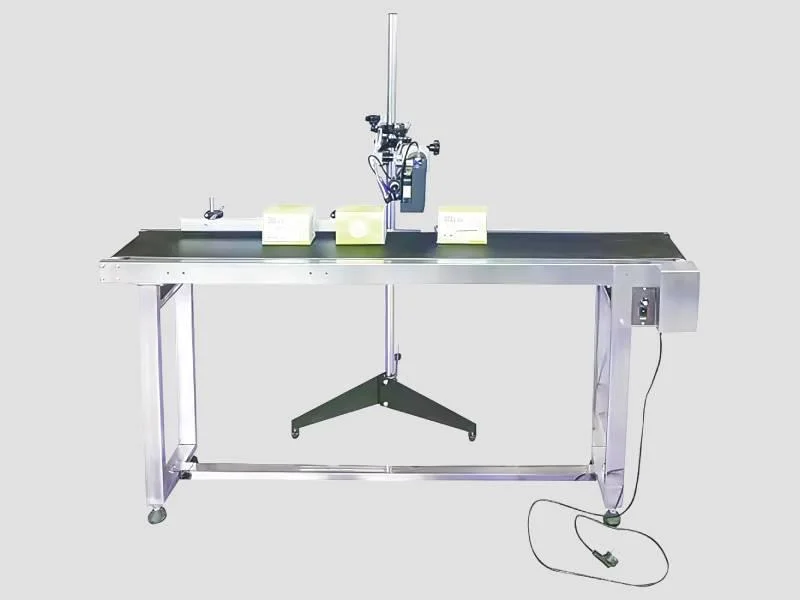
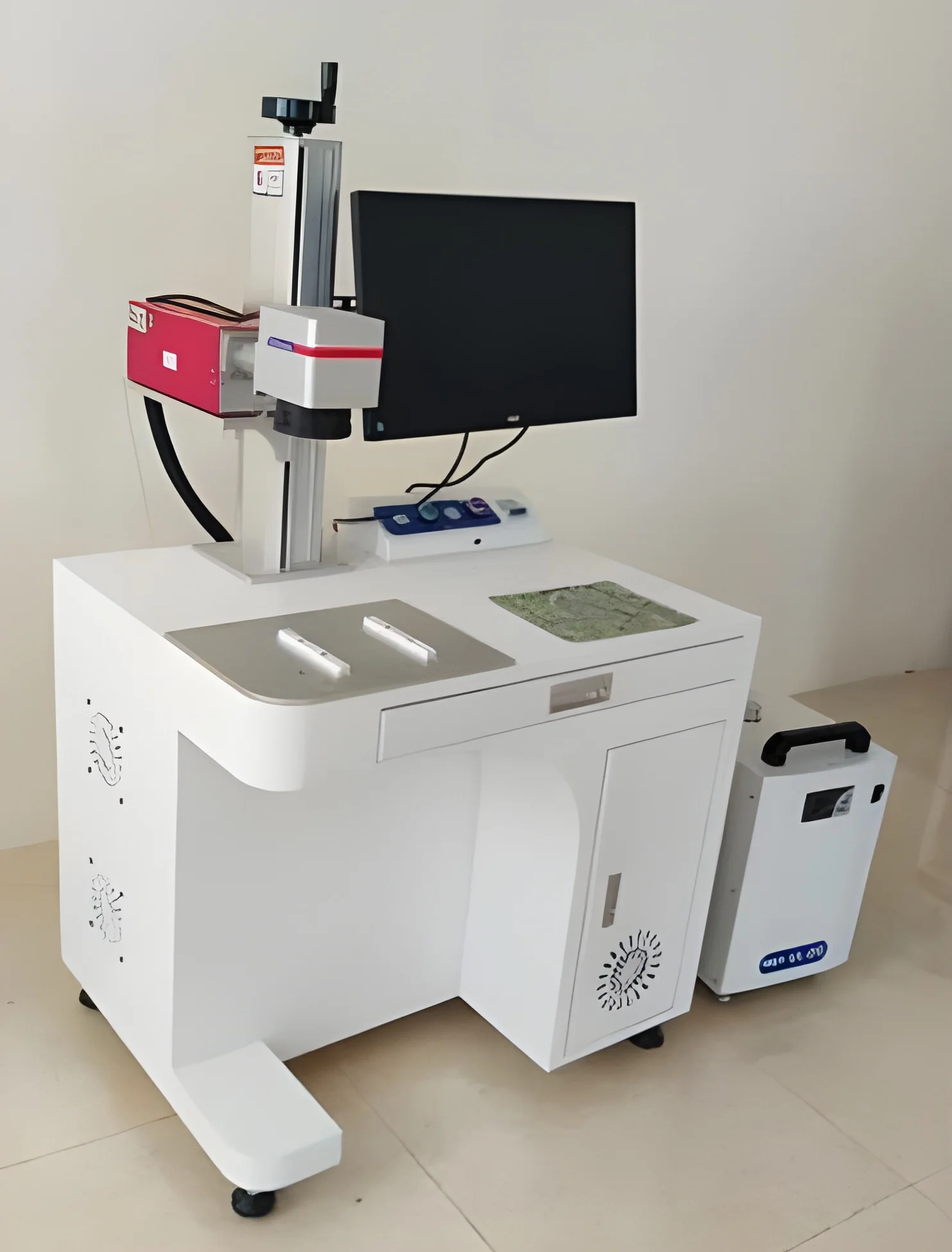
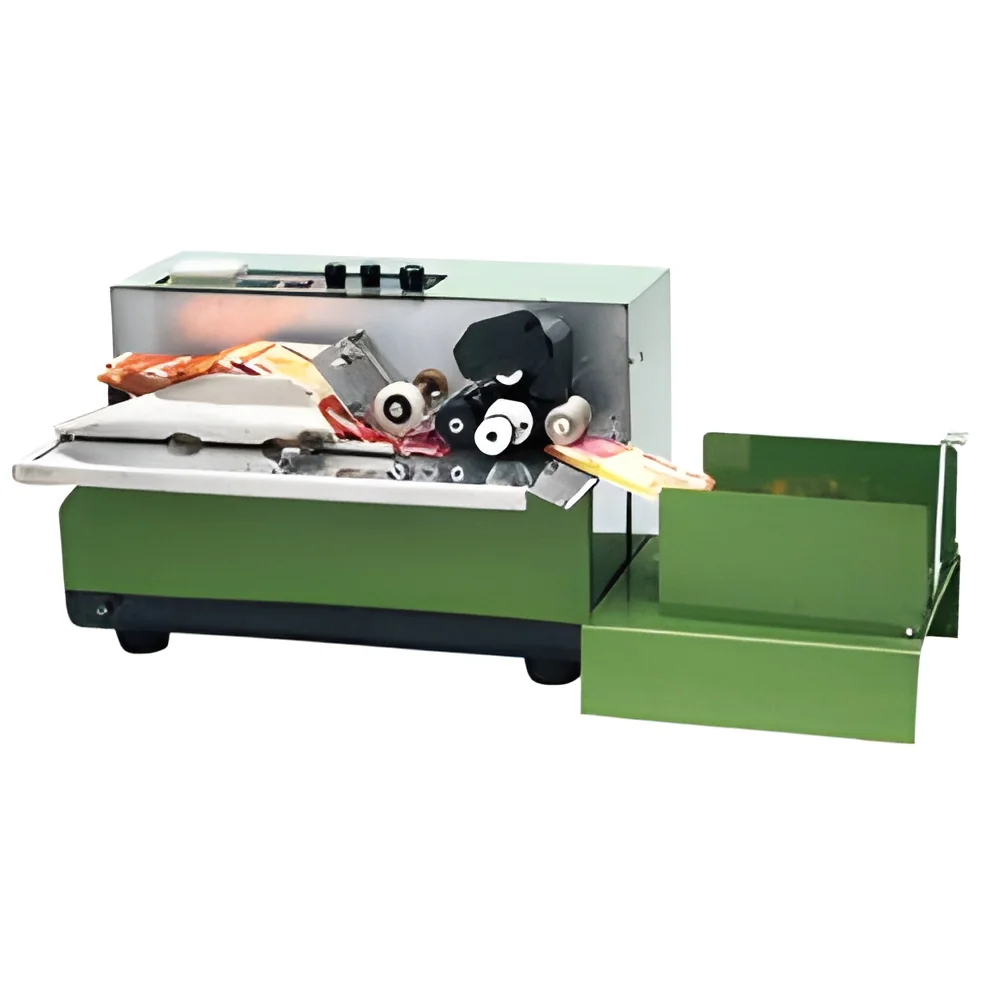
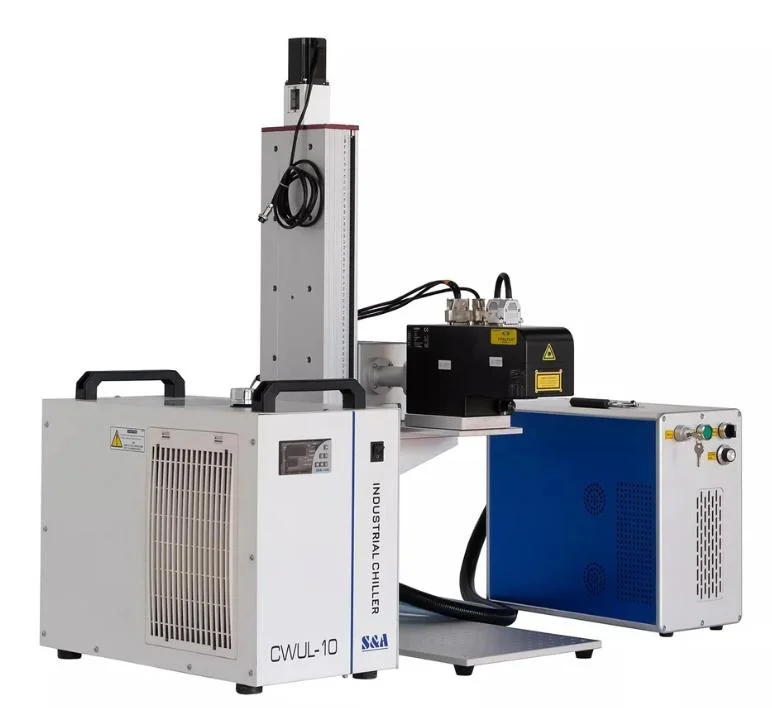
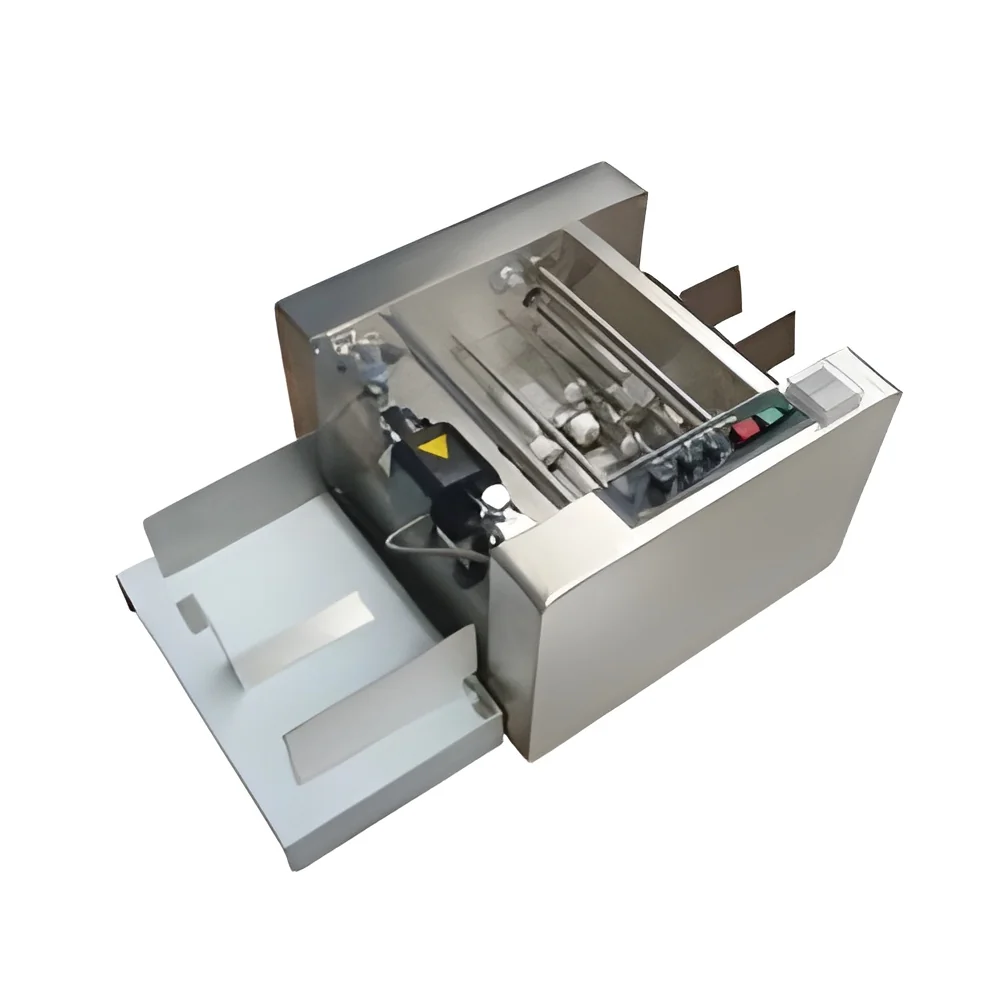
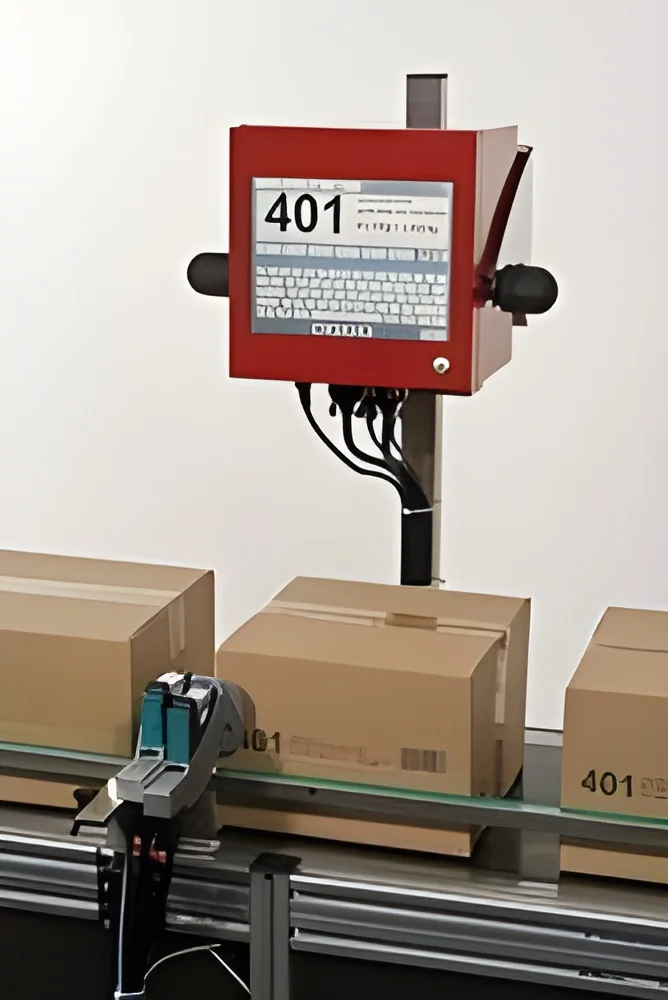
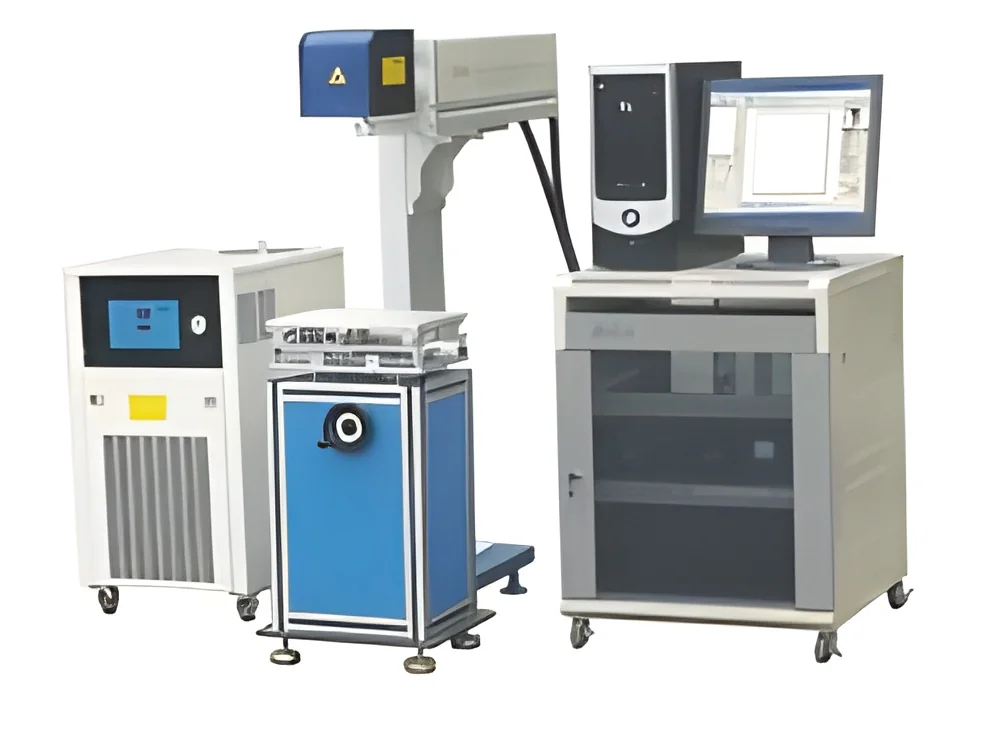
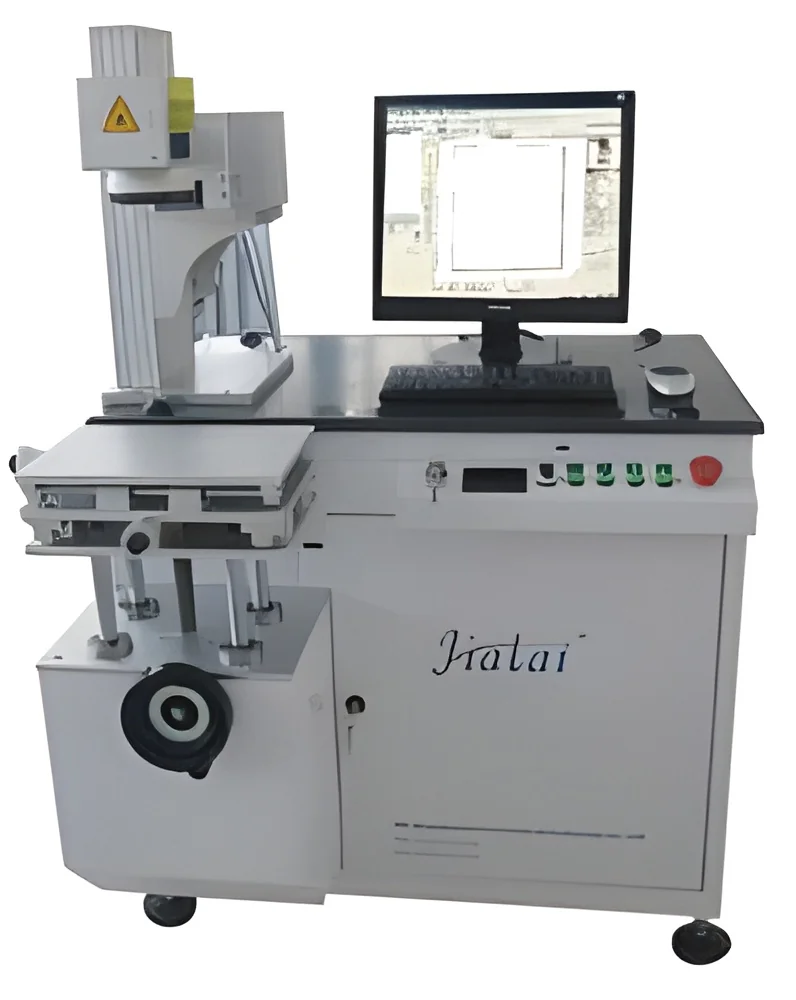
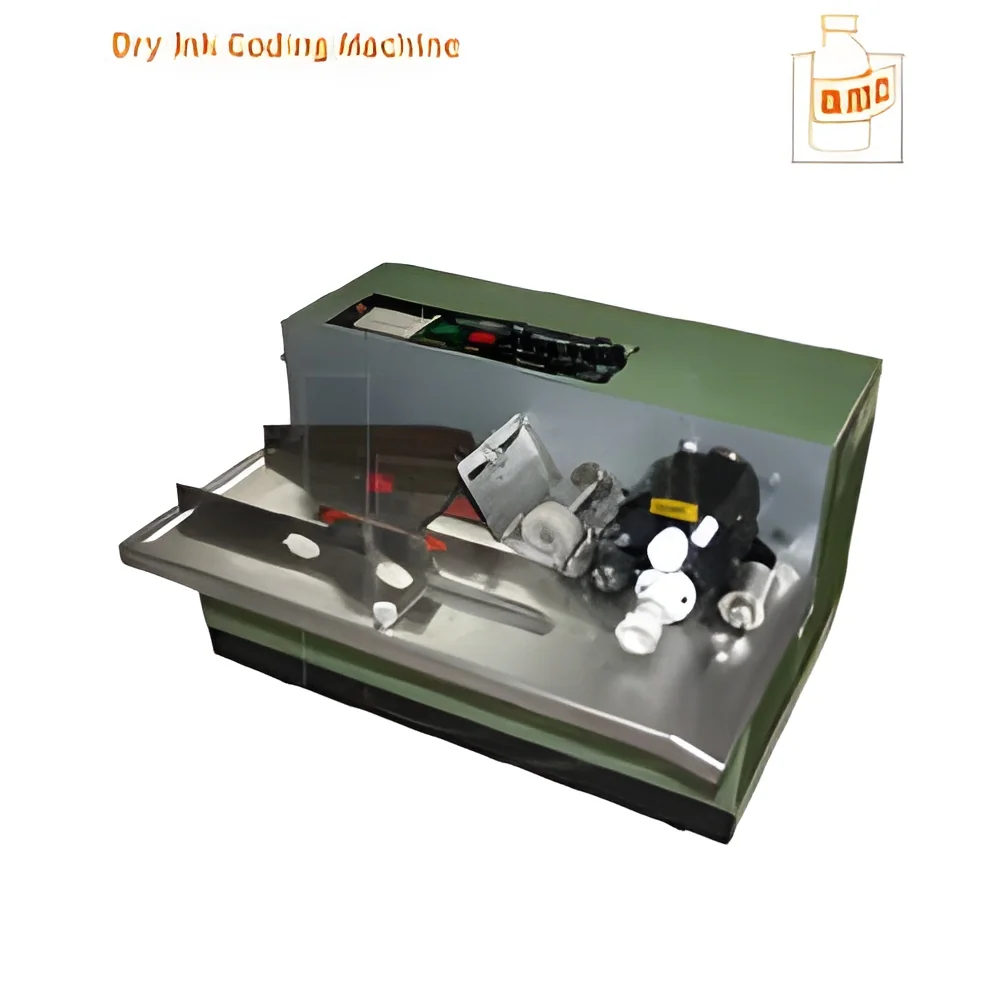
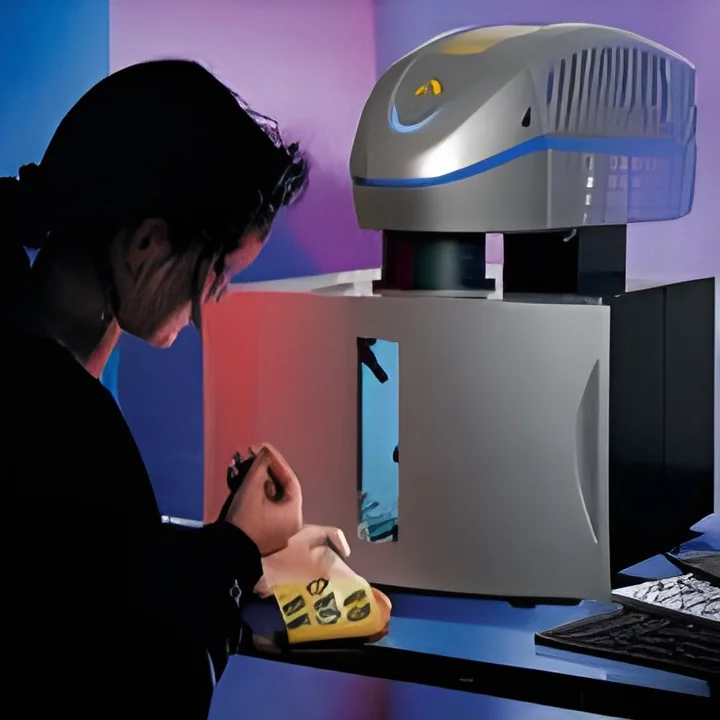
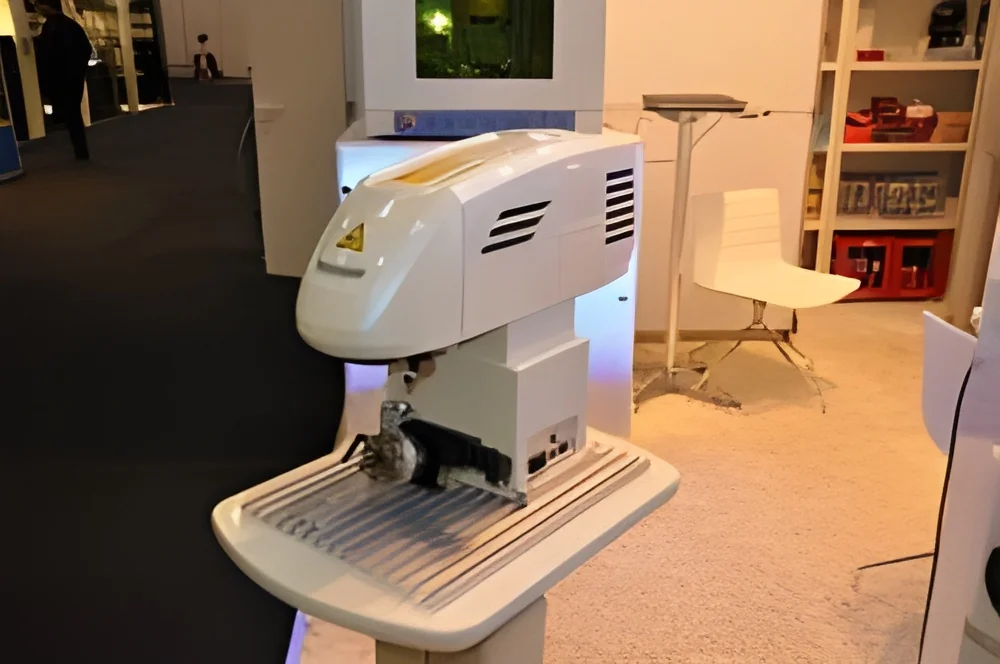
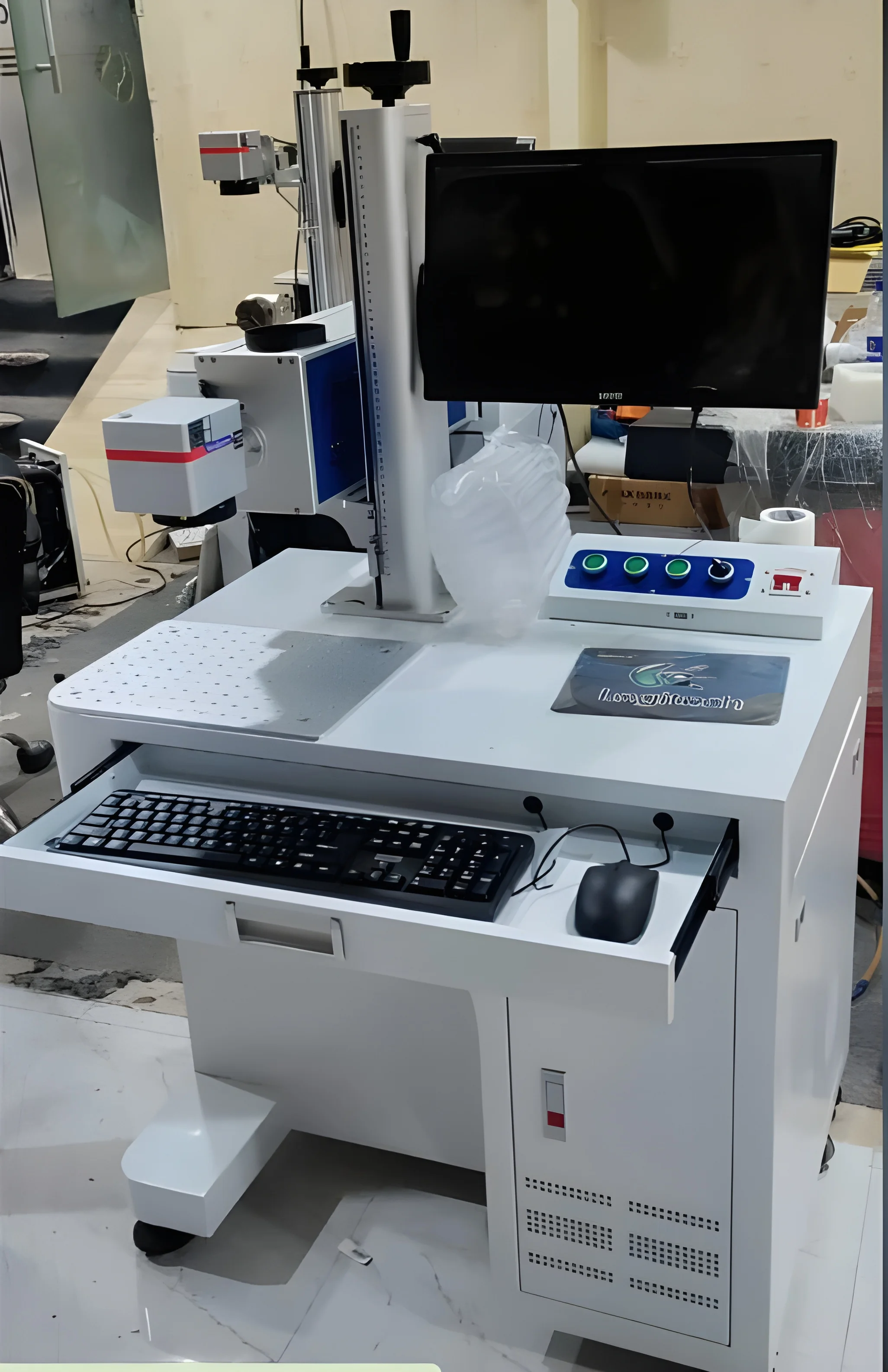
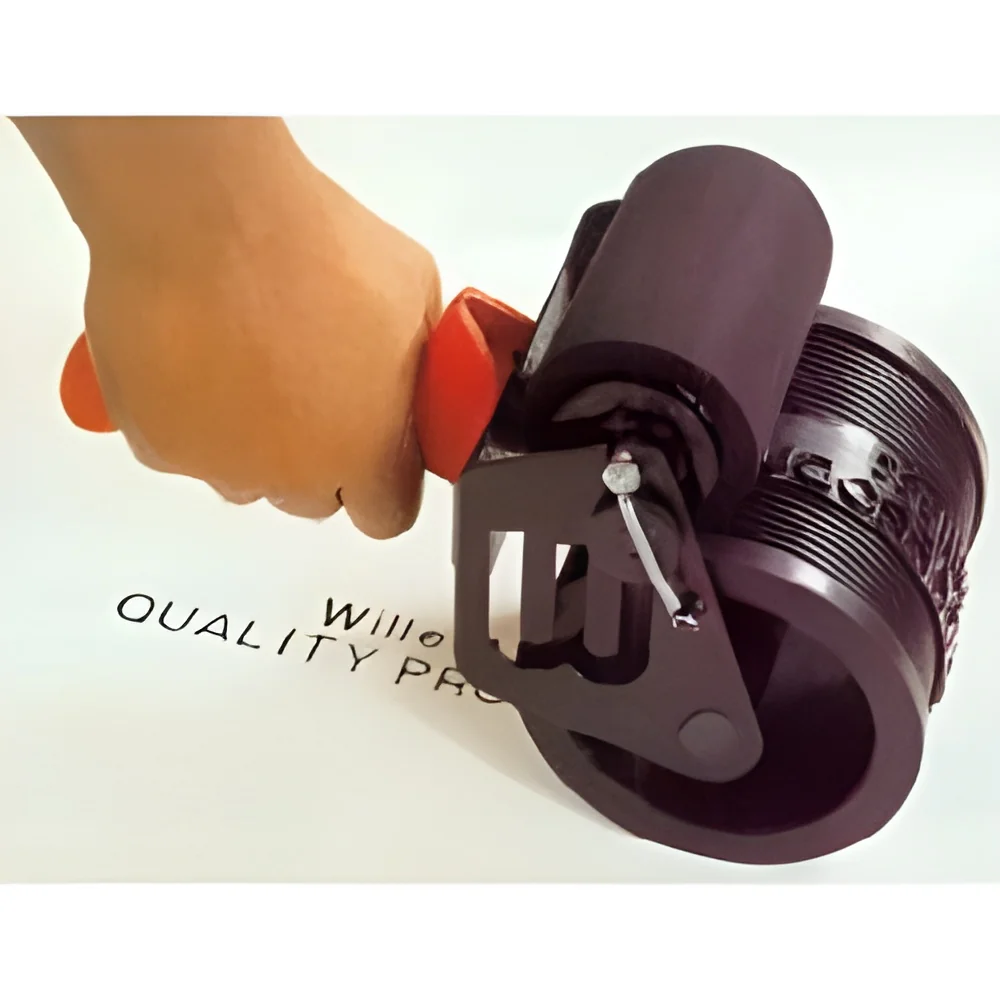
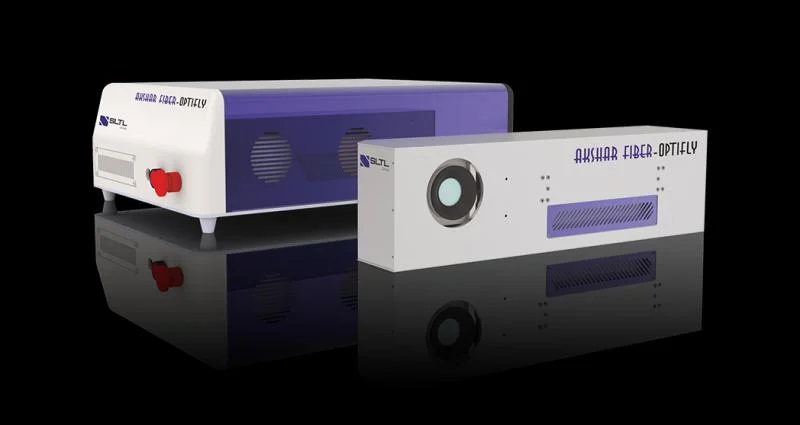
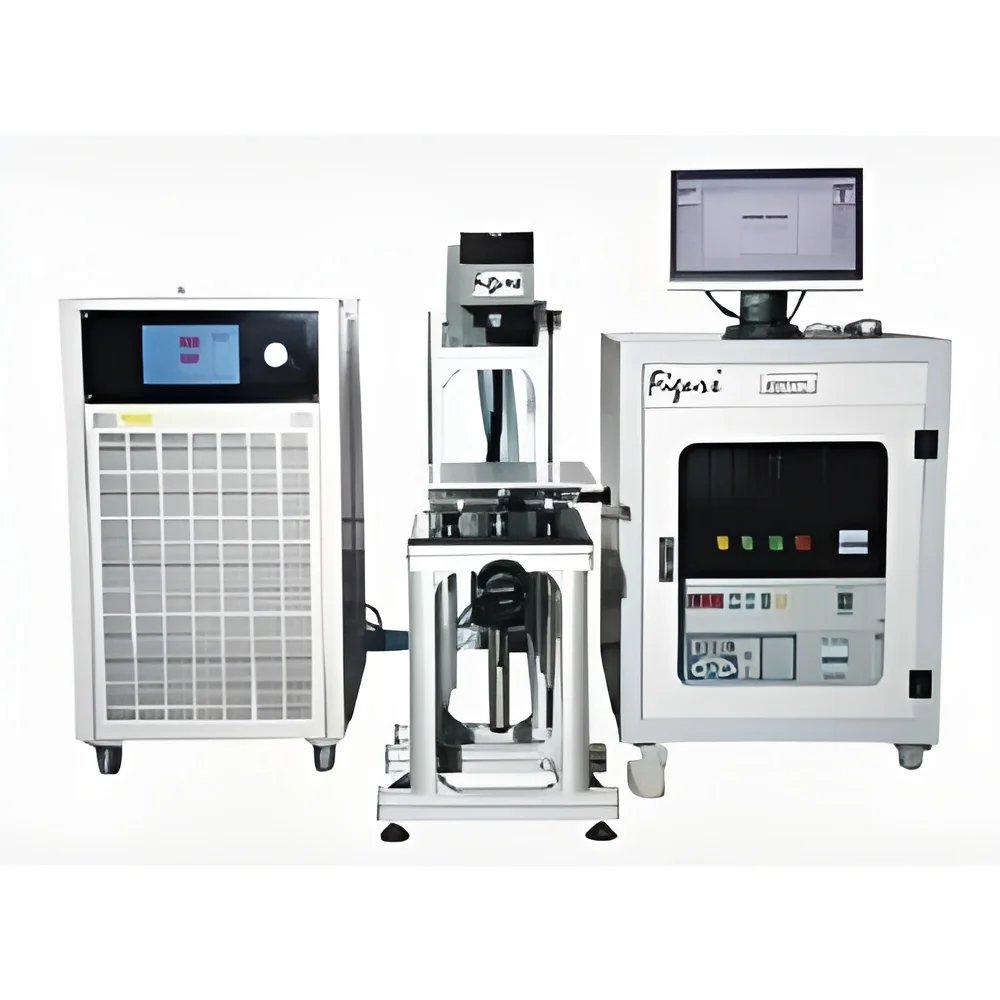
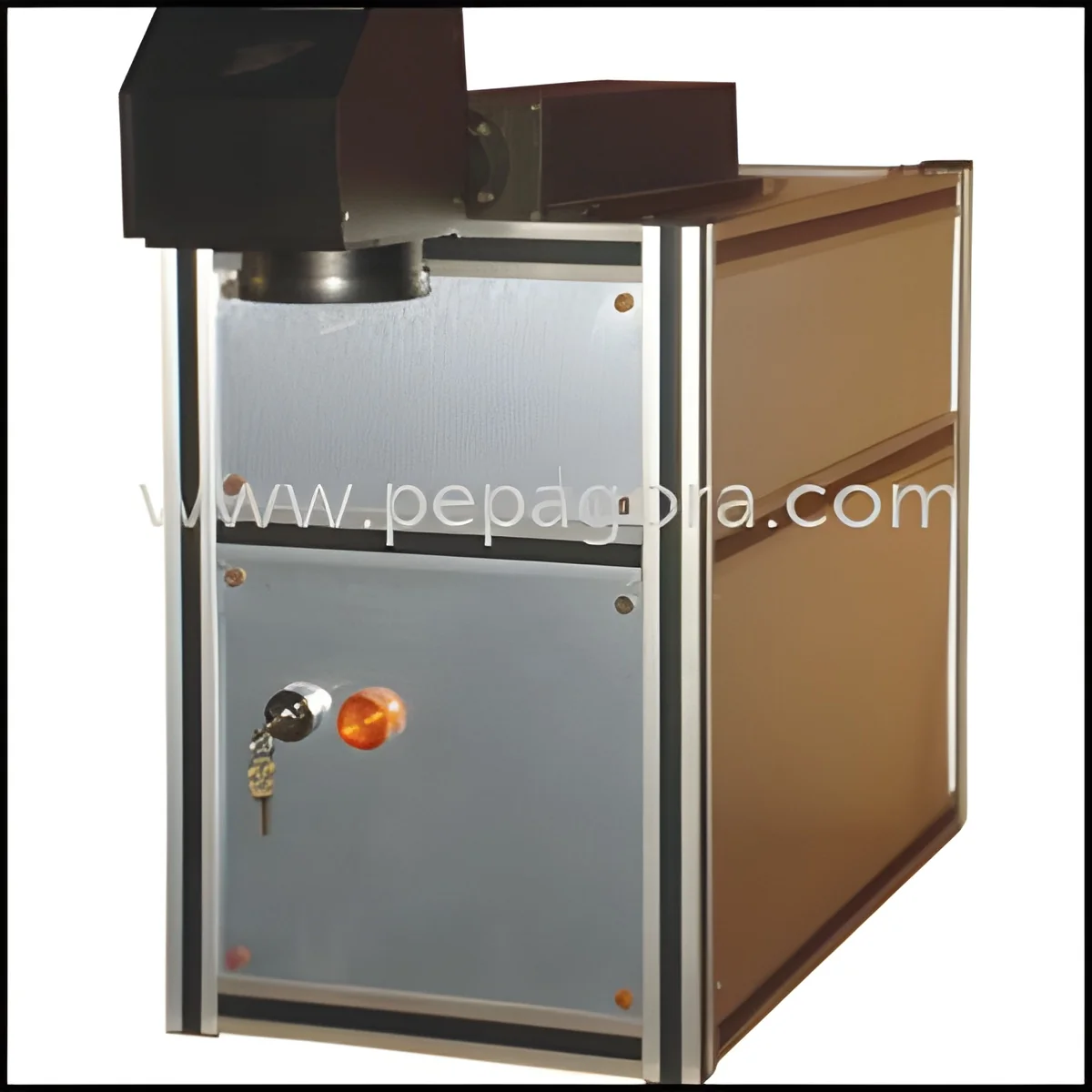
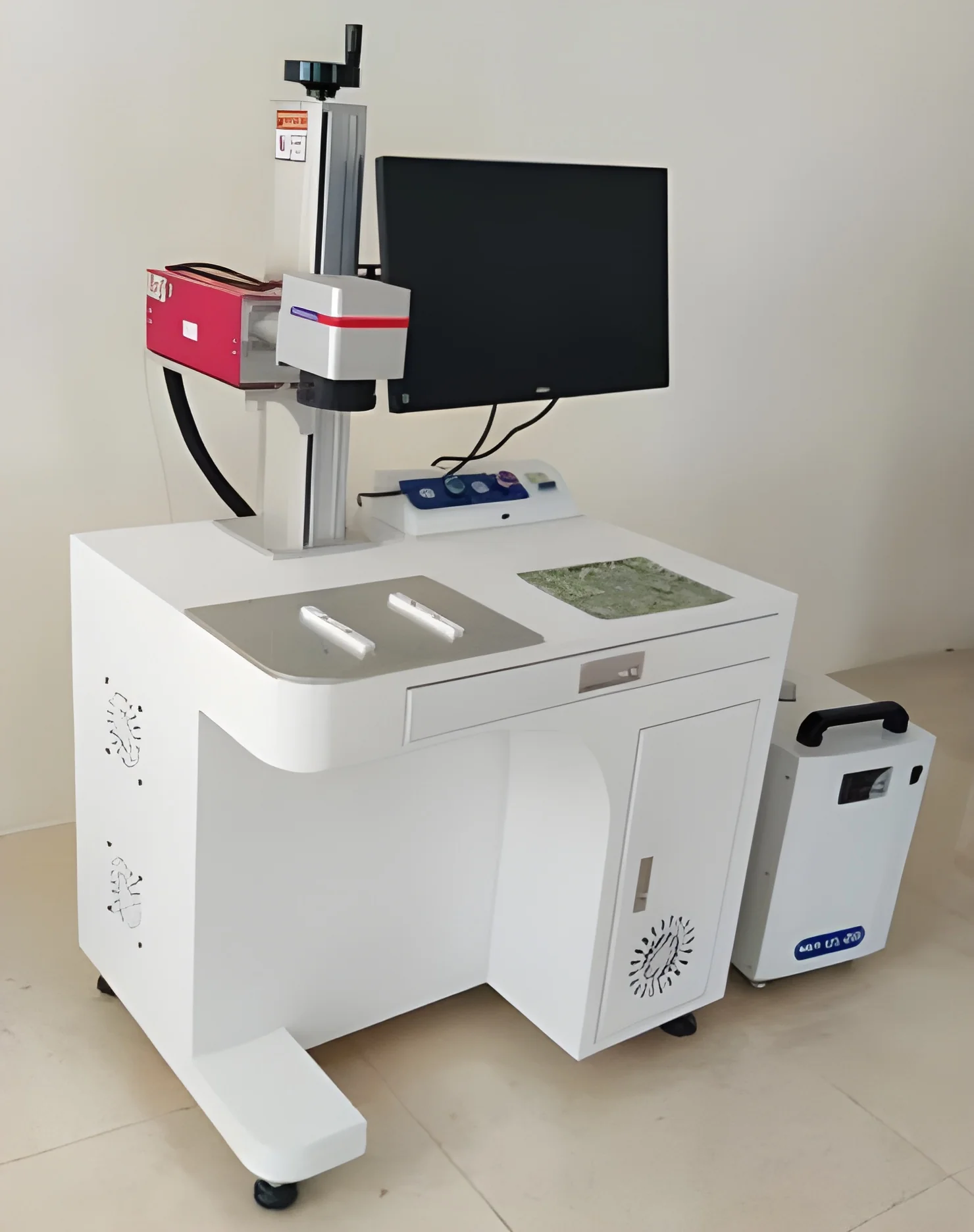
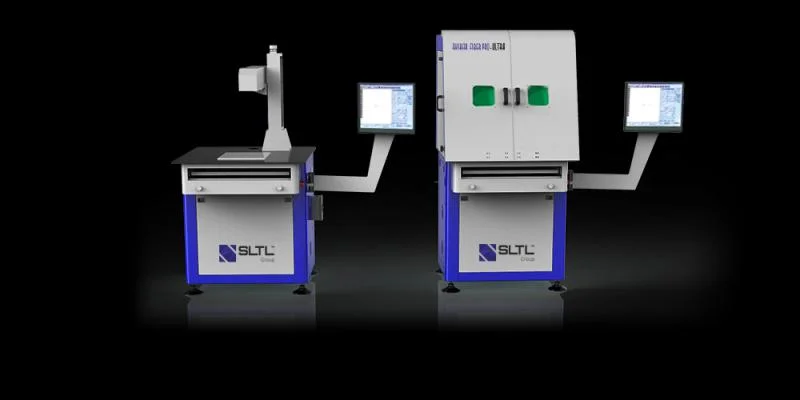
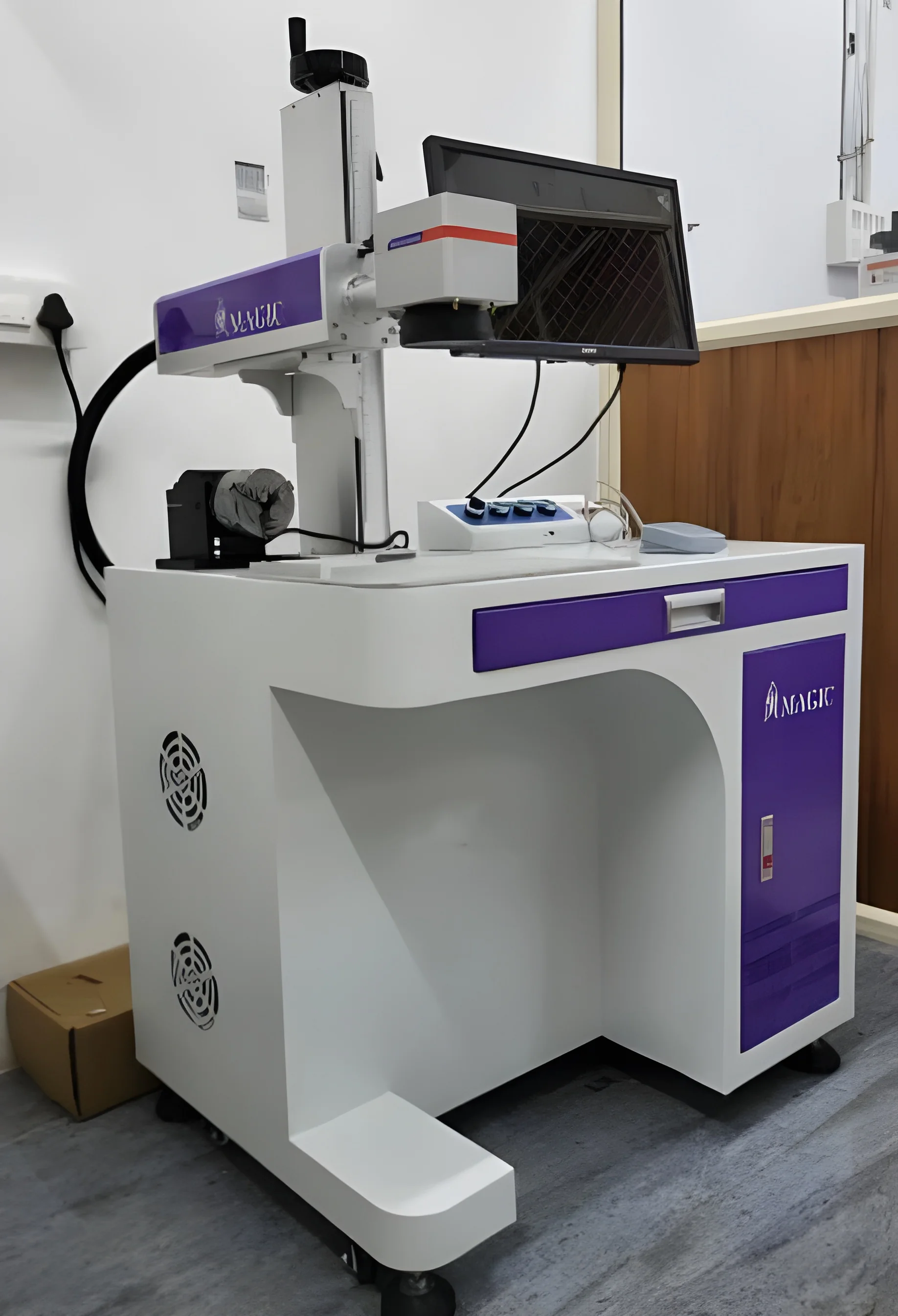
Inkjet and laser coding systems are advanced technologies used for marking and coding products, packaging, and labels with essential information such as expiration dates, batch numbers, and barcodes. Inkjet systems operate by ejecting tiny droplets of ink onto surfaces, allowing for high-speed printing across various materials. Laser coding systems utilize focused laser beams to engrave or mark surfaces, providing a permanent and durable solution without the need for consumables like ink.
These systems find primary applications in industries such as food and beverage, pharmaceuticals, cosmetics, and electronics. They are essential for ensuring compliance with regulatory requirements, improving traceability in supply chains, and enhancing brand visibility. As businesses increasingly prioritize automation and efficiency, the demand for reliable coding systems continues to grow, positioning inkjet and laser solutions as integral components of modern production lines.
In the current market landscape, inkjet and laser coding systems are pivotal for maintaining product integrity and safety. The integration of these technologies supports manufacturers in meeting stringent quality standards and consumer expectations. With continual advancements in coding technology, businesses are better equipped to adapt to changing market demands, ensuring competitive advantages across various sectors.
Key Features and Specifications
Inkjet and laser coding systems come equipped with a variety of features designed to enhance their performance and usability. Understanding these specifications is crucial when selecting the right system for specific applications.
Key specifications include:
1. Print Speed
- Refers to the number of products that can be coded per minute.
- Speed can range from 30 to 600 products per minute depending on the system.
2. Print Resolution
- Indicates the clarity and detail of the printed information.
- Typically measured in DPI (dots per inch), with common resolutions ranging from 300 DPI to 1200 DPI.
3. Ink Types (for Inkjet Systems)
- Various ink options are available, including solvent-based, water-based, and UV-curable inks.
- Compatibility with different substrates is crucial for application effectiveness.
4. Laser Power (for Laser Systems)
- Laser systems come with varying power outputs measured in watts.
- Common power options range from 10W to 100W, impacting engraving speed and material compatibility.
5. Operating Environment
- Systems may have specific requirements regarding temperature and humidity levels.
- Typical operational ranges are not specified; users should refer to manufacturer guidelines.
6. Interface and Software
- User-friendly software is essential for programming codes and managing print jobs.
- Many systems offer touchscreen interfaces and compatibility with various operating systems.
7. Maintenance and Support
- Regular maintenance is vital for optimal performance.
- Some systems offer remote diagnostics and support to minimize downtime.
8. Compliance Standards
- Many systems adhere to industry standards such as CE certification.
- Compliance ensures safety and quality assurance in manufacturing processes.
In summary, the key features and specifications of inkjet and laser coding systems play a critical role in their functionality and effectiveness in diverse applications.
Common Applications and Use Cases
Inkjet and laser coding systems are versatile tools used across various sectors, enhancing productivity and compliance.
1. Food and Beverage: These systems are extensively used for printing expiration dates, batch codes, and nutritional information directly onto packaging, ensuring consumer safety and regulatory compliance.
2. Pharmaceuticals: In this industry, coding systems mark essential information on product packaging, including dosage instructions and barcodes, which are critical for traceability and quality control.
3. Cosmetics: Inkjet and laser coding systems help in labeling products with ingredient lists, expiration dates, and barcodes, ensuring transparency and regulatory adherence.
4. Electronics: Coding systems are used to mark serial numbers and compliance information on electronic devices, facilitating tracking and warranty management.
5. Automotive: These systems are employed to print part numbers and manufacturing dates on components, aiding in quality assurance and inventory management.
6. Chemicals: Inkjet and laser systems provide necessary labeling for hazardous materials, including safety warnings and handling instructions, which are essential for compliance.
7. E-commerce: As online shopping continues to rise, these systems are vital for marking packaging with tracking codes and product information, ensuring efficient delivery and customer satisfaction.
Product Variants and Subcategories
Inkjet and laser coding systems offer a range of variants tailored to meet specific business needs. Understanding these options can help businesses select the right system for their requirements.
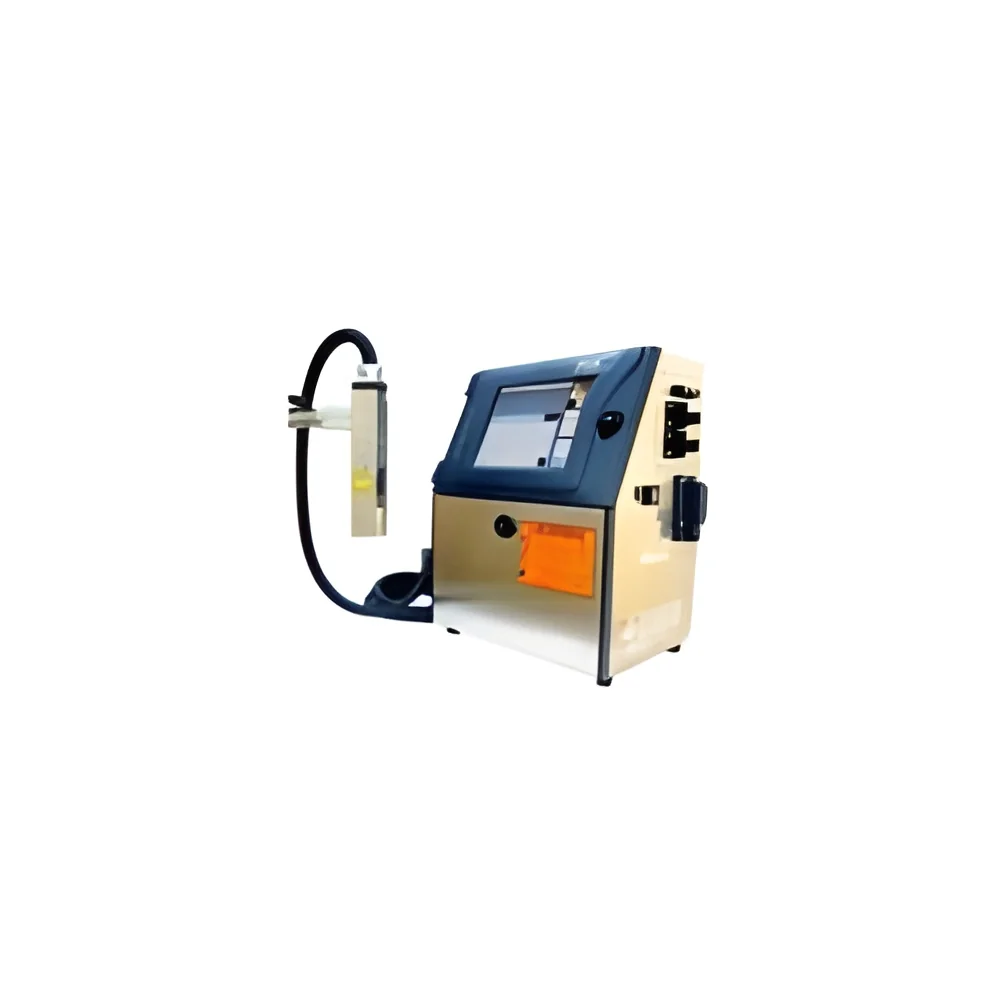
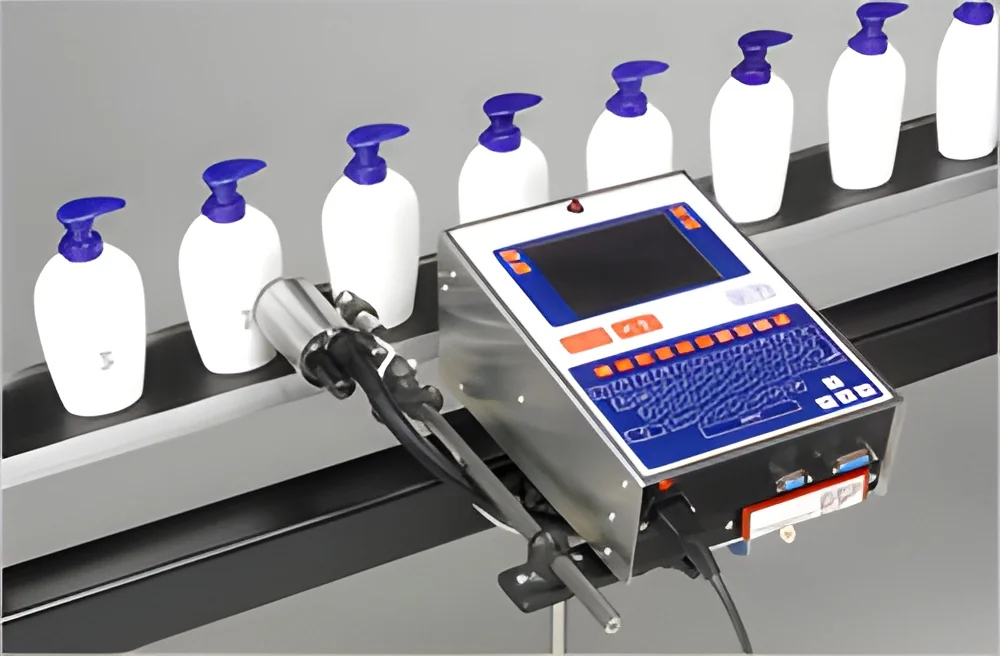
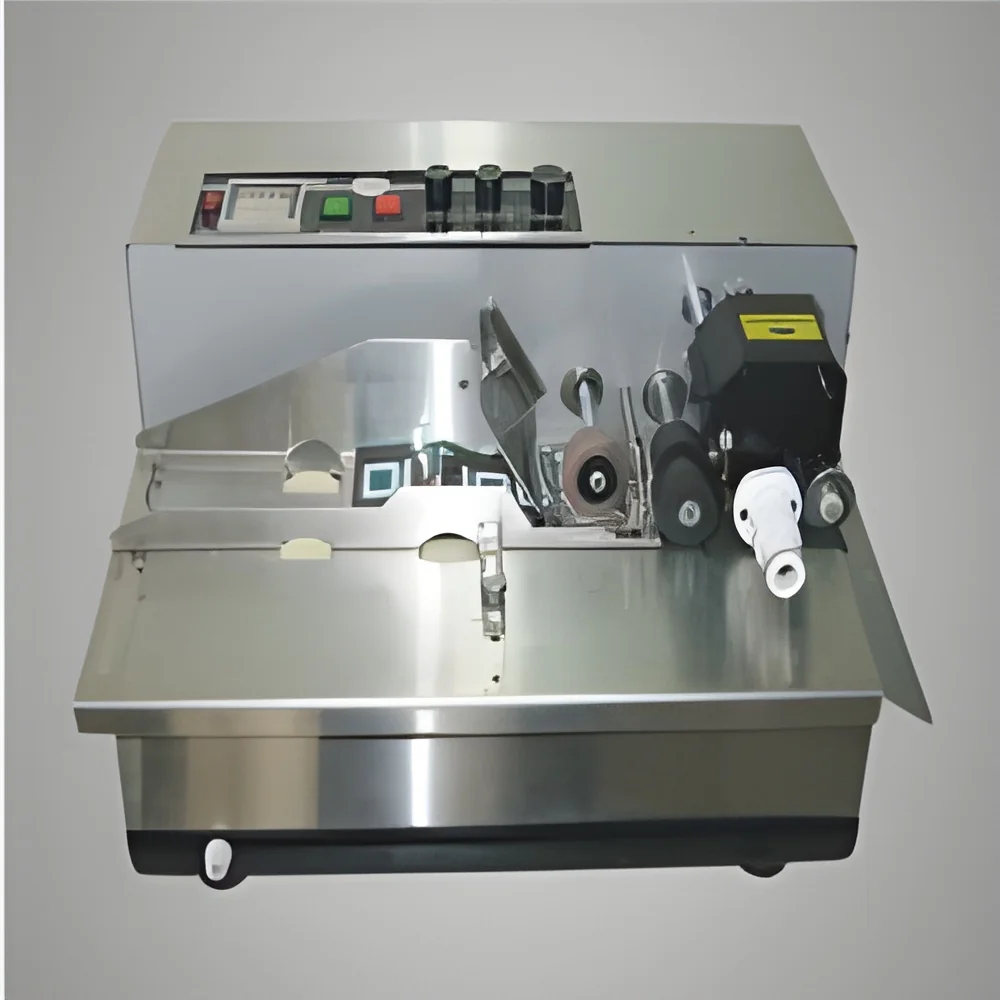
Continuous Inkjet System: This variant is ideal for high-speed production lines. It provides continuous printing capabilities and is suitable for various surfaces, making it a popular choice in food and beverage sectors.
Thermal Inkjet System: Known for its precision, this system is often used for smaller print jobs and detailed labeling. It is commonly found in pharmaceuticals and cosmetics, where accuracy is paramount.
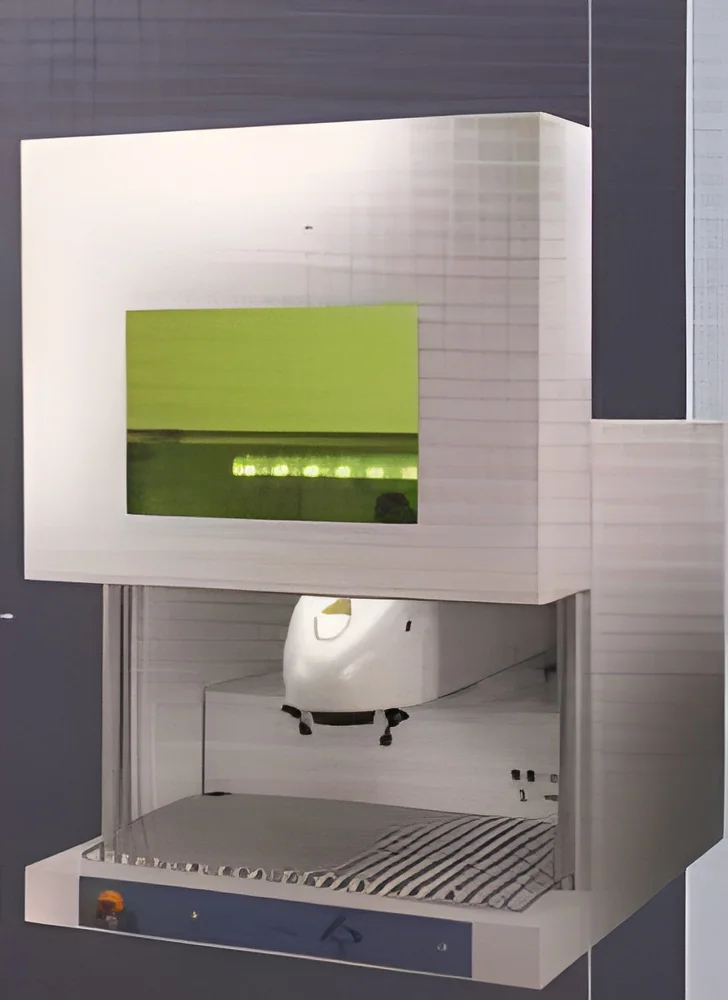
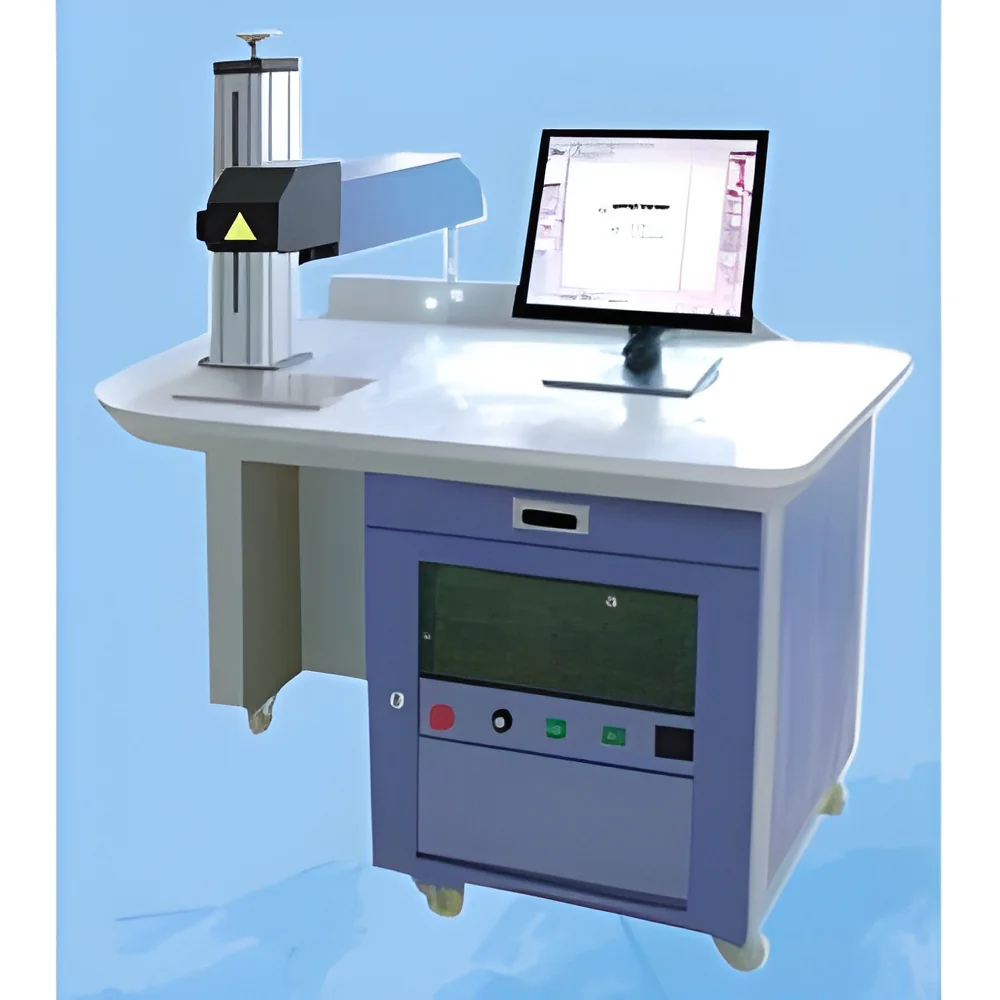
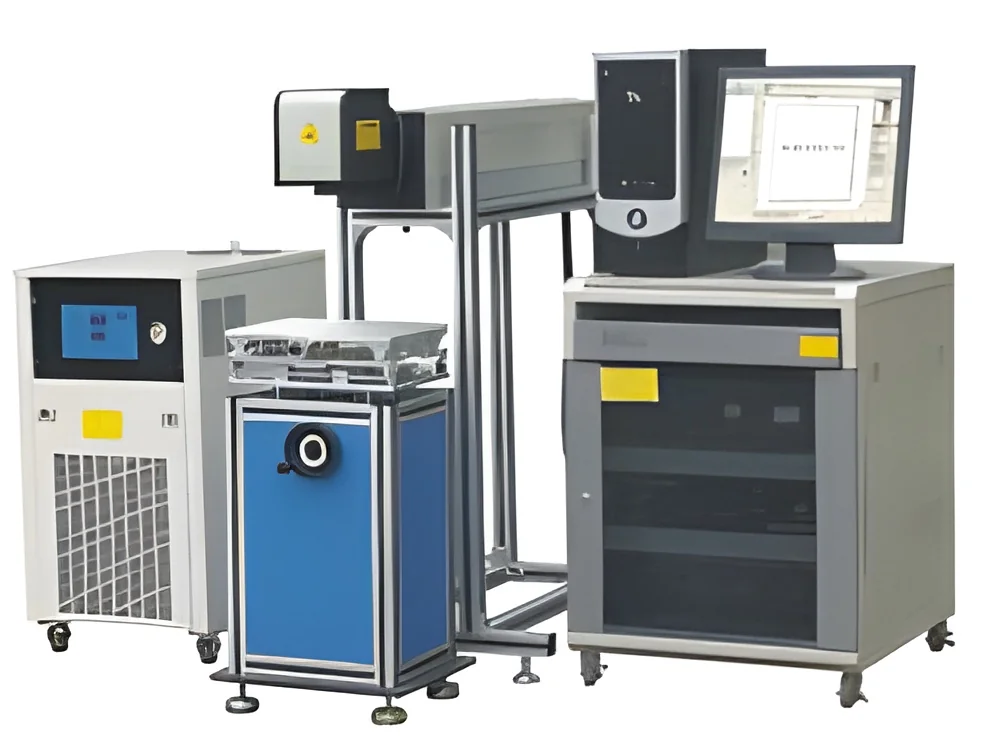
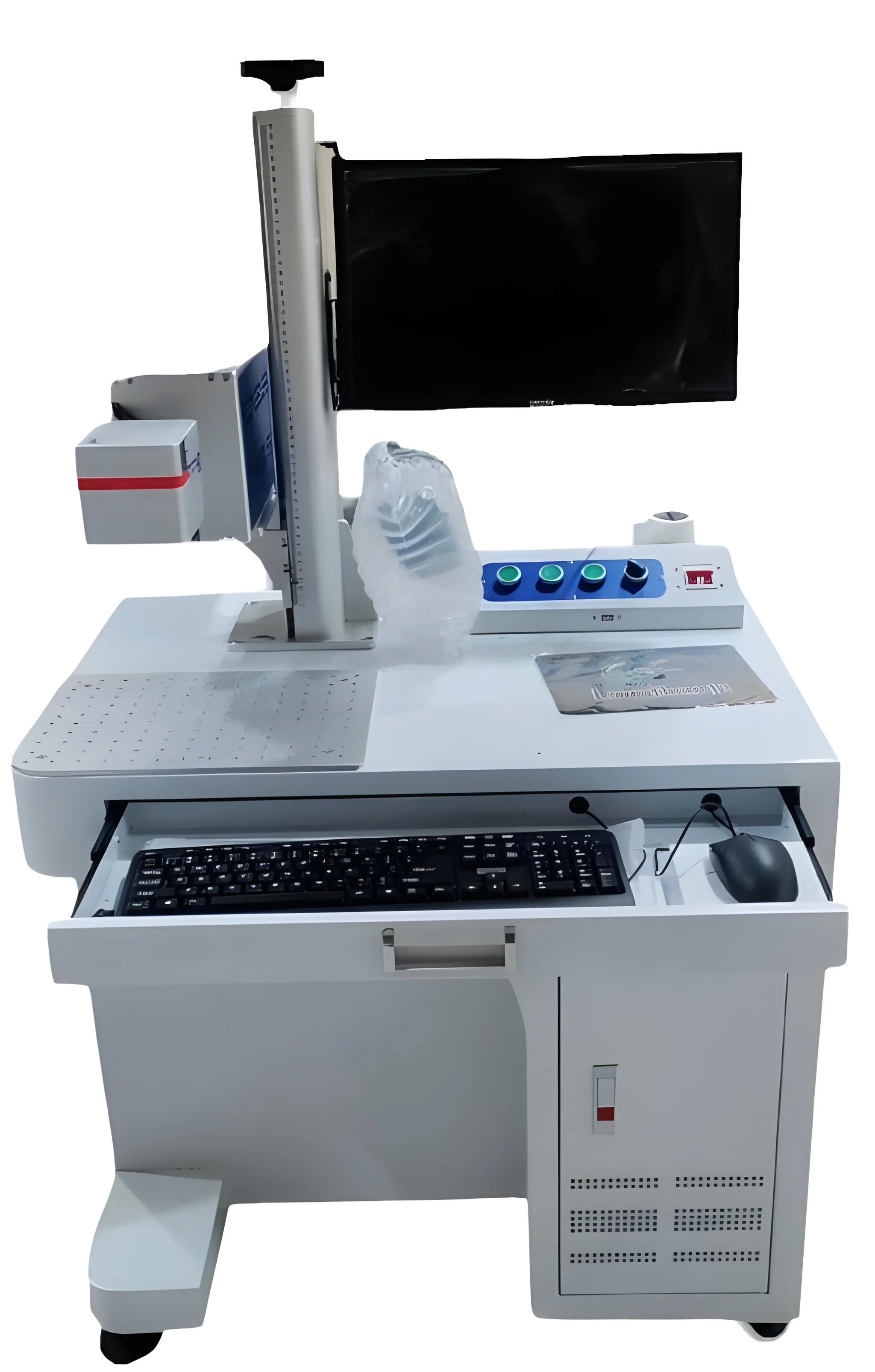
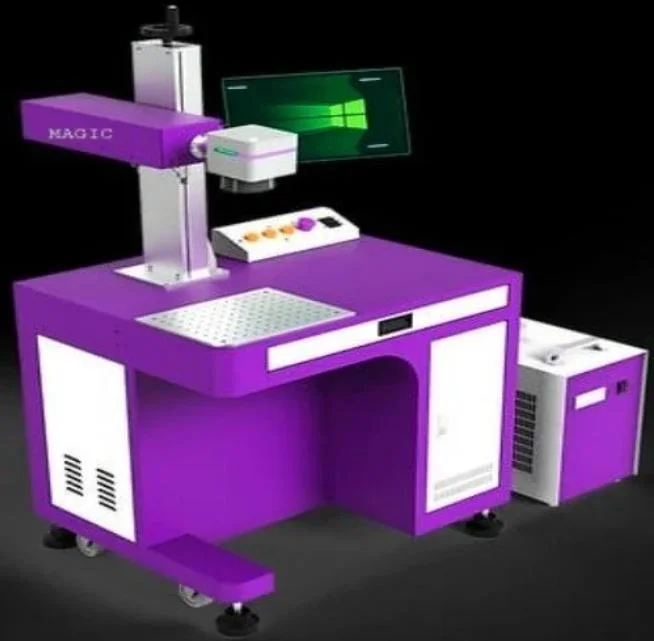
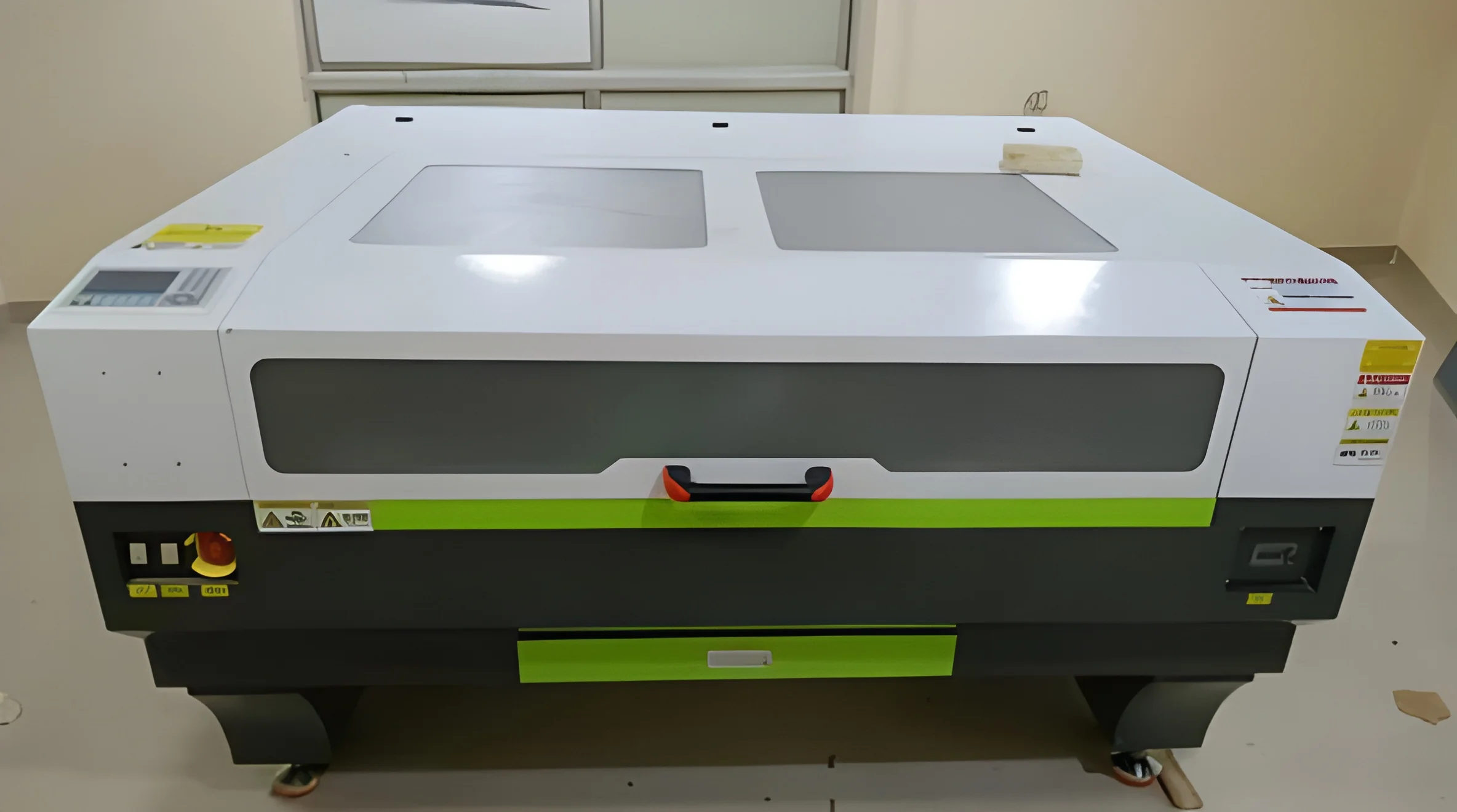
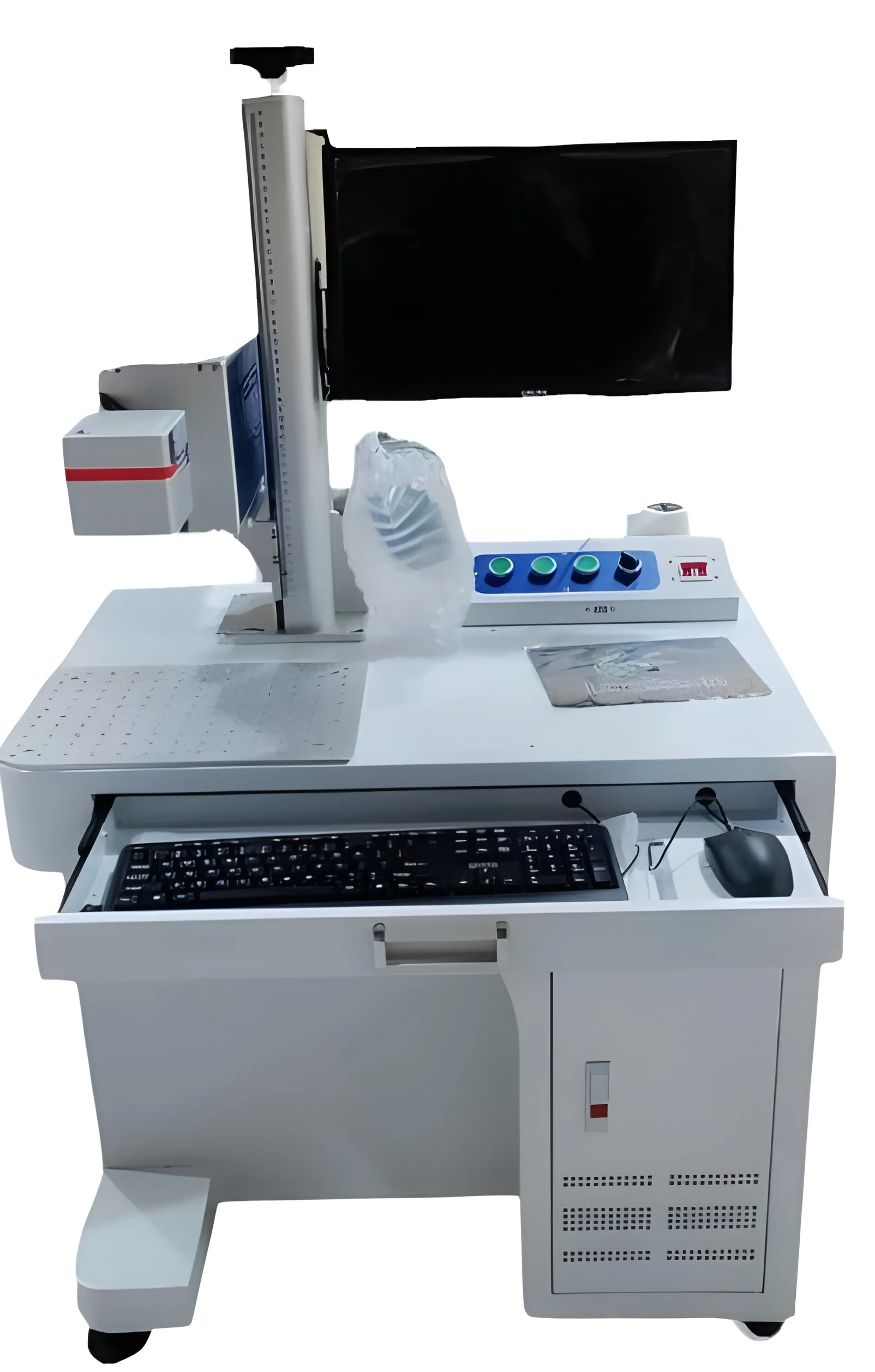
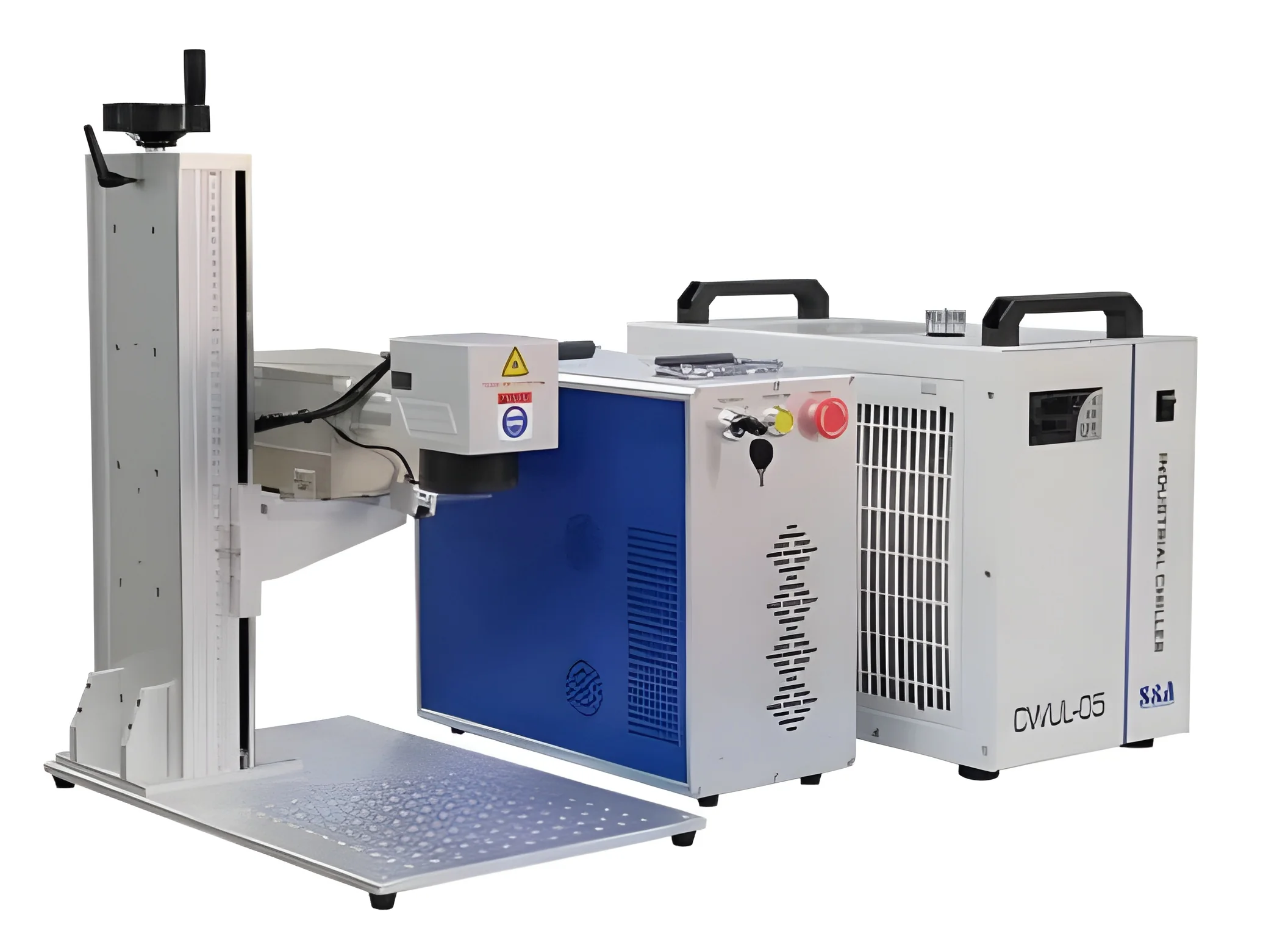
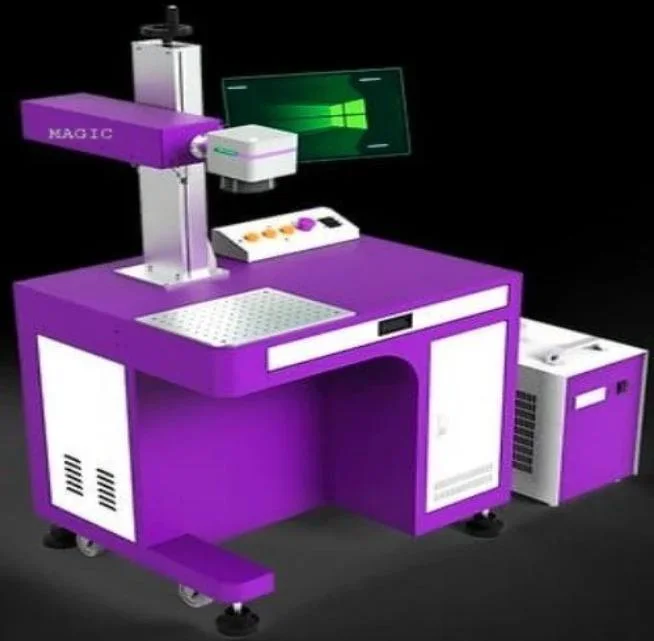
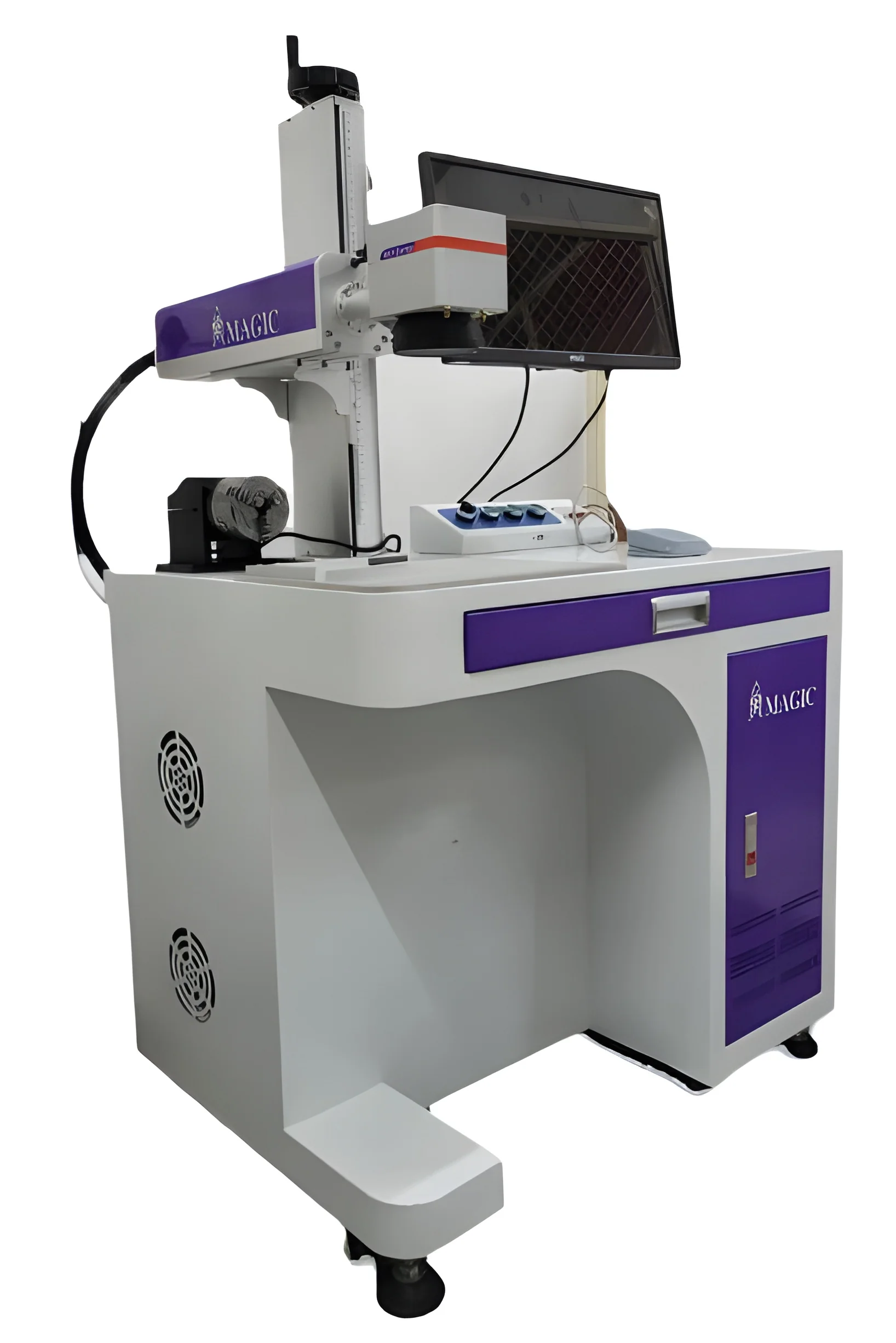
CO2 Laser Coding System: This type of laser system is perfect for marking non-metal surfaces such as glass and plastic. It is often used in the food and beverage industry for permanent coding solutions.
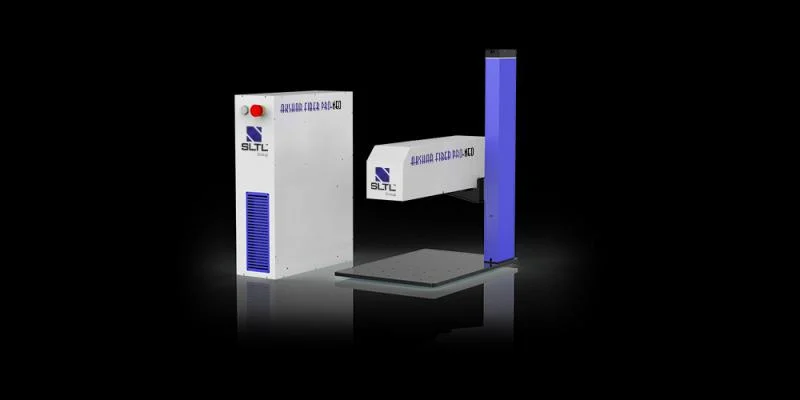
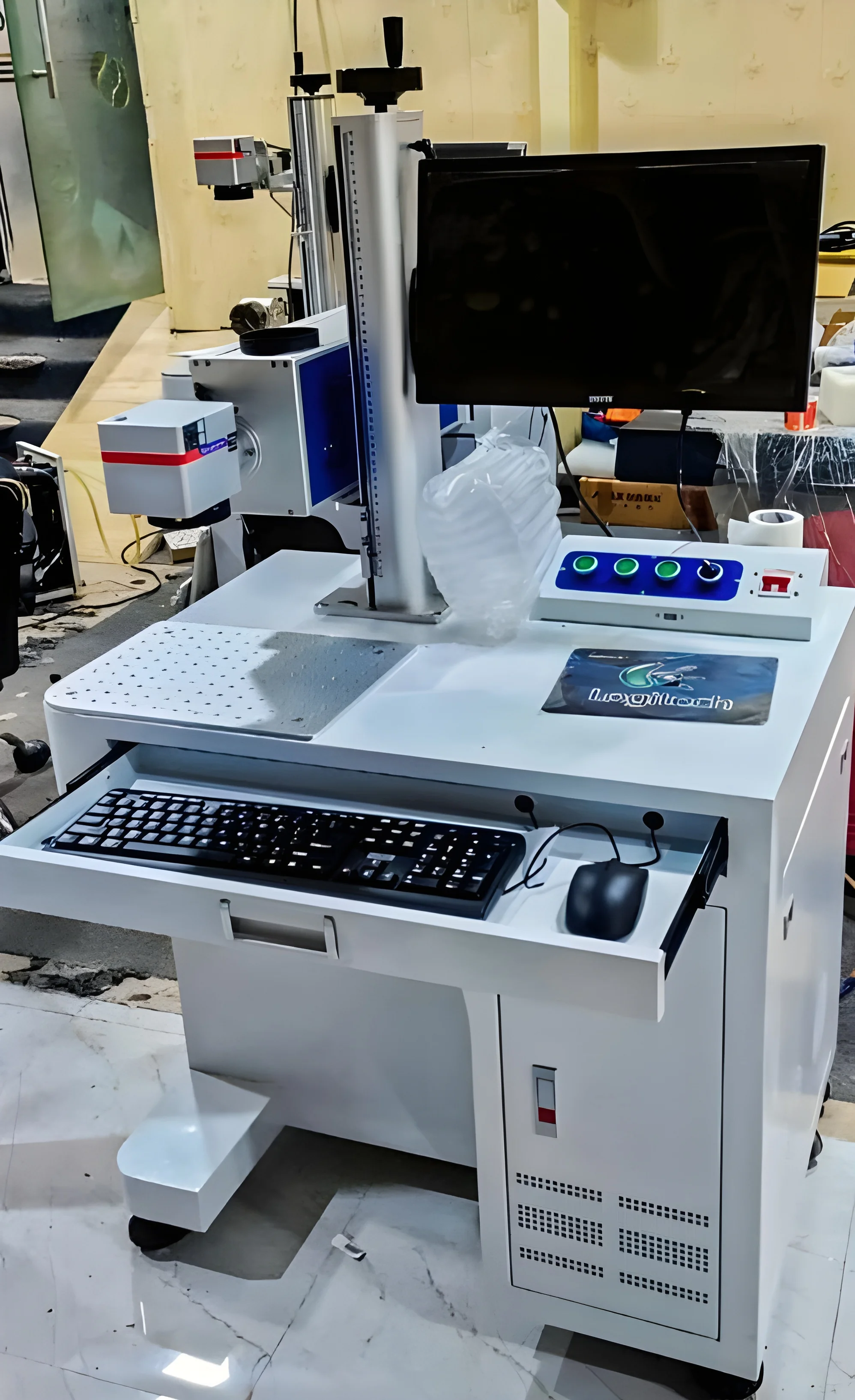
Fiber Laser Coding System: Designed for marking on metals and certain plastics, this variant offers high depth and precision. It is widely used in automotive and electronics industries.
Benefits and Advantages
Investing in inkjet and laser coding systems provides significant advantages for businesses.
1. Increased Efficiency: These systems enable high-speed printing, significantly enhancing production line efficiency and throughput.
2. Cost-Effectiveness: With reduced material costs and lower maintenance requirements, businesses can achieve long-term savings.
3. Enhanced Traceability: Coding systems improve product traceability, crucial for compliance with regulations and quality assurance.
4. Versatility: They can print on a wide range of materials, making them suitable for diverse industries and applications.
5. Improved Brand Visibility: High-quality printing enhances product presentation, contributing to better brand recognition and consumer trust.
6. Compliance Assurance: These systems help businesses meet regulatory requirements, ensuring safety and quality in product labeling.
Buying Guide for B2B Buyers
When sourcing inkjet and laser coding systems, it is essential for B2B buyers to consider multiple factors to ensure they make informed purchasing decisions.
1. Quality Assessment: Evaluate the quality of printing, durability of codes, and reliability of the system. Check for user reviews and performance metrics from existing customers.
2. Supplier Verification: Ensure that suppliers are reputable and have a history of delivering high-quality products. Look for certifications and references from previous clients.
3. Pricing and MOQ: Understand the pricing structure and minimum order quantities. Compare multiple suppliers to find the best value without compromising quality.
4. Delivery and Lead Times: Confirm lead times for product availability and shipping. Factor in delivery schedules to align with production needs.
5. Compliance Requirements: Investigate any specific regulatory requirements that may apply to your industry. Ensure that the coding systems meet necessary compliance standards.
Compliance and Certifications
Compliance and certifications play a critical role in the reliability and safety of inkjet and laser coding systems. Many of these systems adhere to recognized quality standards such as ISO 9001, which ensures consistent quality management practices.
Additionally, industry certifications like CE signify that the products meet European safety, health, and environmental protection regulations. This is crucial for manufacturers aiming to market their products internationally.
Safety requirements dictate that systems must undergo rigorous testing to ensure they operate safely under specified conditions. Buyers should also be aware of regional compliance considerations, as regulations can vary by country and industry.
Ensuring that inkjet and laser coding systems meet these standards not only protects the end-user but also enhances the manufacturer's credibility in the marketplace.
Why Source Inkjet & Laser Coding Systems from Pepagora?
Pepagora provides a trusted platform for sourcing inkjet and laser coding systems, ensuring buyers have access to quality products and reliable suppliers.
The verified supplier network ensures that all listed suppliers have undergone thorough vetting. This reduces the risk of purchasing from unreliable sources and increases the likelihood of obtaining high-quality systems.
The streamlined RFQ process simplifies the buying experience. Buyers can easily submit requests for quotations and receive competitive pricing from multiple suppliers, saving time and effort.
Trade assurance and support are vital features offered by Pepagora. This system provides buyer protection during transactions, ensuring that investments are safeguarded.
With a strong regional coverage spanning India, the GCC, and Southeast Asia, Pepagora facilitates connections between buyers and suppliers, making it easier for businesses to find the right coding solutions tailored to their specific needs.

 IN
IN