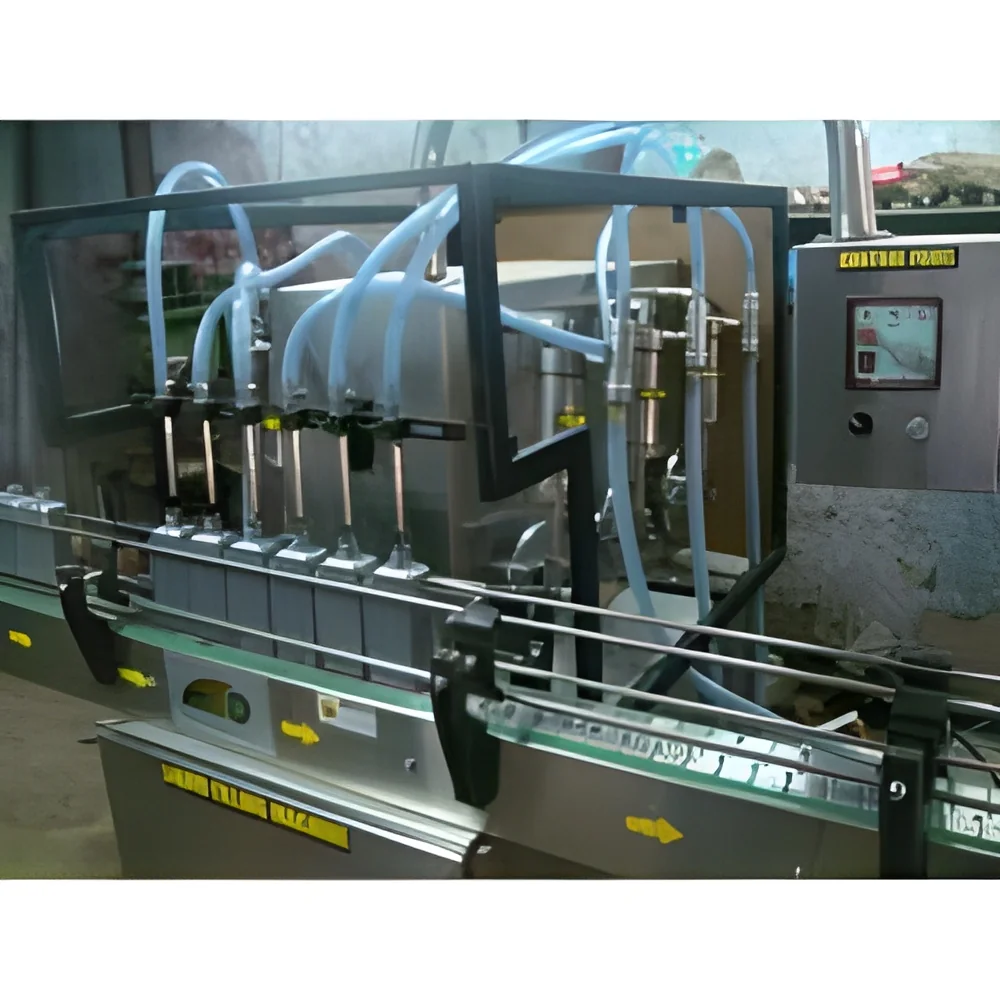
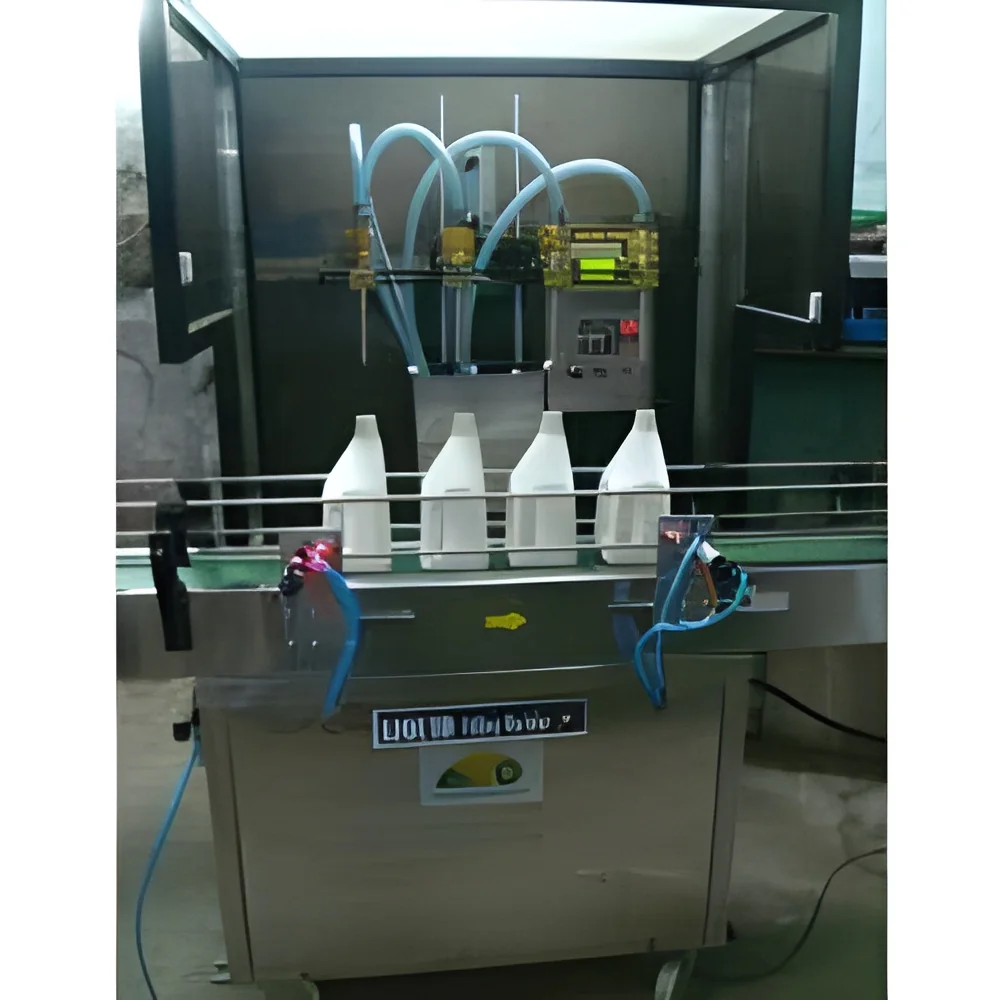
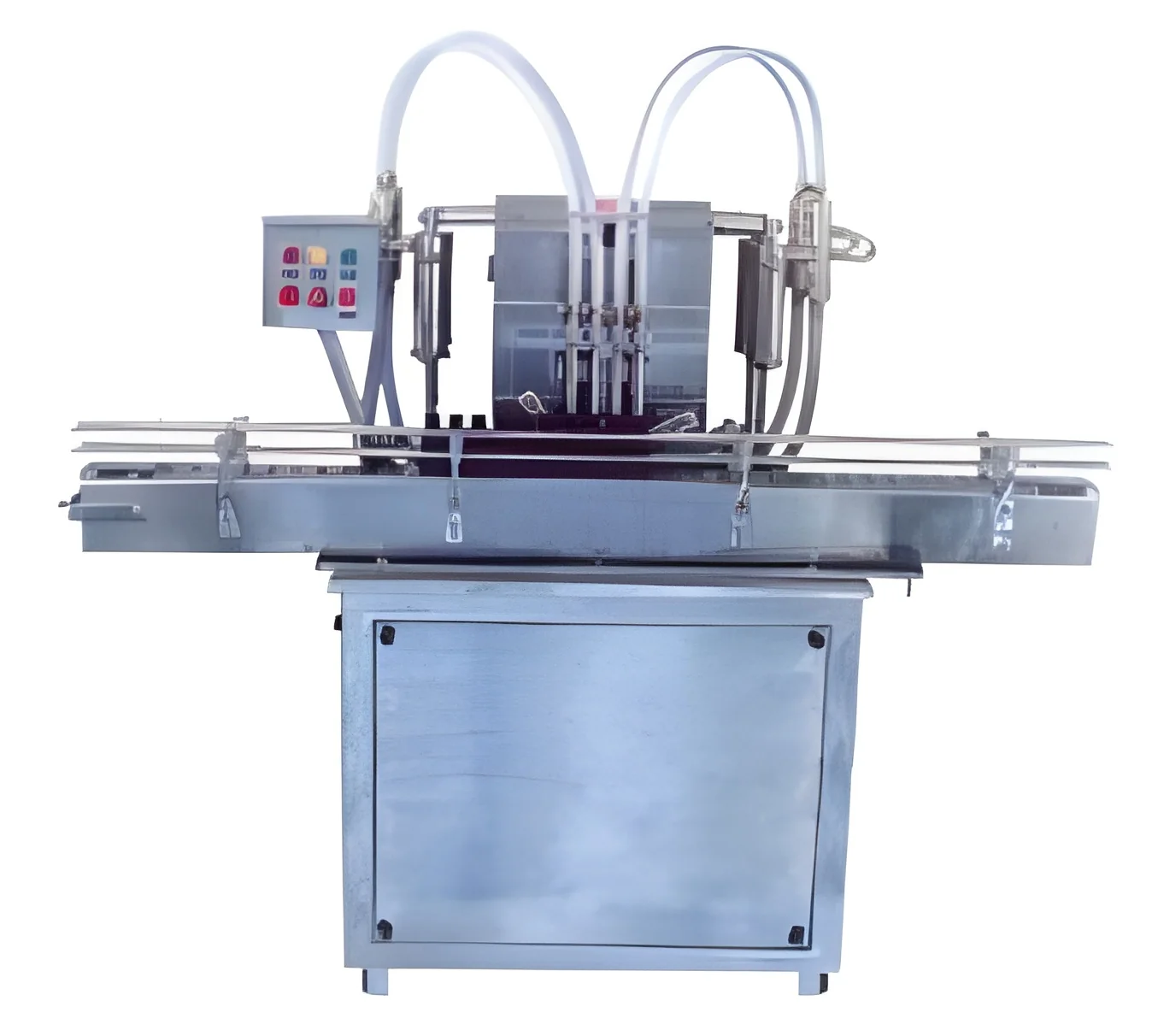
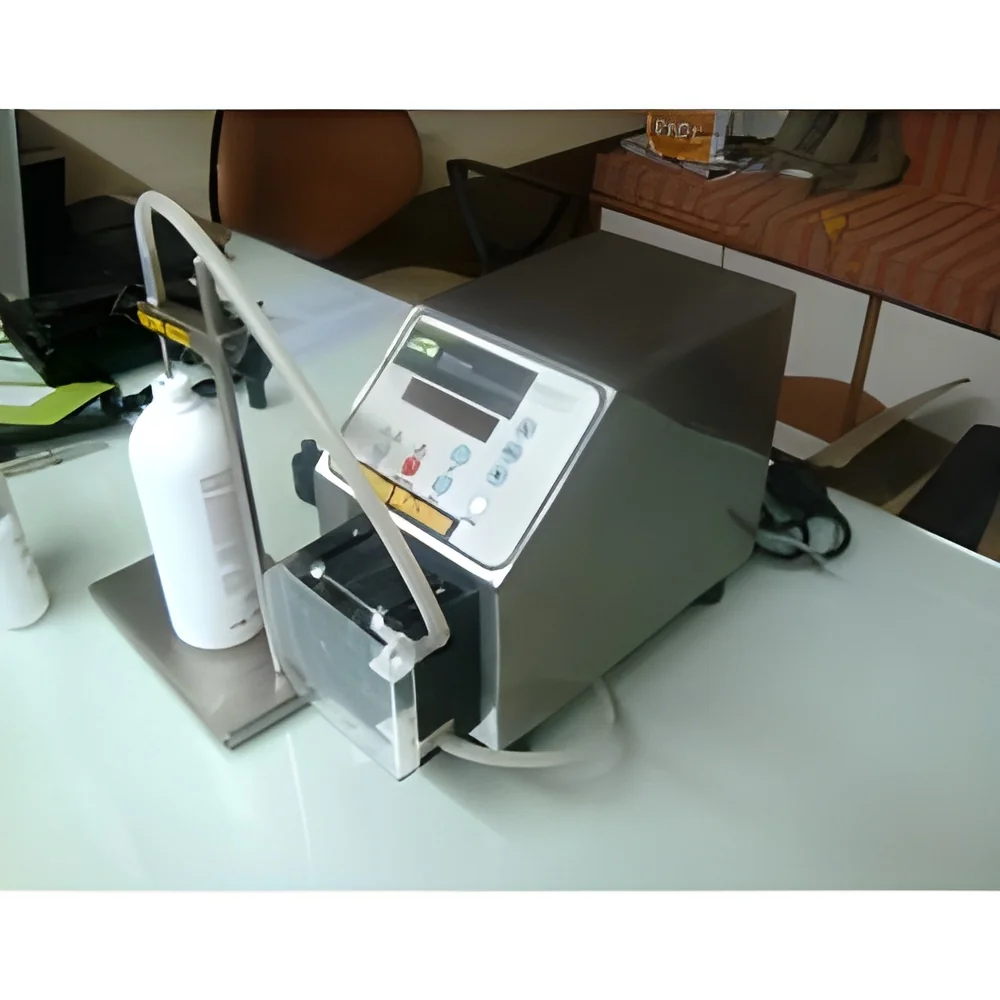
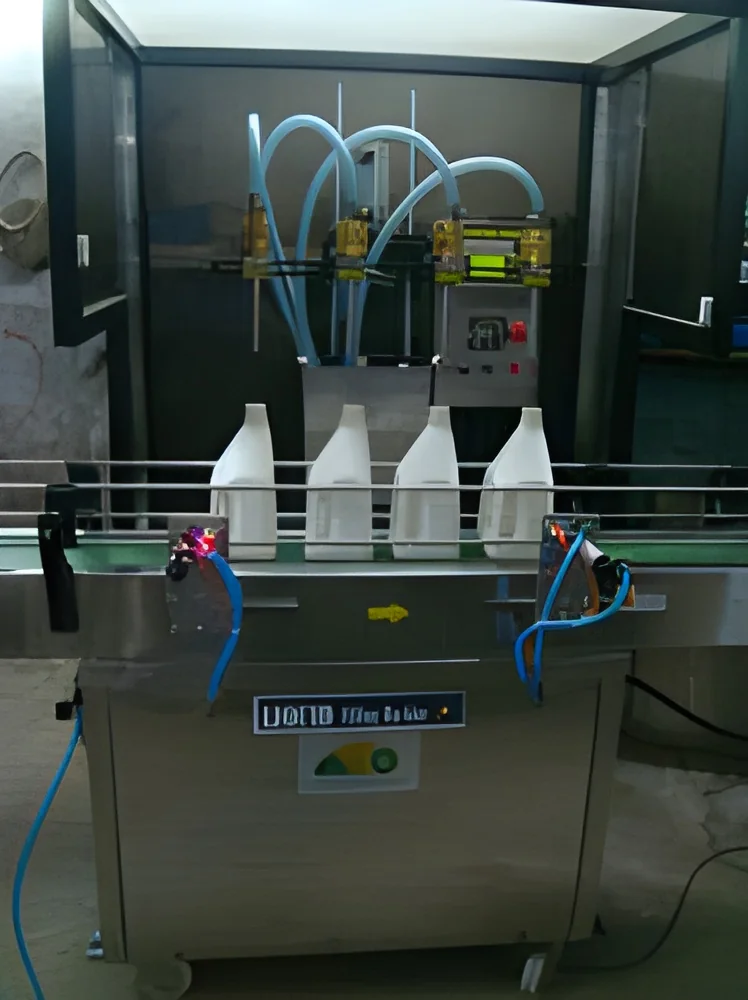
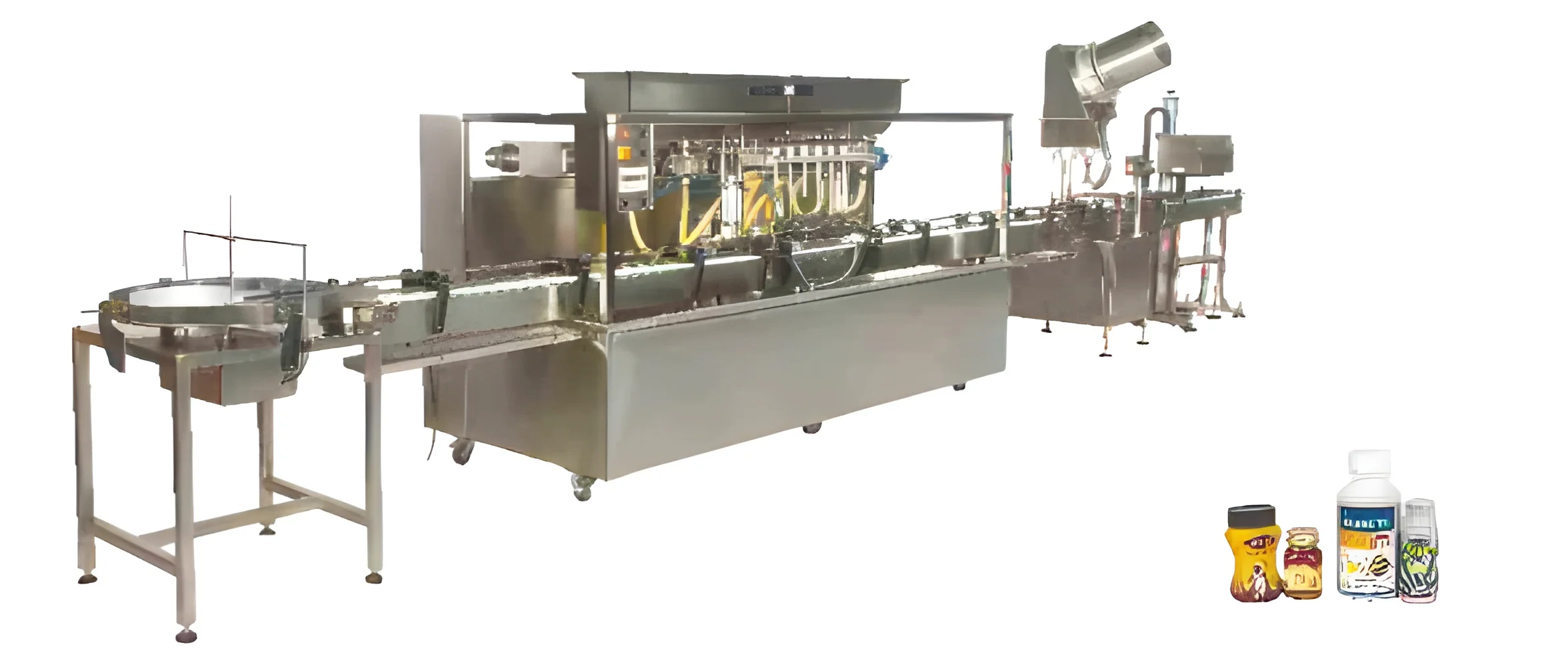
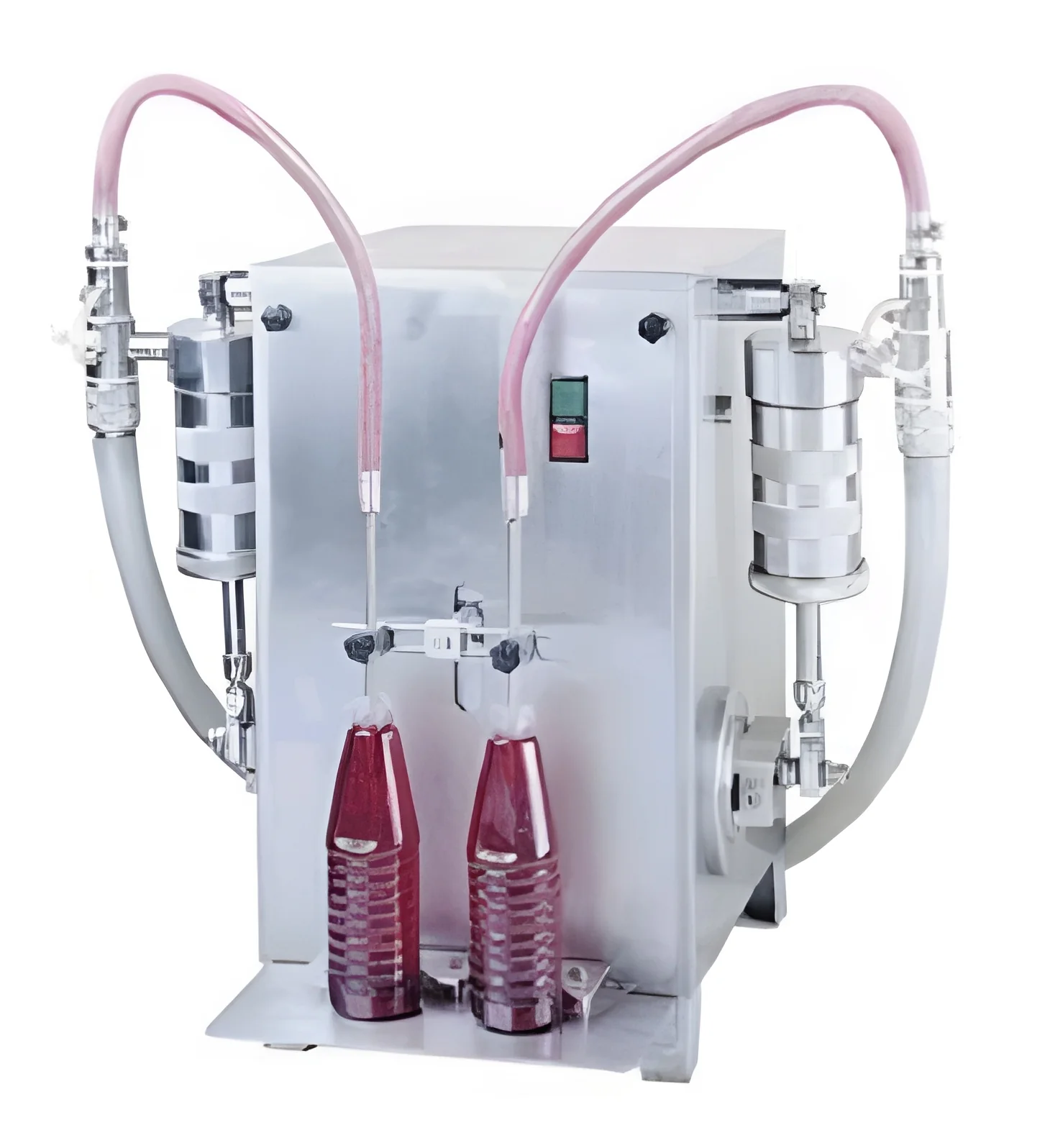
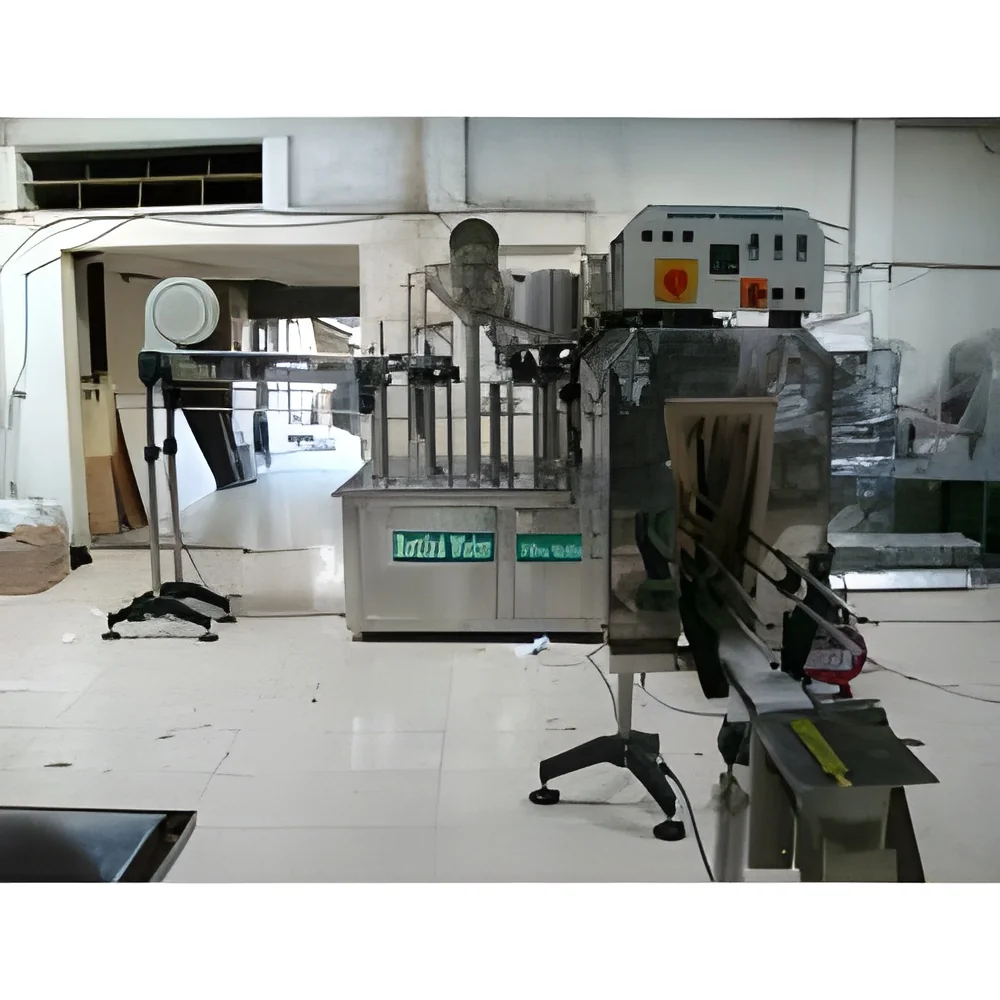
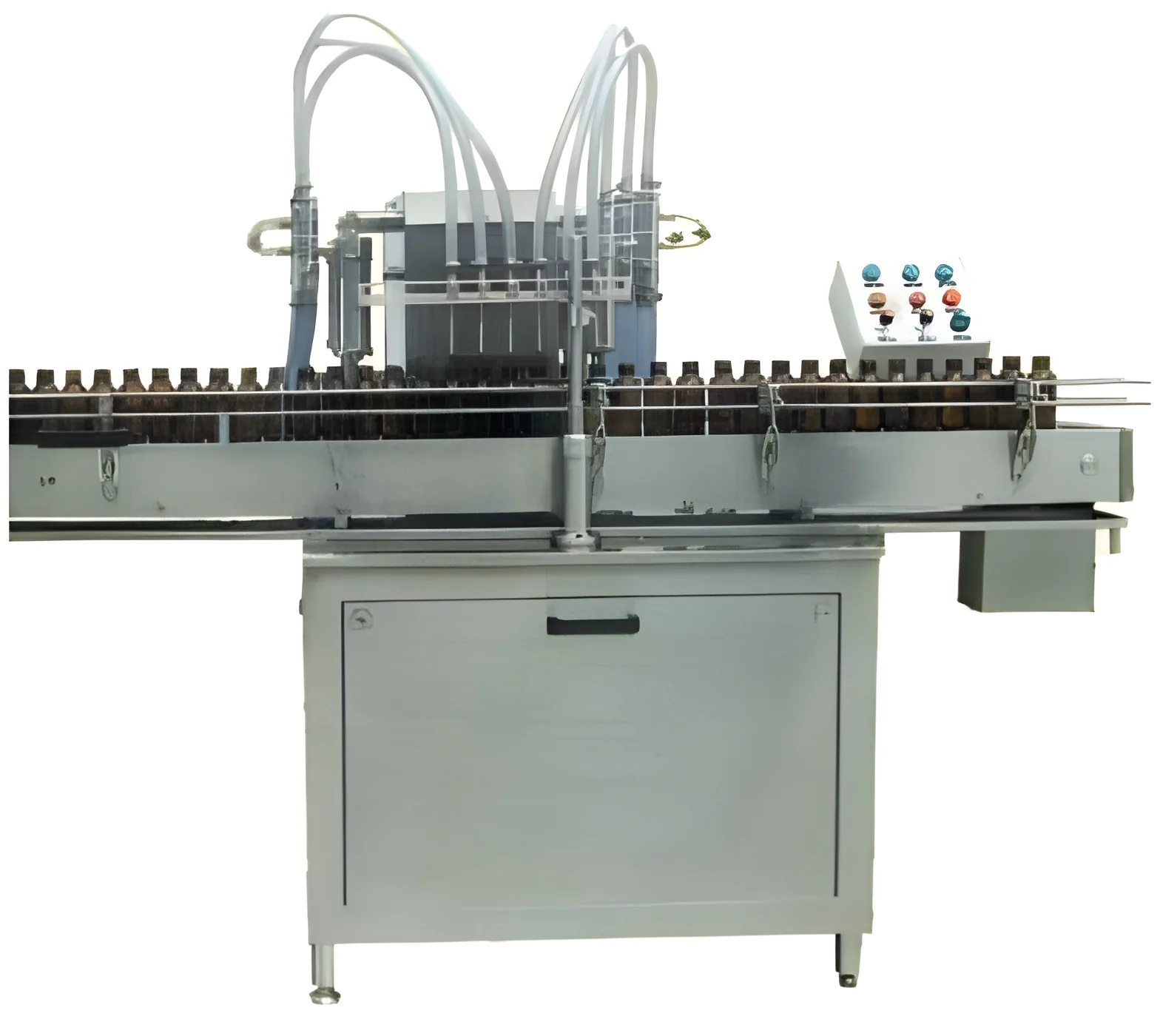
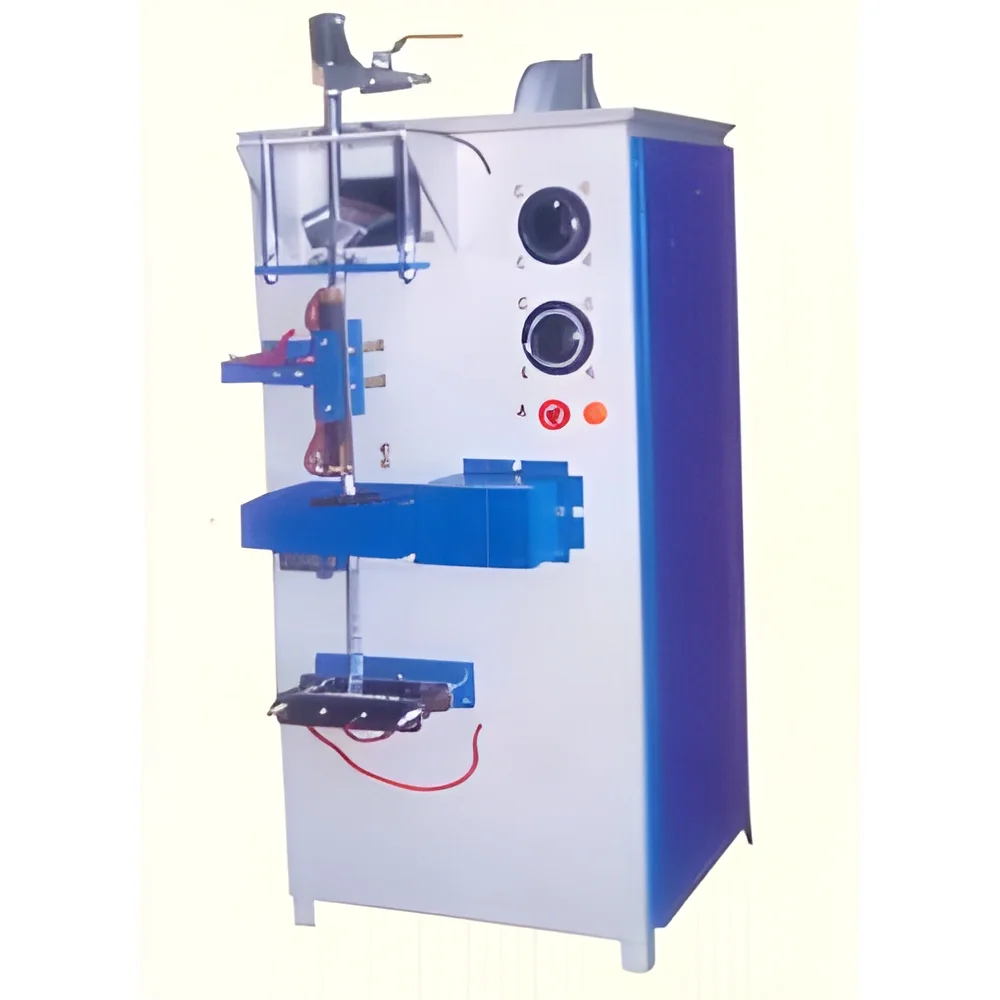
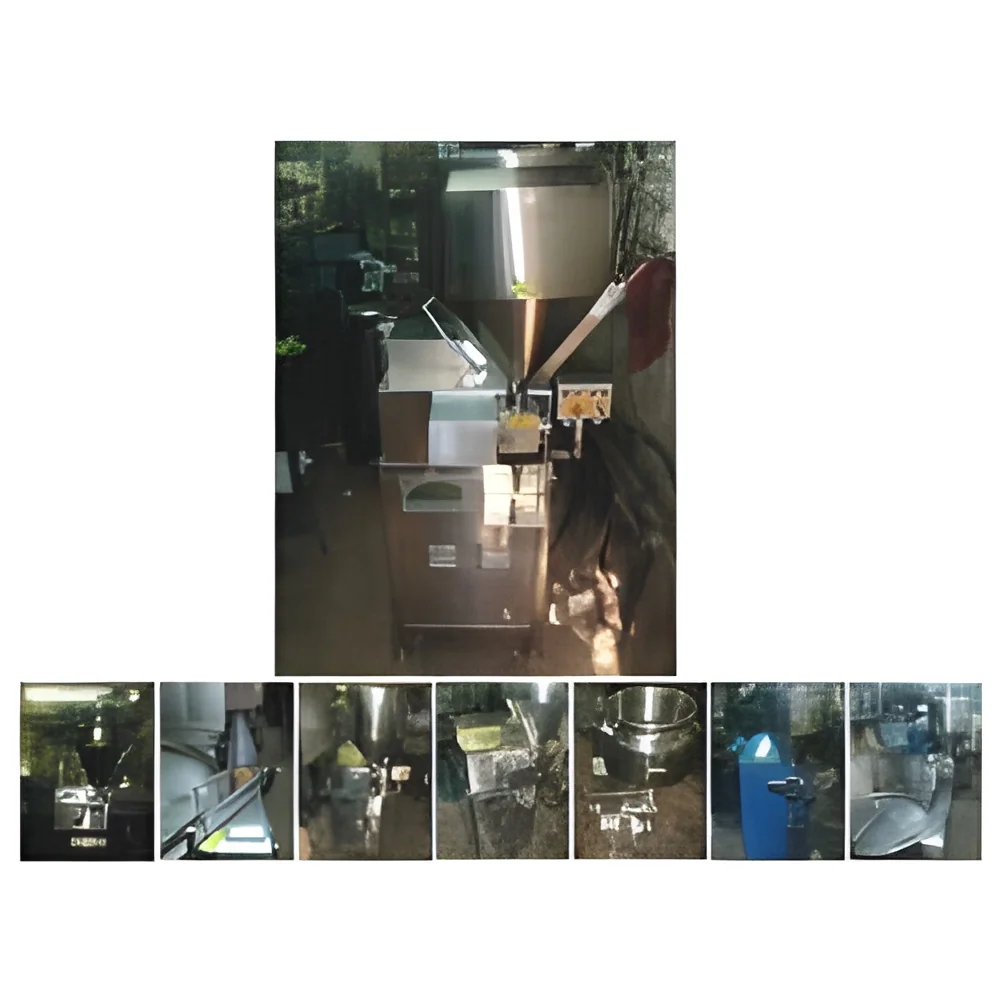
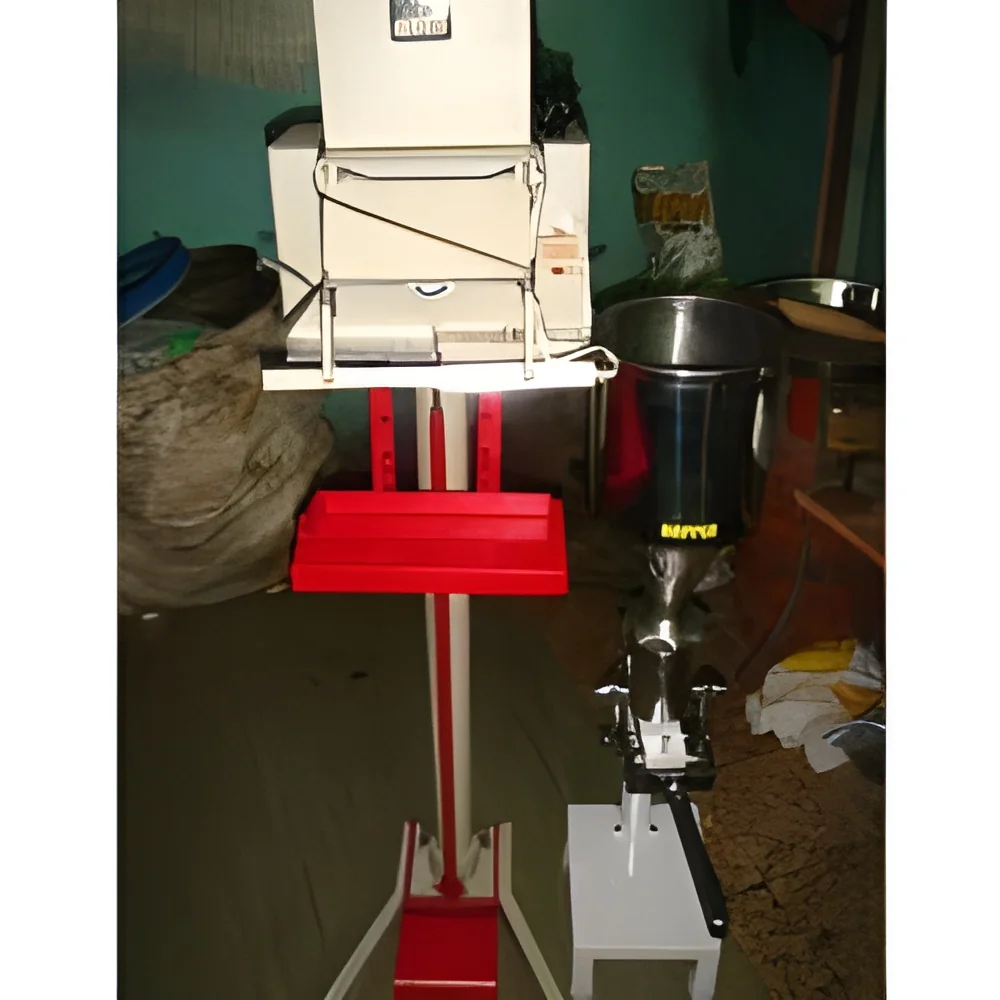
What are Liquid Filling Machines?
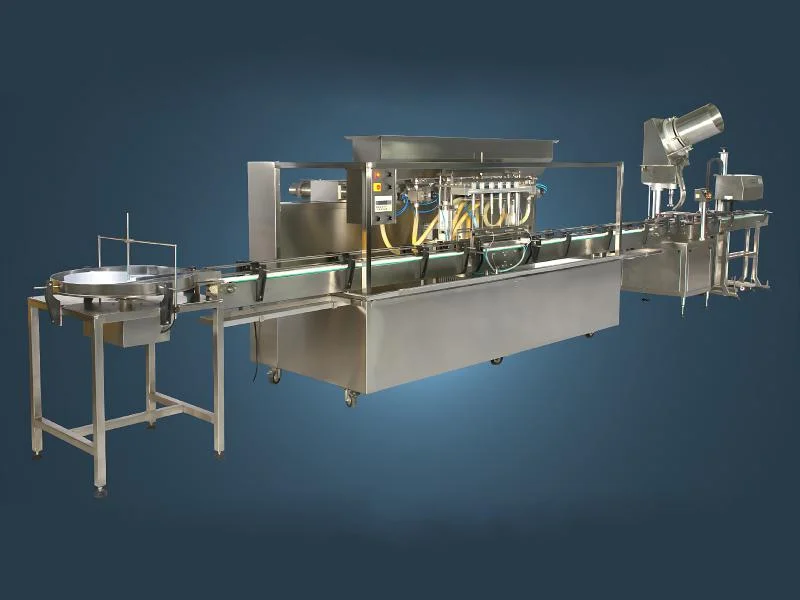
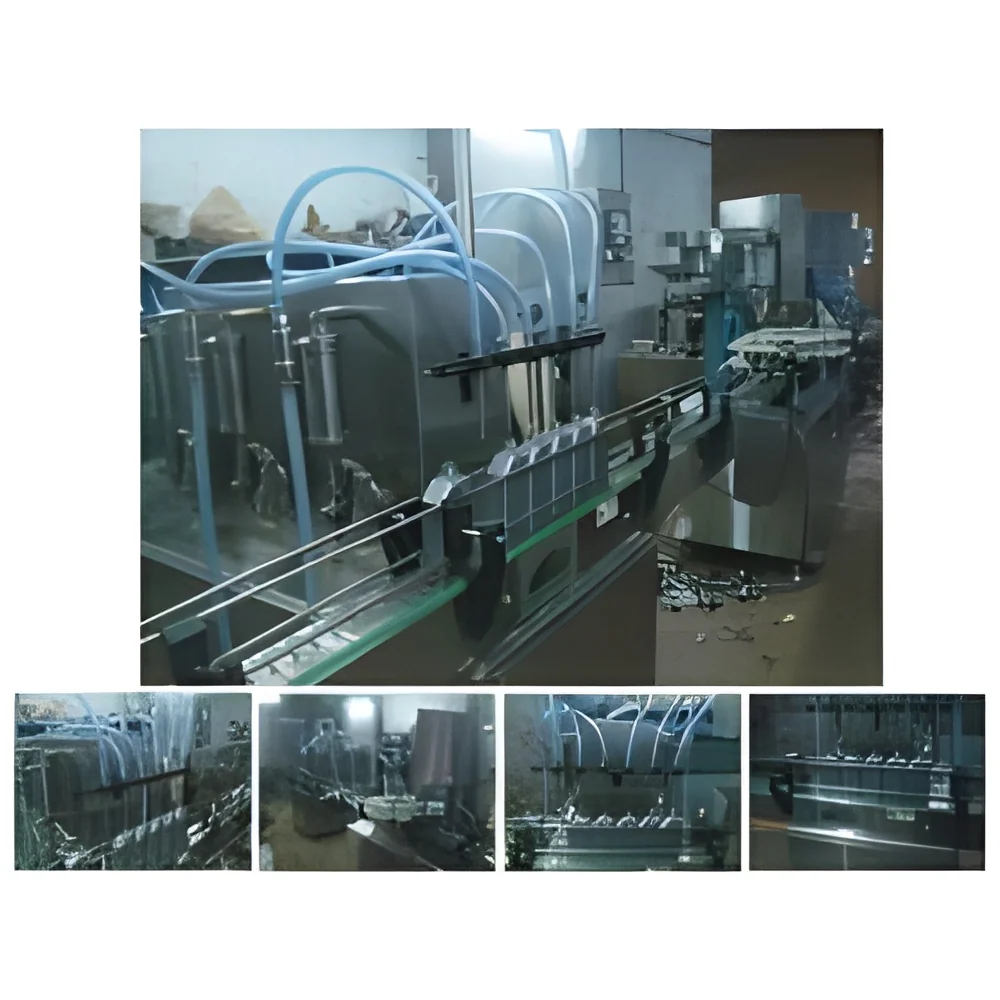
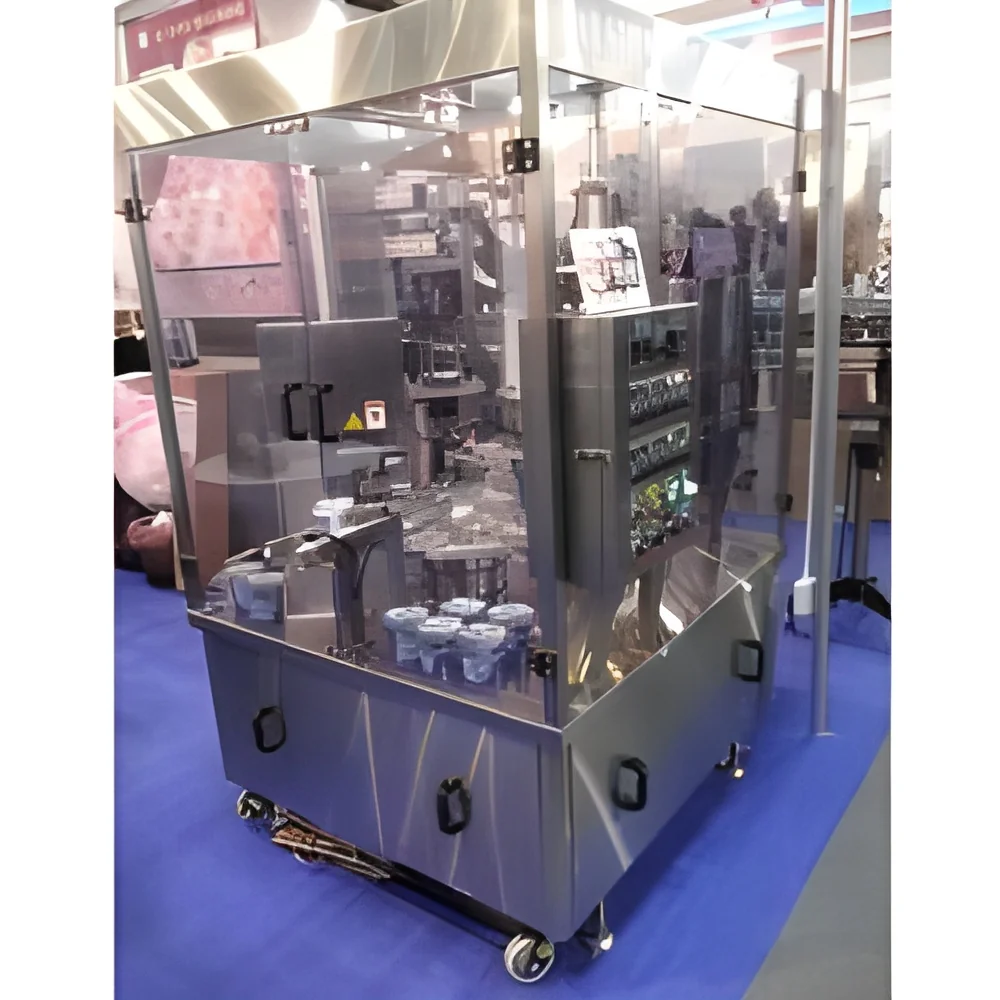
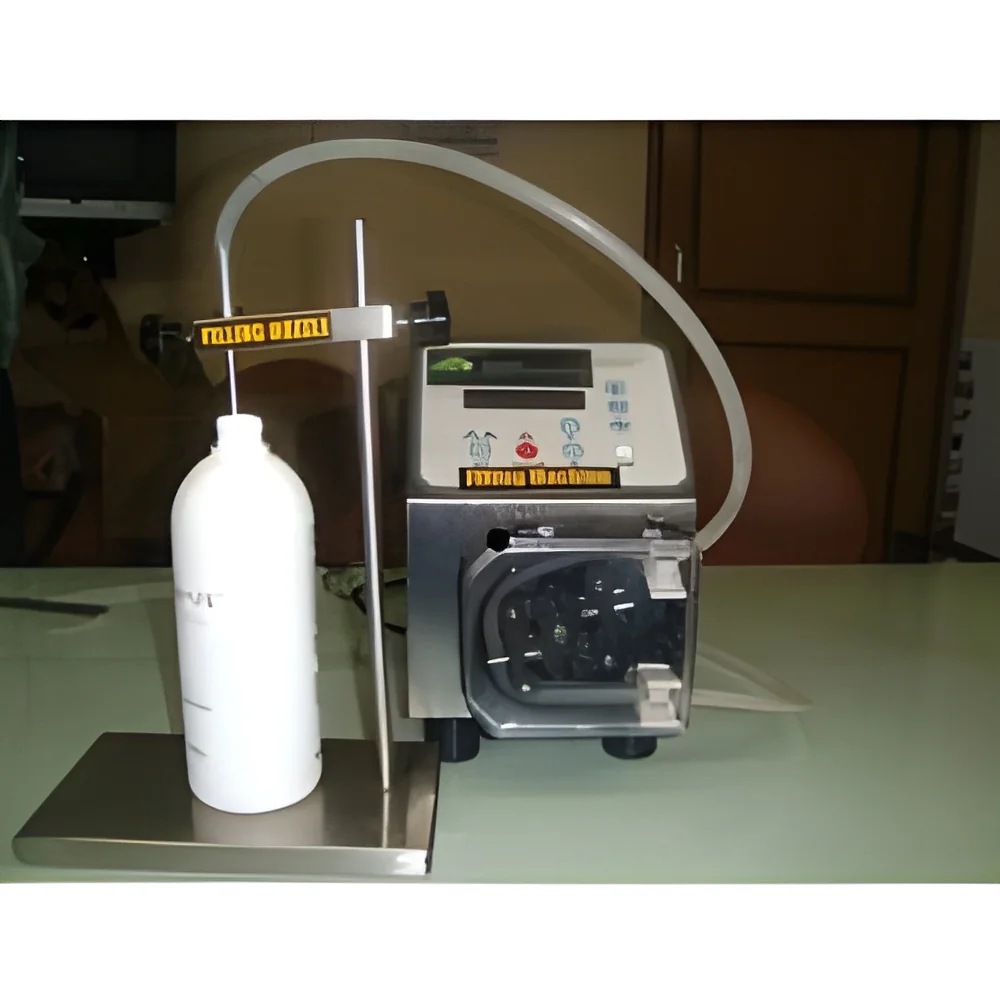
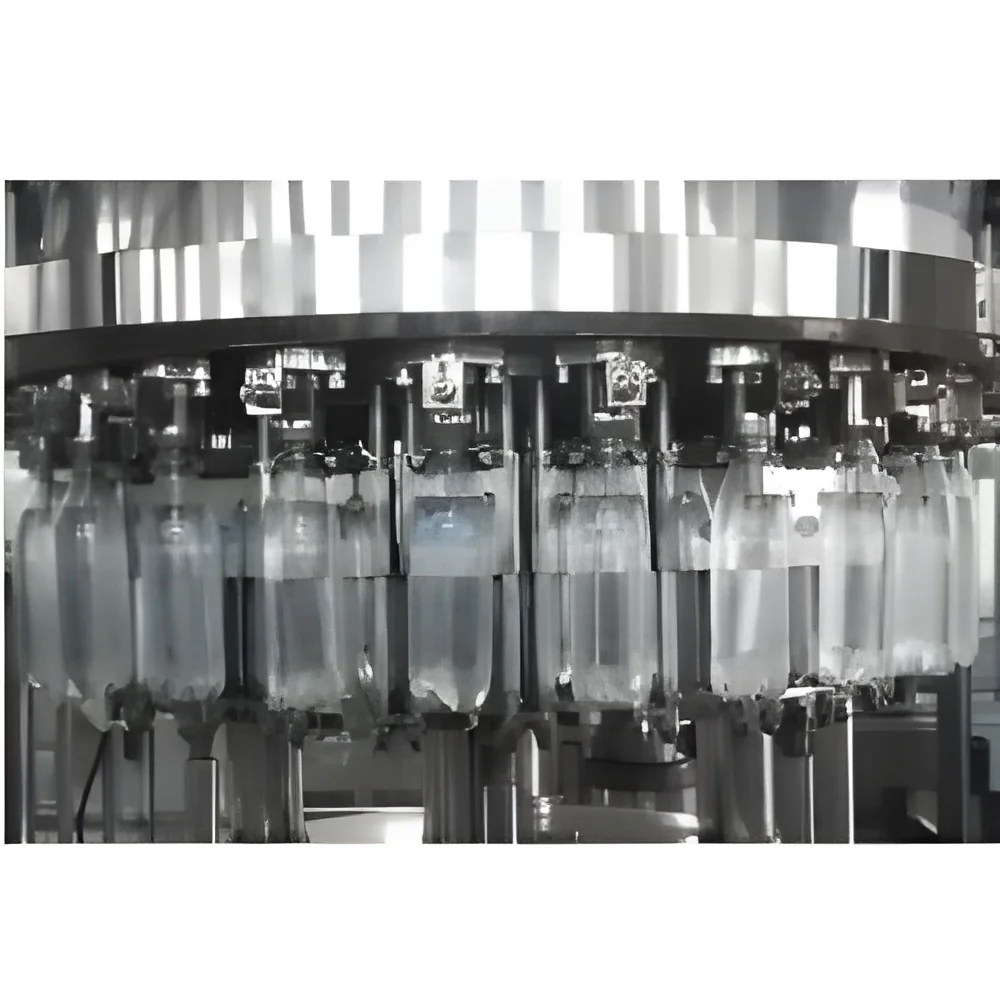
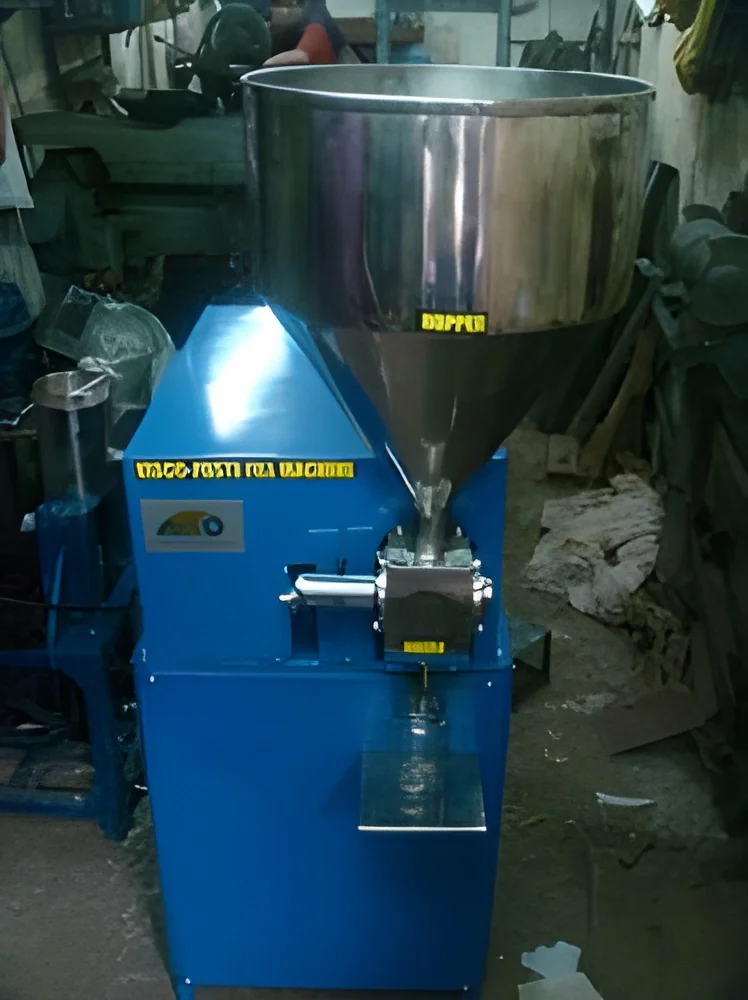
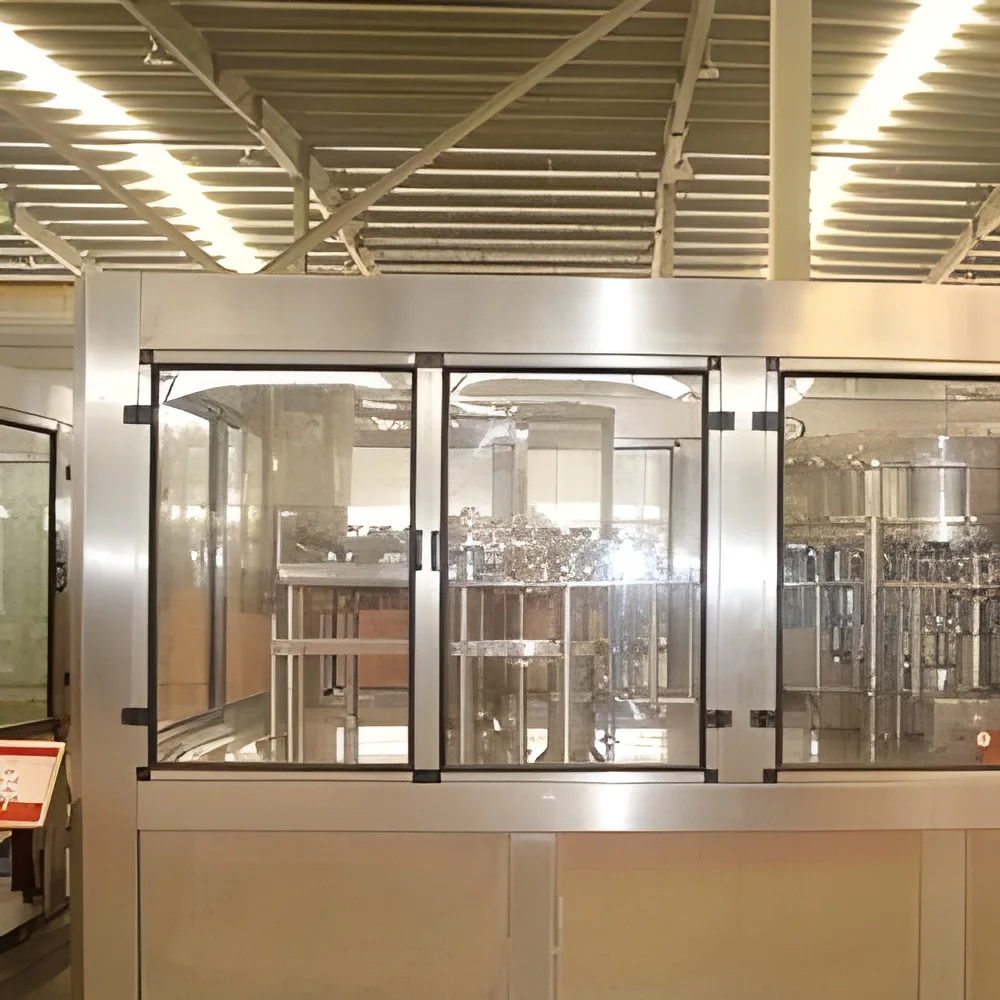
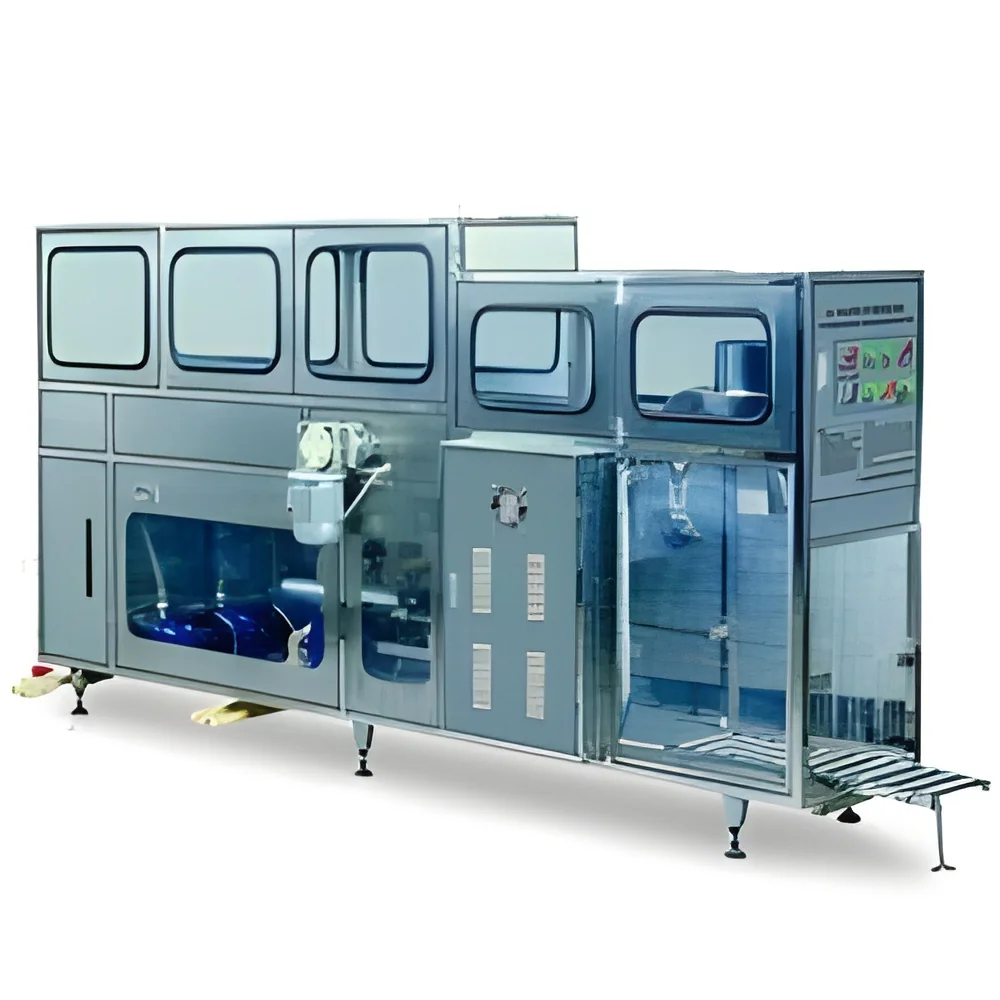
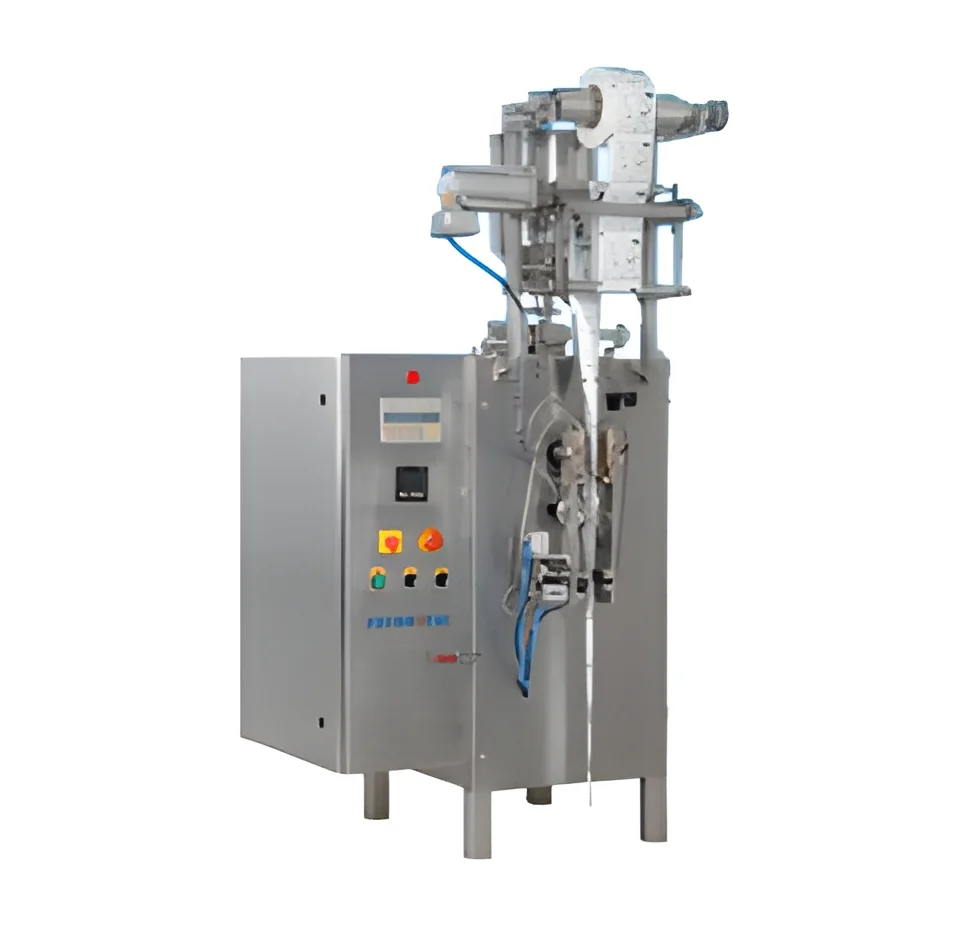
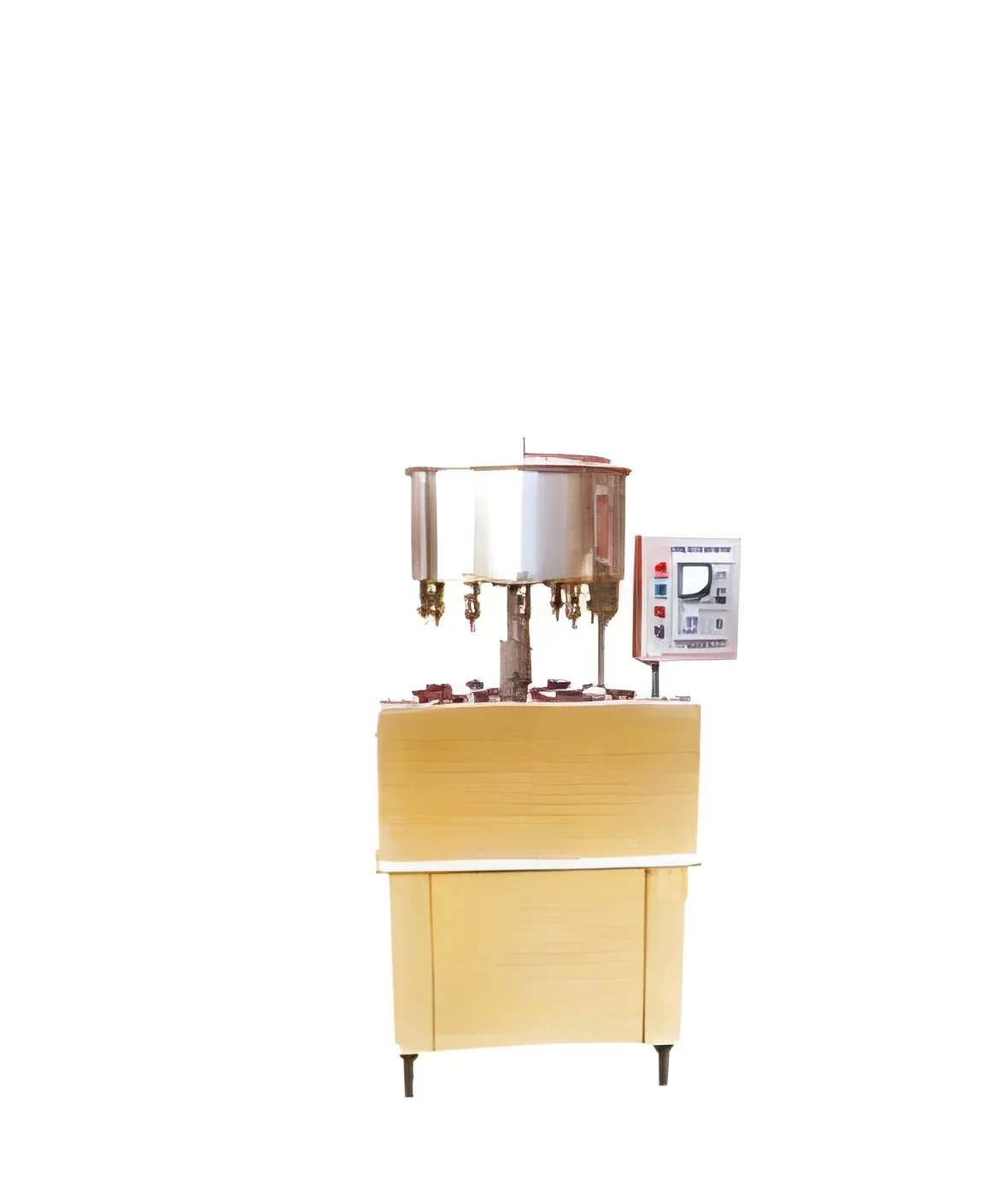
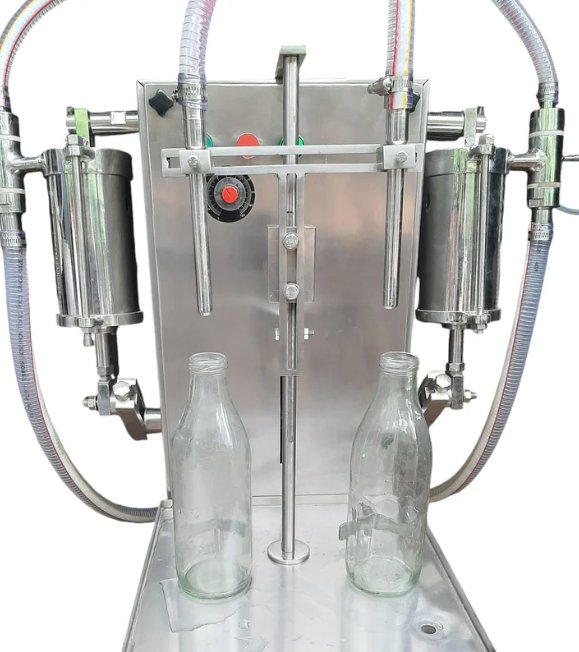
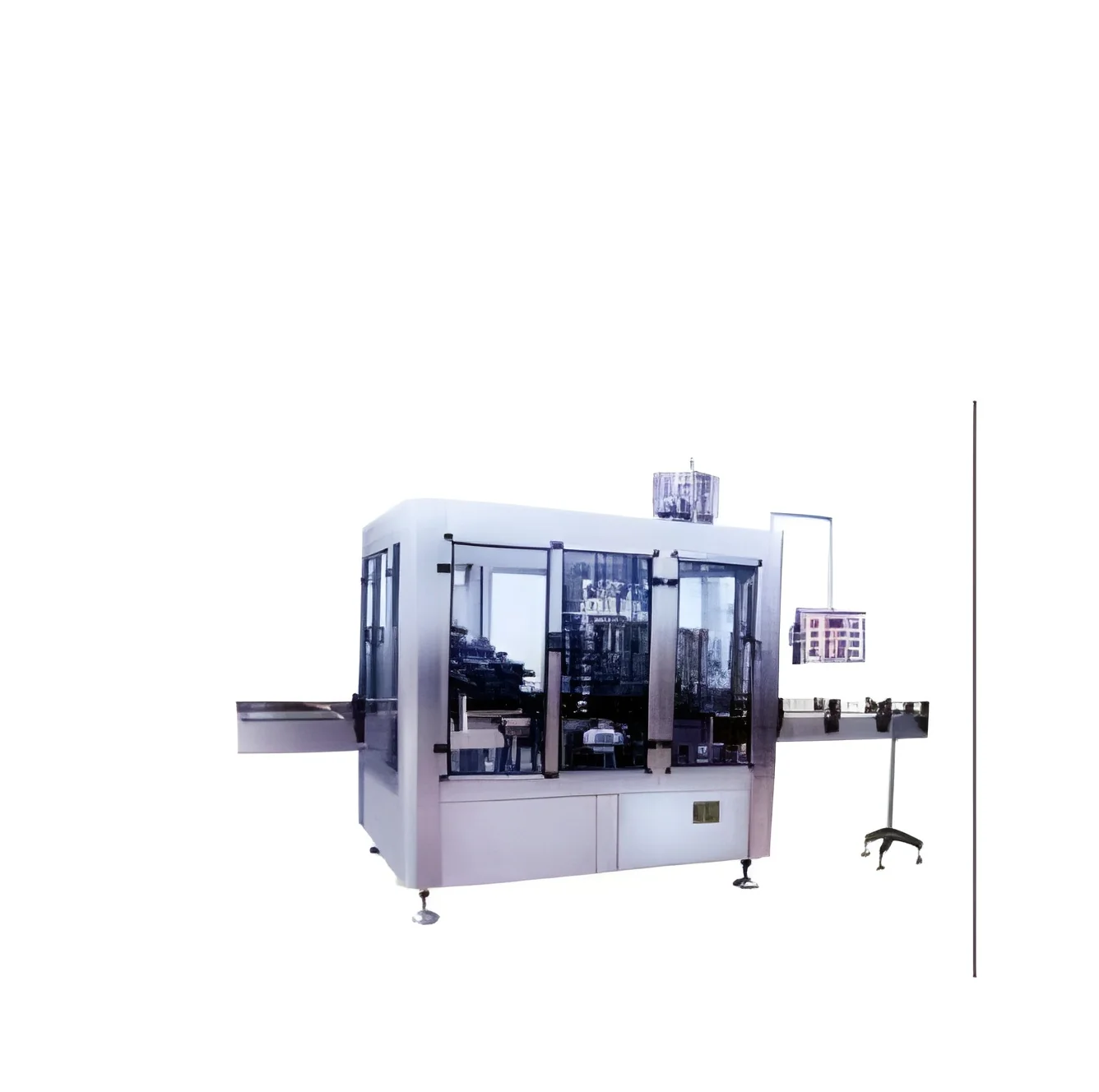
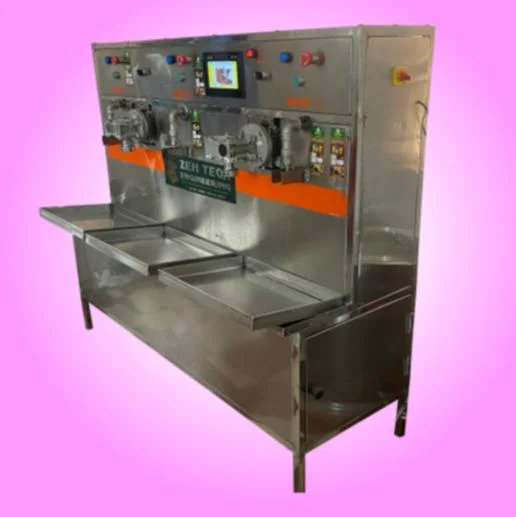
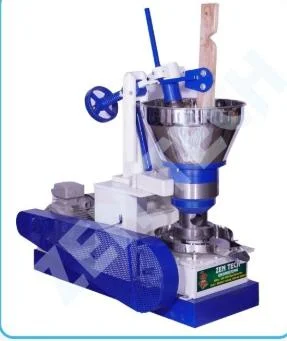
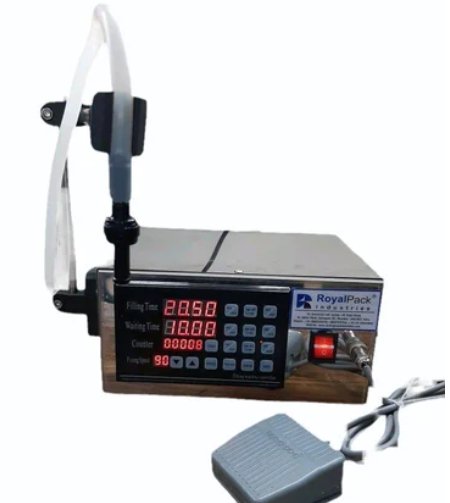
Liquid filling machines are specialized equipment designed to accurately dispense liquids into containers. These machines are essential in various industries, automating the filling process and ensuring consistent volume measurements. By utilizing advanced technology, liquid filling machines can handle a wide range of liquids, from thin, watery solutions to thick, viscous substances.
The primary uses of liquid filling machines include packaging beverages, pharmaceuticals, chemicals, and personal care products. Businesses rely on these machines to increase efficiency, reduce labor costs, and maintain product quality. In a competitive market, employing liquid filling technology can significantly enhance production capabilities and streamline operations.
In today’s industrial landscape, the relevance of liquid filling machines spans multiple sectors. As businesses strive for higher productivity and precision, the demand for reliable filling solutions continues to grow. Manufacturers of liquid filling machines are continuously innovating to meet evolving industry needs, making them vital players in the global market.
Key Features and Specifications
Liquid filling machines come equipped with various features and specifications that enhance their functionality and efficiency. Understanding these key specifications is crucial for selecting the right machine for specific applications.
Key specifications include:
1. Filling Capacity
- This specification indicates the volume of liquid the machine can fill per cycle.
- Typical ranges can vary from 50 ml up to 5 liters.
2. Speed
- Refers to the number of containers filled per minute.
- Machines can typically fill between 20 to 120 containers per minute.
3. Accuracy
- Precision in filling is critical for maintaining product quality.
- Many machines achieve an accuracy level of ±0.5% to ±1%.
4. Control System
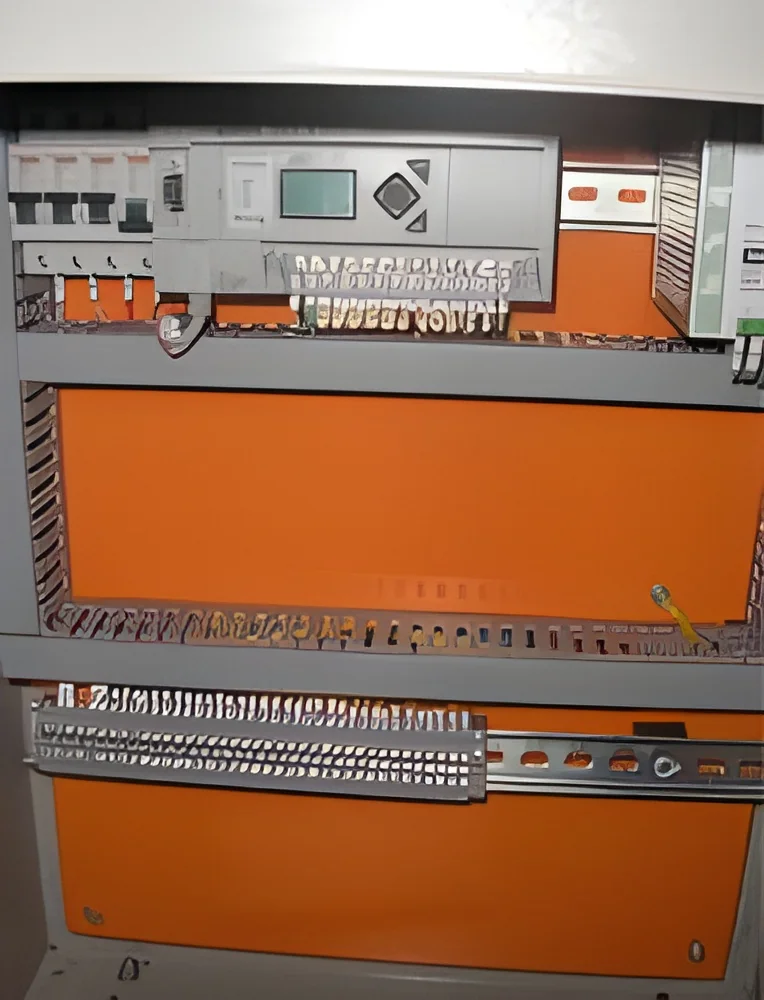
- Modern machines often utilize PLC (Programmable Logic Controller) for automated operations.
- This enables easy programming and monitoring.
5. Material Construction
- Machines are often constructed from stainless steel for durability and hygiene.
- Corrosion-resistant materials are essential for chemical applications.
6. Power Supply
- Most liquid filling machines operate on standard electrical voltages, typically 220V or 380V.
7. Cleaning Process
- Features like quick-release components facilitate easy cleaning and maintenance.
- Sanitary designs are important for food and pharmaceutical industries.
8. Customization Options
- Many manufacturers offer customizable features to cater to specific industry requirements.
In summary, understanding the features and specifications of liquid filling machines is vital for businesses looking to enhance their production processes.
Common Applications and Use Cases
Liquid filling machines find applications across various industries, serving as a backbone for efficient production.
1. Beverage Industry: These machines are widely used for filling soft drinks, juices, and alcoholic beverages, ensuring precise volumes and high-speed filling.
2. Pharmaceutical Industry: Liquid filling machines are crucial for dispensing medications, syrups, and vaccines, where accuracy and hygiene are paramount.
3. Chemical Industry: They are employed to fill corrosive liquids and industrial chemicals, requiring machines with specialized materials and safety features.
4. Personal Care Products: From lotions to shampoos, liquid filling machines help in packaging personal care items, maintaining consistency in product quantity.
5. Food Industry: Used for sauces, oils, and other liquid food products, these machines ensure compliance with food safety standards.
6. Cleaning Products: Liquid filling machines are essential for packaging detergents and cleaning solutions, where speed and accuracy are critical.
7. Cosmetics: These machines fill various cosmetic products, such as perfumes and creams, requiring precise filling to maintain brand integrity.
Product Variants and Subcategories
Liquid filling machines come in various types to meet diverse industry needs. Each variant offers unique features tailored to specific applications.
Gravity Filling Machines: These machines utilize gravity to fill containers, ideal for low-viscosity liquids. They are simple, cost-effective, and easy to operate.
Pneumatic Filling Machines: These machines use compressed air to fill containers, suitable for thicker liquids. They are known for their precision and versatility.
Electronic Filling Machines: Equipped with advanced technology, these machines offer high-speed filling and can be programmed for various container sizes. They are perfect for large-scale production.
Semi-Automatic Filling Machines: These machines require some manual intervention, making them ideal for small to medium production runs. They offer flexibility and ease of use.
Fully Automatic Filling Machines: Designed for high volume production, these machines automate the entire filling process, ensuring efficiency and minimal labor costs.
Benefits and Advantages
Liquid filling machines provide numerous benefits that enhance production efficiency and product integrity.
1. Increased Efficiency: Automating the filling process significantly reduces production time, allowing for higher output.
2. Improved Accuracy: These machines minimize human error, ensuring consistent filling volumes, which is critical for maintaining quality standards.
3. Cost Savings: Reducing labor costs and minimizing waste through precise filling leads to overall cost efficiency.
4. Enhanced Safety: Modern machines incorporate safety features that protect operators and ensure compliance with industry regulations.
5. Versatility: Liquid filling machines can handle various liquid types and container sizes, making them suitable for multiple applications.
6. Easy Maintenance: Many machines are designed for straightforward cleaning and maintenance, allowing for quick downtime recovery.
Buying Guide for B2B Buyers
When sourcing liquid filling machines, it is essential to consider several key factors to ensure a successful purchase.
1. Quality Assessment: Examine the build quality and the materials used in construction. Look for machines that meet industry standards for safety and performance.
2. Supplier Verification: Vet potential suppliers by checking their reputation, customer reviews, and certifications. Reliable suppliers will provide quality assurance.
3. Pricing and MOQ: Understand the pricing structure and the minimum order quantity required. Compare quotes from different suppliers to get the best value.
4. Delivery and Lead Times: Discuss logistics and delivery timelines with suppliers. Ensure they can meet your production schedule to avoid delays.
5. Compliance Requirements: Ensure that the machines comply with relevant industry regulations and standards. This is crucial for operational legality and safety.
Compliance and Certifications
Liquid filling machines must adhere to various quality standards and certifications to ensure safety and performance.
ISO 9001 is a key standard that emphasizes quality management systems, ensuring consistent production quality and customer satisfaction.
HACCP (Hazard Analysis Critical Control Point) is crucial, especially in food and pharmaceutical industries, as it helps identify and manage potential hazards in production processes.
CE certification indicates compliance with European health, safety, and environmental protection standards, which is vital for machines exported to Europe.
Safety and testing requirements must be met to protect operators and products. This includes rigorous testing for performance and reliability under various conditions.
Regional compliance considerations may vary, so it is essential to be aware of local regulations and standards that apply to liquid filling machines in specific markets.
Why Source Liquid Filling Machines from Pepagora?
Pepagora provides a trusted platform for sourcing liquid filling machines, offering several key advantages for B2B buyers.
Verified Supplier Network: Pepagora ensures that all suppliers are thoroughly vetted, providing buyers with access to reliable and quality manufacturers. This reduces the risk associated with sourcing equipment.
Streamlined RFQ Process: The Request for Quotation (RFQ) process is designed to be simple and efficient, allowing buyers to receive competitive quotes from multiple suppliers quickly. This helps in making informed purchasing decisions.
Trade Assurance and Support: Buyers are protected through trade assurance programs that guarantee quality and timely delivery. Pepagora also provides support throughout the buying process, ensuring a smooth transaction.
Regional Coverage: With a strong presence in India, the GCC, and Southeast Asia, Pepagora enables businesses to source liquid filling machines that meet their specific regional requirements, enhancing accessibility and convenience.

 IN
IN