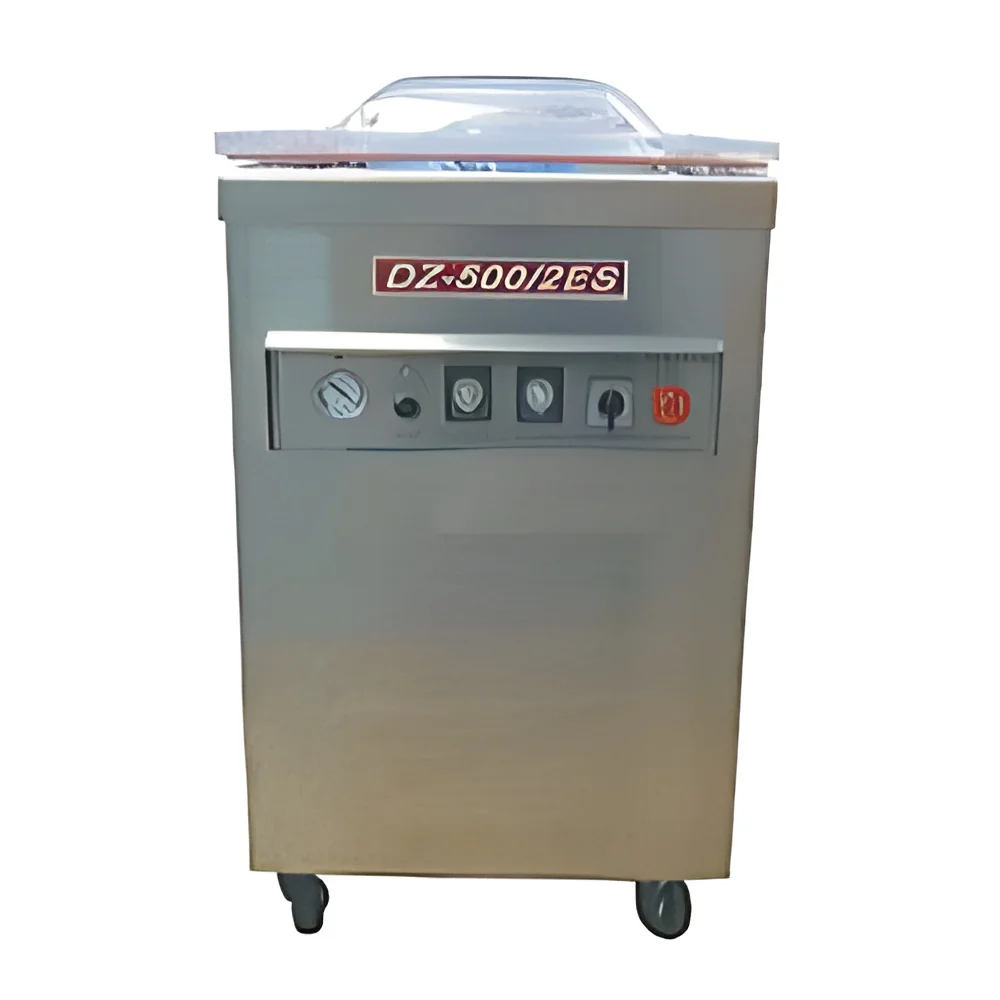
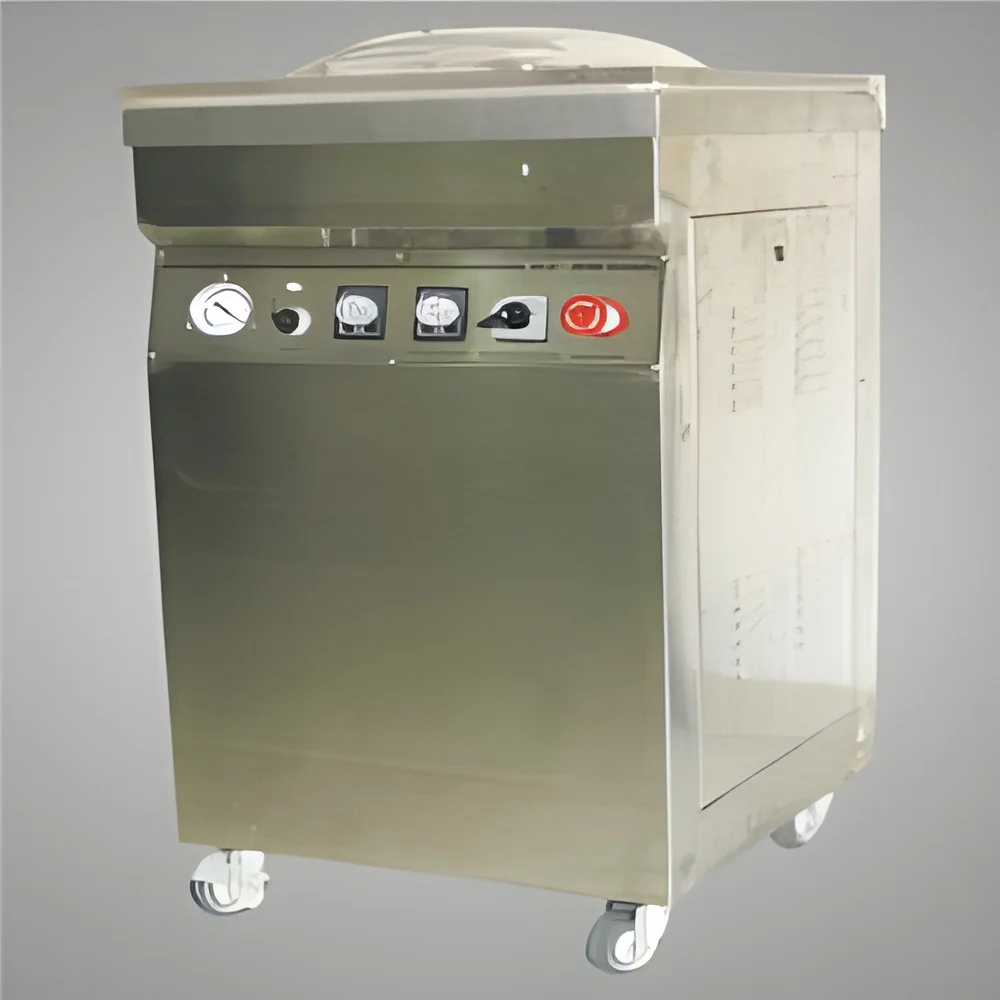
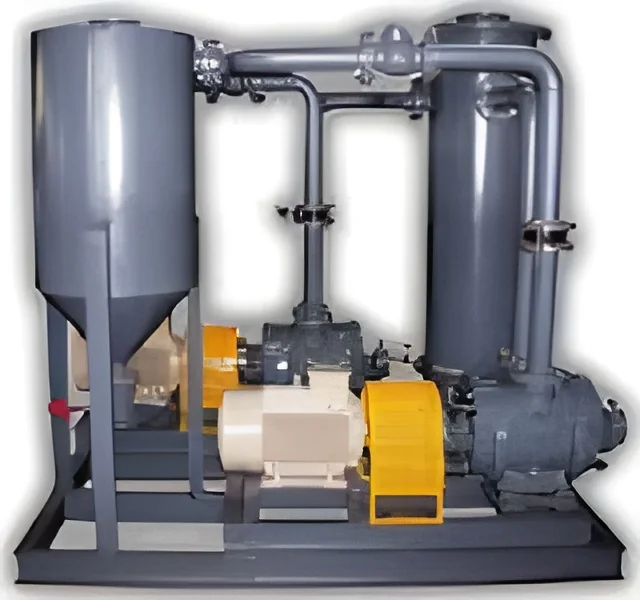
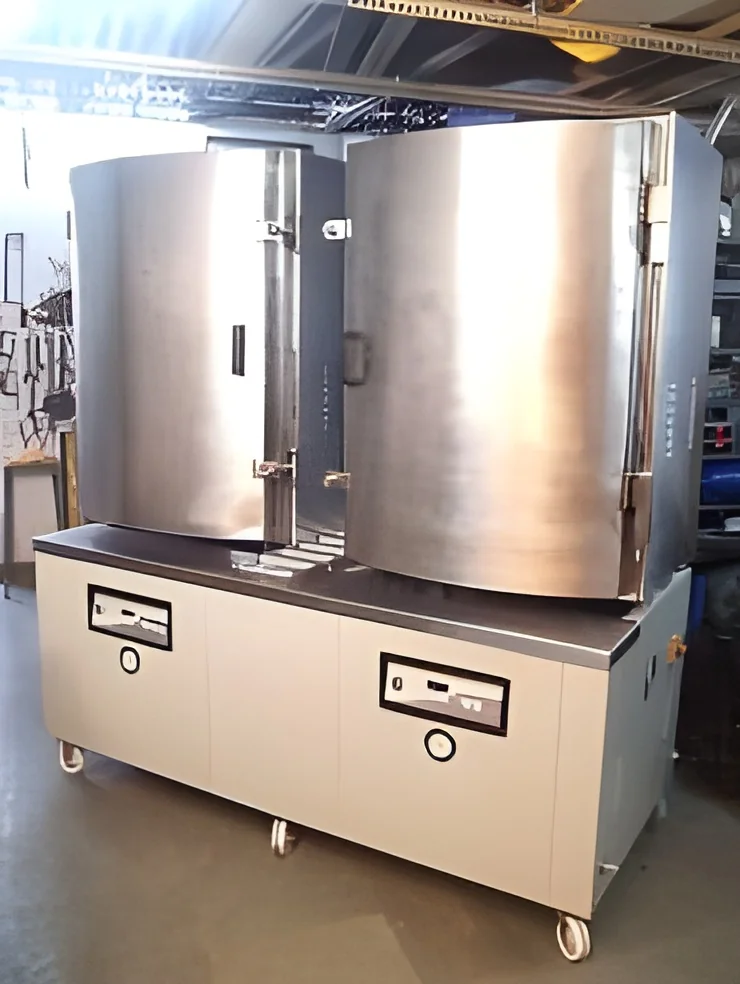
What are Vacuum Packing Machines?
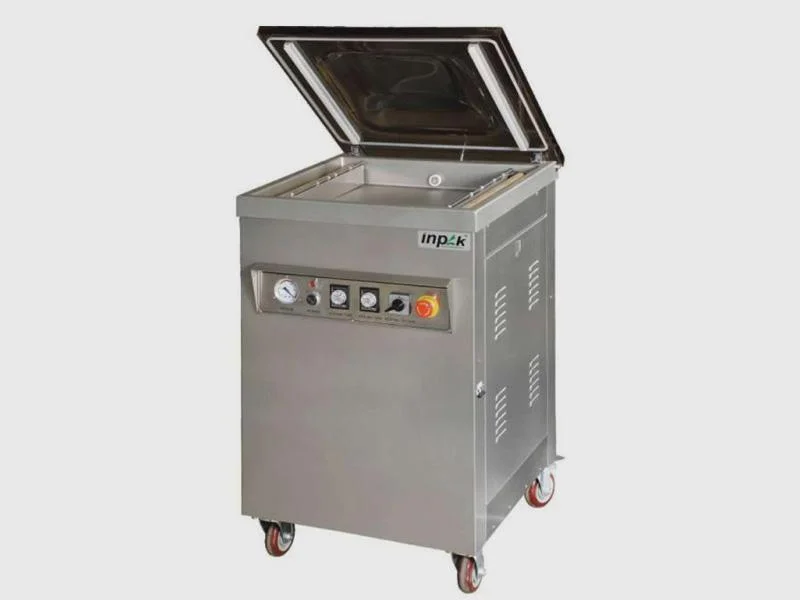
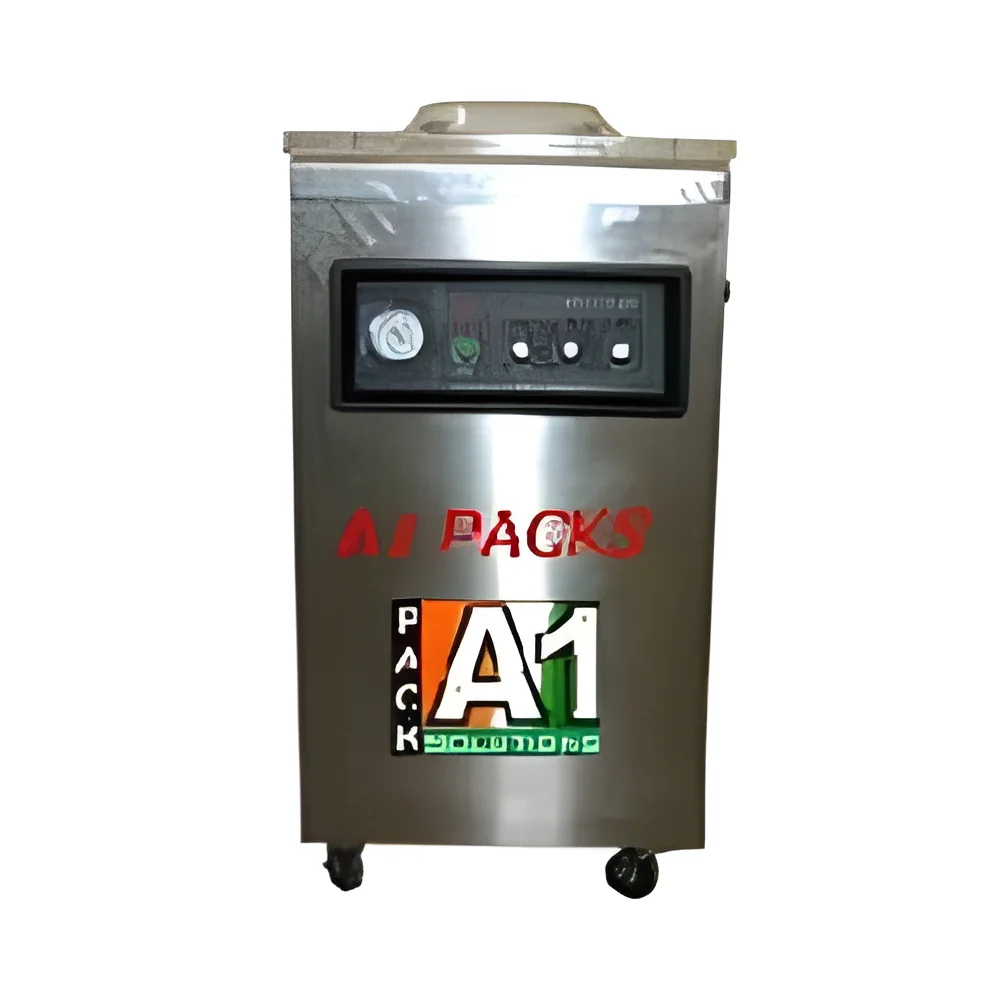
Vacuum packing machines are specialized devices designed to remove air from packaging, sealing products in airtight bags or containers. This process helps to preserve the freshness and quality of various items, preventing spoilage and extending shelf life. These machines operate by creating a vacuum environment, which minimizes the presence of oxygen, a key factor in the degradation of food and other perishable goods.
The primary applications of vacuum packing machines include food preservation, packaging of electronics, and storage of medical supplies. In the food industry, they are widely used for packaging meats, cheeses, and ready-to-eat meals. Beyond food, these machines serve businesses in sectors such as pharmaceuticals and manufacturing, where the integrity of products is critical. Given the growing emphasis on sustainability and reducing waste, vacuum packing has become increasingly relevant in modern industrial processes.
Key Features and Specifications
Vacuum packing machines come with a range of features and specifications that cater to different business needs. Understanding these specifications is crucial for selecting the right machine for your operations.
Key specifications include:
1. Vacuum Chamber Size
- This specification determines the maximum size of products that can be vacuum-packed.
- Common sizes range from small chambers suitable for home use to large industrial chambers.
2. Sealing Mechanism
- Various sealing mechanisms include heat sealing, impulse sealing, and automatic sealing.
- The choice of sealing mechanism affects efficiency and the quality of the seal.
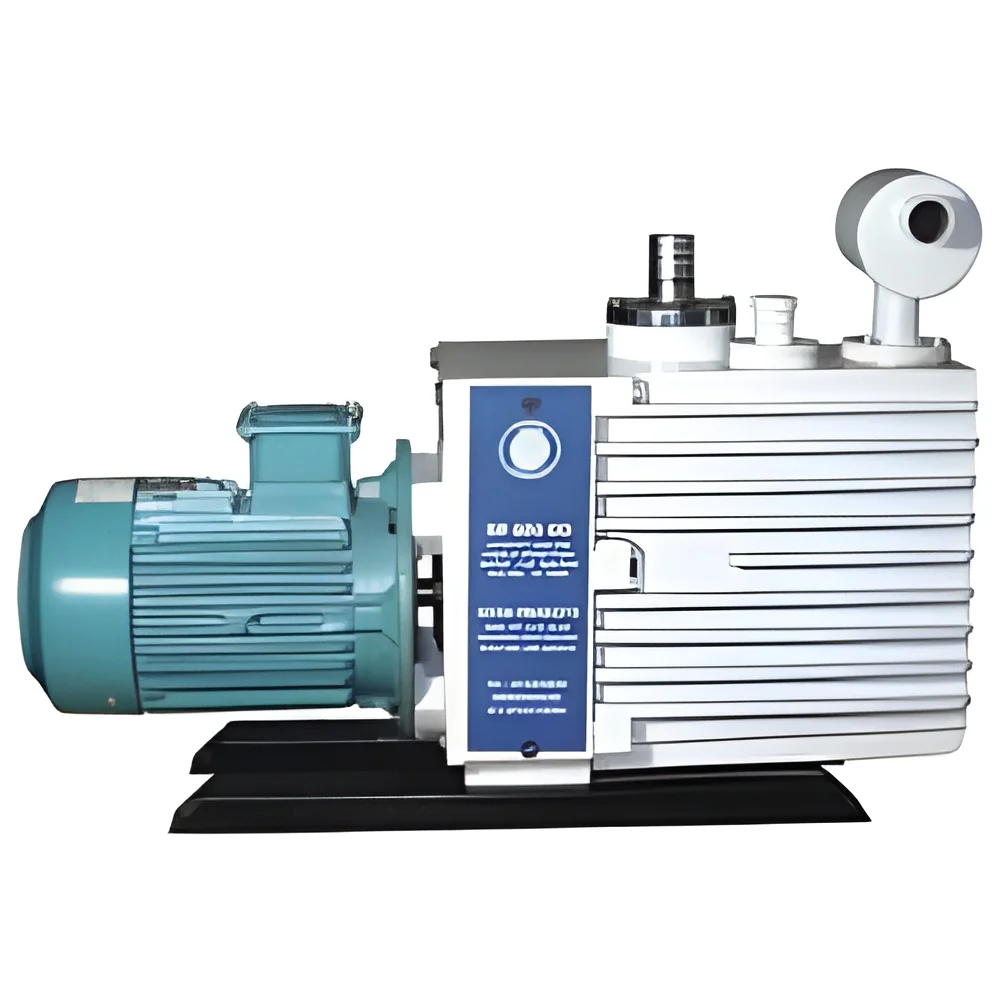
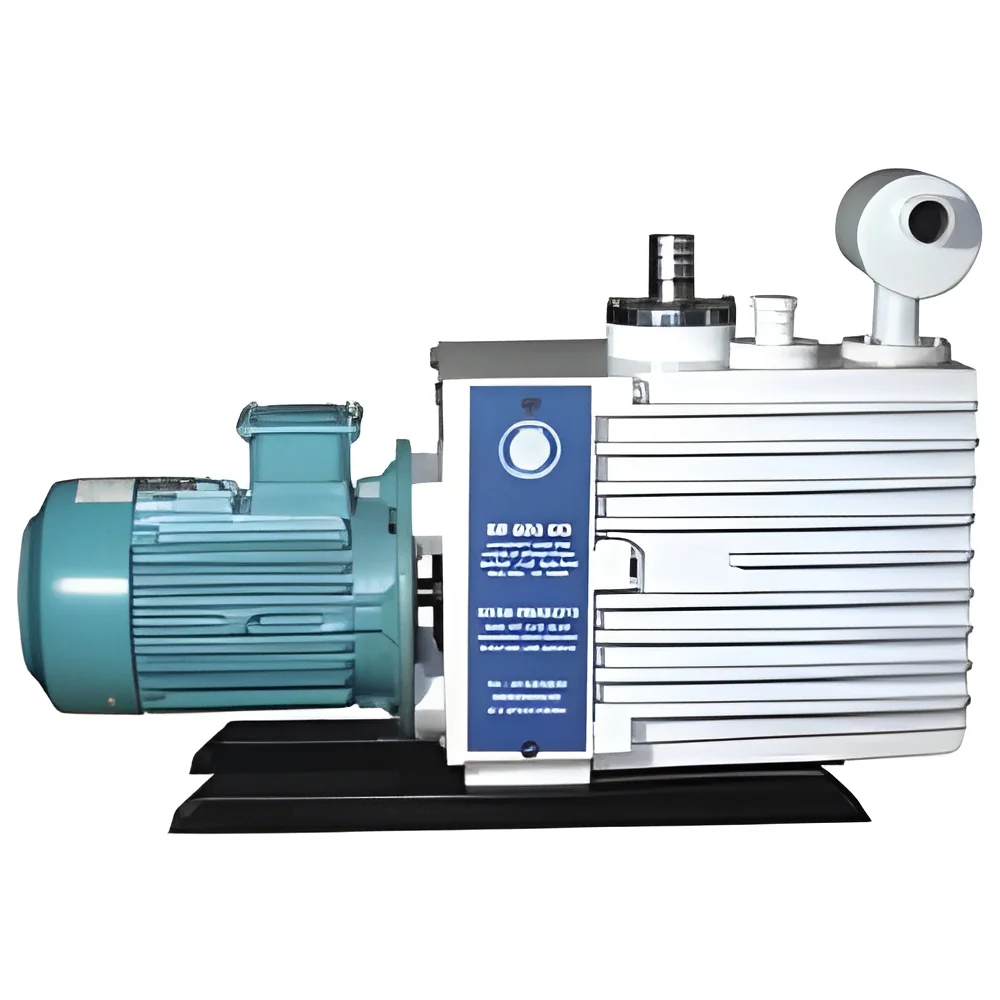
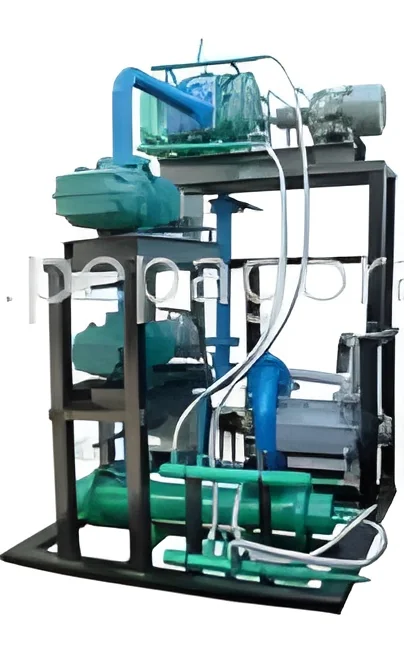
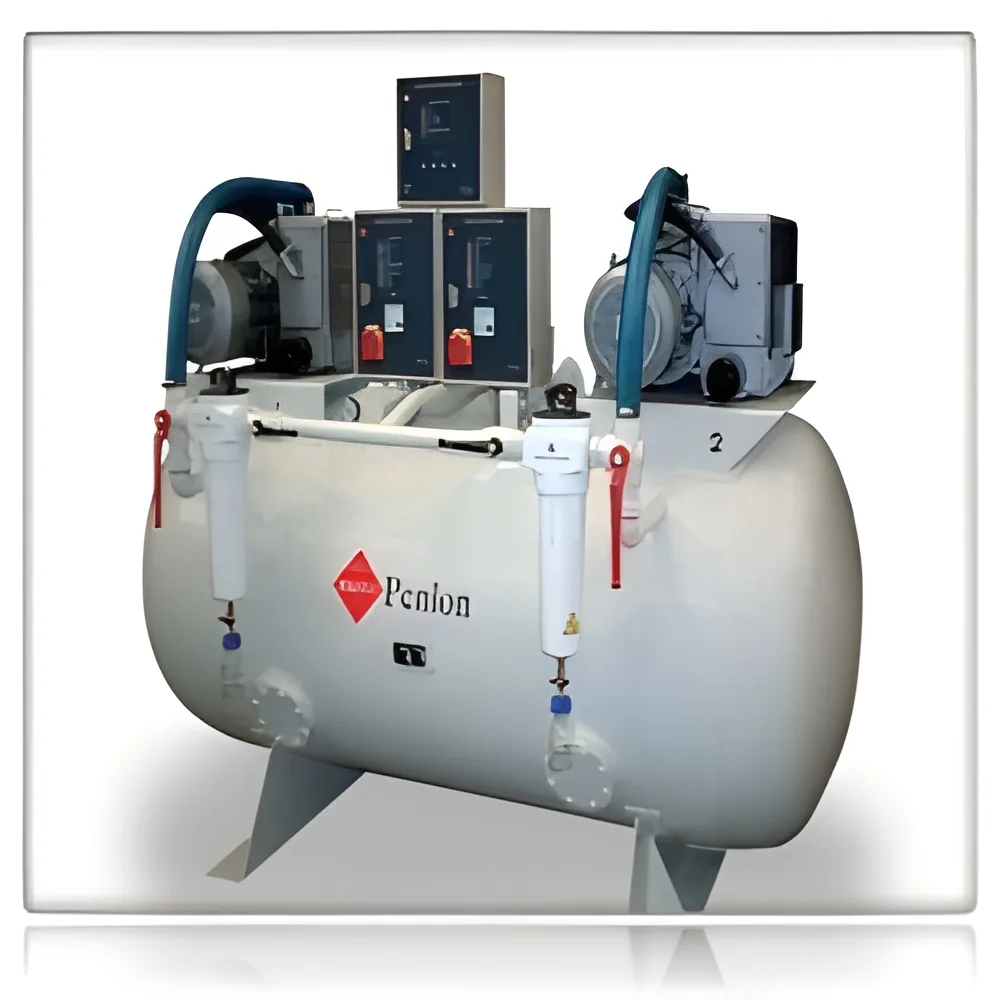
3. Pump Capacity
- The pump capacity indicates how quickly air can be removed from the chamber.
- Ranges vary, with smaller machines offering lower capacities and larger industrial machines providing higher rates.
4. Control Features
- Machines may come with digital controls, programmable settings, or manual operation.
- Advanced models allow for customization of vacuum levels and sealing times.
5. Material Compatibility
- The type of materials the machine can handle, including plastic films and bags.
- Compatibility ensures proper sealing and preservation.
6. Power Consumption
- This specification relates to the energy efficiency of the machine.
- Machines vary in power requirements based on size and functionality.
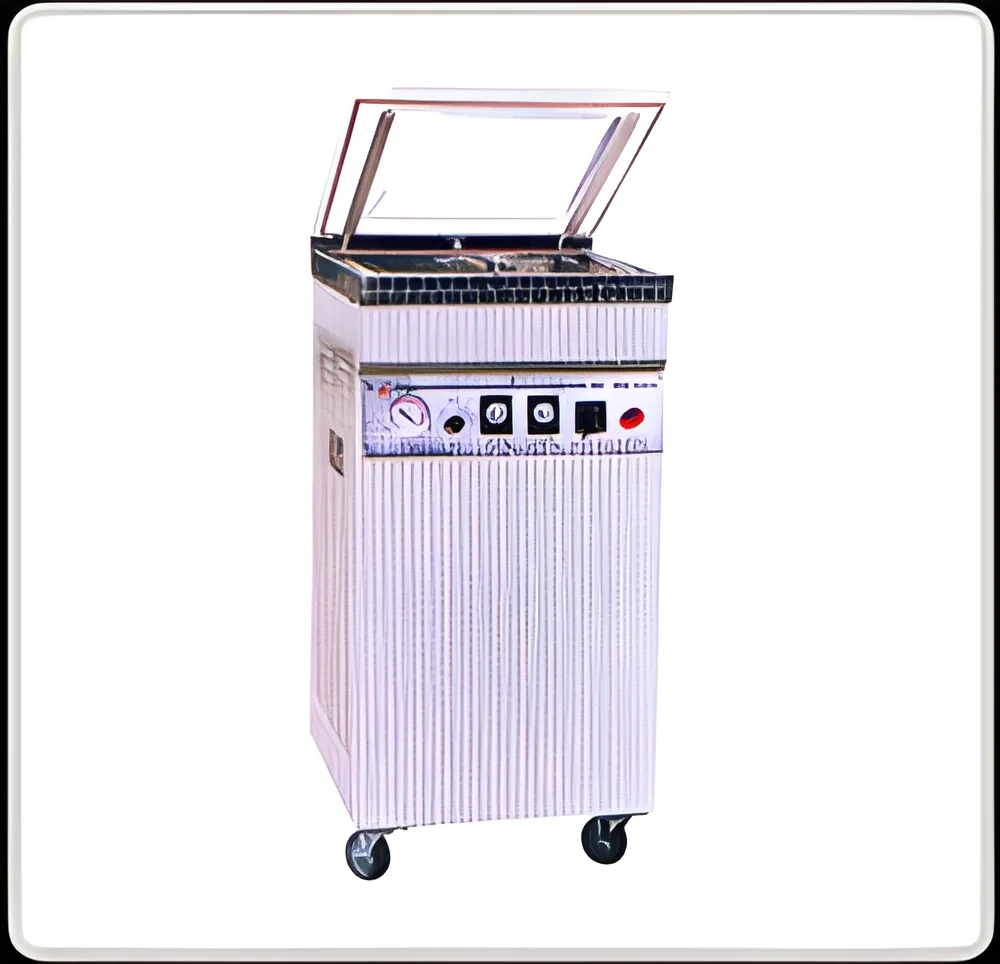
7. Portability
- Some machines are designed to be portable for ease of use in different locations.
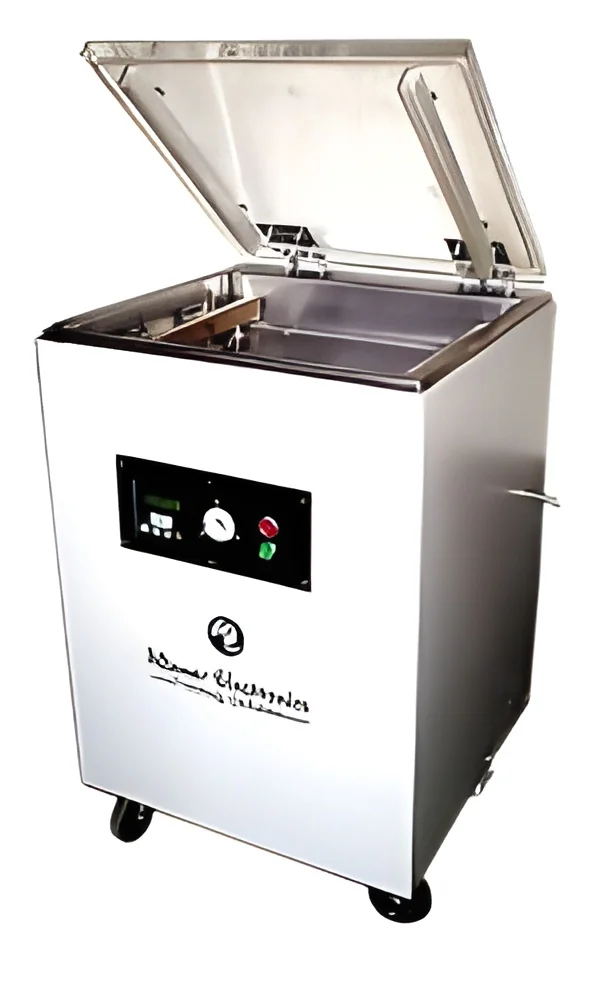
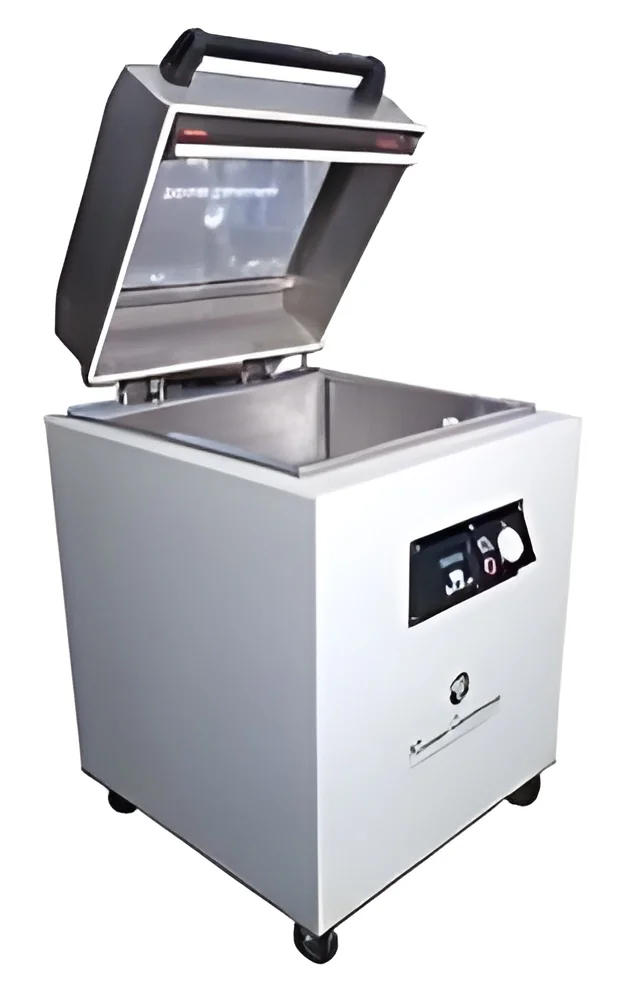
- Portability often includes built-in handles or wheels.
8. Maintenance Requirements
- Machines may require regular maintenance to ensure optimal performance.
- This includes cleaning, replacing seals, and checking pump functionality.
In summary, selecting the right vacuum packing machine involves understanding these key features and specifications, ensuring compatibility with your specific needs.
Common Applications and Use Cases
Vacuum packing machines serve various industries, enhancing product preservation and efficiency.
1. Food Industry: These machines are extensively used to package meats, cheeses, and ready-to-eat meals, preserving freshness and extending shelf life.
2. Electronics: Vacuum packing is ideal for electronics that require protection from moisture and dust during storage and shipping.
3. Pharmaceuticals: In this sector, vacuum packing ensures the integrity of medical supplies and drugs, preventing contamination and degradation.
4. Retail: Retailers use vacuum packing for vacuum-sealed snacks and convenience foods, appealing to consumers seeking convenience and freshness.
5. Manufacturing: Manufacturers utilize vacuum packing to protect components and products from environmental damage during transport and storage.
Product Variants and Subcategories
Vacuum packing machines offer diverse options to meet varying business needs.
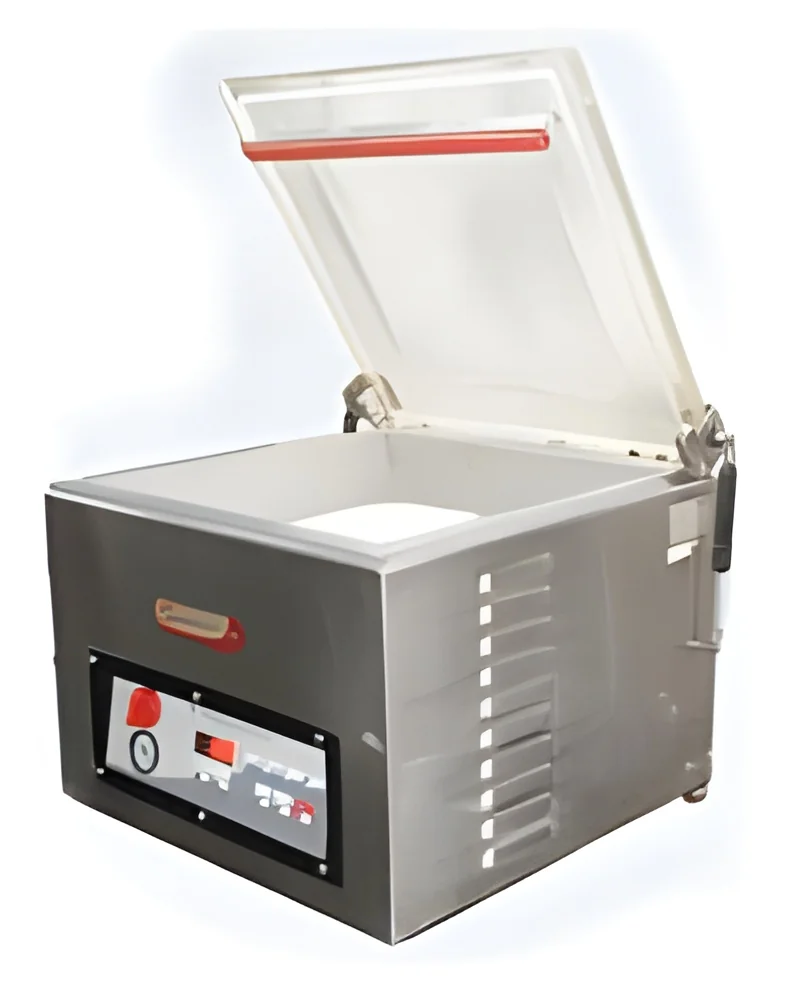
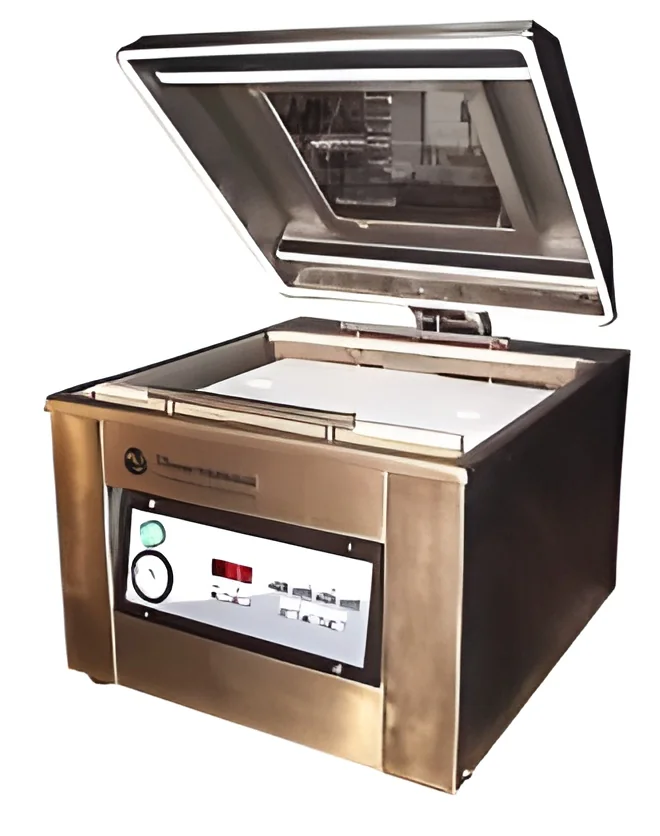
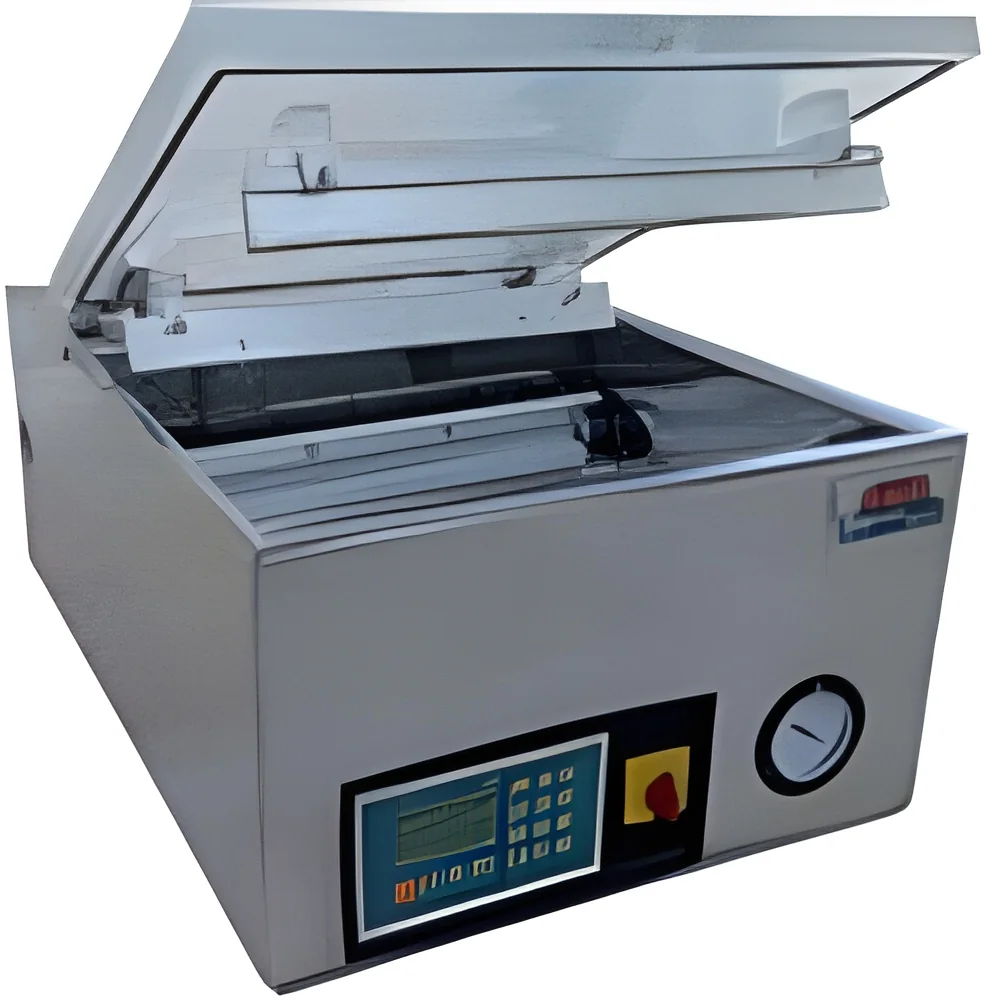
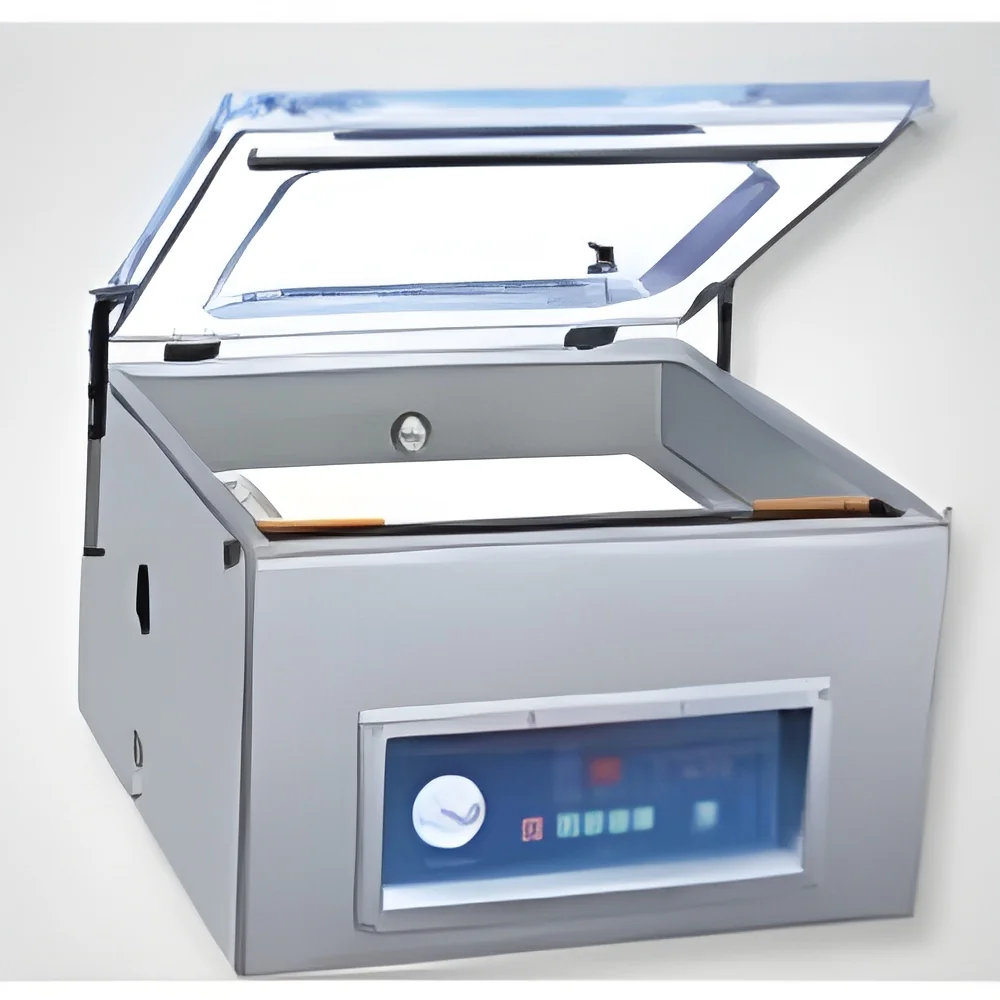
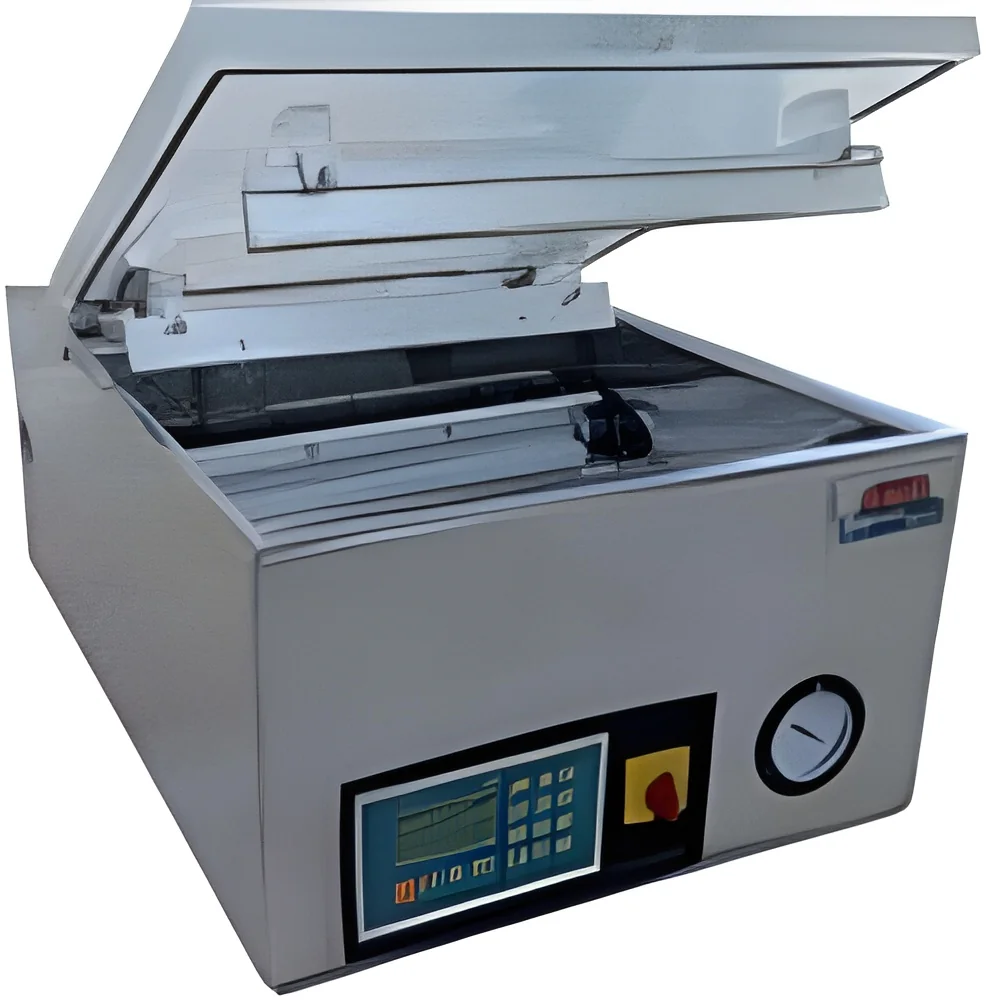
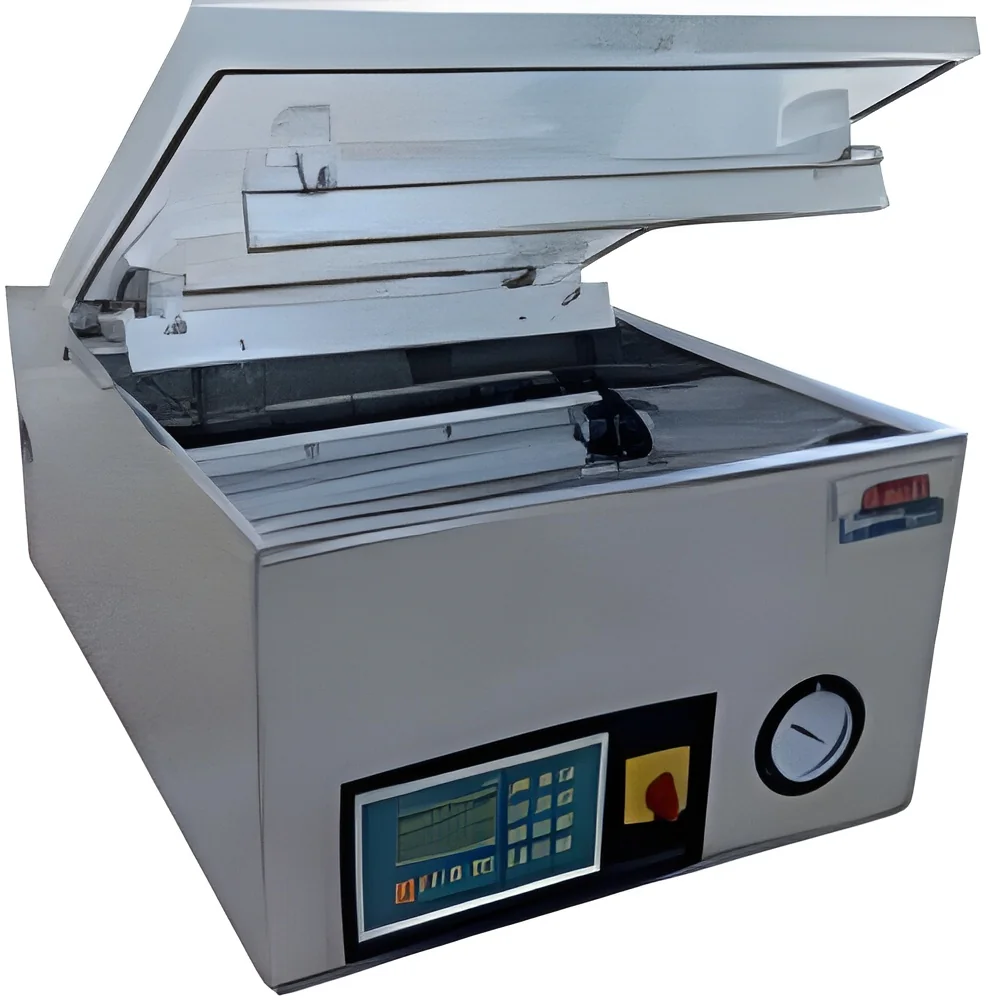
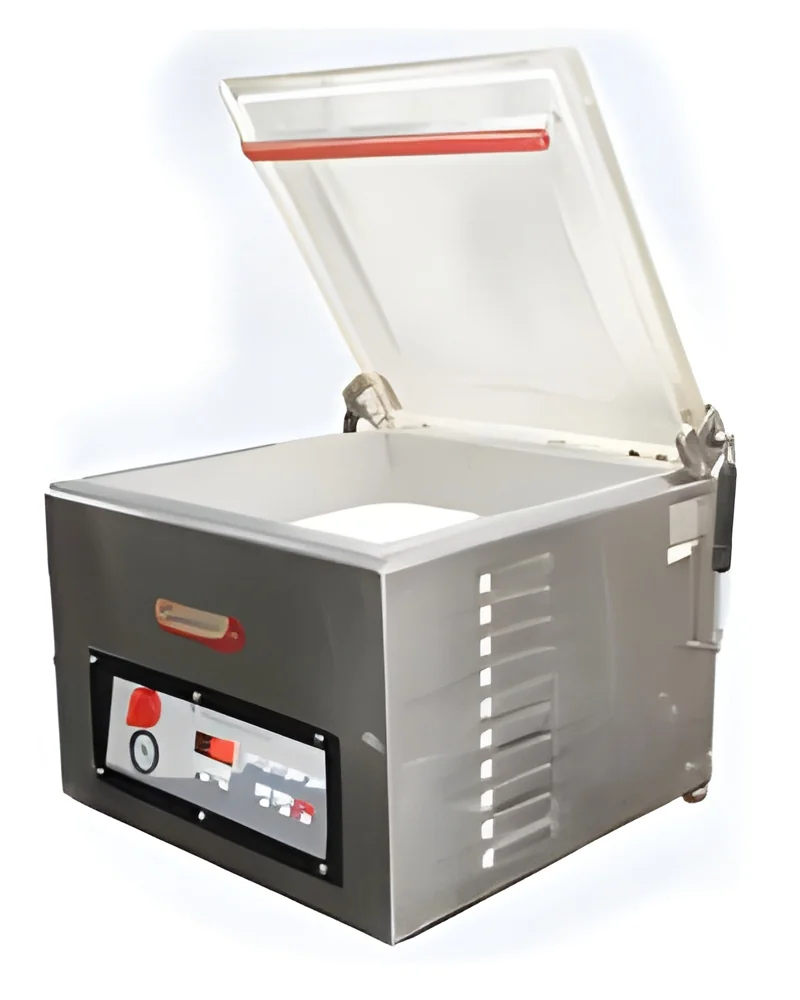
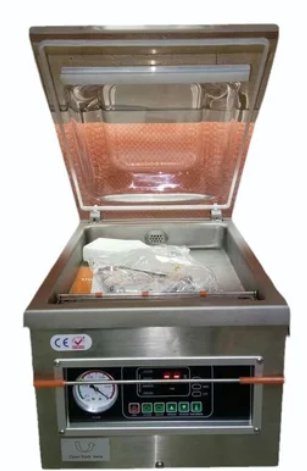
Tabletop Vacuum Packing Machines: These compact machines are ideal for small to medium businesses. They are easy to operate and perfect for low to moderate volume packaging.
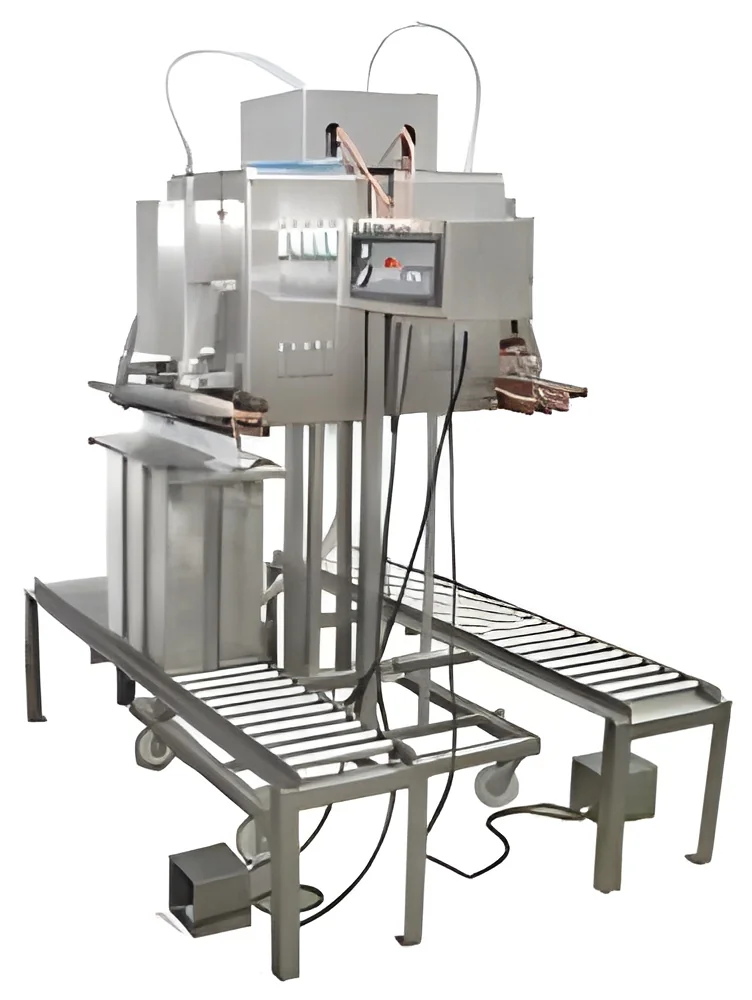
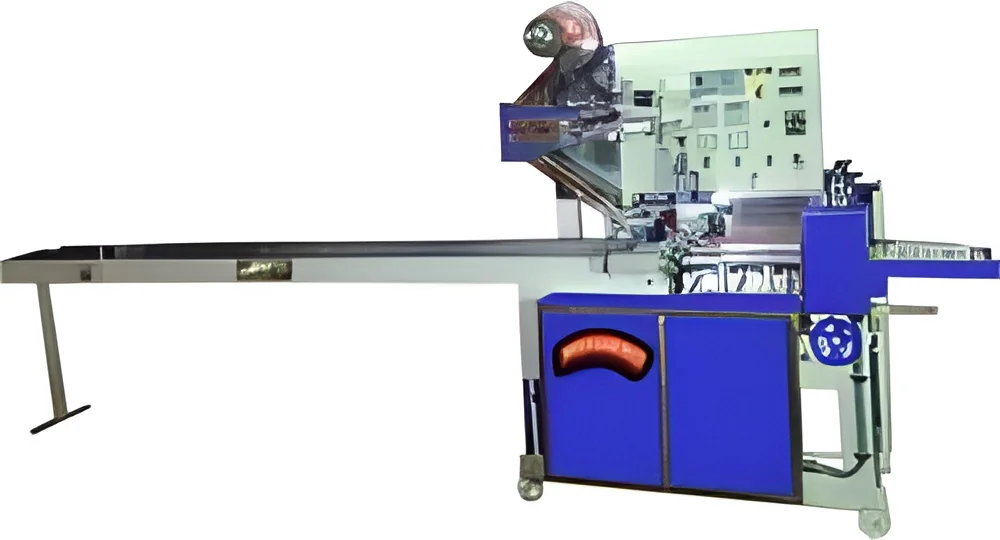
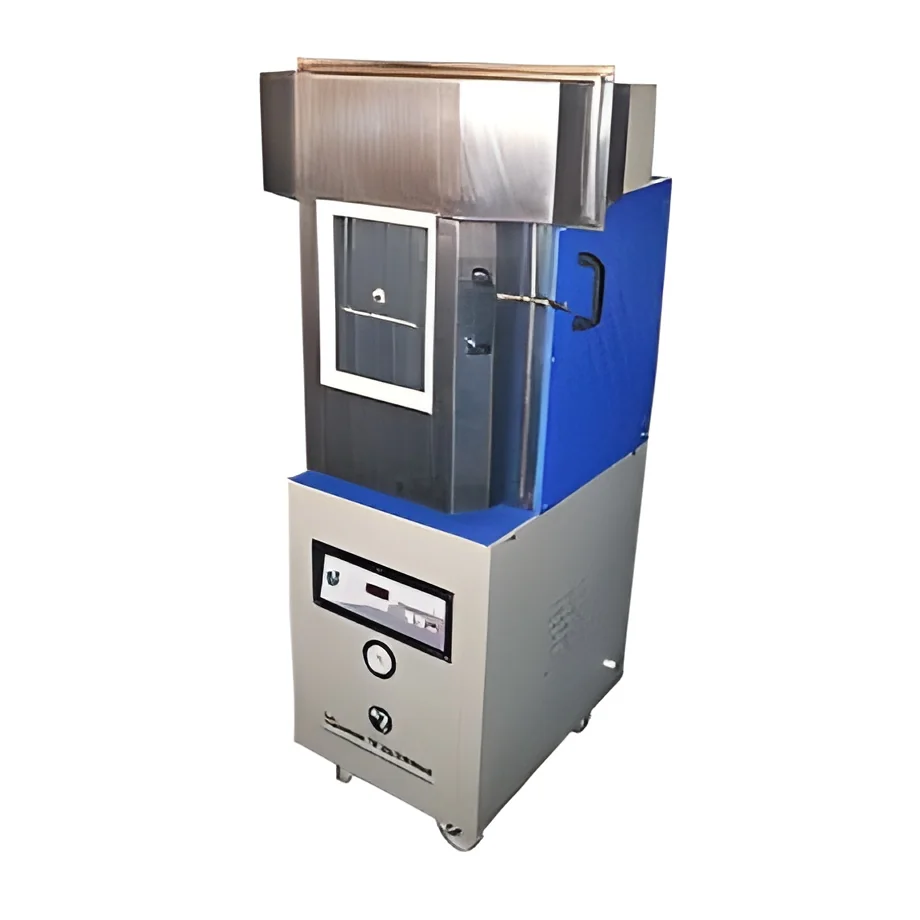
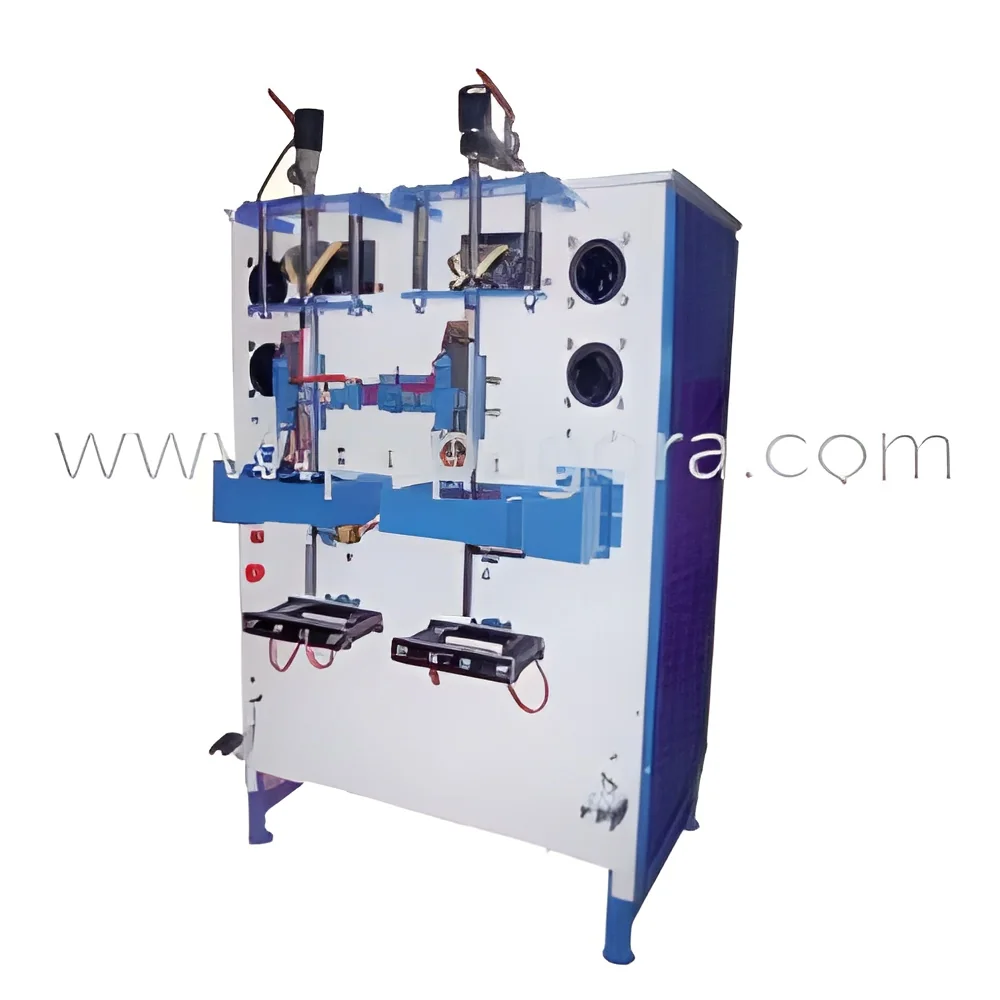
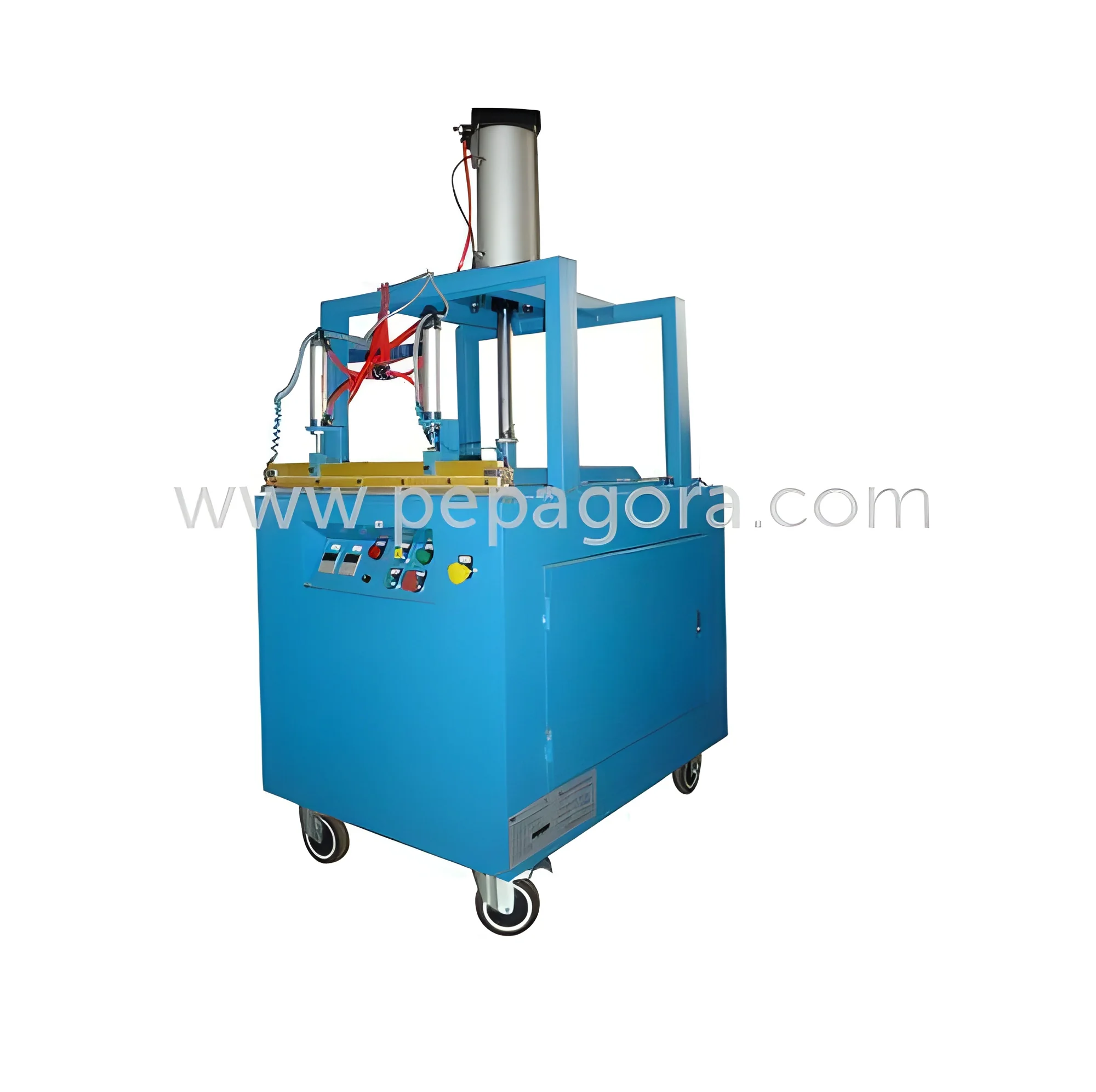
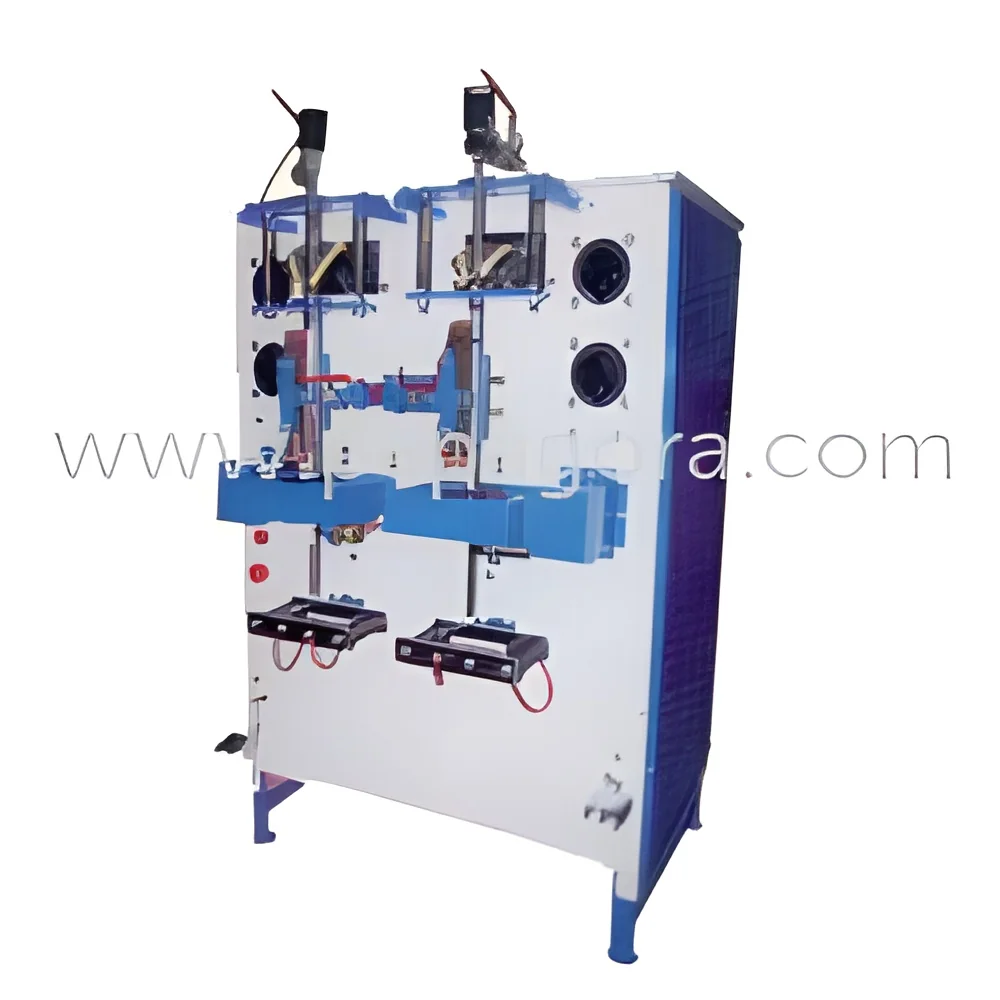
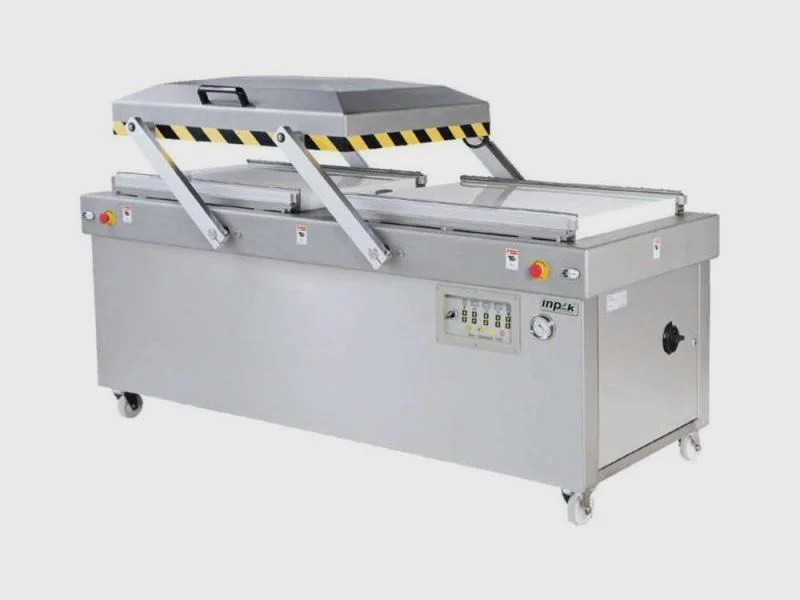
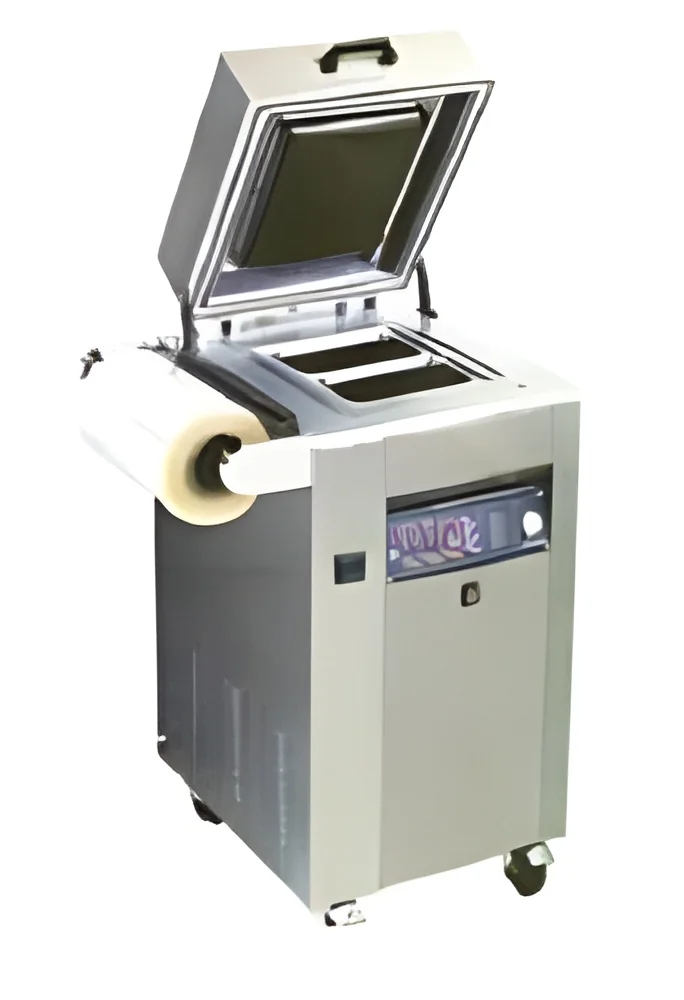
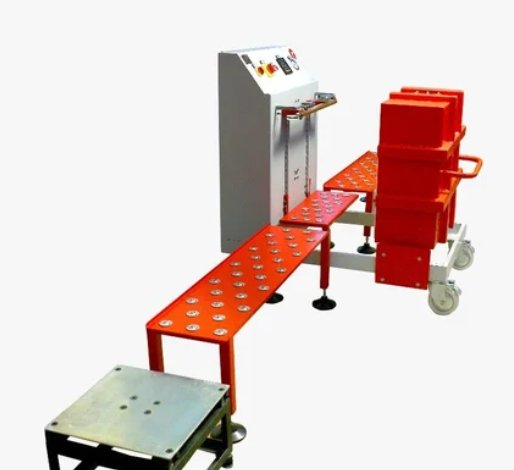
Industrial Vacuum Packing Machines: Designed for high-volume operations, these machines can handle large batches and feature advanced automation for efficiency.
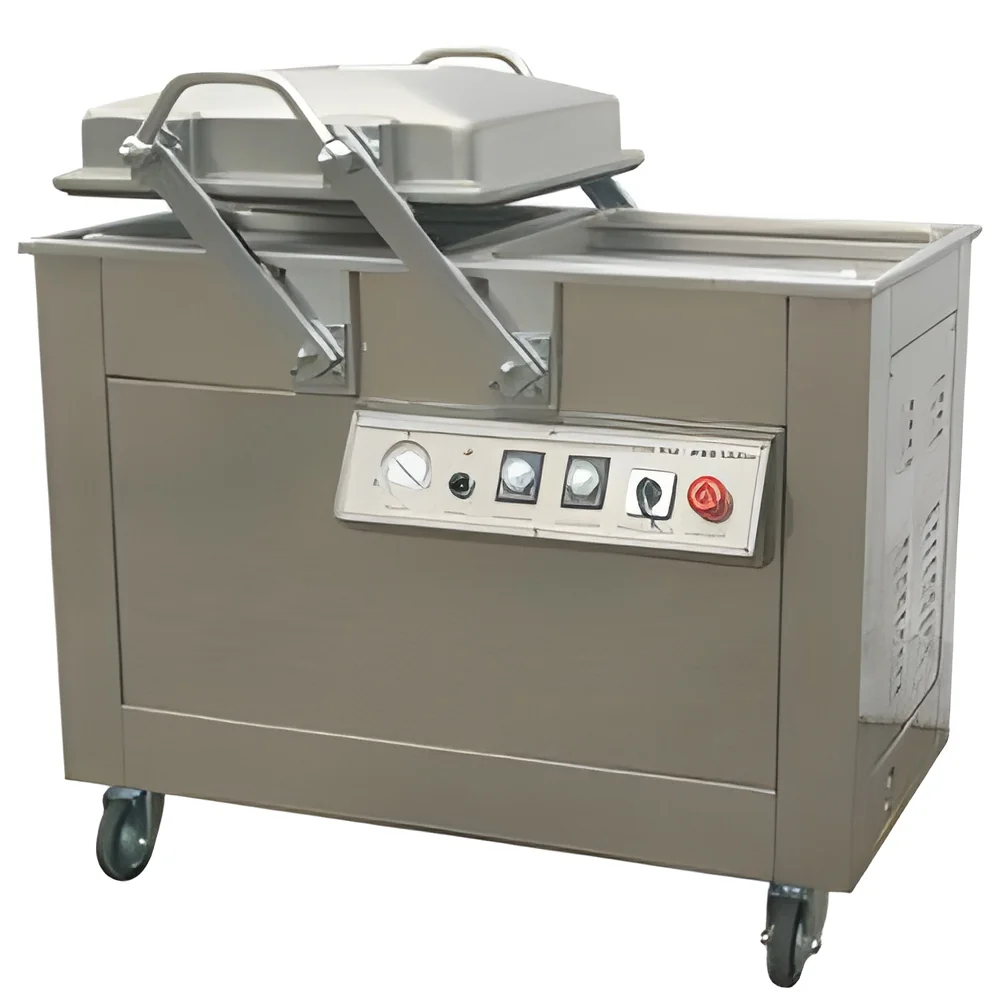
Chamber Vacuum Packaging Machines: These machines allow for packaging multiple items at once, making them suitable for restaurants and food processing facilities.
External Vacuum Sealers: These are often less expensive and designed for home use, ideal for smaller tasks like meal prep or food storage.
Benefits and Advantages
Investing in vacuum packing machines provides several advantages for businesses.
1. Extended Shelf Life: Vacuum packing reduces spoilage by limiting oxygen exposure, keeping products fresh for longer periods.
2. Cost Efficiency: By extending shelf life, businesses can reduce waste and save money on unsold inventory.
3. Improved Quality: Products maintain their flavor, texture, and nutritional value due to reduced exposure to air and moisture.
4. Space Saving: Vacuum-packed items take up less space, allowing for more efficient storage and transportation.
5. Enhanced Presentation: Vacuum packing can enhance the appearance of products, making them more appealing to consumers.
6. Versatility: These machines can handle a variety of products, from food items to electronics, making them suitable for multiple industries.
Buying Guide for B2B Buyers
When sourcing vacuum packing machines, certain factors should be carefully considered to ensure an informed purchase.
1. Quality Assessment: Evaluate the durability and reliability of the machine. Look for machines with robust construction and positive user reviews to ensure longevity and performance.
2. Supplier Verification: Vet potential suppliers by checking their credentials, customer feedback, and industry experience. Reliable suppliers often provide warranties and after-sales support.
3. Pricing and MOQ: Understand the pricing structure and minimum order quantities. Compare different suppliers to find the best value while ensuring quality.
4. Delivery and Lead Times: Assess the suppliers' delivery capabilities and lead times to ensure that your operational timelines are met without unnecessary delays.
5. Compliance Requirements: Ensure that the machines comply with relevant industry standards and regulations. This may include safety certifications and environmental considerations.
Compliance and Certifications
Vacuum packing machines must adhere to various quality standards and certifications to ensure safety and performance.
ISO 9001: This standard focuses on quality management systems, ensuring that manufacturers consistently provide products that meet customer and regulatory requirements.
HACCP: The Hazard Analysis Critical Control Point system is crucial for food safety, ensuring that equipment used in food packaging meets rigorous safety standards.
CE Certification: This certification indicates compliance with European safety, health, and environmental protection standards, which is essential for machines sold in Europe.
Safety and testing requirements may vary by region, so it is essential to check local regulations for compliance. Manufacturers should also provide documentation of testing and certification for their machines.
Why Source Vacuum Packing Machines from Pepagora?
Pepagora offers a trusted platform for sourcing vacuum packing machines, providing several key advantages for buyers.
Verified Supplier Network: Pepagora meticulously verifies suppliers to ensure quality and reliability. This network allows businesses to connect with reputable manufacturers and distributors.
Streamlined RFQ Process: The platform offers a streamlined Request for Quotation process, making it easy for buyers to receive competitive pricing and product information from multiple suppliers.
Trade Assurance and Support: Buyers are protected through trade assurance features, ensuring that transactions are secure and that support is available for any issues that may arise.
Regional Coverage: Pepagora has a strong presence in India, the GCC, and Southeast Asia, allowing businesses across these regions to access quality vacuum packing machines tailored to their needs.
By choosing Pepagora, businesses can confidently invest in vacuum packing machines that will enhance their operations and meet their packaging needs.

 IN
IN