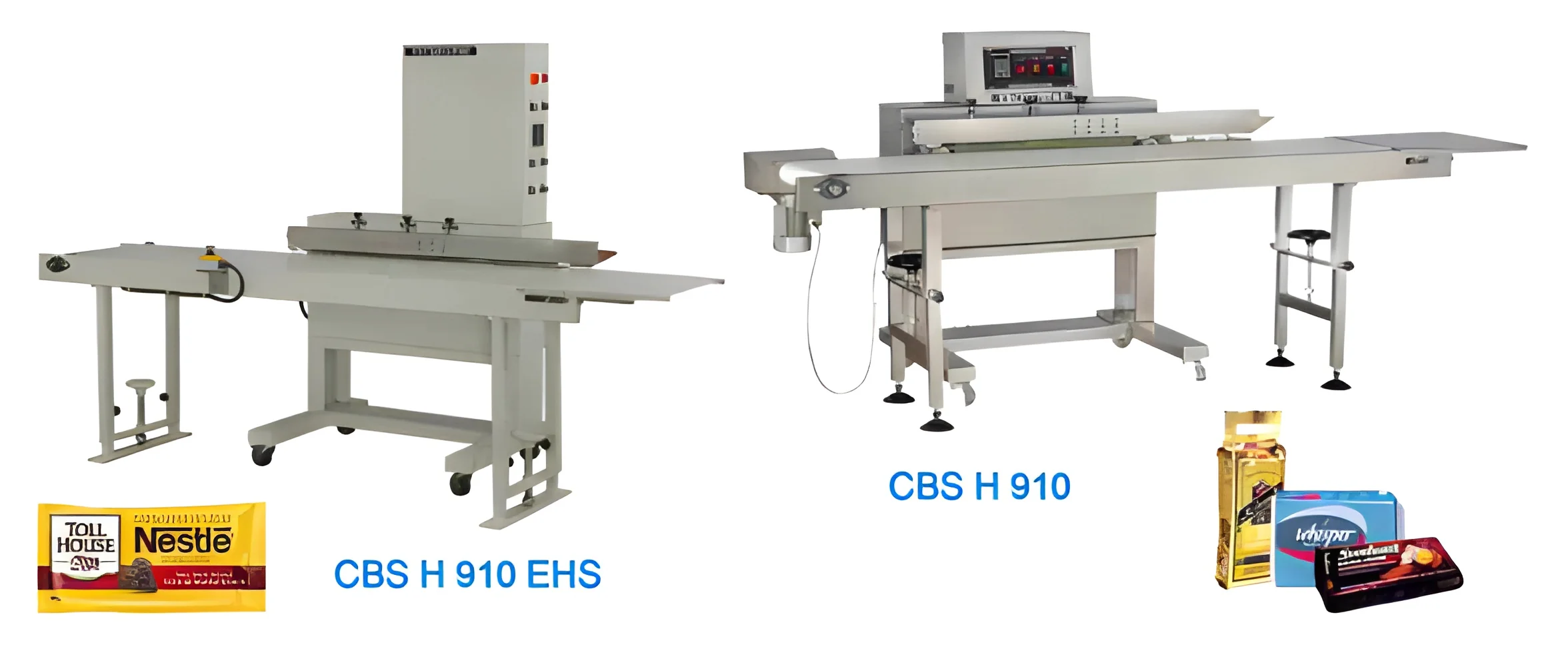
What are Flow Wrap Machines?
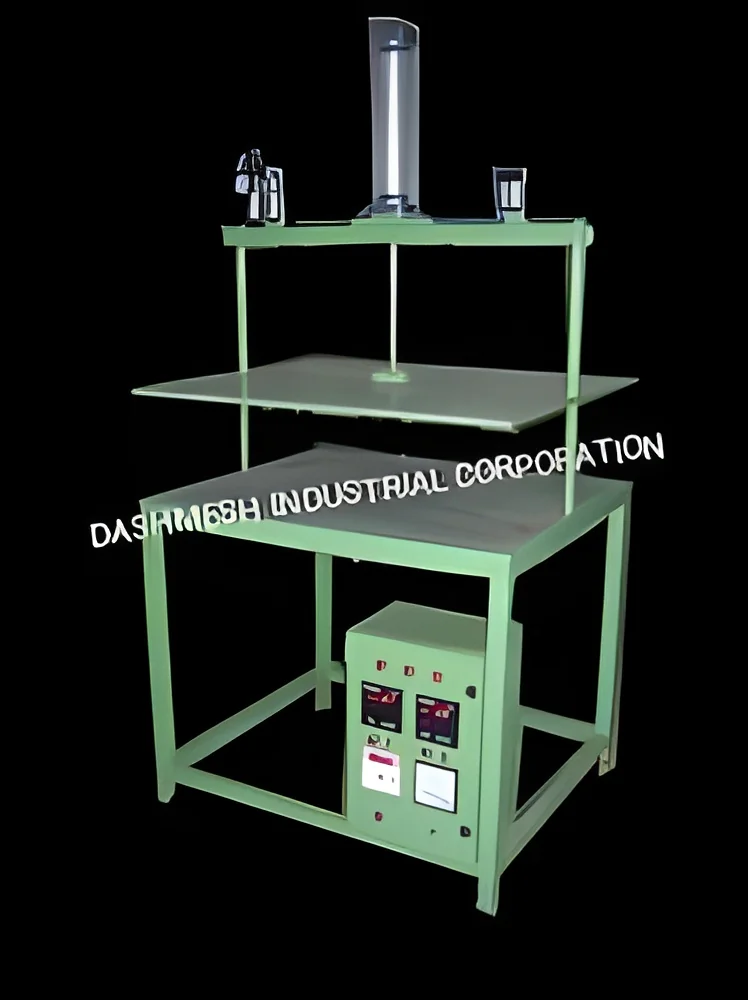
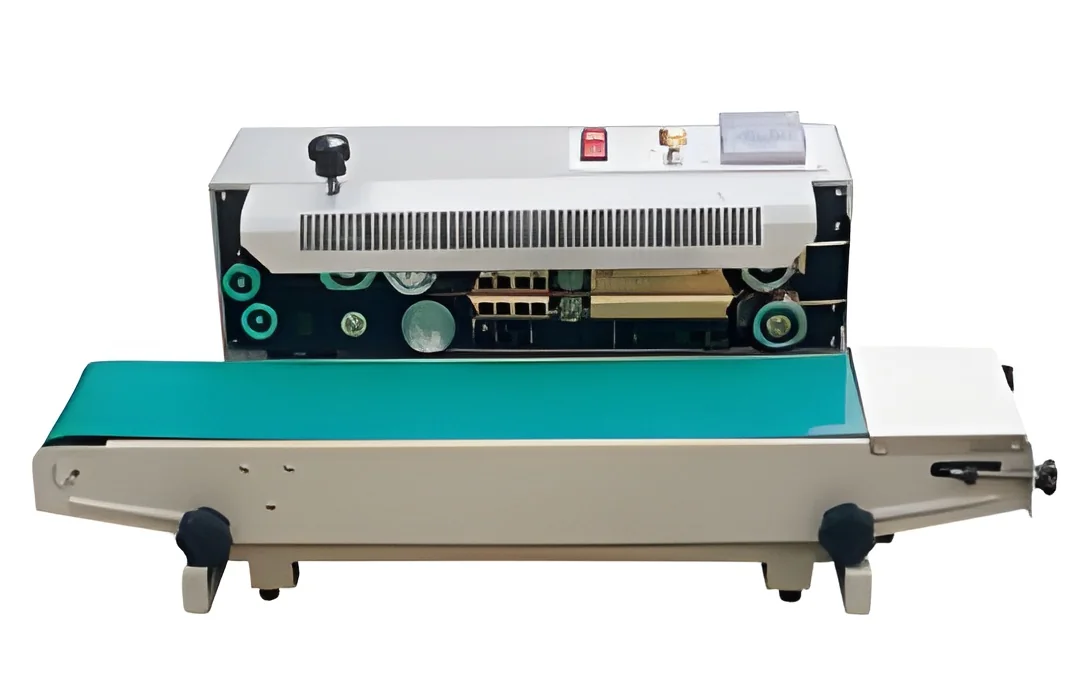
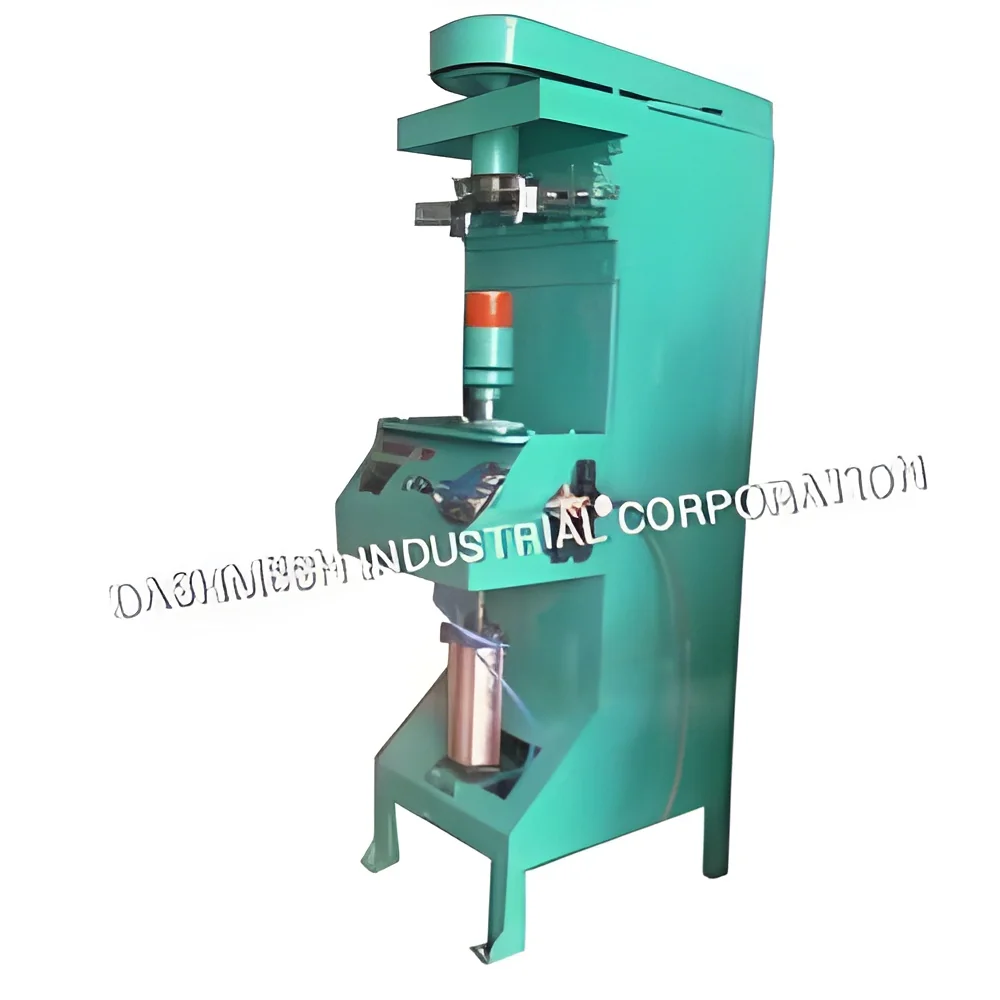
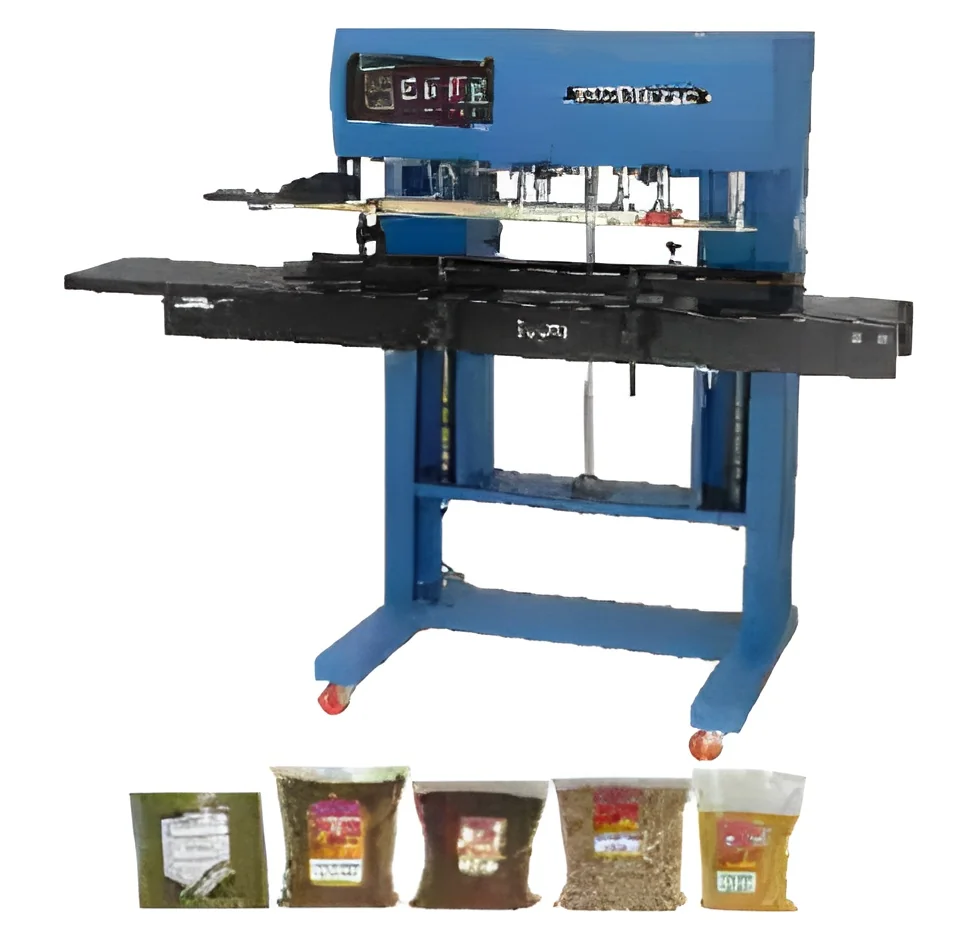
Flow wrap machines are specialized packaging equipment designed to wrap products in a continuous flow. These machines use a film to enclose items, producing a tight and secure package that is both visually appealing and functional. The wrapping process typically involves feeding products into the machine, which then automatically wraps them in a sealed film. This ensures that the products remain fresh and protected from external factors.
The primary applications of flow wrap machines span various industries, including food, pharmaceuticals, and consumer goods. In the food industry, they are commonly used for packaging items such as snacks, baked goods, and frozen foods. In pharmaceuticals, flow wrap machines package tablets, capsules, and other healthcare products. As businesses aim for efficiency and cost-effectiveness in packaging, flow wrap machines have become integral to production lines.
With increasing demand for packaged goods and the need for efficient production processes, flow wrap machines hold significant relevance in today's market. They offer businesses the ability to scale their operations, reduce labor costs, and maintain product integrity. As industries continue to evolve, the role of flow wrap machines in enhancing packaging solutions remains crucial.
Key Features and Specifications
Flow wrap machines come equipped with several features that enhance their functionality and efficiency. These machines are designed to accommodate a wide range of product sizes and types, making them versatile for various packaging needs. The specifications of flow wrap machines are essential for businesses to understand in order to select the right model for their operations.
Key specifications include:
1. Maximum Product Width
- This specification indicates the maximum width of the product that can be wrapped.
- Typical ranges vary depending on the machine model.
2. Wrapping Speed
- This indicates how many packages can be wrapped per minute.
- Machines can typically wrap anywhere from 30 to 150 packages per minute.
3. Film Width
- The width of the film used in packaging.
- Common film widths range from 300 mm to 600 mm.
4. Power Consumption
- This specification details the electrical power required for operation.
- Most machines operate within a range of 2 kW to 5 kW.
5. Control System
- Flow wrap machines may feature PLC (Programmable Logic Controller) systems for automation.
- Advanced models offer touch screen interfaces for ease of use.
6. Safety Features
- Machines are equipped with safety guards and emergency stop buttons.
- Compliance with CE safety standards is common.
7. Construction Material
- Typically made from stainless steel for durability and hygiene.
- Some models include corrosion-resistant coatings.
8. Dimension Specifications
- Overall dimensions of the machine, which affect installation space.
- Dimensions can vary widely based on model and manufacturer.
In summary, understanding the key features and specifications of flow wrap machines is crucial for businesses. These specifications help in making informed decisions that align with production needs and operational capabilities.
Common Applications and Use Cases
Flow wrap machines are utilized across a variety of industries, each benefiting from their unique packaging capabilities.
1. Food Industry: In this industry, flow wrap machines are essential for packaging snacks, candies, baked goods, and prepared meals. The ability to maintain freshness and extend shelf life is critical.
2. Pharmaceutical Industry: These machines are used to package tablets, capsules, and medical devices. The secure packaging helps ensure product integrity and compliance with health regulations.
3. Consumer Goods: Flow wrap machines package a range of products, including personal care items and household goods. The attractive packaging enhances product visibility on shelves.
4. Electronics: In the electronics industry, flow wrap machines protect components like circuit boards and connectors from dust and moisture during shipping.
5. Industrial Products: They are also used to package tools and machinery parts, providing protection during transport and storage.
6. Textile Industry: Flow wrap machines package garments and fabric rolls, ensuring they remain clean and undamaged.
7. Pet Products: In the pet care sector, flow wrap machines package food and accessories, ensuring freshness and convenience for consumers.
Product Variants and Subcategories
Flow wrap machines are available in various models to cater to different packaging needs. This diversity allows businesses to select the most suitable machine for their specific applications.
High-Speed Flow Wrap Machines
These machines are designed for high-volume production lines. They offer rapid packaging speeds and are ideal for businesses that require efficiency in packaging operations.
Vertical Flow Wrap Machines
Vertical machines are suitable for packaging products that are taller than they are wide. They are commonly used in industries like food and pharmaceuticals.
Intermittent Flow Wrap Machines
These models operate with a stop-and-go motion, making them suitable for products that require precise packaging. They offer flexibility in terms of product size and wrapping style.
Benefits and Advantages
Investing in flow wrap machines can provide numerous benefits to businesses.
1. Increased Efficiency: Flow wrap machines streamline the packaging process, allowing for faster production rates.
2. Cost-Effective: Automating the wrapping process reduces labor costs and minimizes wastage of packaging materials.
3. Enhanced Product Protection: The secure wrapping ensures products are protected from contamination and damage during storage and transport.
4. Versatility: Flow wrap machines can handle a wide range of products, making them adaptable to different packaging needs.
5. Improved Shelf Appeal: Flow wrapping creates a visually appealing package, which can enhance product marketing and consumer interest.
6. Consistent Quality: Automated machines ensure uniform packaging quality, reducing the risk of human error.
Buying Guide for B2B Buyers
When sourcing flow wrap machines, businesses should consider several key factors to ensure they make an informed purchase.
1. Quality Assessment: Evaluate the machine's build quality and performance capabilities. Look for machines constructed with durable materials and advanced technology.
2. Supplier Verification: Research and vet suppliers to ensure they have a good reputation and provide reliable support. Consider checking reviews and testimonials.
3. Pricing and MOQ: Understand the pricing structure and any minimum order quantities required by the supplier. Compare prices across multiple suppliers to find the best deal.
4. Delivery and Lead Times: Inquire about the expected delivery times and logistics involved. Ensure that the supplier can meet your production timelines.
5. Compliance Requirements: Confirm that the machines meet industry standards and regulations, including safety certifications like CE.
Compliance and Certifications
Flow wrap machines must adhere to various quality standards and safety regulations to ensure they are safe for use in different industries. ISO 9001 is a widely recognized standard that ensures quality management systems are in place. This certification guarantees that manufacturers maintain consistent quality in their production processes.
Additionally, HACCP (Hazard Analysis Critical Control Point) is crucial in the food industry. It ensures that packaging processes are safe and that products are free from contamination. Compliance with CE standards indicates that the machine meets European safety requirements, which is essential for manufacturers exporting products to European markets.
Safety testing is necessary to ensure that flow wrap machines operate without posing risks to users. Manufacturers must conduct thorough testing to verify that their machines comply with safety standards. Regional compliance can vary, so businesses should familiarize themselves with local regulations regarding packaging equipment.
Why Source Flow Wrap Machines from Pepagora?
Pepagora provides a trusted platform for sourcing flow wrap machines, offering several key advantages to B2B buyers.
Verified Supplier Network: Pepagora has a robust network of verified suppliers, ensuring that buyers can connect with reliable manufacturers. This verification process helps mitigate risks associated with sourcing equipment.
Streamlined RFQ Process: The request for quotation (RFQ) process on Pepagora is designed to be efficient and user-friendly. Buyers can easily submit their requirements and receive competitive quotes from multiple suppliers.
Trade Assurance and Support: Pepagora offers trade assurance, providing buyers with protection throughout the purchasing process. This support ensures that transactions are secure and that buyers receive the products they expect.
Regional Coverage: With a focus on markets in India, the GCC, and Southeast Asia, Pepagora has a broad geographical reach. This coverage allows buyers to access local suppliers while benefiting from international standards in quality and service.

 IN
IN