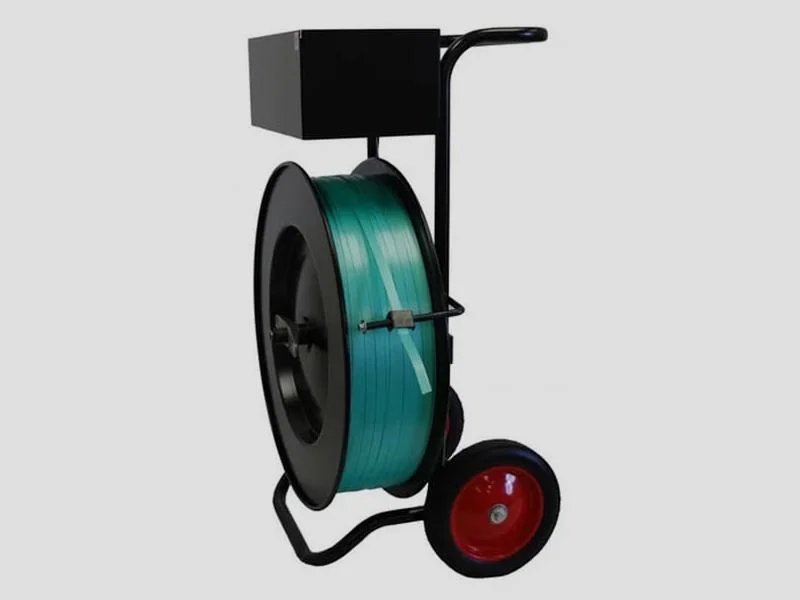
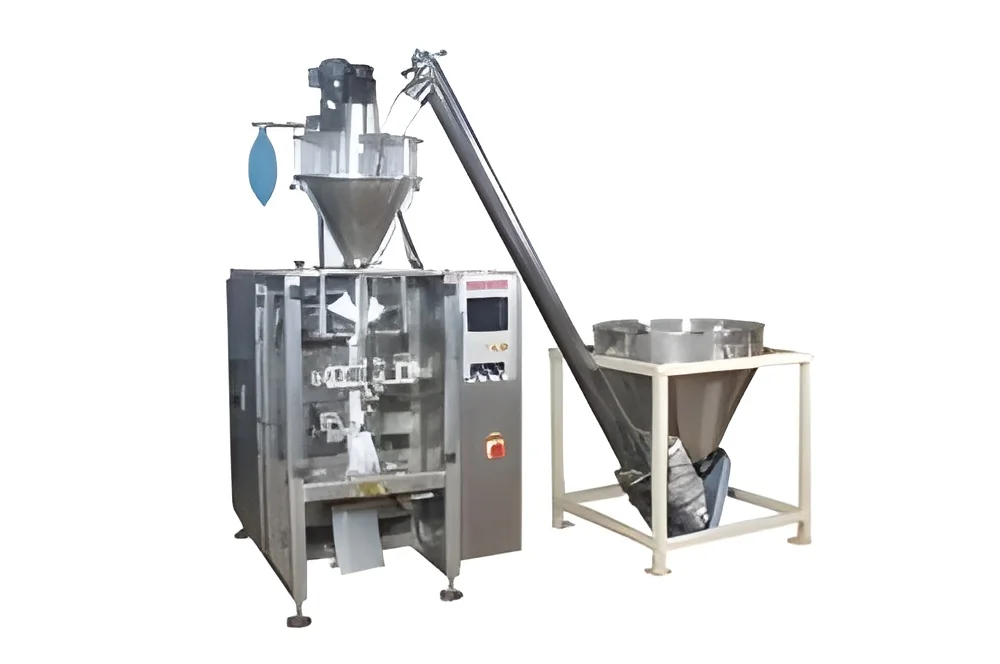
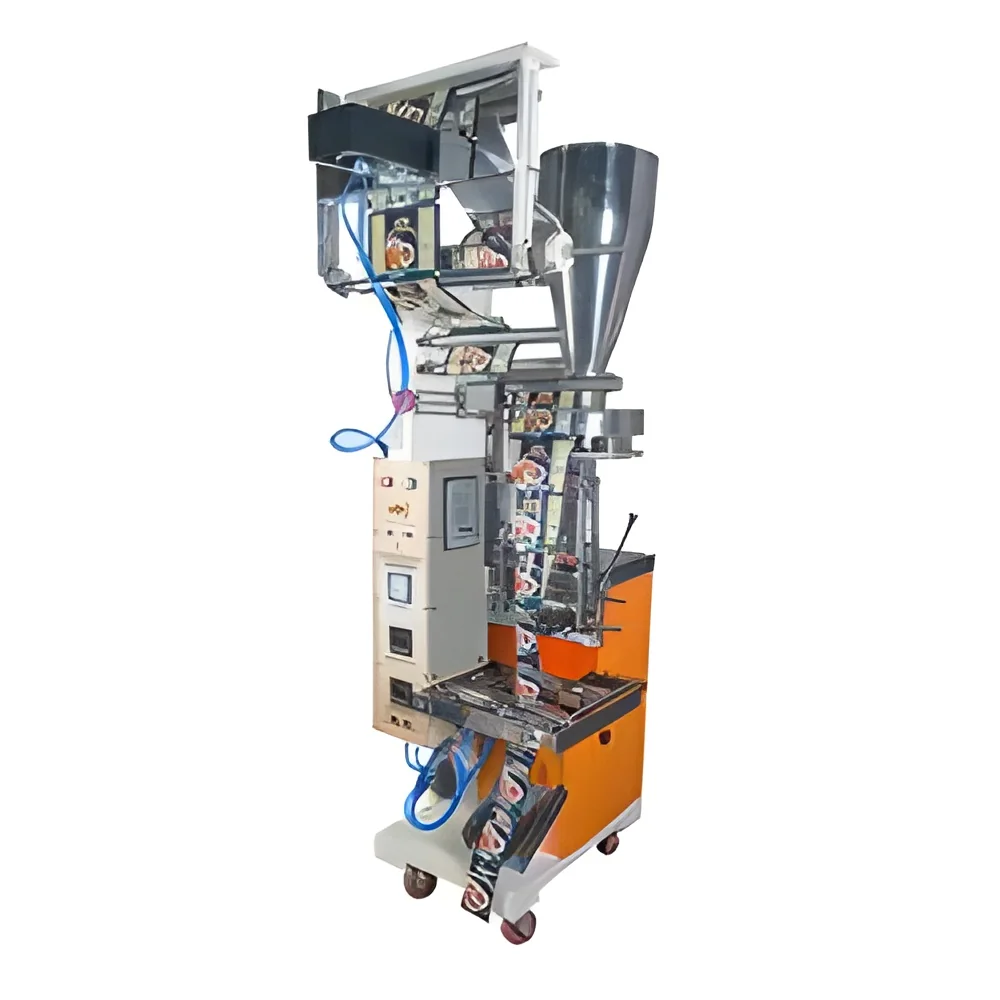
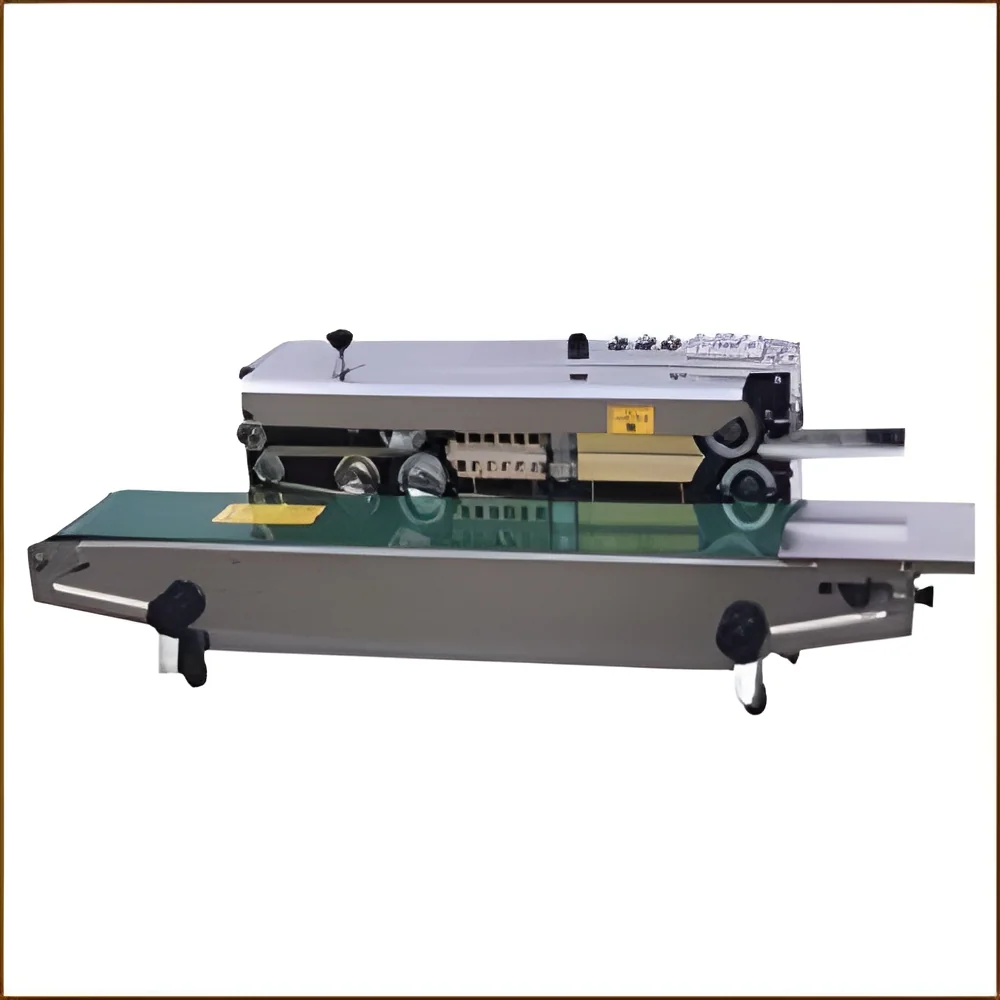
𝗪𝗵𝗮𝘁 𝗮𝗿𝗲 𝗣𝗮𝗰𝗸𝗮𝗴𝗶𝗻𝗴 𝗠𝗮𝗰𝗵𝗶𝗻𝗲𝗿𝘆?
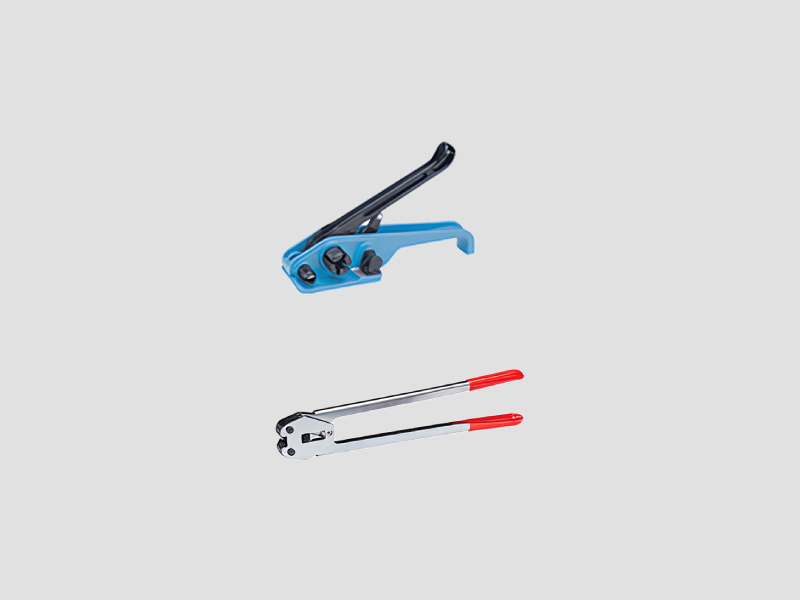
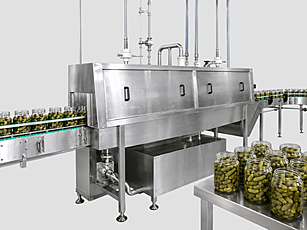
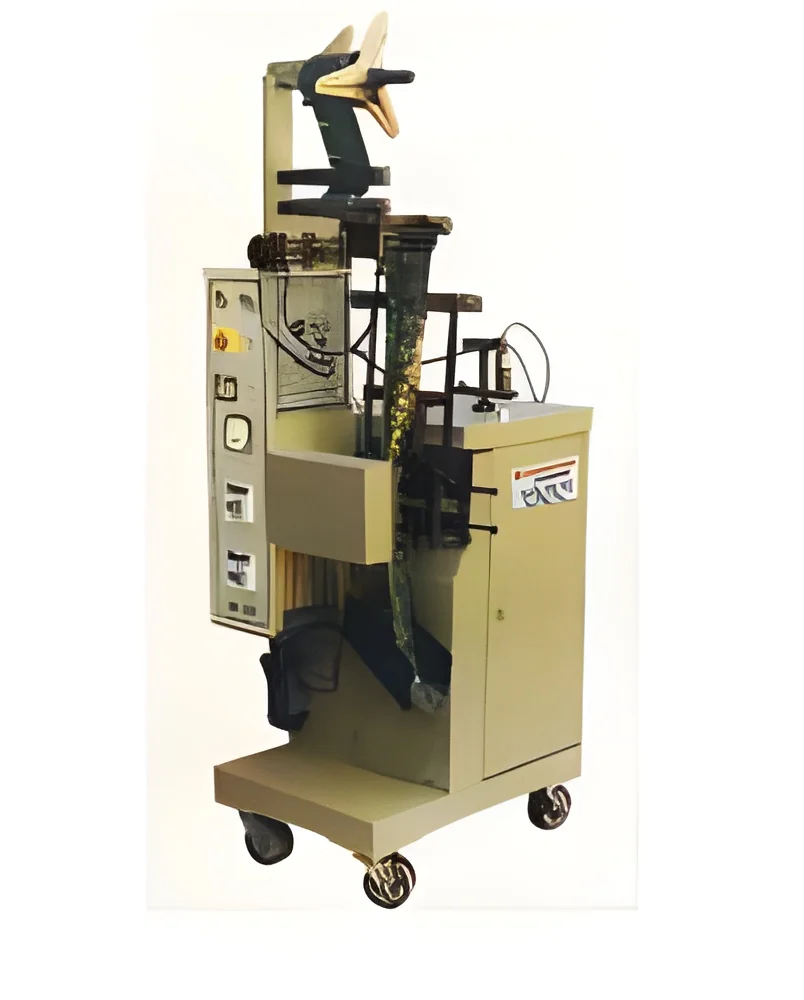
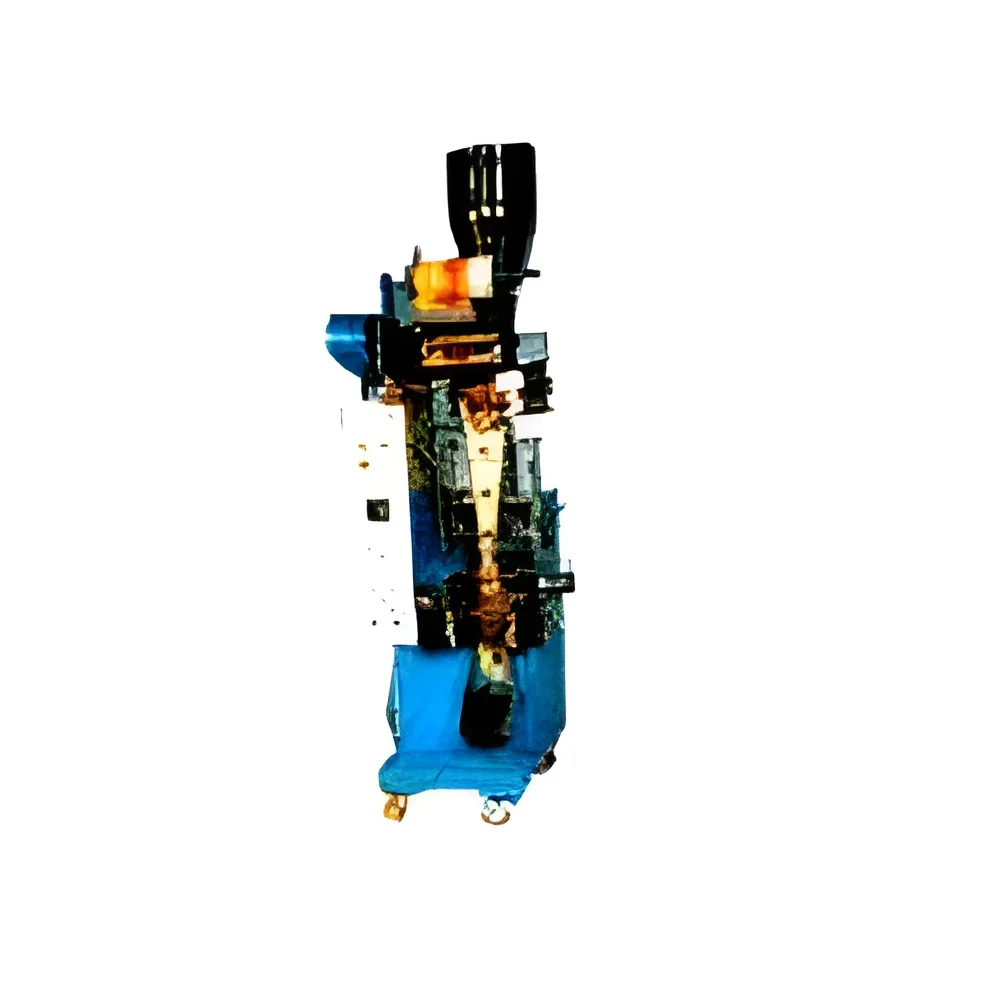
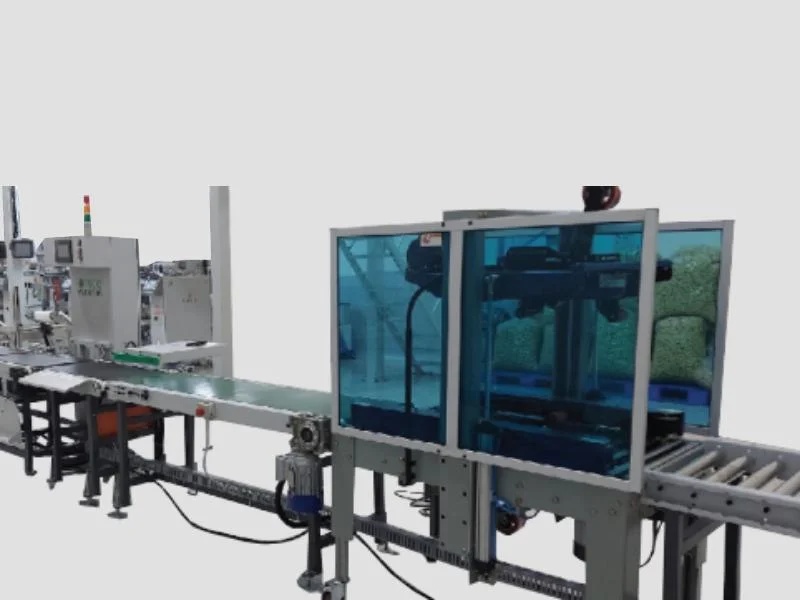
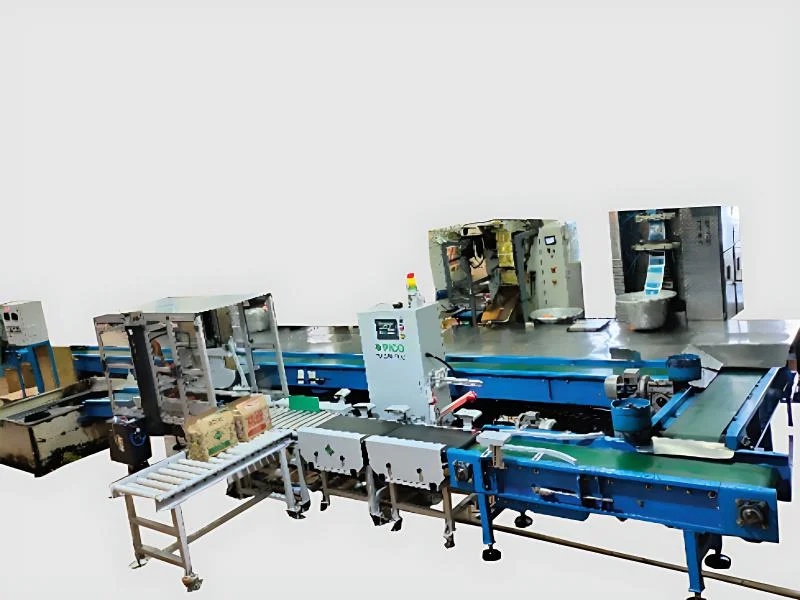
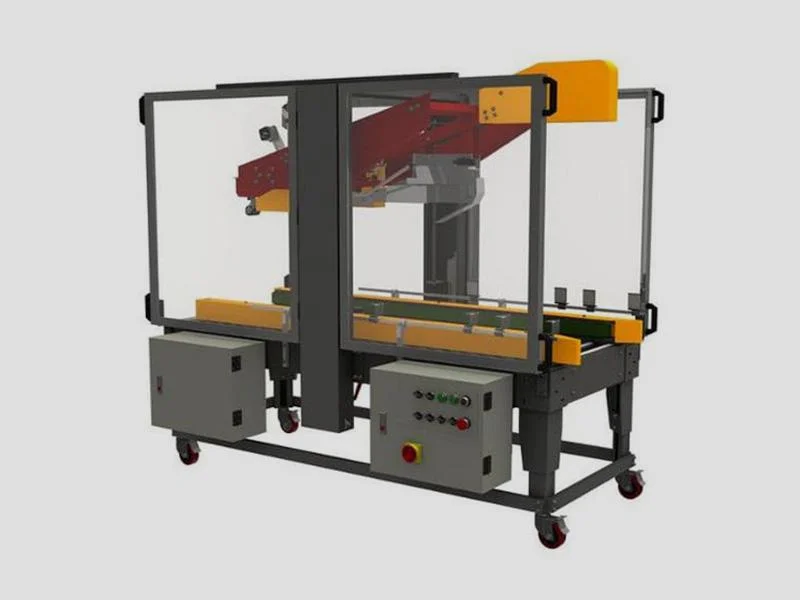
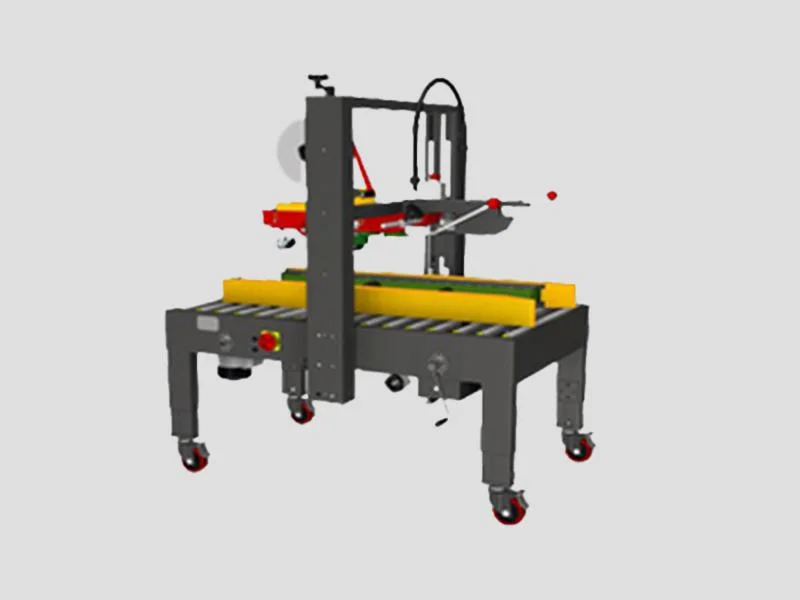
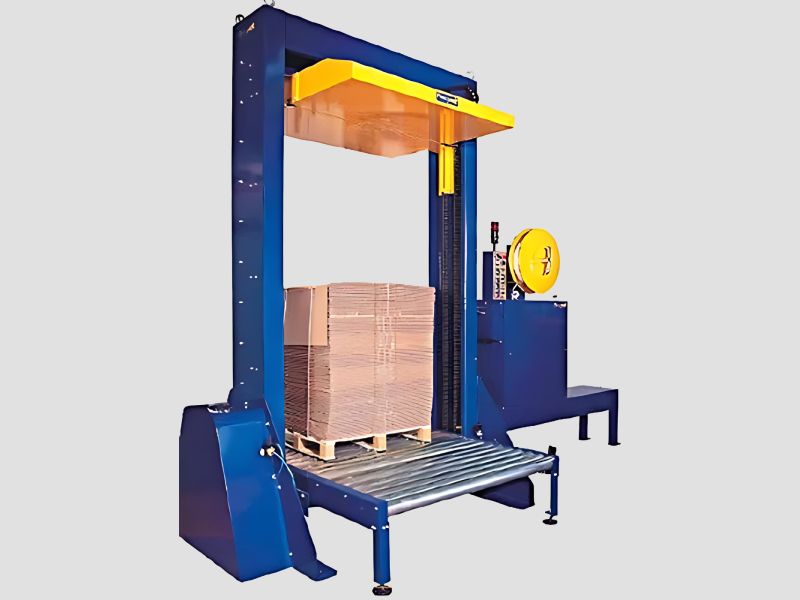
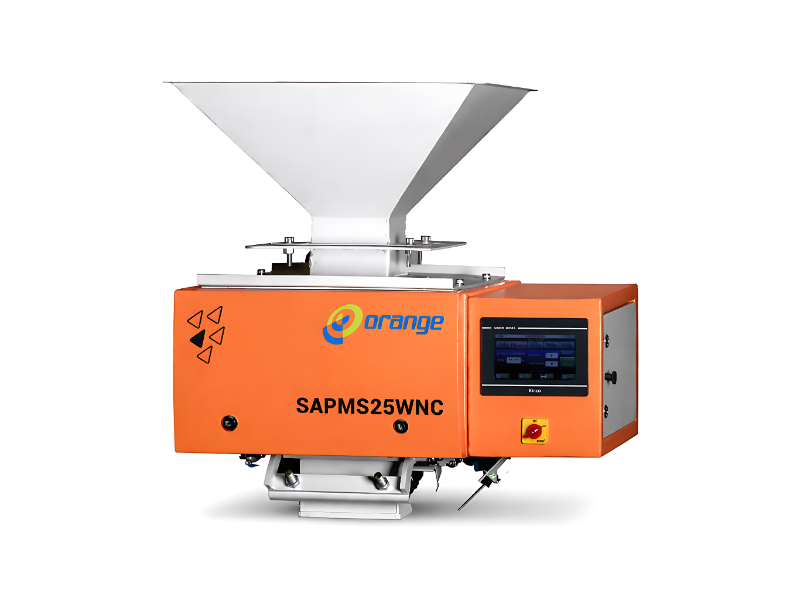
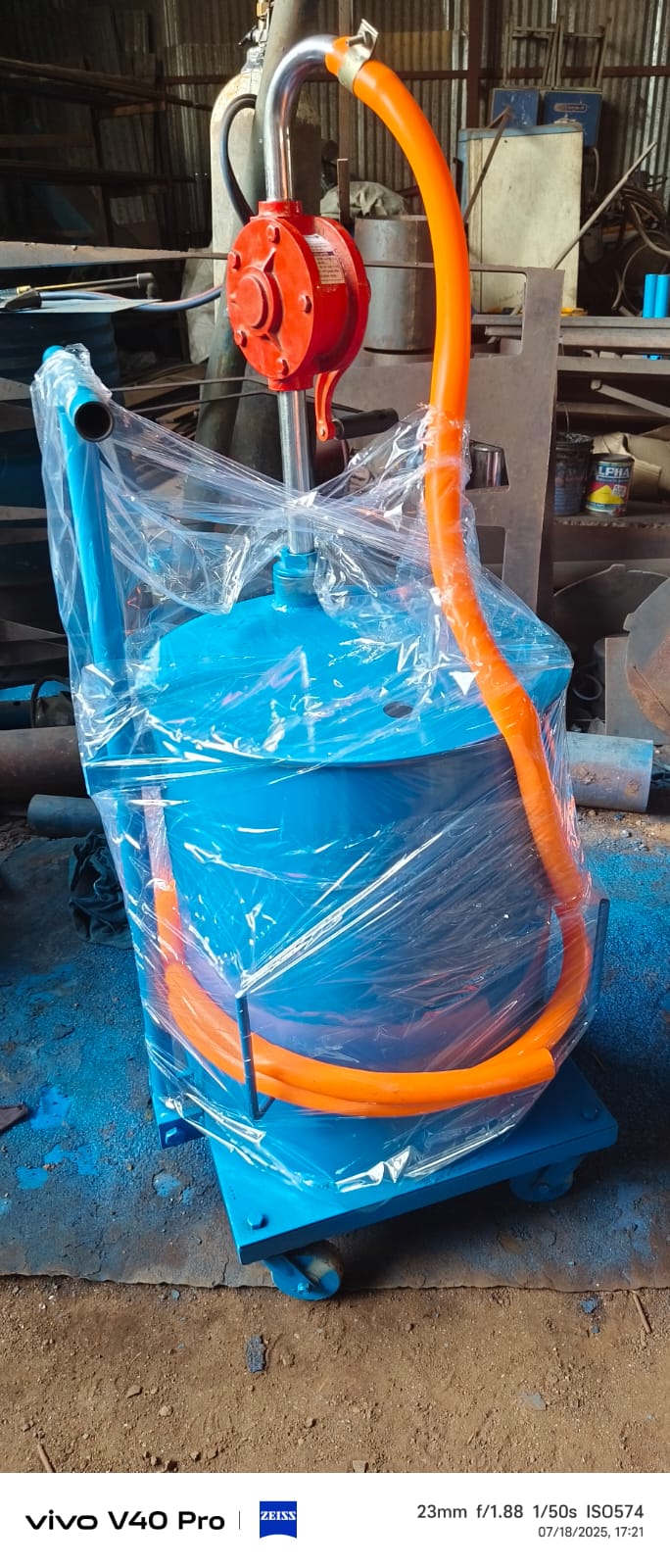
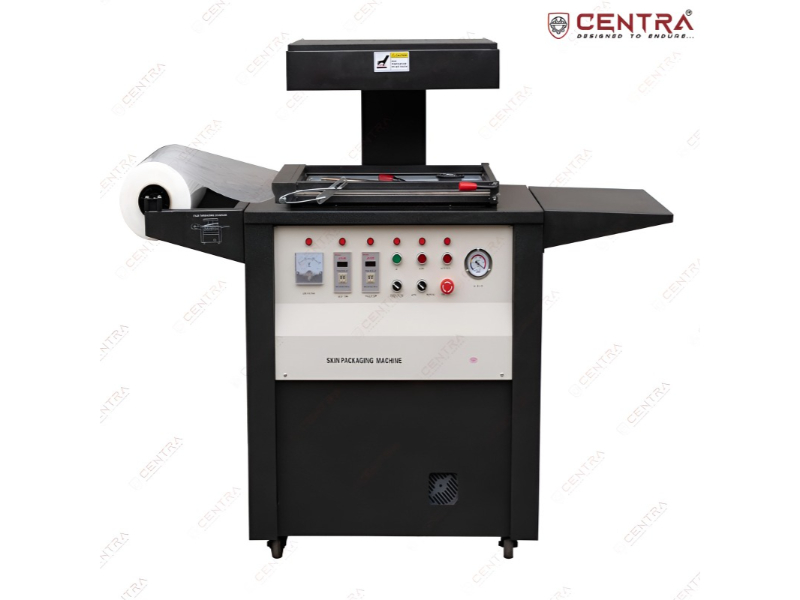
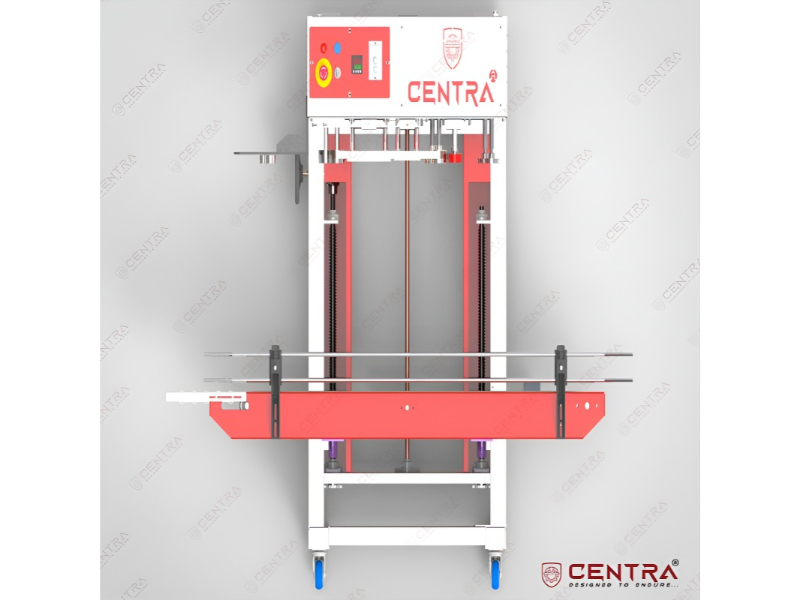
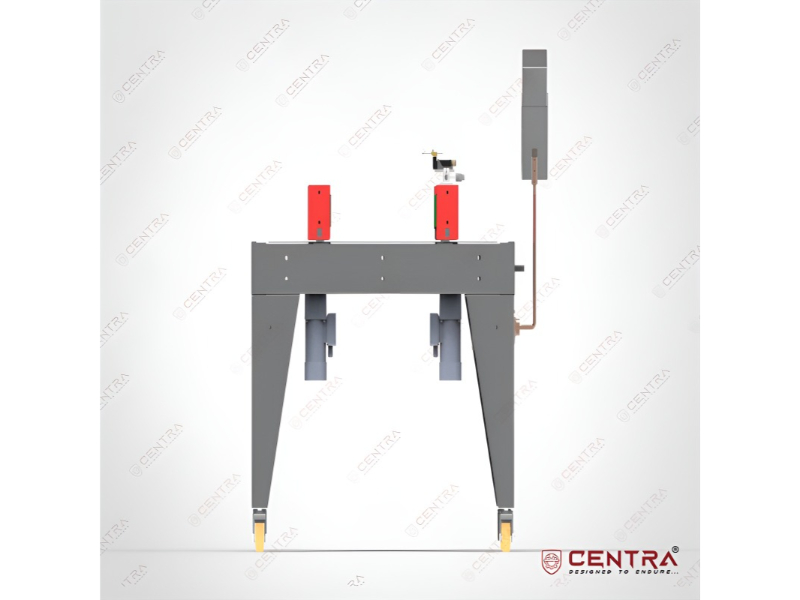
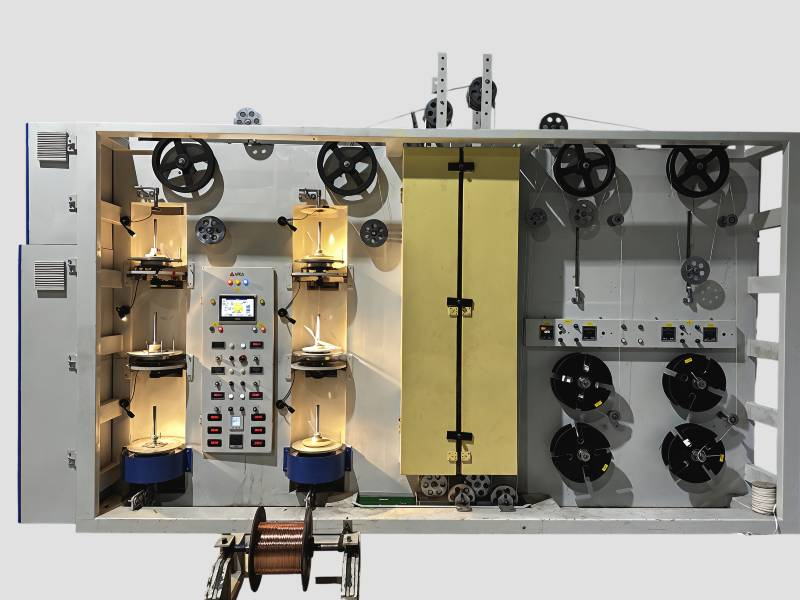
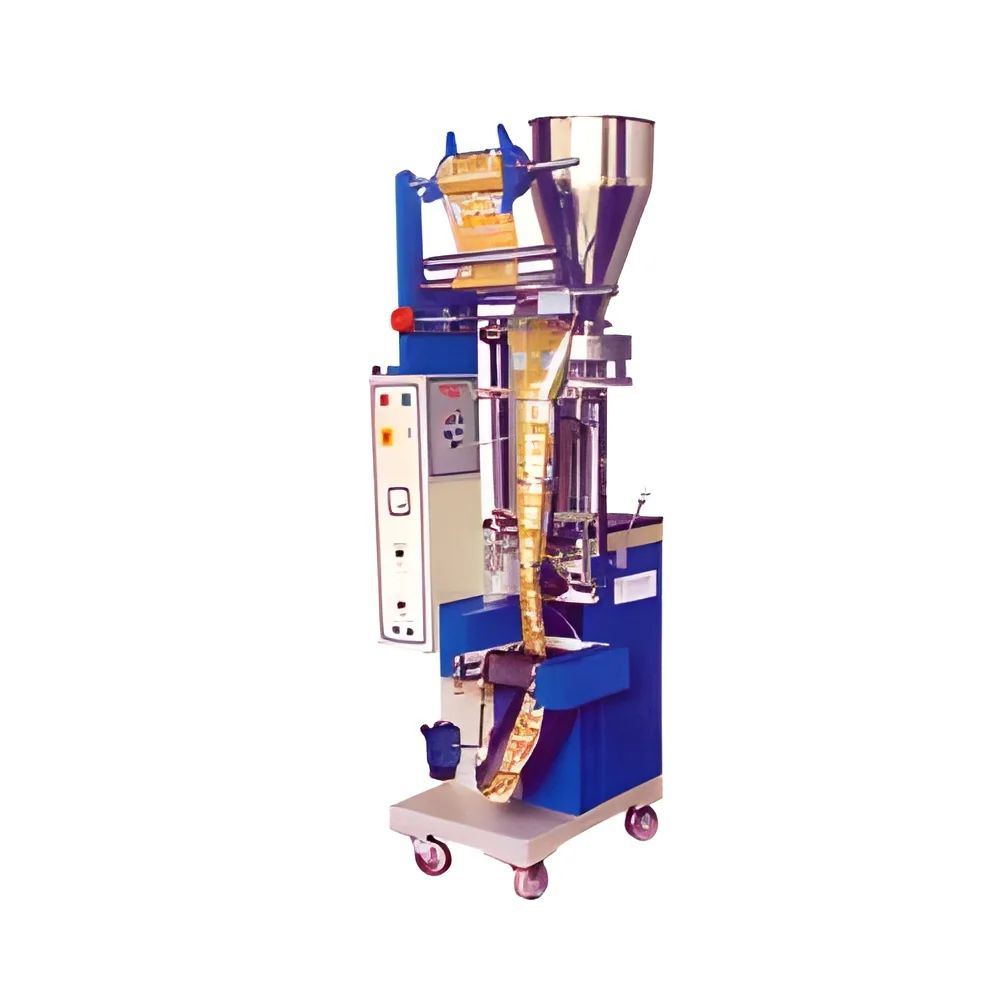
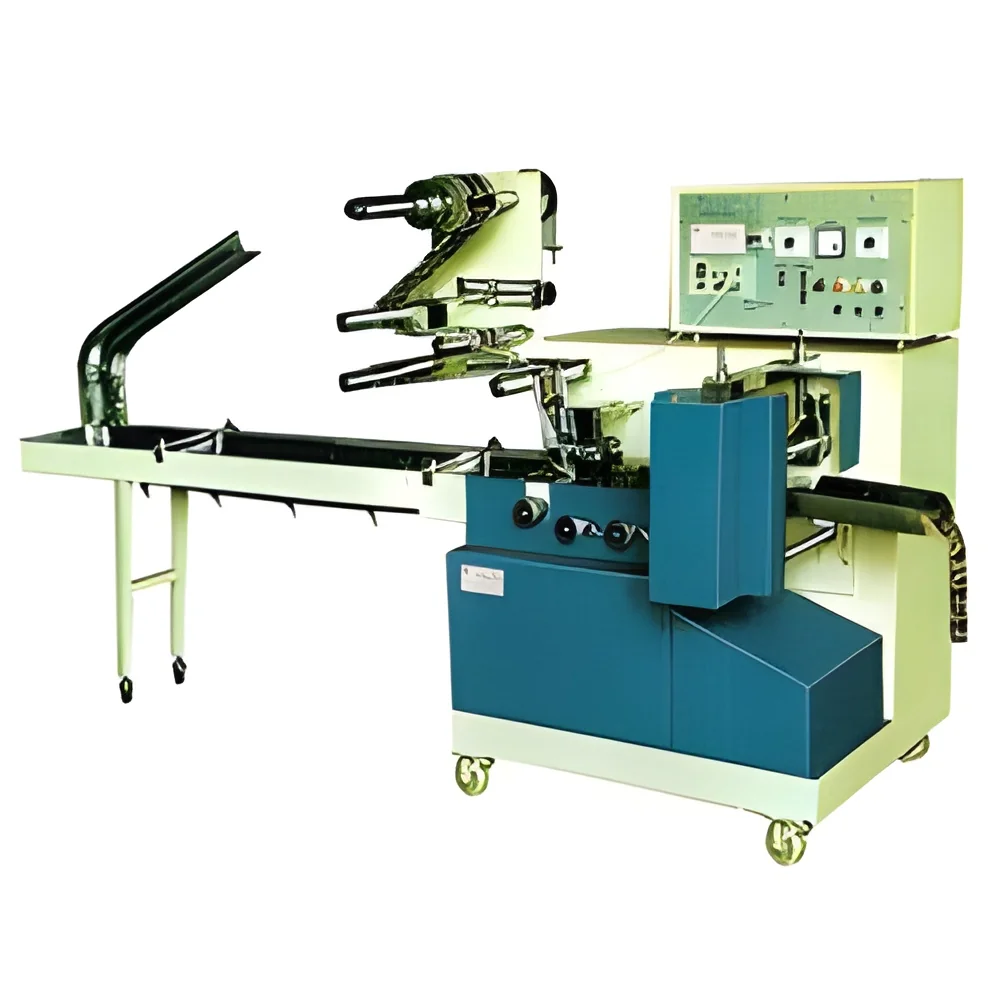
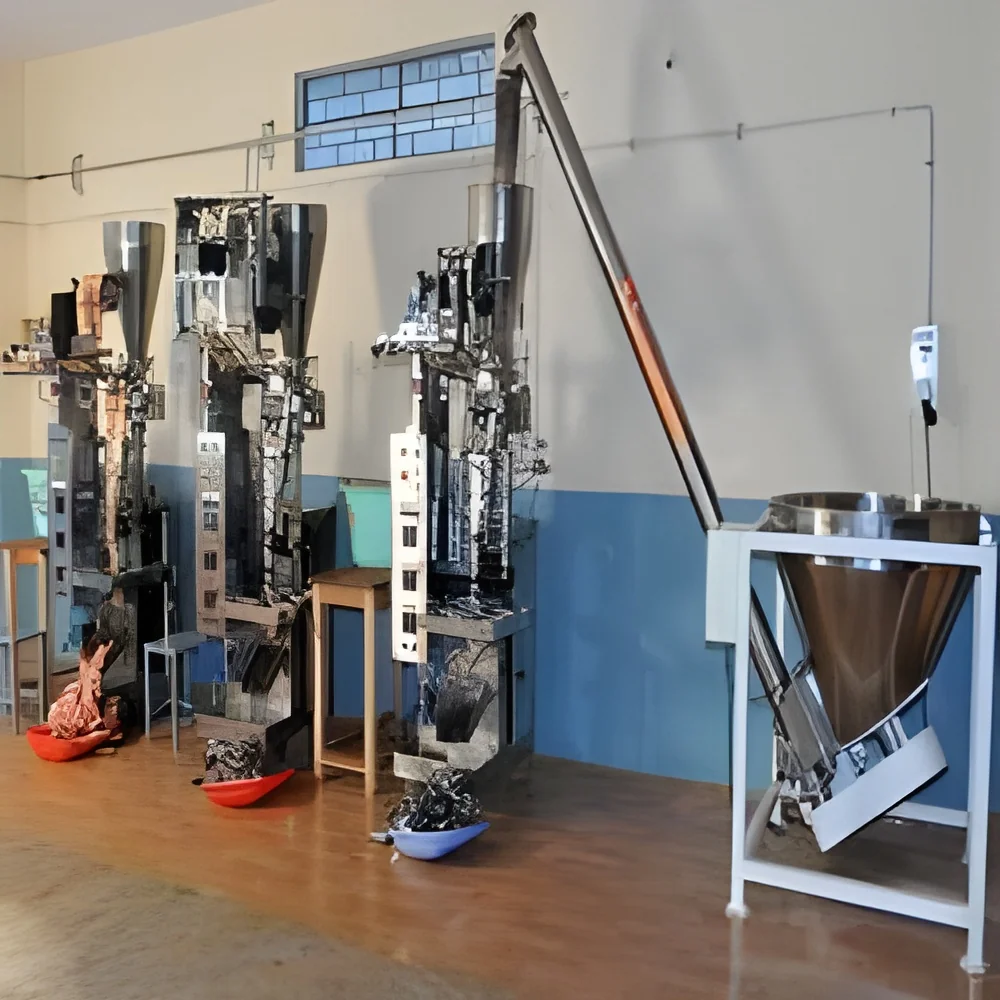
Packaging machinery refers to the equipment used in the packaging process of products. This machinery can perform a variety of tasks, including filling, sealing, labeling, and wrapping items. It plays a crucial role in ensuring that products are securely packaged for storage and transportation, while also maintaining their quality and safety.
These machines are widely used across various sectors such as food and beverage, pharmaceuticals, cosmetics, and consumer goods. They streamline packaging operations, enhance productivity, and reduce labor costs. By automating processes, businesses can achieve consistent packaging quality and meet regulatory standards.
The relevance of packaging machinery has grown in recent years due to increasing consumer demand for packaged products and the need for efficient distribution. The market is evolving with advancements in technology, which introduce smarter, more automated solutions. Companies are continuously seeking innovative packaging machinery to improve their operations and meet sustainability goals.
𝗞𝗲𝘆 𝗙𝗲𝗮𝘁𝘂𝗿𝗲𝘀 𝗮𝗻𝗱 𝗦𝗽𝗲𝗰𝗶𝗳𝗶𝗰𝗮𝘁𝗶𝗼𝗻𝘀
Packaging machinery comes with various features and specifications that cater to different industry needs. These specifications ensure that the machinery performs efficiently and meets the required standards for packaging.
Key specifications include:
1. Speed of Operation
- This specification refers to the number of packages processed per minute.
- Typical ranges can vary from 20 to 200 packages per minute, depending on the machine type.
2. Machine Size and Footprint
- The physical dimensions of the machinery must fit within the production environment.
- Compact designs can save space, while larger machines may offer more functionality.
3. Power Requirements
- This refers to the electrical specifications needed for operation.
- Most machines operate on standard voltage ranges from 110V to 480V.
4. Material Compatibility
- The types of packaging materials the machine can handle, such as plastic, glass, or metal.
- Machines may be designed for specific materials or have adjustable settings for versatility.
5. Automation Level
- Indicates whether the machine is manual, semi-automatic, or fully automatic.
- Fully automatic machines offer the highest efficiency and minimal manual intervention.
6. Safety Features
- Important for operator protection, including emergency stops, guards, and sensors.
- Compliance with safety standards is crucial for workplace safety.
7. Maintenance Requirements
- Details on how often the machine requires servicing and the ease of access for maintenance.
- Machines designed for easy maintenance can reduce downtime.
8. Control System
- Refers to the technology used for operating the machinery, such as PLC or touch-screen interfaces.
- Advanced control systems enhance usability and monitoring capabilities.
In summary, understanding these specifications helps businesses select the right packaging machinery for their needs, improving operational efficiency.
𝗖𝗼𝗺𝗺𝗼𝗻 𝗔𝗽𝗽𝗹𝗶𝗰𝗮𝘁𝗶𝗼𝗻𝘀 𝗮𝗻𝗱 𝗨𝘀𝗲 𝗖𝗮𝘀𝗲𝘀
Packaging machinery is utilized across numerous industries, catering to specific packaging needs.
1. Food and Beverage: These machines are essential for packaging items like snacks, beverages, and frozen foods. They ensure product freshness and compliance with food safety regulations.
2. Pharmaceuticals: In this sector, packaging machinery is used to package medicines and health products. Precise dosing and tamper-proof packaging are critical.
3. Cosmetics: Packaging machinery in cosmetics ensures products like creams and lotions are safely sealed and attractively presented to consumers.
4. Consumer Goods: Items such as household cleaners and personal care products are packaged using specialized machinery to enhance shelf appeal and safety.
5. E-commerce: With the rise of online shopping, packaging machinery is crucial for efficiently packing orders for shipment, ensuring products arrive undamaged.
6. Industrial Products: Machinery used for packaging industrial items focuses on durability and protection during transport, often using heavy-duty materials.
7. Chemicals: Packaging machinery for chemicals must adhere to strict safety guidelines to prevent leaks and contamination.
𝗣𝗿𝗼𝗱𝘂𝗰𝘁 𝗩𝗮𝗿𝗶𝗮𝗻𝘁𝘀 𝗮𝗻𝗱 𝗦𝘂𝗯𝗰𝗮𝘁𝗲𝗴𝗼𝗿𝗶𝗲𝘀
Packaging machinery comes in various forms, catering to different packaging requirements and industries.
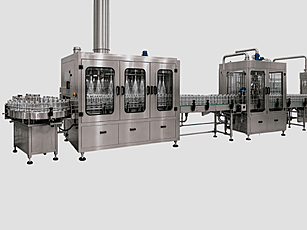
Filling Machines: These machines are designed to fill containers with liquids, powders, or granulated products. They can be customized for different container sizes and types.
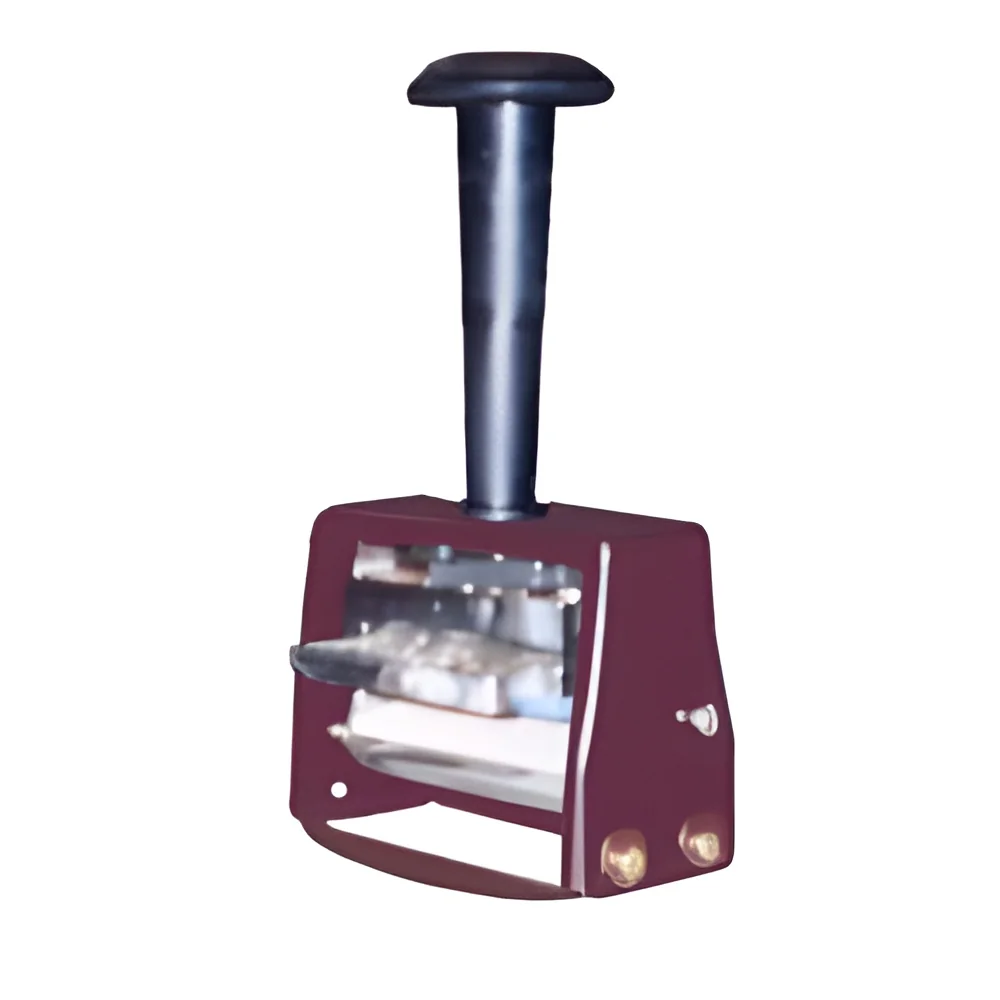
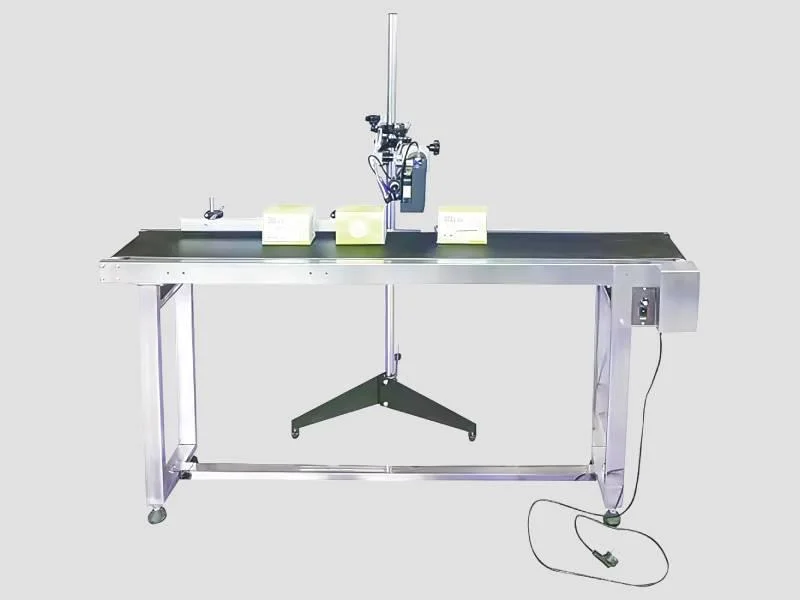
Labeling Machines: These machines apply labels to products, ensuring that they are properly branded and contain necessary information. They can handle various shapes and sizes of containers.
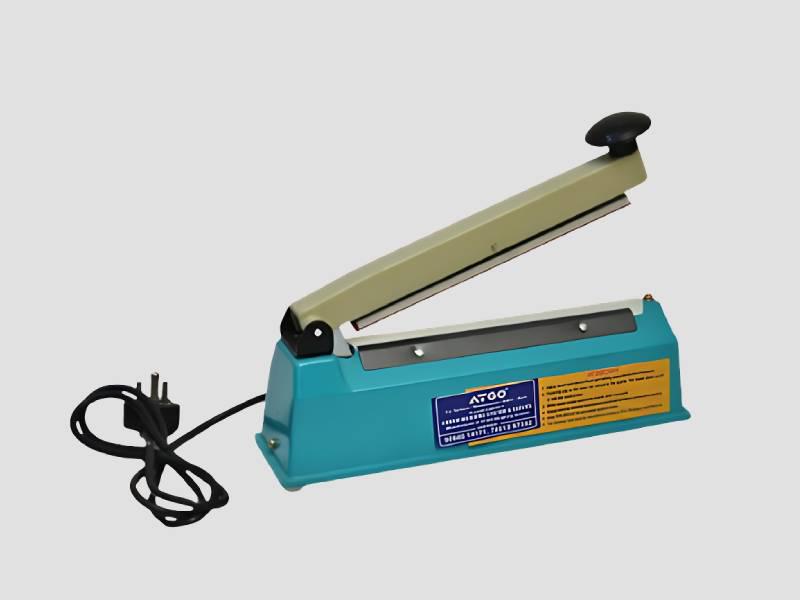
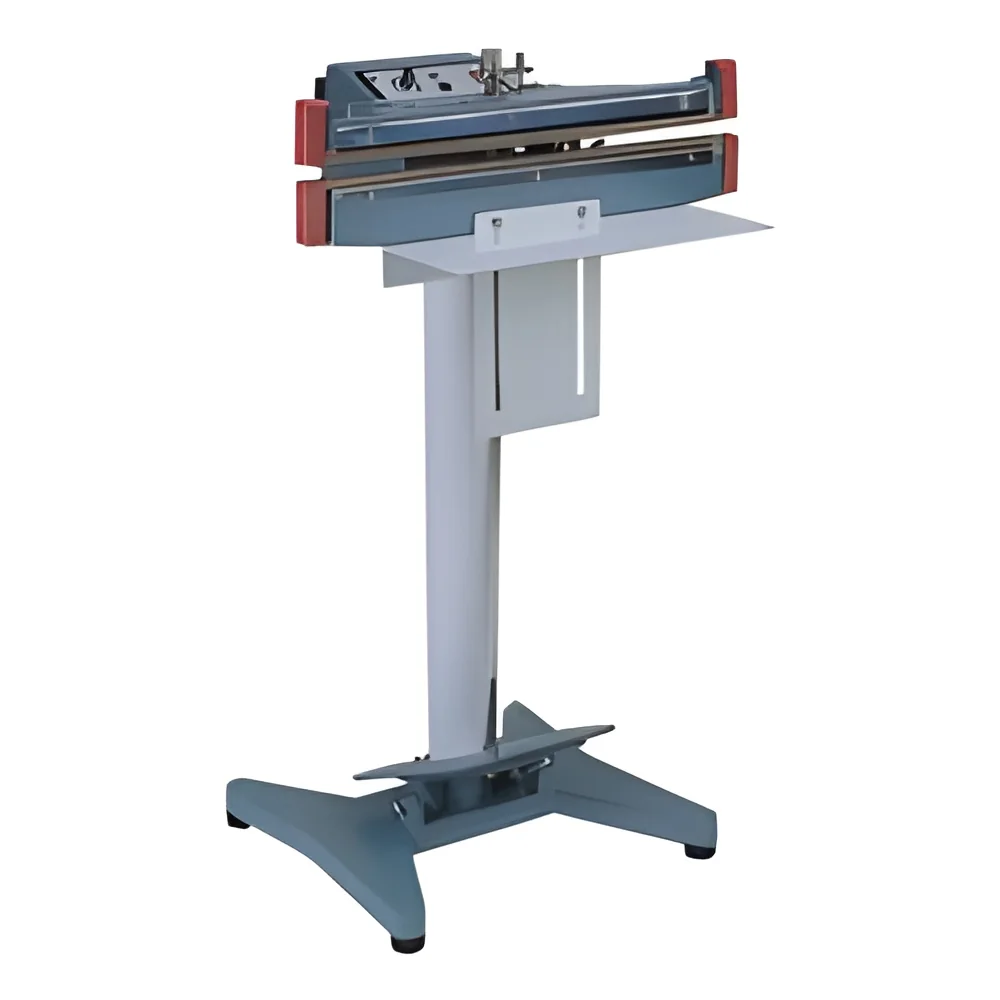
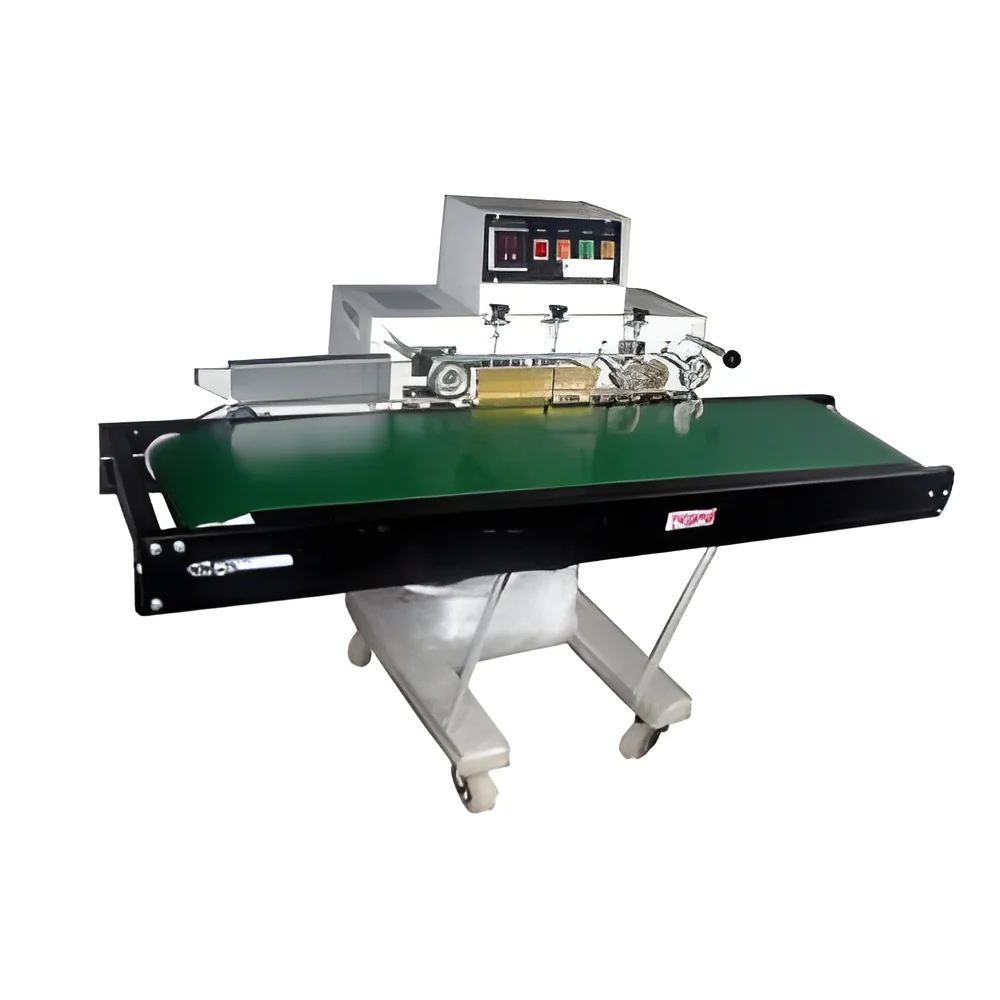
Sealing Machines: Sealing machines are crucial for ensuring products are securely sealed. They are commonly used in food and beverage packaging to maintain freshness.
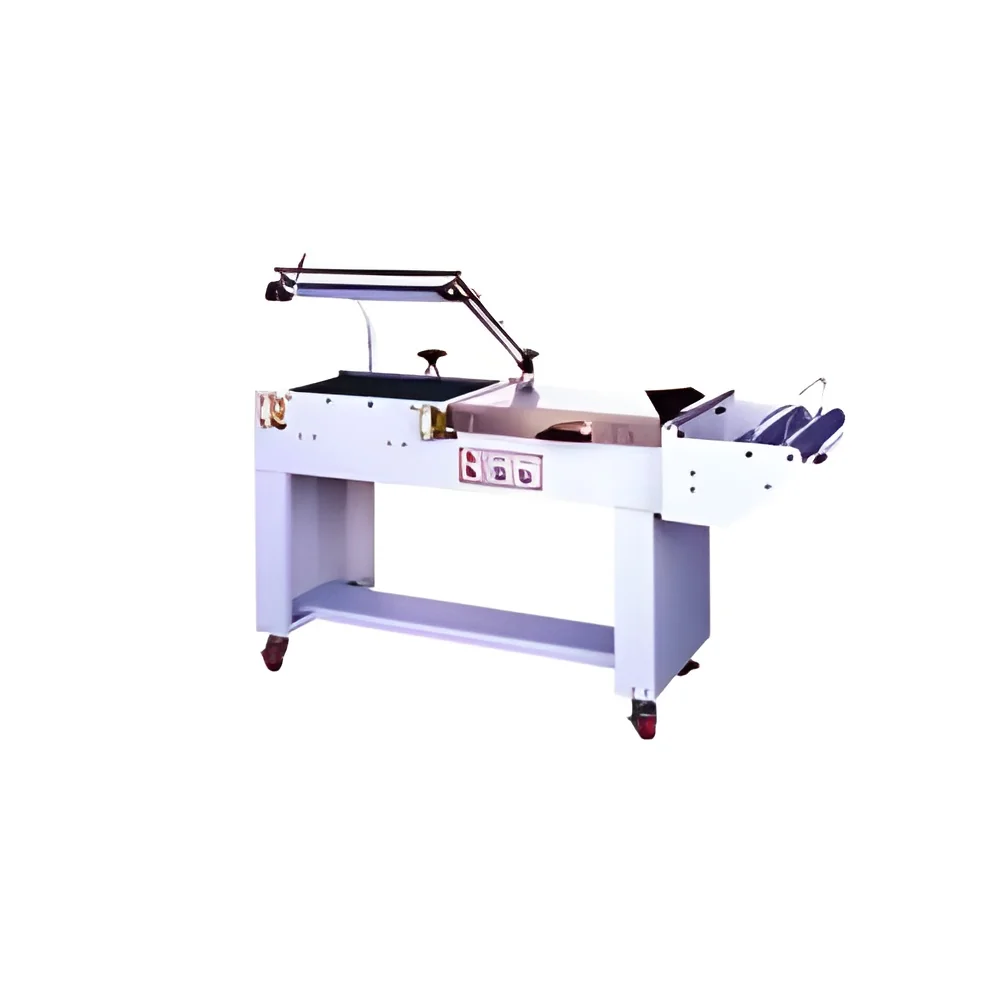
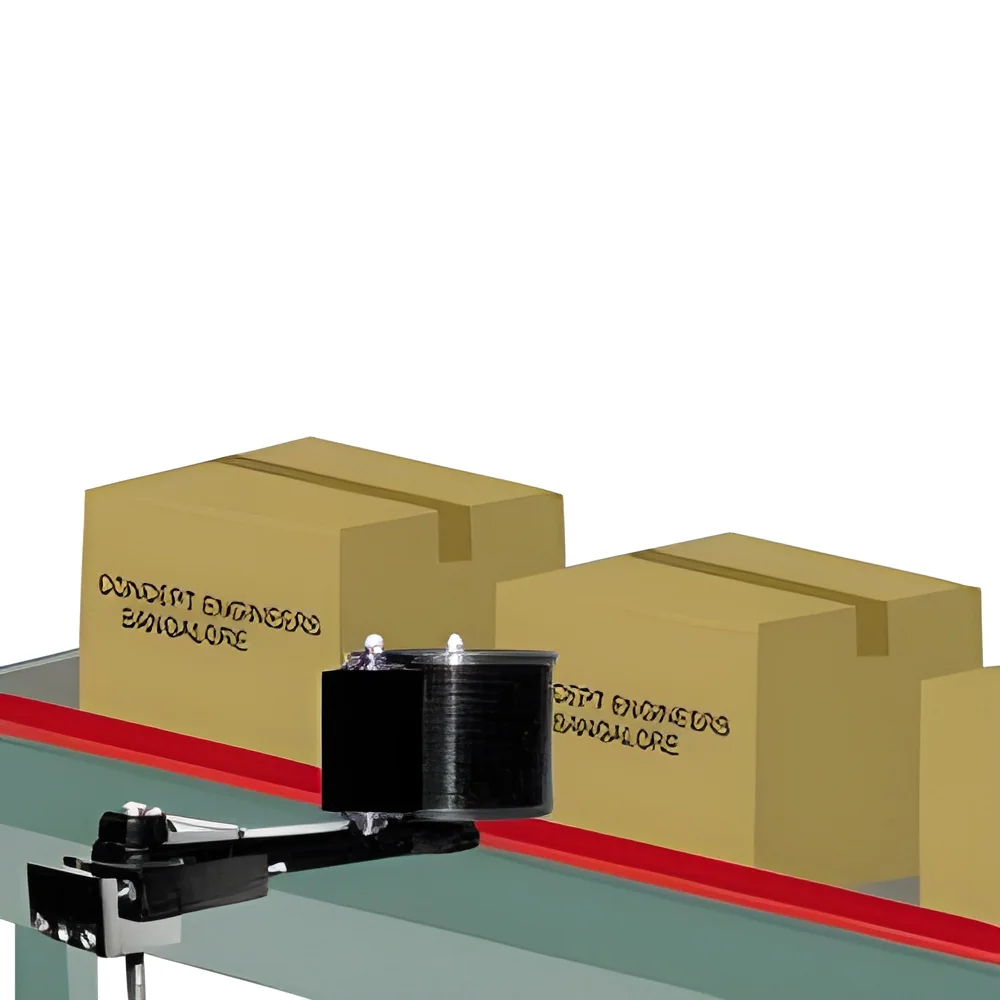
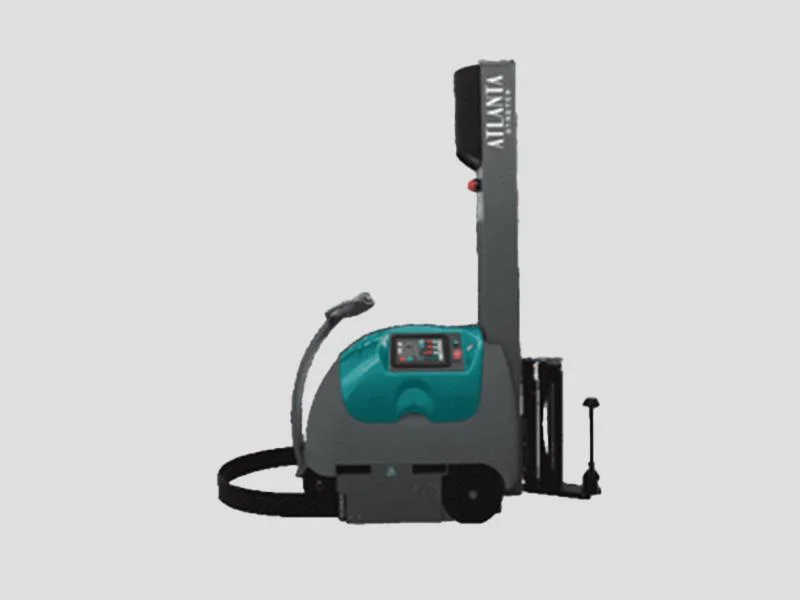
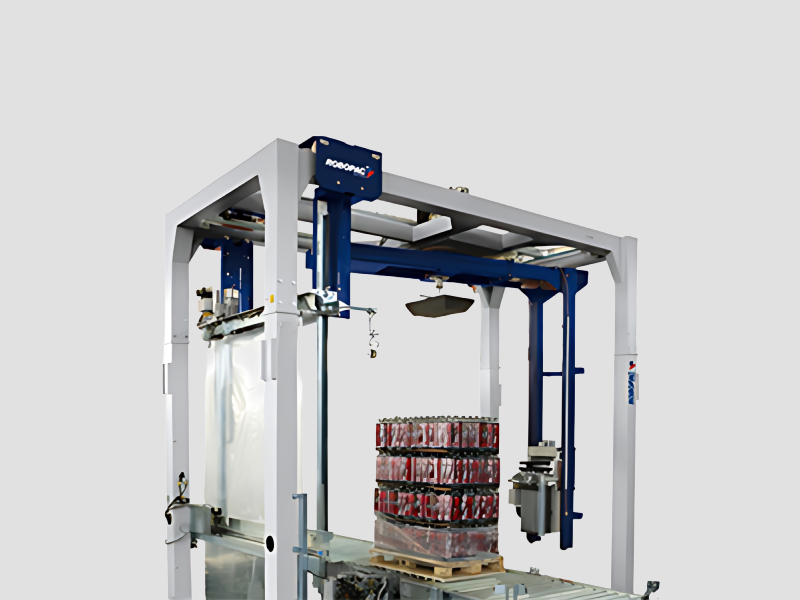
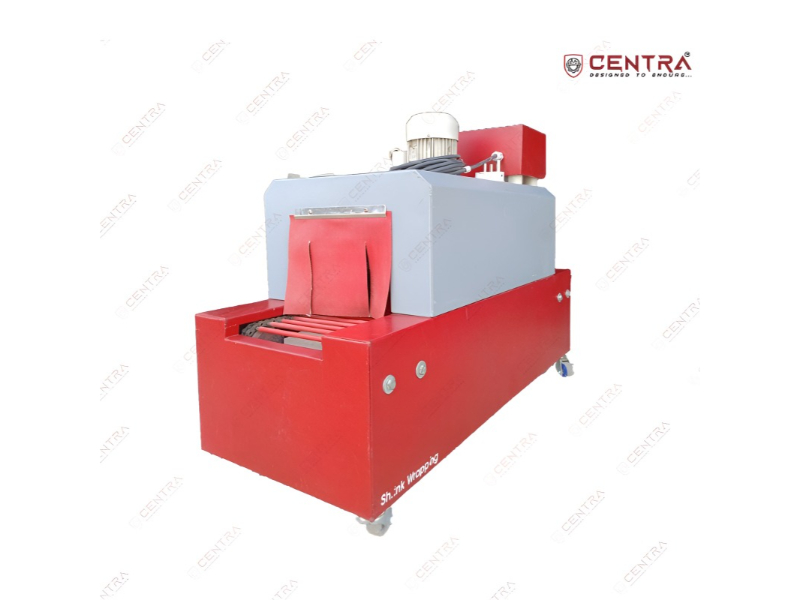
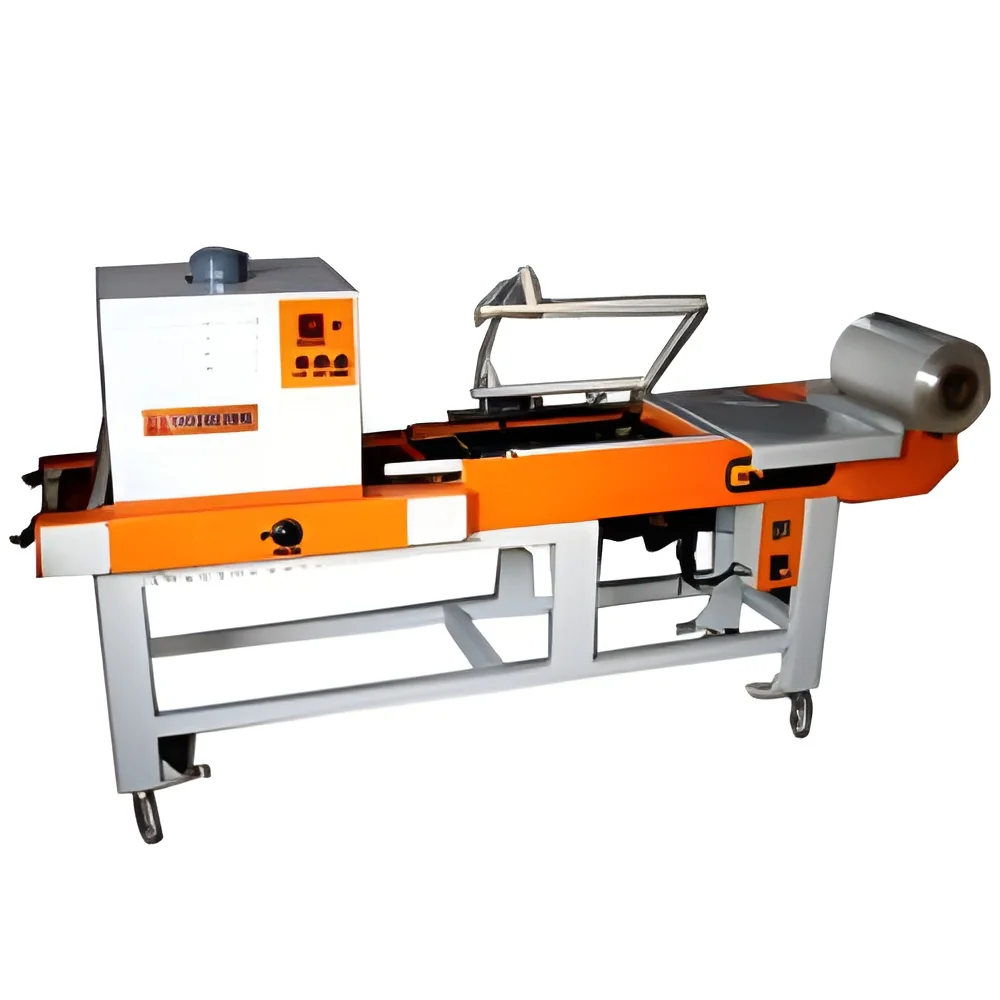
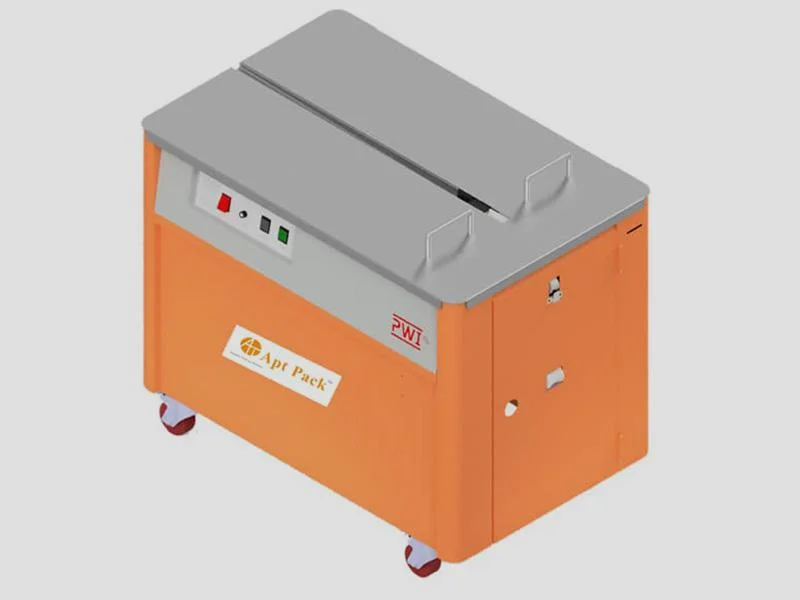
Wrapping Machines: These machines wrap products in protective materials such as shrink film or stretch film. They are widely used for bundling products together for shipment.
𝗕𝗲𝗻𝗲𝗳𝗶𝘁𝘀 𝗮𝗻𝗱 𝗔𝗱𝘃𝗮𝗻𝘁𝗮𝗴𝗲𝘀
Investing in packaging machinery offers several advantages that can significantly impact business operations.
1. Increased Efficiency: Automated packaging machinery streamlines processes, allowing for faster production times and reduced labor costs.
2. Consistent Quality: Machinery ensures uniform packaging quality, reducing the risk of human error and maintaining product integrity.
3. Enhanced Safety: Modern packaging machines come equipped with safety features that protect operators and reduce workplace accidents.
4. Flexibility: Many packaging machines can handle various product sizes and types, allowing businesses to adapt to changing market demands.
5. Cost Savings: Reducing labor and material waste through efficient machinery can lead to significant cost savings over time.
6. Compliance with Regulations: Packaging machinery designed to meet industry standards helps businesses comply with safety and quality regulations.
𝗕𝘂𝘆𝗶𝗻𝗴 𝗚𝘂𝗶𝗱𝗲 𝗳𝗼𝗿 𝗕𝟮𝗕 𝗕𝘂𝘆𝗲𝗿𝘀
When sourcing packaging machinery, it is essential for B2B buyers to consider several factors to ensure they make informed decisions.
1. Quality Assessment: Evaluate machinery based on durability, performance, and the manufacturer's reputation. Look for customer reviews and case studies to gauge effectiveness.
2. Supplier Verification: Conduct thorough research on potential suppliers. Check certifications, customer feedback, and industry experience to ensure reliability.
3. Pricing and MOQ: Understand the pricing structure and minimum order quantities. Look for transparent pricing and consider the total cost of ownership.
4. Delivery and Lead Times: Discuss logistics with suppliers to ensure timely delivery. Understand lead times for production and shipping to avoid delays in your operations.
5. Compliance Requirements: Ensure that the machinery meets relevant industry standards and regulations. This may include safety certifications and compliance with local laws.
𝗖𝗼𝗺𝗽𝗹𝗶𝗮𝗻𝗰𝗲 𝗮𝗻𝗱 𝗖𝗲𝗿𝘁𝗶𝗳𝗶𝗰𝗮𝘁𝗶𝗼𝗻𝘀
Compliance and certifications are vital in the packaging machinery sector. They ensure that machinery meets industry regulations and safety standards.
Relevant quality standards such as ISO 9001 help guarantee that manufacturers adhere to quality management practices. These certifications indicate a commitment to consistency and customer satisfaction.
Industry certifications like CE mark are crucial for machines sold in European markets. This certification ensures that the machinery meets health, safety, and environmental protection standards.
Safety and testing requirements are essential for packaging machinery to minimize risks associated with operation. Regular inspections and adherence to safety protocols are necessary for maintaining compliance.
Regional compliance considerations may differ based on local regulations. Understanding these factors is critical for companies operating in multiple geographic areas.
𝗪𝗵𝘆 𝗦𝗼𝘂𝗿𝗰𝗲 𝗣𝗮𝗰𝗸𝗮𝗴𝗶𝗻𝗴 𝗠𝗮𝗰𝗵𝗶𝗻𝗲𝗿𝘆 𝗳𝗿𝗼𝗺 𝗣𝗲𝗽𝗮𝗴𝗼𝗿𝗮?
Pepagora provides a trusted platform for sourcing packaging machinery, delivering numerous advantages to B2B buyers.
Verified Supplier Network: Pepagora ensures that all suppliers are thoroughly vetted. This verification process enhances trust and reliability in sourcing decisions.
Streamlined RFQ Process: The platform simplifies the request for quotation process, allowing buyers to easily compare options and make informed decisions.
Trade Assurance and Support: Pepagora offers trade assurance, providing protection for buyers against potential risks in transactions. This support fosters a secure purchasing environment.
Regional Coverage: With a strong presence in India, GCC, and Southeast Asia, Pepagora connects buyers with suppliers across these regions. This geographic reach enhances accessibility to a wide range of packaging machinery options.

 IN
IN