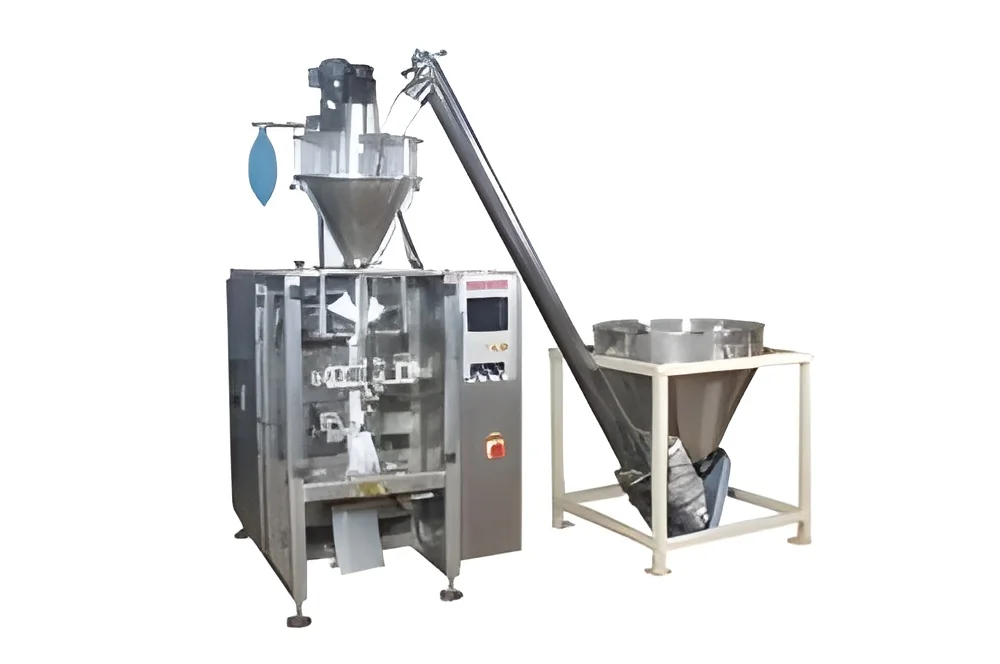
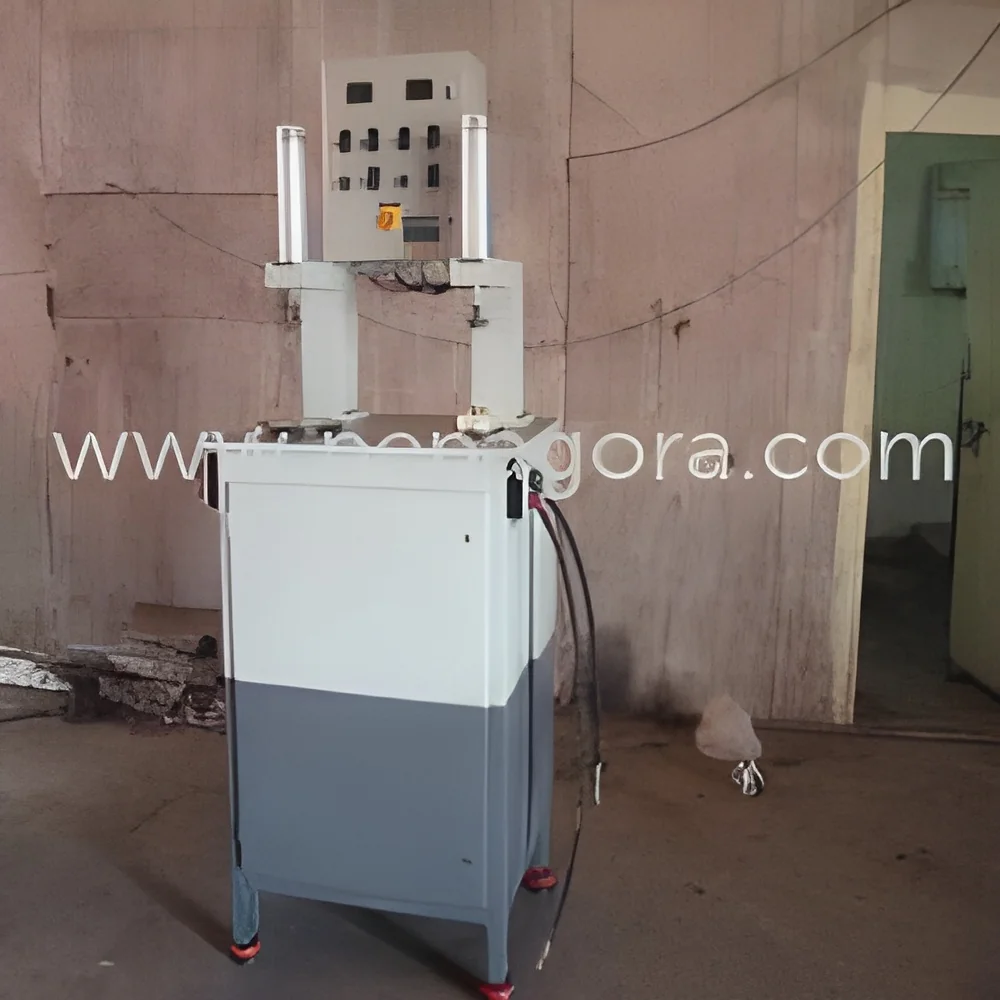
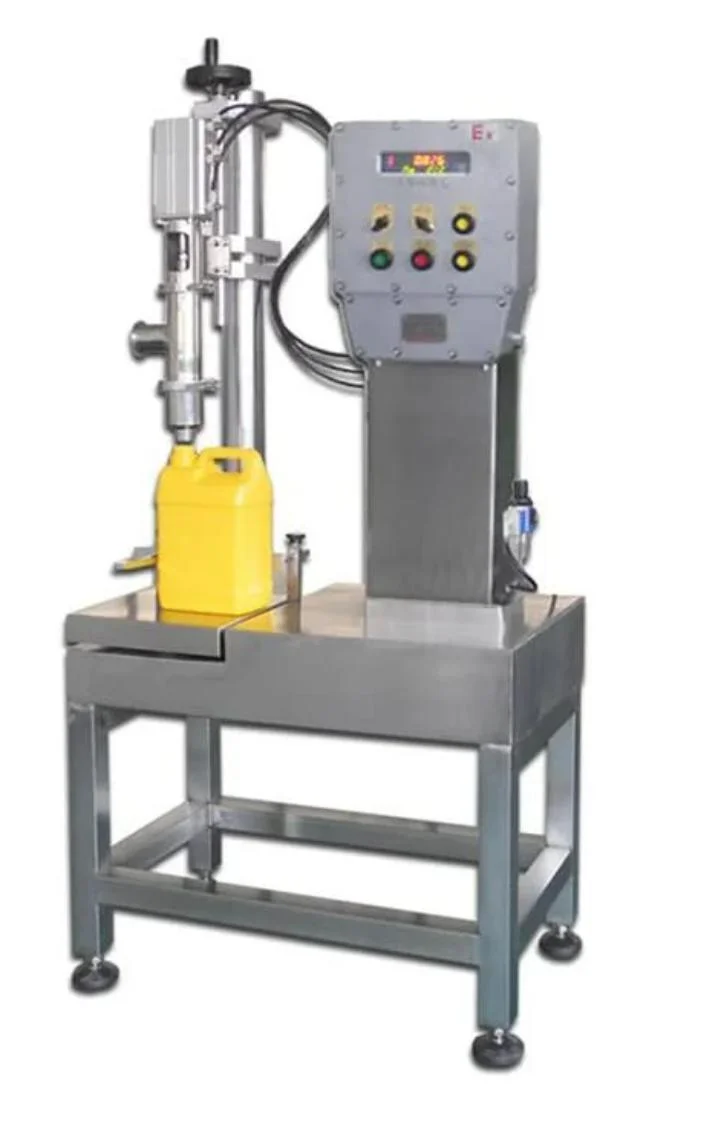
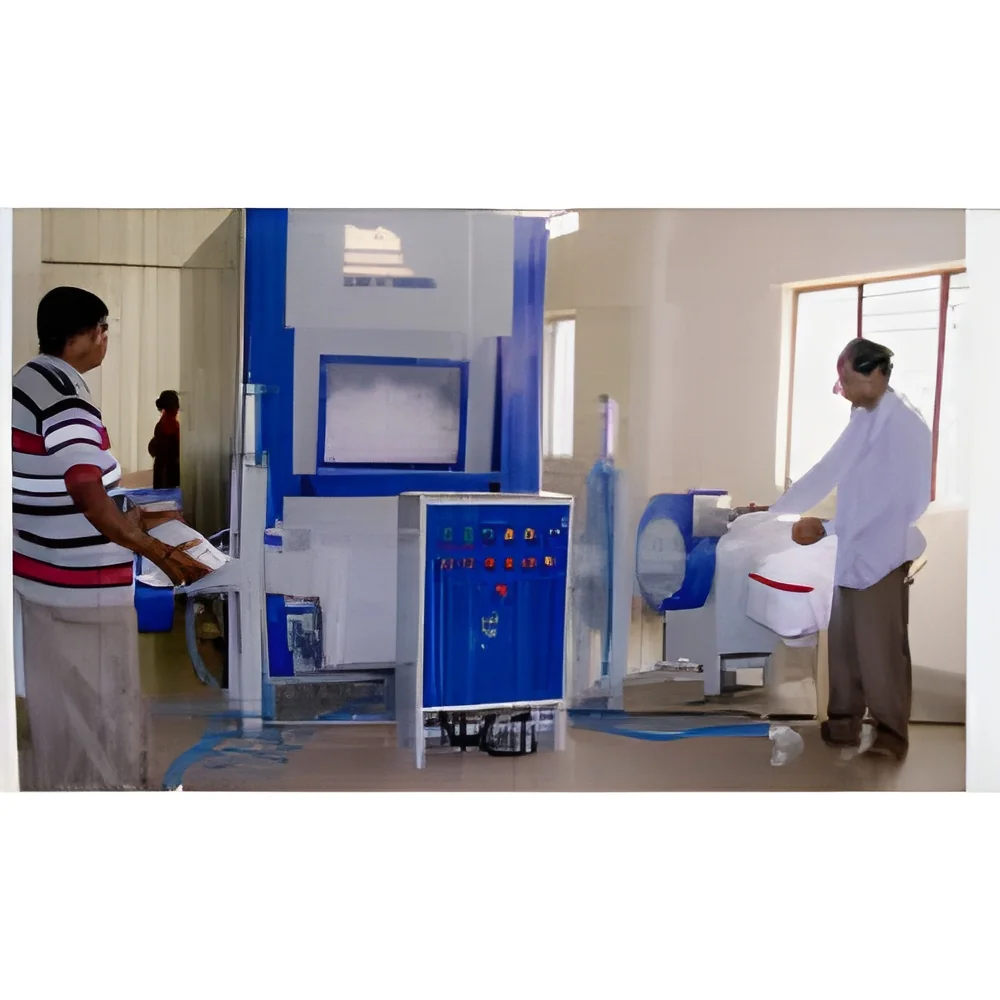
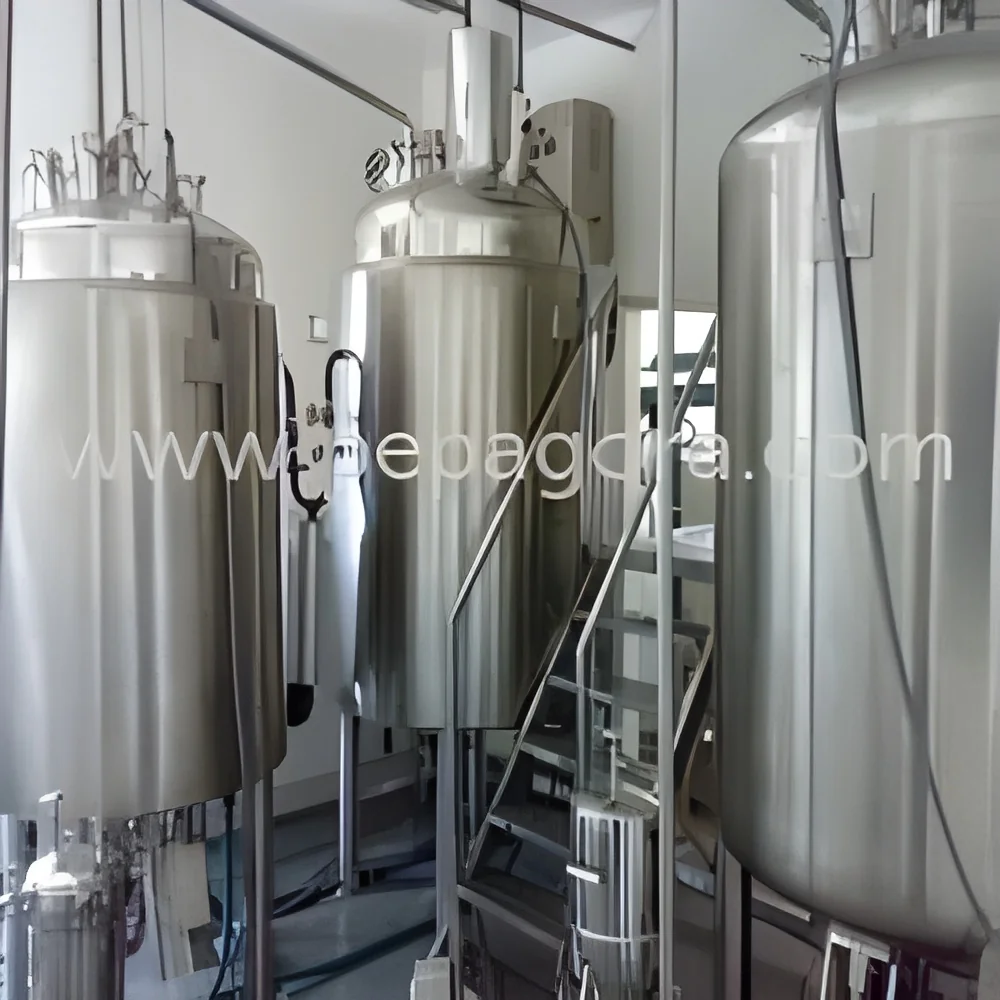
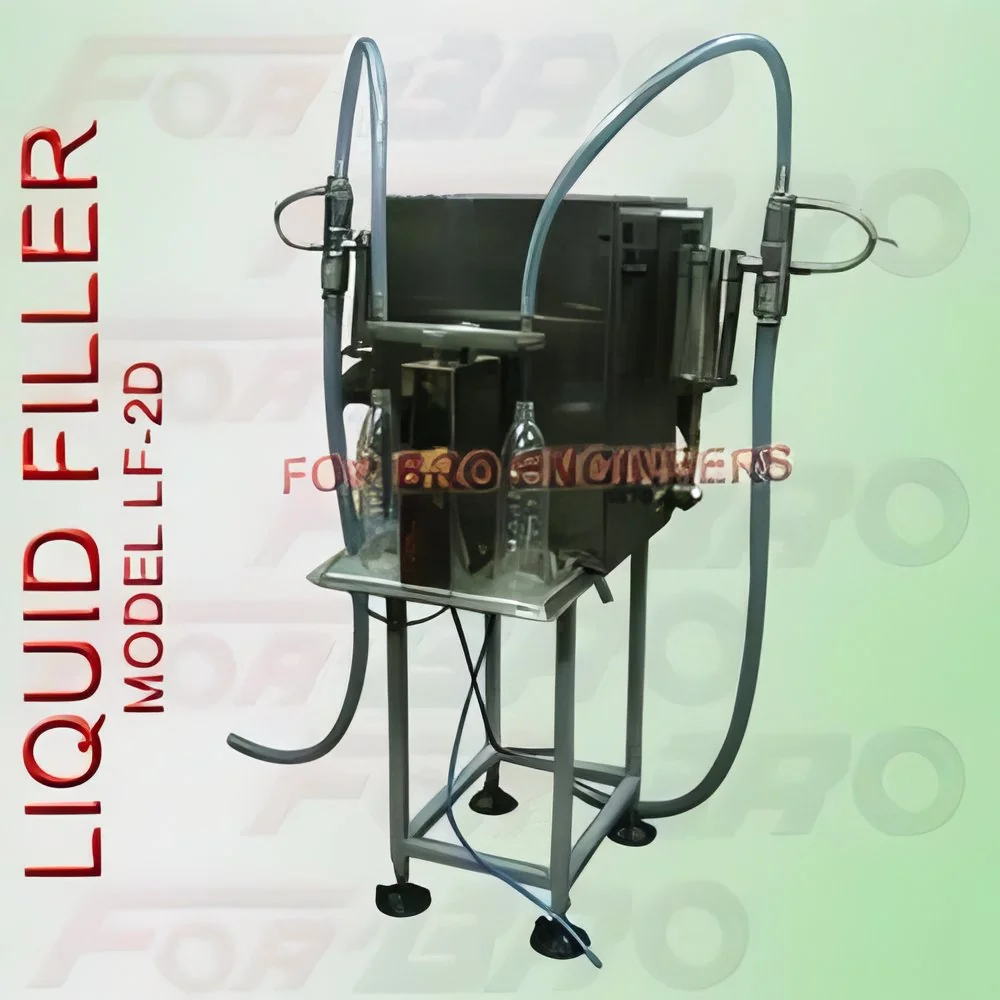
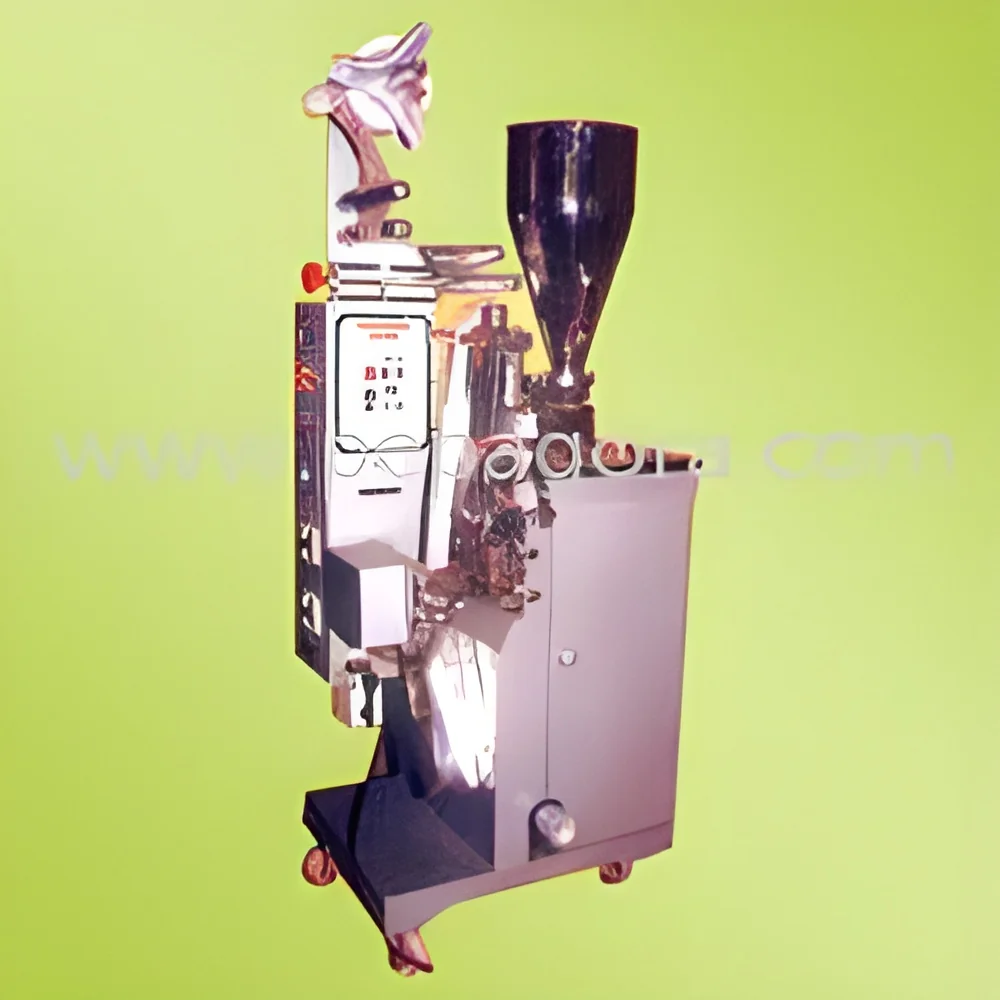
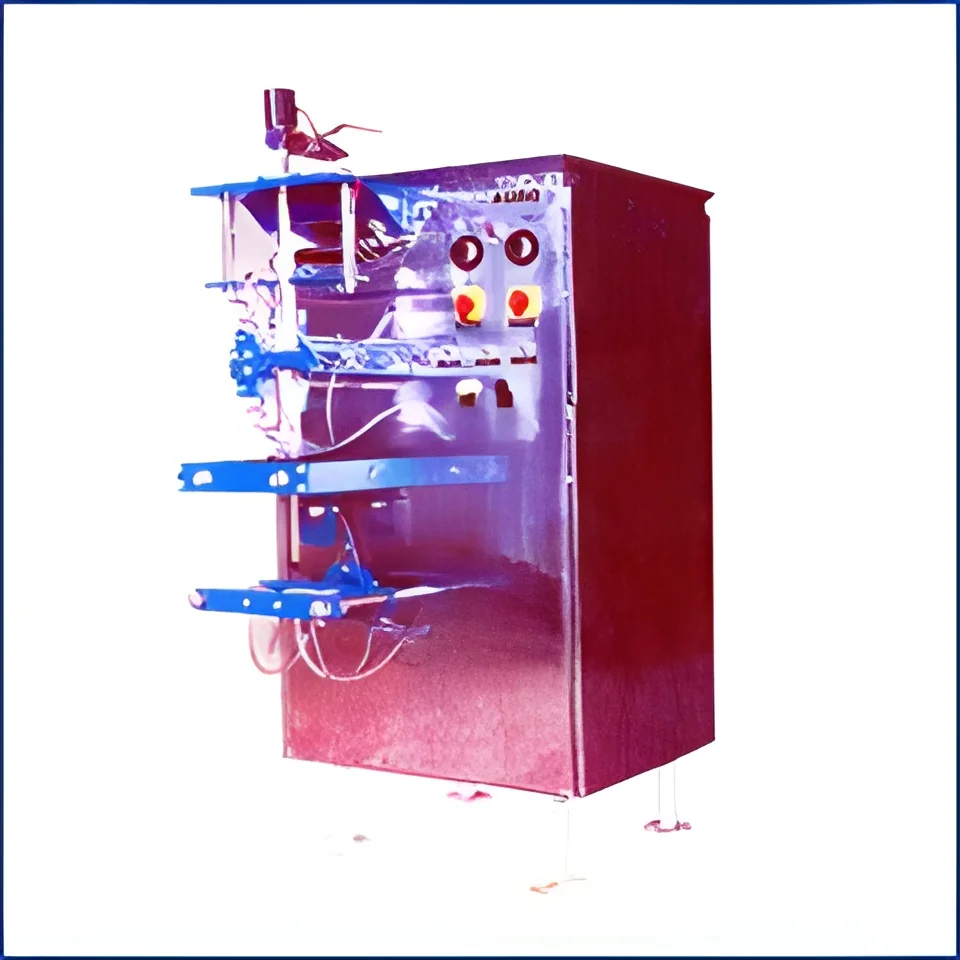
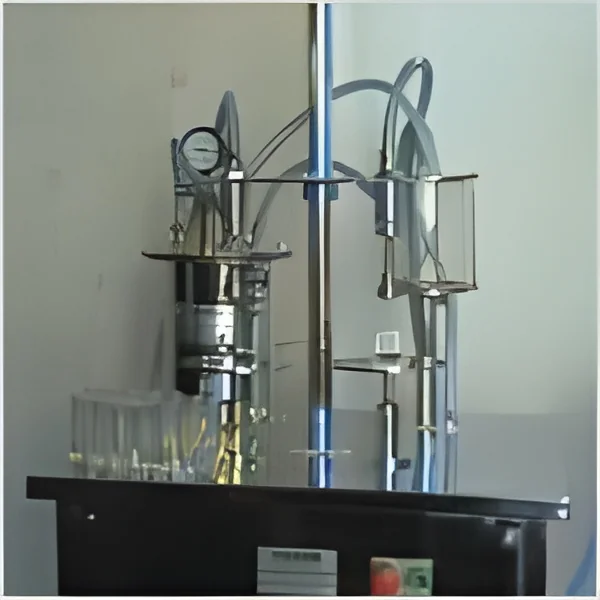
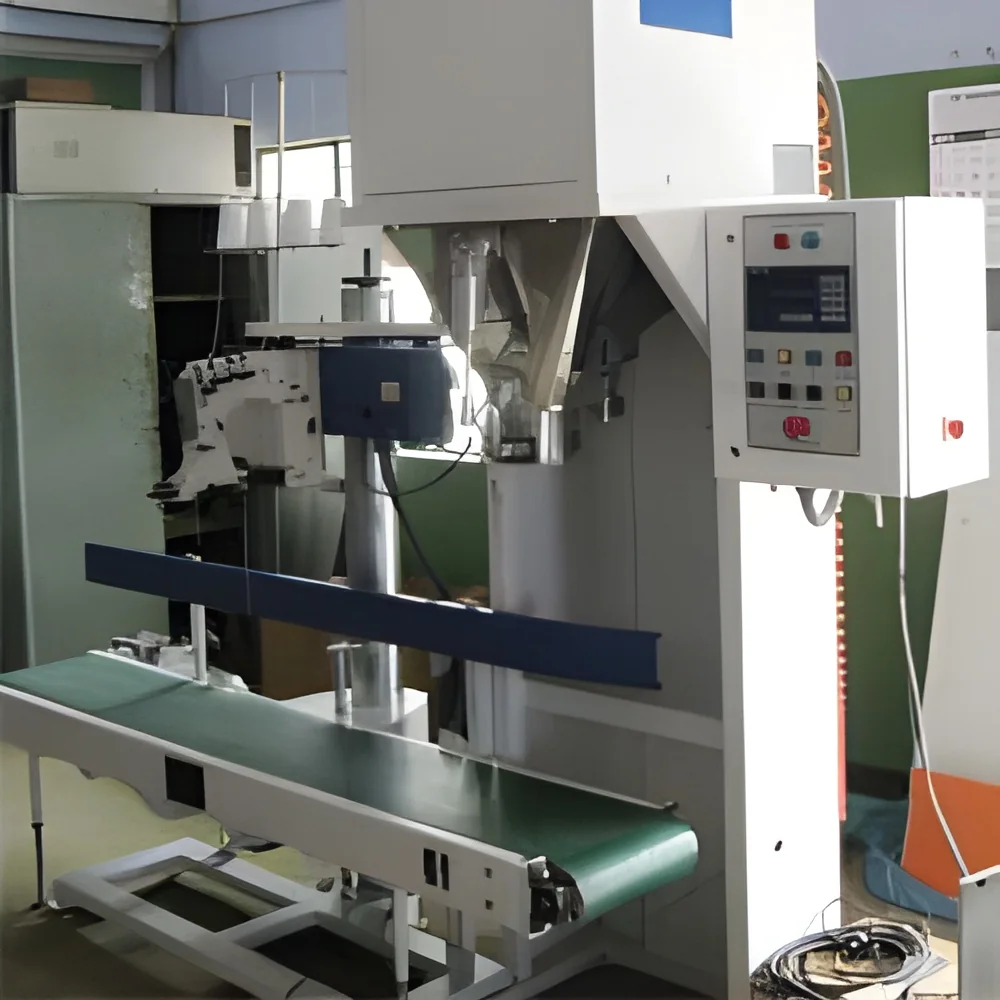
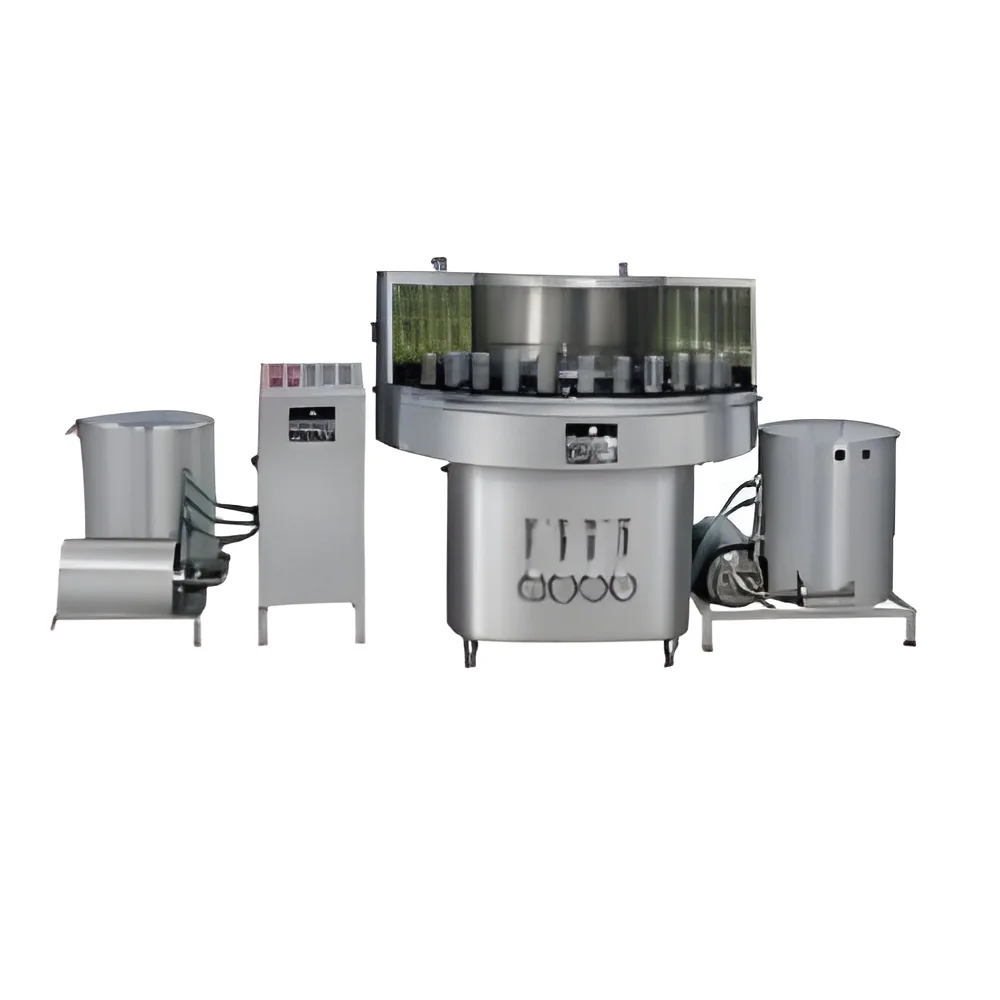
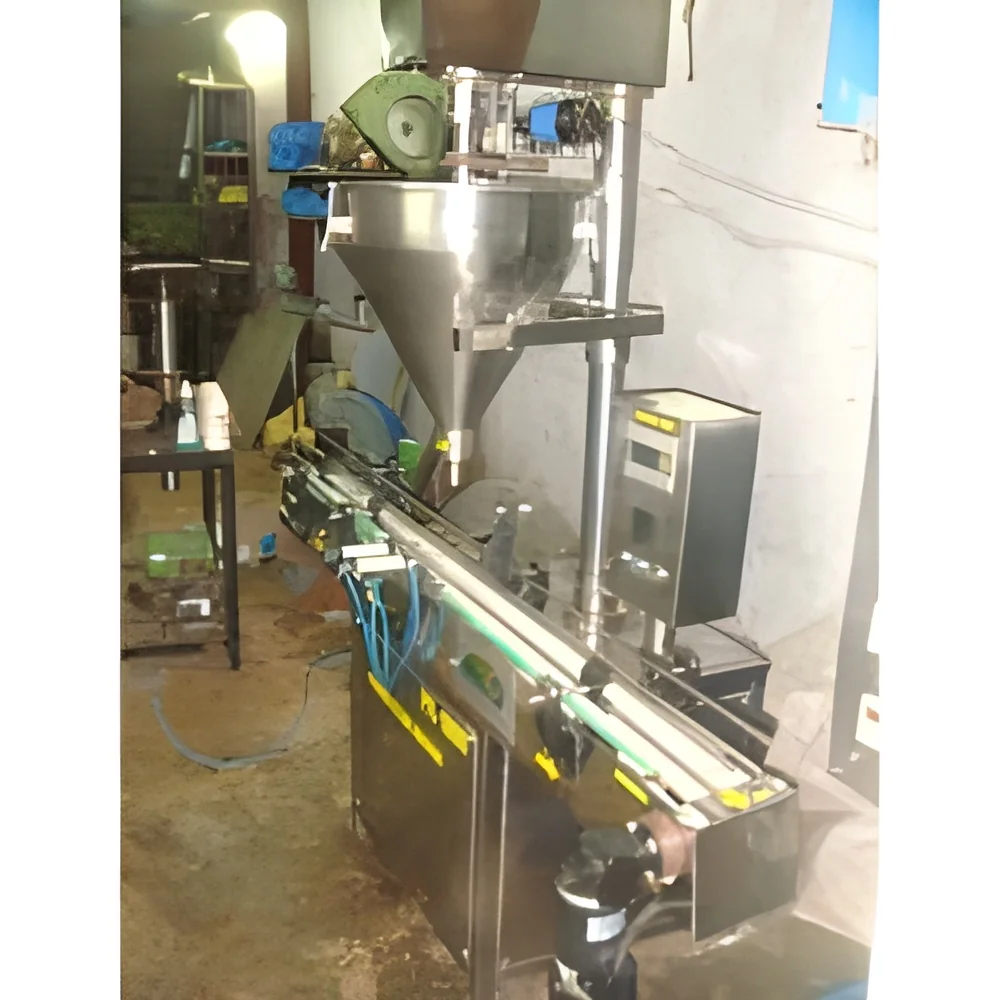
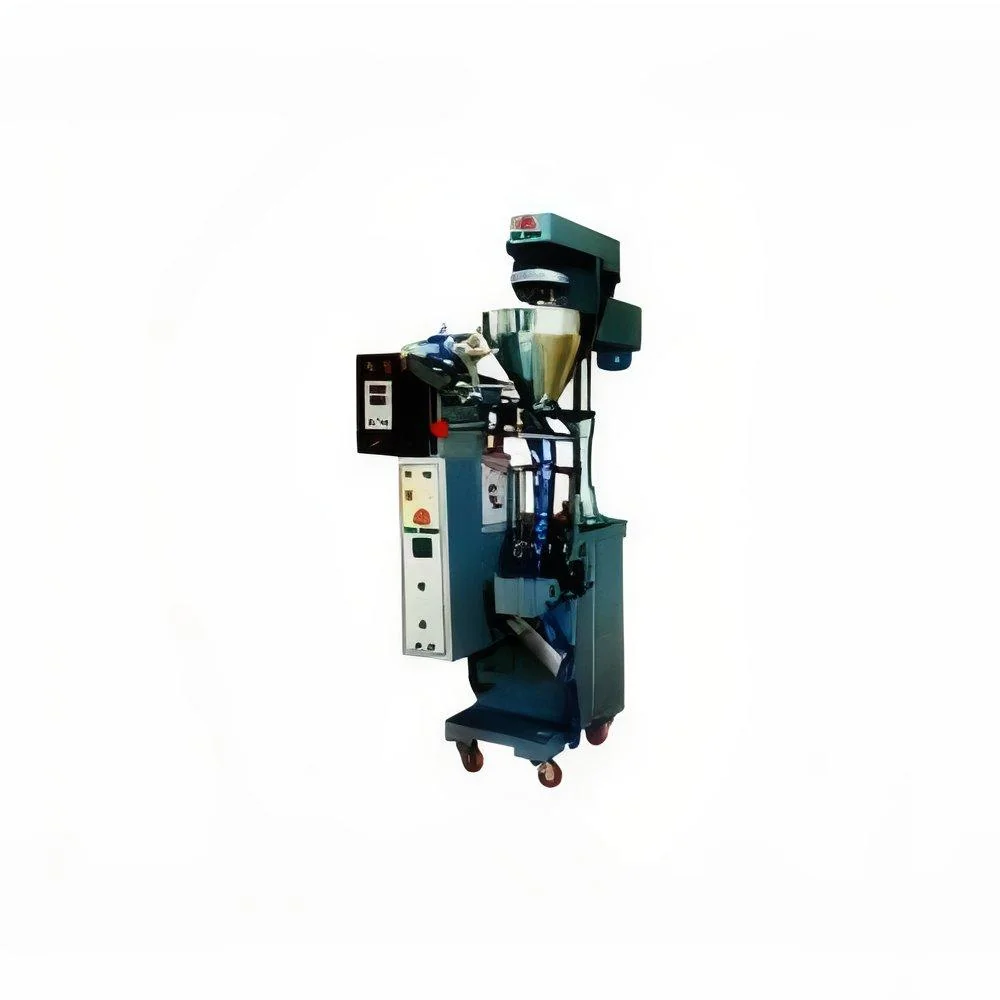
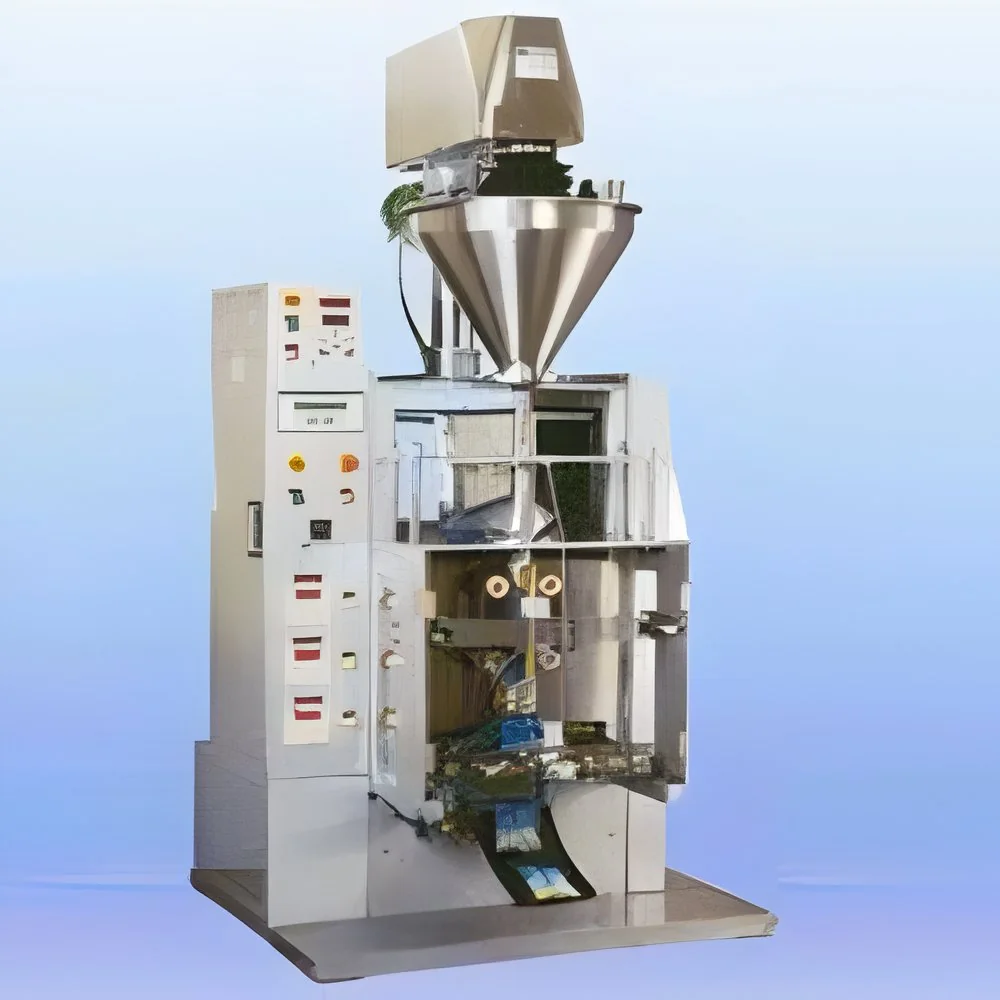
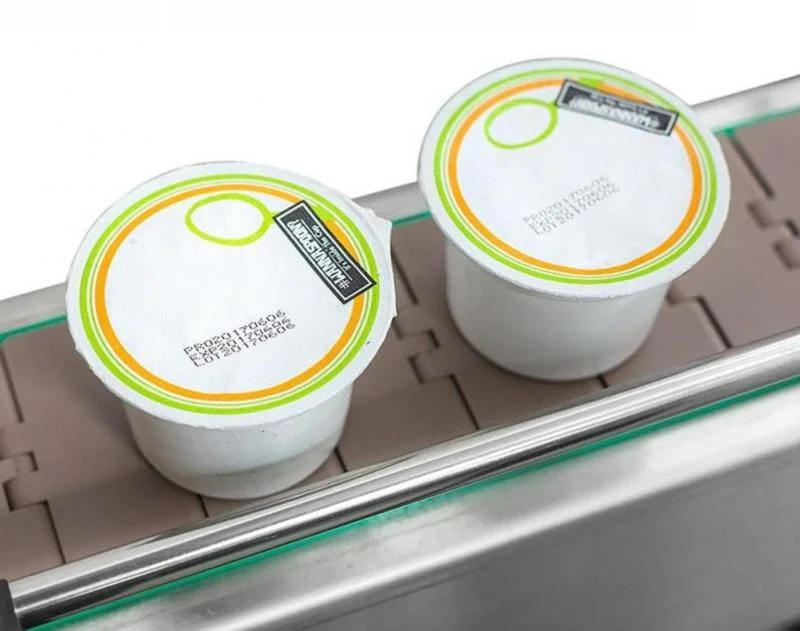
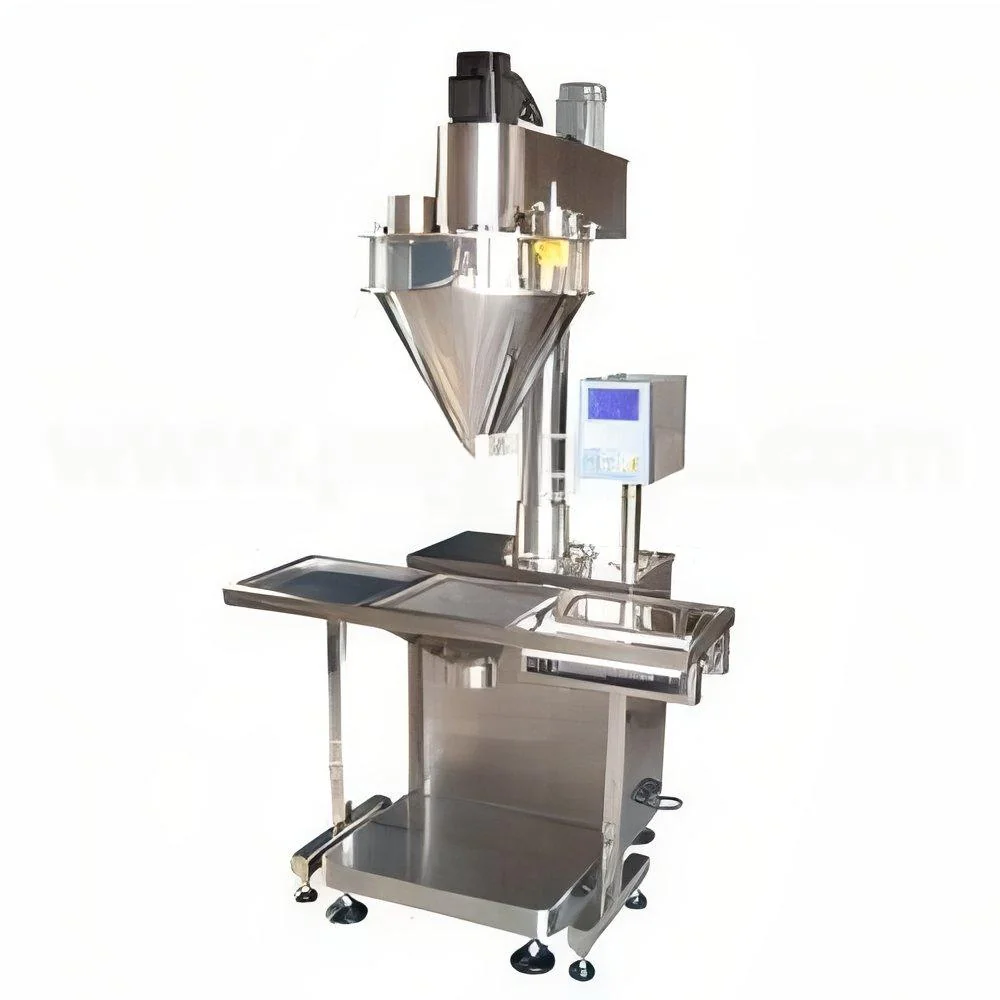
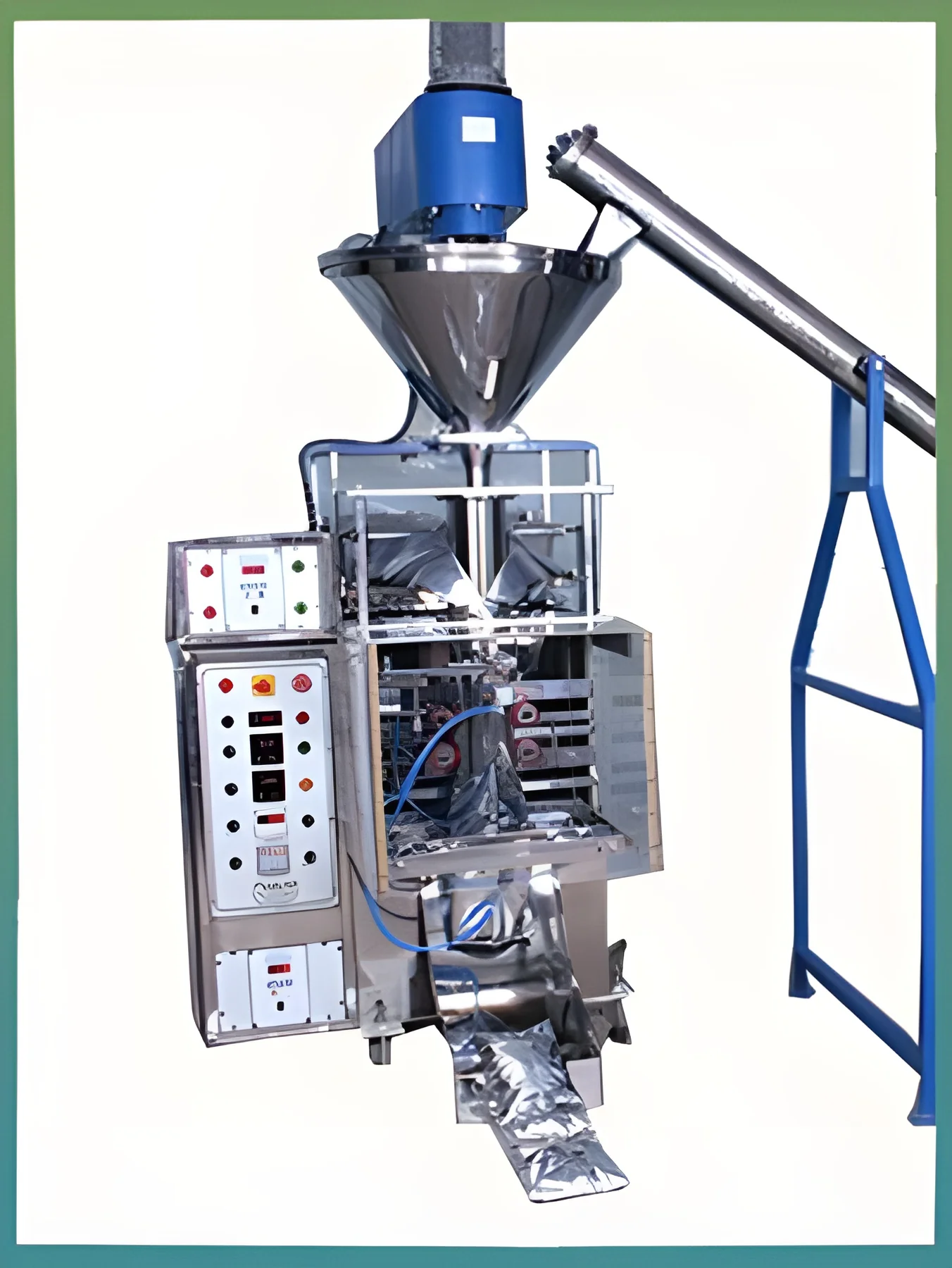
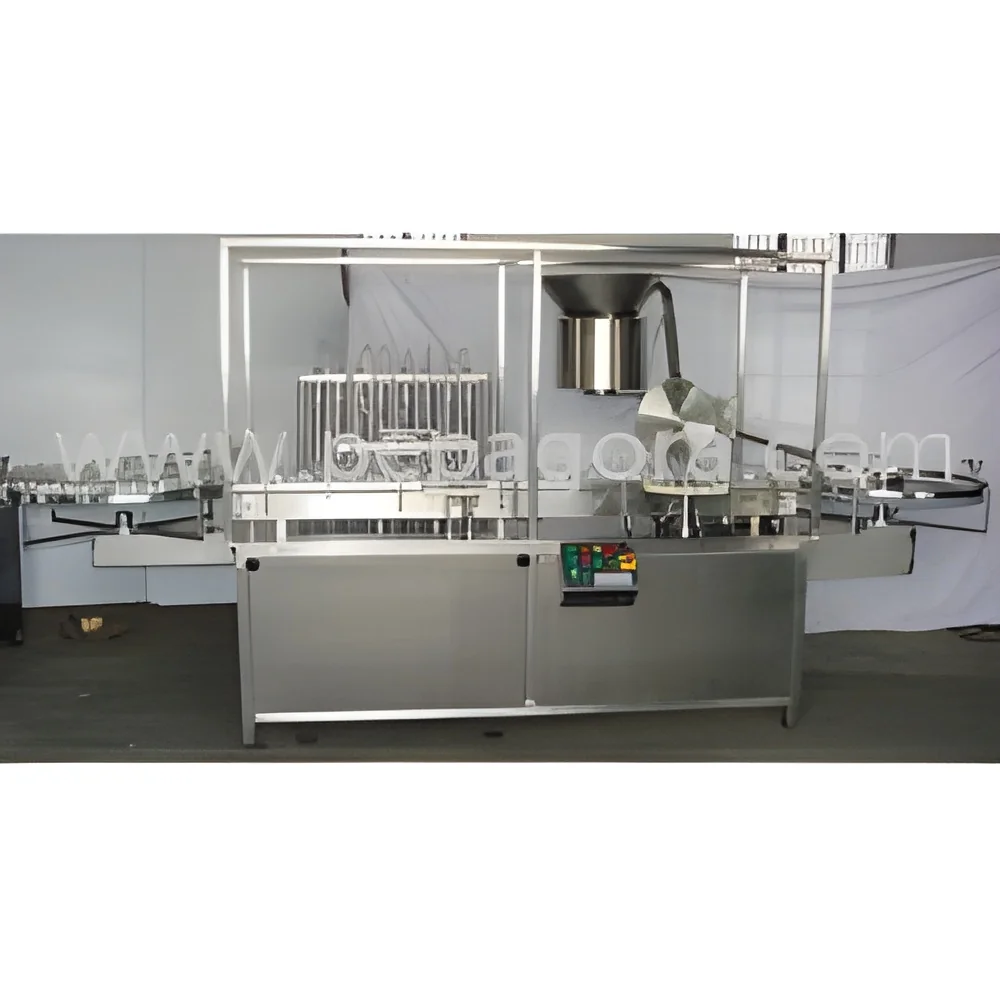
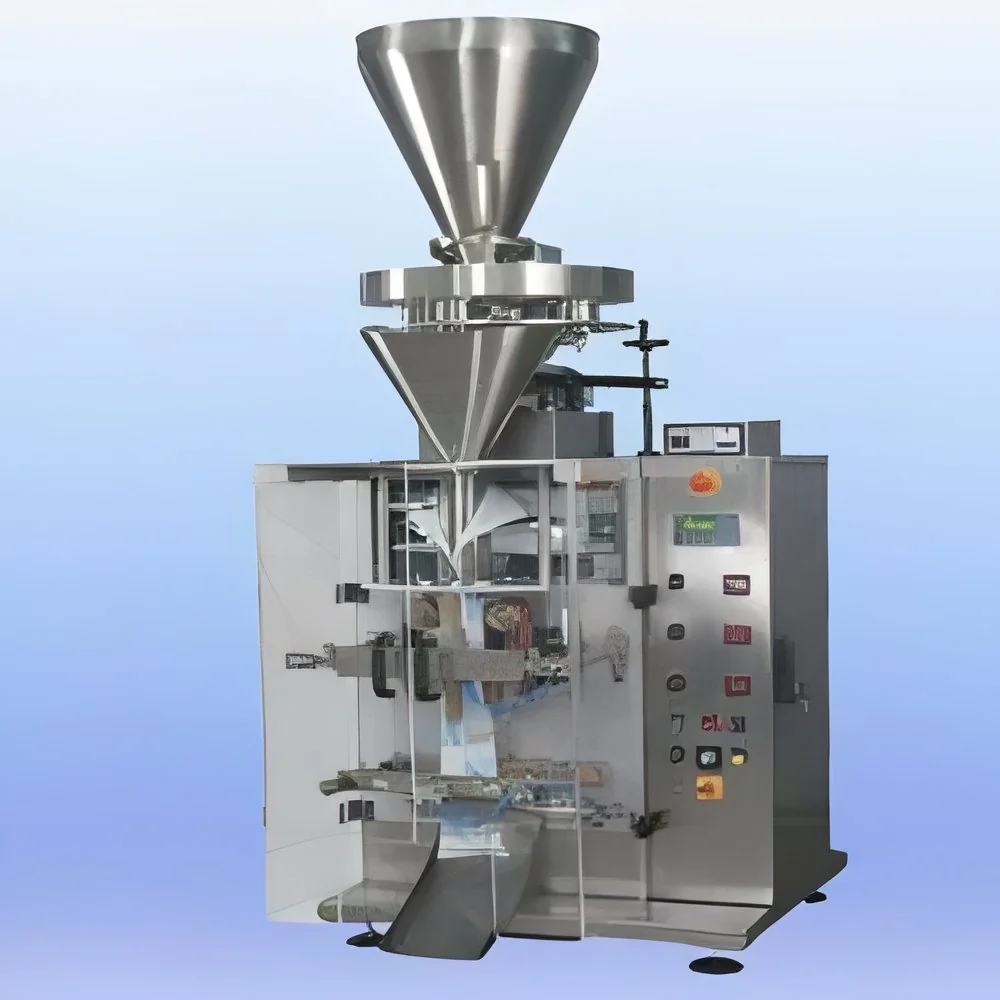
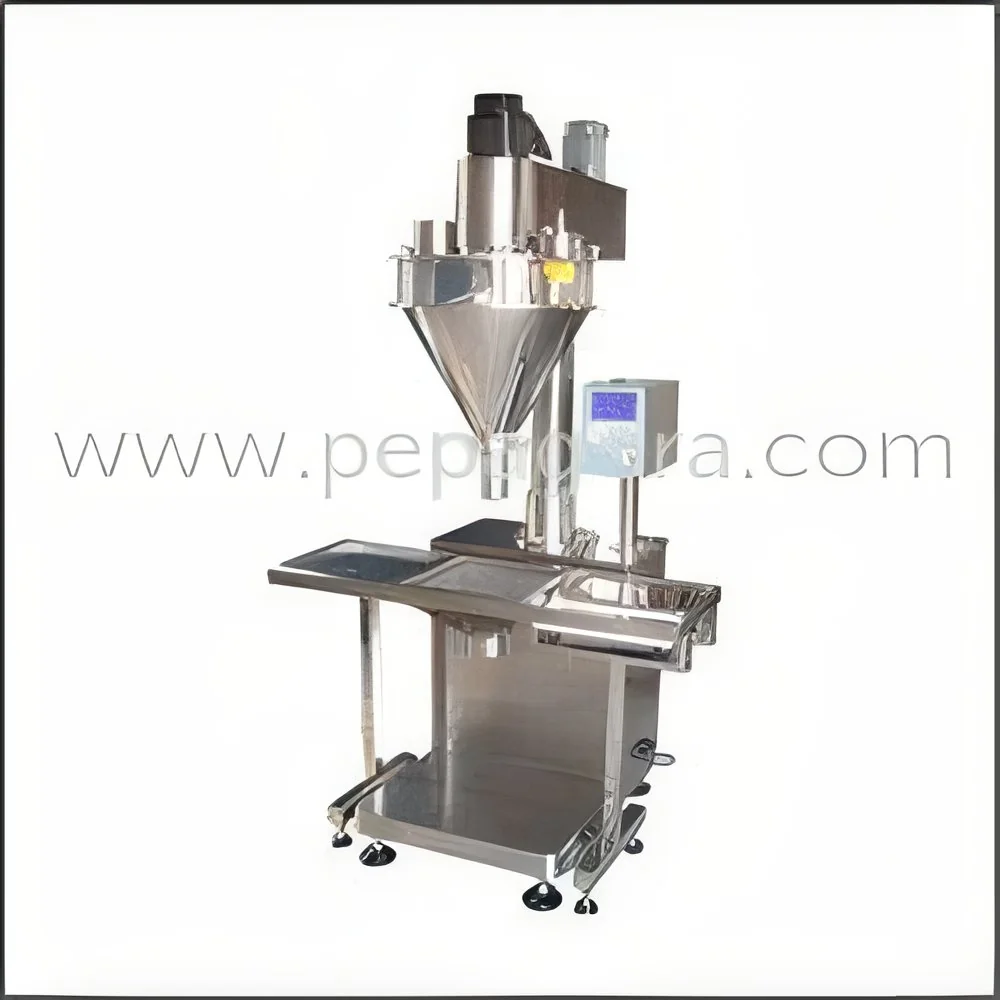
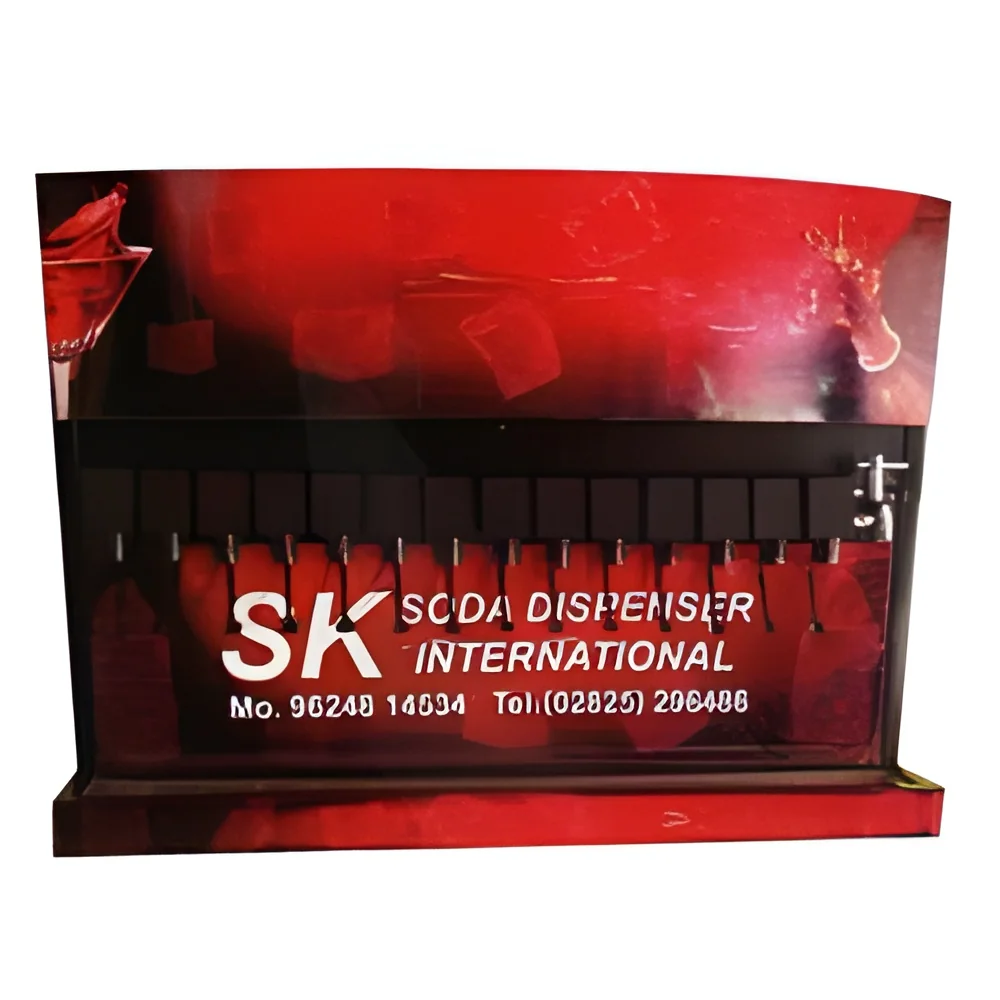
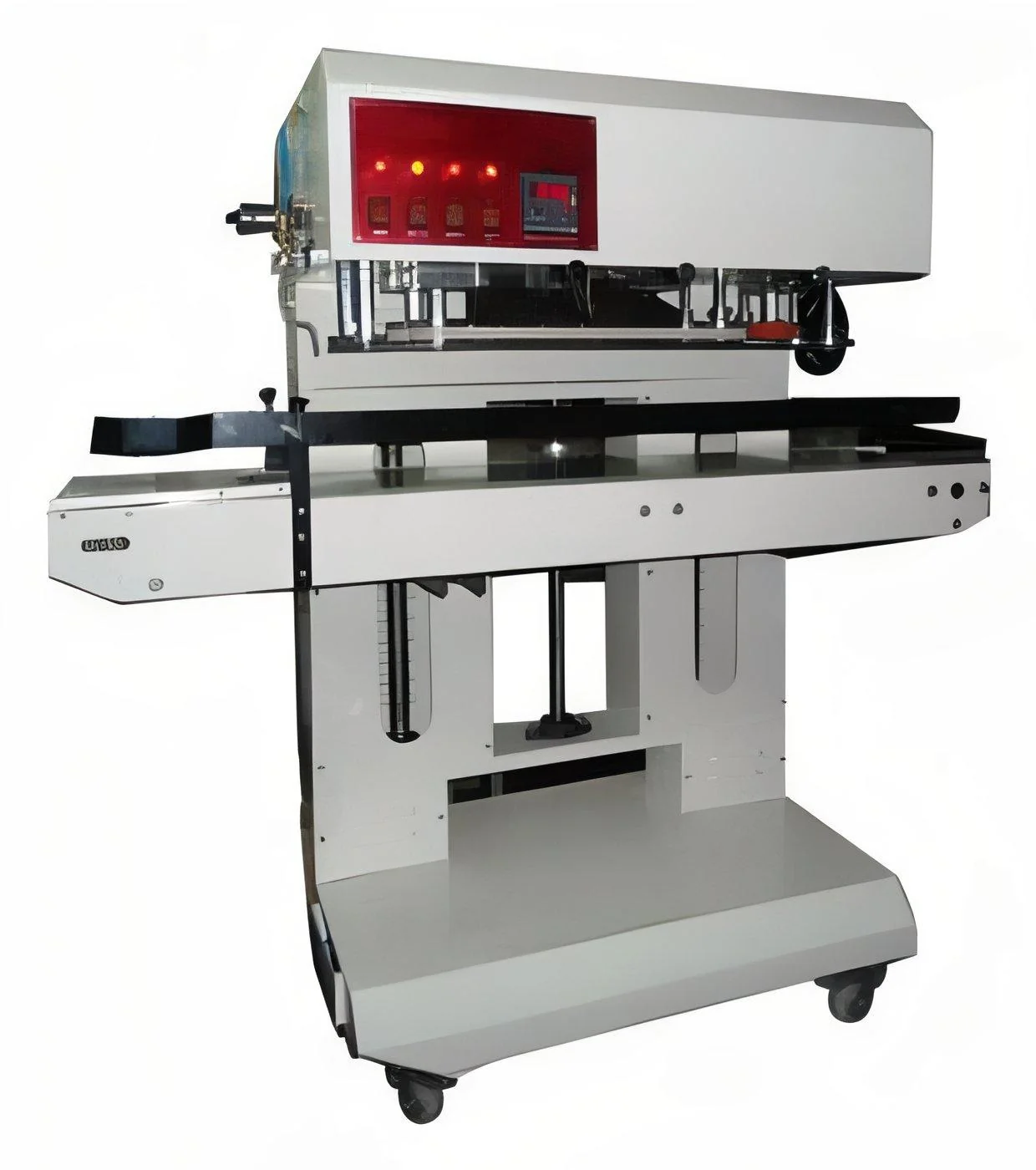
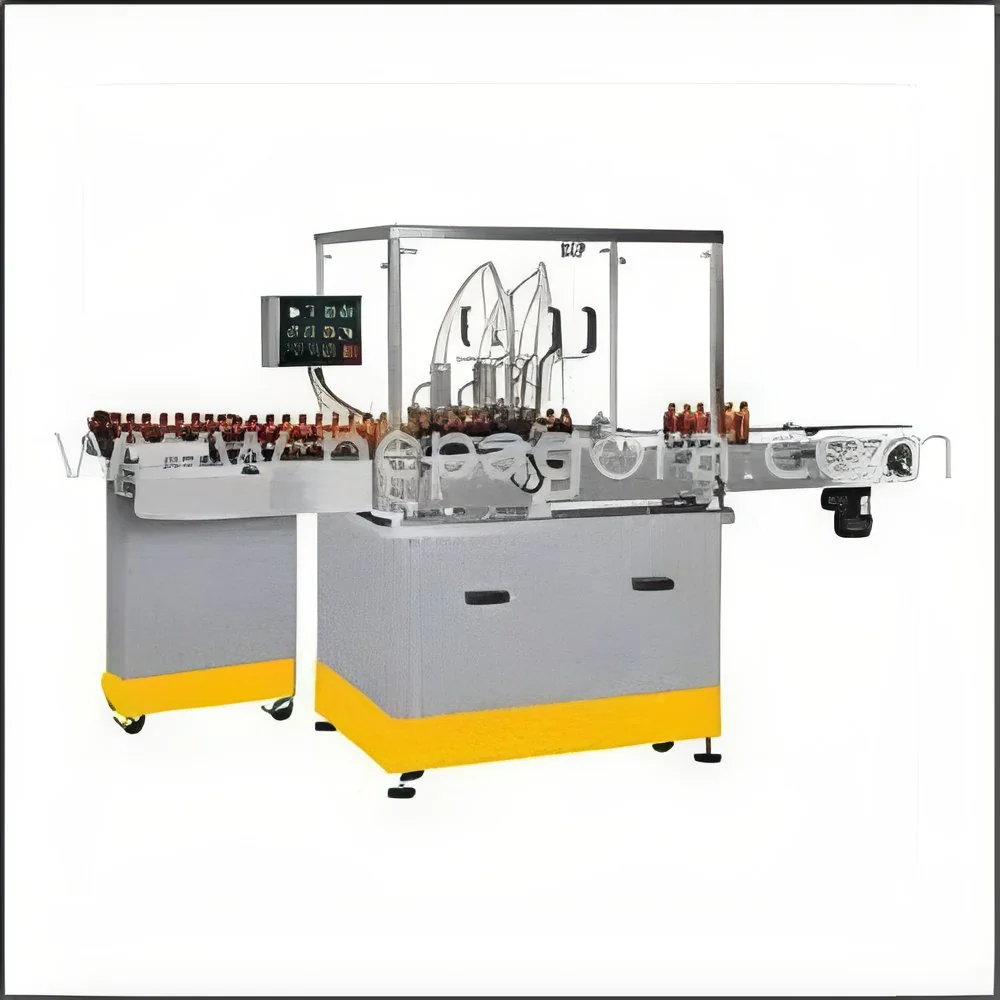
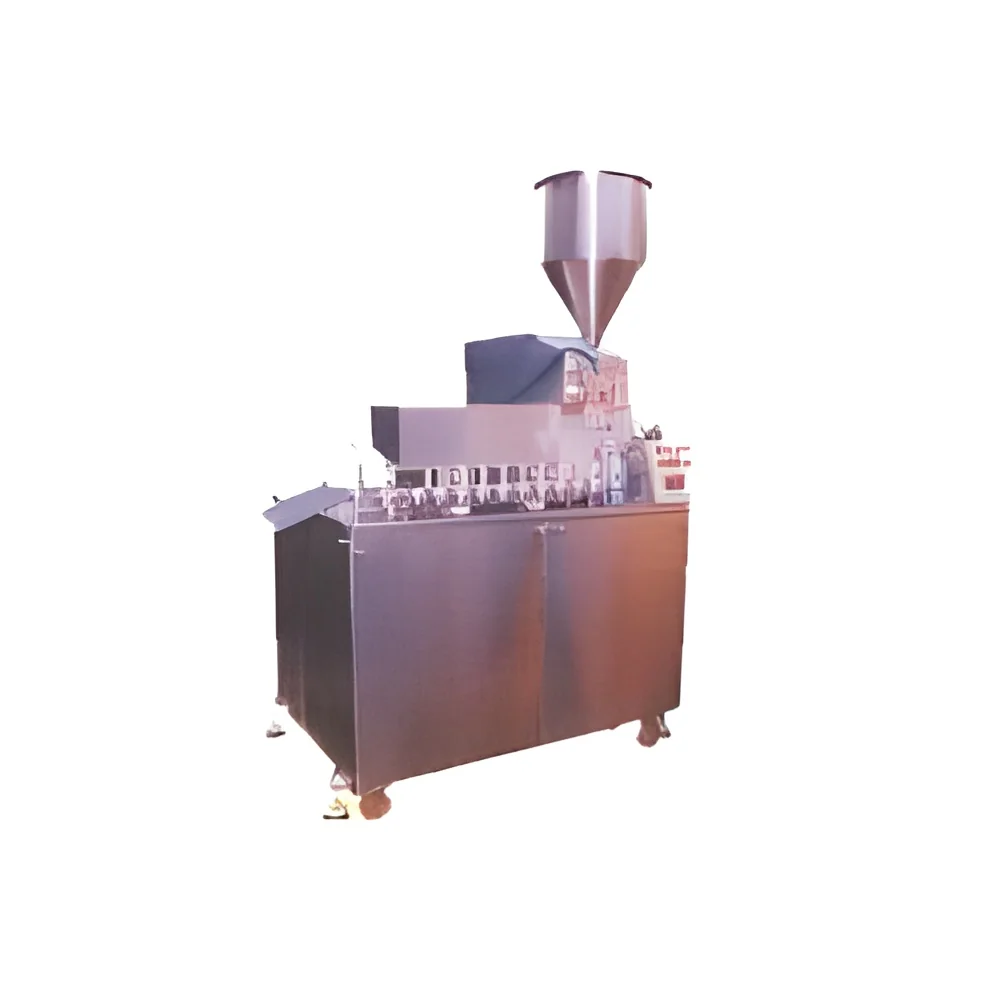
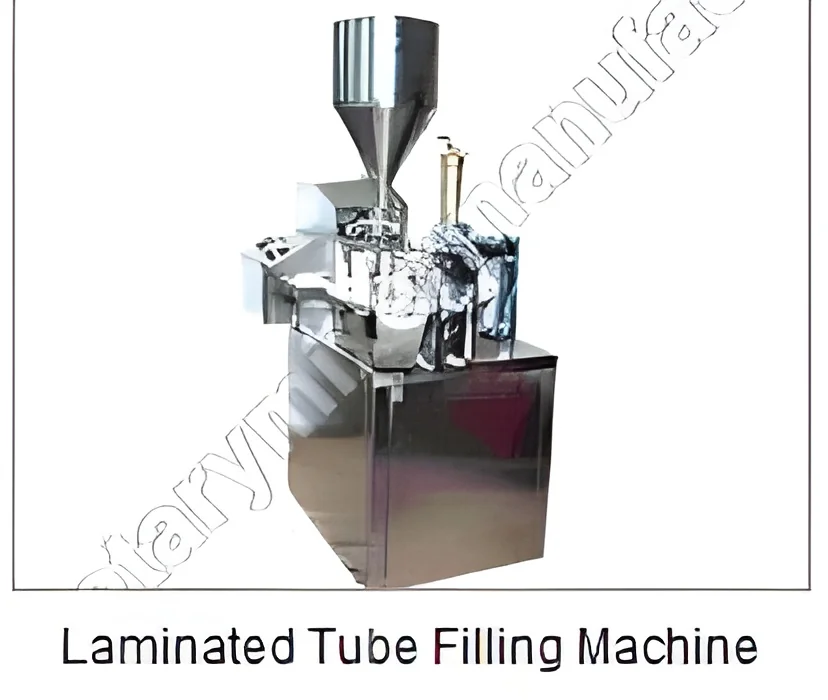
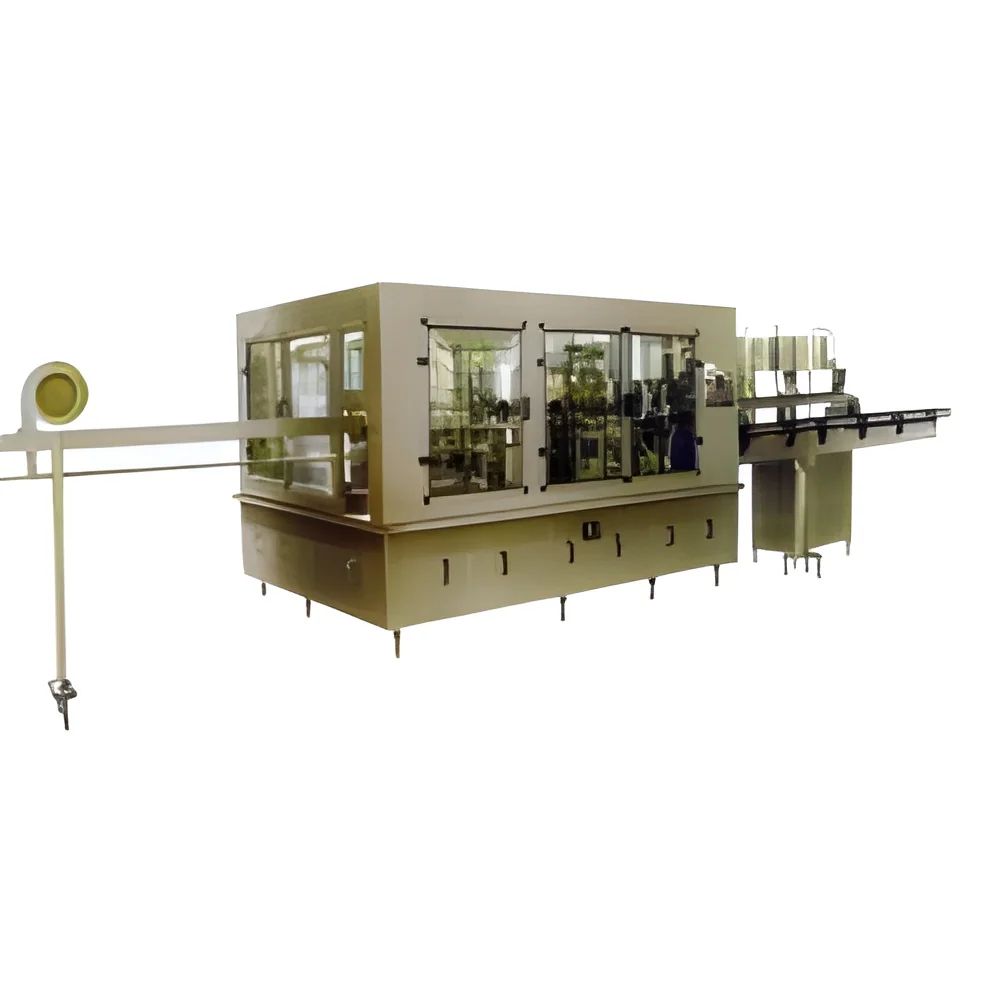
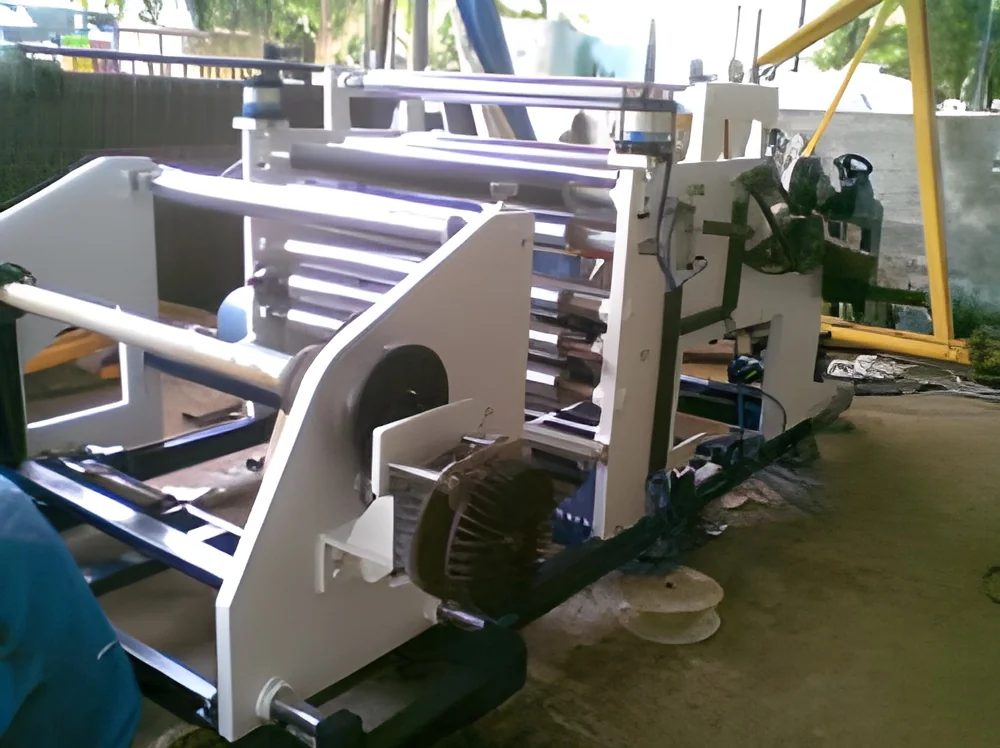
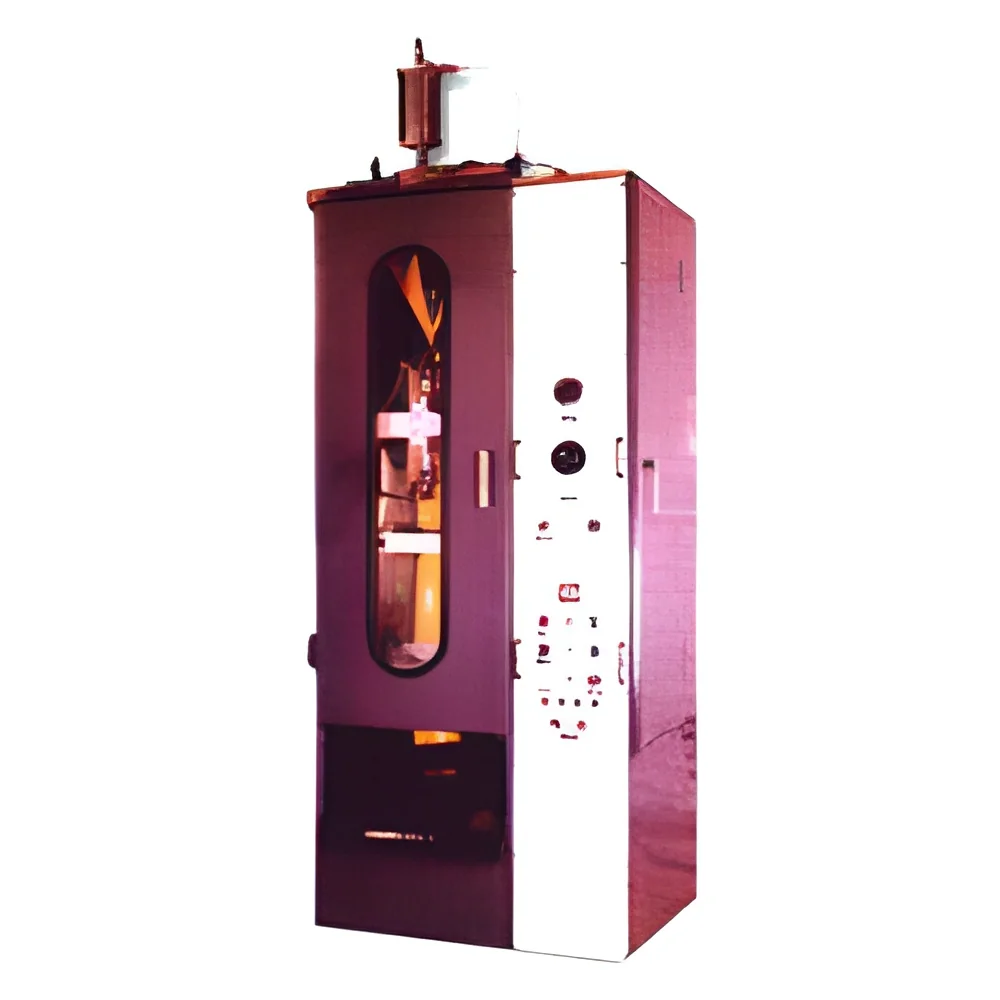
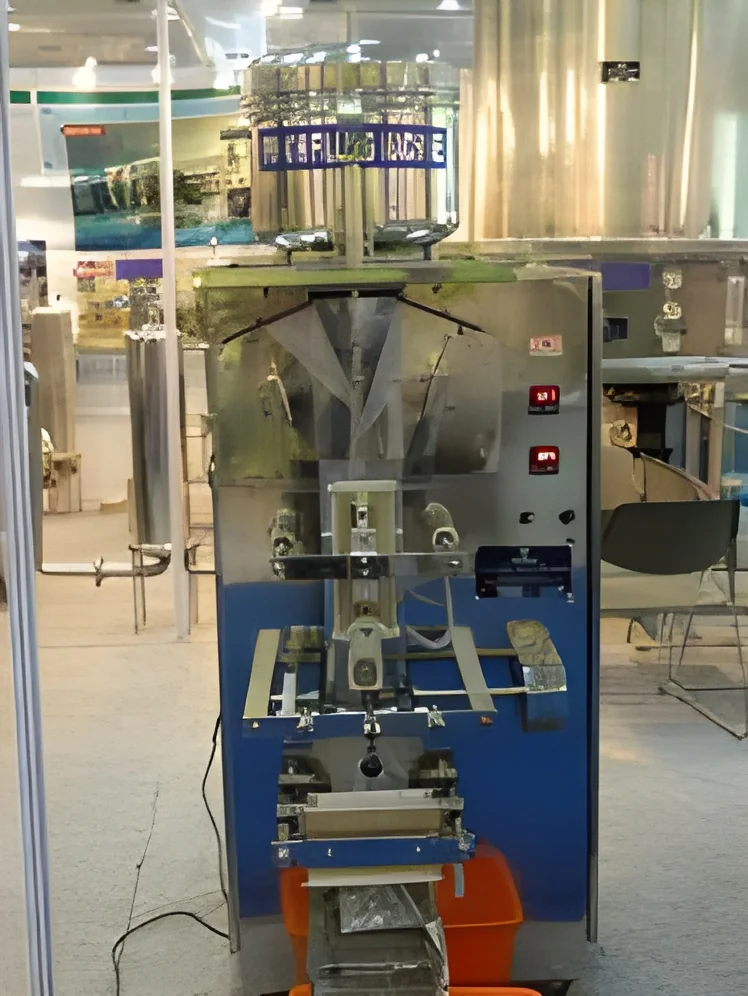
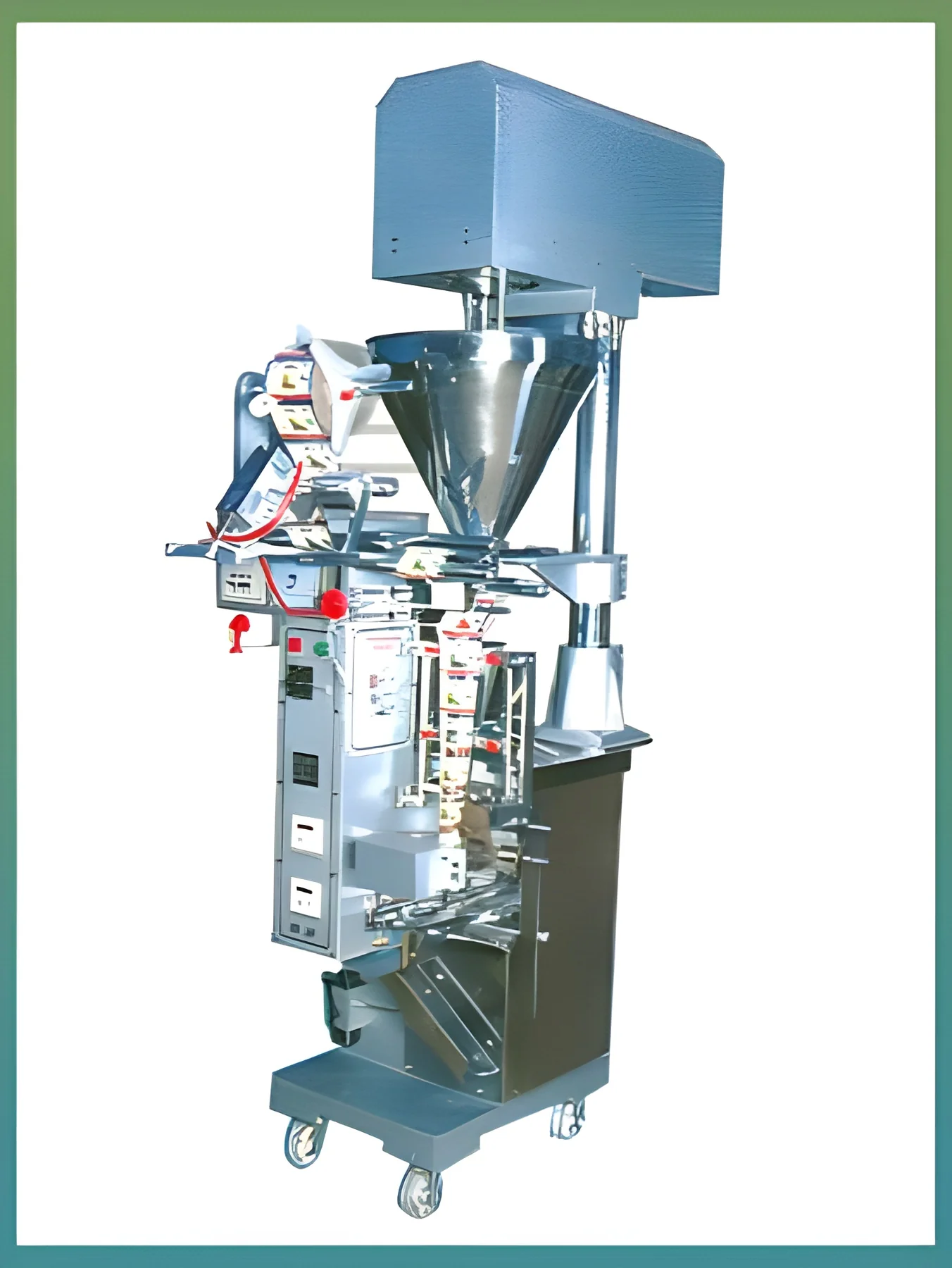
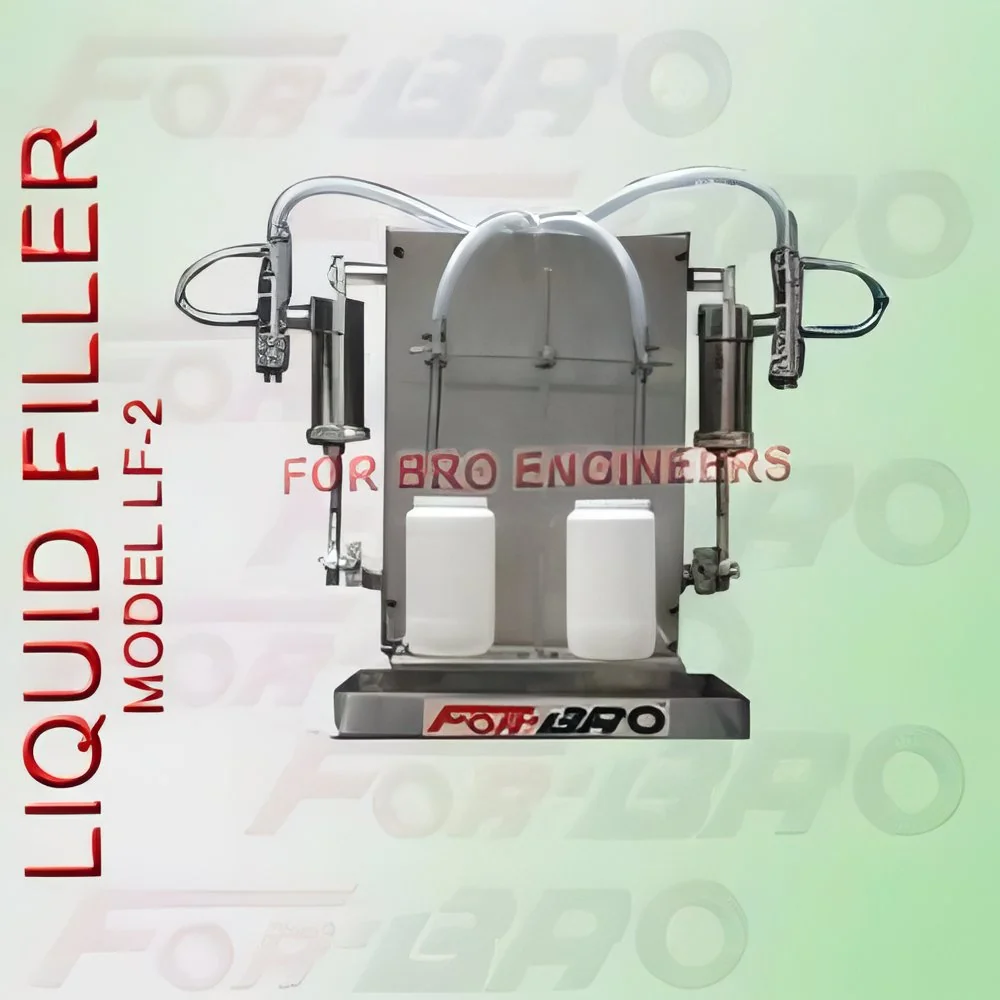
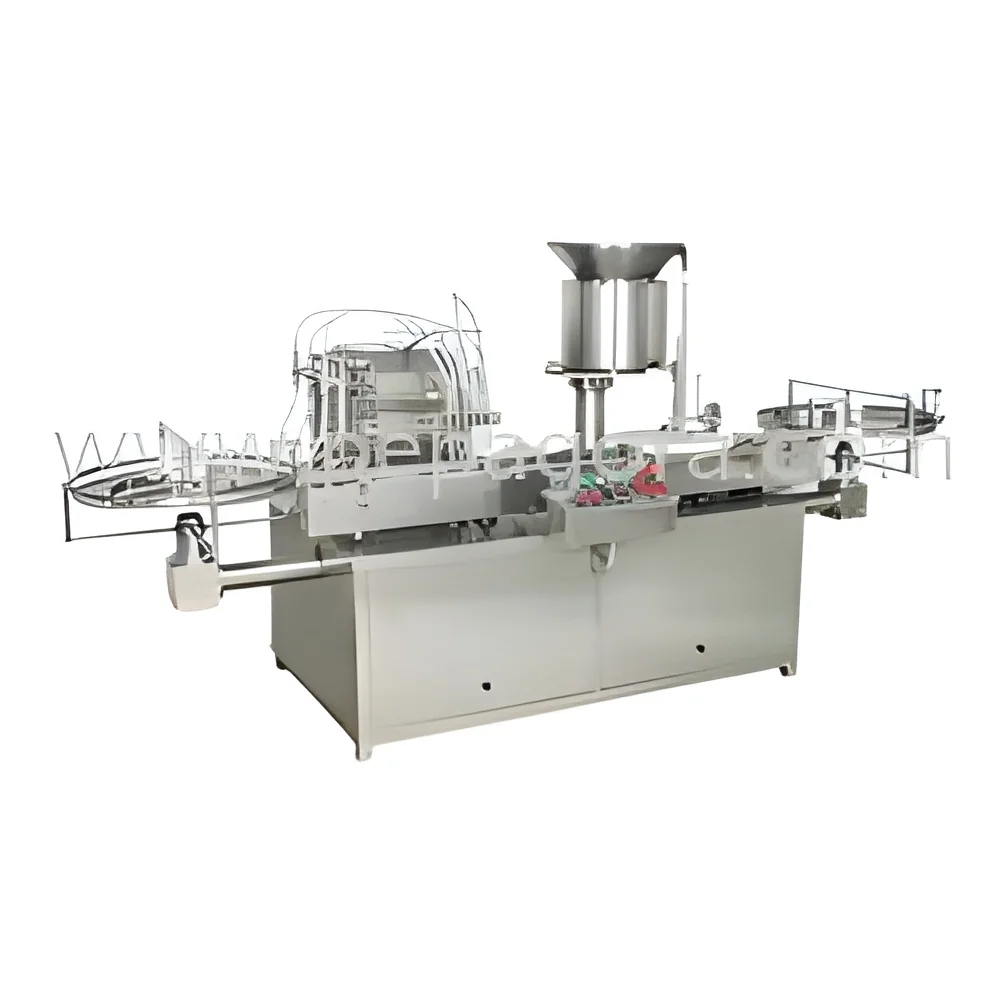
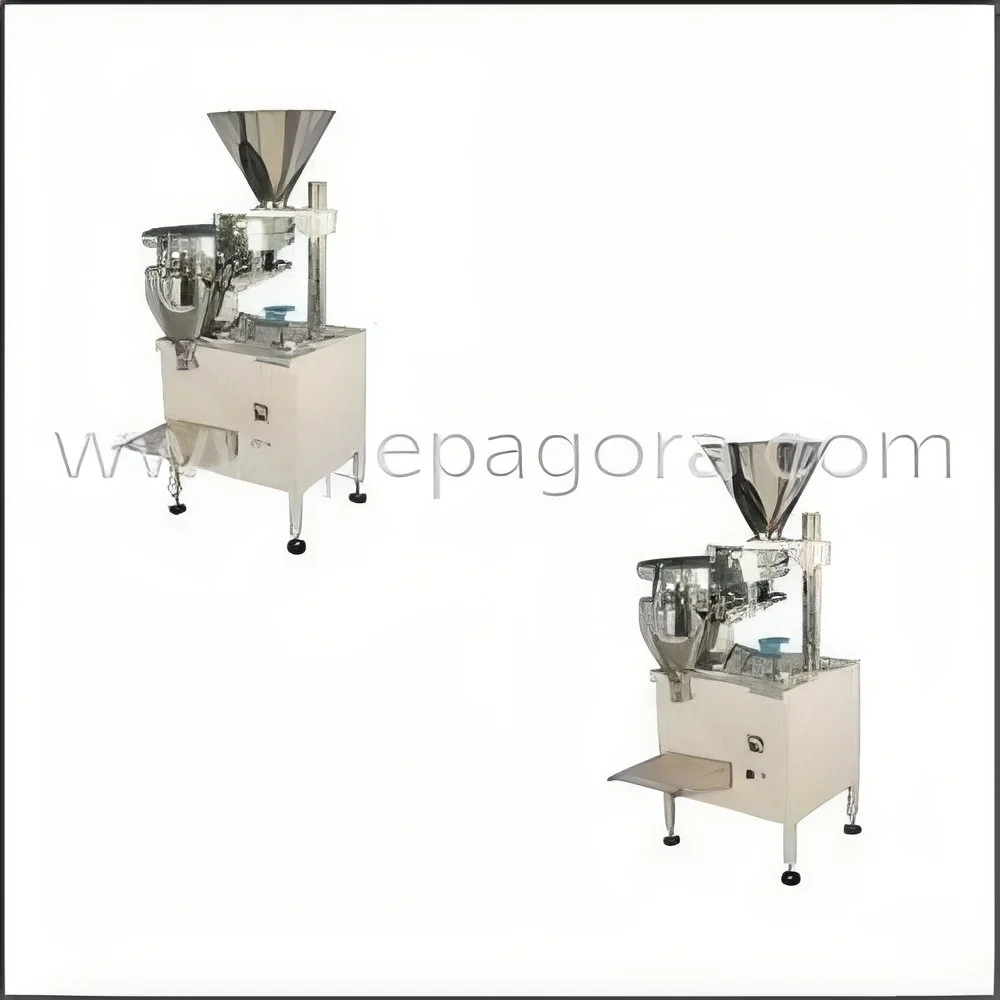
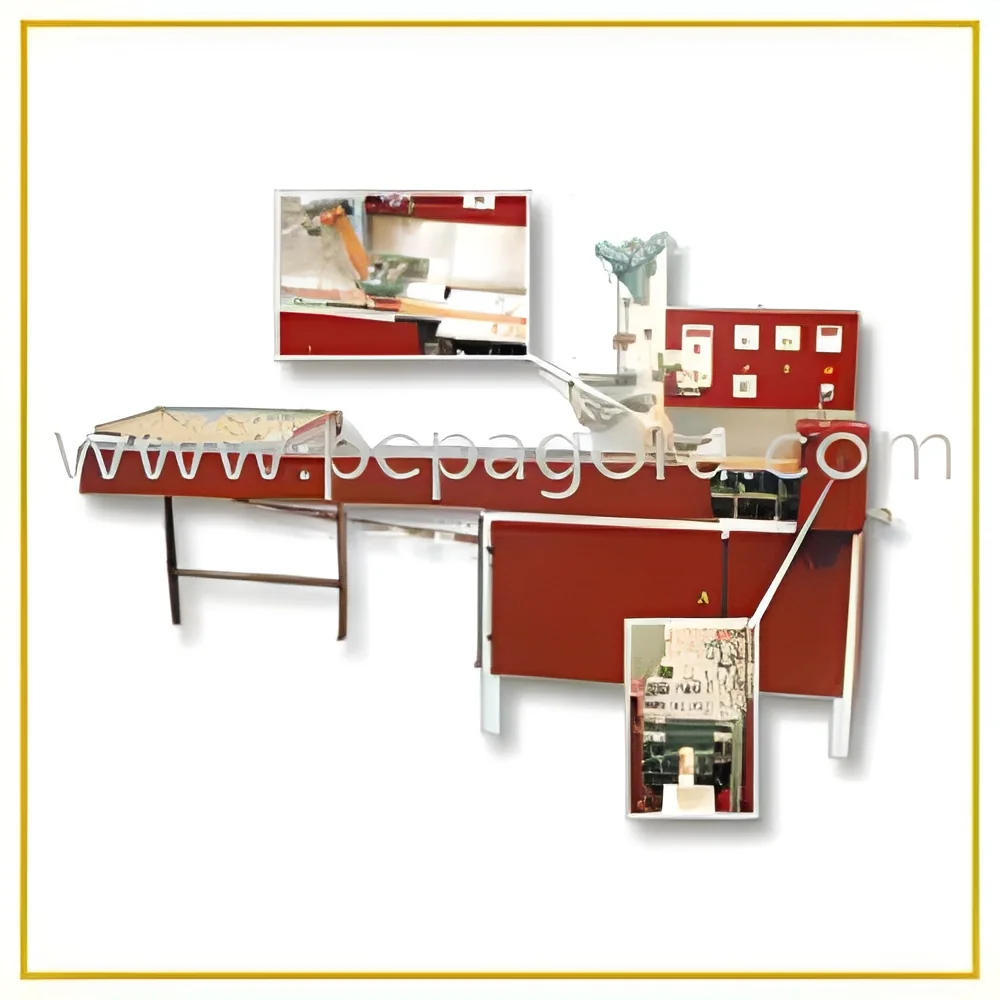
What are Filling Machines?
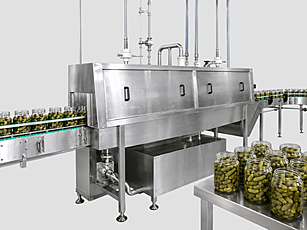
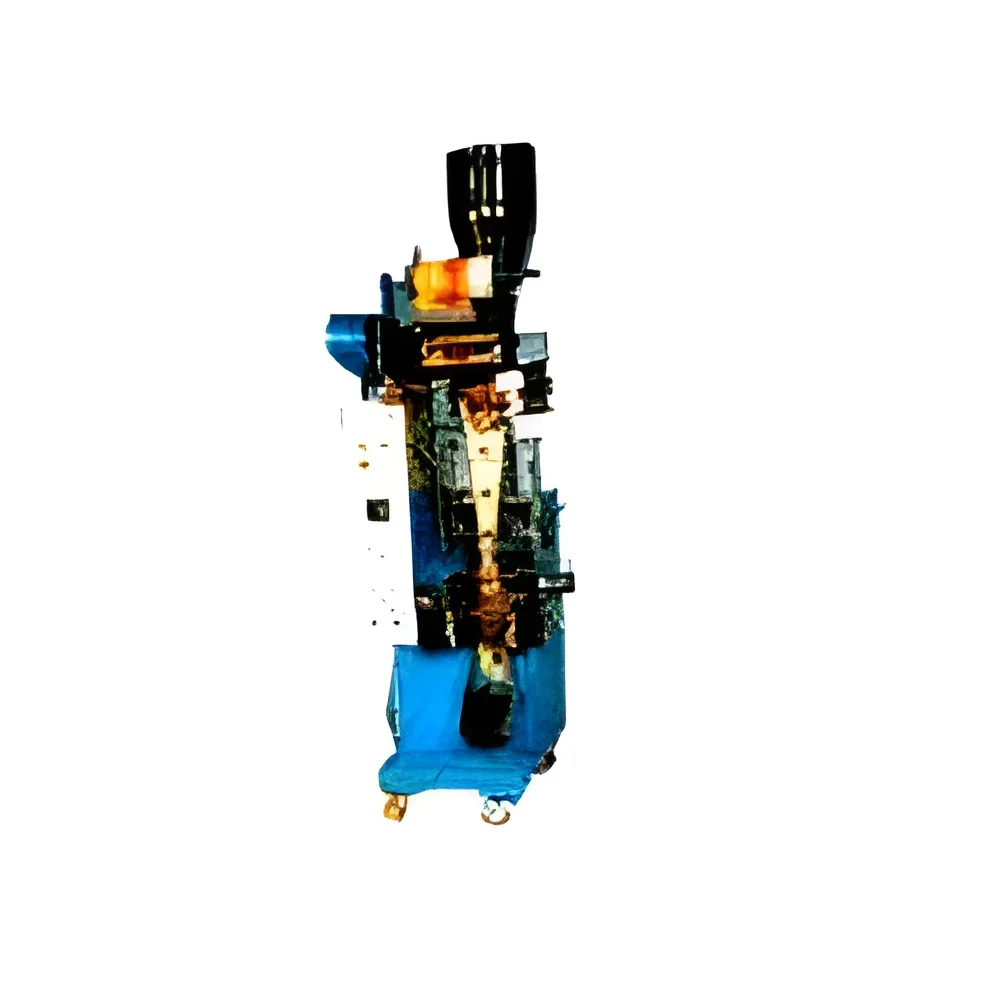
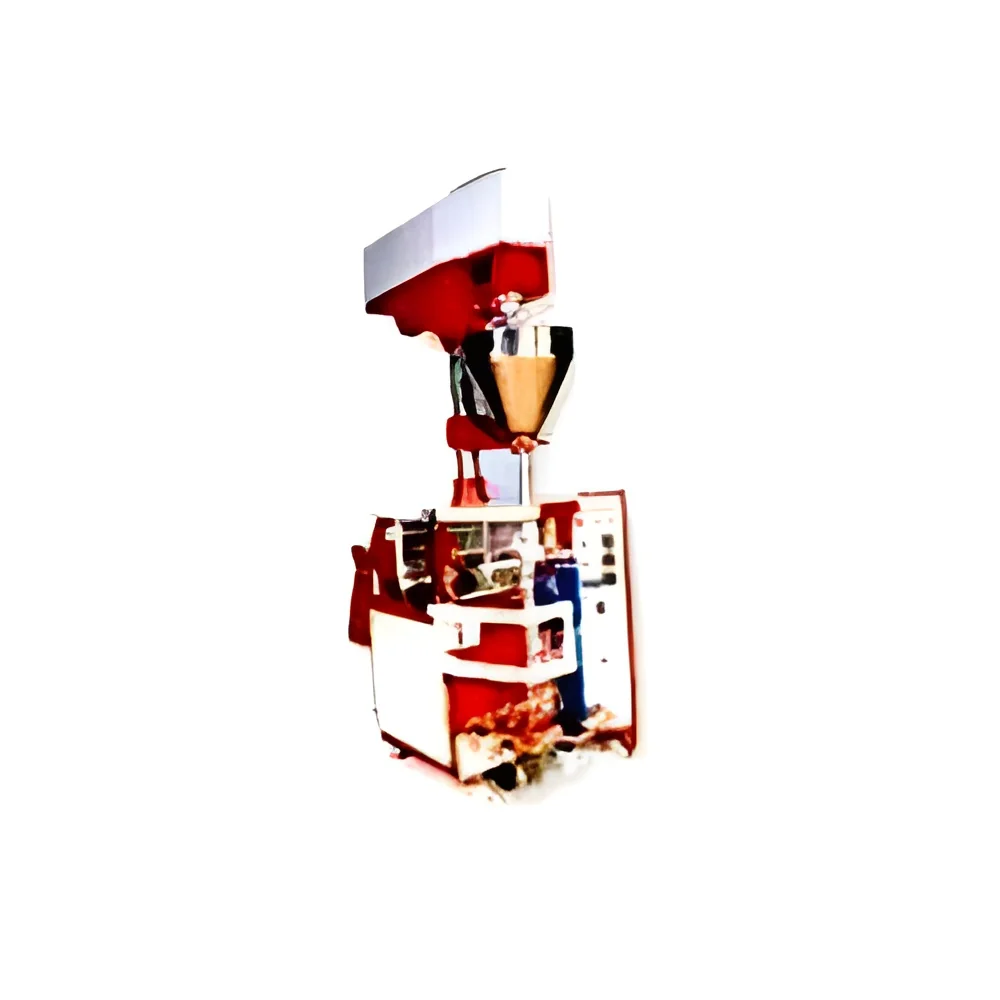
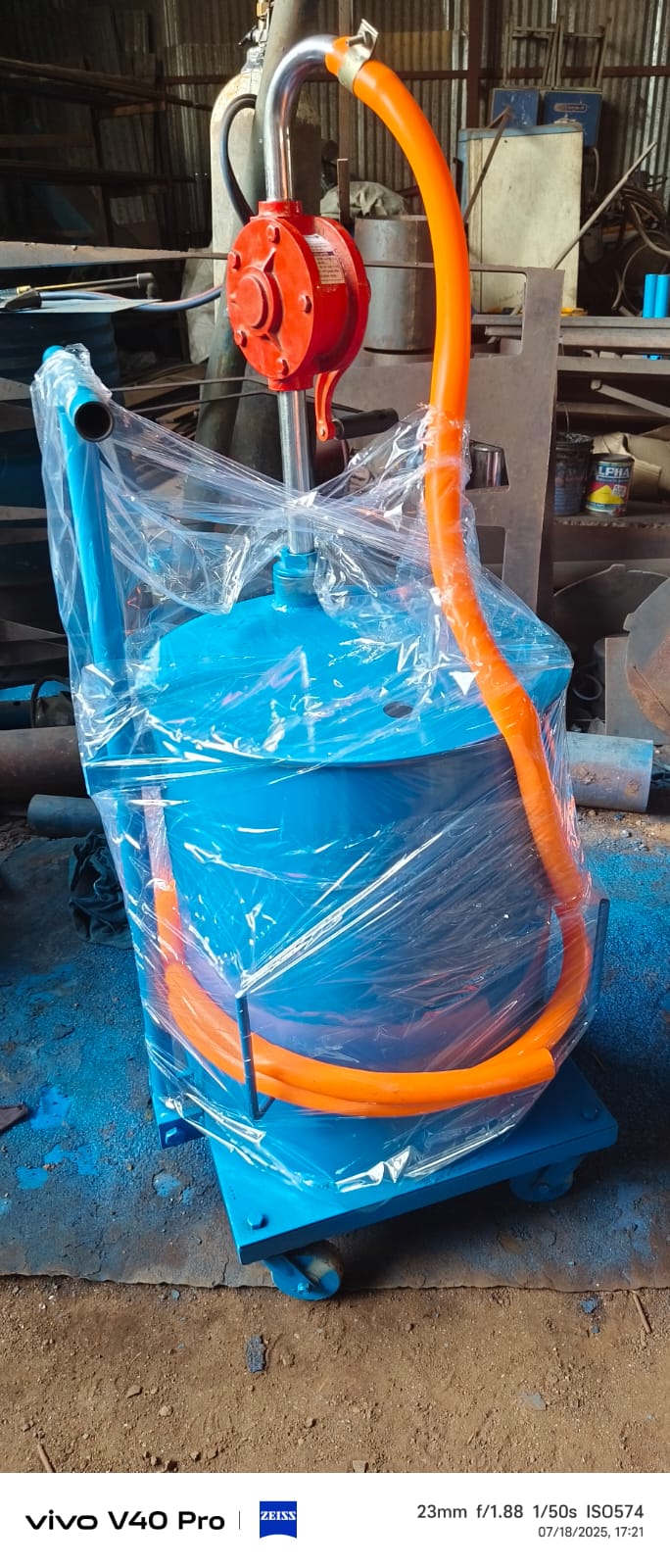
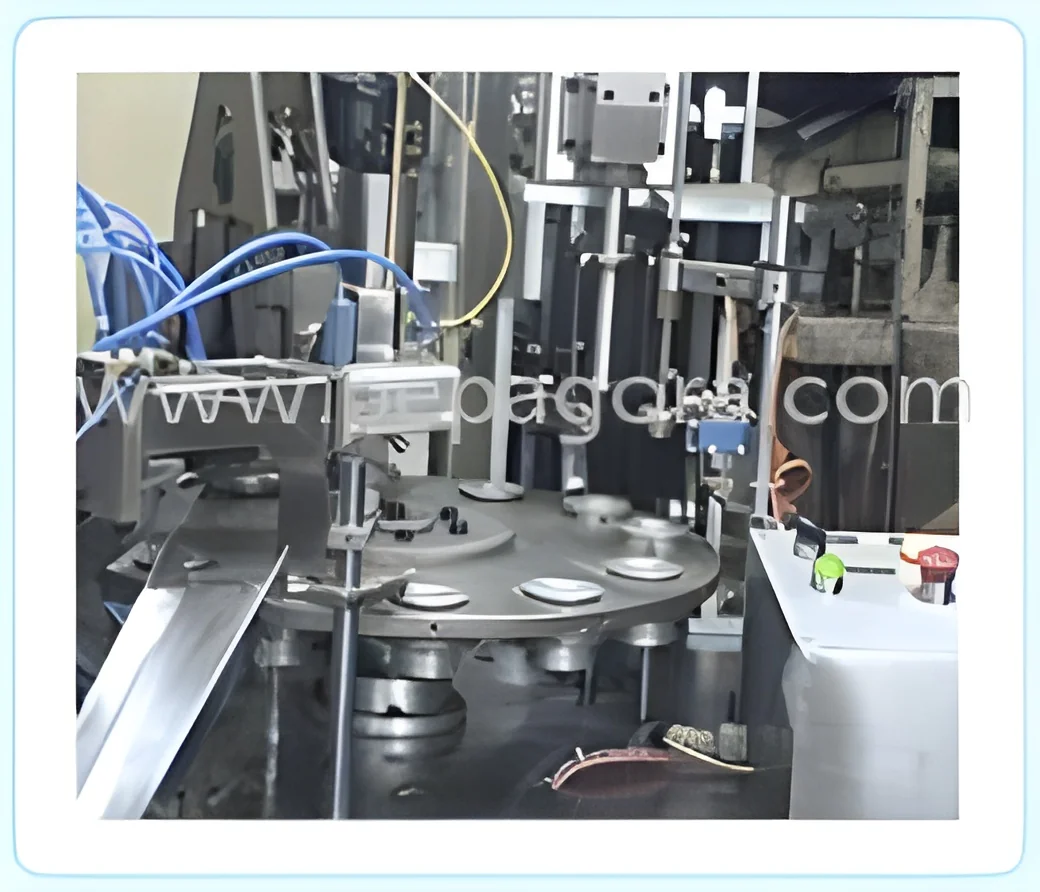
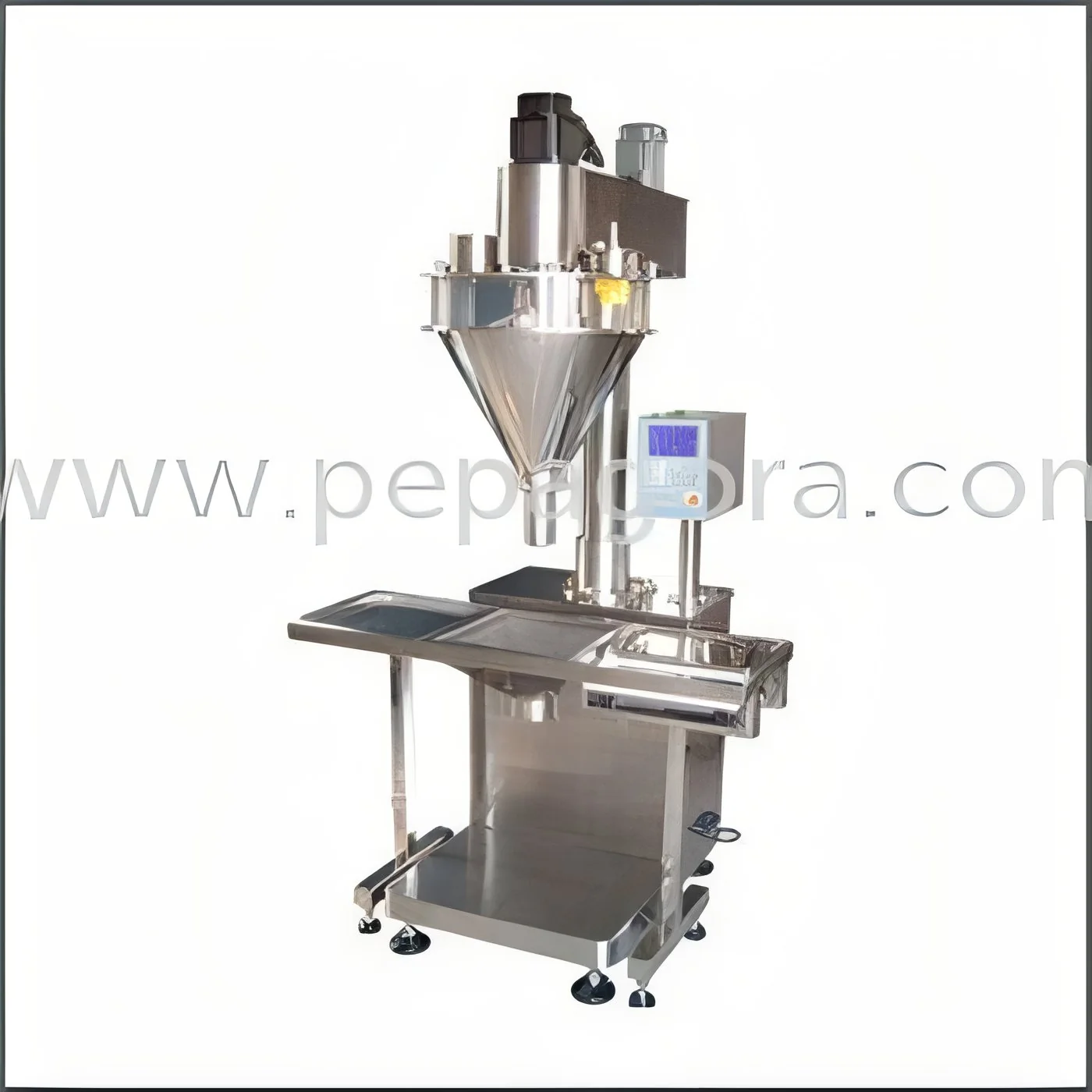
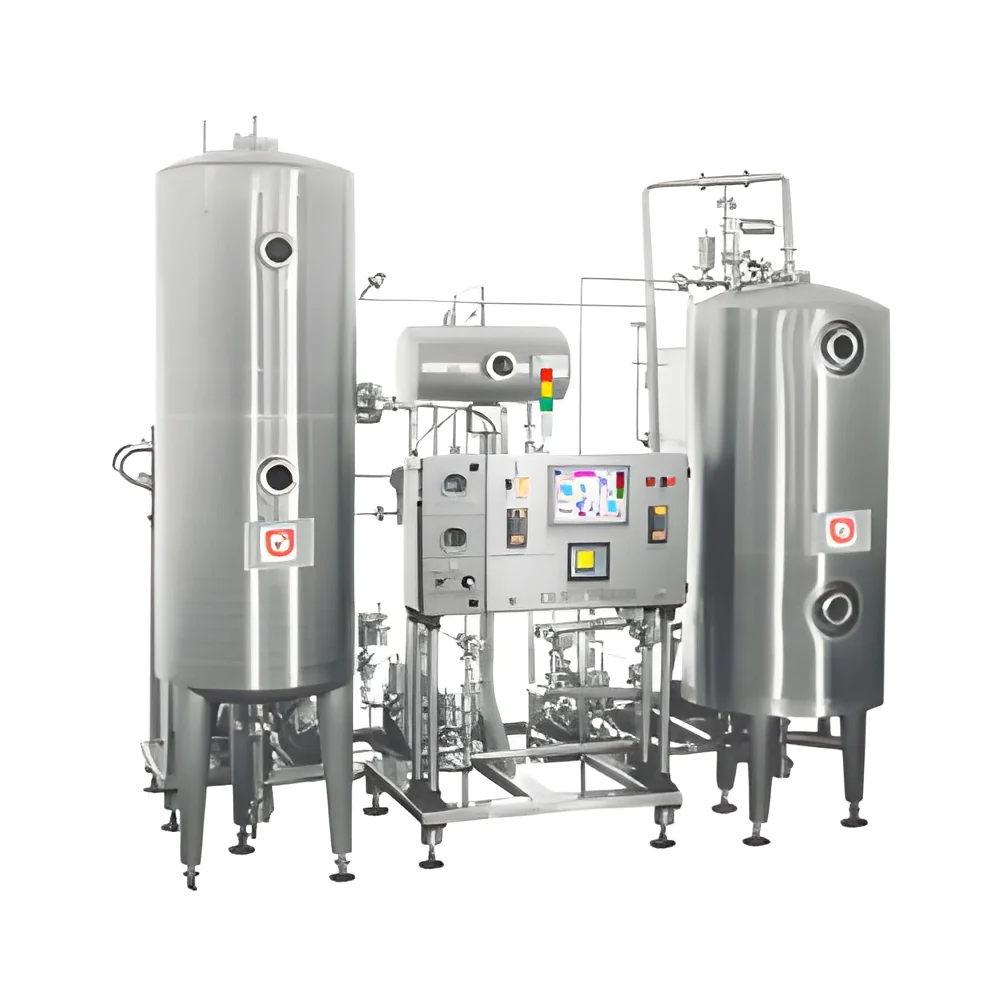
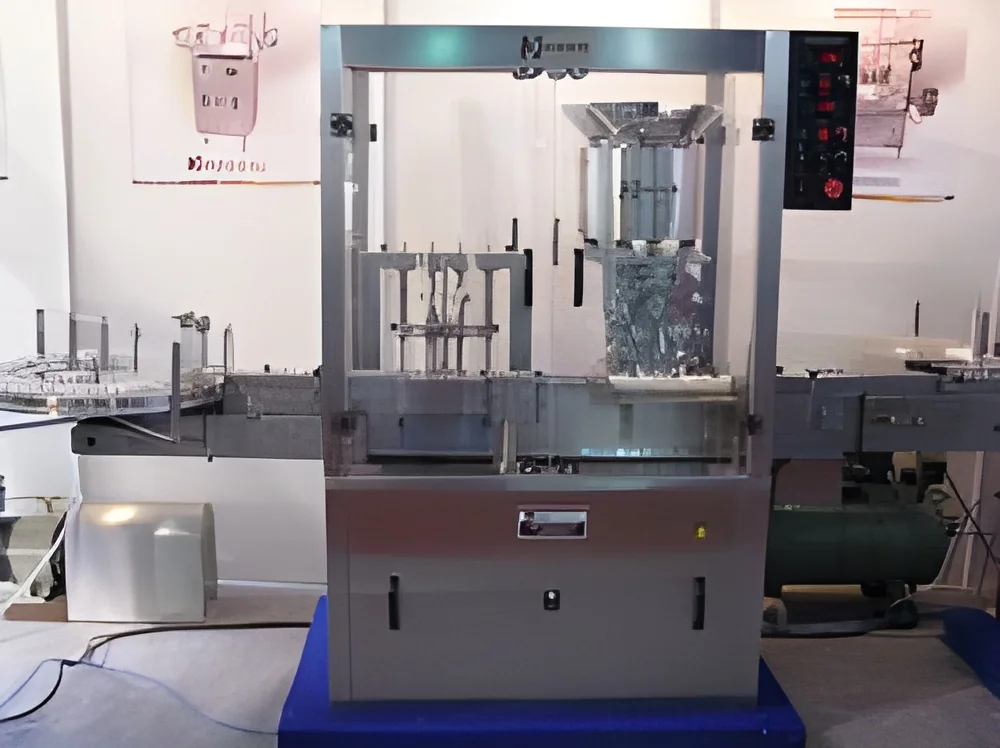
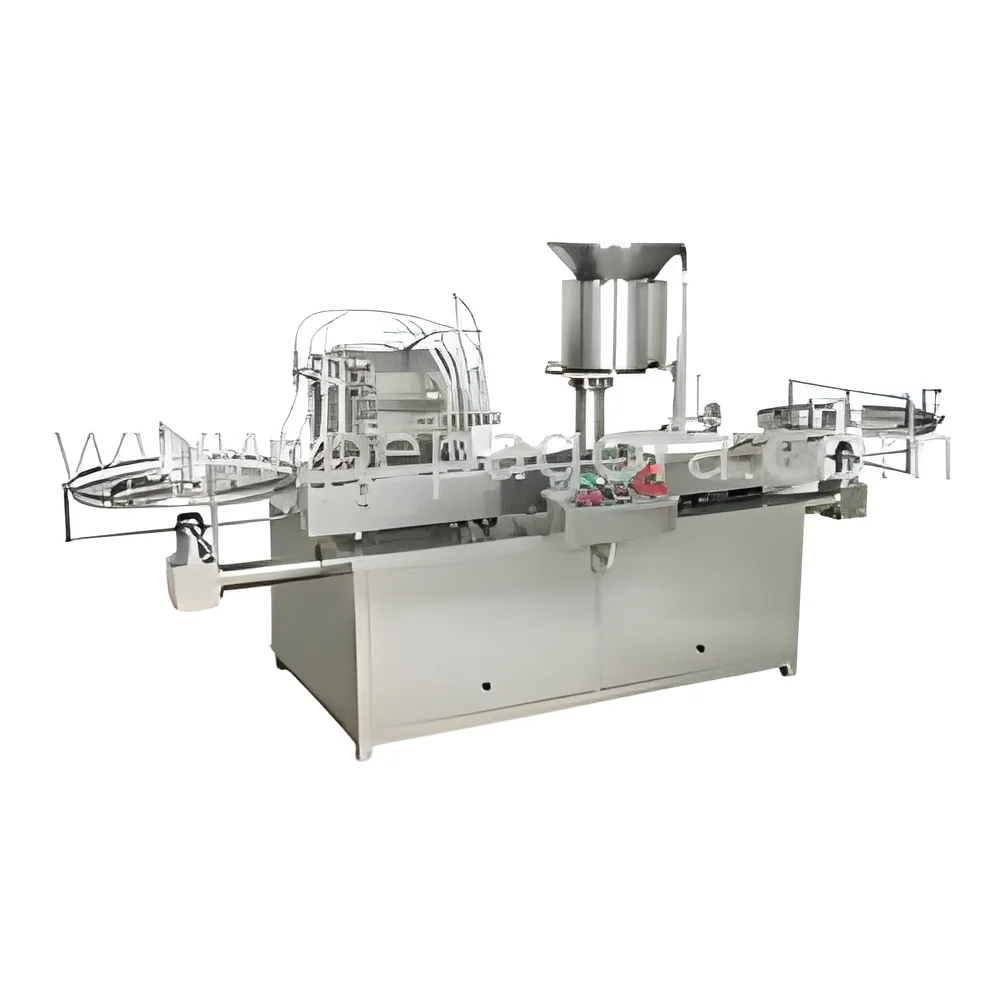
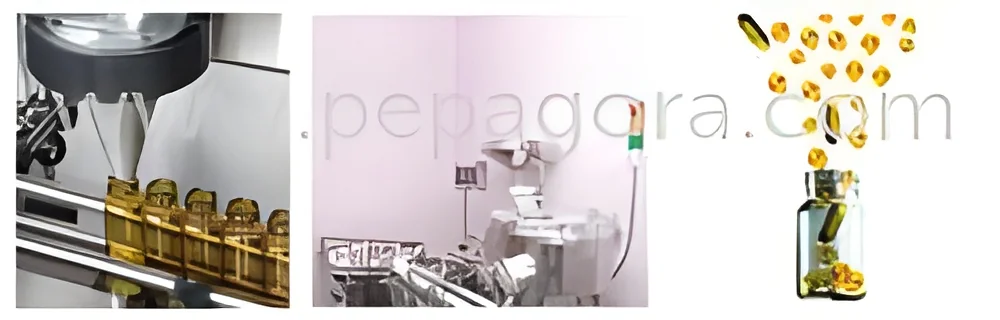
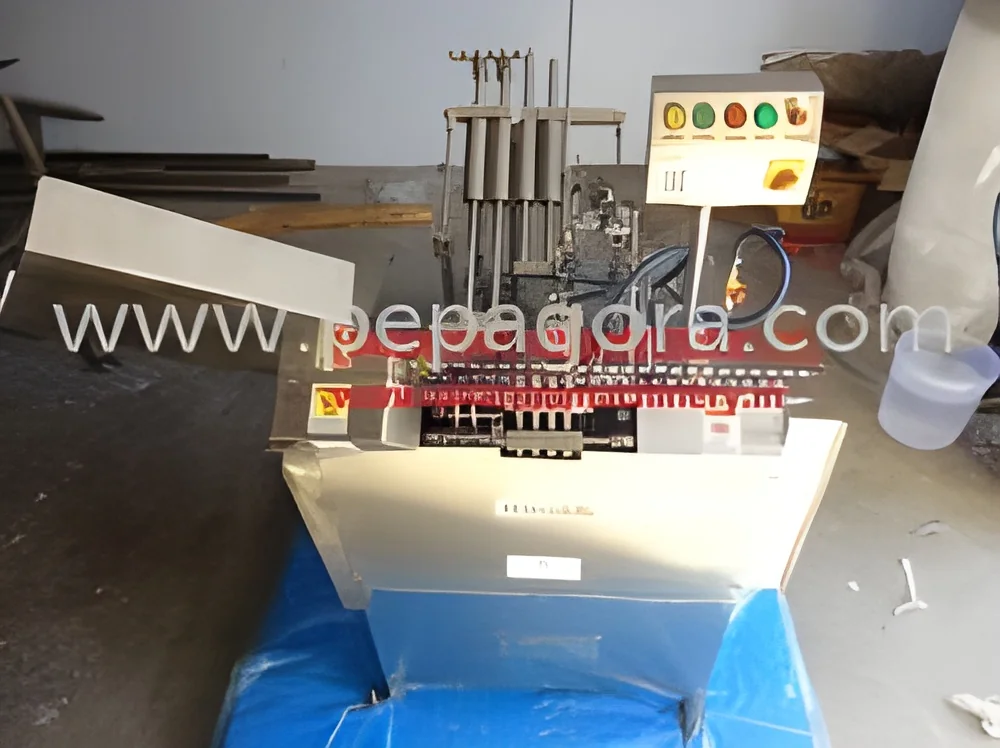
Filling machines are specialized equipment designed to accurately dispense and package various liquids, powders, granules, and other materials into containers. They play a crucial role in the manufacturing and packaging processes across multiple industries. By automating the filling process, these machines enhance efficiency, reduce labor costs, and ensure consistent product quality.
These machines are widely used in industries such as food and beverage, pharmaceuticals, cosmetics, and chemicals. Their applications range from filling bottles with liquids and jars with powders to packaging granulated materials in bulk. The automation provided by filling machines not only speeds up production but also minimizes human error, contributing to higher operational standards and improved safety.
In today's competitive market, filling machines are integral to maintaining production efficiency and meeting consumer demand. As businesses strive to enhance their packaging operations, the relevance of filling machines continues to grow, with innovations aimed at improving speed, accuracy, and flexibility in filling processes.
Key Features and Specifications
Filling machines come equipped with various features and specifications that cater to specific business needs. These features are essential for ensuring operational efficiency and product integrity during the filling process.
Key specifications include:
1. Filling Capacity
- This refers to the volume of product a filling machine can handle within a set timeframe.
- Typical capacities can range from small-scale (up to 500 bottles per hour) to large-scale (over 5,000 bottles per hour).
2. Type of Filling Mechanism
- Filling machines can use different mechanisms such as gravity, vacuum, or pressure filling.
- Each mechanism serves specific applications, affecting the precision and speed of the filling process.
3. Container Compatibility
- Machines are designed to accommodate various container shapes and sizes.
- Flexibility in container compatibility is crucial for diverse product lines.
4. Material of Construction
- The construction material often includes stainless steel, aluminum, or food-grade plastics.
- These materials ensure durability and hygiene, especially in food and pharmaceutical applications.
5. Automation Level
- Filling machines can be manually operated, semi-automated, or fully automated.
- The level of automation impacts labor costs and production efficiency.
6. Accuracy and Tolerance
- Precision is critical in filling applications to avoid overfilling or underfilling.
- Tolerance levels can vary based on the product being filled.
7. Control Systems
- Modern filling machines often come with PLC (Programmable Logic Controller) systems for enhanced control.
- These systems allow for easy adjustments and monitoring of the filling process.
8. Compliance with Standards
- Many filling machines comply with industry standards such as CE certification.
- Compliance ensures that machines meet safety and operational regulations.
In summary, the features and specifications of filling machines are designed to enhance productivity, precision, and compliance across various industries.
Common Applications and Use Cases
Filling machines serve a multitude of industries with unique applications tailored to their specific needs.
1. Food and Beverage: These machines are essential for filling liquids such as juices, sauces, and dairy products, ensuring accurate portion control and hygiene.
2. Pharmaceuticals: Filling machines are used to package medicines, vaccines, and ointments, where precision and compliance with health regulations are paramount.
3. Cosmetics: In the cosmetics industry, filling machines handle products like lotions, creams, and serums, focusing on maintaining product integrity and aesthetic presentation.
4. Chemicals: These machines are used to fill industrial chemicals, ensuring safe handling and accurate measurements for various applications.
5. Nutraceuticals: Filling machines are utilized for packaging dietary supplements in various formats, including capsules and powders, with strict adherence to quality standards.
6. Household Products: They also serve the household products sector, filling items like detergents and cleaners, which require careful handling and accurate dosing.
7. Agriculture: Filling machines package fertilizers and pesticides, where precise dosages are critical for effective application.
Product Variants and Subcategories
Filling machines come in various models and configurations, catering to the diverse needs of different industries.
Gravity Filling Machines
These machines utilize gravity to fill containers, making them suitable for low-viscosity liquids. They are easy to operate and maintain, ideal for food and beverage applications.
Piston Filling Machines
Designed for thicker liquids and pastes, piston filling machines utilize a piston mechanism for precise filling. They are widely used in the pharmaceutical and cosmetic industries due to their accuracy.
Vacuum Filling Machines
These machines use a vacuum to draw liquid into containers, ensuring minimal air exposure. They are often employed in the food industry for products sensitive to oxidation.
Automatic Filling Machines
Featuring advanced automation technologies, these machines are designed for high-speed production lines. They enhance efficiency and reduce labor costs, making them ideal for large-scale operations.
Benefits and Advantages
Investing in filling machines offers numerous benefits that enhance operational performance and product quality.
1. Increased Efficiency: Filling machines significantly speed up the packaging process compared to manual methods, allowing for higher production rates.
2. Consistent Quality: Automated systems provide precise filling, reducing the risk of human error and ensuring uniformity in product packaging.
3. Labor Cost Reduction: By automating the filling process, businesses can minimize labor costs associated with manual filling operations.
4. Flexibility: Many filling machines can handle various container sizes and types, allowing businesses to adapt to changing product lines.
5. Compliance and Safety: Filling machines designed to meet industry standards ensure compliance with safety regulations, protecting both workers and consumers.
6. Enhanced Hygiene: Automated filling reduces direct human contact with products, increasing hygiene and minimizing contamination risks.
Buying Guide for B2B Buyers
When sourcing filling machines, it is crucial for B2B buyers to consider several key factors to ensure they make informed decisions.
1. Quality Assessment: Evaluate the quality of the machines, looking for certifications and compliance with industry standards. High-quality machines generally offer better performance and longevity.
2. Supplier Verification: Vet suppliers by checking their reputation, customer reviews, and industry experience. A reliable supplier will provide not only quality machines but also good customer service.
3. Pricing and MOQ: Understand the pricing structure and minimum order quantities (MOQ). Compare multiple suppliers to find competitive pricing without compromising quality.
4. Delivery and Lead Times: Inquire about delivery schedules and lead times to ensure timely receipt of machines. This is critical for maintaining production timelines.
5. Compliance Requirements: Ensure that the filling machines comply with relevant regulations and standards in your industry to avoid potential legal issues.
Compliance and Certifications
Filling machines must adhere to various quality standards to ensure safety and operational efficiency. Notably, ISO 9001 is a widely recognized standard that focuses on quality management systems, ensuring that manufacturers maintain consistent quality in their processes.
HACCP (Hazard Analysis Critical Control Point) is another critical standard, particularly in the food and beverage industry, where it helps identify and manage potential hazards in the production process. Compliance with HACCP ensures that filling machines meet safety requirements and produce safe products.
Additionally, CE certification is essential for filling machines sold in the European market, indicating that the equipment meets safety, health, and environmental protection standards. Manufacturers must also consider regional compliance requirements, as regulations can vary significantly across different markets.
Safety and testing requirements are paramount, as they ensure machines operate reliably and do not pose risks to users or products. Regular testing and maintenance are necessary to uphold compliance and operational standards.
Why Source Filling Machines from Pepagora?
Pepagora provides a trusted platform for sourcing filling machines, offering several key advantages that benefit B2B buyers.
Verified Supplier Network: Pepagora boasts a network of verified suppliers, ensuring that buyers can access high-quality machines from reputable manufacturers. This verification process gives buyers confidence in their purchases.
Streamlined RFQ Process: The platform features an efficient request for quotation (RFQ) system, enabling buyers to easily compare prices and specifications from multiple suppliers. This transparency helps buyers make informed decisions.
Trade Assurance and Support: Pepagora offers trade assurance and support services, providing protection for buyers throughout the purchasing process. This assurance enhances buyer confidence and reduces risks associated with transactions.
Regional Coverage: With a focus on markets in India, the GCC, and Southeast Asia, Pepagora facilitates access to a diverse range of filling machines tailored to regional needs. This geographic reach allows buyers to find suitable machinery for their specific markets.

 IN
IN