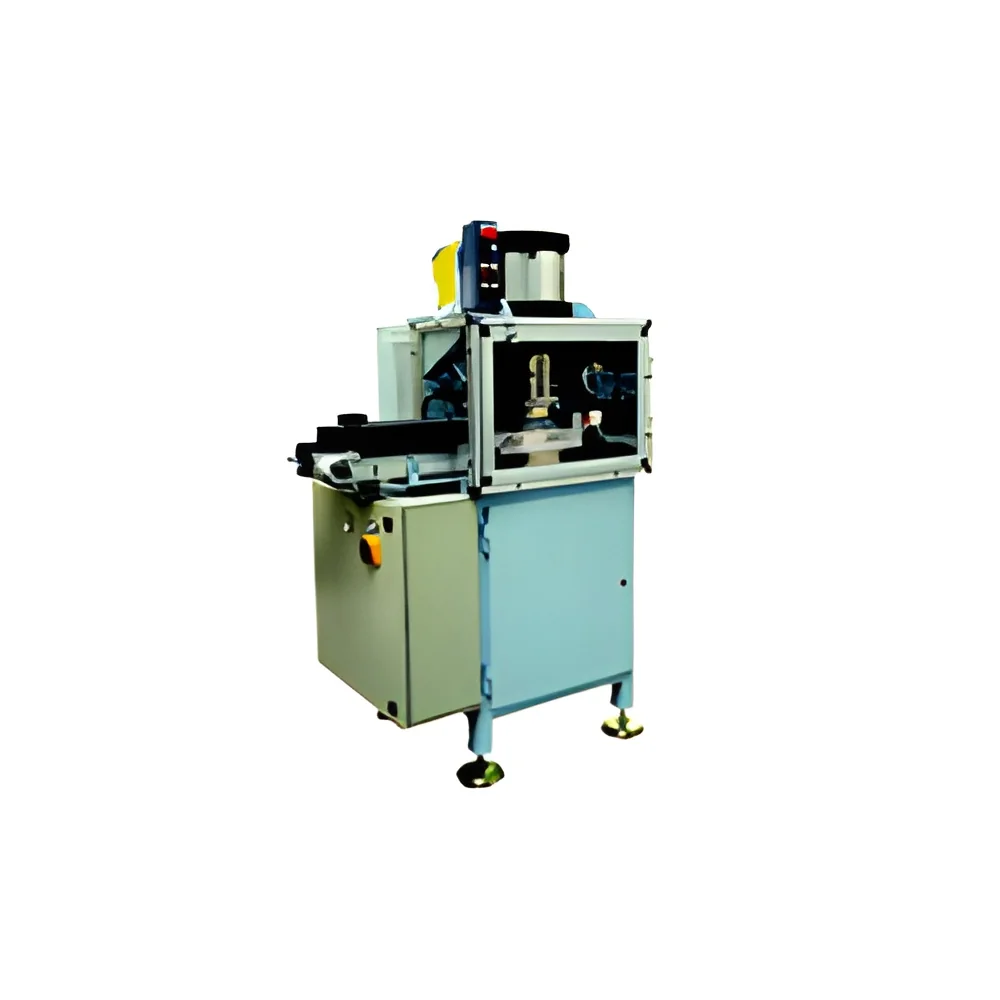
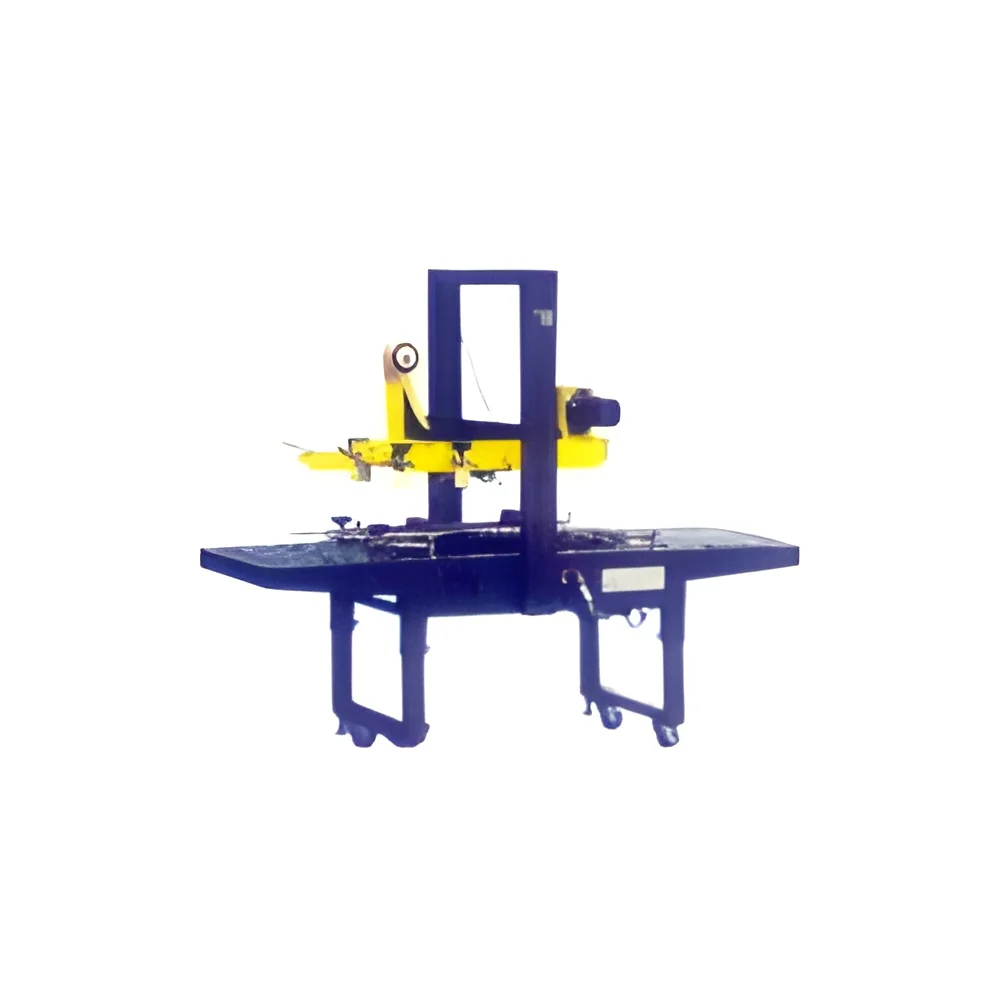
What are Box Taping Machines?
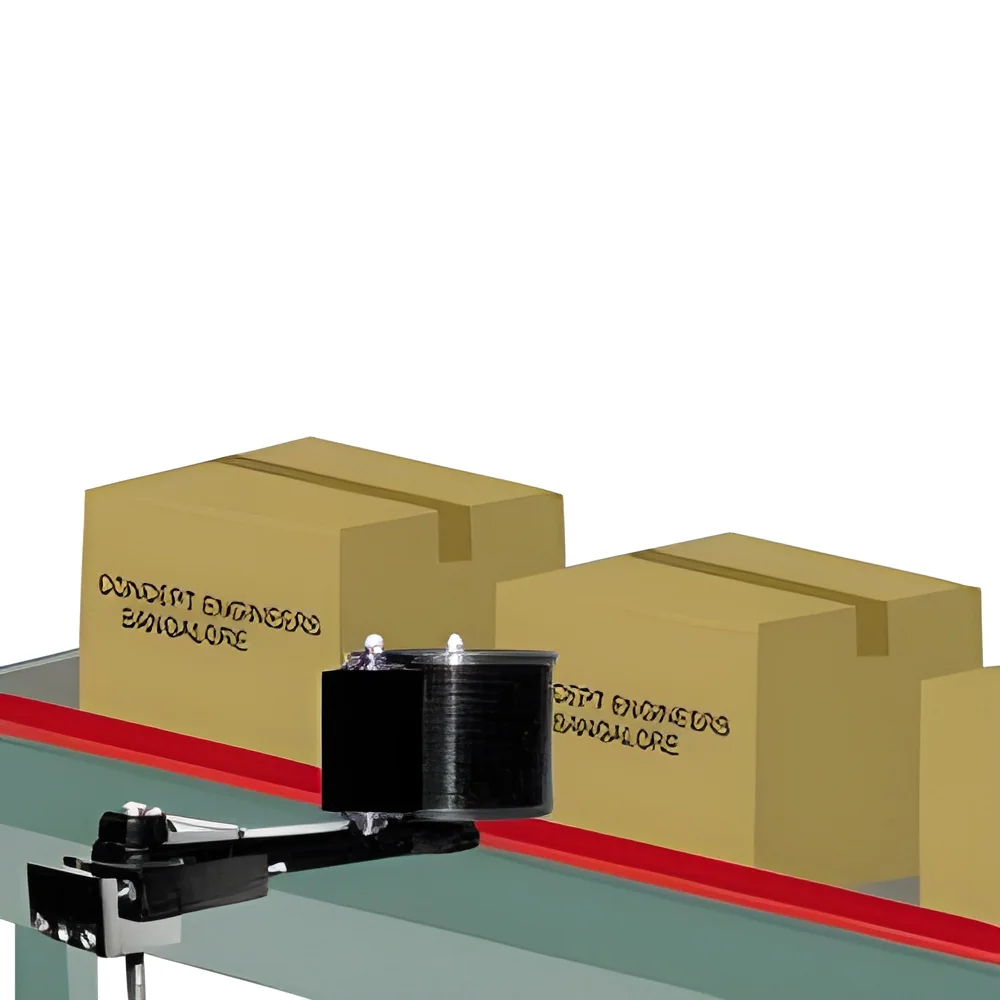
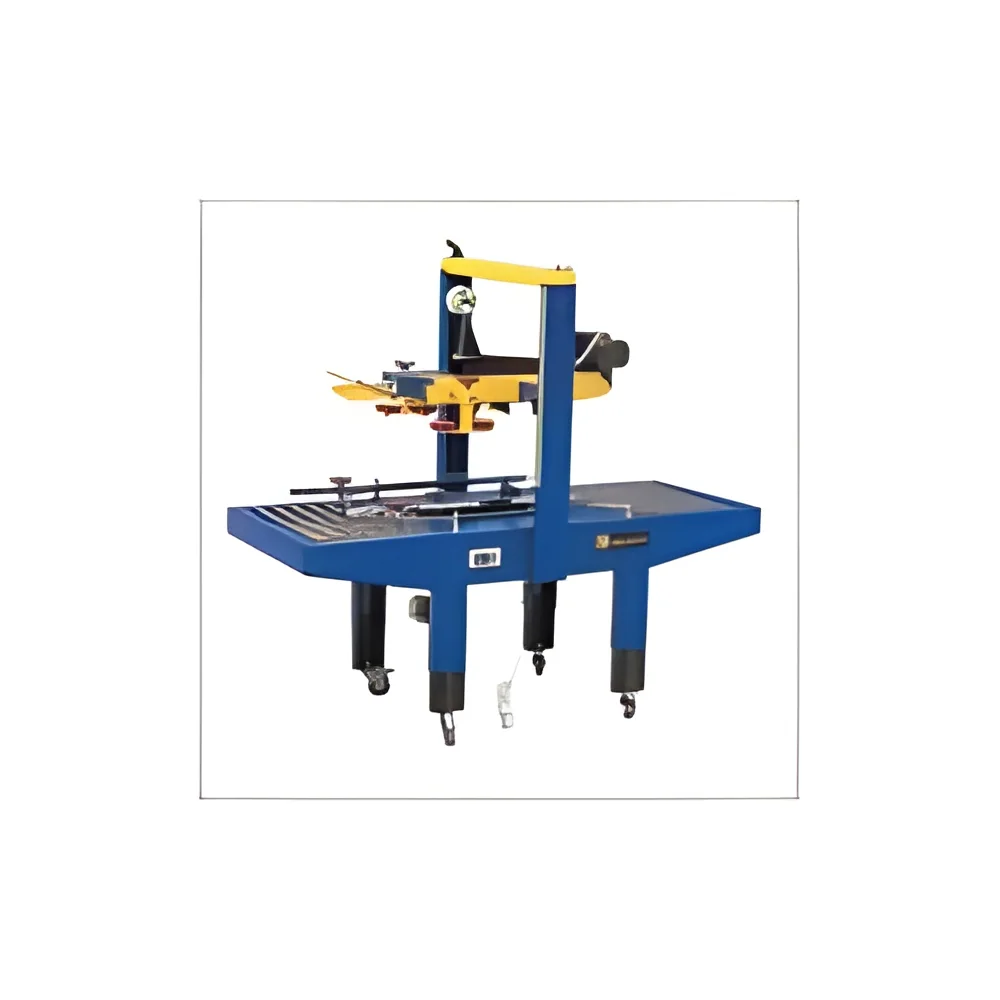
Box taping machines are automated devices designed to efficiently seal cardboard boxes with adhesive tape. These machines apply tape to the top and bottom flaps of boxes, ensuring secure closure during shipping and storage. By automating the taping process, businesses can significantly reduce labor costs and improve operational efficiency.
These machines are primarily used in packaging operations across various industries, including e-commerce, manufacturing, and logistics. They enhance productivity by enabling quick and consistent taping, which is crucial for high-volume shipping environments. As businesses increasingly focus on streamlining their operations, box taping machines have become essential tools in maintaining packaging integrity.
In the current market, the demand for box taping machines is driven by the growth of e-commerce and the need for reliable packaging solutions. Companies are looking for ways to optimize their supply chains and improve packing speeds while ensuring that products arrive safely at their destinations. This trend highlights the relevance of box taping machines in modern industrial operations.
Key Features and Specifications
Box taping machines come equipped with a variety of features designed to enhance their performance and usability. Understanding these specifications helps businesses choose the right model for their needs.
Key specifications include:
1. Taping Speed
- The speed at which the machine can apply tape to boxes, typically measured in boxes per minute.
- Ranges from 10 to 30 boxes per minute, depending on the model.
2. Tape Width Compatibility
- The range of tape widths that the machine can accommodate for different box sizes.
- Usually supports tape widths from 1.5 inches to 3 inches.
3. Power Supply
- The type of power required for operation, which can be electric or pneumatic.
- Electric models typically operate on standard voltage (110V or 220V).
4. Box Size Adjustability
- The ability to adjust the machine to handle different box dimensions.
- Many models can accommodate a range of box sizes from small to large.
5. Construction Material
- The materials used in the machine's construction, affecting durability and maintenance.
- Commonly made from steel or high-quality plastic.
6. Safety Features
- Built-in mechanisms to ensure user safety during operation.
- Often includes emergency stop buttons and safety guards.
7. User Interface
- The control panel for operating the machine, featuring digital displays and easy-to-use controls.
- Some models offer touchscreen interfaces for enhanced usability.
8. Maintenance Requirements
- Information on how frequently the machine requires servicing or parts replacement.
- Generally low maintenance, requiring periodic cleaning and inspection.
In summary, box taping machines offer a range of features and specifications that cater to diverse packaging needs. Selecting the right machine involves considering these specifications in relation to your operational requirements.
Common Applications and Use Cases
Box taping machines serve various industries, providing efficient packaging solutions.
1. E-commerce: These machines are crucial for e-commerce businesses that ship products directly to consumers. They ensure fast and reliable sealing of packages, reducing labor costs.
2. Manufacturing: In manufacturing, box taping machines are used to prepare products for distribution. They help in packaging finished goods quickly and securely.
3. Logistics: Logistics companies utilize box taping machines to streamline their packing processes. Efficient taping minimizes the risk of package damage during transit.
4. Food Industry: In the food sector, these machines are used for sealing boxes containing packaged goods. They maintain hygiene and prevent contamination.
5. Retail: Retailers use box taping machines for packaging items for shipment to stores. This ensures products are securely sealed and ready for sale.
6. Pharmaceuticals: In the pharmaceutical industry, taping machines help in packaging medicines securely. They comply with industry standards for safety and integrity.
7. Electronics: Electronics manufacturers rely on box taping machines to package devices safely. This protects sensitive equipment during shipping.
Product Variants and Subcategories
Box taping machines come in various types, each designed to meet specific packaging needs.
Semi-Automatic Box Taping Machines: These machines require some manual input to position the box but automate the taping process. They are suitable for businesses with moderate volume requirements.
Fully Automatic Box Taping Machines: Fully automatic models handle the entire taping process without manual intervention. They are ideal for high-volume production environments and enhance efficiency.
Desktop Box Taping Machines: Compact and designed for small workspaces, these machines are suitable for smaller businesses or operations with limited space.
Benefits and Advantages
Box taping machines offer numerous benefits that enhance operational efficiency and reduce costs.
1. Increased Efficiency: Automating the taping process accelerates packaging speeds, allowing businesses to handle larger volumes of orders.
2. Consistency and Reliability: These machines provide uniform tape application, ensuring that all boxes are sealed securely every time, which reduces the risk of package damage.
3. Labor Cost Reduction: By minimizing the need for manual labor, companies can lower their workforce costs and allocate resources more effectively.
4. Enhanced Packaging Integrity: Box taping machines ensure that packages are sealed tightly, protecting contents from damage during transit.
5. Improved Safety: With built-in safety features, these machines reduce the risk of workplace injuries related to manual taping.
6. Versatility: Many box taping machines can accommodate a variety of box sizes and tape widths, making them adaptable to different packaging needs.
Buying Guide for B2B Buyers
When sourcing box taping machines, it is essential to consider several factors to make an informed decision.
1. Quality Assessment: Evaluate the machine's build quality and reliability. Look for models that have durable construction to ensure long-term performance.
2. Supplier Verification: Vet potential suppliers by checking their reputation and customer reviews. Ensure they have a track record of providing reliable products and support.
3. Pricing and MOQ: Understand the pricing structures and any minimum order quantities. Compare prices from different suppliers to find the best value.
4. Delivery and Lead Times: Inquire about delivery schedules and lead times. Ensure that the supplier can meet your timelines for production needs.
5. Compliance Requirements: Check for compliance with industry standards and regulations. Ensure that the machines meet safety and quality certifications, such as CE.
Compliance and Certifications
Compliance and certifications are crucial for box taping machines, ensuring they meet industry standards and safety requirements.
Many box taping machines adhere to quality management standards like ISO 9001, which ensures consistent quality in manufacturing processes. This certification demonstrates a commitment to quality and customer satisfaction.
CE certification is also important as it indicates that the machine complies with European health, safety, and environmental protection standards. This certification is essential for businesses operating in or exporting to the European market.
Safety and testing requirements are critical considerations in the design and manufacture of box taping machines. Manufacturers must ensure that their products undergo rigorous testing to meet safety regulations, protecting users from potential hazards.
Finally, regional compliance considerations should be addressed, particularly if the machines are to be used in specific markets with unique regulations.
Why Source Box Taping Machines from Pepagora?
Pepagora offers a trusted platform for sourcing box taping machines, providing several key advantages to B2B buyers.
Verified Supplier Network: Pepagora connects buyers with a network of verified suppliers. This ensures that you are sourcing from reputable manufacturers who meet quality standards.
Streamlined RFQ Process: The platform simplifies the request for quotation process, allowing buyers to easily compare offers and select products that best meet their needs.
Trade Assurance and Support: Pepagora provides trade assurance to protect buyers throughout the purchasing process. This includes support in resolving any issues that may arise after the purchase.
Regional Coverage: With a strong presence in India, the GCC, and Southeast Asia, Pepagora offers extensive regional coverage. This makes it easier for businesses in these areas to find suitable box taping machines tailored to their requirements.

 IN
IN