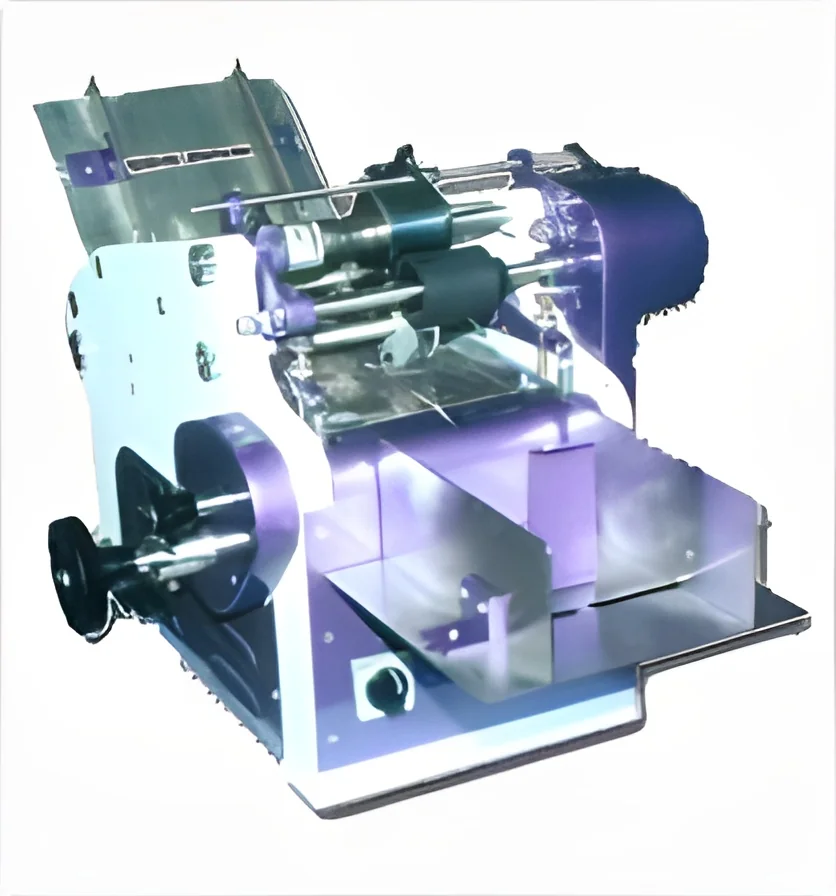
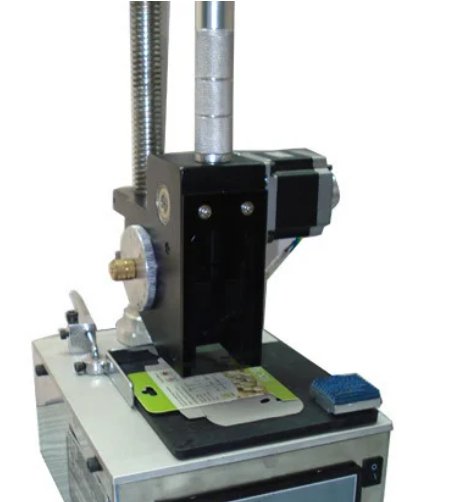
What are Batch Coding Machines?
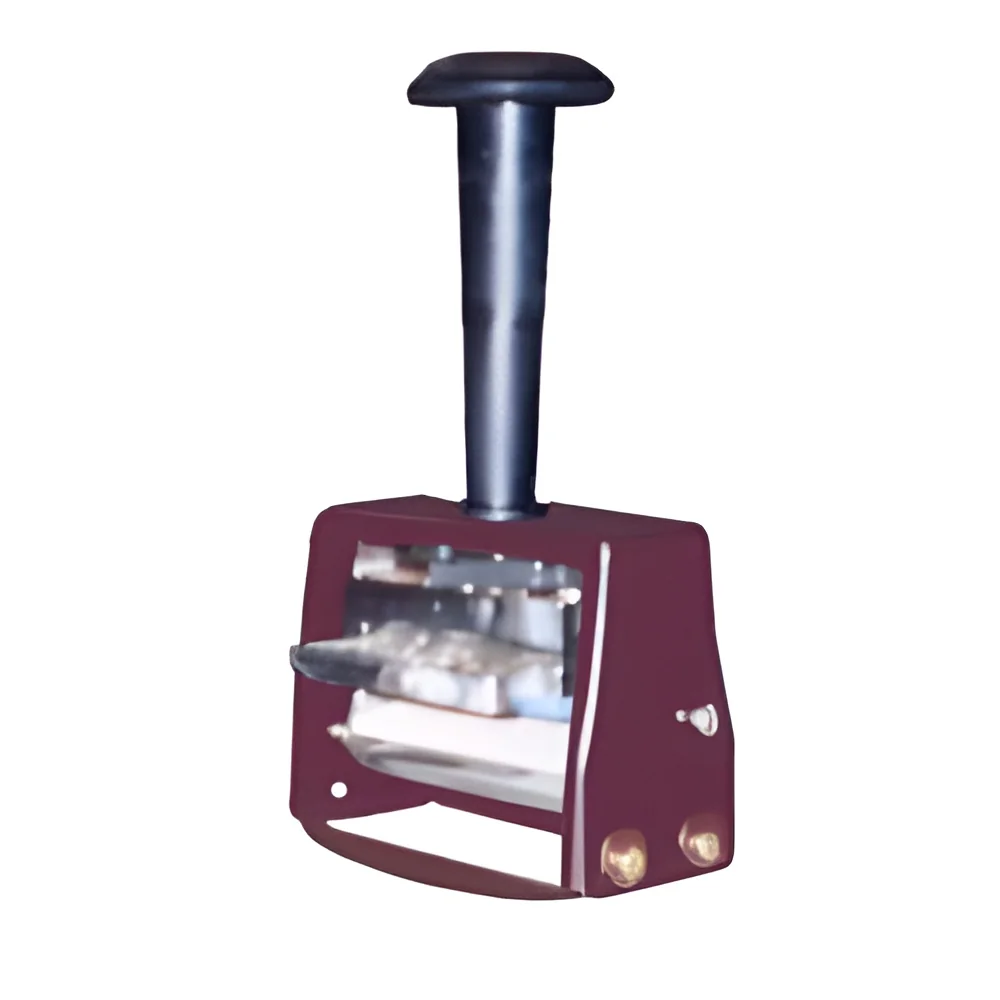
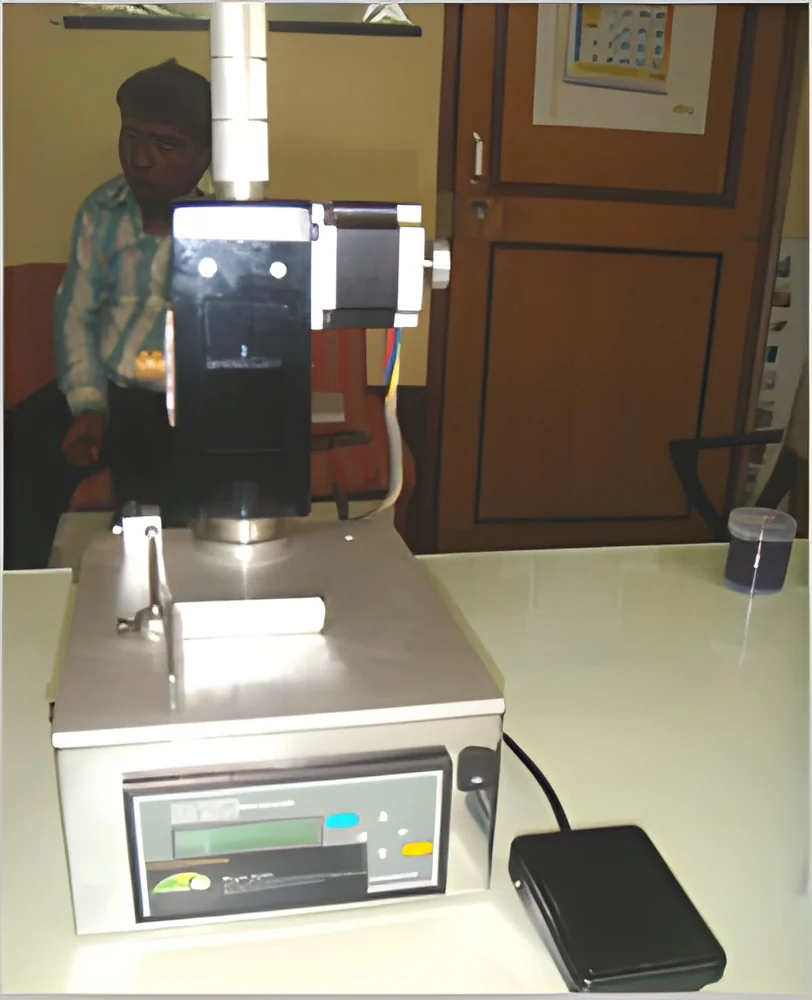
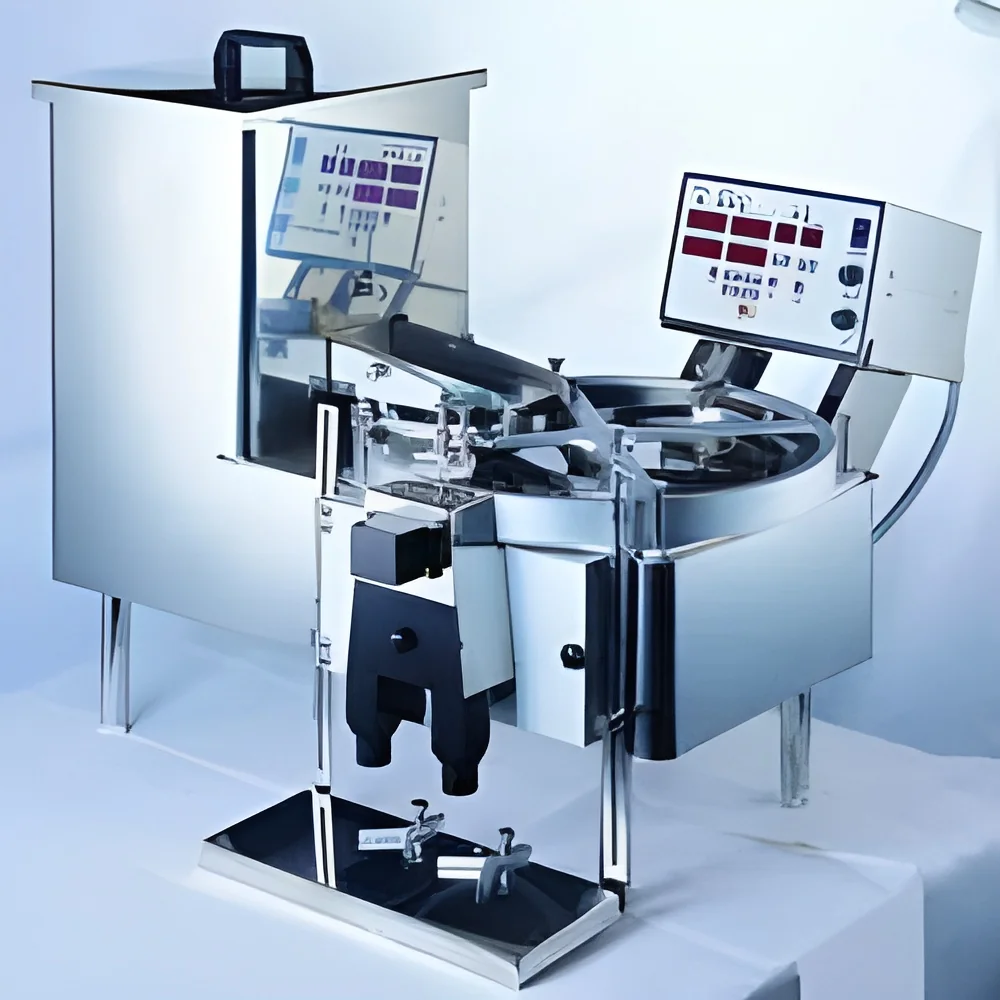
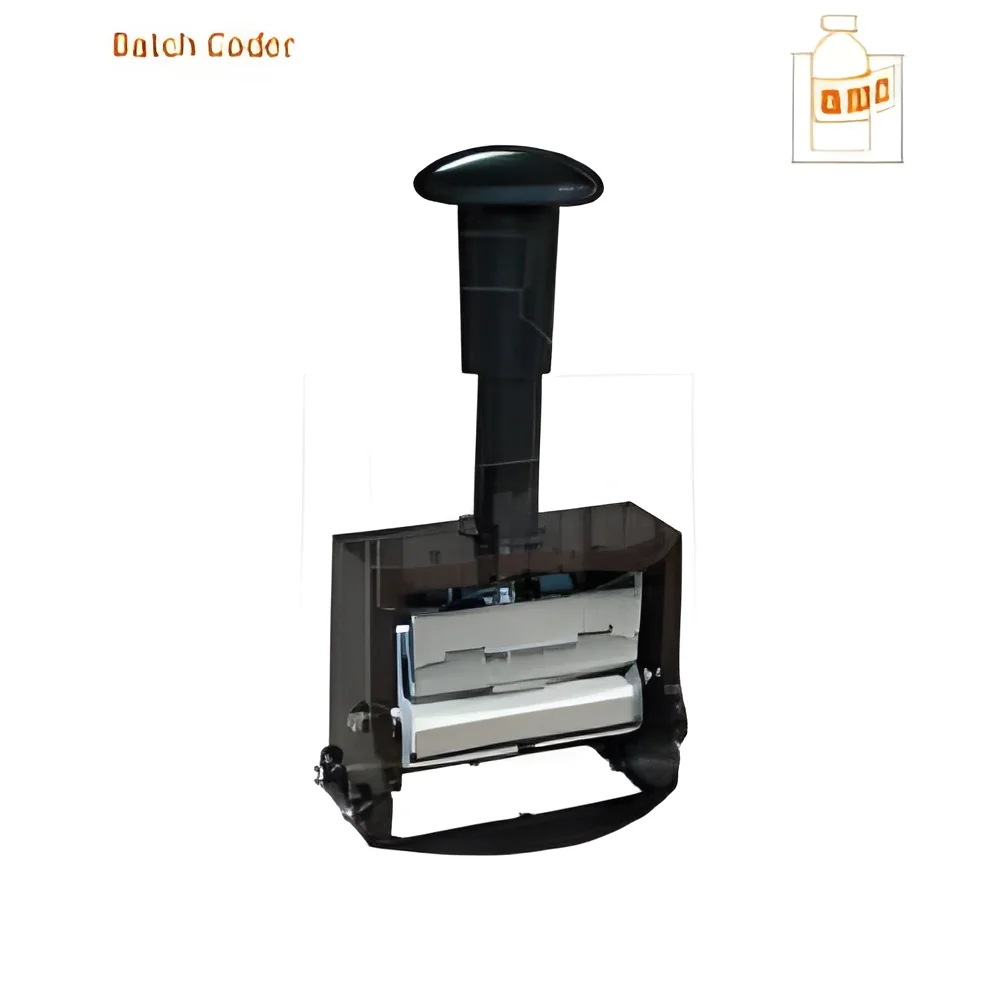
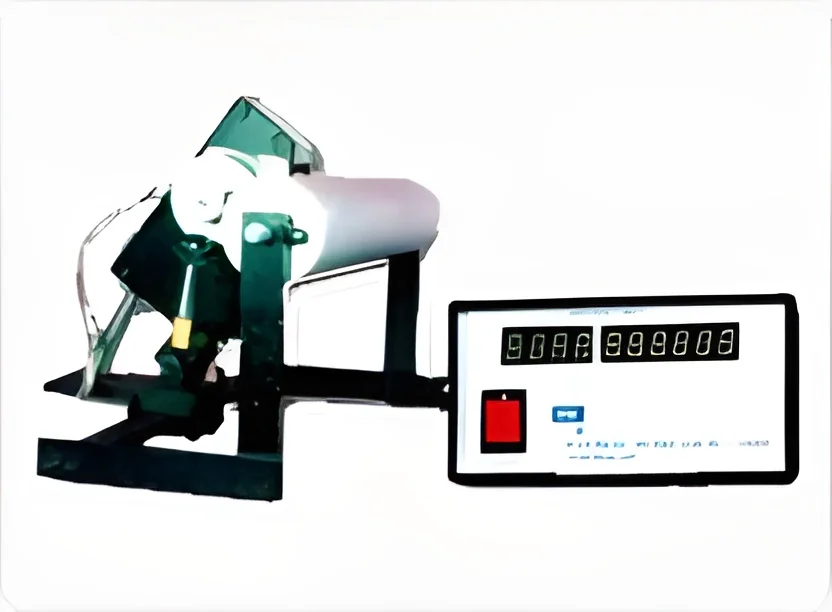
Batch coding machines are specialized devices designed to print batch numbers, expiration dates, and other crucial information on products and packaging. These machines ensure that products are correctly labeled for traceability and compliance with regulatory standards. They can accommodate various printing technologies, including inkjet, laser, and thermal transfer, depending on the requirements of the application.
The primary uses of batch coding machines span multiple sectors, including food and beverage, pharmaceuticals, and consumer goods. They play a vital role in product identification, enhancing supply chain transparency, and ensuring compliance with health and safety regulations. By providing clear and accurate labeling, batch coding machines help businesses maintain quality control and build trust with consumers.
In today's competitive market, the relevance of batch coding machines cannot be overstated. As industries increasingly focus on compliance and traceability, the demand for reliable coding solutions continues to grow. Businesses that invest in these machines can improve operational efficiency and reduce the risk of errors in labeling, ultimately gaining a competitive edge.
Key Features and Specifications
Batch coding machines come equipped with various advanced features that enhance their functionality and performance. Understanding these specifications is crucial for businesses when considering a purchase.
Key specifications include:
1. Printing Technology
- Options include inkjet, laser, and thermal transfer.
- Each technology offers unique advantages based on application needs.
2. Print Speed
- Capable of printing up to 300 meters per minute.
- Speed varies based on the machine model and configuration.
3. Print Resolution
- Ranges from 300 to 1200 DPI (dots per inch).
- Higher resolution provides clearer and more readable print.
4. User Interface
- Often includes touchscreen controls for easy operation.
- Allows for quick adjustments and programming of print settings.
5. Connectivity Options
- Supports USB, Ethernet, and wireless connections.
- Facilitates integration with existing production systems.
6. Durability
- Designed to withstand industrial environments.
- Built with high-quality materials for longevity.
7. Maintenance Requirements
- Many models feature self-cleaning capabilities.
- Reduced maintenance leads to lower operational costs.
8. Compliance Standards
- Adheres to industry regulations like CE certification.
- Ensures the machine meets safety and quality standards.
In summary, batch coding machines integrate a range of features that cater to diverse industrial needs. Understanding these specifications helps businesses make informed decisions when selecting the right machine for their operations.
Common Applications and Use Cases
Batch coding machines are versatile tools utilized across various industries.
1. Food and Beverage: These machines are essential for printing expiration dates and batch numbers on packaging. They help ensure product safety and compliance with food labeling regulations.
2. Pharmaceuticals: In the pharmaceutical industry, batch coding machines are used to label medication packaging with important information. This aids in traceability and helps maintain strict compliance with health regulations.
3. Cosmetics: Batch coding machines print manufacturing dates and product numbers on cosmetic products. This ensures consumers have access to important product information.
4. Electronics: Coding machines mark serial numbers and warranty information on electronic devices. This is crucial for tracking and customer service.
5. Chemicals: In the chemical sector, batch coding is used for labeling hazardous materials. Accurate labeling is vital for safety and regulatory compliance.
6. Logistics: These machines help in printing shipping labels and tracking codes, streamlining the supply chain process.
7. Automotive: Batch coding machines are used to label parts with identification numbers. This supports inventory management and traceability.
Product Variants and Subcategories
Batch coding machines come in various configurations to suit different operational needs.
Inkjet Batch Coding Machines: These machines are popular for their speed and flexibility. They can print on a wide range of surfaces and are ideal for high-volume production environments.
Laser Batch Coding Machines: Known for their precision, laser machines provide permanent marking without the need for consumables. They are suitable for applications requiring high-quality graphics and text.
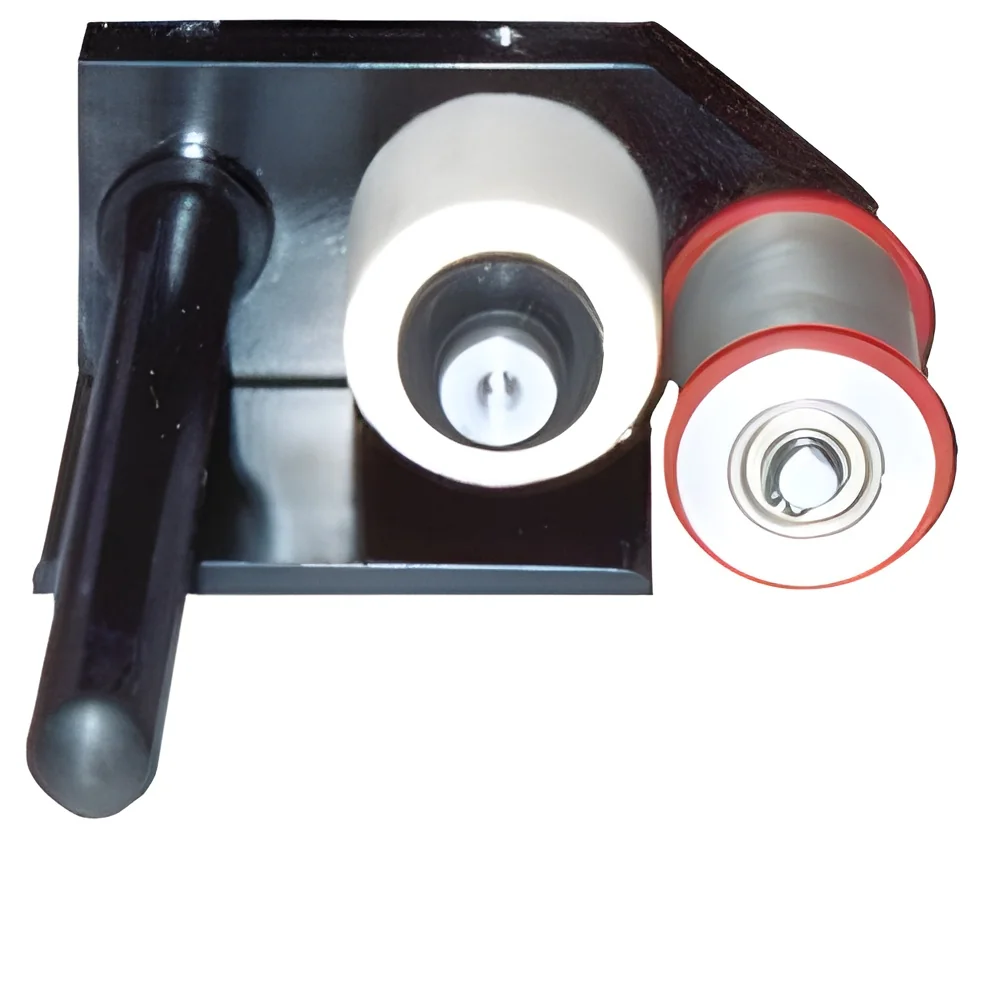
Thermal Transfer Batch Coding Machines: These machines use heat to transfer ink from a ribbon onto the substrate. They are often used for packaging that requires durable and high-quality prints.
Benefits and Advantages
Investing in batch coding machines offers numerous advantages for businesses.
1. Enhanced Traceability: Batch coding machines improve product traceability, allowing businesses to quickly identify and recall products if necessary.
2. Compliance Assurance: These machines help companies meet regulatory requirements, reducing the risk of legal issues related to labeling.
3. Increased Efficiency: Automated coding reduces manual labeling efforts, leading to faster production times and lower labor costs.
4. Cost Savings: High-speed printing capabilities minimize material waste and reduce the need for frequent maintenance.
5. Versatility: Batch coding machines can accommodate various substrates, making them suitable for diverse product lines.
6. Improved Brand Image: Clear and accurate labeling enhances product presentation, fostering consumer trust and brand loyalty.
Buying Guide for B2B Buyers
When sourcing batch coding machines, it is essential to consider several key factors.
1. Quality Assessment: Evaluate the quality of the machine by reviewing performance metrics and customer feedback. Look for machines that have a proven track record of reliability.
2. Supplier Verification: Ensure that suppliers are reputable and have a history of providing quality products. Check for reviews and request references if necessary.
3. Pricing and MOQ: Understand the pricing structure and any minimum order quantities. Compare costs across suppliers to ensure you are getting a fair deal.
4. Delivery and Lead Times: Inquire about delivery timelines to ensure the machine will arrive when needed. Consider the logistical capabilities of the supplier.
5. Compliance Requirements: Confirm that the machine meets necessary compliance standards for your industry. This may include certifications like CE or specific regional regulations.
Compliance and Certifications
Batch coding machines are subject to various quality standards and certifications that ensure their safety and effectiveness in the market. Compliance with ISO 9001 guarantees that manufacturers maintain high-quality management systems, leading to consistent production quality.
Additionally, adherence to HACCP (Hazard Analysis Critical Control Point) is essential in industries like food and pharmaceuticals, where safety and traceability are paramount. Having CE certification confirms that the machine meets European safety standards, making it suitable for use in various industrial applications.
Safety and testing requirements are crucial to ensure that batch coding machines operate without risk to personnel or production processes. Manufacturers should also consider regional compliance requirements, as different regions may have specific regulations affecting labeling and coding practices.
Why Source Batch Coding Machines from Pepagora?
Pepagora offers a trusted platform for sourcing batch coding machines, providing several key advantages to buyers.
Verified Supplier Network: Pepagora connects buyers with a network of verified suppliers, ensuring that you receive high-quality machines from reputable manufacturers. This network is built on trust and reliability, making it easier for businesses to find the right equipment.
Streamlined RFQ Process: The request for quotation process on Pepagora is designed to be user-friendly. Buyers can easily submit their requirements and receive competitive quotes from multiple suppliers, saving time and effort in sourcing.
Trade Assurance and Support: Pepagora provides trade assurance to protect buyers throughout the purchasing process. This support ensures that you can make your purchase with confidence, knowing that assistance is available if needed.
Regional Coverage: Pepagora has a broad geographic reach, covering markets in India, the GCC, and Southeast Asia. This regional presence allows buyers to access a wide range of batch coding machines suitable for their specific market needs.

 IN
IN